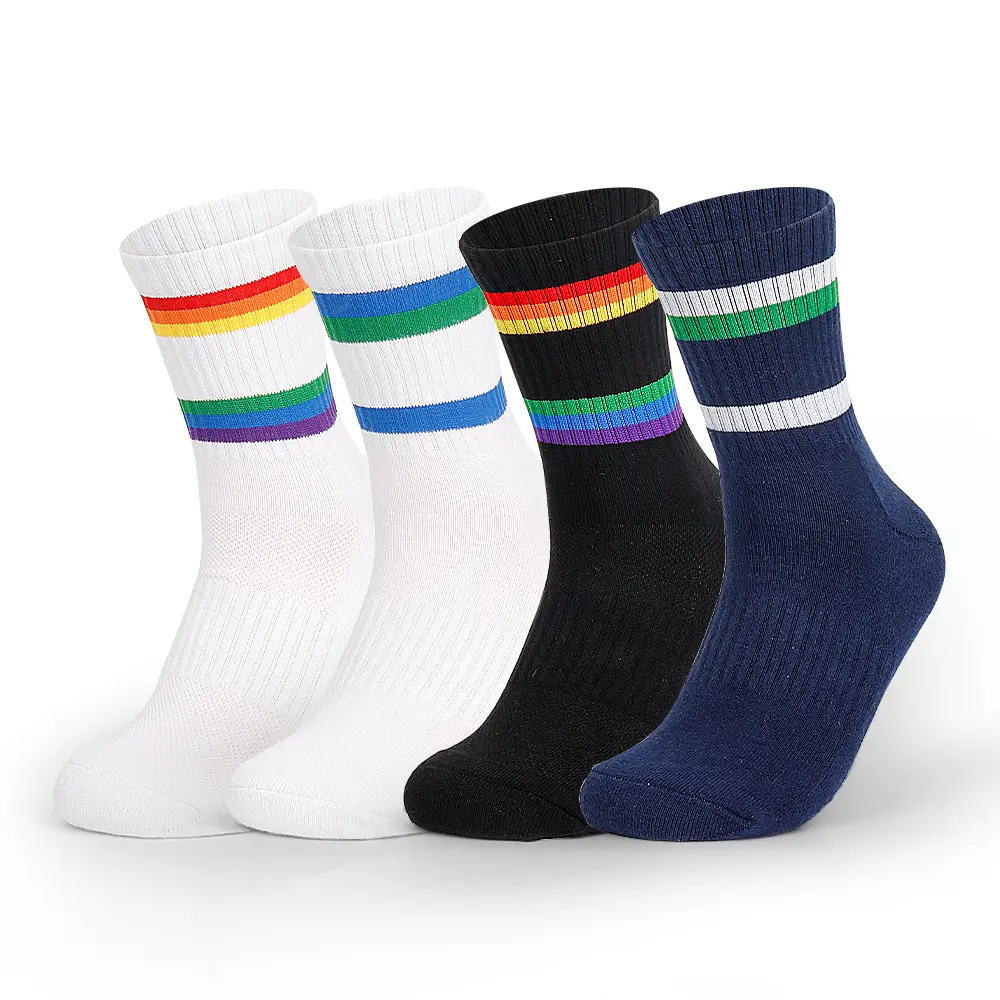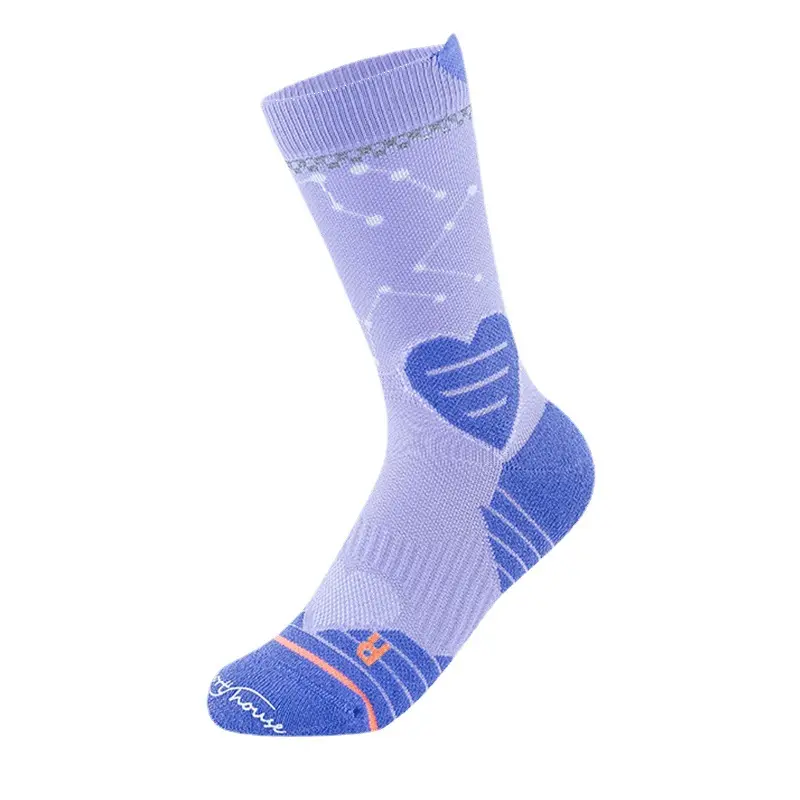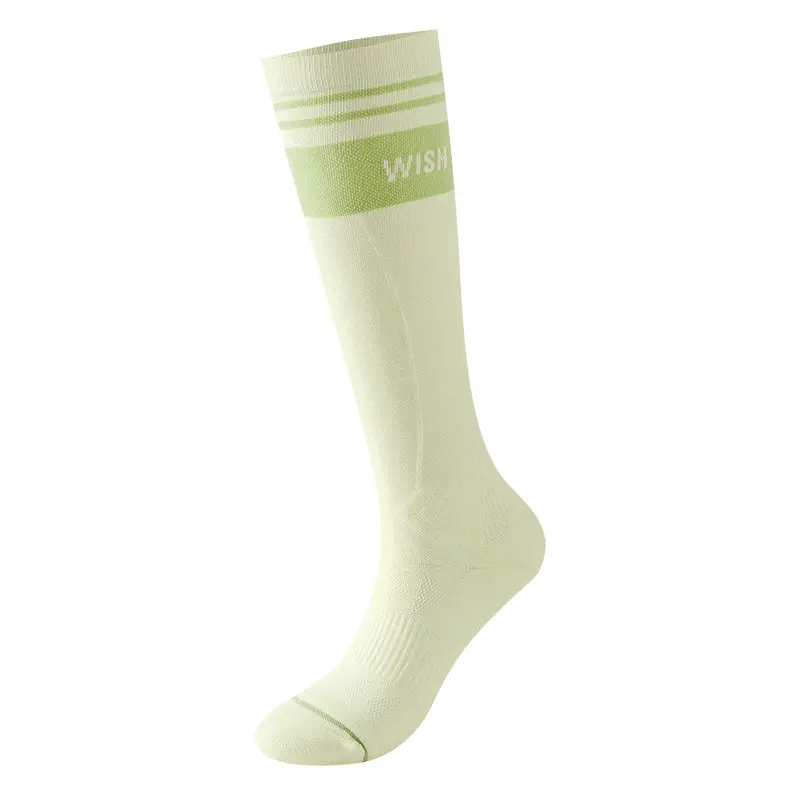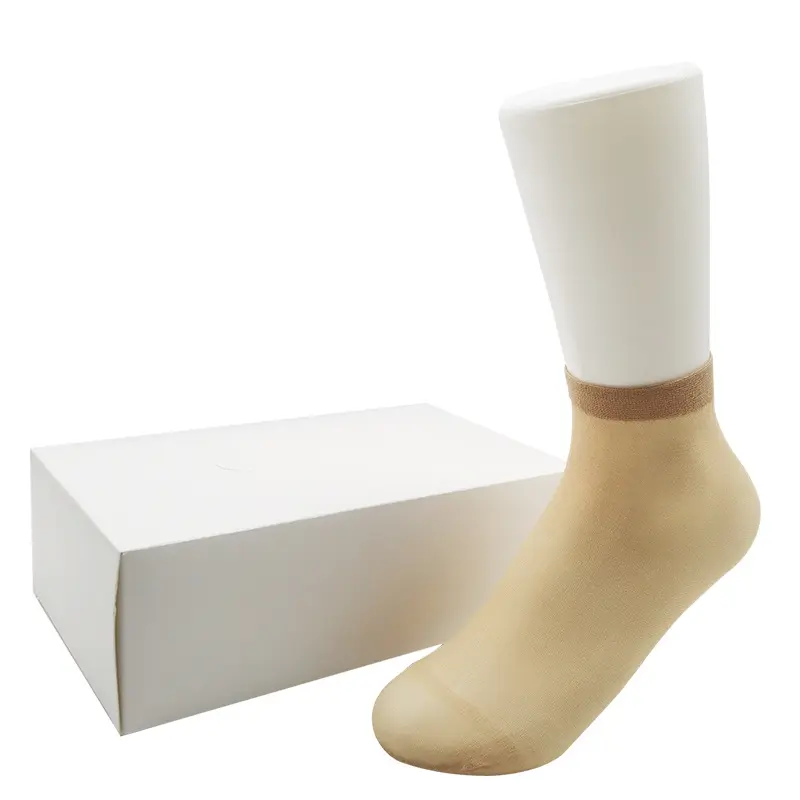
Global buyers choose Acrylic Socks for warmth, color versatility, and accessible pricing. Yet the fiber alone does not guarantee a dependable product. Yarn quality, knit density, cuff recovery, and finishing all shape how socks feel after a full day of wear. Small details matter. A cuff that slips or a toe seam that rubs can turn a promising sample into a poor repeat order.
For this introduction, Rowan Ellis is a fictional composite hosiery sourcing specialist, not a real or independently verifiable expert. The following line is original editorial wording, not a published quotation: “Judge Acrylic Socks by their performance after washing, not only by their first impression.” It captures a practical buyer concern. Ask manufacturers for clear specifications, representative samples, and documented wash-test results. Compare construction and consistency, not just unit price. A low quote may leave important details unanswered.
This guide examines manufacturers serving international buyers, with attention to product range, customization, quality controls, communication, and order flexibility. These factors can help buyers shortlist suppliers and prepare better questions before requesting a quotation. Still, a polished catalog is not proof of reliable production. Verify claims directly, and check whether samples match the specifications offered. The comparison is a starting point, not a guarantee. Even careful sourcing has uncertainties; lead times and sample performance can change. Buyers should leave room for that reality.
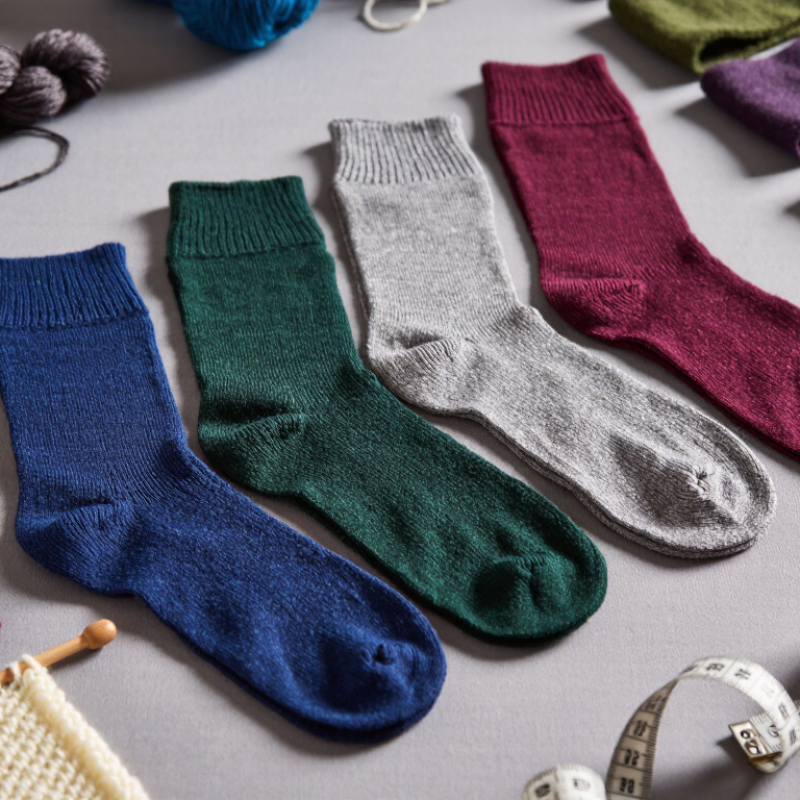
Acrylic socks are knitted from synthetic fibers valued for warmth, low weight, and vivid color. The material can feel soft against the skin and dries relatively quickly, making it useful in cold-weather and everyday styles. But acrylic is not automatically the cheaper answer. Some blends pill after repeated friction, and poorly controlled knitting can leave cuffs stretched or toes bulky. Buyers should compare fiber content, yarn count, sock weight, and test results—not just the quoted unit price.
The market sits within a much larger fiber industry.
Textile Exchange’s Materials Market Report 2024 estimated global fiber production at 124 million tonnes in 2023, showing the scale of material sourcing behind apparel.
Separately, Grand View Research estimated the global acrylic fibers market at about US$5.5 billion in 2023 and projected continued growth through 2030. These figures describe different markets, so they should not be treated as sock-sales data. Still, they signal sustained demand for synthetic fibers.
That scale matters. For global buyers, useful checks include pilling resistance, colorfastness, dimensional stability after washing, and blend consistency between production lots. Ask suppliers for test methods and sample measurements.
One detail is easy to overlook: a warm sock may still feel clammy during active use. Comfort depends on construction and blend, not fiber name alone.

A reliable acrylic socks manufacturer should explain its yarn composition, denier, knitting method, and finishing process clearly. Ask for the fiber percentages in writing, not only a product description. Acrylic can feel soft and warm, but yarn quality and fabric construction affect pilling, stretch, and comfort. Small details matter. Request test results for colorfastness, shrinkage, and abrasion where available. Check whether the tests match your intended washing conditions. Ask for evidence. A polished sample is useful, but it cannot show how every production batch will perform.
Evaluate production controls as carefully as the sock itself. Ask how sizes, colors, and measurements are checked during manufacturing. Request samples from more than one color or size, and compare the toe seam, cuff tension, and fabric density. One sample is reassuring, but not proof of consistency. Review minimum order quantities, realistic lead times, and the process for handling defects or repeat orders. Clear answers are a good sign; vague promises deserve follow-up. I would leave room for some uncertainty, since even detailed checks cannot predict every wearer's experience. A small wear-and-wash trial can reveal issues that product sheets miss.
| Evaluation Dimension | What to Assess | Evidence to Request | Why It Matters to Global Buyers |
|---|---|---|---|
| Fiber Composition | Confirm the acrylic percentage and the presence of other fibers, such as nylon, polyester, wool, or elastane. | Written yarn specifications, product composition details, and test results for the finished sock where required. | Composition affects product feel, stretch, care instructions, labeling, and the accuracy of product claims. |
| Yarn Quality and Consistency | Review yarn specifications, shade consistency, and the supplier’s process for checking incoming materials. | Yarn data sheets, approved sample records, and incoming-material inspection procedures. | Consistent inputs help reduce variation in appearance and performance between production lots. |
| Knitting and Product Range | Check whether the factory can make the required sock types, sizes, thicknesses, patterns, and finishing details. | Relevant product samples, machine or process capability information, and confirmation of available construction options. | Production capability should match the intended use, design, and assortment rather than relying on a general product claim. |
| Fit and Sizing | Assess size grading, stretch and recovery, cuff comfort, and fit consistency across the requested size range. | Size specifications, graded samples, and documented fit checks using agreed measurement points. | Clear sizing criteria can help limit fit-related complaints and improve consistency across markets. |
| Durability and Performance | Evaluate relevant properties such as abrasion resistance, pilling, dimensional change after care, and colorfastness. | Test reports for the specific product, with the test method, sample details, and results stated. | Performance requirements vary by product and destination market, so buyers should assess evidence against their own specifications. |
| Color and Design Control | Review color matching, pattern execution, repeatability, and approval procedures for custom designs. | Lab dips or color standards where applicable, pre-production samples, and written approval records. | Formal approvals help align bulk production with the buyer’s intended colors and artwork. |
| Quality Management | Understand how inspections are planned, how defects are recorded, and how corrective actions are handled. | Quality-control procedures, inspection records, defect definitions, and corrective-action examples with confidential details removed. | A documented process makes quality expectations easier to communicate and verify throughout production. |
| Compliance and Traceability | Check applicable product-safety, chemical, labeling, and import requirements for each destination market. | Current, relevant test reports or certificates, their scope and validity, and material or lot traceability records. | Requirements differ by market and product; documents should be checked for relevance rather than accepted by title alone. |
| Order Terms and Production Planning | Confirm minimum order quantities, sampling arrangements, production lead-time assumptions, and capacity for the requested order. | A written quotation, production schedule, sample plan, and clear terms for changes or delays. | Transparent planning helps buyers compare offers and coordinate purchasing, launches, and replenishment. |
| Packaging and Export Readiness | Verify folding, labeling, carton specifications, shipping marks, and the ability to prepare documentation requested for export. | Packaging mock-ups, carton details, labeling samples, and a checklist of export documents the supplier can provide. | Packaging and documentation need to match the buyer’s distribution process and applicable destination requirements. |
| Communication and Sampling | Assess response clarity, specification handling, sample turnaround expectations, and the process for resolving production questions. | Named points of contact, a documented sample-approval workflow, and written confirmation of specifications. | Reliable communication supports faster decisions and reduces the risk of misunderstandings during development and production. |
For international buyers, leading acrylic socks manufacturers prove consistency on the production floor, not just in a polished sample. Textile Exchange’s Materials Market Report 2024 estimates global fiber production reached 124 million tonnes in 2023, highlighting the scale and complexity of material sourcing. Grand View Research’s acrylic fibers market report forecasts continued growth through 2030. These figures point to a practical priority: ask suppliers how they control yarn lots, color matching, and production capacity. Small details matter. Request a size-set sample, yarn specifications, and test results for pilling, shrinkage, and colorfastness. Confirm whether testing uses your intended washing conditions.
A capable supplier should explain machine gauge, sock weight, blend ratios, and lead times in clear terms. Ask for a production sample, not only a showroom sample, then compare toe seams and elastic recovery after washing. A neat sample can still disappoint later. That is easy to overlook. Check how the manufacturer handles defects and repeat orders, and request recent inspection records where available. Also clarify minimum order quantities and packing details before approving a quotation. Strong sourcing depends on evidence, but no checklist guarantees a perfect run. Leave room for trial orders and honest review.
A capable acrylic sock manufacturer should control the process from yarn selection to finished-pair inspection. Buyers can specify yarn count, acrylic blend, knit gauge, cushioning zones, cuff height, and color placement. Practical samples help reveal issues that a specification sheet may miss, such as a loose toe seam or a cuff that rolls after washing. Small details matter. Manufacturers should also explain their knitting capacity, sampling lead times, and how they handle repeat orders. Customization is useful only when production can reproduce it consistently.
Textile Exchange’s Materials Market Report 2024 estimates global fiber production reached 124 million tonnes in 2023. This figure describes the wider fiber market, not sock output, but it underscores the scale of material sourcing behind textile production. For acrylic socks, buyers should request traceable material records and test results for colorfastness, pilling, and dimensional change. ISO 105-C06 covers colorfastness to domestic washing; ISO 12945-2 addresses fabric pilling. Ask for results from the actual production fabric, not just a similar lab sample. Not enough. A test report cannot replace careful inspection of seams, sizing, and pair matching. Even strong suppliers can miss details during busy runs, so clear tolerances and corrective-action records deserve attention.
When comparing acrylic socks manufacturers, request a like-for-like quotation: same yarn blend, sock weight, size range, knitting gauge, and packaging. Ask for the acrylic percentage, any nylon or elastane content, and test results for colorfastness and pilling. Textile Exchange’s Materials Market Report 2024 estimates global fiber production reached 124 million tonnes in 2023. That scale gives buyers context, but it does not predict acrylic yarn prices; confirm current yarn costs and quote validity directly with suppliers. Small details matter. A sample may feel soft yet differ from bulk production in thickness or shade, so approve a production sample and define acceptable variation.
Compare the full landed cost, not just the factory price. Request separate figures for sampling, setup, labeling, cartons, and freight, and check minimum order quantities by color and size. Freight quotes should state shipment mode, route, estimated transit time, and whether charges are FOB or CIF. UNCTAD’s Review of Maritime Transport 2024 reported maritime trade grew 2.4% in 2023, amid ongoing route and capacity pressures. Rates can still change quickly. Build a buffer into delivery plans, and verify carton dimensions and gross weight before booking; small packing changes can affect freight costs. I would also ask for a clear schedule of payment milestones and inspection timing. It can feel overly cautious, but unclear terms often cost more than a slightly higher unit price.