Leave Your Message
Design Drawing File Upload X

What Are Acrylic Socks and Why Choose Them?

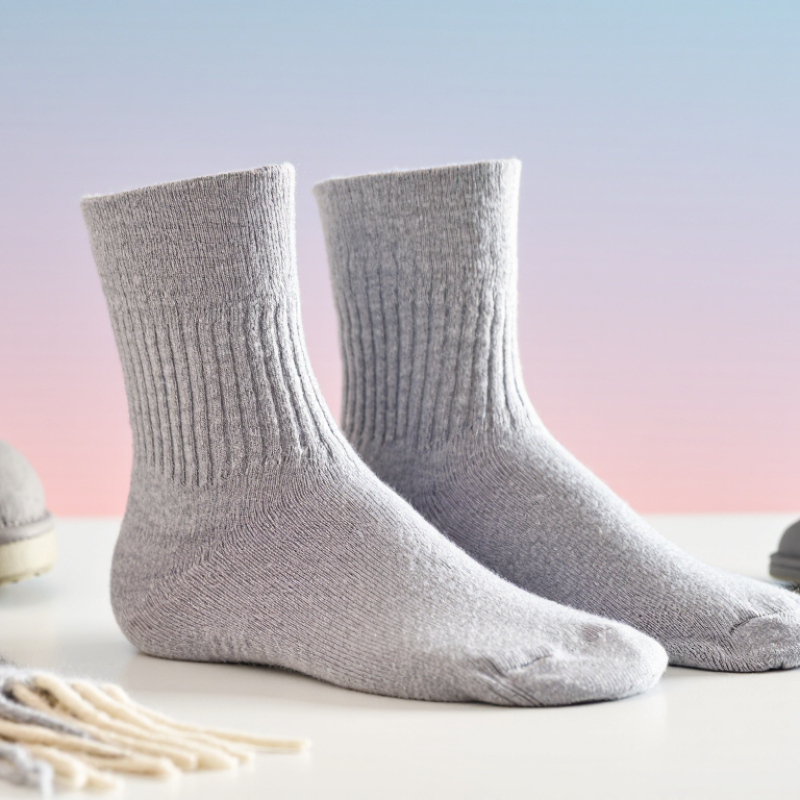
Acrylic Socks are made from a lightweight synthetic fiber known for warmth, softness, and color retention. They often feel similar to wool, yet usually cost less and dry faster after washing. For cold mornings, this can make a noticeable difference. The fabric traps air around the foot, helping reduce heat loss inside boots or everyday shoes. Some acrylic blends also improve stretch and shape recovery.

However, Acrylic Socks are not perfect. They may hold warmth well, but they can feel less breathable during intense activity. That trade-off matters. People with sweaty feet may prefer a blend containing cotton, wool, or moisture-managing fibers. Personal comfort should guide the decision. A sock that feels soft in a store may feel warmer after several hours of walking.

From practical wear, thickness and fit often matter as much as fiber content. A thick pair can create pressure around the toes. A loose pair may bunch under the heel. Check the care label, wash gently, and avoid excessive heat to protect the fibers. Textile experts generally evaluate socks through softness, durability, moisture behavior, and fit rather than one feature alone. This balanced approach makes the choice more reliable. Acrylic Socks can be a useful option for winter commuting, casual wear, and outdoor layering, but they should match the climate, activity, and wearer’s skin sensitivity. Small details matter.
What Are Acrylic Socks and Why Choose Them?

What Are Acrylic Socks?

Acrylic socks are hosiery made mainly from acrylic, a lightweight synthetic fiber. The fiber is produced from polymer-based materials and spun into soft yarn. Its texture can resemble wool, but its structure is different. Acrylic is generally warm, quick-drying, and resistant to shrinking. These qualities make it common in everyday and outdoor socks. The fabric also holds color well after repeated washing. That softness can be misleading.

Acrylic socks often feel smooth against the skin and add warmth without much weight. Their fibers trap small pockets of air around the feet. This insulation can help during cool mornings, winter walks, or indoor work. Acrylic also dries faster than many natural fibers. However, it may not manage moisture as effectively as specialized performance fibers. Feet can feel damp during intense activity. I have noticed this difference after wearing ordinary acrylic socks on long hikes.

Many pairs combine acrylic with nylon, polyester, cotton, or elastane. These blends improve durability, stretch, fit, or comfort. Check the fiber label before buying, because “acrylic socks” may contain only a small percentage of acrylic. A reinforced heel and toe can reduce early thinning. Machine washing is usually convenient, but high heat may damage the shape or create pilling. Turn them inside out and follow the care label. Acrylic is practical, not flawless. It can feel warm, yet less breathable than expected.

How Acrylic Fibers Are Made and Used in Socks

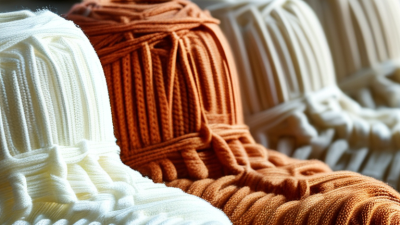
Acrylic socks begin with a synthetic polymer made from acrylonitrile, a chemical derived from petroleum-based feedstocks. Manufacturers polymerize it into long chains, then dissolve or soften the material for spinning. The liquid passes through tiny openings, forming continuous filaments. These filaments are stretched, heated, and crimped to create a soft, wool-like texture. The details matter. Crimp gives the yarn loft and helps trap warm air.

After spinning, acrylic fibers are cut into staple lengths or kept as filaments. Sock makers then twist them into yarn, often blending them with cotton, wool, nylon, or elastane. Each fiber changes the final feel. Acrylic adds light warmth, color retention, and quick drying. Nylon can improve abrasion resistance, while elastane helps the cuff recover after stretching. In a sock, the fiber is not the whole story. Knit density, yarn twist, and finishing treatments affect comfort just as strongly.

Acrylic works well in casual, cold-weather, and performance-oriented socks, especially when low weight matters. It resists shrinking better than many natural fibers, but it can pill under repeated friction. It may also hold static and feel less breathable than fine wool. Acrylic is not perfect. A dense pair can feel warm indoors, then clammy during long walks. Washing with moderate temperatures and avoiding harsh heat can protect shape and reduce surface fuzz. Checking the fiber blend is wise, because acrylic alone does not predict every sock’s performance.

Key Features and Benefits of Acrylic Socks

Acrylic socks are made from a lightweight synthetic fiber designed to imitate some qualities of wool. Their key advantage is warmth without heavy weight. The fibers trap air around the foot, creating a soft layer inside winter boots or everyday shoes. They also dry faster than wool after light moisture exposure. That feels practical during commuting, hiking, or long hours on cold floors.

Textile Exchange’s Materials Market Report 2024 estimates that synthetic fibers represented about 67% of global fiber production in 2023. This figure shows how important man-made fibers have become, although it does not make acrylic automatically superior. Acrylic socks are usually colorfast, easy to wash, and resistant to shrinking when care instructions are followed. They can also reduce the cost of warm socks. Still, acrylic may retain odor more readily than some technical blends. It can pill after repeated friction. Not perfect.

Comfort depends on construction, not fiber content alone. A dense knit gives better insulation, while ribbed cuffs help prevent slipping without leaving deep marks. Moisture-wicking performance varies with yarn design and blending. The Hohenstein Institute’s textile testing guidance emphasizes measuring moisture management rather than assuming it from fiber names. That is an important distinction. A sock labeled “acrylic” may feel dry in a cool office but become damp during intense exercise. For everyday warmth, acrylic works well with a smooth toe seam, moderate cushioning, and a breathable blend. Check the fit carefully. Loose fabric bunches under the heel, causing pressure and premature wear.

How Acrylic Socks Compare With Other Materials

What Are Acrylic Socks and Why Choose Them?

Acrylic socks use synthetic fibers designed to feel light, warm, and wool-like. In daily wear, they dry quickly and keep their shape reasonably well. They can also reduce production costs. Textile Exchange’s Materials Market Report 2024 estimates acrylic at roughly 2% of global fiber production, far below polyester and cotton. That smaller share does not make acrylic irrelevant. It makes material selection more specific.

Compared with cotton, acrylic usually offers better warmth and faster drying. Cotton feels cooler and absorbs moisture, but damp fabric can remain wet against the skin. Compared with wool, acrylic is often lighter, easier to wash, and more affordable. Wool generally manages temperature and odor better, although some users dislike its texture. Acrylic can feel soft at first. It may pill over time.

Compared with polyester, acrylic often provides a warmer, wool-like hand feel, while polyester usually delivers stronger abrasion resistance. Nylon remains useful for reinforcement because it handles repeated friction well. The European Environment Agency has reported that synthetic textiles are an important source of fiber shedding during washing. Acrylic therefore deserves careful laundering, including lower temperatures and less aggressive cycles. This point is easy to overlook.

Acrylic socks suit cold commutes, casual boots, and budget-focused winter layers. They are less convincing for intense exercise, where moisture control and ventilation matter more. A practical choice depends on fiber blends, sock thickness, knitting structure, and fit. Material labels alone cannot predict comfort. That is the imperfect part. Good testing should include washing, friction, and several hours of real wear.

Acrylic is a lightweight synthetic fiber with low moisture regain, so acrylic socks generally dry faster than cotton and wool. Wool absorbs more moisture and provides excellent warmth, while polyester has the lowest moisture regain and is also highly quick-drying. Acrylic is a practical choice when softness, warmth, light weight, and easy care are priorities.

Choosing, Wearing, and Caring for Acrylic Socks

Acrylic socks are synthetic, lightweight, and often warmer than their thin appearance suggests. They can feel soft, dry quickly, and hold colour well. For daily wear, choose a close but not tight fit. A cushioned sole helps on long walks, while smooth seams reduce toe pressure. Acrylic is less breathable than wool, so sweaty feet may feel uncomfortable. I sometimes misjudge the thickness. A sock that feels warm indoors can become too hot outdoors.

Textile Exchange’s Materials Market Report 2024 estimated global fiber production at 124 million tonnes in 2023. Acrylic represented roughly 2% of that total, making it a smaller but established synthetic category. Its performance depends heavily on construction. Ribbed cuffs can stay in place, while loose knitting may stretch after repeated washing. For wearing, rotate several pairs instead of using one pair daily. This reduces compression and helps the fabric recover. The European Environment Agency identifies synthetic textile washing as an important microfiber-release pathway, so care matters beyond appearance.

Tips: Wash acrylic socks inside out at a cool temperature, preferably around 30°C. Use a mesh laundry bag and avoid harsh bleaching products. Air-dry them flat or on a line. High heat can shrink, distort, or weaken elastic fibers. Check the care label, though I admit I occasionally skip this step. That shortcut is rarely worth it.

What Are Acrylic Socks and Why Choose Them? - Choosing, Wearing, and Caring for Acrylic Socks

Dimension Acrylic Sock Characteristics Why It Matters Practical Recommendation
Fiber type Acrylic is a synthetic fiber made from polymers derived primarily from acrylonitrile. Its structure allows manufacturers to produce soft, lightweight yarn with a wool-like appearance. Choose acrylic when you want a warm-feeling alternative to animal fibers.
Warmth and insulation Acrylic fibers can trap air and provide useful insulation while remaining relatively light. They are comfortable for cool indoor conditions and everyday cold-weather wear. For severe cold or prolonged outdoor activity, select a sock with suitable thickness, cushioning, and a well-insulated shoe.
Moisture management Acrylic absorbs less moisture than natural fibers such as cotton or wool, but it is not automatically moisture-wicking. Acrylic socks may dry relatively quickly, although sweat can remain next to the skin if the fabric construction is not breathable. For sweaty feet, look for mesh panels, a breathable knit, and a blend designed for moisture control.
Softness and texture Modern acrylic yarns can feel soft and smooth, with a texture often used to imitate wool. The feel depends on fiber quality, yarn construction, finishing, and the presence of other fibers. If you have sensitive skin, test the sock and avoid styles with irritating seams or rough elastic.
Weight and bulk Acrylic provides warmth without the weight of some thicker natural-fiber socks. Lower bulk can make it easier to wear warm socks in ordinary footwear. Check the sock thickness against the shoe; excessive bulk can cause pressure and friction.
Shape retention Acrylic generally resists shrinking and can retain its shape better than some untreated natural fibers when washed correctly. Proper care helps reduce distortion and extends the useful life of the socks. Follow the sewn-in care label, especially for washing temperature and drying method.
Abrasion and pilling Acrylic can develop pills when fibers rub repeatedly against footwear, floors, or other garments. Pilling is mainly a surface issue, but heavy friction may also shorten garment life. Choose a close-fitting shoe, avoid rough surfaces, and wash socks inside out when the care label permits.
Odor control Acrylic itself does not provide inherent antimicrobial or odor-control performance. Odor is influenced by sweat, skin microorganisms, drying time, shoe ventilation, and fabric construction. Change socks regularly, let footwear dry fully, and choose an odor-control treatment only when clearly stated on the care information.
Elasticity and fit Acrylic contributes softness and warmth, while stretch is usually supplied by the knit structure or added elastic fibers. Correct fit helps prevent slipping, bunching, blisters, and pressure marks. Select the correct foot size and ensure the cuff stays up without leaving painful indentations.
Care and washing Many acrylic socks can be machine-washed, but heat and harsh handling may damage shape, texture, or blended fibers. Care instructions vary according to the complete fiber blend and sock construction. Use the recommended cycle, mild detergent, and low heat or air-drying when permitted; avoid ironing unless the label allows it.
Best everyday uses Well suited to casual wear, indoor use, commuting, lounging, and moderate cold-weather conditions. These uses benefit from softness, warmth, light weight, and relatively easy care. Match thickness and cushioning to the activity, climate, footwear, and expected moisture level.
Environmental considerations Acrylic is petroleum-derived, is not biodegradable in ordinary conditions, and can release synthetic fibers during washing. Material origin and end-of-life disposal are important factors when comparing textile options. Wash only when needed, use a full load, keep socks in service longer, and follow local textile-recycling guidance where available.