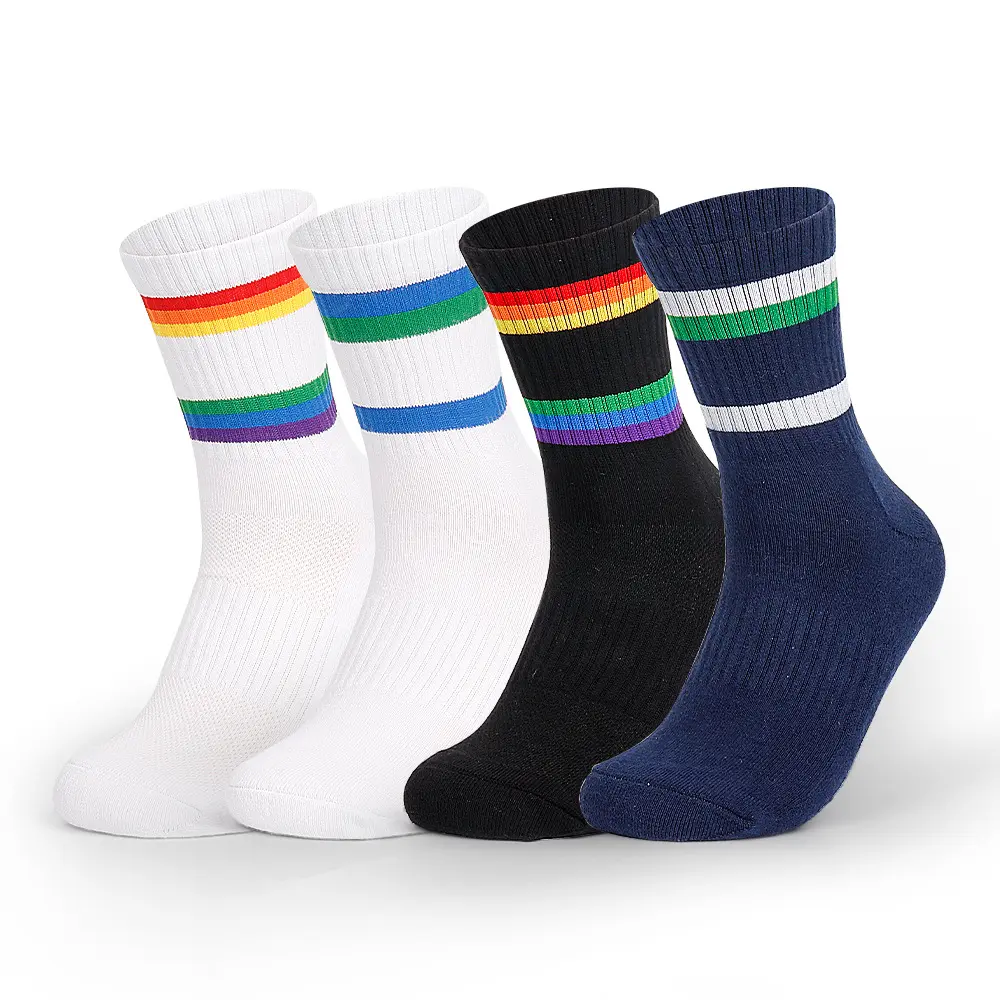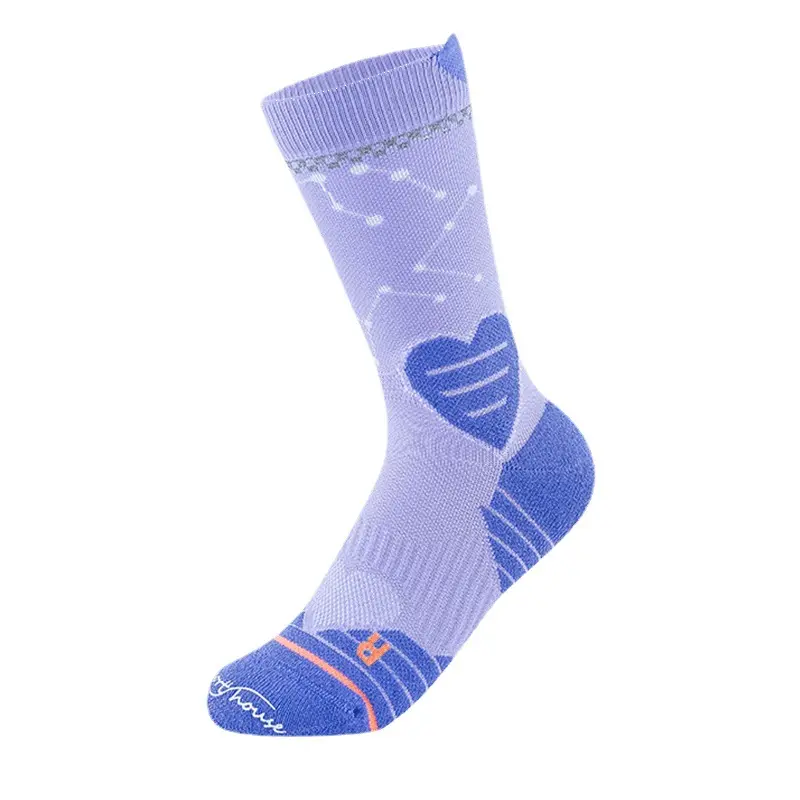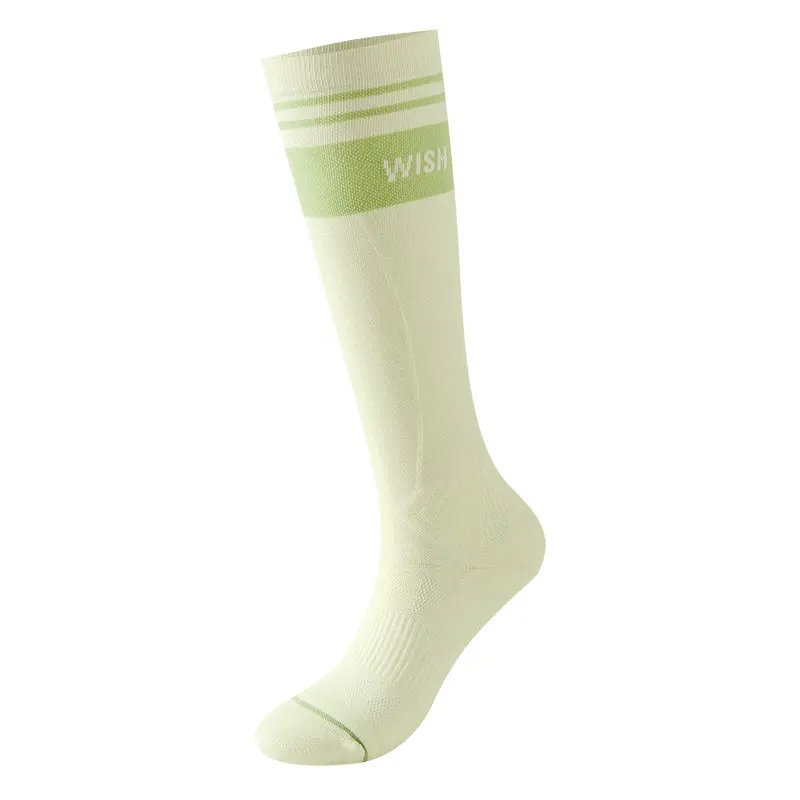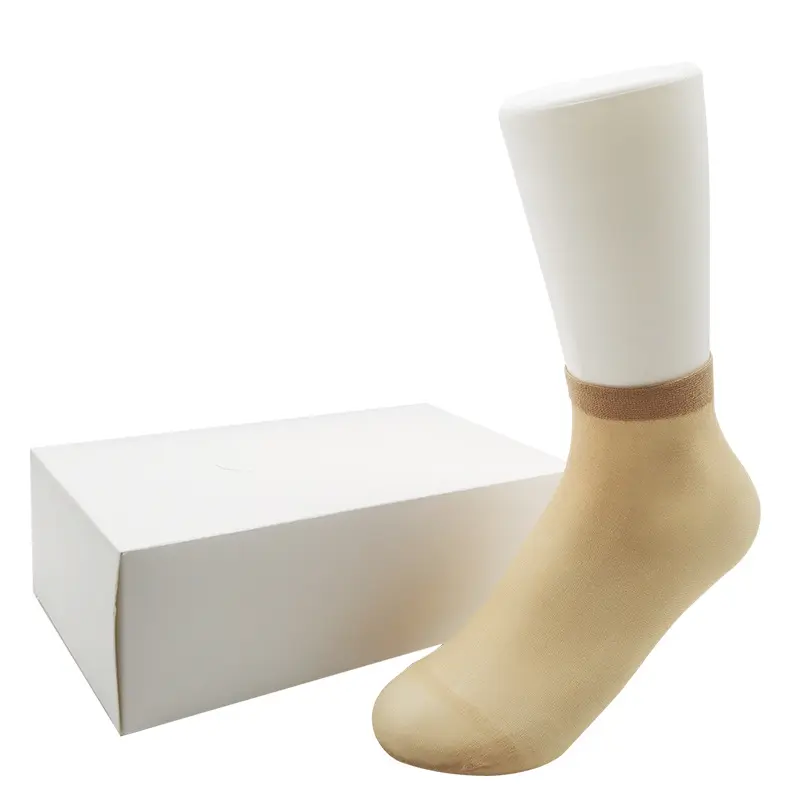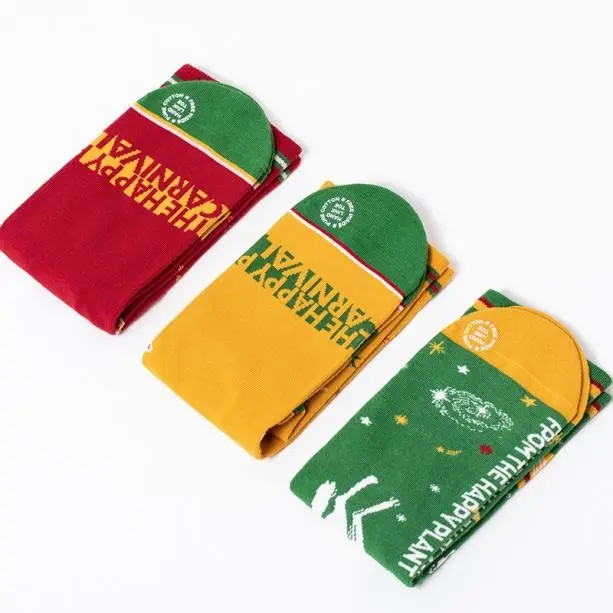
Choosing a China-based wholesale supplier for a Cotton Anti Slip Sock involves more than comparing unit prices. Buyers need to assess cotton content, grip durability, production consistency, and the supplier’s ability to meet repeat orders. The market context matters, too. Textile Exchange’s Materials Market Report 2024 estimates that global fiber production reached 124 million tonnes in 2023, with cotton representing about one-fifth. This is useful context, not proof of demand for any particular sock design.
A supplier’s product sheet should specify yarn composition, sock construction, silicone grip material, size range, and packaging options. Ask for samples and check the grip pattern on smooth flooring, both before and after laundering. Request written quality-control procedures, production lead times, minimum order quantities, and test records relevant to the intended use. Verify certificates directly and confirm that their stated scope covers the factory or product you are buying.
Details matter. A smooth sample can hide uneven grip placement, while a large order can expose sizing variation. And a cotton label alone proves little. Cotton blends may improve stretch or wear performance, but the exact balance should match your customer and price point. Supplier claims also deserve scrutiny; not every “premium” specification is independently tested. This guide examines how to compare Chinese manufacturers, validate product quality, and reduce sourcing surprises before placing a wholesale order.
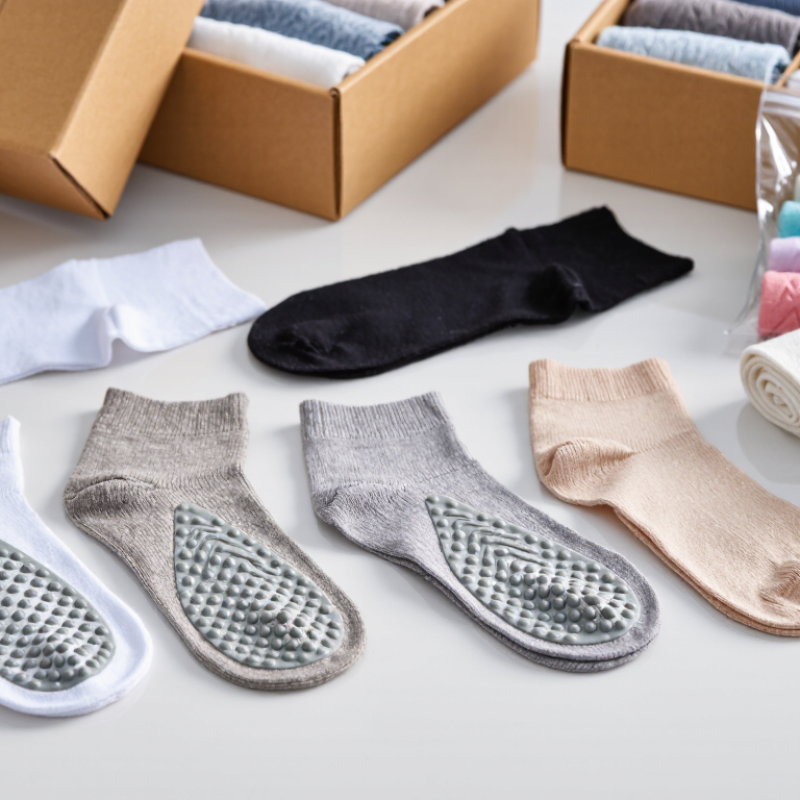
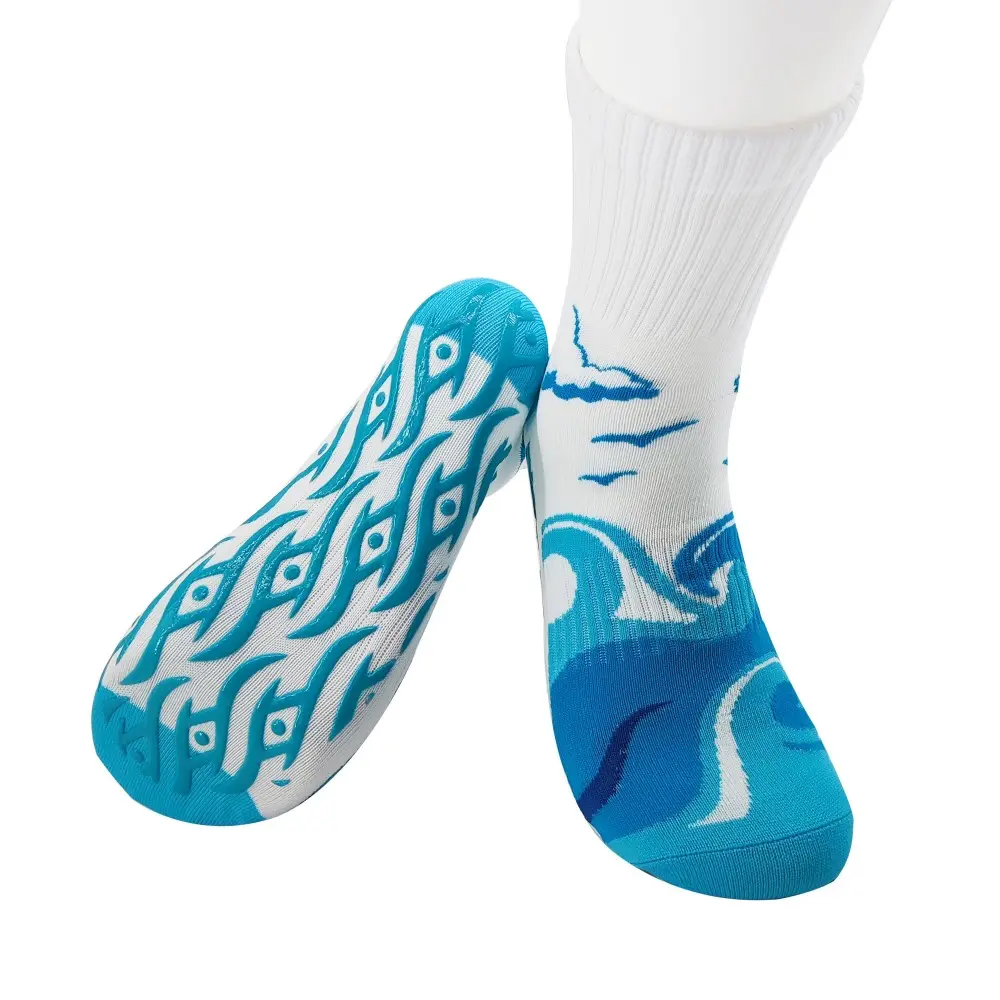
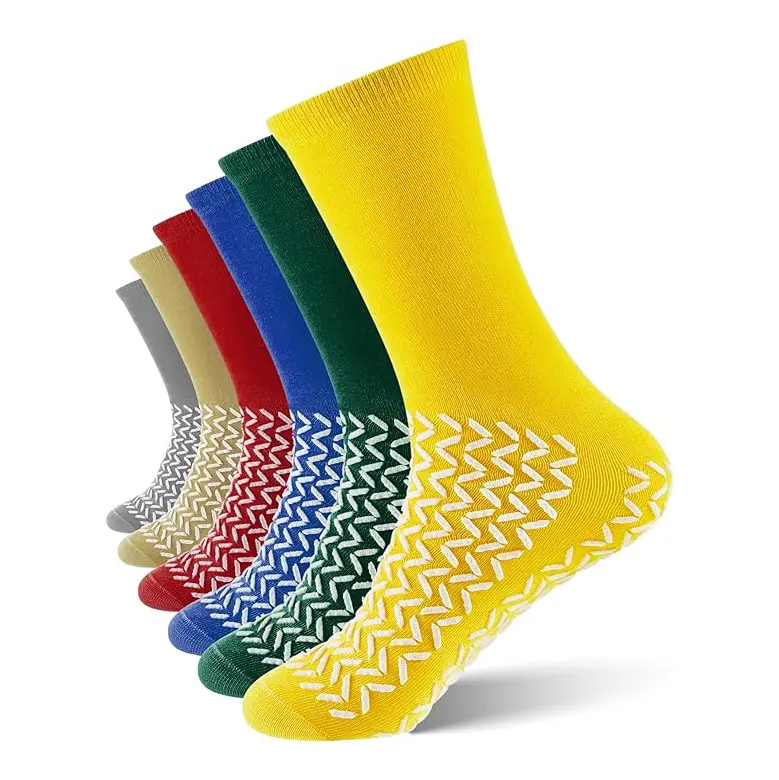
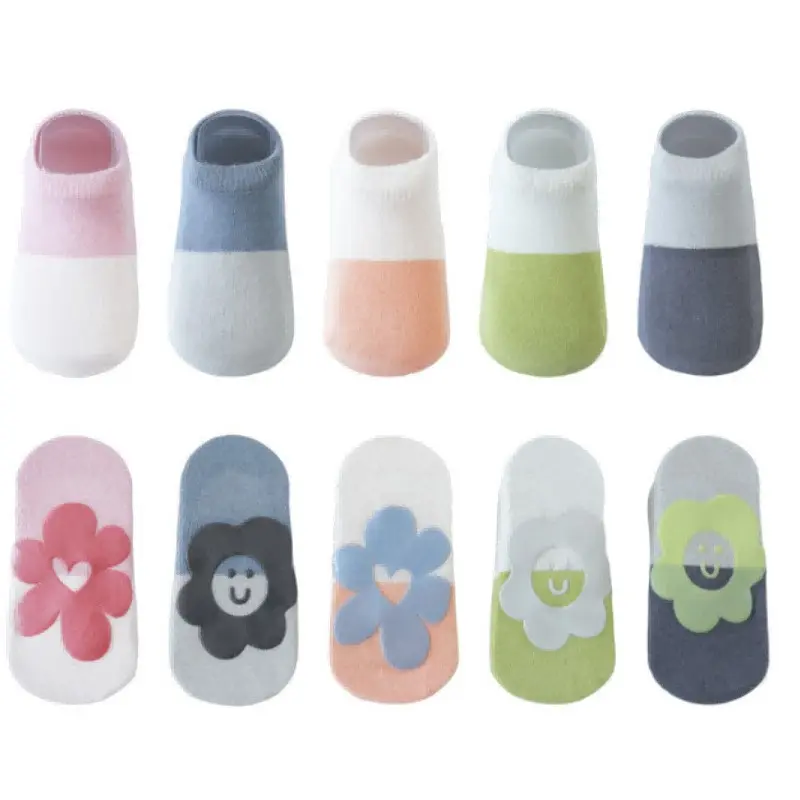
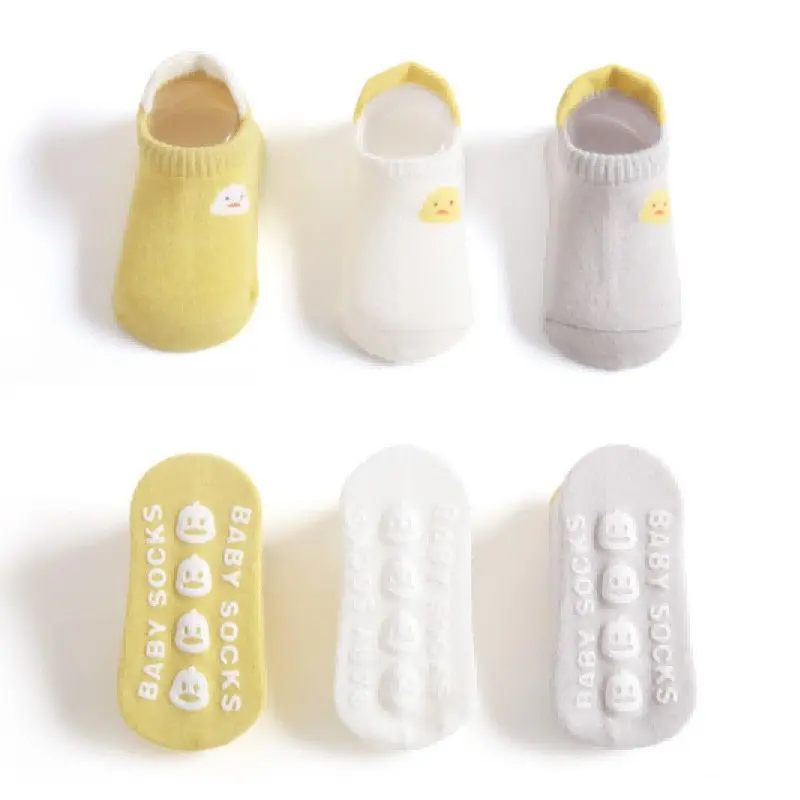
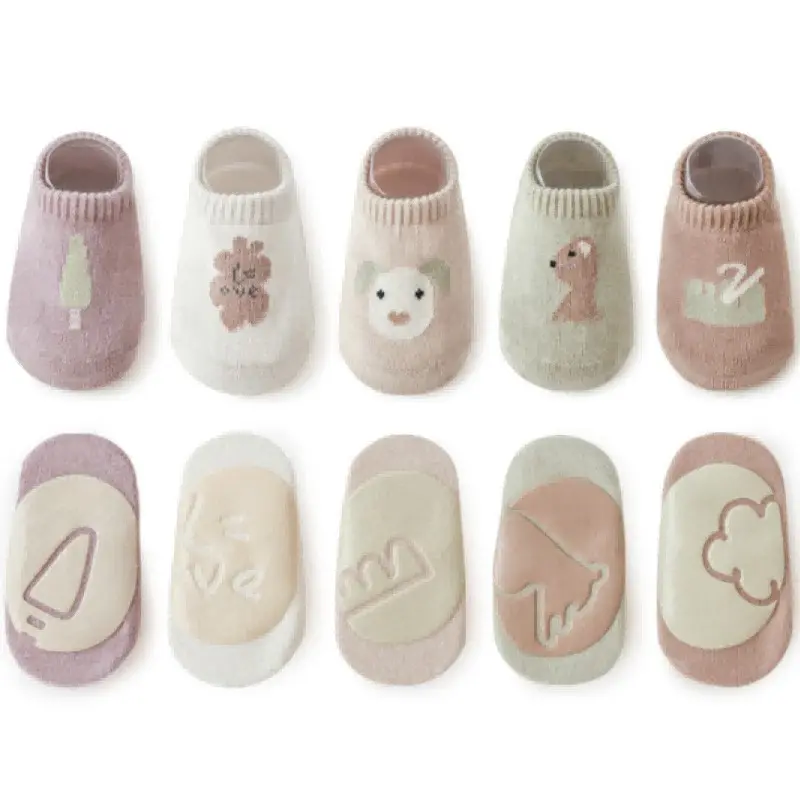
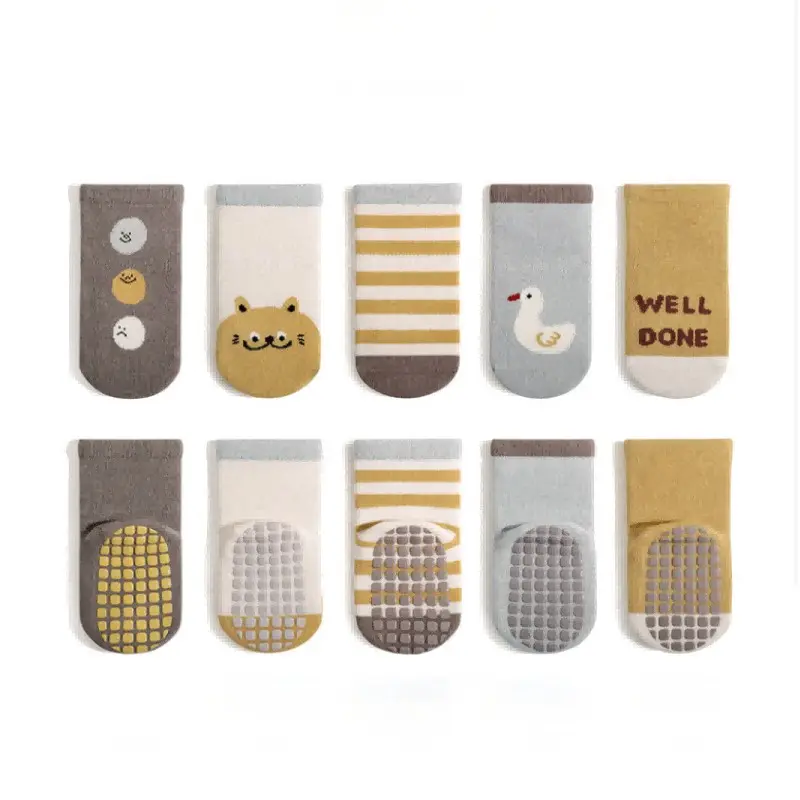
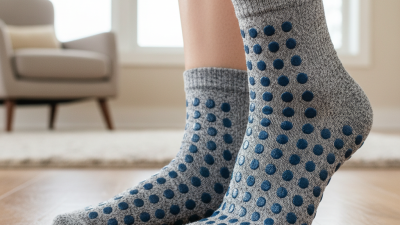
Cotton anti-slip socks are usually made from a cotton-rich knit, with textured grip patches fixed to the sole. The cotton helps manage everyday moisture and feels soft against the skin. Grip patches are commonly made from silicone or similar flexible materials. They add friction beneath the heel and forefoot.
People wear them at home, in care settings, or during light indoor activities where bare feet may feel cold. On smooth tile or wood, the patches can help reduce slipping, but they cannot guarantee safe footing. Not always. Dust, worn patches, and damp floors can weaken grip. A snug fit matters too; loose socks may twist underfoot.
Check the fit.
For wholesale orders, ask about fabric composition, patch placement, sizes, and wash-care instructions. Test a sample on the intended floor before choosing a large quantity.
Frequent hot washing may shorten the life of the grip, though actual wear varies by construction and use. Cotton content alone does not tell you how warm or durable a sock will be.
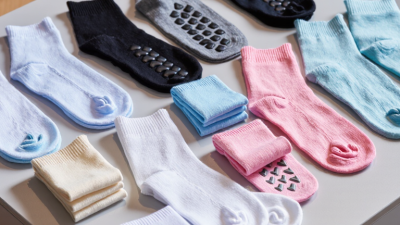
Cotton fibers shape sock comfort through softness, air permeability, and moisture absorption. Textile Exchange’s Materials Market Report 2024 estimates cotton supplies about one-fifth of global fiber production. That scale supports stable wholesale sourcing, but cotton is not automatically the best performer. Its hydrophilic fibers absorb sweat well, creating a comfortable feel during light walking. However, retained moisture can make socks feel heavy during long shifts or repeated washing.
The fiber structure matters. Shorter cotton fibers may shed more, while combed, ring-spun yarns usually create a smoother surface. A 2023 USDA Cotton: World Markets and Trade report shows global cotton use remains substantial, yet supply quality varies by region and harvest conditions. Wholesale buyers should request yarn specifications, shrinkage results, and colorfastness records. Small details matter here. A soft sock can still fail.
For anti-slip designs, cotton mainly supports comfort, while elastane improves recovery and silicone or PVC grips provide traction. A dense terry sole can cushion concrete floors, but excessive thickness may reduce shoe space. Testing should follow ISO 6330 washing procedures, with repeated cycles, seam checks, and grip inspection. In practical sampling, I would compare damp and dry wear, not only a new pair. That exposes a common weakness: cotton feels excellent at first, but drying speed and shape retention may decline. A blended construction may perform better, although it deserves honest testing rather than automatic approval.
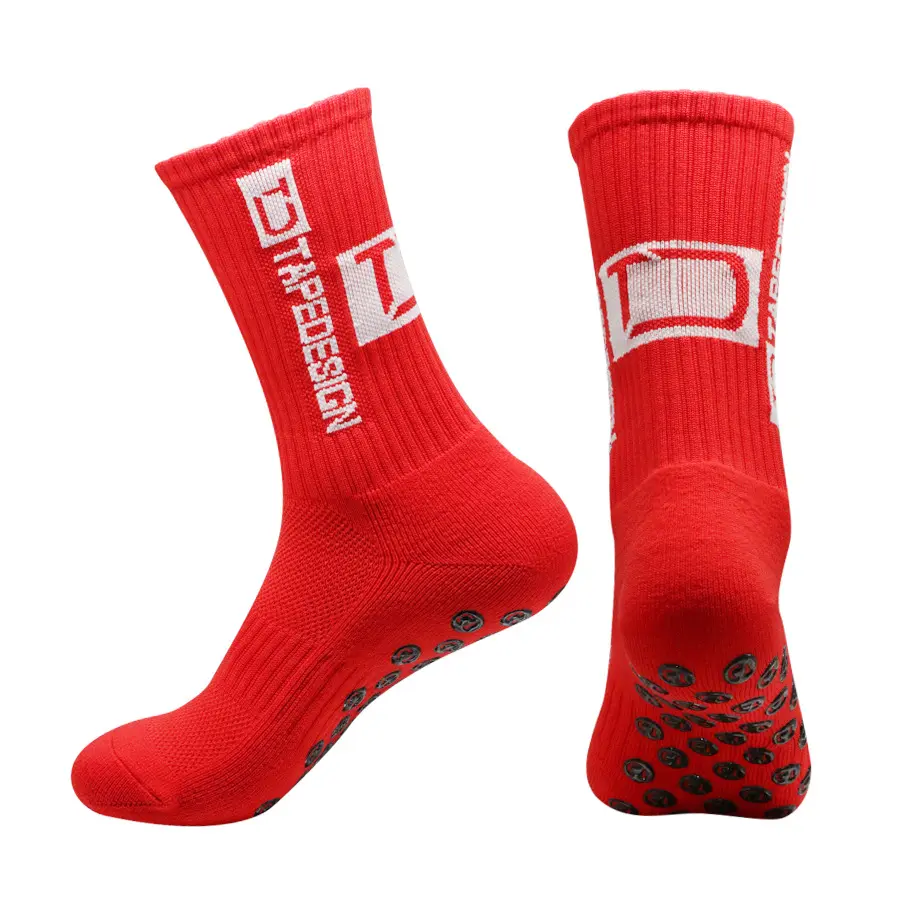
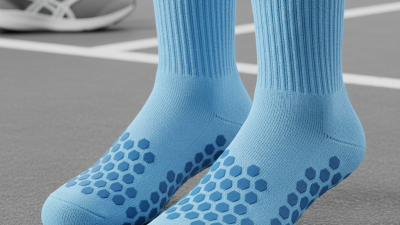
For wholesale buyers, cotton anti-slip socks are more than a soft basic. Their grip pattern can change how a foot behaves on polished floors, stairs, and studio mats. Small silicone dots create contact points beneath the heel and forefoot. These points reduce sliding when weight shifts. A wider pattern often supports steady walking, while dense dots may improve grip during slow stretching. The best layout depends on use, foot shape, and floor texture.
In practical product checks, I examine dot adhesion after repeated washing, not only appearance from packaging. A good pattern stays flexible and follows the sole without cracking or peeling. Cotton helps absorb moisture, but wet fabric can still feel unstable. That detail is easy to miss. Wholesale samples should be tested on wood, tile, and smooth vinyl. Compare dry and slightly damp conditions. Check whether the cuff stays secure without leaving deep marks. No pattern is perfect.
Reliable suppliers should explain material ratios, printing methods, size tolerance, and inspection steps. They should provide sample pairs before large production and record wash-test results. Grip is not created by decoration alone. It depends on dot height, spacing, pressure, and the sock’s fit. A loose sock can fold under the arch and reduce control. I would also review color transfer, odor, and seam comfort before approval. Some designs look strong but wear quickly. That is where careful feedback matters.
When evaluating a Chinese cotton anti-slip socks supplier, ask for a written specification before discussing price. It should state the cotton percentage, other fibers, size range, colors, and grip material. Check whether the sole pattern matches your needs, such as small dots for indoor wear or broader coverage for extra contact. Details matter. Request samples in the actual yarn and grip colors, then wash them according to the care instructions. Look for shrinkage, loose threads, fading, and peeling or cracking on the sole. A sample can still flatter a product; it does not prove every bulk pair will match.
Ask who makes the socks and who checks them during production. A factory visit or independent inspection may help confirm equipment, capacity, and quality procedures. Request recent inspection records where available, and agree on acceptable defect limits in writing. Confirm how the supplier handles size tolerances, packaging, lead times, and replacement for verified defects. Keep important changes in email, not only in chat. Small orders can reveal communication habits, but they may not reflect a busy production run. That is worth remembering. Compare quotations by matching specifications and shipping terms, rather than choosing the lowest figure alone.
Compare like with like: request a quote for the same size range, cotton blend, grip pattern, packaging, and order quantity. Ask whether the price includes custom labels, sample fees, freight, and inspection. A low unit price can look attractive on a spreadsheet, then shrink once extra charges appear. Check the minimum order quantity, production lead time, payment schedule, and rules for handling defects in writing.
Material claims need evidence. Textile Exchange’s Materials Market Report 2024 estimates global fiber production reached 124 million tonnes in 2023, showing how broad and varied the fiber supply is. Ask suppliers for fiber-content test results, colorfastness data, and samples from the actual production specification. Inspect the toe seam, elastic recovery, and silicone grip after washing. Small details matter. Cotton percentage alone does not establish durability or comfort.
Raw-material costs can shift. The USDA’s September 2024 Cotton and Wool Outlook projected world cotton production of 119.4 million 480-pound bales for 2024/25. Use that market context when reviewing quote validity periods and price-adjustment terms. Confirm whether a pre-production sample is included and whether bulk goods will match it. One awkward point: a sample may be perfect, while a rushed production run is not. Set measurable acceptance criteria before placing the order.