Leave Your Message
Design Drawing File Upload X

Why Are Light Blue Grip Socks So Popular?

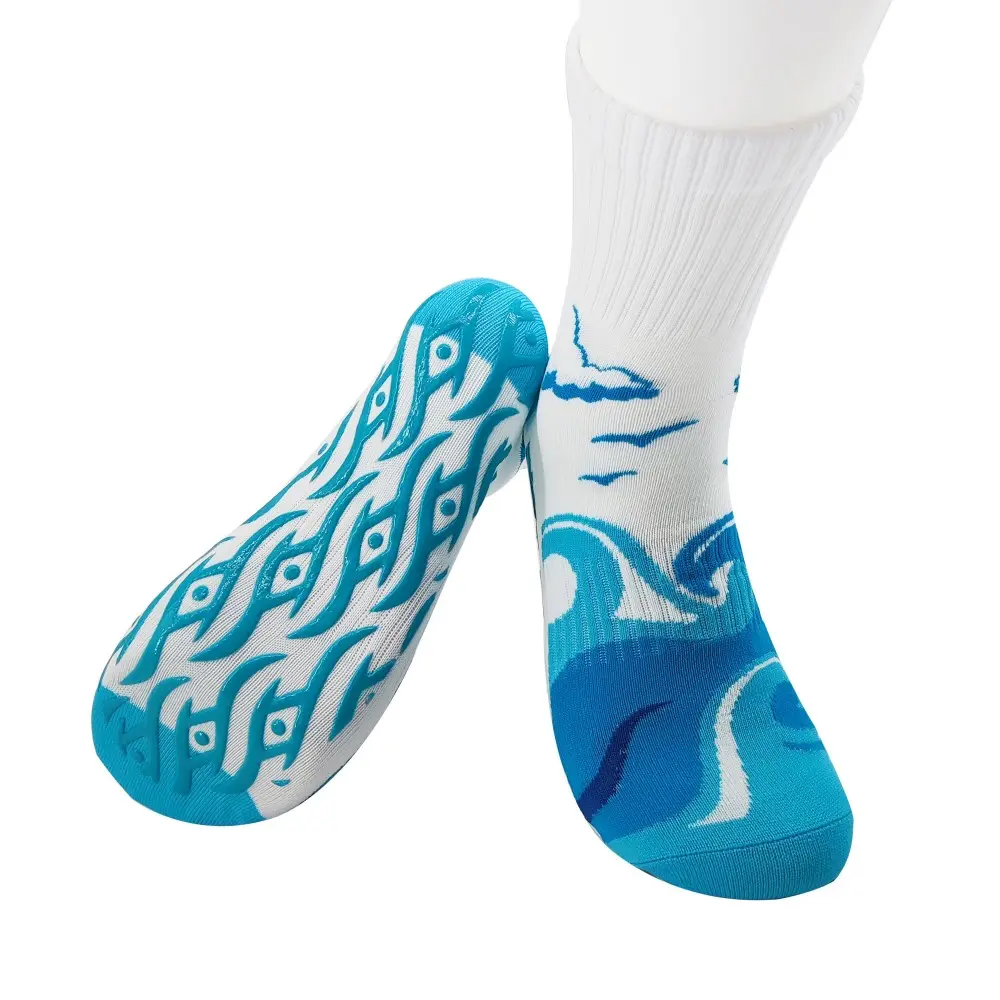
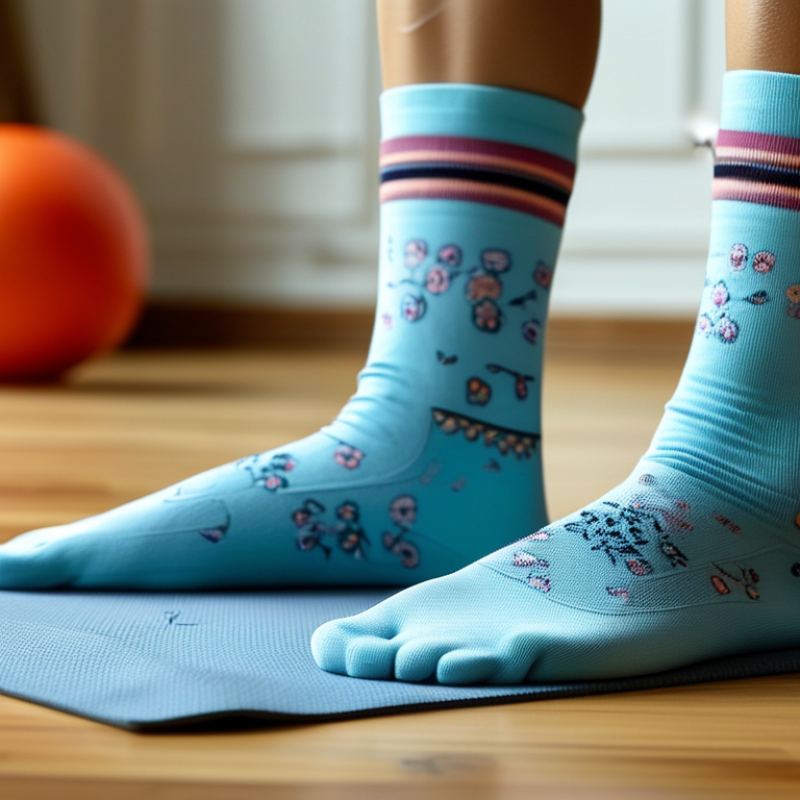
Why Are Light Blue Grip Socks So Popular? The answer sits between function, fashion, and wellness culture. Light Blue Grip Socks offer silicone or rubberized patterns beneath the foot, helping users feel steadier on yoga mats, reformer machines, studio floors, and polished wood. The pale blue shade also photographs well, matching calm interiors and minimalist activewear. Small details matter.

The Global Wellness Institute valued the global wellness economy at $6.3 trillion in 2023, showing how movement products increasingly serve lifestyle goals. McKinsey’s 2024 wellness research also reported that global wellness spending exceeds $1.8 trillion annually. These figures do not measure grip socks directly. Still, they reveal the market surrounding mindful exercise, home workouts, and appearance-conscious fitness. Industry data from Grand View Research places the global socks market on a continuing growth path, supported by comfort, performance, and design innovation.

Podiatrist and movement educator Dr. Emily Splichal describes the principle simply: “Grip should support natural movement, not replace it.” That distinction matters. A secure sole may reduce sliding, but it cannot correct poor balance, weak technique, or an unsuitable floor. Color alone proves nothing. Material quality, fit, ventilation, and wash durability deserve closer attention.

That is the overlooked part.

Light Blue Grip Socks feel modern because they combine visible softness with practical traction. Their popularity reflects a broader shift toward products that work during exercise and look presentable afterward. The explanation is incomplete, though. Consumer preference, social-media styling, and studio culture may be just as influential as performance. Further independent testing would make the claims stronger.

Why Are Light Blue Grip Socks So Popular?

What Are Light Blue Grip Socks?

Light blue grip socks are close-fitting socks with small rubber or silicone patterns on the soles. These patterns create friction between your feet and the floor. They are commonly used for yoga, Pilates, dance, stretching, and indoor training.

The light blue color feels clean, calm, and easy to match with neutral workout clothes. However, appearance is only part of their appeal. In my experience, grip socks can make slow movements feel more controlled, especially on polished floors. They also add a soft layer between your skin and shared studio surfaces. Still, they are not a replacement for proper technique. A worn sole may slip, even when the fabric looks fine. That detail is easy to miss.

Tips: Check the grip pattern before each session. Choose a snug fit, but avoid pressure around your toes. Wash the socks according to their care label, and let them dry fully. Test them on your own floor first. Some surfaces respond differently. If the sole becomes smooth, replace the pair. Light blue fabric can also show dust quickly, so regular washing matters. Do not assume thicker socks provide better control. Comfort, flexibility, and a stable fit usually matter more.

Why Are Light Blue Grip Socks So Popular?

Light blue grip socks combine practical studio-floor traction with a soft, low-contrast color that is easy to style. The chart compares the main functional and visual reasons people may choose them, using a relative 0–10 feature index rather than sales or brand data.

How Their Design Supports Comfort and Stability

Why Are Light Blue Grip Socks So Popular?

How Their Design Supports Comfort and Stability

Light blue grip socks are popular because they combine a calm appearance with practical support. Their soft fabric helps reduce friction during stretching, pilates, yoga, and light studio training. A close fit keeps the sock from twisting inside the shoe or sliding across a smooth floor.

The grip pattern underneath creates small contact points between the foot and the surface. This can improve balance during lunges, bridges, and controlled turns. The design does not replace proper technique. It simply gives the foot a steadier base.

In my experience, breathable fabric also matters because damp socks can feel uncomfortable and less secure. However, some grip patterns may feel too firm at first. That detail is easy to overlook.

Tips: Check the heel position before moving. The fabric should feel snug, not tight. Choose grips that match your activity and floor type. Wash the socks regularly, since body oils can reduce traction. Let them dry naturally when possible. A pale color may show marks sooner, but that is not a performance problem. Test the fit with several slow movements before a demanding session.

Why Light Blue Appeals to Athletes and Everyday Wearers

Light blue grip socks appeal to athletes because the color feels calm without looking dull. It feels calm. On a studio floor, that softer tone can reduce visual noise around quick footwork. The grip pattern adds practical confidence during yoga, barre, Pilates, and mobility drills. However, color does not improve balance by itself. Fit, sole coverage, fabric recovery, and tested traction matter more.

The appeal also reaches everyday wearers. Light blue pairs easily with white, gray, navy, denim, and neutral loungewear. It looks fresh in a bedroom, airport, or home workout space. The 2024 ACSM Worldwide Survey of Fitness Trends ranked wearable technology first among 2,000 nearly fitness professionals surveyed. This signals a wider interest in visible, trackable, and personalized exercise habits. Small accessories can support that identity, even when training remains informal. That matters.

Market context supports the broader movement toward sport-inspired clothing. Grand View Research estimated the global sports apparel market at about 248.9 billion dollars in 2023. Meanwhile, the World Health Organization reported that 31% of adults worldwide were insufficiently active in 2022. Light blue grip socks may feel approachable for people returning to movement at home. I may be overreading the color’s emotional effect. Current industry reports rarely isolate light blue grip socks, so popularity claims should remain careful. Personal comfort still decides whether the socks stay in regular rotation.

Where Grip Socks Are Commonly Used

Why Are Light Blue Grip Socks So Popular?

Where Grip Socks Are Commonly Used

Grip socks are commonly used in Pilates, yoga, barre, dance, and indoor balance training. Their rubberized soles help reduce sliding on smooth studio floors. This matters during a reformer lunge, a side plank, or a slow standing stretch. The fabric also creates a cleaner barrier between feet and shared equipment.

The wider wellness market supports this demand. The Global Wellness Institute reported that the physical activity economy reached about 1.1 trillion dollars in 2023. Meanwhile, ACSM’s Worldwide Survey of Fitness Trends ranked wearable technology first in 2024. These figures do not measure grip socks directly. However, they show stronger interest in structured movement and fitness accessories. Usage is growing.

Light blue adds a quieter visual benefit. It looks fresh under bright studio lighting and pairs easily with neutral workout clothing. In dance rooms and Pilates classes, softer colors may also create a calmer atmosphere. Yet color does not improve balance. The grip pattern, fabric tension, and proper fit matter more.

Grip socks are also used in indoor climbing warm-ups, home workouts, rehabilitation exercises, and some wellness facilities. In clinics, users should follow staff instructions because hygiene standards differ. The soles can collect dust quickly. That small issue is often overlooked. Washing them correctly is essential, but some designs lose grip after repeated high-heat drying. A product may feel secure on wood but less effective on polished tile. Testing remains necessary.

How to Choose and Care for Light Blue Grip Socks

Why Are Light Blue Grip Socks So Popular?

How to Choose and Care for Light Blue Grip Socks

Light blue grip socks combine a calm appearance with practical support during studio workouts. Their silicone patterns can reduce slipping on smooth floors. However, color should never be the main buying factor.

Choose a snug fit without tight pressure around your toes. The heel pocket should sit correctly, not slide beneath your foot. Check the grip pattern before purchase. Small, evenly spaced grips often support controlled movement better than a few large patches. Breathable cotton blends can feel comfortable, while a little stretch helps the sock keep its shape. Look for reinforced toes and smooth seams. They matter during repeated classes.

Try them on a clean, dry floor. Grip socks cannot fix every balance problem. They also do not replace suitable footwear for outdoor training. I used to focus too much on appearance. That was not a useful test. Comfort became more important after longer sessions.

Care affects grip and durability. Wash light blue socks in cool or lukewarm water with mild detergent. Turn them inside out first. Avoid bleach, fabric softener, and harsh stain removers. These products may weaken the elastic or coat the silicone grips. Air-dry them flat or hang them away from direct heat. Do not tumble-dry them on high heat.

Inspect the soles after each few wears. If grips feel smooth, cracked, or detached, replace the socks. Wash them separately from rough towels when possible. I still sometimes forget this step. Small habits make a noticeable difference.

Why Are Light Blue Grip Socks So Popular? - How to Choose and Care for Light Blue Grip Socks

Category Data Dimension Typical Information Why It Matters Practical Recommendation
Color Appeal Visual impression Light blue is commonly associated with cleanliness, calmness, freshness, and a lightweight appearance. Its soft tone works well with neutral, pastel, and athletic clothing without looking overly bright. Choose a pale blue shade when you want a subtle, clean-looking accessory for studios, home workouts, or casual wear.
Grip Performance Grip surface Most grip socks use silicone or rubber-like patterns on the sole to increase traction on smooth floors and equipment. Better traction can help reduce unwanted foot movement during stretching, balance work, Pilates, yoga, and barre exercises. Look for evenly distributed grips that cover the main contact areas under the heel and forefoot.
Material Common fiber blend Typical constructions combine cotton or polyester with nylon and elastane. Exact percentages vary by product. Cotton can provide softness, polyester can improve moisture handling, nylon can add durability, and elastane supports stretch and recovery. Select a breathable blend with enough elastane to hold the sock securely without creating excessive pressure.
Comfort Fit and stretch A well-fitting pair should stay in place without bunching, slipping, or leaving deep marks around the ankle. Poor fit can cause friction, reduce stability, and make the grip pattern contact the floor unevenly. Use the foot-length or shoe-size guide and avoid sizing down simply to obtain a tighter fit.
Breathability Upper construction Mesh panels, thinner knit zones, and moisture-managing fibers can improve airflow around the top of the foot. Improved ventilation helps manage warmth and perspiration during extended activity. For warm studios or frequent training, prioritize a breathable upper and avoid overly thick fabric.
Stability Heel and arch support Some designs include a close-fitting heel pocket and a light elastic arch band, but these features do not replace medical support. A secure structure can help prevent the sock from rotating or sliding during movement. Choose moderate compression and a defined heel when you need a more stable fit for active sessions.
Durability High-wear areas The heel, toe, and silicone grip elements usually experience the most wear from repeated use and washing. Thin fabric, harsh detergents, high heat, and rough surfaces can shorten product life. Inspect the sole regularly and replace the socks when the fabric thins substantially or the grip pattern loses effectiveness.
Care Washing method Cool or lukewarm washing is generally gentler on elastic fibers, fabric color, and grip materials. High temperatures and aggressive washing can weaken stretch fibers and cause the light blue color to fade. Turn the socks inside out, use a mild detergent, and follow the care label instructions.
Care Drying method Air-drying away from direct heat is typically safer for elastic components and silicone or rubber-like grips. Tumble-dryer heat may reduce elasticity and can contribute to cracking or peeling of grip details. Lay the socks flat or hang them in a shaded, well-ventilated place; avoid ironing the grip surface.
Hygiene Wearing frequency Socks worn during sweaty activity should be washed after each use whenever possible. Prompt washing helps control odor and reduces the buildup of sweat, oils, and microorganisms in the fabric. Keep at least two or three pairs in rotation so each pair can dry completely between uses.
Surface Compatibility Best-use environments Grip socks are most useful on clean, smooth indoor surfaces where the grip pattern can make full contact. Dust, moisture, carpets, rough outdoor ground, and uneven surfaces can reduce traction and increase wear. Clean the soles before use and do not treat grip socks as a substitute for outdoor footwear.
Selection Guide Most important checks Prioritize correct size, secure heel placement, breathable fabric, durable stitching, and evenly applied sole grips. These factors generally influence comfort, stability, lifespan, and practical performance more than color alone. Choose light blue for its appearance, but make fit, construction, and care instructions the deciding factors.