Leave Your Message
Design Drawing File Upload X

China Best Cotton Anti Slip Sock Manufacturer

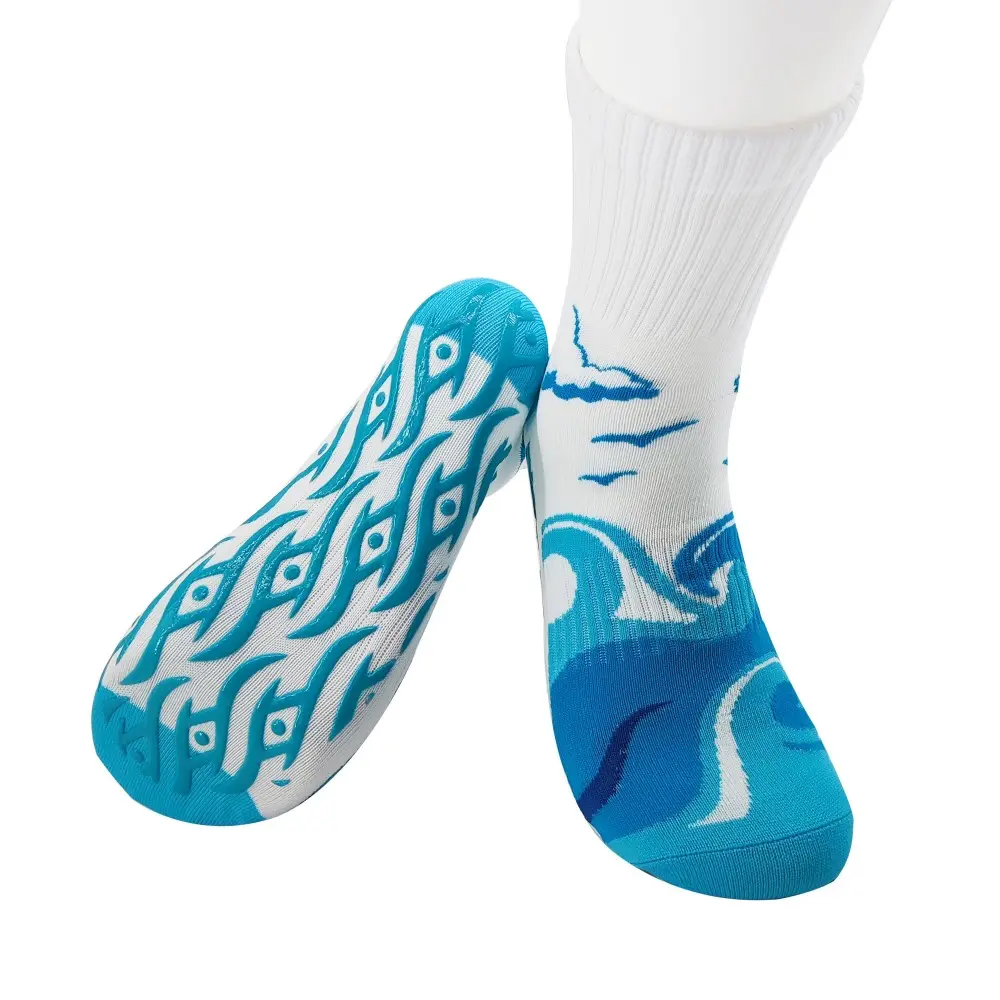
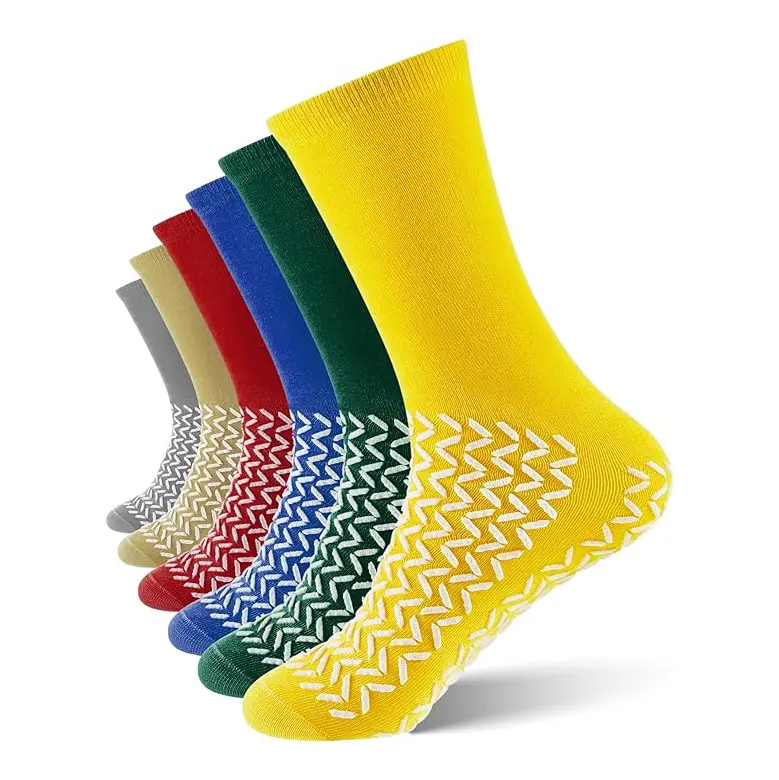
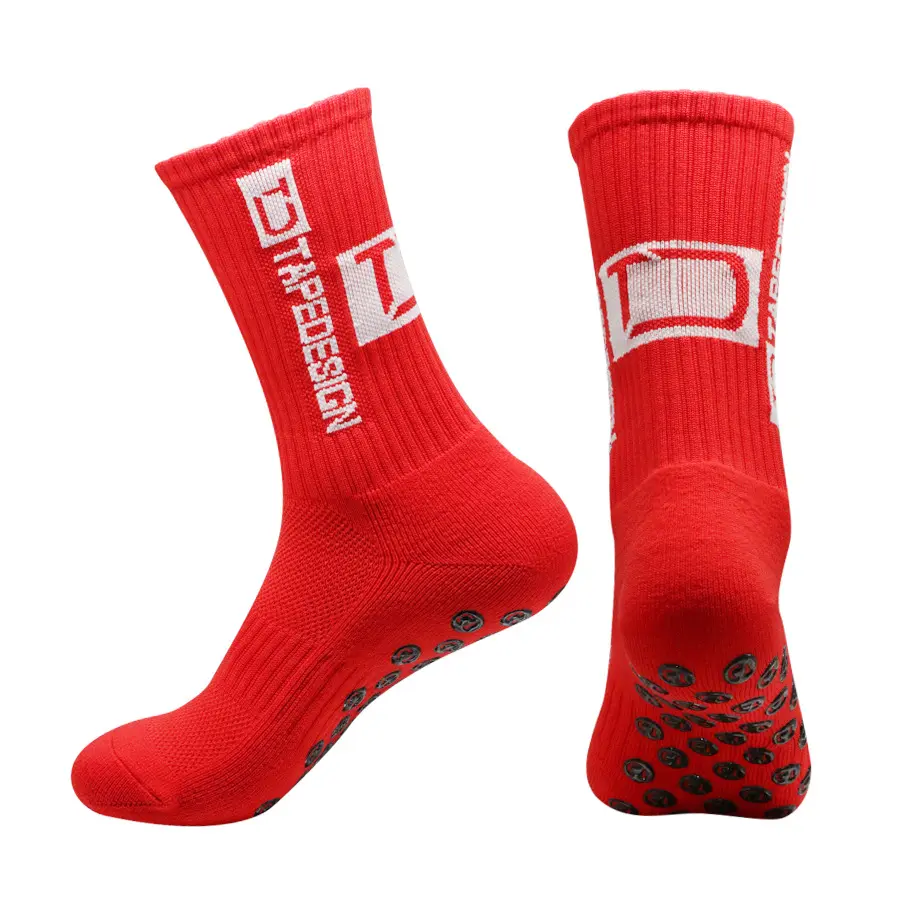
Choosing a China Best Cotton Anti Slip Sock Manufacturer requires more than comparing prices or catalog photos. It demands careful attention to fiber quality, grip performance, production control, and communication. Experienced buyers usually inspect the cotton blend, cuff recovery, silicone pattern, stitching, and washing results before placing large orders. Small details matter.

A reliable manufacturer should explain each production stage clearly. Cotton yarn is checked for softness, strength, and color consistency. During knitting, workers monitor size, tension, and heel placement. The anti-slip print must remain flexible and secure, especially on wooden floors, tiles, studio surfaces, or hospital-style indoor environments. We also recommend testing samples after repeated washing, because a new sock can look excellent before its first real challenge. That weakness is easy to miss.

Certification records, factory experience, and transparent quality procedures can support trustworthy cooperation. However, no supplier should promise perfect performance for every foot, floor, or usage condition. Grip depends on surface cleanliness, moisture, pressure, and movement. Honest technical advice is more valuable than exaggerated claims. A professional China manufacturer should offer practical customization, including colors, sizes, packaging, logo printing, and seasonal designs. Communication should remain consistent from sample approval to final inspection.

Our approach focuses on usable products, not impressive wording alone. We study customer feedback, compare production batches, and correct recurring defects. Sometimes, a cuff feels slightly tighter than expected. That deserves review. Continuous improvement builds confidence. With responsible manufacturing, documented inspections, and responsive service, Cotton Anti Slip Sock products can support retailers, wellness brands, studios, and hospitality businesses seeking dependable indoor comfort.
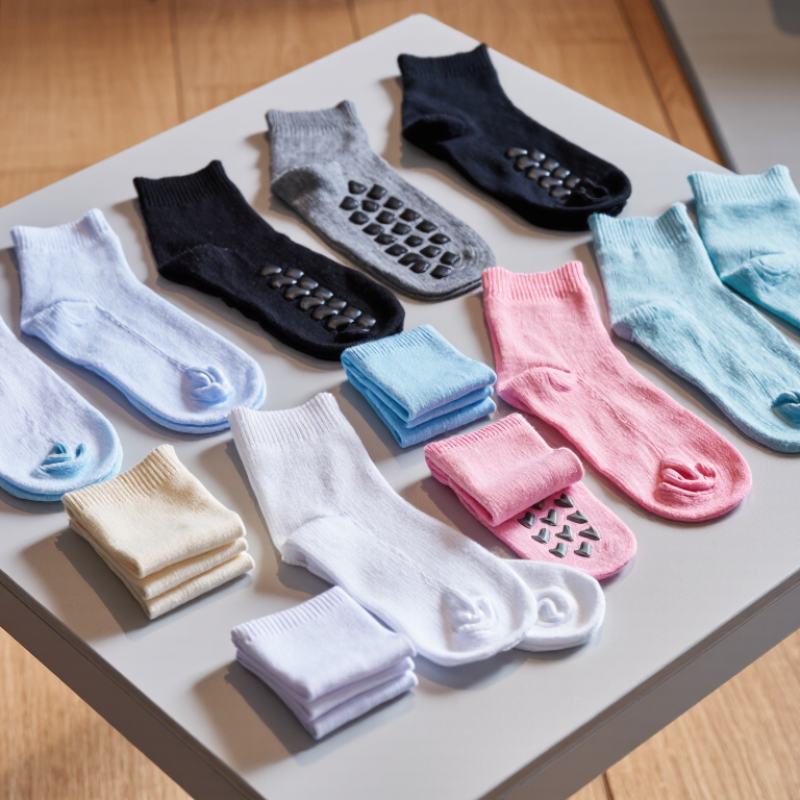
China Best Cotton Anti Slip Sock Manufacturer

Definition and Role of Cotton Anti-Slip Sock Manufacturers in China

China Best Cotton Anti Slip Sock Manufacturer

Definition and Role of Cotton Anti-Slip Sock Manufacturers in China

Cotton anti-slip sock manufacturers in China combine fiber selection, knitting, grip design, and quality control. Their role is practical, not merely commercial. They convert cotton yarn into socks for studios, hospitals, homes, and light indoor activities. According to Textile Exchange’s Materials Market Report 2024, cotton represented about 22% of global fiber production in 2023. This confirms cotton’s continuing relevance, although synthetic fibers still dominate volume.

A reliable manufacturer checks yarn strength, fabric recovery, silicone grip adhesion, and shrinkage after washing. Cotton content alone is not enough. A breathable sock can still slide on polished flooring. Grip patterns also need balanced coverage, because excessive silicone may reduce flexibility. Testing should include repeated washing and dry-wet friction checks. However, no single global standard fully defines “anti-slip sock” performance. This gap requires transparent factory records and independent laboratory verification. Some suppliers still overstate grip durability. Buyers should remain cautious.

Tips: Request fiber composition reports, wash-cycle results, and sample tests on the actual floor type. Compare grip after ten washes, not only when new. Check toe seams by hand. Small defects become uncomfortable quickly. Manufacturers should also review failed samples instead of hiding them. That reflection improves consistency, even when production targets become difficult.
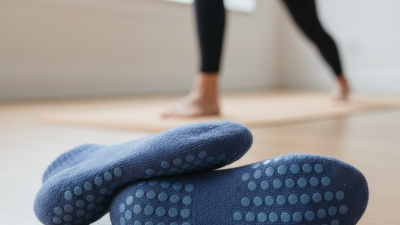

Key Materials and Construction of High-Quality Anti-Slip Socks

High-quality cotton anti-slip socks begin with carefully balanced materials. Combed cotton provides softness, breathability, and comfortable moisture absorption. A small amount of elastane helps the sock keep its shape after repeated wear. Nylon or polyester can improve strength around the heel and toe. Pure cotton feels pleasant, but it may stretch and dry slowly. That trade-off deserves attention.

Construction matters as much as fiber selection. A dense terry sole cushions each step and reduces direct floor impact. Evenly distributed silicone grips should cover key pressure areas, especially the forefoot and heel. The grip should feel flexible, not hard or bulky. A flat toe seam helps prevent rubbing inside shoes. Secure knitting around the cuff supports the leg without leaving deep marks.

From a manufacturing perspective, quality checks should include size recovery, seam inspection, grip adhesion, and repeated washing. We examine whether the pattern remains stable after use. Some socks pass the first test but lose softness later. This is an easy detail to overlook. Grip strength also needs balance. Excessive grip can feel awkward on smooth floors, while weak grip offers little confidence. The best cotton anti-slip socks combine practical comfort, controlled traction, and reliable construction for everyday movement.

Manufacturing Process from Cotton Selection to Final Inspection

China Best Cotton Anti Slip Sock Manufacturer

Manufacturing Process from Cotton Selection to Final Inspection

Reliable cotton anti-slip socks begin with controlled fiber selection, not attractive packaging. Inspectors check fiber length, strength, color, moisture, and contamination before spinning. Longer fibers create smoother yarn and reduce surface fuzz. Samples are logged by lot. This record supports traceability when a defect appears later. Still, cotton is a natural material. Small variations remain.

During spinning, technicians control yarn count and twist for softness, strength, and shape retention. Knitting machines form the sock body with measured tension. Loose tension may cause poor fitting, while excessive tension can reduce comfort. The heel, toe, and cuff receive special attention. After knitting, workers inspect seams and remove loose threads by hand. Practical experience matters here. Machines cannot notice every unusual texture.

The anti-slip pattern is applied to the sole using a measured grip compound. Its position, thickness, and coverage must remain consistent. Operators check adhesion after curing and test samples through repeated washing and stretching. Finished socks undergo size, color, weight, stitching, and appearance inspections. The grip should feel firm, not sharp or sticky. Each batch receives documented results before packing. A few failed samples are useful. They reveal process weaknesses that routine approval may hide.

Quality Standards, Customization, and Product Certification

China Best Cotton Anti Slip Sock Manufacturer

Quality begins with measurable cotton content, stable knitting, and controlled grip performance. The Textile Exchange Materials Market Report 2024 estimates that cotton represented about 22% of global fiber production in 2023. This scale makes fiber traceability important. We verify yarn composition, spinning records, color consistency, and shrinkage before production. Every batch receives a lot number. Simple, but effective.

Customization should improve use, not only appearance. Buyers can specify combed cotton, terry cushioning, arch support, mesh ventilation, and silicone or PVC-free grip patterns. We test friction, wash durability, dimensional change, and colorfastness through ISO/IEC 17025-accredited laboratories. ISO 2859-1 sampling supports consistent inspection. For organic cotton, the Global Organic Textile Standard requires certified processing and material controls. Certification must match the actual product.

Details matter.

The International Cotton Advisory Committee’s 2023/24 outlook placed global cotton production near 25 million tonnes, showing the importance of reliable sourcing across changing markets. We keep supplier declarations, inspection photos, and test reports together. A practical weakness remains: grip strength can decline after repeated washing, especially on rough floors. We therefore recommend real-use trials, not laboratory results alone. A sock may pass testing and still feel too tight, too warm, or unstable. Feedback from users should influence the next sample.

China Best Cotton Anti-Slip Sock Manufacturer: Quality Standards, Customization, and Product Certification

The chart compares minimum certified-material content requirements for selected textile certifications commonly considered during cotton sock development. These thresholds support material traceability, while anti-slip grip design, yarn selection, sizing, packaging, and product-specific safety testing must be validated separately.

Reference basis: GOTS requires at least 70% certified organic fibers for GOTS-certified textile products; OCS 100 products contain 95–100% organic material; GRS applies to products containing at least 20% recycled material. Requirements may vary by product claim and certification version.

How to Evaluate and Select a Reliable Chinese Manufacturer

China Best Cotton Anti Slip Sock Manufacturer

How to Evaluate and Select a Reliable Chinese Manufacturer

Selecting a reliable Chinese cotton anti-slip sock manufacturer requires evidence, not attractive product photos. Textile Exchange’s Materials Market Report 2024 reported global fiber production of about 124 million tonnes in 2023. Cotton remains a major natural fiber, but quality varies by yarn, blending, and finishing process. Request cotton composition records, yarn specifications, and recent laboratory reports. Check whether the factory controls knitting, silicone application, washing tests, and final inspection internally. A factory visit can reveal crowded storage areas, weak labeling, or poor moisture control. These details often predict shipment problems.

Tips: Ask for three samples from different production batches. Test grip on dry and slightly wet surfaces. Wash each sample repeatedly, then inspect shrinkage, odor, loose threads, and silicone cracks. Confirm the test method and acceptance limits in writing. The International Cotton Advisory Committee estimated global cotton production at roughly 24.4 million tonnes in 2023/24. That scale does not guarantee responsible sourcing. Request traceability documents, supplier declarations, and independent chemical testing. Also review capacity, lead times, minimum order quantities, packaging accuracy, and corrective-action records.

Price deserves careful attention. An unusually low quotation may hide thinner yarn, weaker grip material, or rushed inspection. Compare like with like. Ask for a pre-production sample and a signed specification sheet. A dependable manufacturer should explain failures openly, not promise perfection. No checklist is perfect. Even experienced buyers can overlook seasonal capacity pressure or subcontracted processes. Build a small trial order before committing to larger volumes, and keep inspection evidence for every shipment.

China Best Cotton Anti Slip Sock Manufacturer - How to Evaluate and Select a Reliable Chinese Manufacturer

Evaluation Dimension Recommended Weight Reliable Manufacturer Benchmark Evidence to Request Warning Signs Suggested Score
(1–5)
Product Quality and Construction 20% Consistent knitting density, secure toe seams, even sizing, clean finishing, and no visible defects. Pre-production samples, approved sample, inspection checklist, defect classification, and production photos. Loose threads, uneven pairs, inconsistent dimensions, weak seams, or refusal to provide samples. 1–5
Cotton Fiber and Material Transparency 15% The fiber composition stated on the product specification matches the actual material composition and labeling requirements of the destination market. Yarn specification, fiber-composition test report, material declaration, and product label artwork. Vague terms such as “premium cotton” without percentages, inconsistent material claims, or missing documentation. 1–5
Anti-Slip Performance 15% Silicone or PVC grip patterns are evenly applied, firmly bonded, and suitable for the intended floor surface and use conditions. Grip-pattern specification, wash-cycle test results, adhesion testing, sample photographs, and user-condition test plan. Peeling after washing, incomplete grip coverage, strong odor, excessive stiffness, or unsupported claims such as “100% slip-proof.” 1–5
Chemical and Product Safety 15% Materials and finished products are tested against the chemical and safety requirements applicable to the destination market. Recent third-party laboratory reports, restricted-substance declarations, and applicable REACH, CPSIA, or market-specific compliance documents. Expired reports, reports for unrelated products, unverifiable laboratories, or refusal to disclose test scope. 1–5
Quality Management System 10% Documented inspection procedures cover incoming yarn, knitting, grip application, finishing, packing, and final shipment. Quality manual, inspection records, corrective-action reports, calibration records, and any valid ISO 9001 certificate. Quality depends only on final inspection, no traceability, repeated unresolved defects, or certificates that cannot be verified. 1–5
Production Capacity and Equipment 10% The factory has suitable sock-knitting, toe-closing, grip-printing, curing, inspection, and packing capabilities for the required order volume. Factory profile, equipment list, monthly capacity range, production schedule, and on-site or video audit. Capacity figures without supporting evidence, excessive subcontracting, overcrowded production lines, or unclear lead times. 1–5
Sampling and Customization 8% The supplier can develop size ranges, colors, yarn blends, grip patterns, packaging, and labeling according to approved specifications. Sample timeline, revision records, technical drawings, packaging mock-ups, and written sample approval process. Samples differ from quotations, repeated design errors, unclear revision control, or pressure to approve without testing. 1–5
Lead Time and Supply Reliability 7% The supplier provides a realistic production schedule, confirms material availability, and communicates delays before they affect shipment. Historical delivery records, production calendar, raw-material purchasing plan, and agreed lead-time terms. Unusually short promises, frequent unexplained delays, no buffer planning, or changing delivery dates after payment. 1–5
Minimum Order Quantity and Cost Structure 5% Pricing clearly separates product, customization, packaging, tooling, testing, and shipping-related costs. Formal quotation, MOQ by color or design, payment terms, tooling fees, and written validity period. Prices far below comparable quotes, hidden charges, unclear payment recipients, or refusal to issue a detailed quotation. 1–5
Communication and Documentation 5% The supplier responds clearly, records specifications accurately, and provides consistent commercial and technical documents. Specification sheet, purchase contract, packing list format, inspection criteria, and documented change-control process. Contradictory information, slow responses to technical questions, informal changes, or missing written commitments. 1–5
Total Evaluation Weight 100% Use the weighted score together with sample testing, document verification, and a pre-shipment inspection.
Selection Guidance: A manufacturer should normally be shortlisted only after achieving a satisfactory weighted score, passing product sample testing, and providing verifiable compliance and factory documentation. Anti-slip performance should be evaluated under the actual floor, moisture, washing, and usage conditions expected by the buyer.