- Home
- Products
- Customization
- About Us
- Blogs
- Contact Us
 Trampoline Socks
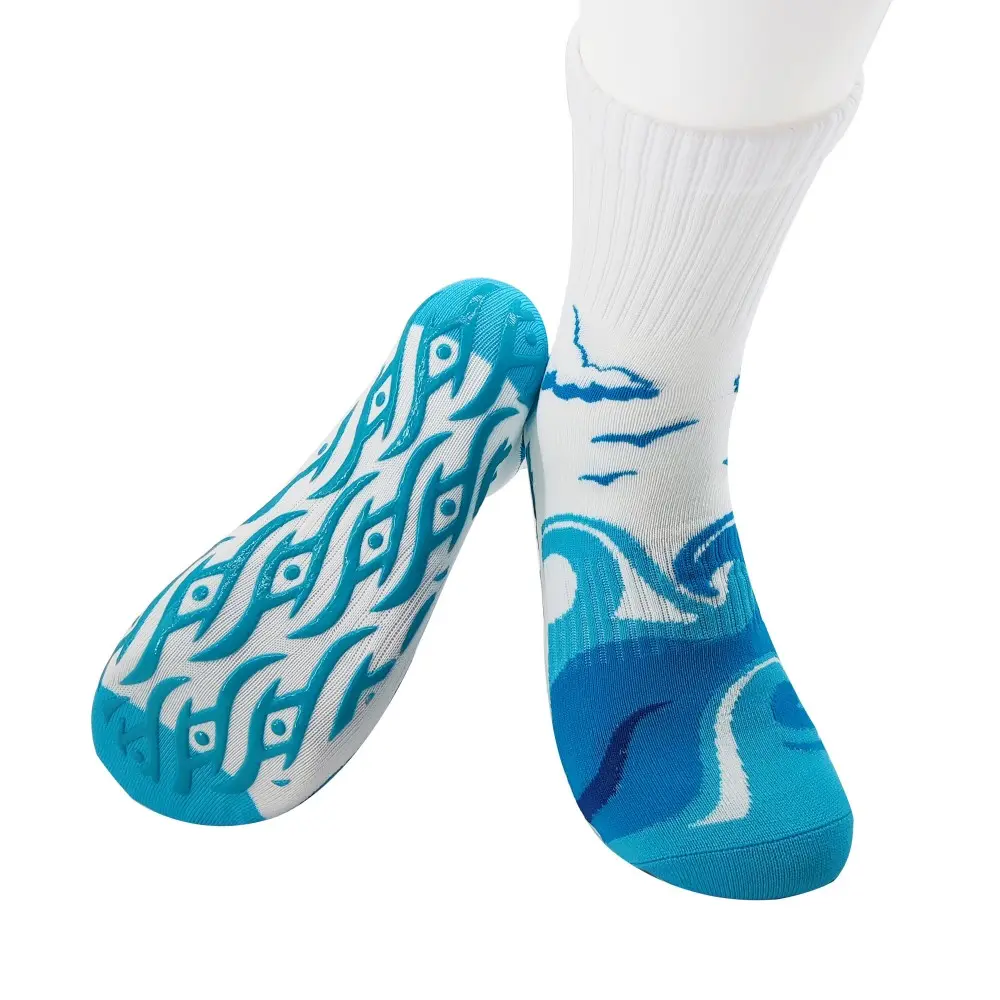 Aqua Park Socks
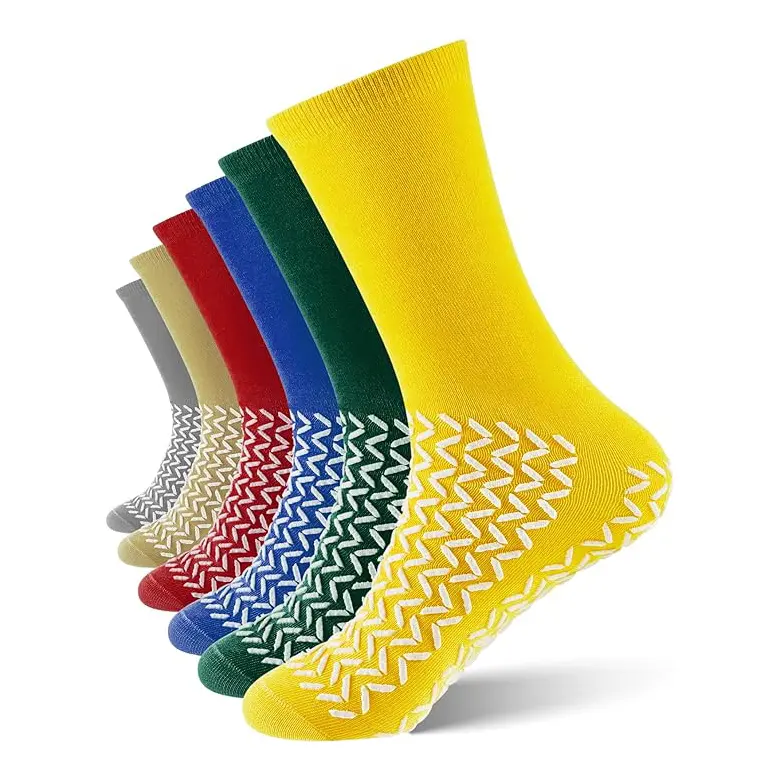 Hospital Slipper Socks
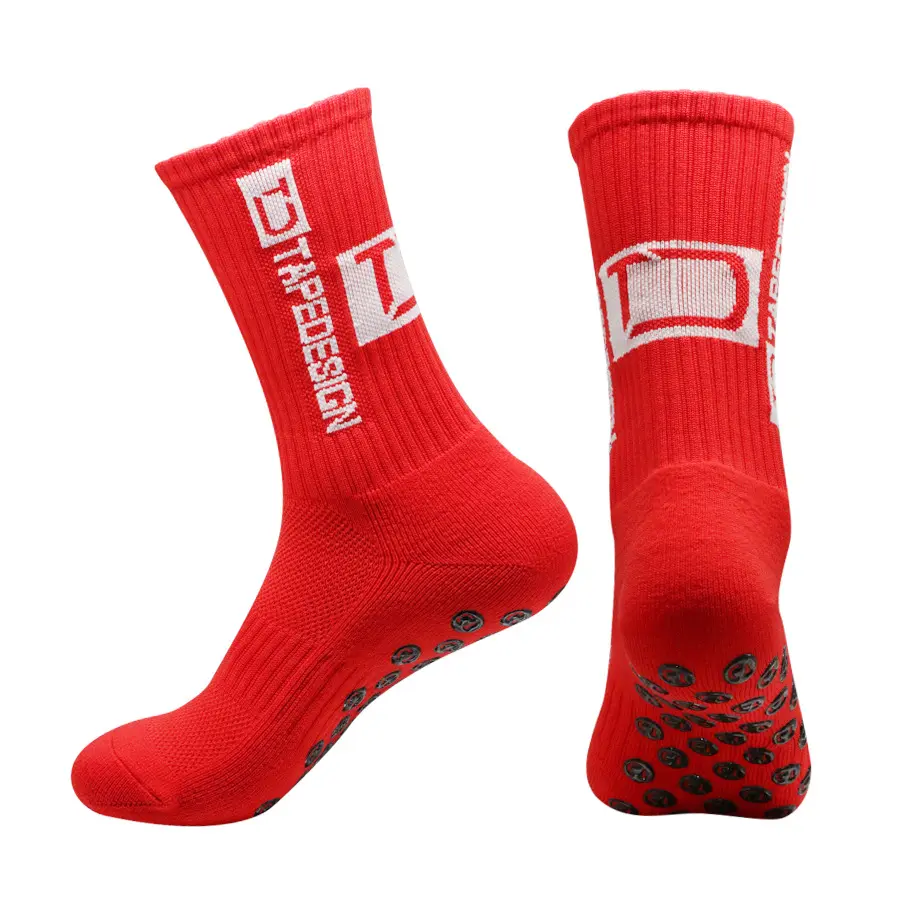 Grip Football Socks
 Basketball Socks
 Badminton Socks
 Cycling Socks
 Running Socks
 Disposable Socks Bowling Alley Socks
 Disposable socks
 Warm Colorful Striped Crew Socks for Women
 Custom Unisex Crew Socks Breathable Socks
 Digital Printing Vintage Crew Socks
 Animal Fuzzy Cartoon Crew Socks for Women
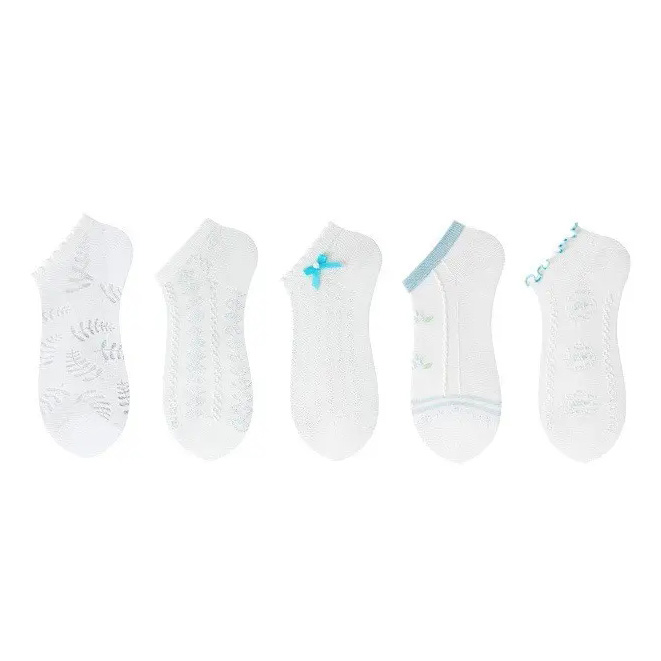 Cotton Flower Ankle Socks Low Cut Socks
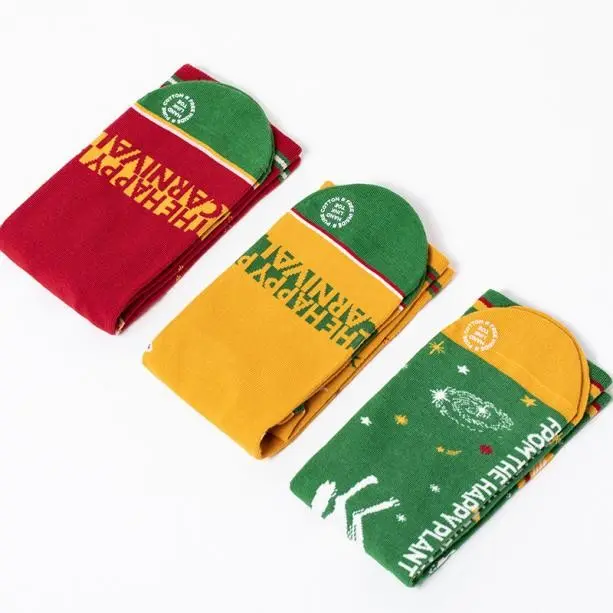 Thick Christmas Festival Crew Socks
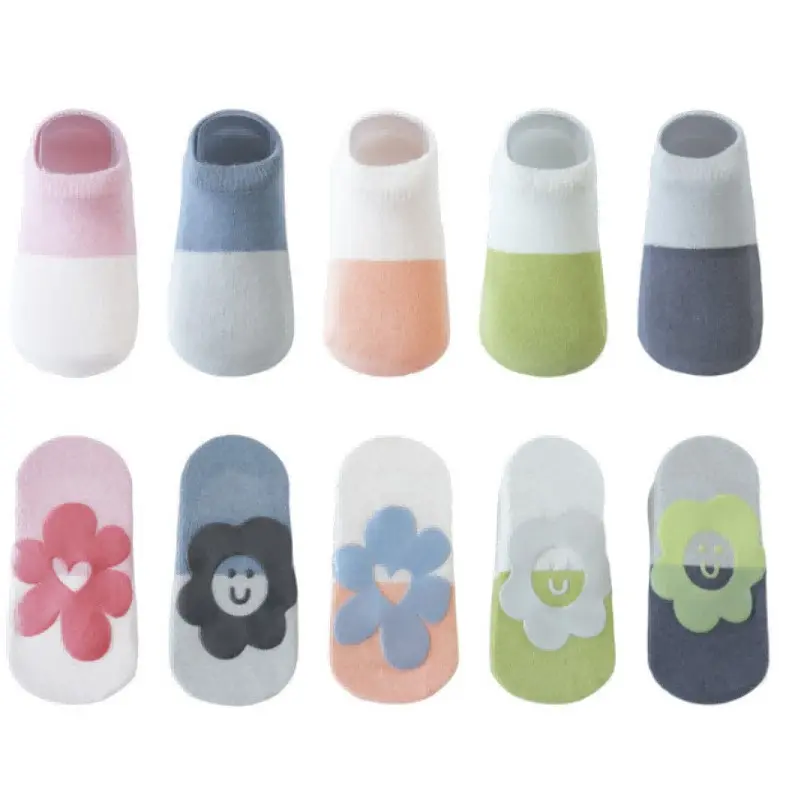 Cotton Cute Anti Slip Baby Ankle Socks with Cartoon
 Colorful Soft Baby Socks Anti-slip
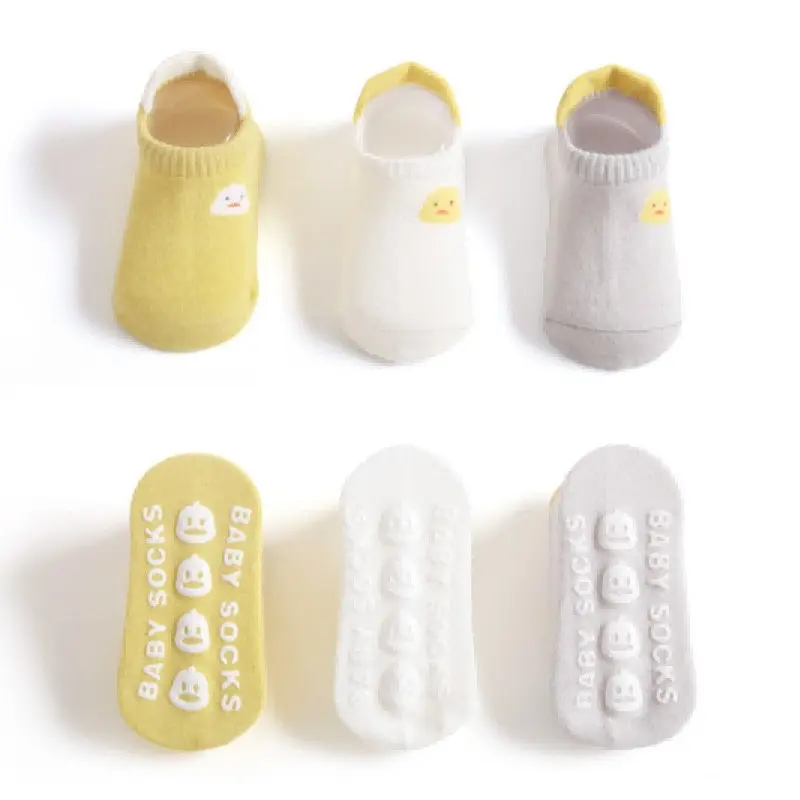 Non Slip Soft Ankle Baby Toddlers Socks
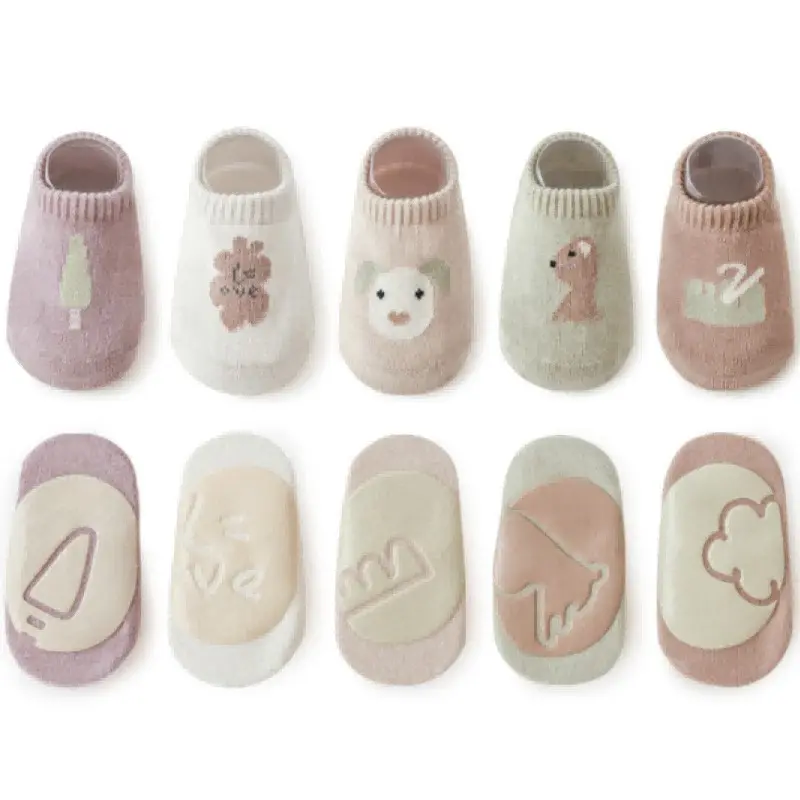 Cartoon Baby Socks With Grips Crew Walking Socks
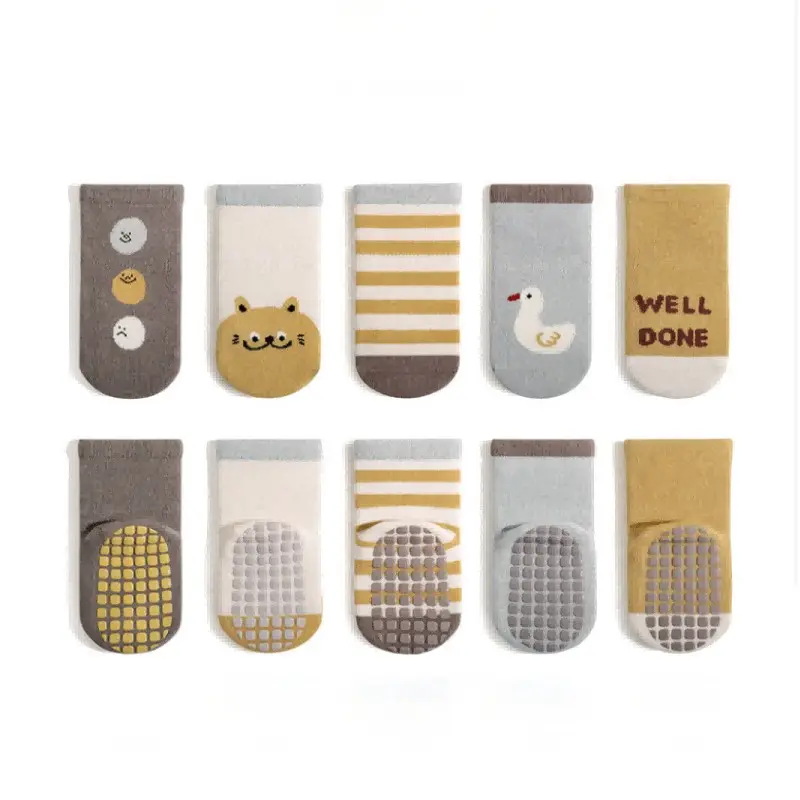 Baby Socks Floor Grip Mid-tube Socks with Cartoon
Leave Your Message
-
Phone
-
E-mail
-
Whatsapp
-
WeChat

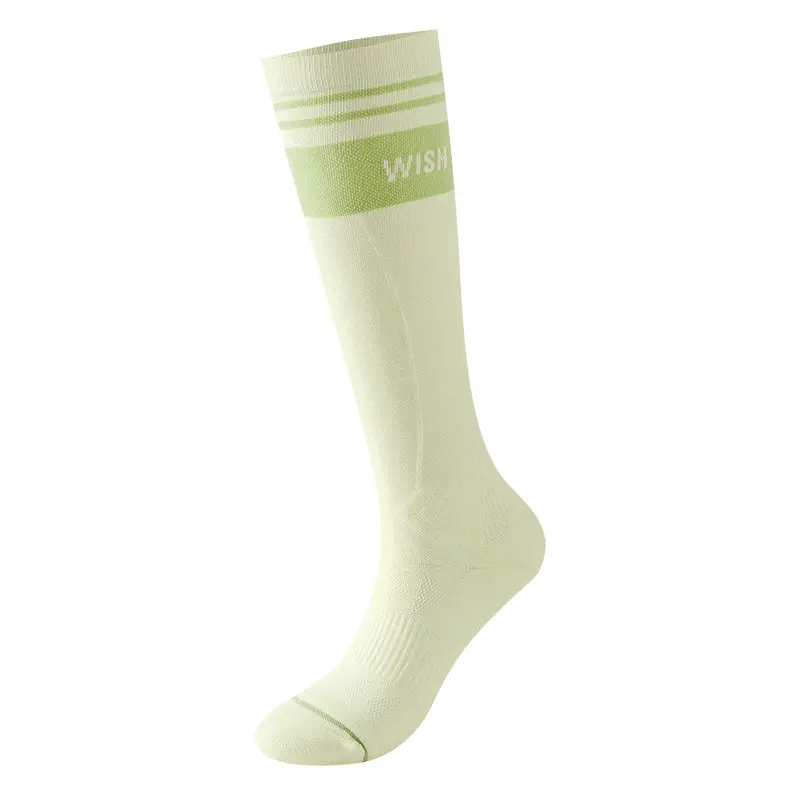
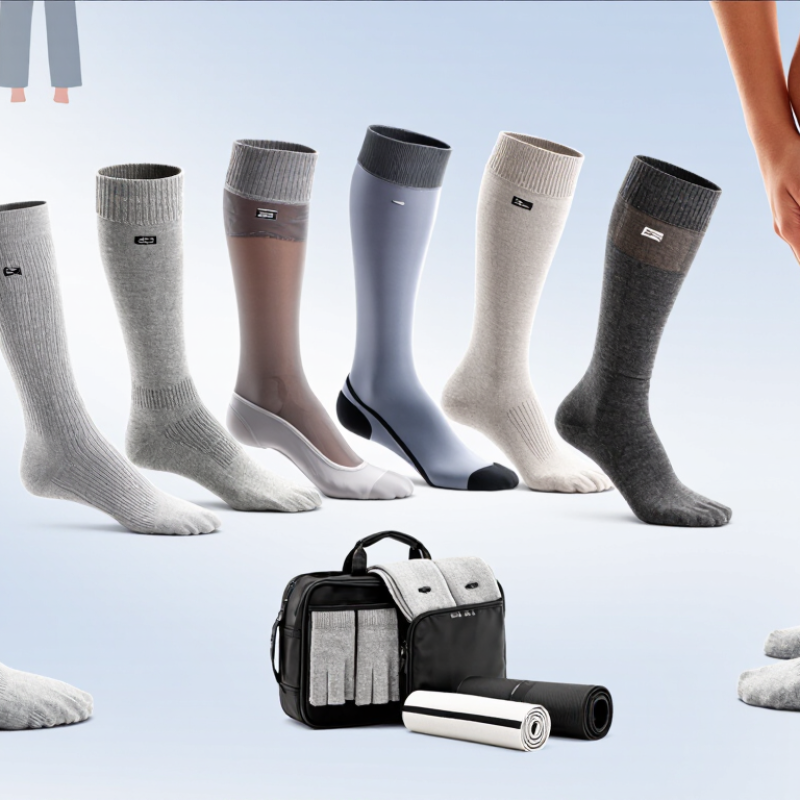
Knee High Socks cover the leg from the foot to just below the knee. They may provide warmth, comfort, style, or graduated compression. Their design can include cotton blends, merino wool, nylon, bamboo fibers, or moisture-wicking synthetics. Each material feels different against the skin.
Dr. William J. Rossi, a respected hosiery historian, wrote, “The stocking is the foundation of the dressed leg.” His observation remains useful today. A well-fitted pair can disappear beneath trousers, support a school uniform, or add color beneath a skirt. On a cold morning, thick wool Knee High Socks can feel like a small blanket around the calves. During travel, compression styles may help reduce lower-leg swelling for some people.
Fit matters more than appearance alone.
The top band should stay in place without leaving deep marks. The heel pocket should sit under the heel, not twist toward the ankle. Compression models require extra care because pressure levels differ. People with circulation problems should seek medical advice before wearing them. A product labeled “supportive” is not automatically medically appropriate.
There is also room for doubt. Marketing often makes broad promises, while comfort varies between wearers. Some fabrics trap heat, and some elastic bands irritate sensitive skin. Therefore, this guide will examine materials, sizing, construction, uses, and care instructions. It will treat Knee High Socks as practical garments, not miracle products. Their value depends on the wearer, the activity, and the quality of the fit.
What Are Knee High Socks?
Definition and Basic Features of Knee-High Socks
Knee-high socks are garments that extend from the foot to just below or around the knee. They cover the ankle, calf, and lower leg with one continuous layer of fabric. Their defining feature is height, not a particular material or style. Cotton blends feel breathable for daily wear, while wool or thermal fibers offer more warmth. A gentle elastic band helps the sock stay up without pressing painfully into the skin.
Common features include a shaped heel, a reinforced toe, and ribbed sections around the calf. The heel pocket reduces fabric bunching when you walk or bend your leg. Extra yarn at the toe can improve durability in an area exposed to repeated friction. Some pairs are thin and smooth for formal clothing. Others are thick, cushioned, or textured for boots and cold weather. Fit still matters.
In practical wear, check the top edge after several hours of movement. If it rolls down, the opening may be too loose, or the calf may need a different cut. If it leaves deep marks, the elastic is probably too tight. A useful pair should stay in place while allowing normal circulation and knee movement. Sizing charts help, but they are not perfect because leg shape varies widely. A soft seam can matter as much as fiber content. That detail is easy to overlook. Care labels also deserve attention, since high heat may shrink natural fibers or weaken elastic.
| Feature | Definition or Typical Specification | Practical Function |
|---|---|---|
| Basic Definition | Knee-high socks are hosiery garments that extend from the foot to just below or around the knee. | They provide coverage for the foot, ankle, calf, and lower part of the leg. |
| Approximate Length | The total length varies by size and design, but the upper opening is generally positioned near the knee rather than at the ankle or mid-calf. | Offers more leg coverage and warmth than ankle, crew, or quarter socks. |
| Typical Materials | Common fibers include cotton, wool, polyester, nylon, acrylic, rayon, and elastane. Blended fabrics are widely used. | Different fiber combinations balance softness, warmth, moisture management, stretch, and durability. |
| Stretch and Fit | Most pairs contain elastic fibers or knitted stretch zones to fit the foot and lower leg. | Helps the sock stay in place while allowing normal movement. The cuff should feel secure without excessive pressure. |
| Upper Cuff | The top usually has a ribbed, elasticated, or non-slip construction. | Helps prevent rolling or slipping during walking, sports, work, or everyday activities. |
| Toe Construction | The toe may have a standard seam, a flat seam, or a seamless knitted construction. | Flat or seamless designs can reduce friction and may improve comfort for sensitive feet. |
| Heel and Foot Shape | Many designs include a shaped heel pocket and a reinforced heel and toe. | Improves fit, reduces fabric movement, and helps protect high-wear areas. |
| Thickness | Available in lightweight, medium-weight, and thick constructions. | Lightweight styles suit warm weather and dress shoes, while thicker styles provide additional insulation and cushioning. |
| Moisture Management | Breathable natural fibers and moisture-wicking synthetic fibers are commonly used in performance-oriented designs. | Can help move perspiration away from the skin and improve comfort during extended wear. |
| Warmth and Insulation | Wool, acrylic, thermal knits, and thicker fabrics generally provide more warmth than thin cotton or sheer materials. | Useful in cool weather, boots, uniforms, and activities requiring additional lower-leg coverage. |
| Compression Level | Some knee-high socks are ordinary, non-compression socks; others are specifically designed with graduated compression. | Compression versions apply measured pressure and should be selected according to the intended use and proper sizing. |
| Common Uses | Typical uses include everyday wear, school or work uniforms, formal outfits, cold-weather clothing, hiking, sports, and costume styling. | The height makes them suitable for pairing with trousers, skirts, dresses, boots, and athletic footwear. |
| Fit Considerations | Important measurements include shoe size, calf circumference, leg length, and the intended level of stretch. | A correct fit helps prevent bunching, slipping, tightness, blisters, and uneven pressure. |
| Care Requirements | Care depends on the fiber content. Washing instructions commonly recommend using the stated water temperature, avoiding excessive heat, and drying as directed. | Following the care label helps preserve elasticity, shape, color, and fabric performance. |
| Difference from Crew Socks | Crew socks generally end around the lower calf, whereas knee-high socks extend substantially higher toward the knee. | Knee-high socks provide greater coverage and can offer more warmth or visual layering. |
| Difference from Tights | Knee-high socks cover each foot and lower leg separately and stop near the knee; tights continue over the thighs and typically include a connected waistband. | Knee-high socks are easier to put on and remove and can be worn with separate underwear or hosiery garments. |