- Home
- Products
- Customization
- About Us
- Blogs
- Contact Us
 Trampoline Socks
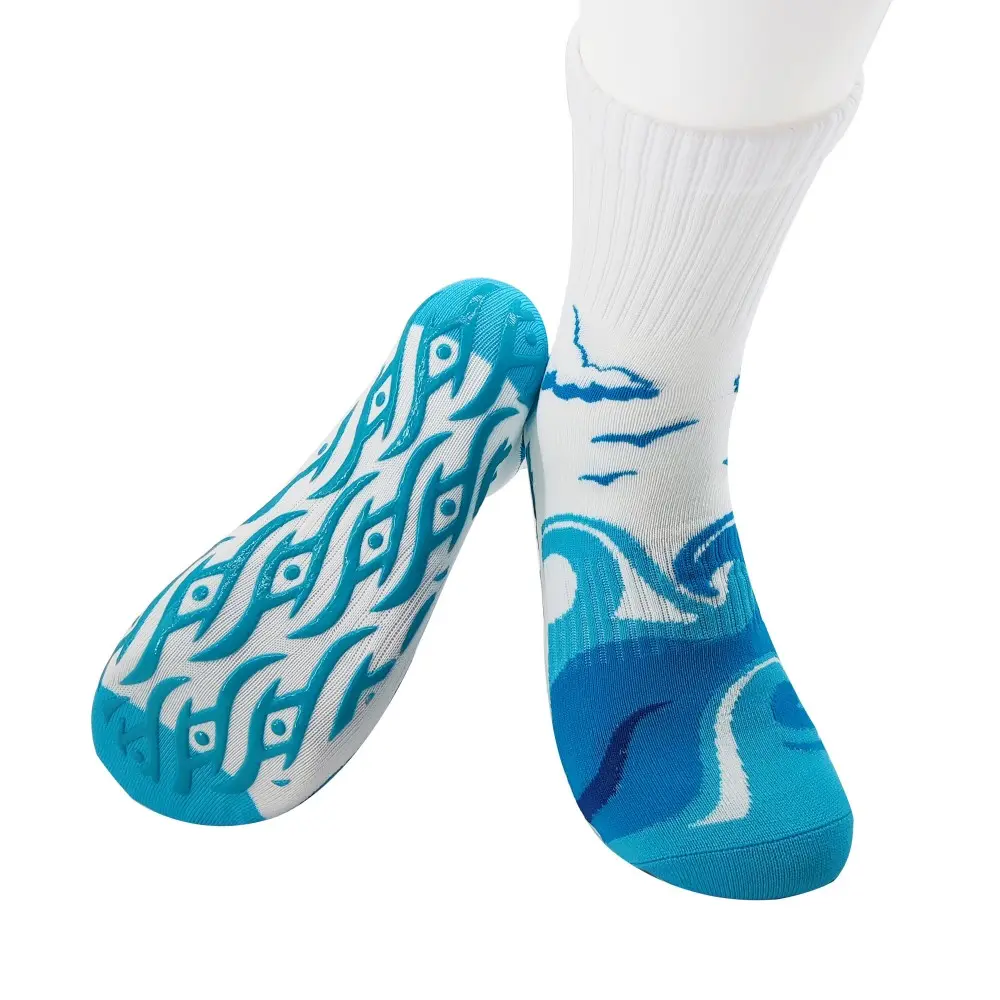 Aqua Park Socks
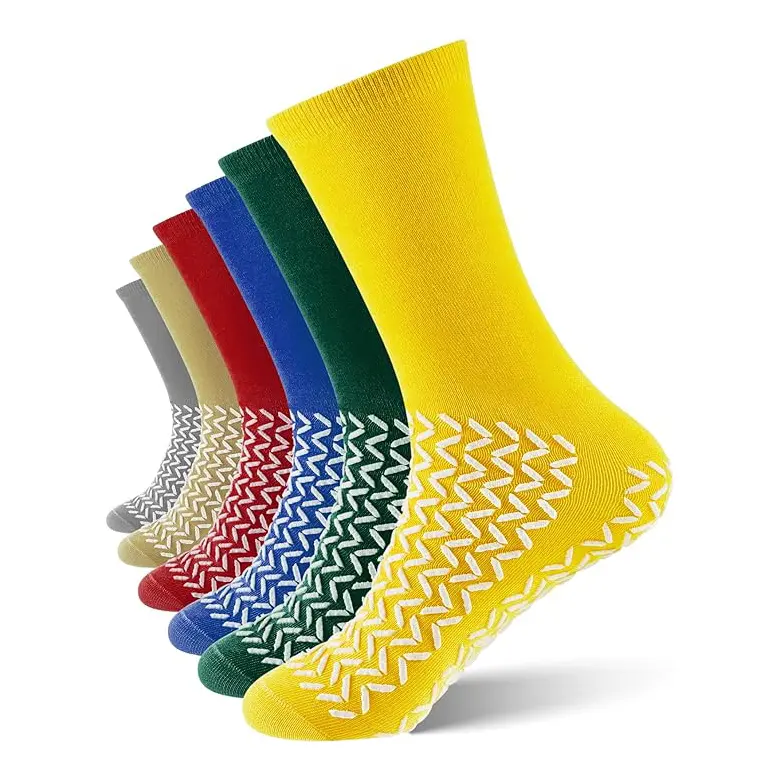 Hospital Slipper Socks
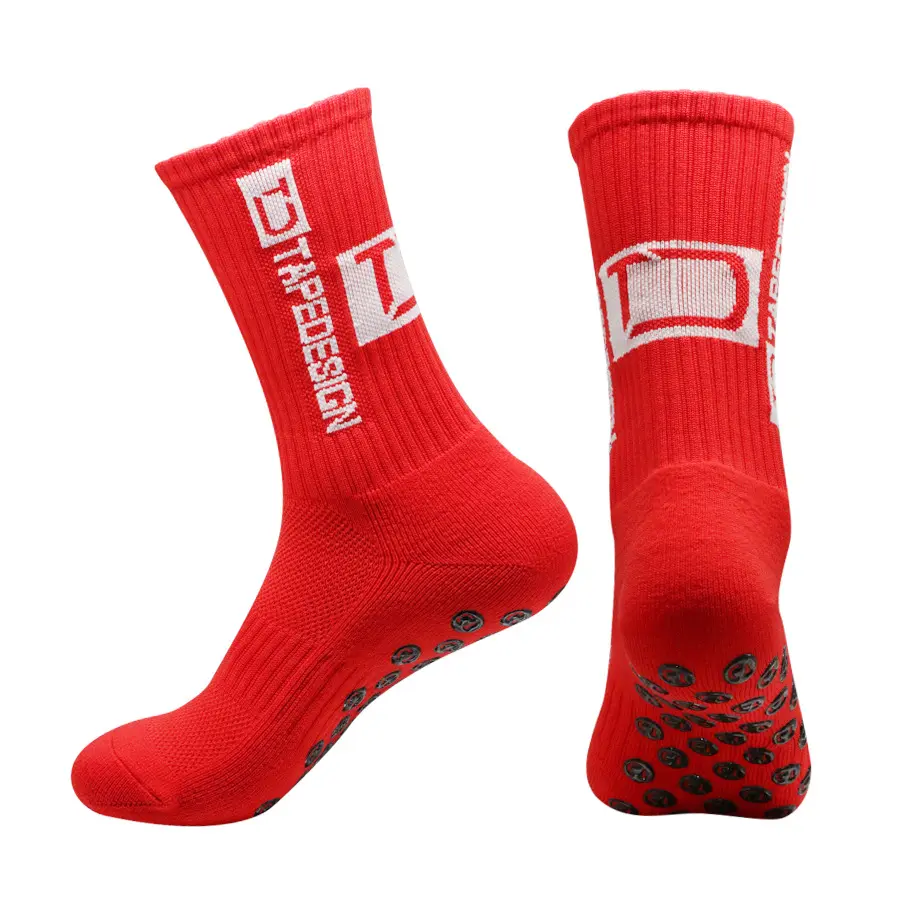 Grip Football Socks
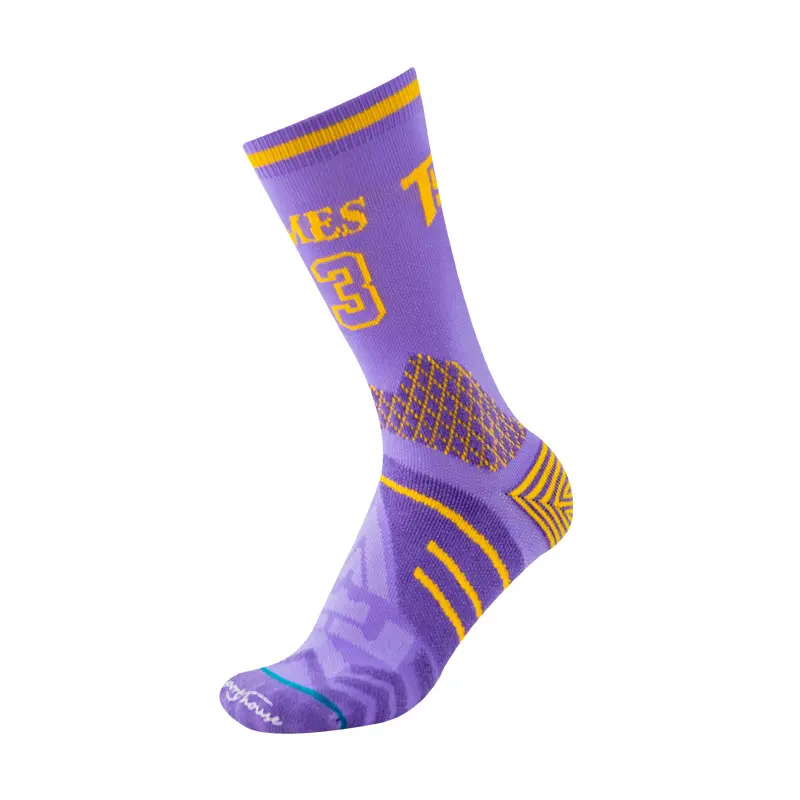 Basketball Socks
 Badminton Socks
 Cycling Socks
 Running Socks
 Disposable Socks Bowling Alley Socks
 Disposable socks
 Warm Colorful Striped Crew Socks for Women
 Custom Unisex Crew Socks Breathable Socks
 Digital Printing Vintage Crew Socks
 Animal Fuzzy Cartoon Crew Socks for Women
 Cotton Flower Ankle Socks Low Cut Socks
 Thick Christmas Festival Crew Socks
 Cotton Cute Anti Slip Baby Ankle Socks with Cartoon
 Colorful Soft Baby Socks Anti-slip
 Non Slip Soft Ankle Baby Toddlers Socks
 Cartoon Baby Socks With Grips Crew Walking Socks
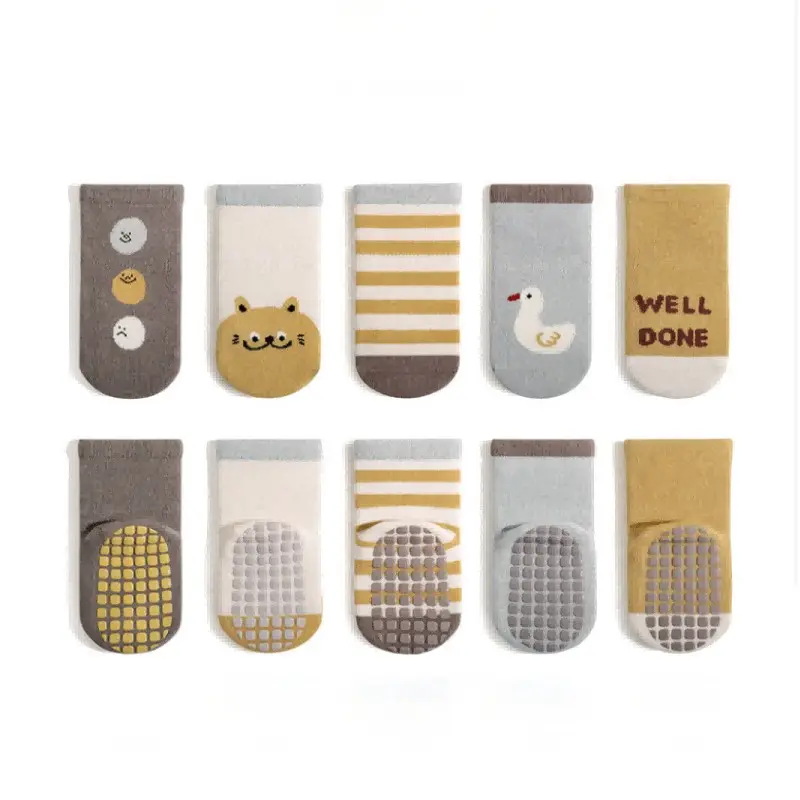 Baby Socks Floor Grip Mid-tube Socks with Cartoon
Leave Your Message
-
Phone
-
E-mail
-
Whatsapp
-
WeChat

Long Socks have moved beyond a basic clothing accessory. They now serve fashion, sports, travel, workwear, and health-related needs. For global buyers, the right choice depends on length, fiber, construction, climate, and intended use.
Industry reports show why this category deserves closer attention. Grand View Research’s Hosiery Market Size, Share & Trends Analysis Report identifies rising demand for performance fabrics, comfort, and online apparel purchasing. Mordor Intelligence also links hosiery growth with changing lifestyles, athletic participation, and broader fashion adoption. However, these reports usually combine short socks, tights, stockings, and other hosiery products. Exact figures for Long Socks can therefore vary between research providers. That limitation matters.
This guide examines ten practical types, including knee-high, over-the-knee, thigh-high, compression, thermal, athletic, dress, boot, diabetic-friendly, and novelty styles. Each type creates a different buying question. A knee-high sock may suit formal shoes, while a thermal pair needs enough insulation without excessive bulk inside boots. A compression design requires careful attention to sizing and product claims. Small details matter. Rib structure, reinforced heels, flat seams, moisture management, and fiber labels can change user experience significantly.
Global buyers should compare supplier samples before placing large orders. Packaging, size grading, colorfastness, and washing performance also need verification. No ranking is universal. Some categories overlap, and market preferences differ by region. This overview offers a practical starting point, not a perfect formula, for evaluating Long Socks with greater confidence and professional care.
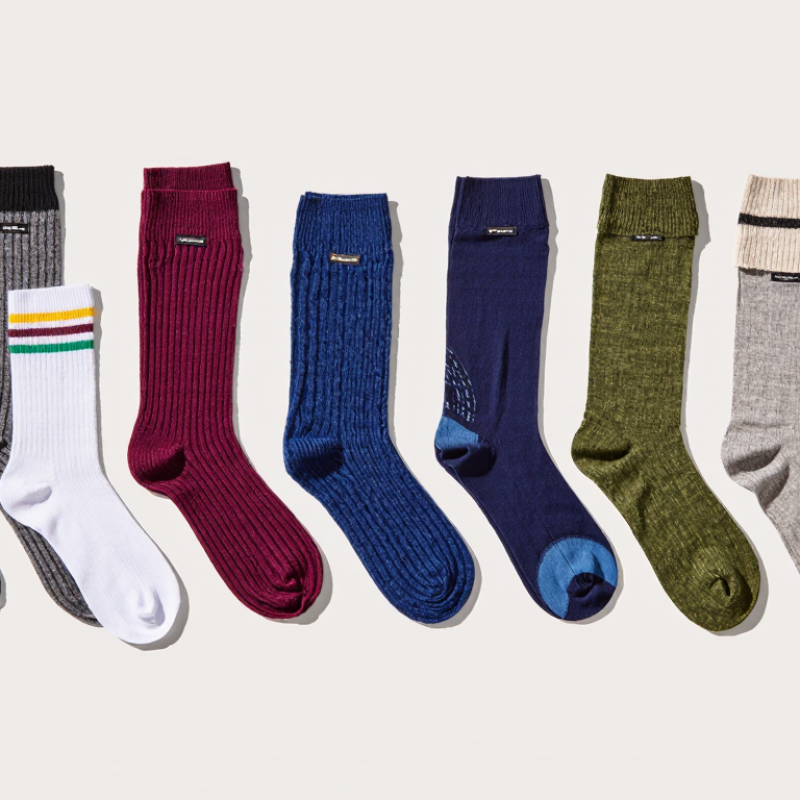
Top 10 Types of Long Socks for Global Buyers
Global Scope: Grand View Research Valued Socks at US$51.7B in 2022
Grand View Research valued the global socks market at US$51.7 billion in 2022. This figure shows strong demand, but it needs careful interpretation. It covers many sock categories, not only long styles. For global buyers, the opportunity lies in matching construction with climate, activity, and local preferences.
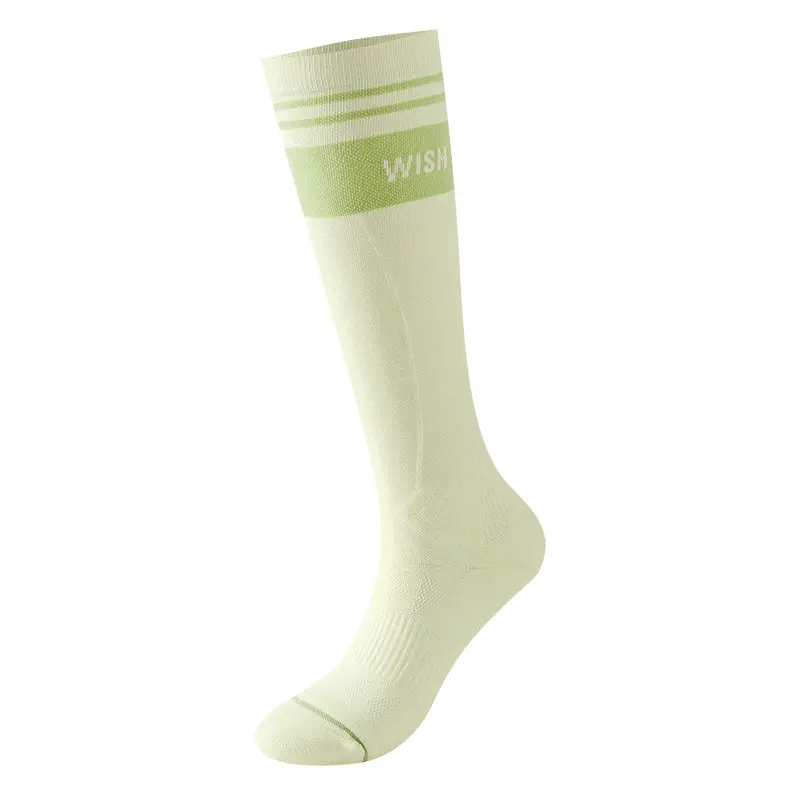
The main long-sock types include knee-high, over-the-knee, thigh-high, compression, athletic tube, boot, hiking, thermal, dress, and leg-warmer styles. Knee-high socks suit uniforms and everyday wear. Compression designs require controlled pressure and accurate sizing. Thermal and wool hiking socks need warmth without excessive bulk. Dress socks should feel smooth inside formal footwear. Over-the-knee and thigh-high styles need reliable stretch and stable cuffs.
Experienced buyers should check fiber content, knitting density, seam placement, cuff recovery, and shrinkage after washing. A simple sample test helps reveal loose threads and uneven tension. Measure the leg, not only the shoe size. This matters across different body shapes.
One weakness remains clear. “Long sock” has no universal length standard. A knee-high style may sit differently on shorter legs. Buyers should request detailed measurements and product photographs. Colorfastness also deserves testing, especially for dark dyes and frequent washing. A low price can hide poor elasticity. Durability is often visible only after repeated wear. Product reviews help, but they cannot replace physical inspection.
| No. | Long Sock Type | Typical Shaft Coverage | Common Fiber Construction | Primary Applications | Key Functional Attributes | Common Buyer Specifications |
|---|---|---|---|---|---|---|
| 1 | Knee-High Socks | From the foot to just below the knee | Cotton blends, wool blends, polyester, nylon, or elastane-added fabrics | Schoolwear, uniforms, everyday wear, workwear, and cooler-weather outfits | Extended leg coverage, warmth, reduced friction from footwear, and easy layering | Leg circumference, welt grip, reinforced heel and toe, size range, and fabric weight |
| 2 | Over-the-Knee Socks | From the foot to above the knee, usually reaching the lower or middle thigh | Cotton, acrylic, wool, polyester, nylon, and elastane blends | Fashion styling, winter wear, costumes, uniforms, and layered outfits | Extended thermal coverage, visual styling, and improved protection from cold air | Upper-band stretch, stay-up performance, non-binding fit, length, and opacity |
| 3 | Thigh-High Socks | From the foot to the upper thigh, below the hip | Nylon, polyester, cotton blends, and elastane for stretch and recovery | Fashion, performance costumes, dancewear, and cold-weather layering | Maximum leg coverage among non-hosiery sock styles, stretch fit, and layered warmth | Thigh circumference, silicone or elastic grip options, stretch recovery, and seam placement |
| 4 | Compression Socks | Most commonly ankle-to-knee; some designs extend to the thigh | Nylon or polyester combined with elastane, spandex, or similar stretch fibers | Travel, prolonged standing, sports recovery, and medically directed circulation support | Graduated pressure, muscle support, reduced swelling sensation, and secure fit | Compression class, pressure level, calf measurement, medical-use labeling, and sizing accuracy |
| 5 | Athletic Crew Socks | From the foot to the lower or middle calf | Polyester, nylon, cotton, polypropylene, and elastane blends | Running, gym training, court sports, team sports, and daily casual use | Moisture management, cushioning, arch support, breathability, and abrasion resistance | Cushion zones, mesh ventilation, arch band, seamless toe, sock height, and wash durability |
| 6 | Hiking and Trekking Socks | Usually crew, quarter-calf, or knee-high depending on footwear and terrain | Merino wool blends, synthetic fibers, nylon reinforcement, and elastane | Hiking, trekking, backpacking, trail walking, and outdoor work | Moisture and temperature regulation, cushioning, odor control, and blister reduction | Footbed density, shin padding, flat seams, reinforced zones, drying time, and wool percentage |
| 7 | Thermal and Winter Socks | Usually mid-calf to knee-high | Wool, acrylic, polyester, polypropylene, thermal yarns, and insulating blends | Winter commuting, outdoor work, skiing, snow activities, and cold climates | High insulation, moisture wicking, cushioning, and protection against cold footwear | Fabric weight, thermal rating claims, bulk, boot compatibility, moisture control, and cuff fit |
| 8 | Dress and Formal Socks | Typically mid-calf to knee-high | Mercerized cotton, fine wool, bamboo-derived viscose, nylon, and elastane blends | Businesswear, formalwear, uniforms, ceremonies, and office clothing | Smooth appearance, low-bulk construction, comfortable stretch, and reduced slippage | Colorfastness, denier or yarn fineness, welt appearance, seam comfort, and formal shoe fit |
| 9 | Work and Safety Socks | Usually crew, mid-calf, or knee-high | Cotton blends, wool blends, polyester, nylon, acrylic, and elastane | Construction, manufacturing, logistics, agriculture, utilities, and industrial work | Impact cushioning, abrasion resistance, moisture control, warmth, and boot compatibility | Reinforced heel and toe, protective padding, anti-slip cuff, high-visibility options, and size consistency |
| 10 | Riding and Equestrian Socks | Usually knee-high, designed to sit beneath riding boots | Nylon, polyester, cotton, polypropylene, wool blends, and elastane | Horse riding, equestrian training, stable work, and tall-boot use | Low-bulk leg profile, moisture management, shin comfort, and reduced boot friction | Thin calf construction, smooth seams, boot compatibility, stretch recovery, and reinforced foot zones |