Top 10 Reasons Why Acrylic Socks Are the Ultimate Footwear Choice?
Acrylic socks have gained popularity in the footwear market. They combine comfort and style in unique ways. These versatile socks cater to diverse needs, making them a top choice for many.
One reason to choose acrylic socks is their softness. The fabric feels gentle against the skin, reducing irritation. Furthermore, they offer better moisture-wicking properties than many materials. This keeps feet dry and comfortable throughout the day.
Acrylic socks also come in various colors and designs. This means you can express your personality effortlessly. You could wear them with sneakers for a casual look or dress them up for a special occasion. However, while enjoying their benefits, one might ponder if they are as durable as other options. Balancing these pros and cons is essential for making an informed choice.
Benefits of Acrylic Socks: An Overview of Their Unique Properties
Acrylic socks are not just trendy; they offer unique properties that make them an excellent choice for footwear. Their lightweight nature often surprises wearers. These socks wick moisture, keeping feet dry during daily activities. Whether you're running errands or lounging at home, they fit perfectly. The soft texture feels comfortable against the skin. Many find them less irritating than other materials.
Durability is another highlight. Acrylic socks can withstand regular wear, maintaining their shape over time. The color retention is also impressive. Unlike some fabrics, they resist fading after repeated washes. Yet, it's worth noting that not all acrylic socks are created equal. Some may feel less breathable in warm weather. This could lead to sweaty feet, an inconvenience many would prefer to avoid.
Additionally, these socks are often available in various fun patterns and bright colors. This allows for personal expression, making them a popular choice among fashion-forward individuals. However, it’s wise to consider their environmental impact. Acrylic is a synthetic material, and its production has consequences. Balancing style and sustainability is crucial for today’s consumers.
Comparative Analysis: Acrylic vs. Wool and Cotton Sock Performance
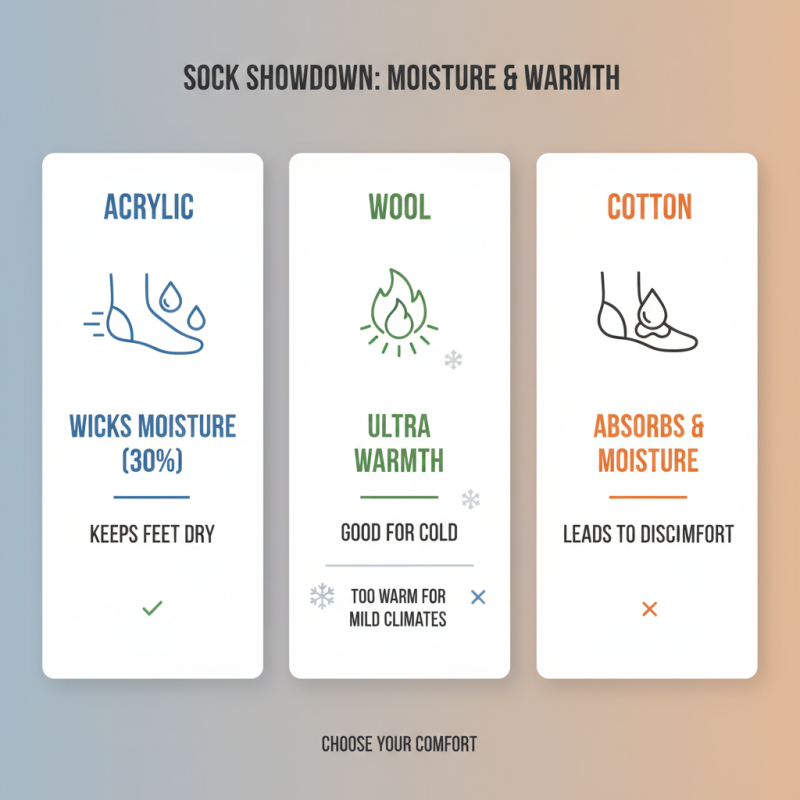
When considering sock performance, acrylic, wool, and cotton each bring unique benefits and drawbacks. Acrylic socks are popular for their moisture-wicking abilities. Reports indicate that acrylic can absorb up to 30% of its weight in moisture. This keeps feet dry and comfortable, especially during active use. In contrast, cotton is absorbent but retains moisture, leading to discomfort. Wool provides warmth but may be overkill in milder climates.
In a performance comparison, acrylic socks are lightweight. They dry quickly, which is handy for those on-the-go. Cotton socks can feel heavy when wet. Wool socks, while excellent for insulation, may be too hot in warmer weather. If you’re looking for breathability, acrylic is often superior.
Tips: Choose acrylic socks for athletic activities. They prevent blisters and provide cushioning. For cooler nights, consider layering with wool socks. Just be wary of odor retention in wool. Experiment with different blends to find your perfect fit.
Moisture Management: How Acrylic Socks Enhance Comfort and Dryness
Acrylic socks stand out for their ability to manage moisture effectively. This is one of the key reasons they are considered a top choice for footwear. Unlike cotton, acrylic fibers wick away sweat from the feet. This means your feet stay drier during various activities. Dry feet feel better. They reduce the risk of blisters and unpleasant odors.
Imagine wearing socks that keep your feet cool during a sunny day or warm in chilly weather. Acrylic socks can do this. They create a comfortable environment that enhances your daily experiences. However, they do have their shortcomings. Some people may find them less breathable than natural fibers. This can occasionally lead to overheating for certain individuals.
Despite these minor drawbacks, acrylic socks remain a fantastic option. They enhance comfort and keep moisture at bay. When you choose the right style, the benefits often outweigh the downsides. Just be mindful of how your feet react to different materials. Always listen to your body when trying out new socks.
Top 10 Reasons Why Acrylic Socks Are the Ultimate Footwear Choice
Durability Statistics: Longevity and Resilience of Acrylic Fabrics
Acrylic socks have gained popularity for several reasons, particularly their durability. Made from synthetic fibers, acrylic is known for long-lasting wear. These socks resist wear and tear better than many natural fibers. They can withstand high levels of friction without ripping or tearing easily.
Longevity is impressive. Studies show that acrylic fabrics maintain their shape even after multiple washes. Unlike cotton, acrylic does not easily shrink or fade. This makes them a fantastic choice for daily wear. However, not all acrylic products are created equal. Some might lose their softness over time. It's important to choose wisely and check fabric blends.
Acrylic fibers offer warmth without added weight. Even in cooler climates, they provide comfort. Yet, they can be less breathable than natural options. This may lead to moisture trapping in certain conditions. Finding the right pair for the right activity can be a challenge. But many find the trade-offs worthwhile.
Eco-Friendly Considerations: The Sustainable Aspects of Acrylic Production
Acrylic socks have emerged as a popular choice, offering more than comfort. Their production can align with eco-friendly practices. Acrylic is a synthetic fiber, derived from natural materials like petroleum. Yet, the process can be refined to reduce environmental impact.
The global acrylic fiber market is projected to reach $30 billion by 2026, according to industry reports. This indicates rising demand for acrylic products. Many manufacturers are investing in cleaner production methods. Recycled materials are becoming increasingly common in the production process. These advancements help reduce the carbon footprint.
However, challenges remain. Acrylic production often consumes significant water and energy. Efforts to improve sustainability must continue. Brands and consumers alike should be aware of these factors. While acrylic socks are a great option, recognizing the environmental costs is vital. Balancing comfort with sustainability needs ongoing reflection and innovation.

 Trampoline Socks
 Aqua Park Socks
 Hospital Slipper Socks
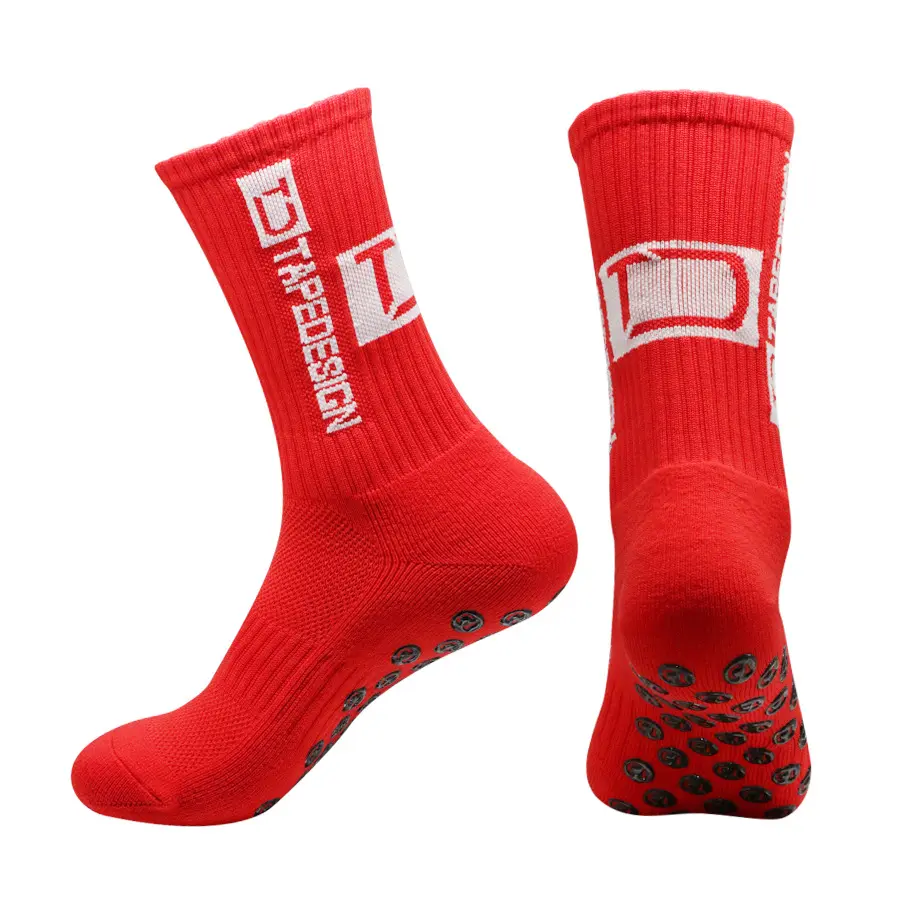 Grip Football Socks
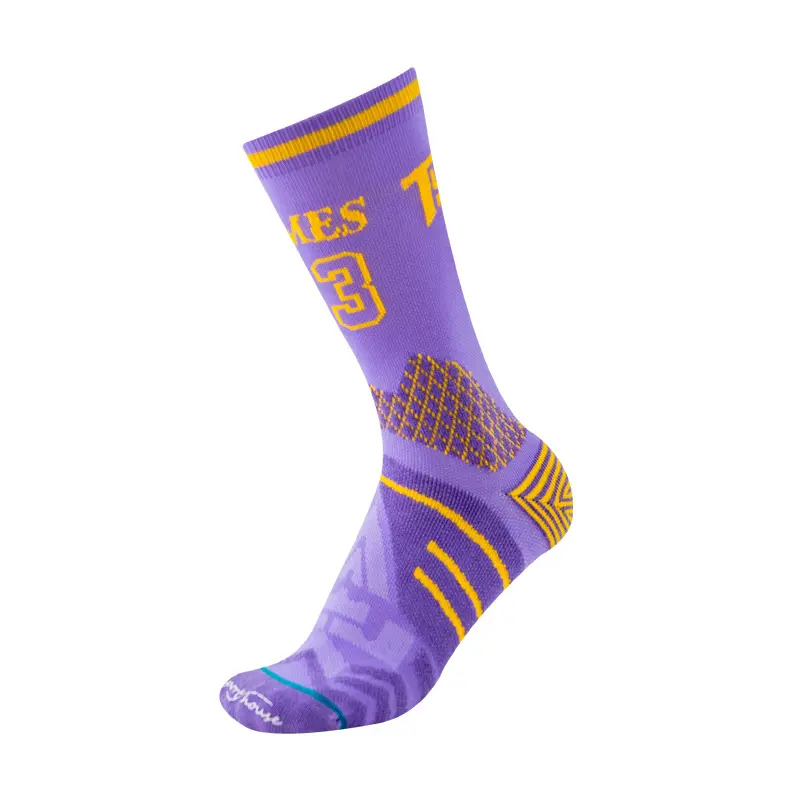 Basketball Socks
 Badminton Socks
 Cycling Socks
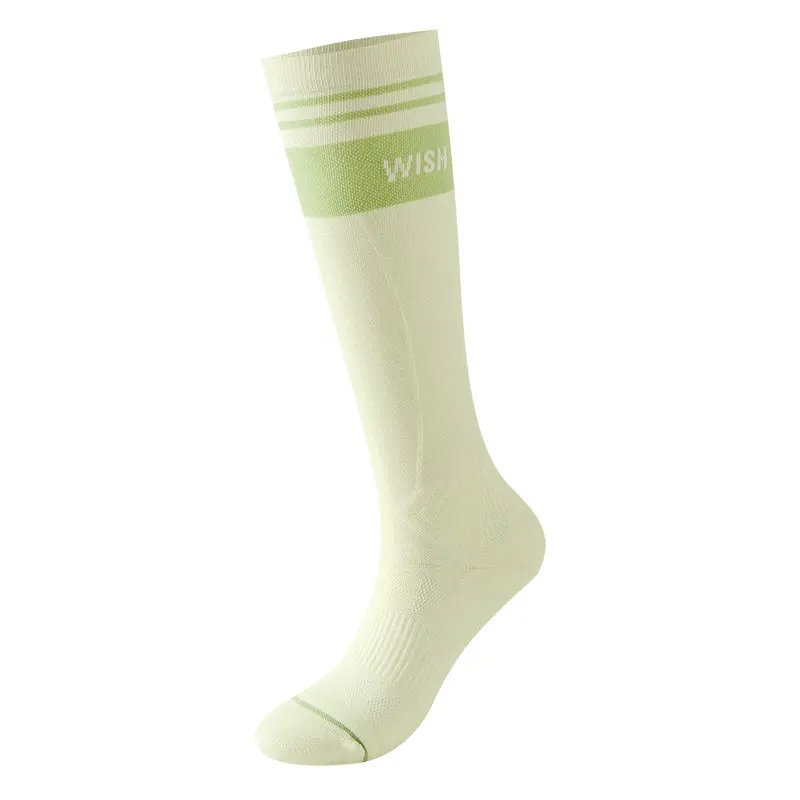 Running Socks
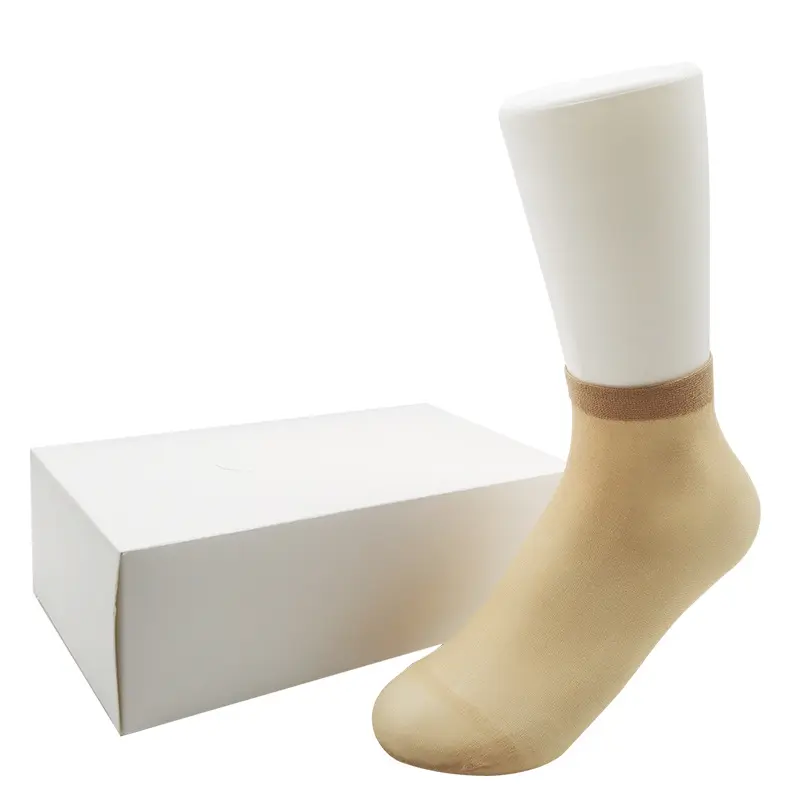 Disposable Socks Bowling Alley Socks
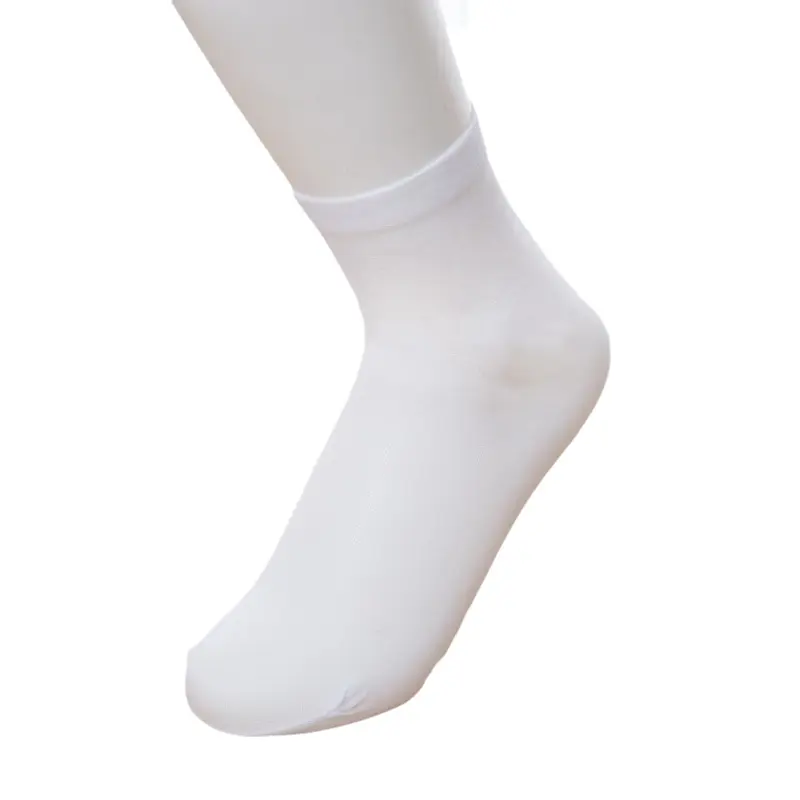 Disposable socks
 Warm Colorful Striped Crew Socks for Women
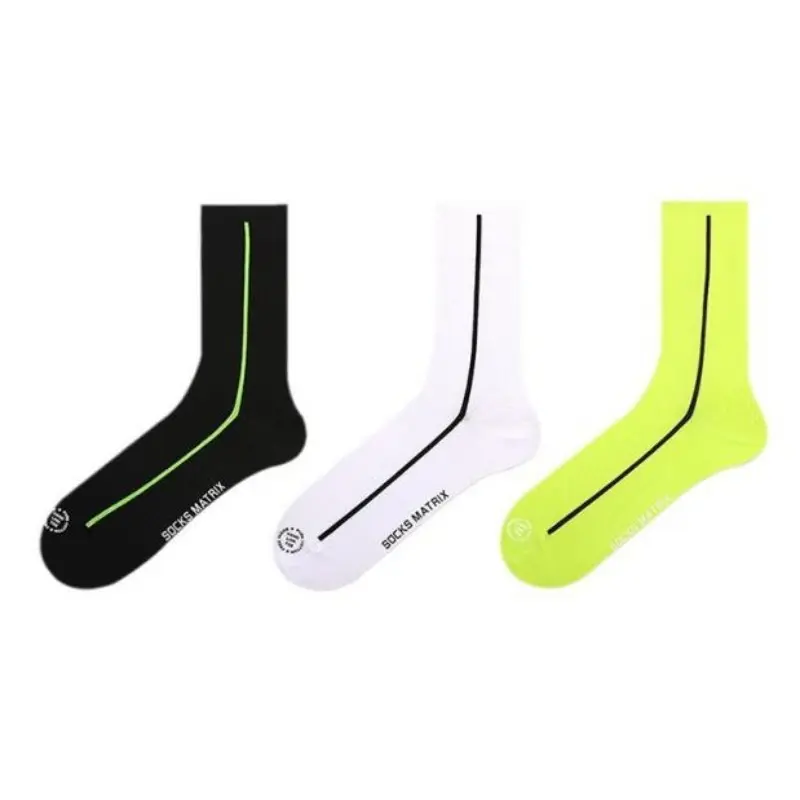 Custom Unisex Crew Socks Breathable Socks
 Digital Printing Vintage Crew Socks
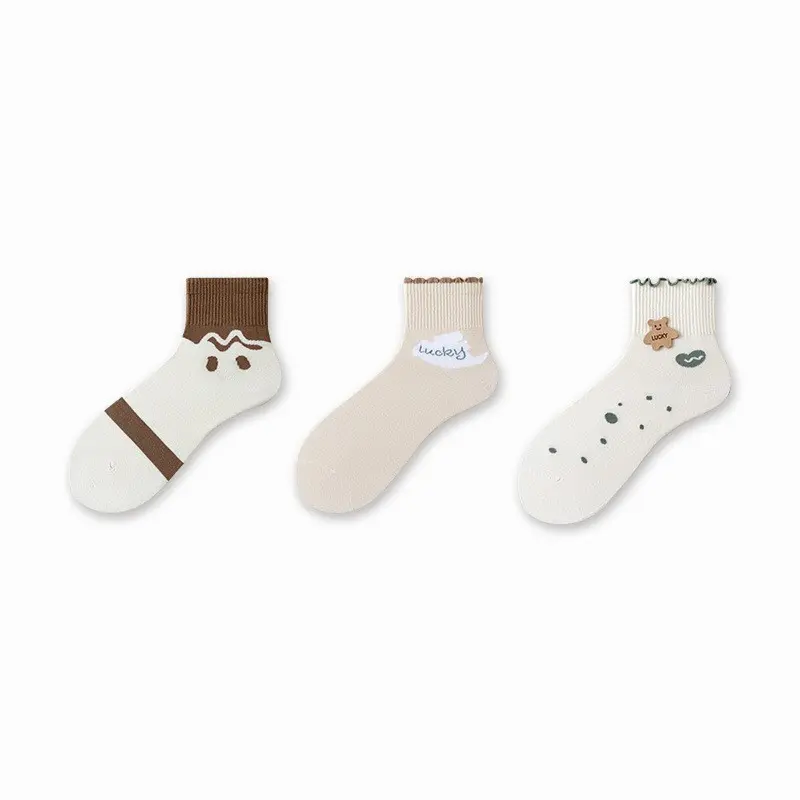 Animal Fuzzy Cartoon Crew Socks for Women
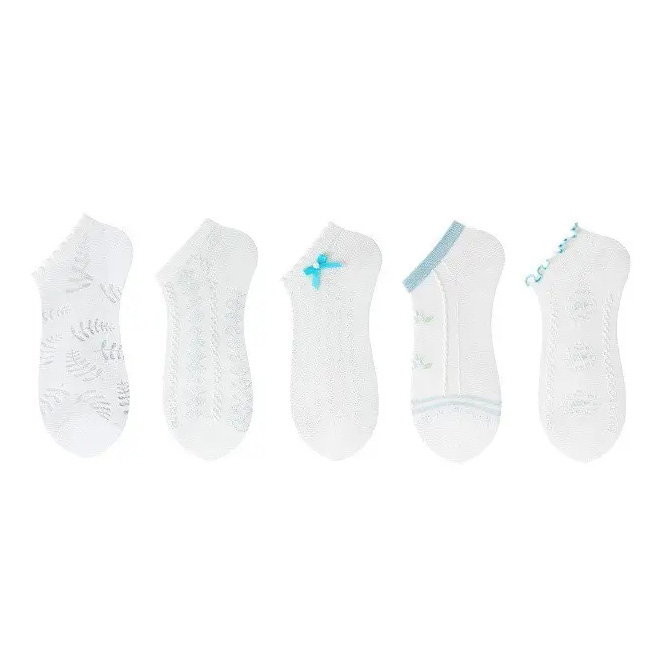 Cotton Flower Ankle Socks Low Cut Socks
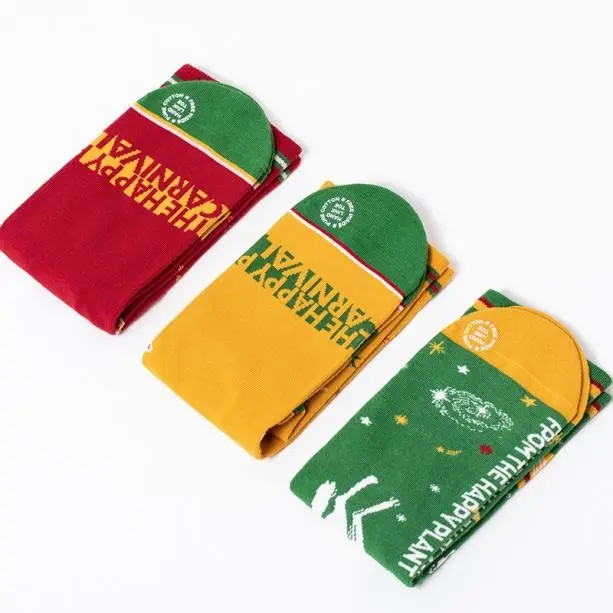 Thick Christmas Festival Crew Socks
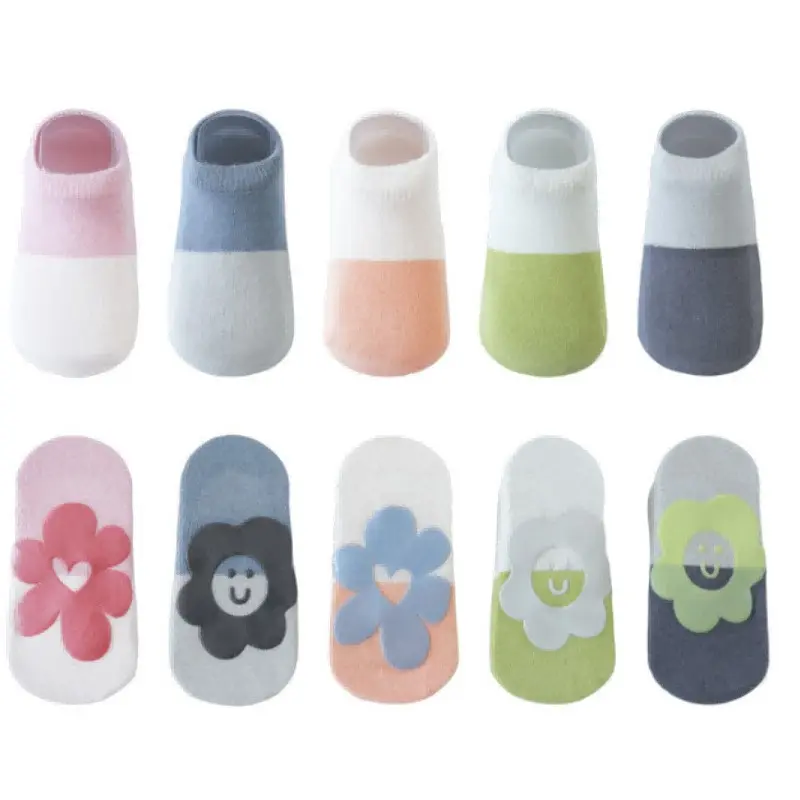 Cotton Cute Anti Slip Baby Ankle Socks with Cartoon
 Colorful Soft Baby Socks Anti-slip
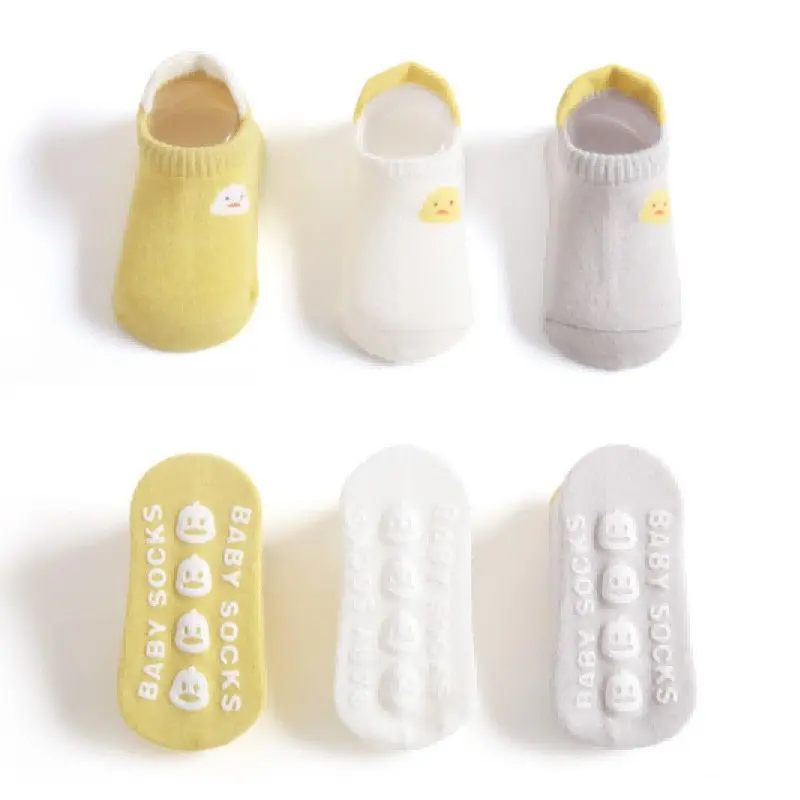 Non Slip Soft Ankle Baby Toddlers Socks
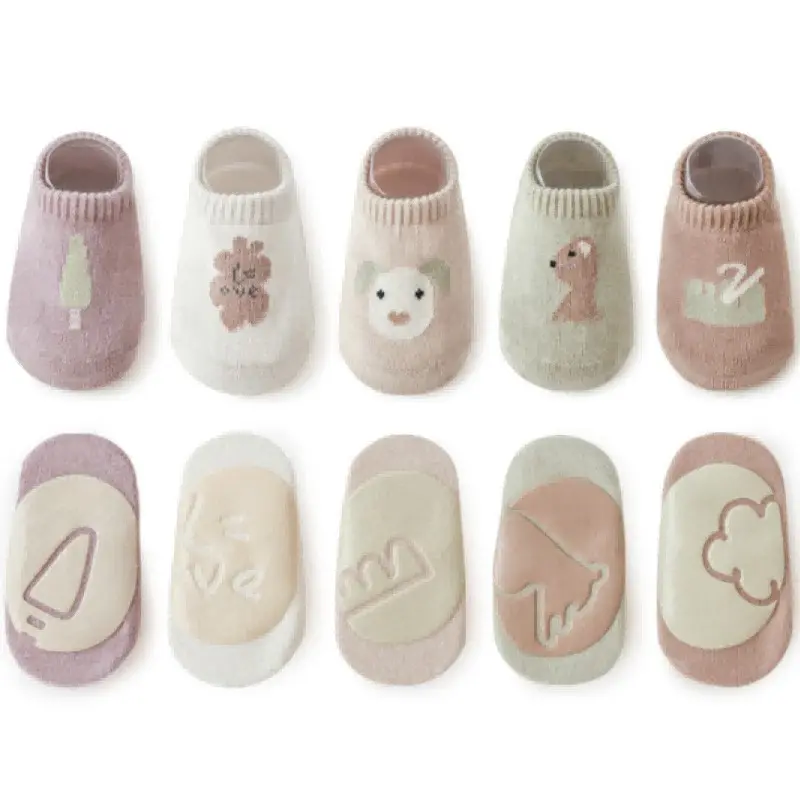 Cartoon Baby Socks With Grips Crew Walking Socks
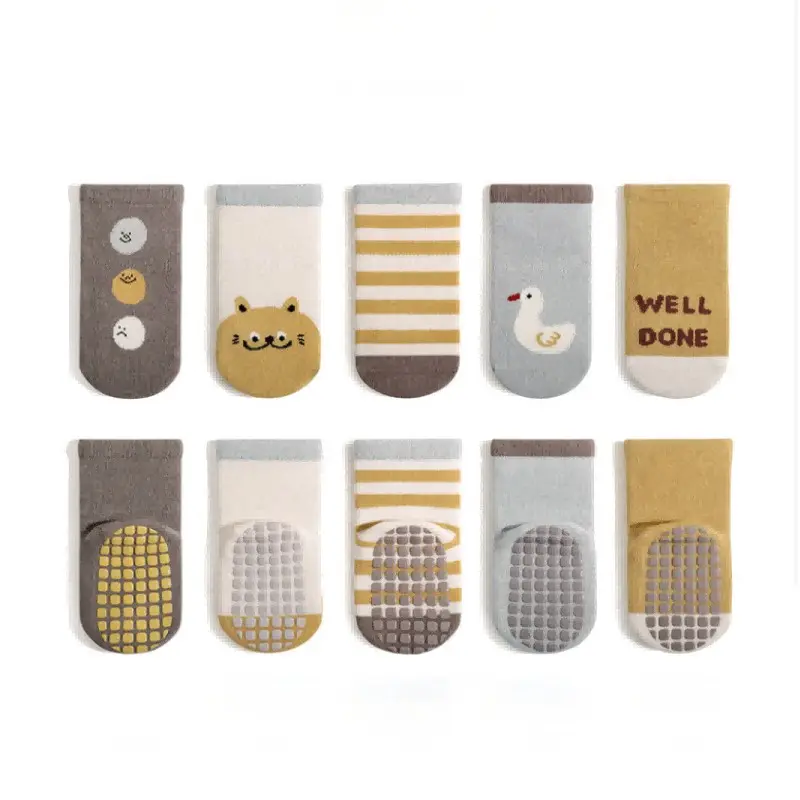 Baby Socks Floor Grip Mid-tube Socks with Cartoon