Best Water Sports Socks for Ultimate Comfort and Performance?
When it comes to enjoying time on the water, choosing the right gear is crucial. Among essential items, Water Sports Socks play a vital role in enhancing comfort and performance. These specialized socks provide both protection and support for your feet. Without them, you might face discomfort during water activities. It could lead to blisters or cold feet.
Water Sports Socks are designed with specific materials to wick away moisture and provide a snug fit. This prevents slipping inside water shoes and ensures a better grip. The right pair can make or break your experience. Yet, many overlook this aspect. The market is flooded with options that claim to be the best, but not all live up to expectations.
Navigating through choices requires some knowledge. Consider factors such as thickness, material, and fit. Investing time in selecting quality socks can significantly improve your performance on the waves. Reflecting on comfort and support could transform a good day into a great one. Choosing the perfect Water Sports Socks is indeed a journey worth taking.
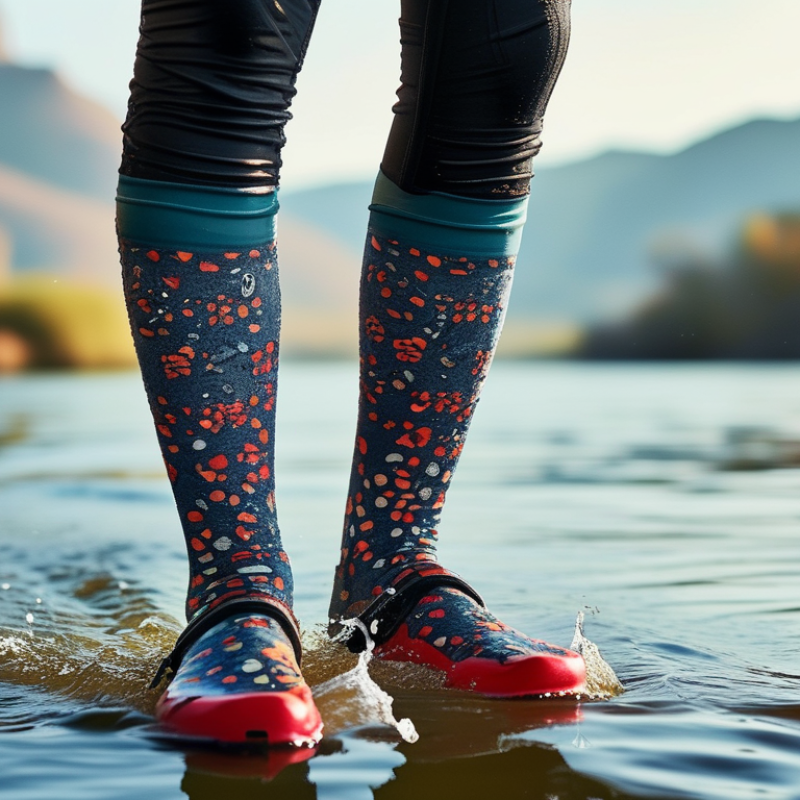
Factors to Consider When Choosing Water Sports Socks
When choosing water sports socks, several factors come into play. The material is crucial for comfort and durability. Look for socks made from quick-drying and breathable fabrics. Neoprene and nylon blends often offer great insulation and flexibility. These materials help keep your feet warm in cold water while ensuring they do not overheat during intense activity.
Fit is another essential consideration. A snug fit prevents blisters and enhances performance. Socks that are too loose can lead to discomfort. Think about the thickness as well. Thicker socks may provide extra warmth, but they can also restrict movement. Finding the right balance is key. Testing different styles and fits can help identify what works best for your specific activities.
Lastly, pay attention to the sock’s design. Some feature reinforced toes and heels for added durability. Others have anti-slip grips that enhance traction on wet surfaces. These details sometimes get overlooked but can significantly impact your experience. Reflecting on what aspects are essential for your unique needs will guide you in making a well-informed choice.
Best Water Sports Socks for Ultimate Comfort and Performance
| Feature |
Description |
Benefits |
| Material |
Look for socks made of quick-drying and breathable materials like neoprene, nylon or polyester. |
Enhances comfort and prevents chafing, while keeping your feet dry. |
| Thickness |
Choose thickness based on water temperature: thicker for colder waters, thinner for warmer. |
Provides necessary insulation and protection depending on conditions. |
| Fit |
Socks should have a snug fit without being restrictive. Stretchable designs can offer better fit. |
Prevents slipping and enhances performance while engaging in various water sports. |
| Grip |
Look for socks that have rubberized soles or grips. |
Improves stability and traction on slippery surfaces. |
| Durability |
Choose high-quality, abrasion-resistant materials to ensure longevity. |
Saves money in the long run by reducing the need for frequent replacements. |
| UV Protection |
Some socks offer UV protection to shield your skin from harmful rays. |
Provides additional safety during long days under the sun. |
Top Materials for Comfort and Performance in Water Sports Socks
Water sports socks are crucial for ensuring comfort and performance in aquatic activities. The choice of materials plays a significant role in achieving these goals. High-quality water socks typically use materials like neoprene, nylon, and spandex. Neoprene offers insulation and flexibility, ideal for cooler waters. According to a 2022 industry report, 72% of users highlighted neoprene as essential for warmth during long sessions.
Nylon, on the other hand, is celebrated for its durability and resistance to abrasions. It dries quickly, which is vital for keeping feet dry. Spandex provides a snug fit, ensuring the socks will stay in place while moving through the water. A recent study found that socks incorporating spandex performed better in maintaining comfort levels during prolonged use.
When selecting water sports socks, consider thickness and fit. A thicker sock might provide more insulation, but can also limit dexterity. Always prioritize a snug fit to prevent blisters. Pay attention to seams; flatlock seams are less likely to cause irritation.
Material choices and design features can significantly impact performance. The right combination can enhance grip and protect against cuts or scrapes. Reflect on your typical water conditions and choose accordingly. Investing time in research can lead to improved performance and enjoyment.
Best Water Sports Socks for Ultimate Comfort and Performance
This chart displays the comfort scores of different materials commonly used in water sports socks. Neoprene leads with the highest score, indicating its superior comfort, while cotton falls short in comparison. This data helps to identify the best materials for enhancing performance and comfort in water sports.
Features that Enhance Fit and Functionality of Water Sports Socks
When it comes to water sports socks, comfort and performance are essential. Features that enhance fit and functionality can make all the difference. Look for materials that dry quickly and offer breathability. This ensures your feet stay comfortable, even in warm conditions. A snug fit prevents socks from slipping, which can lead to blisters. Choose socks that extend over the ankle for added protection and warmth.
Consider the thickness of the sock. Thicker socks provide extra cushioning but may feel bulky. Conversely, thinner socks allow for better maneuverability. Pay attention to the seams as well. Flatlock seams reduce irritation against the skin. It’s crucial to find the right balance between thickness and comfort for your specific activities.
Deciding the right sock can feel overwhelming. Don't rush the process. Experimentation is key to finding what works for you. Test socks during different water activities to see what provides the best support. Reflect on your experiences to adjust your choices. Finding the best fit often requires some trial and error, but comfort leads to better performance.
Reviews of the Best Water Sports Socks on the Market Today
When it comes to water sports, the right socks can make a significant difference. Many athletes often overlook how vital proper footwear is. Research indicates that well-designed water sports socks reduce blisters by up to 80%. This statistic emphasizes the necessity for comfort during intense sessions.
The market offers a variety of water sports socks, each with unique features. Materials like neoprene and moisture-wicking fabrics have gained popularity. They keep the feet dry while providing insulation in colder conditions. Additionally, some designs incorporate anti-slip technology, enhancing grip on wet surfaces. This is crucial for activities like kayaking or paddleboarding, where stability is key.
However, finding the perfect fit remains a challenge. Many users report issues with sizing and durability. Some socks stretch out after a few uses, leading to discomfort. Investing in higher-quality options can alleviate such issues. Always consider user reviews and performance ratings before making a purchase. It’s important to choose socks that not only fit well but also enhance performance in water sports.
Care Tips for Maintaining Your Water Sports Socks Effectively
Proper care for your water sports socks is essential to enhance their longevity and performance. After each use, rinse them thoroughly in fresh water. This practice removes salt, sand, and dirt that can damage the fabric. Hang them to dry in a shaded area, as direct sunlight can lead to fading and material deterioration. Avoid wringing them out; instead, gently press to remove excess water.
Clean them regularly, but be cautious with detergents. Harsh chemicals can compromise the material's integrity. A gentle, biodegradable soap is often sufficient. If your socks develop a smell, soaking them in a mixture of water and vinegar can help. This not only freshens them but also removes any lingering odors. Take time to inspect your socks after washing for any signs of wear and tear. Addressing small issues early can prevent bigger problems later on.
Storing your socks correctly also matters. Keep them in a cool, dry place to avoid mildew. Rolling them instead of folding can help retain their shape. While the right care can extend the life of your socks, improper maintenance can lead to discomfort and poor performance. Reflect on your care routine regularly to ensure that you’re doing everything possible to maintain your gear.

 Trampoline Socks
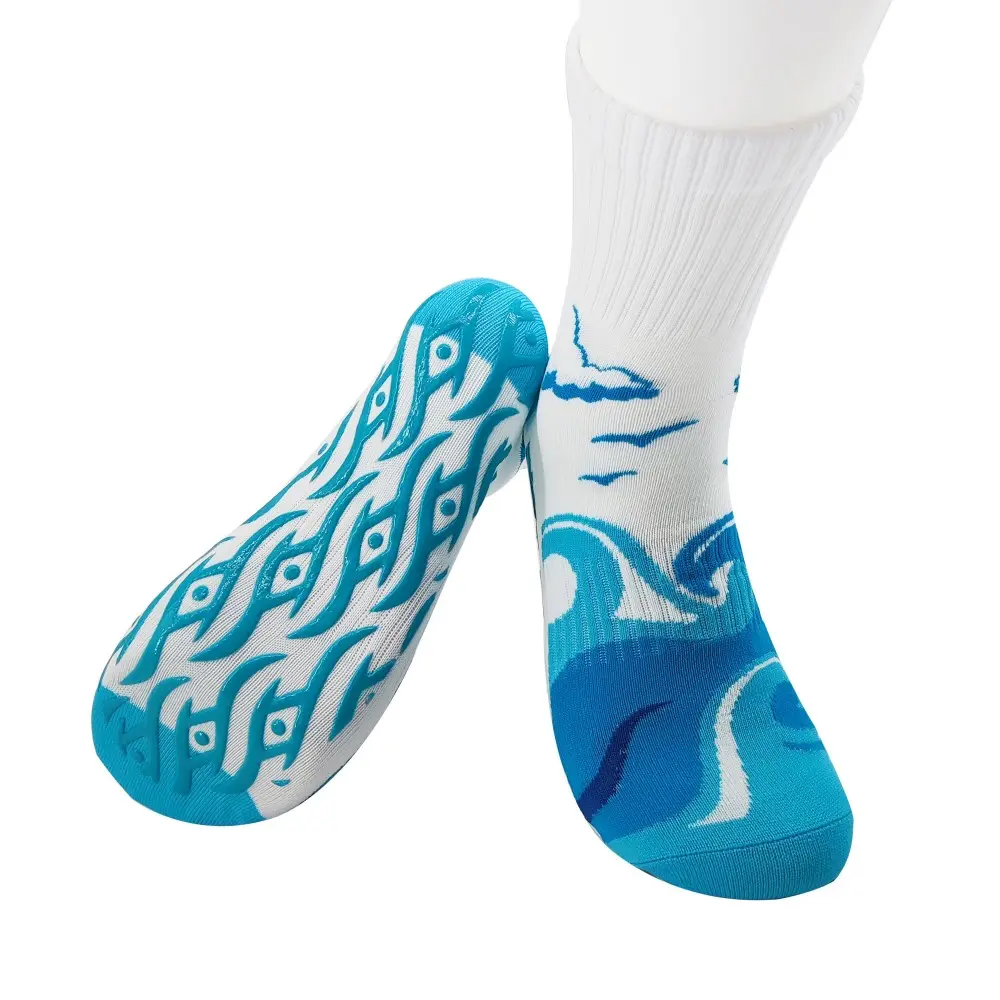 Aqua Park Socks
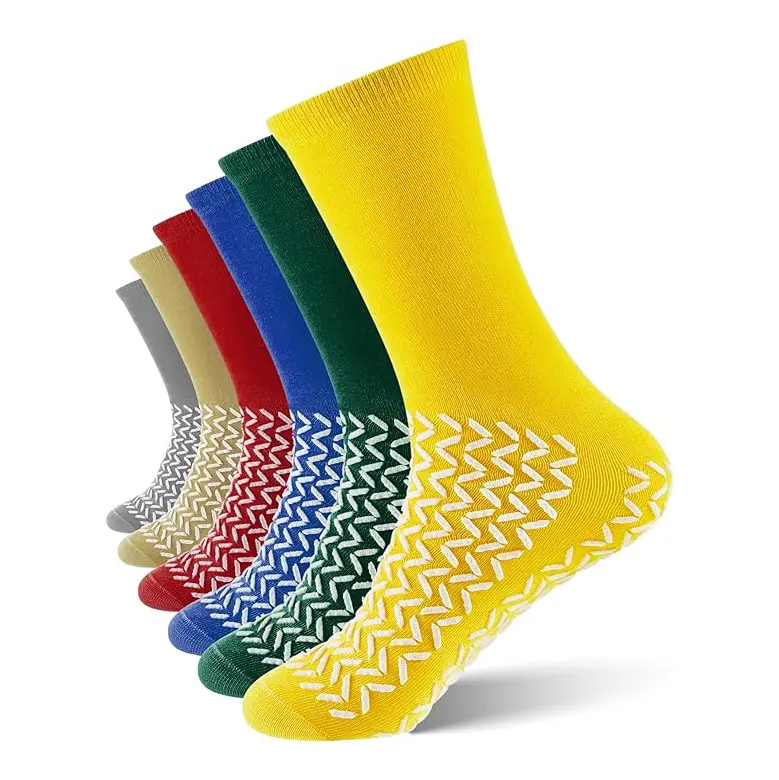 Hospital Slipper Socks
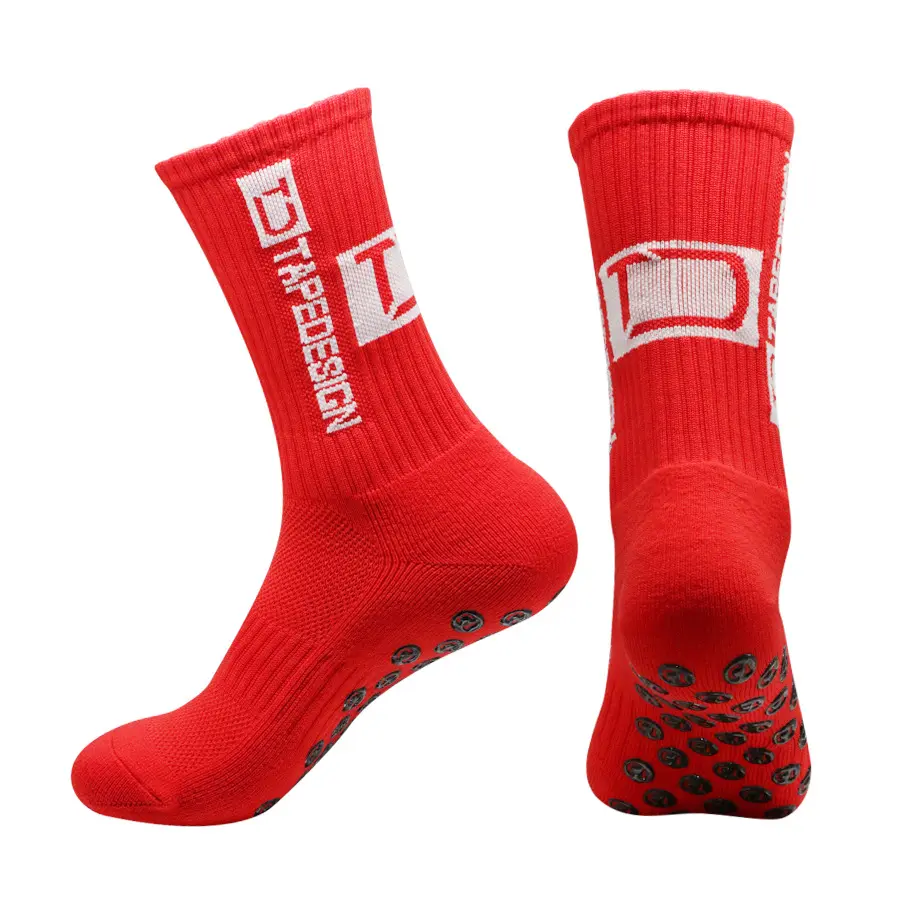 Grip Football Socks
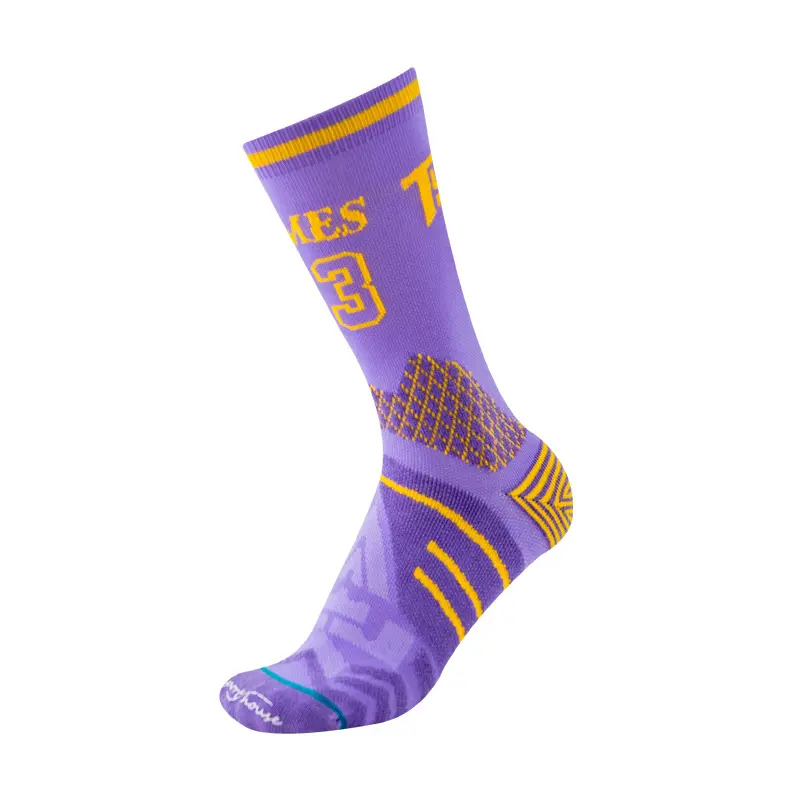 Basketball Socks
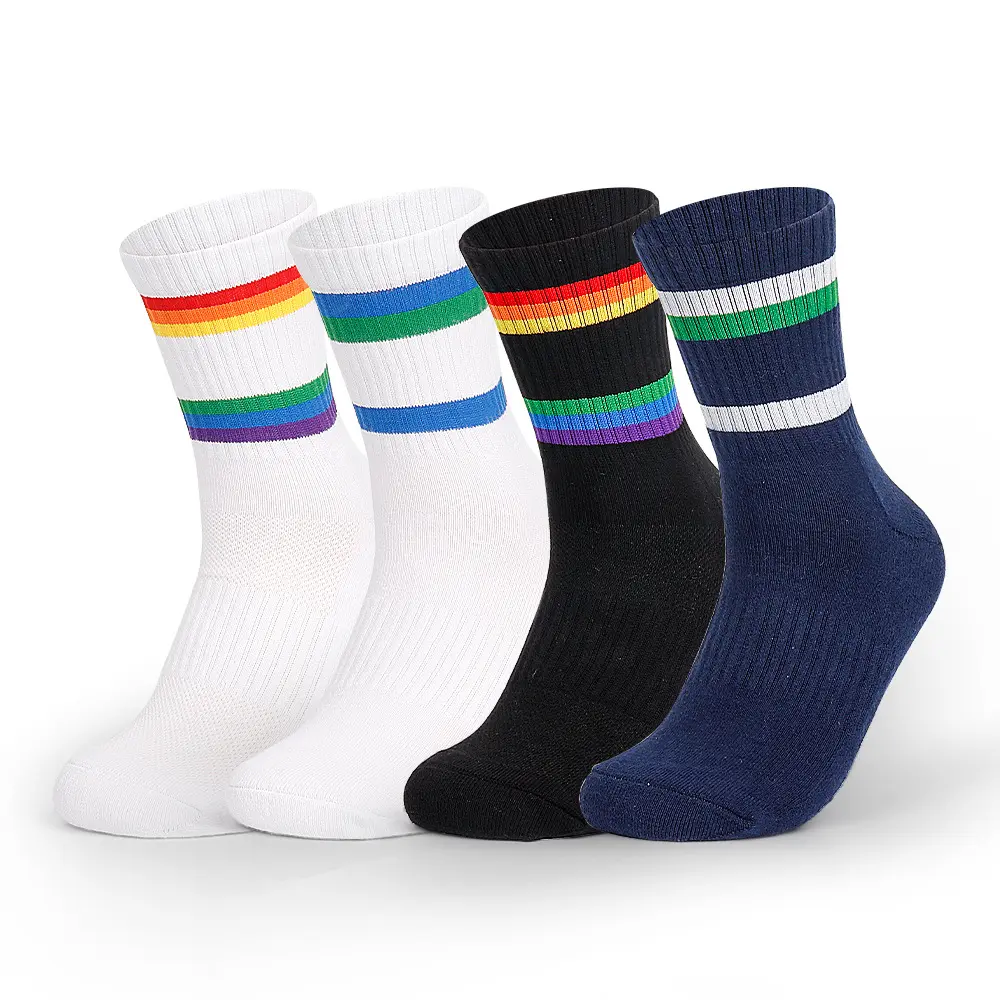 Badminton Socks
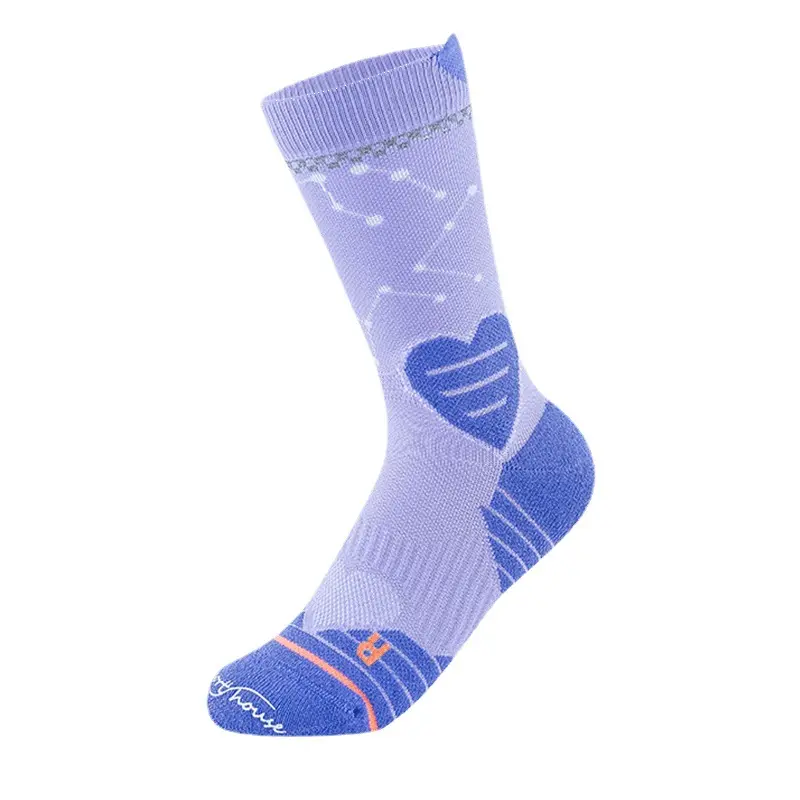 Cycling Socks
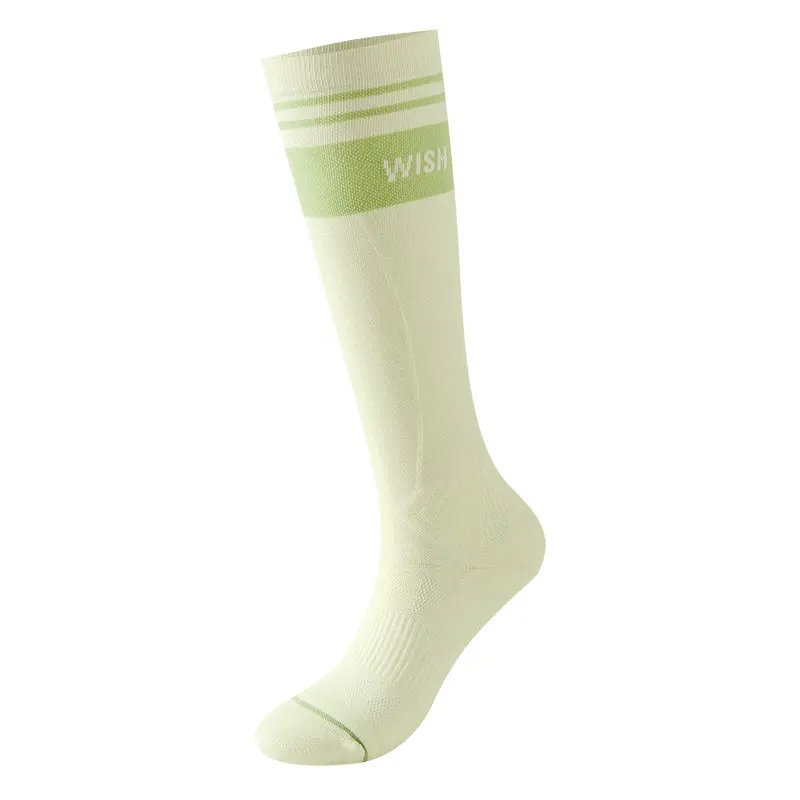 Running Socks
 Disposable Socks Bowling Alley Socks
 Disposable socks
 Warm Colorful Striped Crew Socks for Women
 Custom Unisex Crew Socks Breathable Socks
 Digital Printing Vintage Crew Socks
 Animal Fuzzy Cartoon Crew Socks for Women
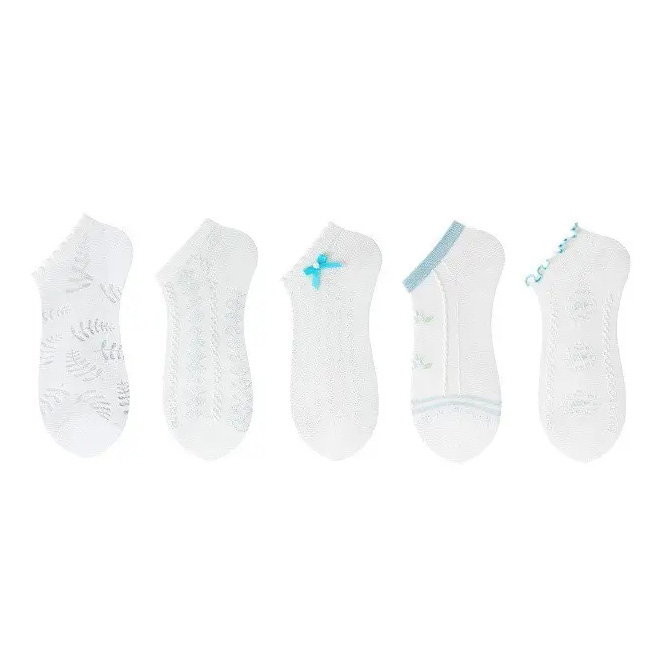 Cotton Flower Ankle Socks Low Cut Socks
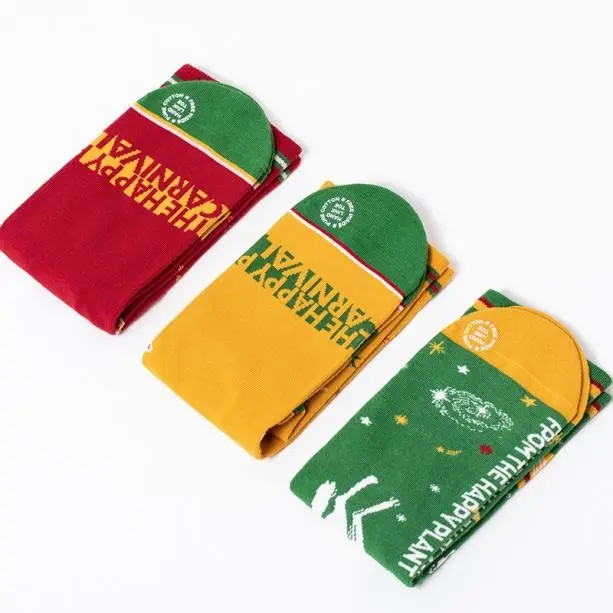 Thick Christmas Festival Crew Socks
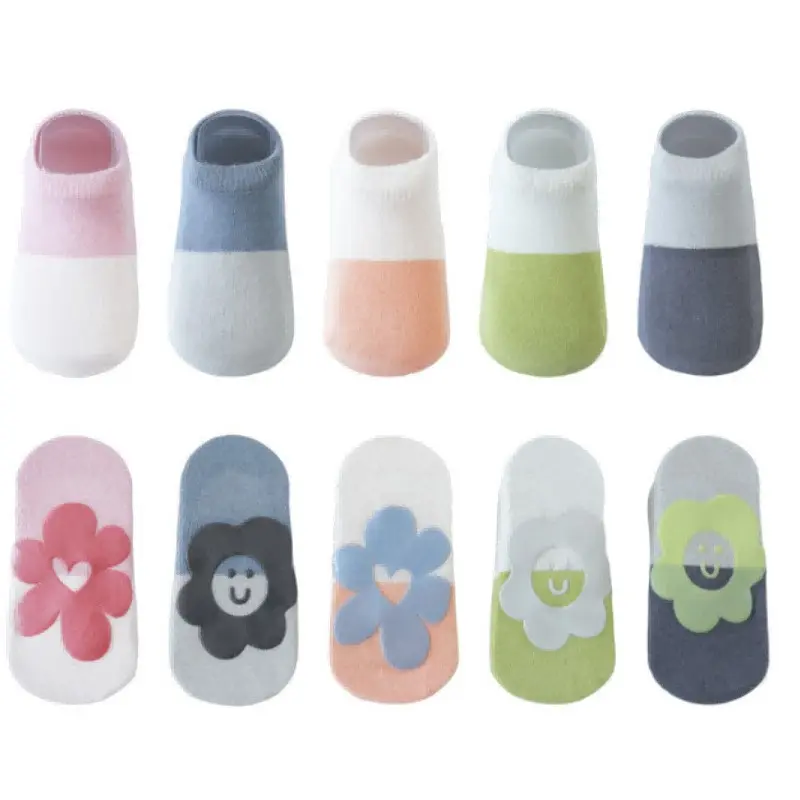 Cotton Cute Anti Slip Baby Ankle Socks with Cartoon
 Colorful Soft Baby Socks Anti-slip
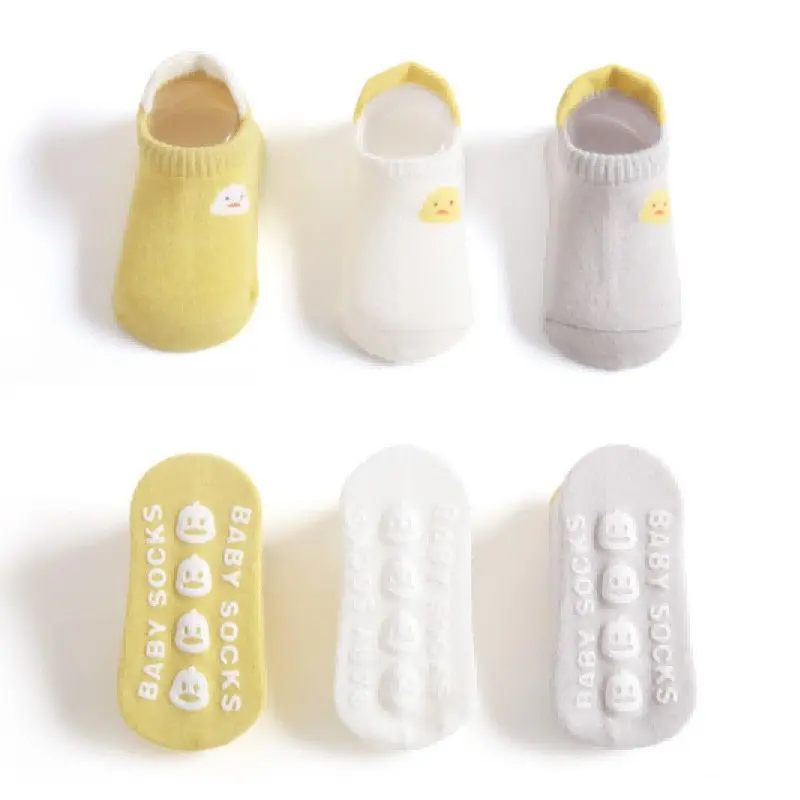 Non Slip Soft Ankle Baby Toddlers Socks
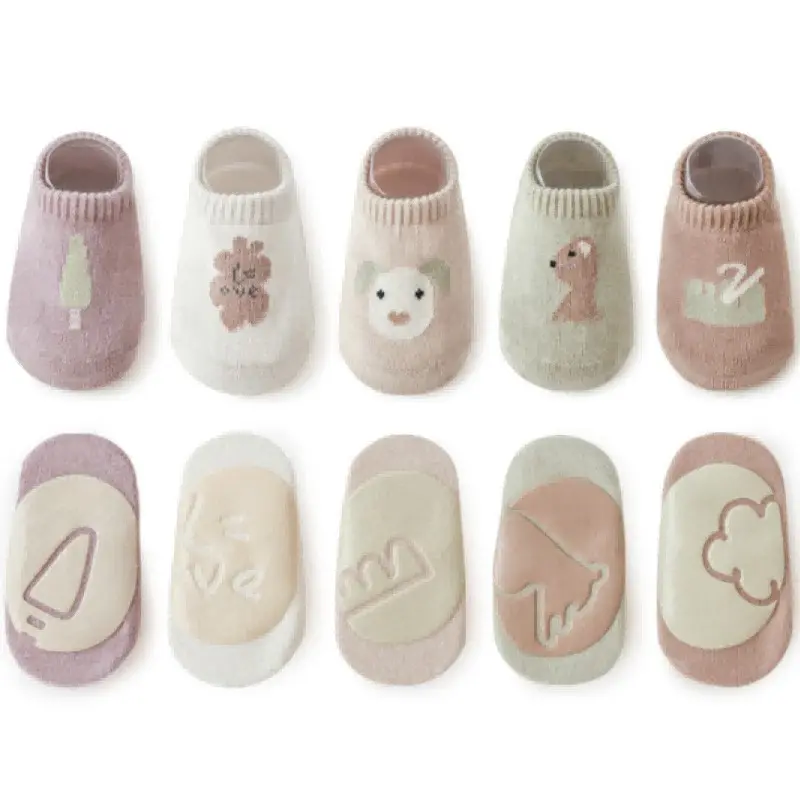 Cartoon Baby Socks With Grips Crew Walking Socks
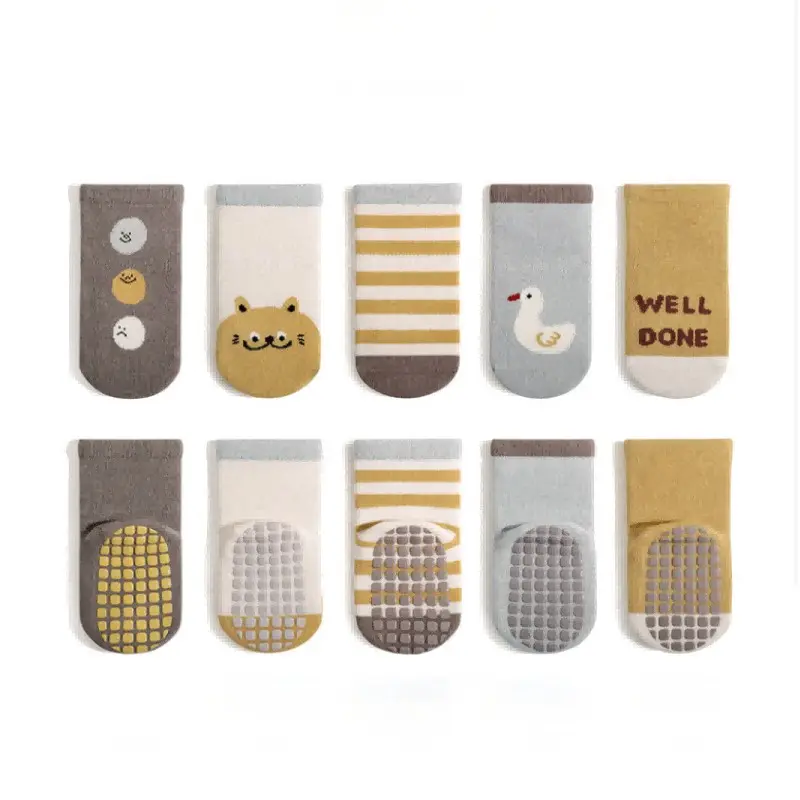 Baby Socks Floor Grip Mid-tube Socks with Cartoon