China Top 10 Cotton Anti Slip Sock Suppliers
Choosing a reliable Cotton Anti Slip Sock supplier takes more than comparing prices. Buyers need to examine fabric quality, grip performance, production consistency, and communication. A soft cotton blend may feel comfortable in a fitting room, yet perform differently after repeated washing. Details matter.
This guide introduces ten suppliers serving different business needs, from private-label programs to larger-volume orders. It considers practical factors such as minimum order quantities, sample availability, customization options, lead times, and quality-control processes. For grip performance, buyers should ask about the pattern material, placement, and durability. A clear product specification can help prevent misunderstandings before bulk production begins.
Experience often reveals what a product page cannot. Request samples and inspect the seams, elastic recovery, fabric feel, and grip pattern on the intended floor surface. Check whether the supplier can explain its testing methods and provide consistent answers about materials and production. Do not rely on attractive photographs alone. They show little about a sock after several washes.
Supplier claims still need verification. That step takes time. A well-organized factory may suit one buyer, while a smaller supplier may offer more flexible customization. Neither is automatically the better choice. This overview is a starting point, not a guarantee of performance. Compare each supplier against your target market, order size, and product requirements, then confirm important details directly before making a purchasing decision.
Cotton Anti-Slip Socks: Fiber Composition, Grip Zones, and Key Terms
Cotton anti-slip socks are not made from cotton alone. A practical blend often combines cotton for softness and moisture absorption with polyester or polyamide for strength. Elastane adds stretch and helps the cuff recover after washing. The exact ratio matters. Higher cotton content feels natural, but it may dry slowly and lose shape sooner. Supplier specifications should state the fiber composition by percentage, not simply call the product “cotton.”
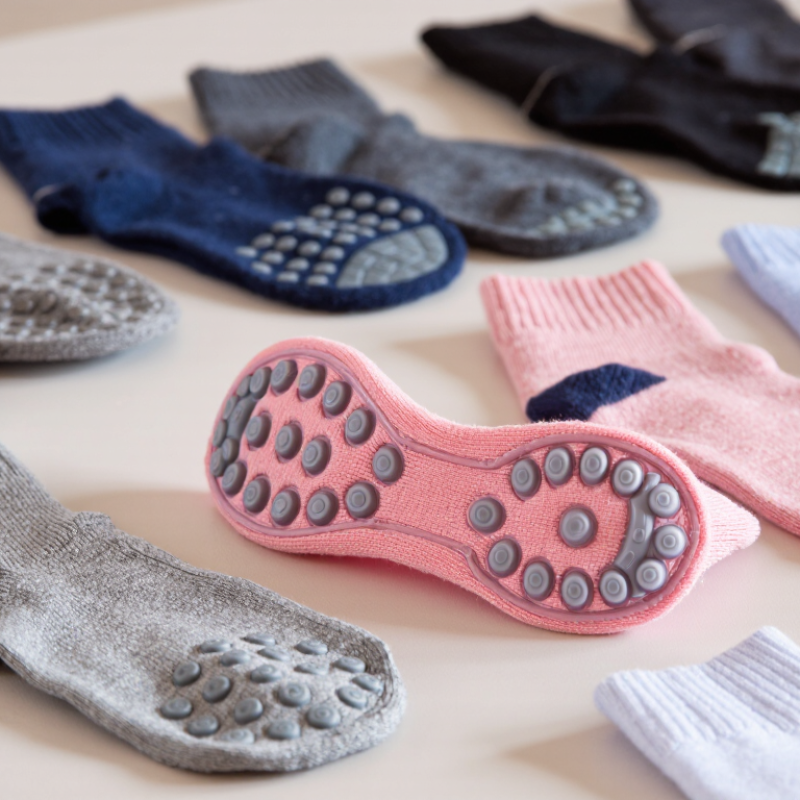
Grip zones require closer inspection. Silicone or PVC dots may cover the sole, heel, or forefoot, while some designs use printed strips or textured yarn. Full-sole coverage can improve floor contact, yet it may feel less flexible inside narrow footwear. Ask suppliers about dot density, adhesion, abrasion testing, and washing performance. Key terms include combed cotton, terry cushioning, yarn count, elastic recovery, and non-slip coefficient. These terms need evidence, not attractive wording. In product checks, I would rub the sole against smooth tile, wash several samples, and inspect whether the grip cracks or peels. Test results can vary between batches. That is an inconvenient detail. A supplier with clear composition sheets, sample records, and realistic performance claims is usually more dependable than one offering only polished photographs. Erotiske?
Cotton Anti-Slip Socks: Fiber Properties and Grip Design
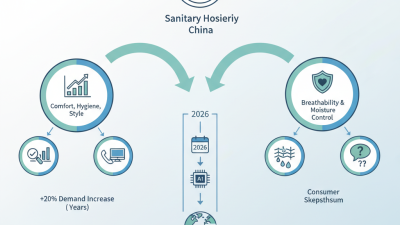
The chart compares typical moisture regain values for fibers commonly used in cotton anti-slip socks. Cotton offers higher moisture absorption, while polyester, nylon, and elastane are often blended in to improve durability, stretch, shape retention, and drying performance. Grip zones are usually placed on the heel and forefoot, where silicone or rubber-like prints help reduce movement inside the shoe.
Values are typical nominal textile-engineering reference figures; actual performance varies by yarn construction, finishing, blend ratio, and washing conditions.
Cotton’s 8.5% Standard Moisture Regain and Its Relevance to Sock Comfort
For buyers comparing China’s top cotton anti-slip sock suppliers, the 8.5% moisture-regain figure offers useful context, not a comfort guarantee. ASTM D1909 lists cotton’s commercial moisture regain at 8.5% under standard conditions. This means dry cotton fiber can hold moisture equal to about 8.5% of its dry mass. It is a reference value, not a prediction of how quickly a finished sock dries on a foot.
In wear, cotton can absorb perspiration and feel less clammy than a fully synthetic sock at first. But a damp, tightly knitted sole may dry slowly, especially inside a warm shoe. A grip pattern adds another variable: silicone or other printed areas can change airflow where the foot meets the floor. Small details matter. Ask suppliers for fiber-content records, fabric weight, and wash-test results, then compare samples after repeated wear and laundering. ASTM’s figure alone cannot settle the question.
For a more practical moisture check, AATCC TM195 measures liquid moisture management in textile fabrics, including wetting and transport behavior. Results depend on construction, finishing, and test conditions, so request the method and conditions with any reported values. A slightly imperfect fit can still cause rubbing; moisture data will not reveal that. Check toe seams, heel hold, and grip placement on the actual intended surface. These checks make supplier comparisons more credible than relying on “breathable” claims alone.
Grip-Dot Materials, Placement, and Performance Testing in Sock Production
China Top 10 Cotton Anti Slip Sock Suppliers
Grip-dot performance begins with material choice, not decoration. Cotton provides softness and moisture absorption, but its surface changes after washing. The USDA Foreign Agricultural Service estimated 2023/24 global cotton production at about 113 million 480-pound bales. This scale hides major differences in fiber length, yarn twist, and finishing quality. Suppliers should record yarn count, cotton blend ratio, and shrinkage before applying dots.
Placement matters as much as compound selection. Dots under the heel and forefoot need wider coverage because these areas receive repeated pressure. Smaller dots near the arch can preserve flexibility. I prefer a 2–3 millimeter spacing check under magnification. Excessive coverage may improve initial grip but reduce breathability. A perfect dot map is still a false promise.
Performance testing should include dry and damp floors, repeated washing, and abrasion. ASTM D1894 can guide friction-coefficient measurement, although it was not created specifically for socks. ISO 12947 abrasion testing can help compare fabric durability. Textile Exchange’s Materials Market Report 2024 reported global fiber production at approximately 124 million tonnes in 2023, reminding manufacturers that material traceability deserves attention. In production audits, I would test at least five pairs from different batches. One pair can look excellent by chance. Wash testing is often overlooked, and that remains a weakness. Suppliers should report grip retention after 20 to 30 cycles, not only showroom performance.
Supplier Evaluation: Compare Capacity, Minimum Orders, Quality Controls, and Lead Times
Evaluating China’s top cotton anti-slip sock suppliers requires more than comparing catalog photos. Check monthly output, production lines, and staffing during peak seasons. A supplier making 100,000 pairs monthly may struggle with a 30,000-pair urgent order. Ask for recent capacity records, not only advertised figures. Minimum order quantities also matter. Smaller trial orders reduce risk, while larger commitments may unlock better pricing. Confirm whether mixed colors, sizes, and designs count toward the minimum.
Tips:
Request a pre-production sample. Measure cotton softness, cuff recovery, and silicone grip after washing. Ask for laboratory reports covering fiber content, colorfastness, shrinkage, and restricted substances. Review the inspection process at knitting, printing, and packing stages. Photos help, but live video checks reveal more.
Lead times should be written by production stage. A realistic schedule may include seven days for yarn preparation, fifteen days for knitting, and several days for inspection and packing. Add buffer time before seasonal sales. In my experience, delays often begin with artwork approval or unclear packaging details.
I once underestimated sampling time and lost a week. That mistake still matters. Reliable suppliers should explain their corrective actions, replacement policy, and communication frequency. Their answers must be specific, measurable, and consistent across sales and factory teams.
China’s Top 10 Cotton Anti-Slip Sock Suppliers: A Data-Based Comparison Framework
China Top 10 Cotton Anti Slip Sock Suppliers
China’s Top 10 Cotton Anti-Slip Sock Suppliers: A Data-Based Comparison Framework
Comparing suppliers works best when every candidate faces the same scorecard. Record cotton content, grip material, size range, minimum order quantity, sample lead time, and stated production capacity. Ask for test details on grip durability after washing, not just a product photo. A clear report is more useful than a confident sales claim. Still, supplier data can be incomplete, so mark unknowns instead of guessing.
Tips: Request matching samples. Check the heel and toe seams, then stretch the cuff and rub the sole across a clean tile. Note how the grip feels after several washes. Compare sample results with the supplier’s written specifications, and confirm whether production materials match the sample. Small differences matter.
For a top-ten comparison, use weighted criteria rather than ranking by price alone. For example, score quality evidence, communication, delivery consistency, customization, and cost separately. Keep dated records of quotations and sample reviews; otherwise, comparisons become fuzzy. One limitation: a single sample cannot prove ongoing consistency. Recheck specifications before placing a larger order, and treat unusually broad capacity claims as items to verify, not established facts.
China Top 10 Cotton Anti Slip Sock Suppliers - China’s Top 10 Cotton Anti-Slip Sock Suppliers: A Data-Based Comparison Framework
| Rank |
Anonymous Supplier Profile |
Cotton Content Evidence |
Anti-Slip Material |
Grip Pattern Coverage |
Available Size Range |
Minimum Order Quantity |
Sample Lead Time |
Bulk Lead Time |
Quality Certifications |
Relevant Test Evidence |
Public Data Status |
| 1 |
Supplier Profile 01 |
Not publicly disclosed |
Not publicly disclosed |
Requires product specification |
Not publicly disclosed |
Not publicly disclosed |
Not publicly disclosed |
Not publicly disclosed |
Certificate numbers required for verification |
ISO 1833 fiber-composition report recommended; slip-resistance test required |
Verification pending |
| 2 |
Supplier Profile 02 |
Not publicly disclosed |
Not publicly disclosed |
Requires product specification |
Not publicly disclosed |
Not publicly disclosed |
Not publicly disclosed |
Not publicly disclosed |
Certificate numbers required for verification |
ISO 1833 fiber-composition report recommended; wash-durability evidence required |
Verification pending |
| 3 |
Supplier Profile 03 |
Not publicly disclosed |
Not publicly disclosed |
Requires product specification |
Not publicly disclosed |
Not publicly disclosed |
Not publicly disclosed |
Not publicly disclosed |
Certificate numbers required for verification |
REACH or equivalent chemical-compliance evidence recommended |
Verification pending |
| 4 |
Supplier Profile 04 |
Not publicly disclosed |
Not publicly disclosed |
Requires product specification |
Not publicly disclosed |
Not publicly disclosed |
Not publicly disclosed |
Not publicly disclosed |
Certificate numbers required for verification |
ISO 12947 abrasion-resistance data recommended for repeated-use socks |
Verification pending |
| 5 |
Supplier Profile 05 |
Not publicly disclosed |
Not publicly disclosed |
Requires product specification |
Not publicly disclosed |
Not publicly disclosed |
Not publicly disclosed |
Not publicly disclosed |
Certificate numbers required for verification |
ISO 105-X12 colorfastness evidence recommended for colored products |
Verification pending |
| 6 |
Supplier Profile 06 |
Not publicly disclosed |
Not publicly disclosed |
Requires product specification |
Not publicly disclosed |
Not publicly disclosed |
Not publicly disclosed |
Not publicly disclosed |
Certificate numbers required for verification |
ISO 6330 laundering procedure should be stated in wash-test reports |
Verification pending |
| 7 |
Supplier Profile 07 |
Not publicly disclosed |
Not publicly disclosed |
Requires product specification |
Not publicly disclosed |
Not publicly disclosed |
Not publicly disclosed |
Not publicly disclosed |
Certificate numbers required for verification |
Dimensional-change testing after laundering recommended |
Verification pending |
| 8 |
Supplier Profile 08 |
Not publicly disclosed |
Not publicly disclosed |
Requires product specification |
Not publicly disclosed |
Not publicly disclosed |
Not publicly disclosed |
Not publicly disclosed |
Certificate numbers required for verification |
Grip adhesion, peel, or slip-resistance test method must be specified |
Verification pending |
| 9 |
Supplier Profile 09 |
Not publicly disclosed |
Not publicly disclosed |
Requires product specification |
Not publicly disclosed |
Not publicly disclosed |
Not publicly disclosed |
Not publicly disclosed |
Certificate numbers required for verification |
Needle-detection and restricted-substance controls should be documented where applicable |
Verification pending |
| 10 |
Supplier Profile 10 |
Not publicly disclosed |
Not publicly disclosed |
Requires product specification |
Not publicly disclosed |
Not publicly disclosed |
Not publicly disclosed |
Not publicly disclosed |
Certificate numbers required for verification |
Pre-shipment inspection records and batch traceability documents recommended |
Verification pending |
Data integrity note: Supplier-specific commercial figures are shown as “Not publicly disclosed” because they require direct supplier documentation or independently verifiable records. ISO 1833, ISO 3758, ISO 6330, ISO 105-X12, ISO 12947, and REACH are recognized textile or chemical-compliance references that can be used to validate future supplier submissions.

 Trampoline Socks
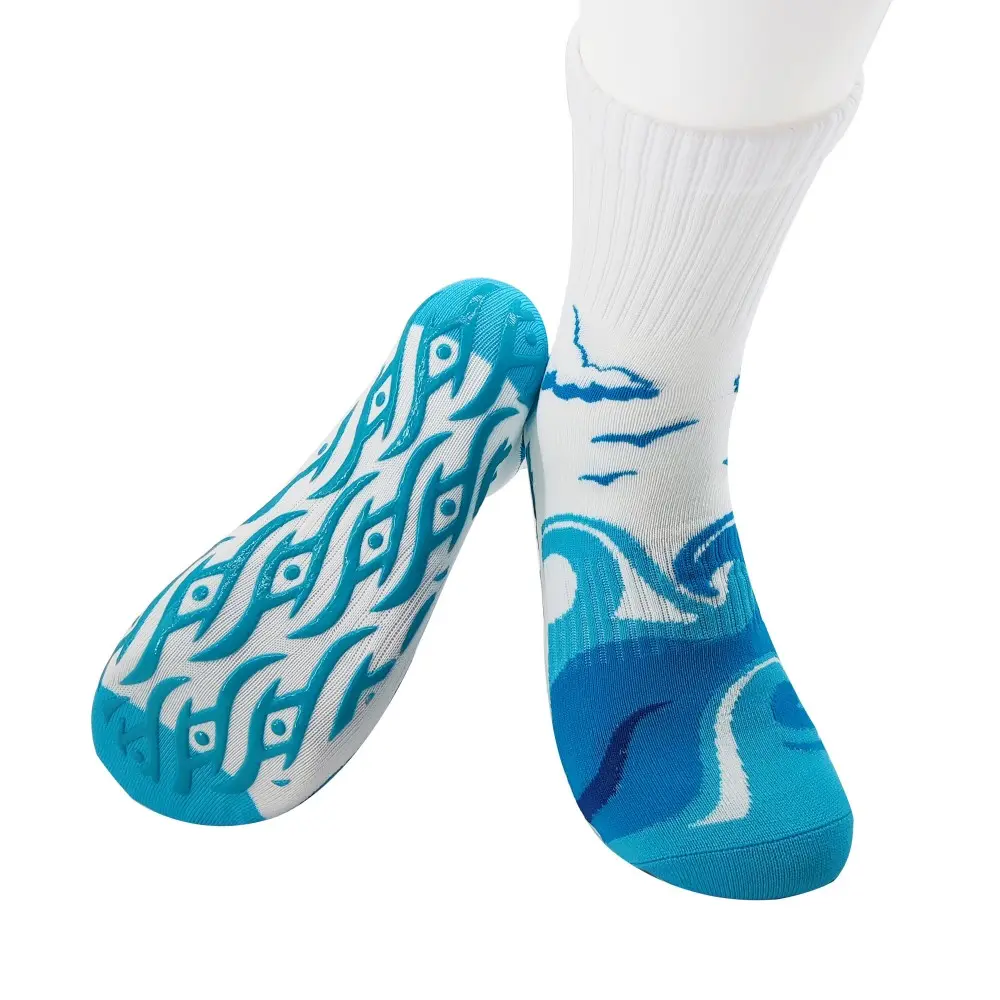 Aqua Park Socks
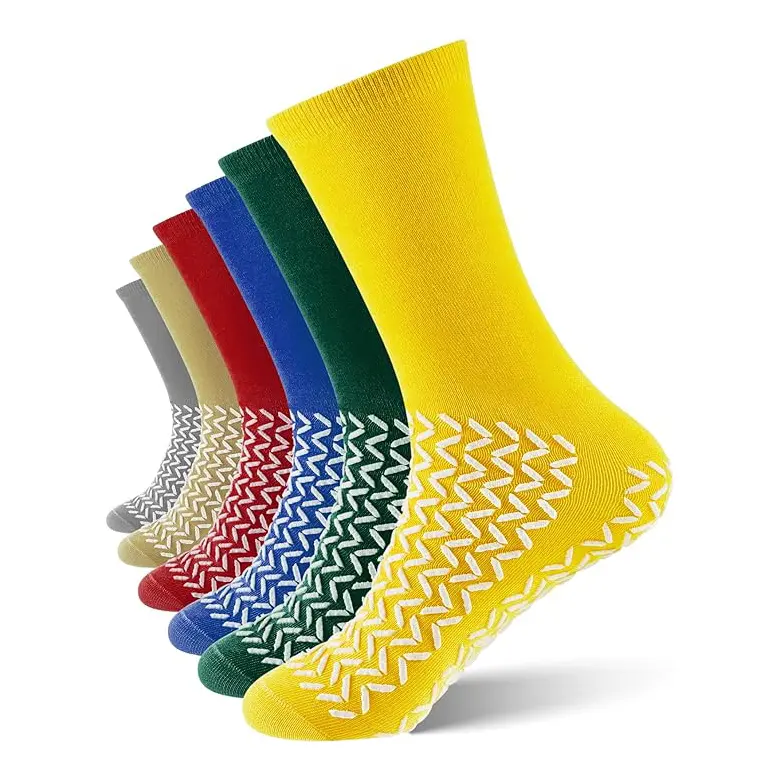 Hospital Slipper Socks
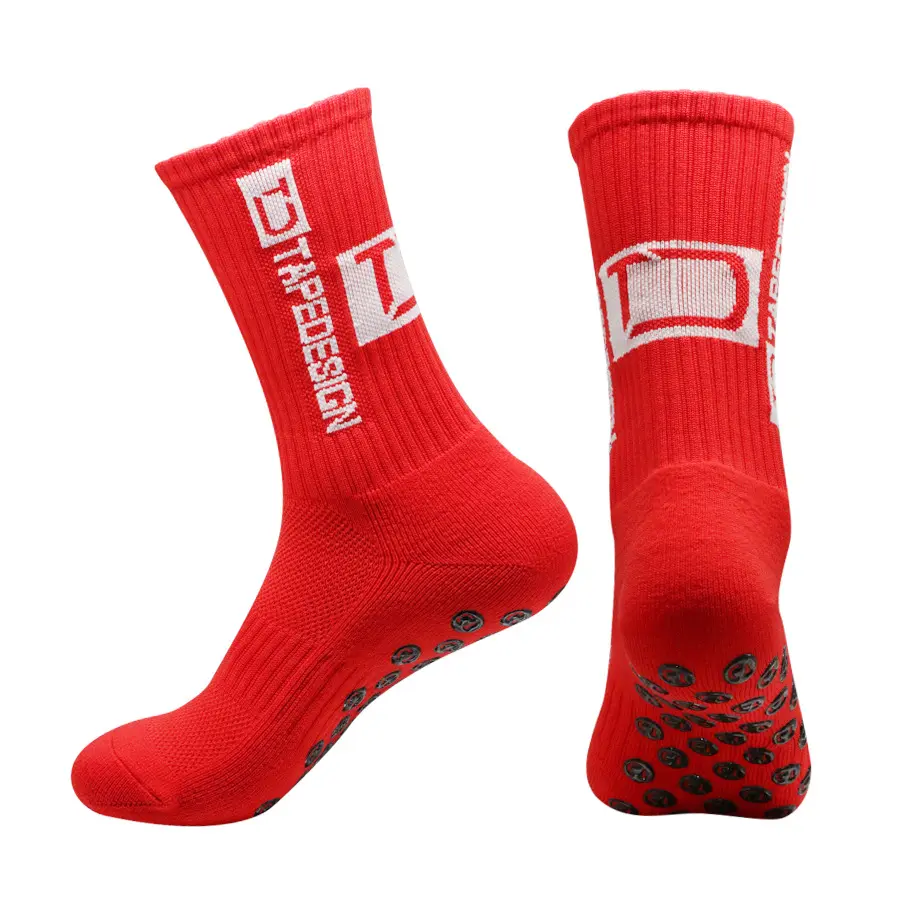 Grip Football Socks
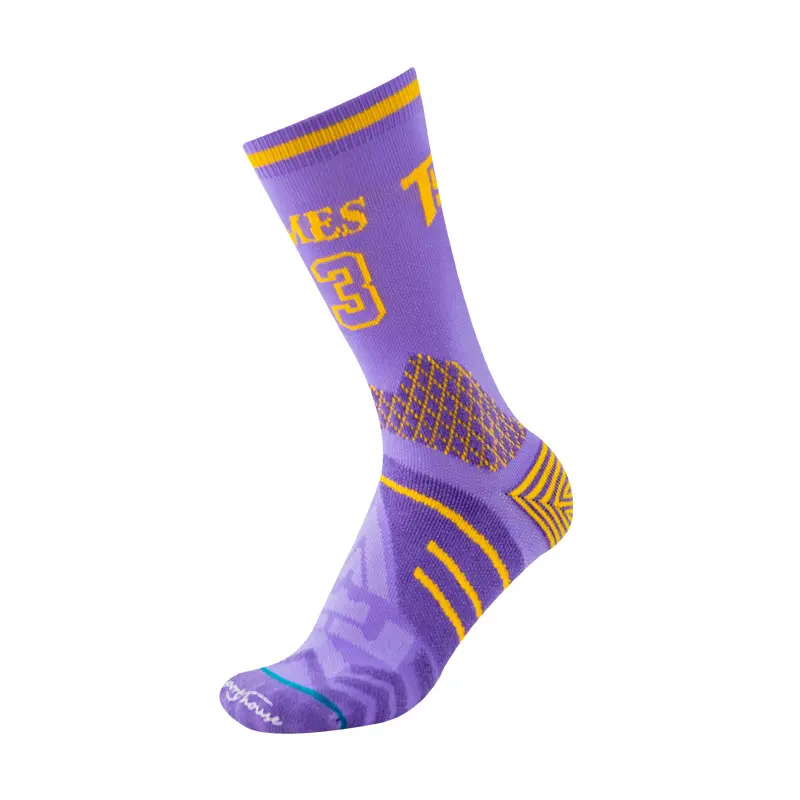 Basketball Socks
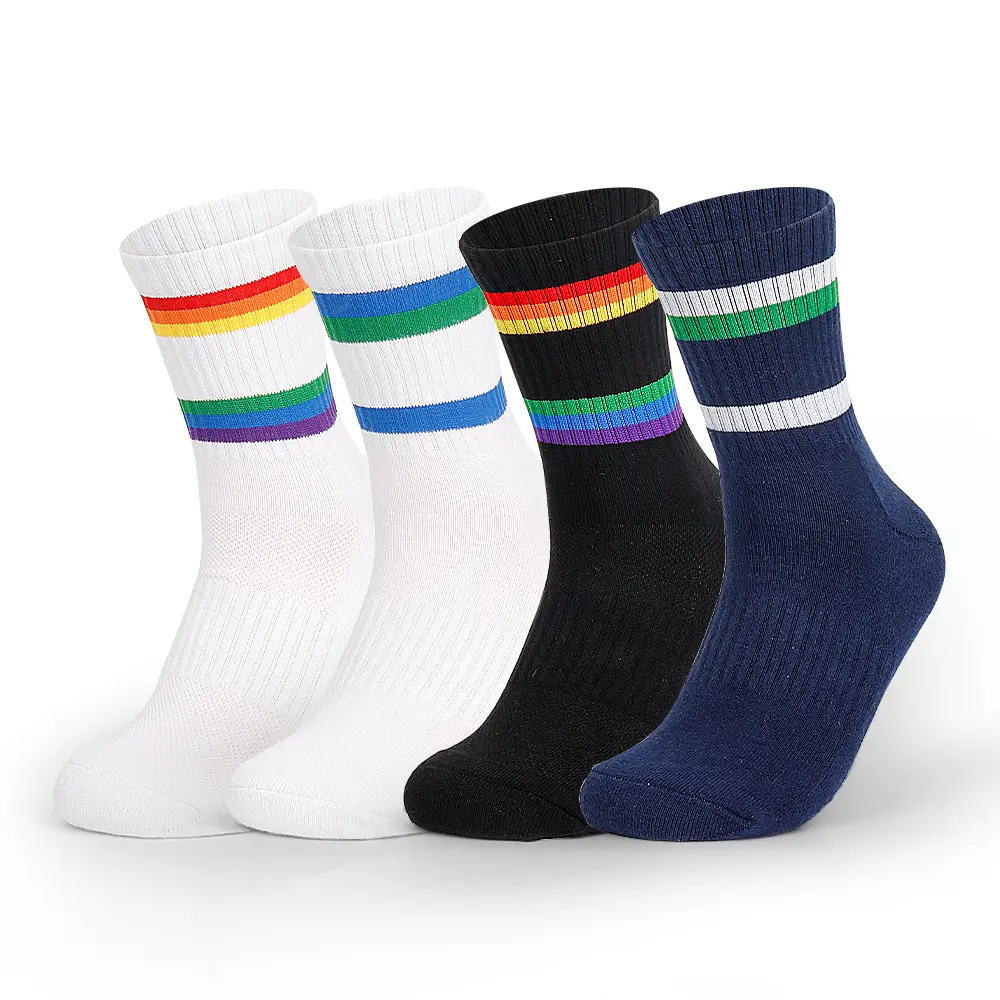 Badminton Socks
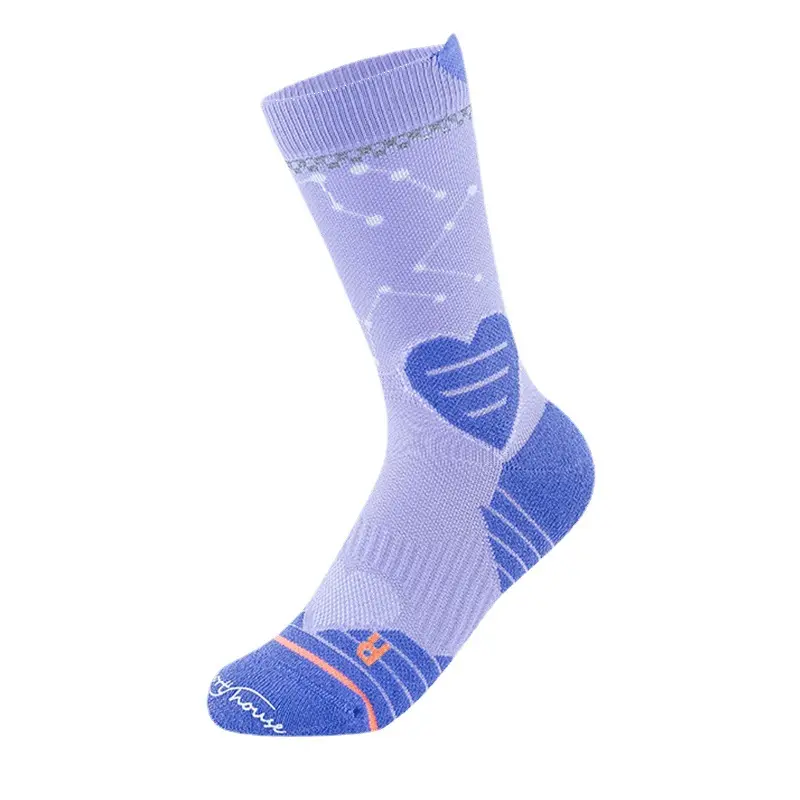 Cycling Socks
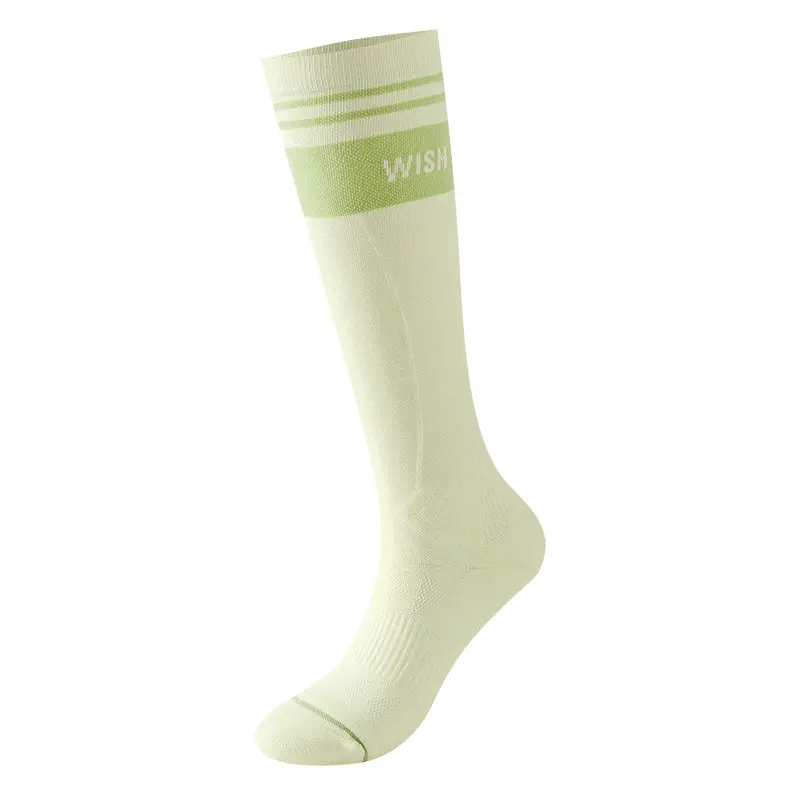 Running Socks
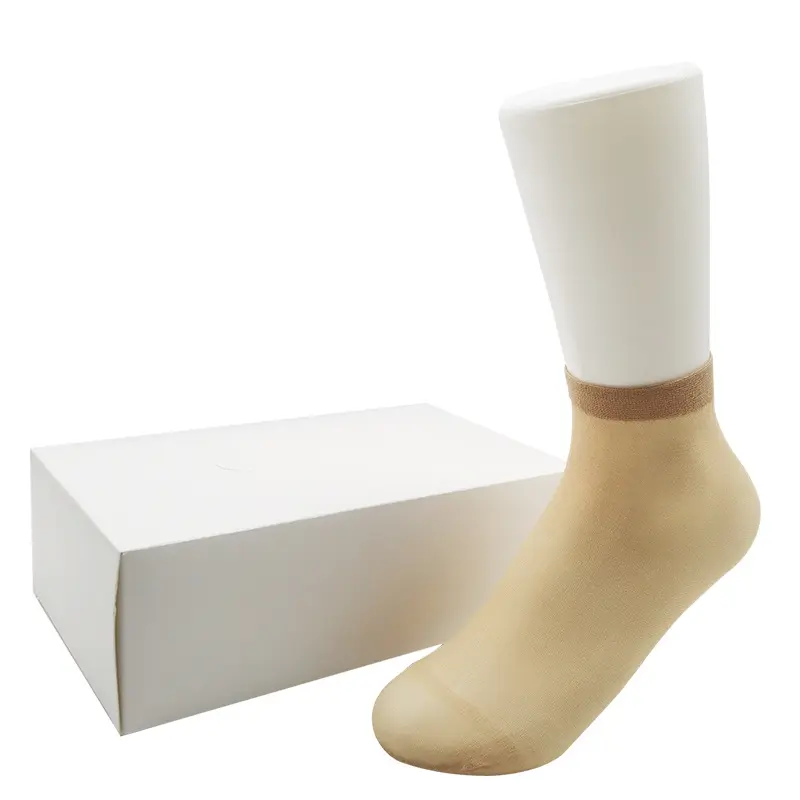 Disposable Socks Bowling Alley Socks
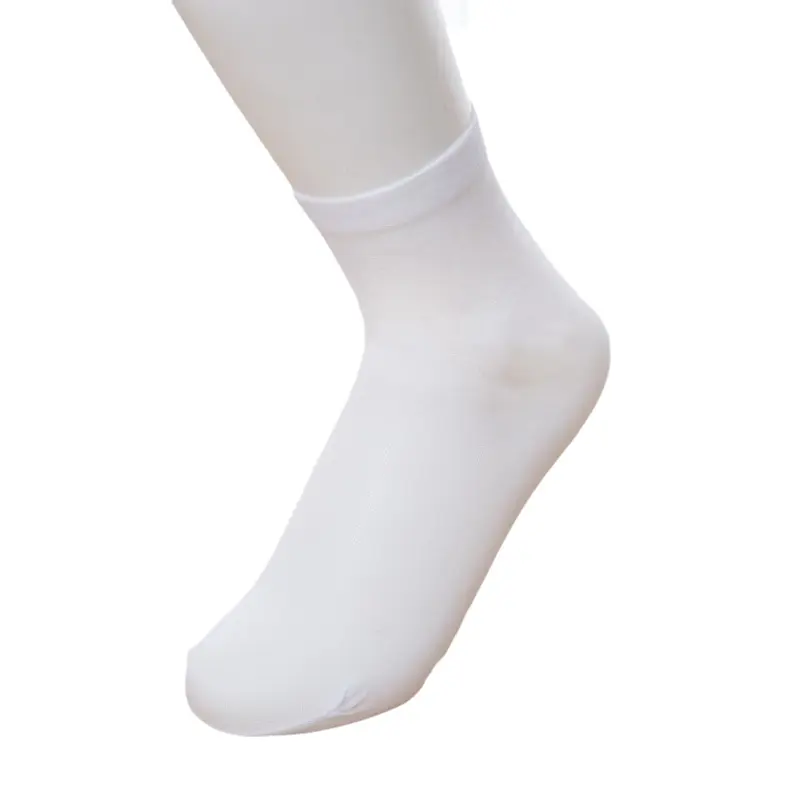 Disposable socks
 Warm Colorful Striped Crew Socks for Women
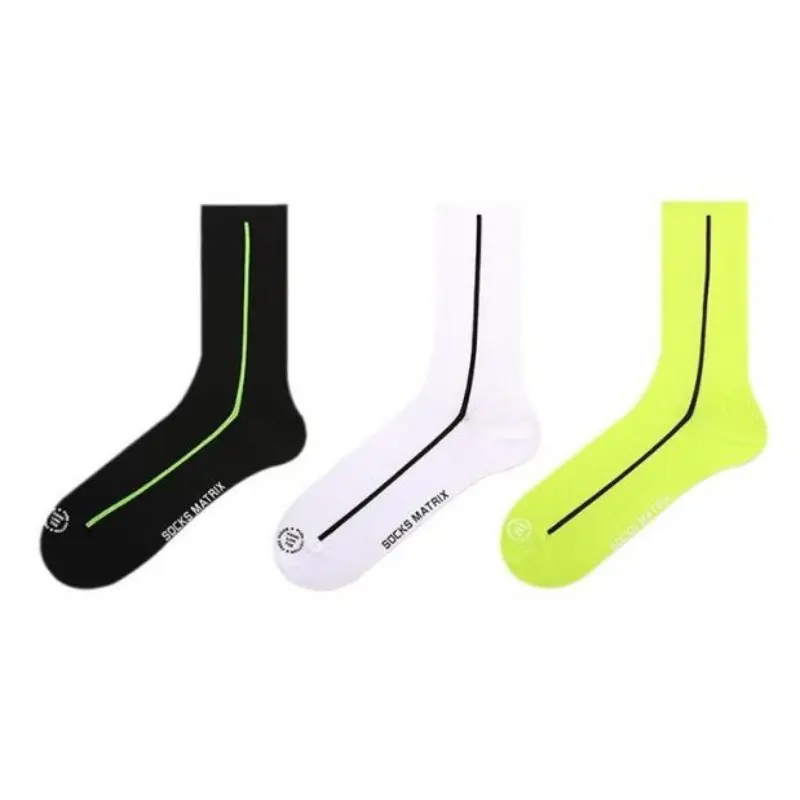 Custom Unisex Crew Socks Breathable Socks
 Digital Printing Vintage Crew Socks
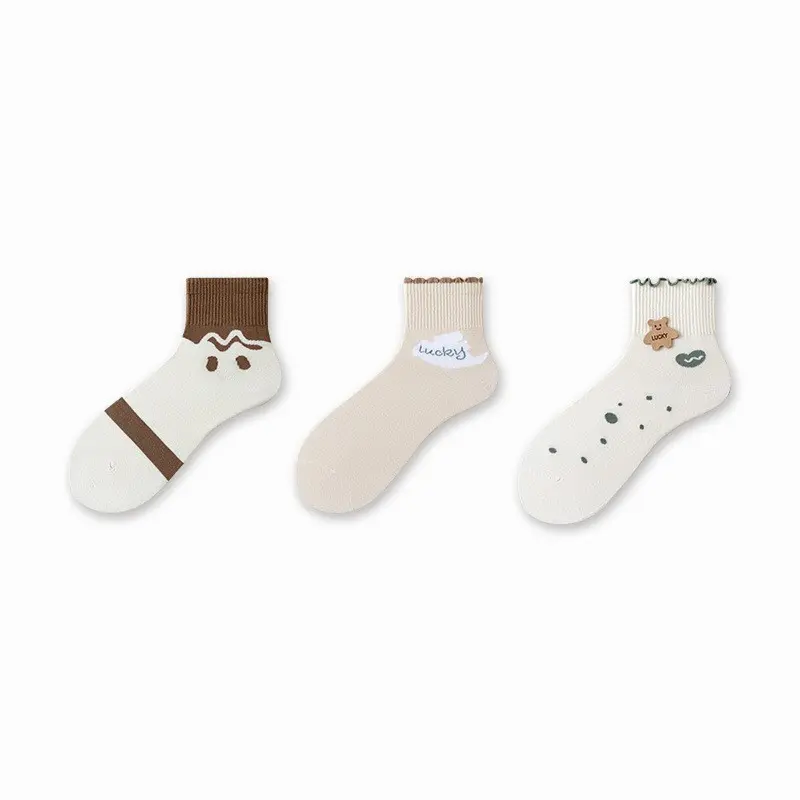 Animal Fuzzy Cartoon Crew Socks for Women
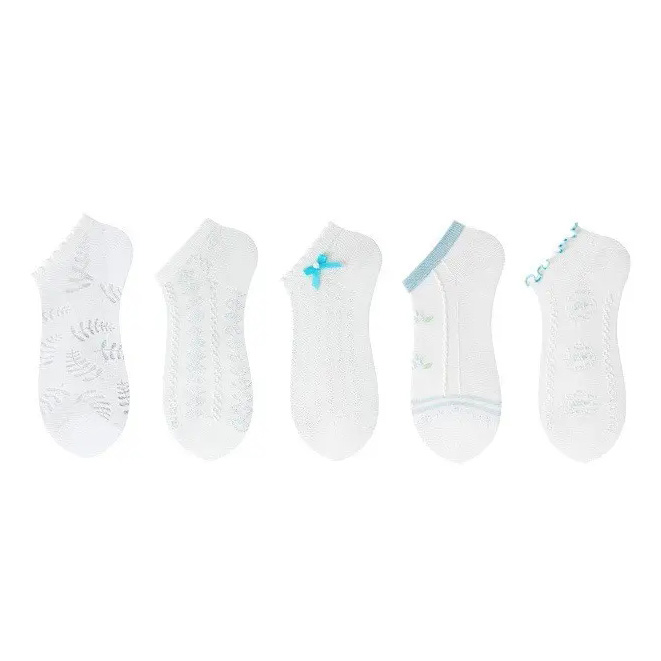 Cotton Flower Ankle Socks Low Cut Socks
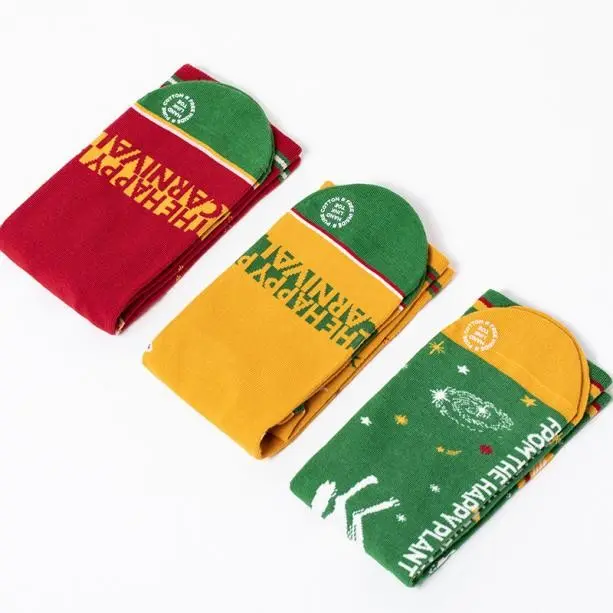 Thick Christmas Festival Crew Socks
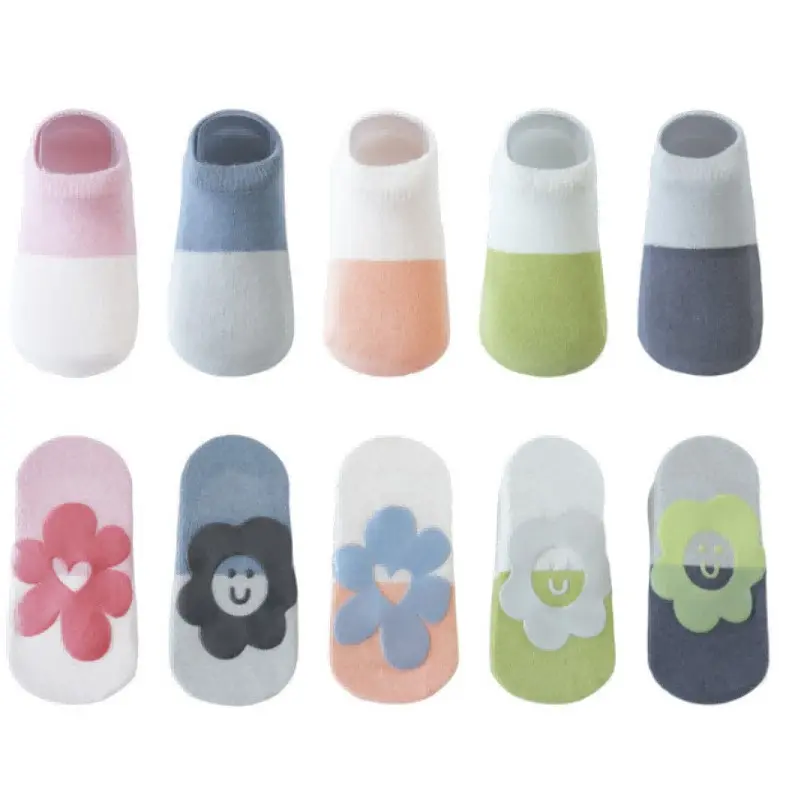 Cotton Cute Anti Slip Baby Ankle Socks with Cartoon
 Colorful Soft Baby Socks Anti-slip
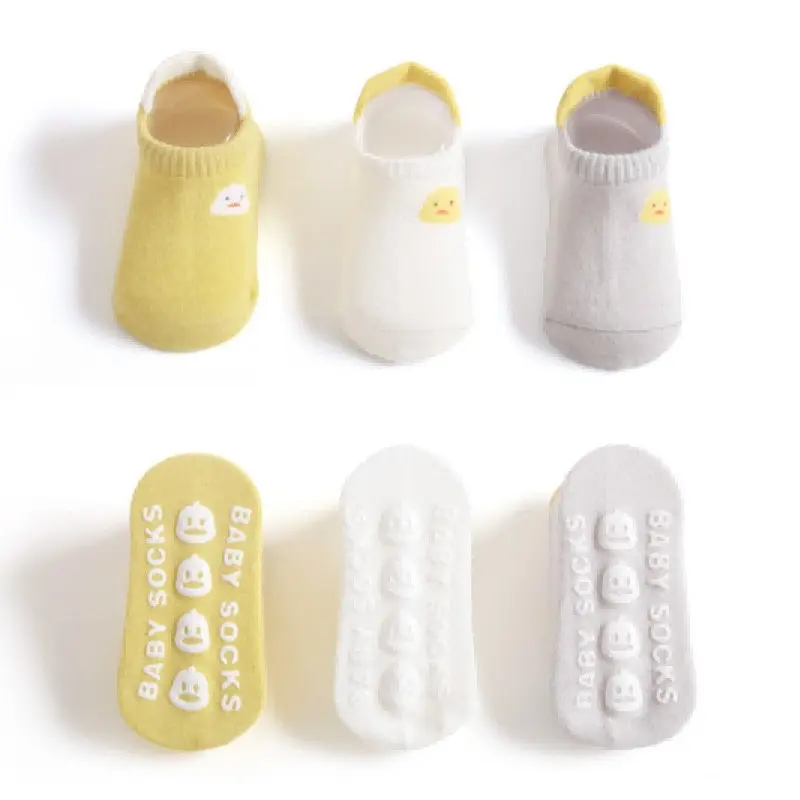 Non Slip Soft Ankle Baby Toddlers Socks
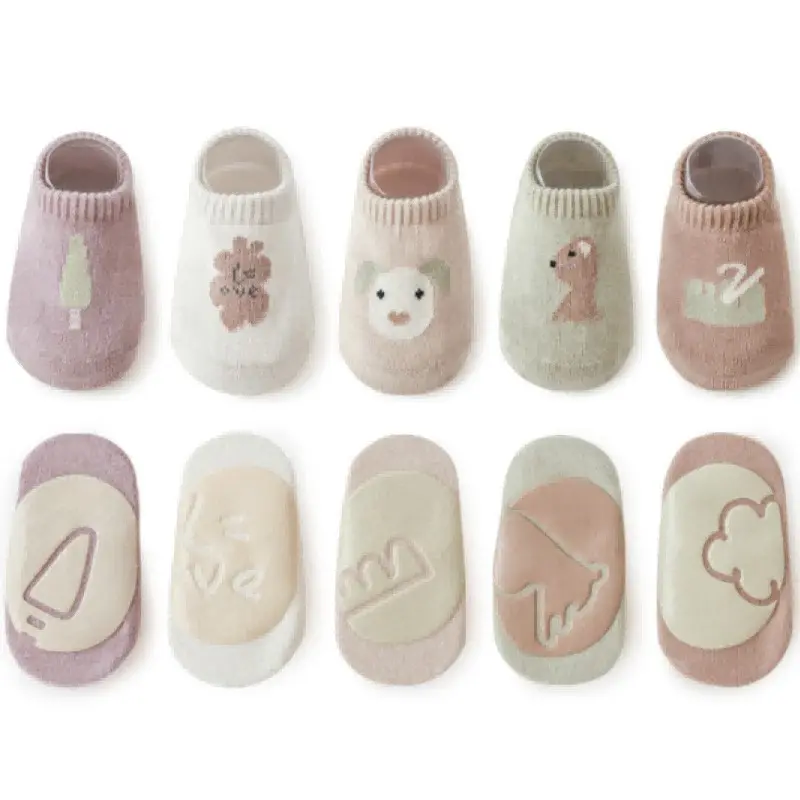 Cartoon Baby Socks With Grips Crew Walking Socks
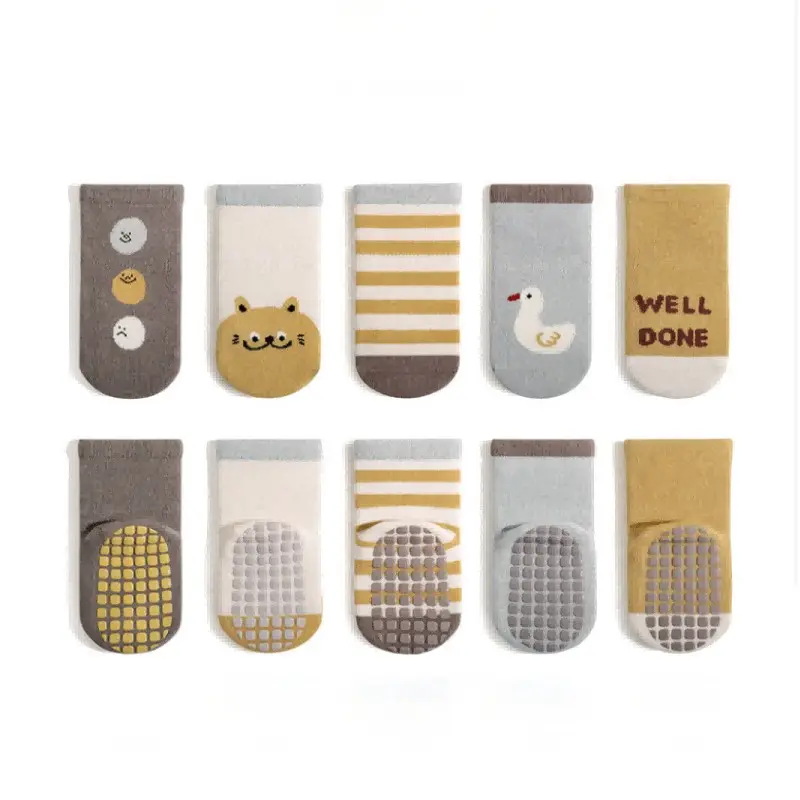 Baby Socks Floor Grip Mid-tube Socks with Cartoon