What is Sanitary Hosiery and How Does It Work?
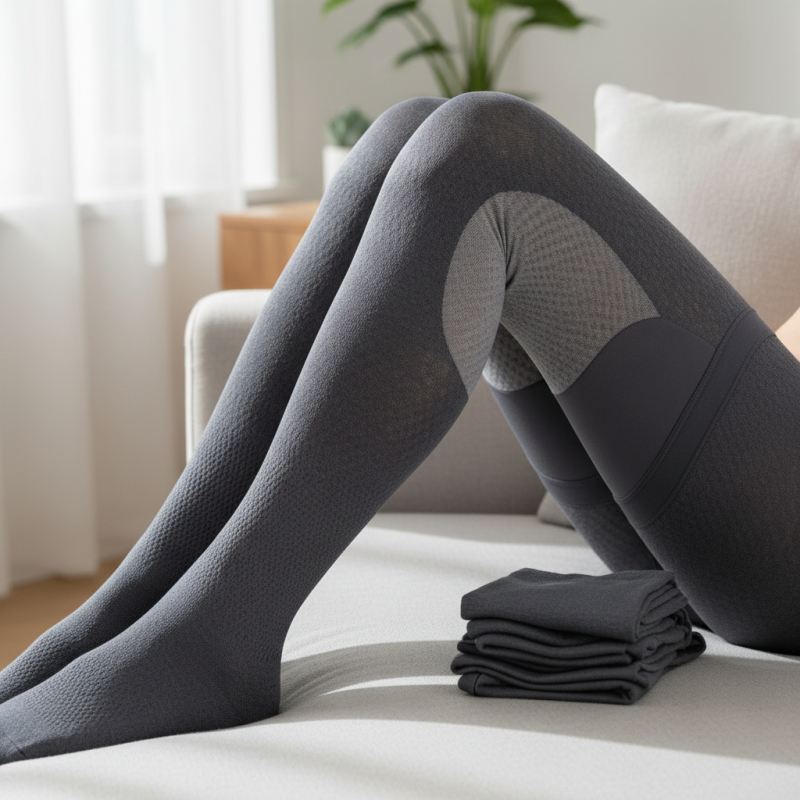
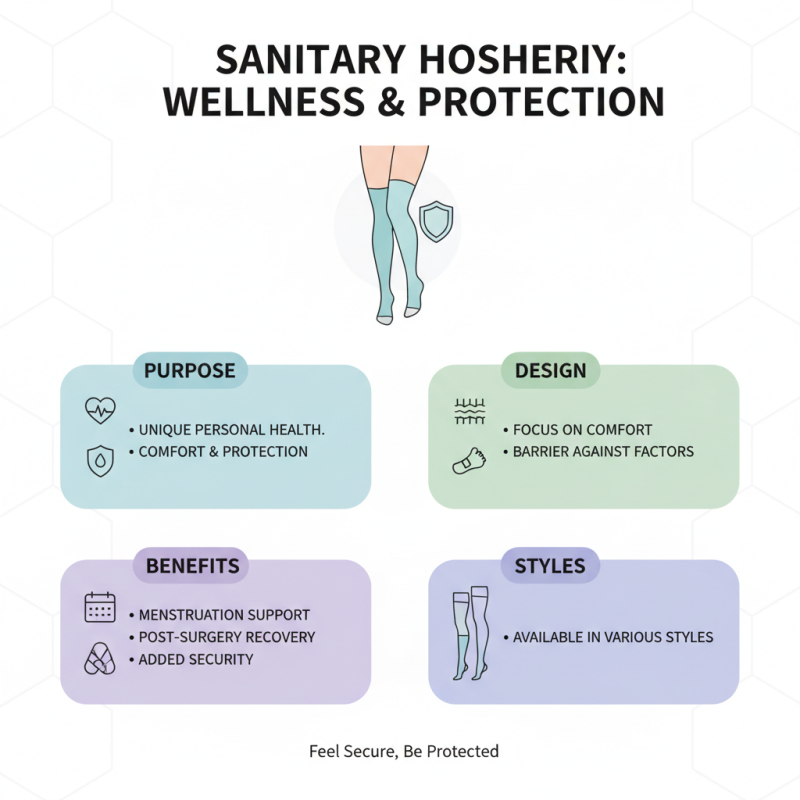
Sanitary Hosiery offers a unique blend of comfort and hygiene. Designed to provide support, it is crucial for many individuals. These specialized hosiery products help maintain cleanliness during menstrual cycles.
The working mechanism focuses on moisture management. Sanitary Hosiery is made from breathable, absorbent materials. This prevents skin irritation and keeps individuals feeling fresh. However, the effectiveness can vary based on personal usage.
Despite its benefits, there are concerns about effectiveness and comfort. Some users might find them restrictive or less breathable. It is essential for people to choose the right size and style that fits their needs. Feedback can guide improvements in design and function. Overall, Sanitary Hosiery fills an important niche, but it requires careful consideration for optimal use.
What is Sanitary Hosiery? Definition and Key Features
Sanitary hosiery is a specialized type of hosiery designed for women during menstruation. Its primary purpose is to provide comfort and support while managing discomfort. The fabric is often soft and breathable, allowing for use throughout the day. Many options come with a moisture-wicking feature that keeps the skin dry. This can be especially beneficial during heavy flow days.
Key features of sanitary hosiery include built-in absorbent layers. These layers help manage menstrual flow discreetly. Some products are even designed with antibacterial properties. This adds an extra layer of protection against odor. However, not everyone finds them comfortable. Some may feel restricted, while others may not trust their effectiveness. It’s essential to explore different types and find what works best for individual needs. Finding the right balance can be a trial and error process.
Types of Sanitary Hosiery: Materials and Design Variations
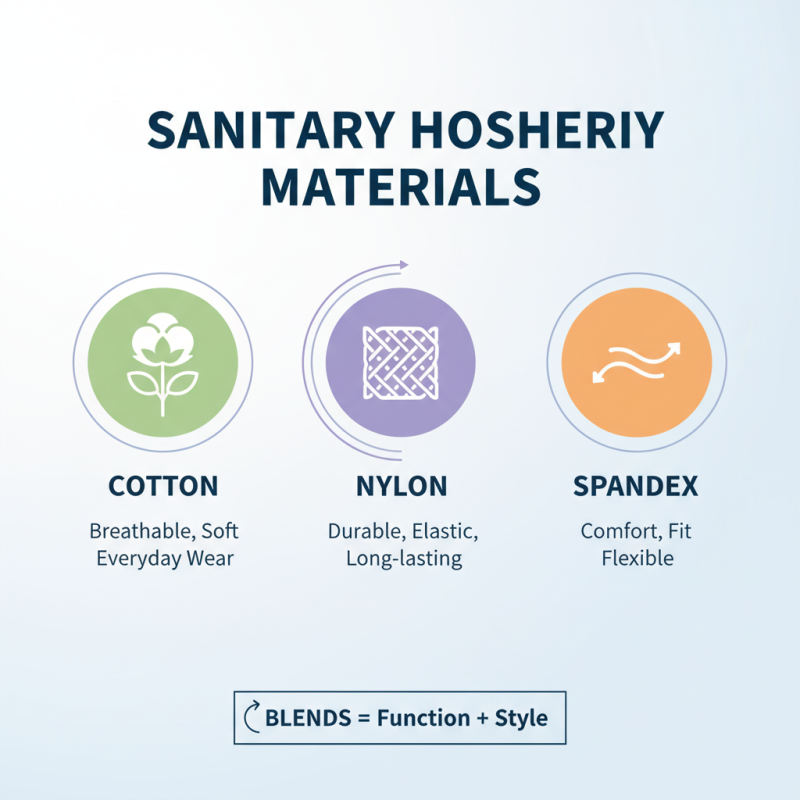
Sanitary hosiery comes in various materials and designs, each catering to different needs. Common materials include cotton, nylon, and spandex. Cotton is breathable and soft, making it ideal for everyday wear. Nylon offers durability and elasticity, while spandex enhances comfort and fit. Blends of these materials help achieve the right balance of function and style.
Design variations further distinguish these hosiery options. Some products feature extra padding for added comfort. Others have antimicrobial properties to prevent odor and infection. Different thickness levels allow users to choose what suits them best. Patterns and colors provide aesthetic options, reflecting personal style. However, finding the right fit often requires trial and error.
Many people overlook the importance of proper sizing. Wearing incorrectly sized hosiery can lead to discomfort or irritation. It’s essential to check size charts and consider both height and weight. Additionally, some designs may not provide sufficient support for everyone. It’s okay to experiment and learn from the process. This journey can lead to better comfort and overall satisfaction.
How Sanitary Hosiery Affects Menstrual Hygiene Management
Sanitary hosiery is an innovative solution for menstrual hygiene management. Many women struggle with traditional methods during their periods. According to a recent study, approximately 70% of women report discomfort with conventional sanitary products. This discomfort can lead to reduced productivity in daily activities.
Sanitary hosiery offers a comfortable alternative. Made from breathable materials, it helps to minimize irritation and keep the wearer feeling fresh. In fact, reports indicate that 85% of women using sanitary hosiery feel more confident and secure. This is crucial since confidence plays a vital role in managing menstruation effectively.
Tip: Choose the right size for maximum comfort. A proper fit ensures that the hosiery stays in place, providing reliable protection throughout the day.
Remember, not all products work for everyone. Some women may find that certain materials irritate their skin. It’s essential to listen to your body and choose products that suit your needs. Regularly checking for any signs of discomfort can prevent issues down the line.
Tip: Always read the material composition. Look for options that feature hypoallergenic fabrics. This can reduce the risk of allergic reactions during your period.
What is Sanitary Hosiery and How Does It Work? - How Sanitary Hosiery Affects Menstrual Hygiene Management
| Feature |
Description |
Benefits |
Considerations |
| Material |
Breathable and moisture-wicking fabrics |
Keeps skin dry and comfortable |
Sensitivity to materials can vary by individual |
| Design |
Integrated sanitary protection |
Fewer layers to manage during menstruation |
May not suit all body types |
| Usage |
Wear like regular hosiery |
Convenient and discreet |
Requires proper disposal and laundering |
| Hygiene |
Allows for regular washing and reuse |
Sustainable alternative to disposable products |
Requires care in maintenance to ensure hygiene |
Market Trends and Consumer Preferences in Sanitary Hosiery Industry
The sanitary hosiery industry is evolving quickly. Many consumers are seeking comfort and functionality. This trend is driven by a growing awareness of health and wellness. People want hosiery that promotes hygiene without sacrificing style. They prefer products that are breathable and moisture-wicking.
Sustainability is another key factor. Eco-friendly materials are gaining popularity. More customers are becoming conscious of their purchases. They are looking for products that align with their values. Price and quality also matter. Some consumers may hesitate to spend more on premium options. This creates a complex dynamic in the market.
Interestingly, marketing strategies need to adapt as well. Many brands focus on digital platforms to reach their audience. Social media plays a significant role in shaping preferences. However, not all campaigns resonate equally. Some may miss the mark and fail to connect with potential buyers. It’s crucial for companies to stay attuned to consumer feedback and preferences. Balancing innovation and consumer needs poses a challenge in this competitive landscape.
Sanitary Hosiery Market Trends
The bar chart below illustrates the growth trends in the sanitary hosiery market over the last five years, highlighting the increasing consumer preference for eco-friendly and comfortable materials.

 Trampoline Socks
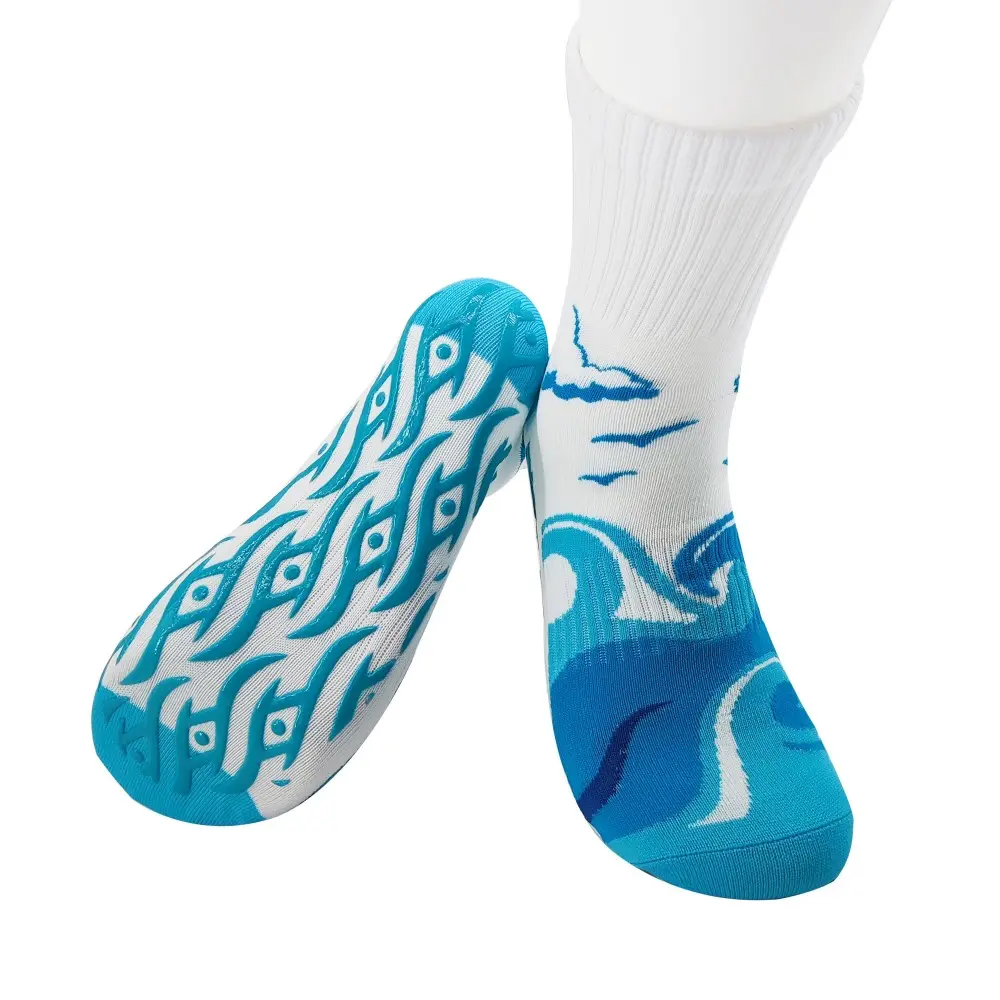 Aqua Park Socks
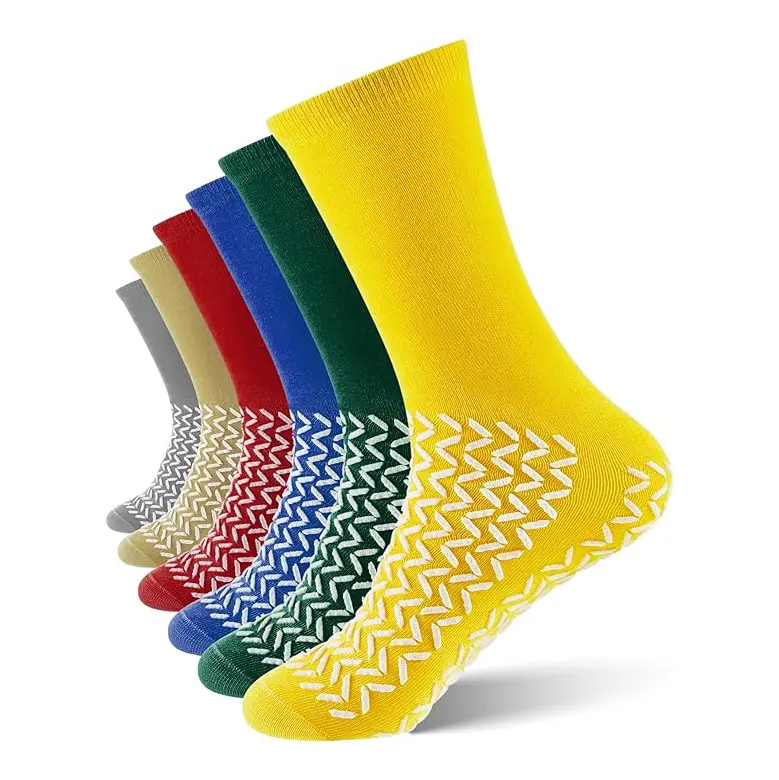 Hospital Slipper Socks
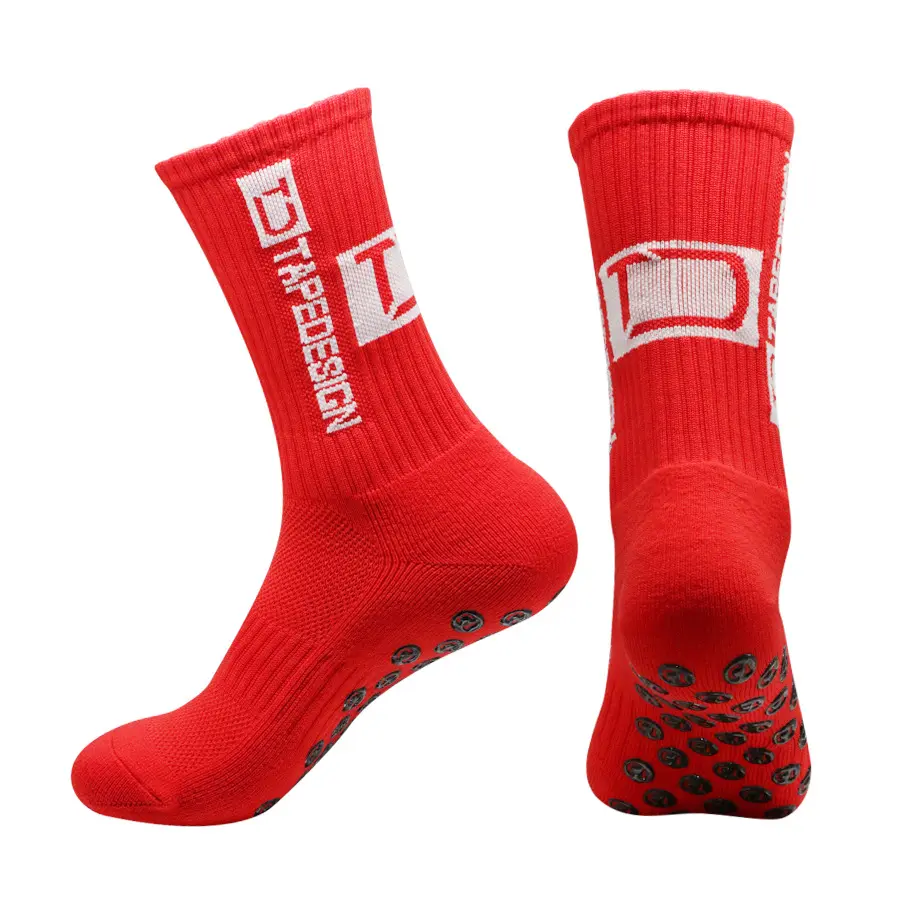 Grip Football Socks
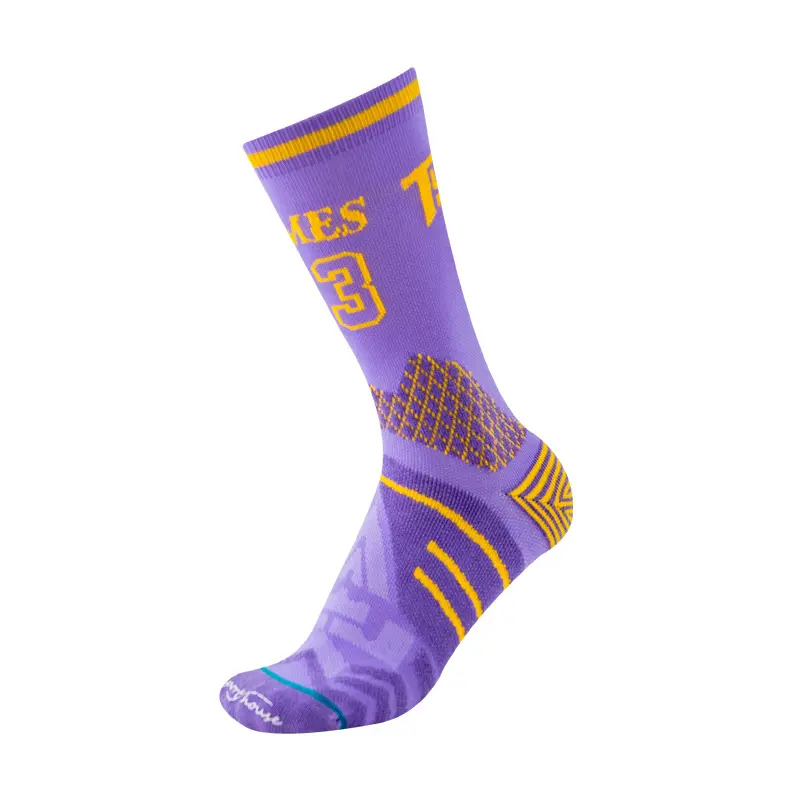 Basketball Socks
 Badminton Socks
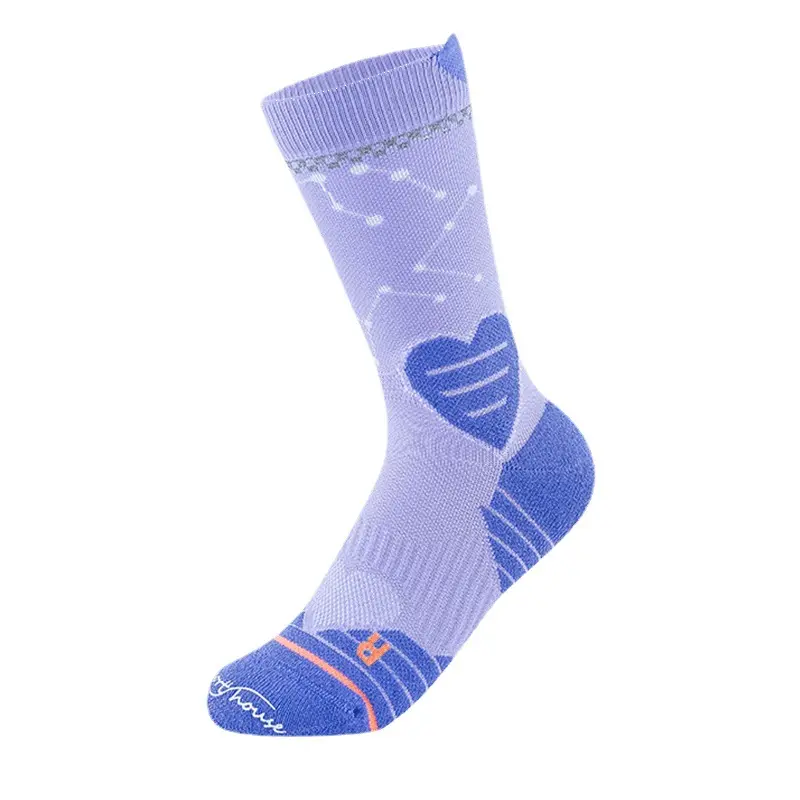 Cycling Socks
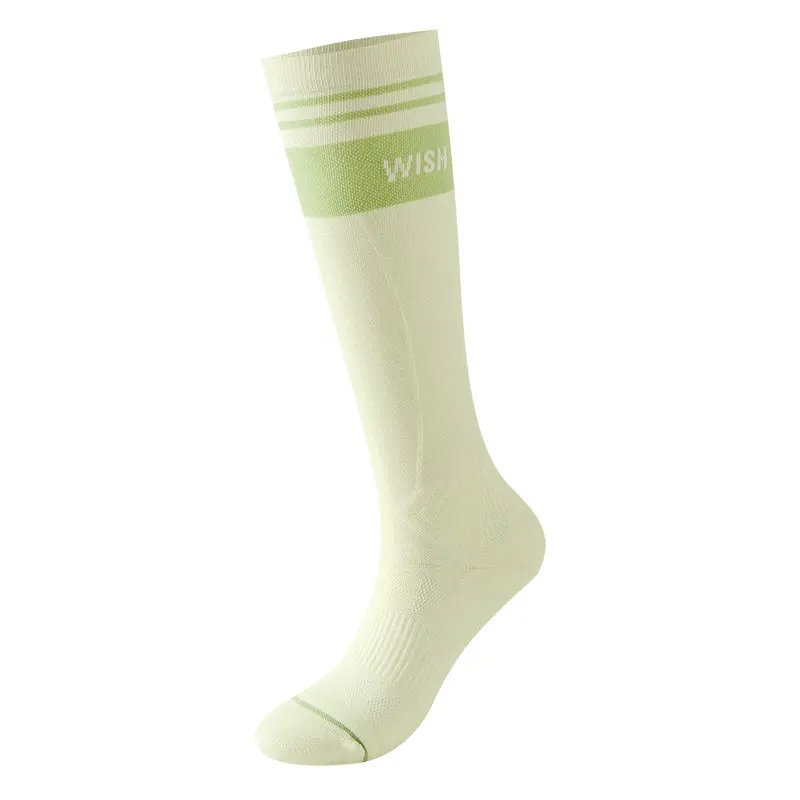 Running Socks
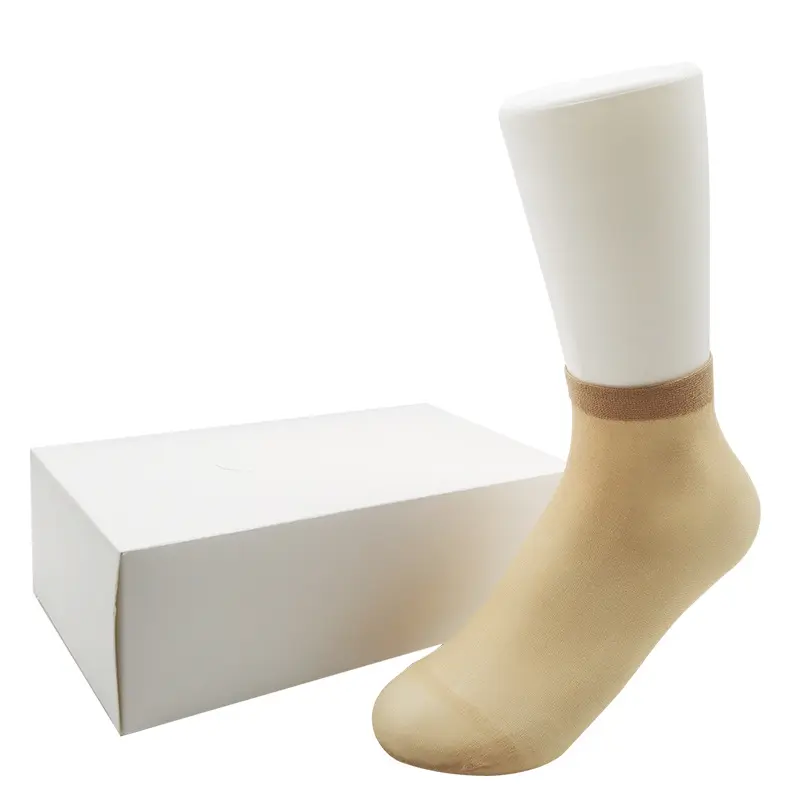 Disposable Socks Bowling Alley Socks
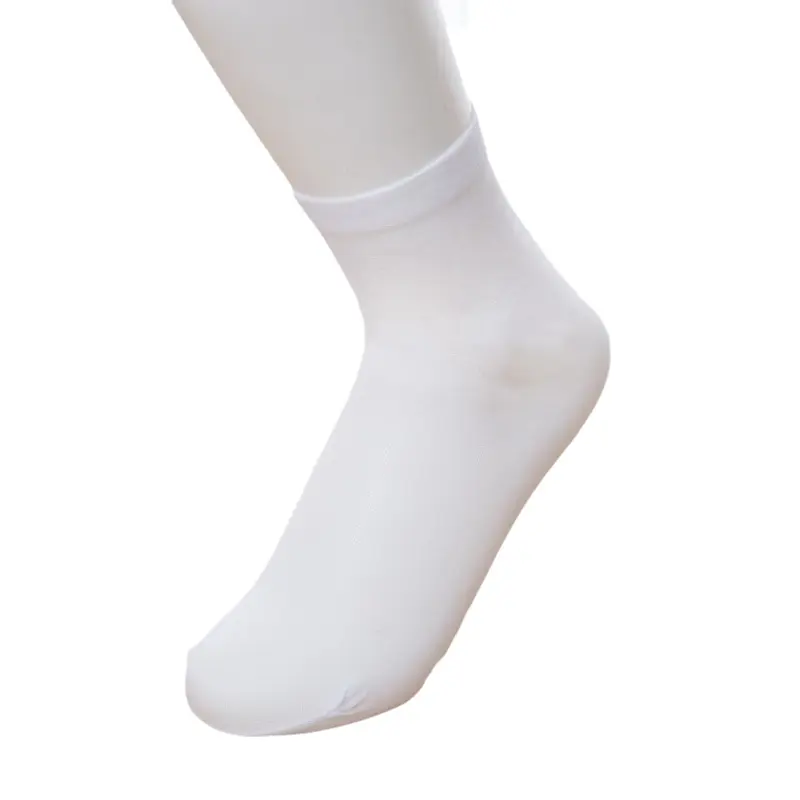 Disposable socks
 Warm Colorful Striped Crew Socks for Women
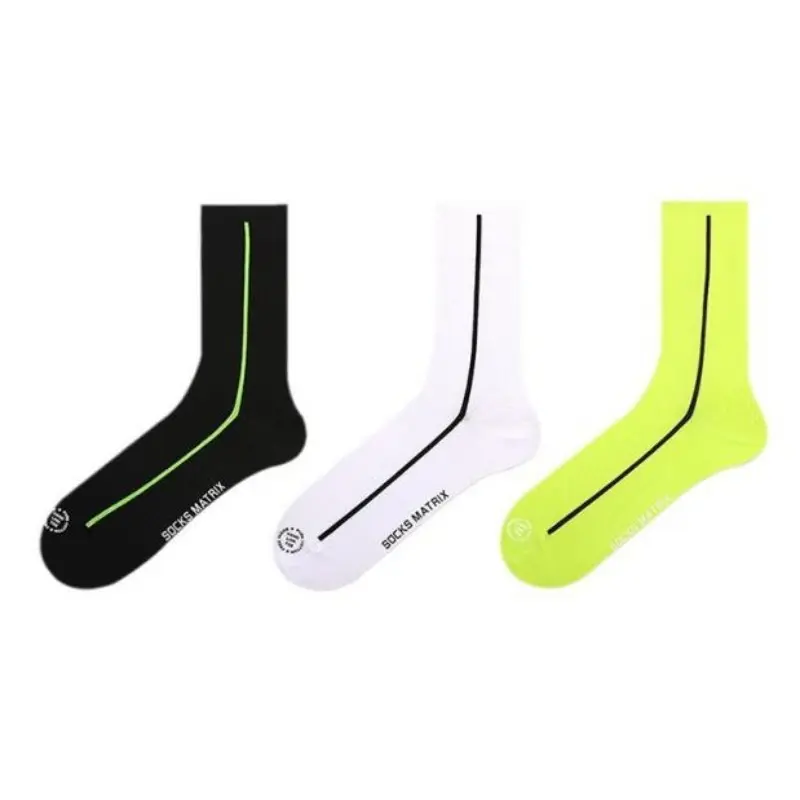 Custom Unisex Crew Socks Breathable Socks
 Digital Printing Vintage Crew Socks
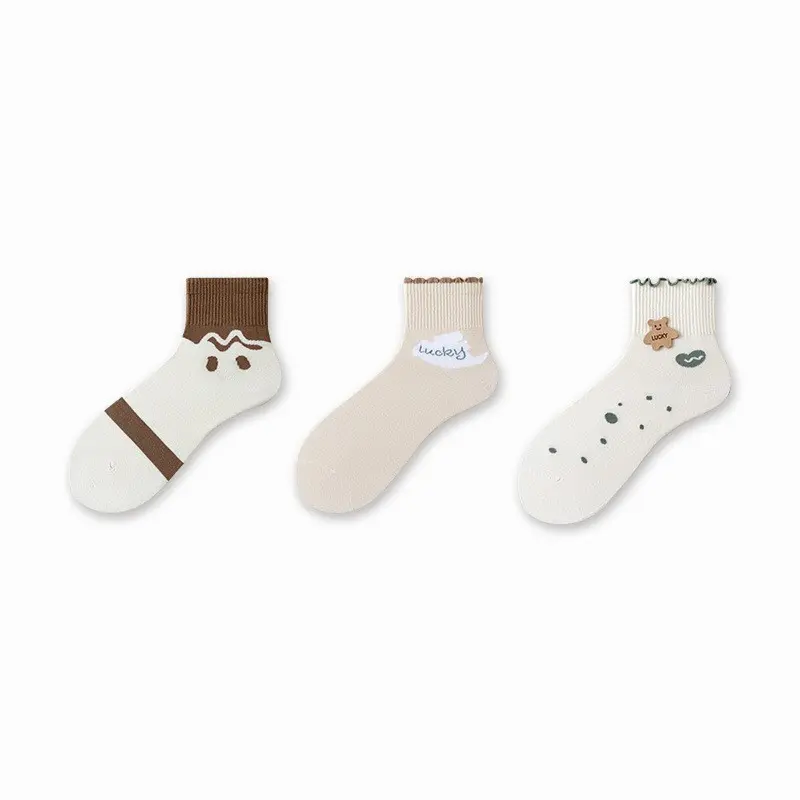 Animal Fuzzy Cartoon Crew Socks for Women
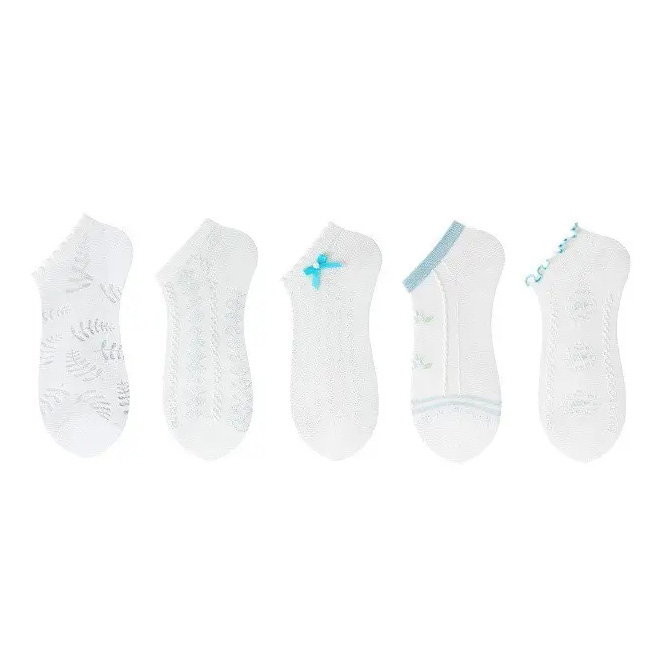 Cotton Flower Ankle Socks Low Cut Socks
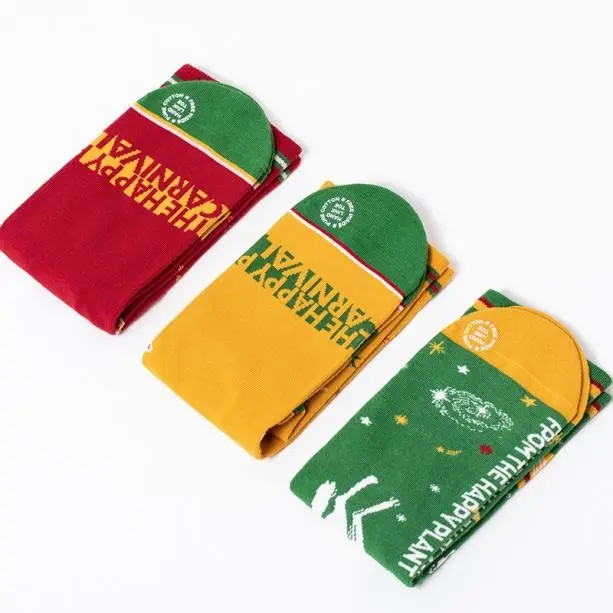 Thick Christmas Festival Crew Socks
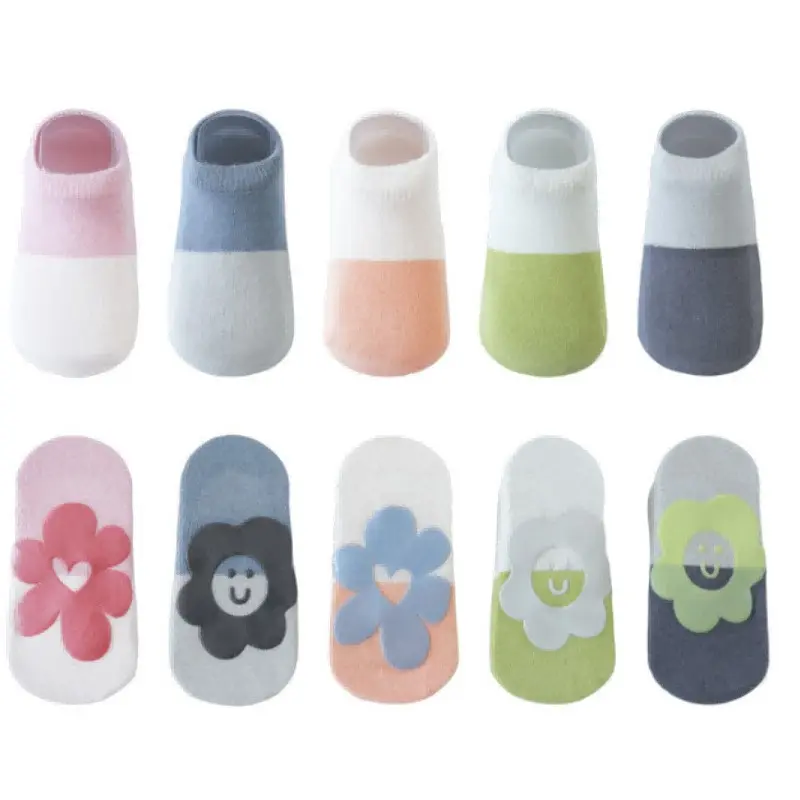 Cotton Cute Anti Slip Baby Ankle Socks with Cartoon
 Colorful Soft Baby Socks Anti-slip
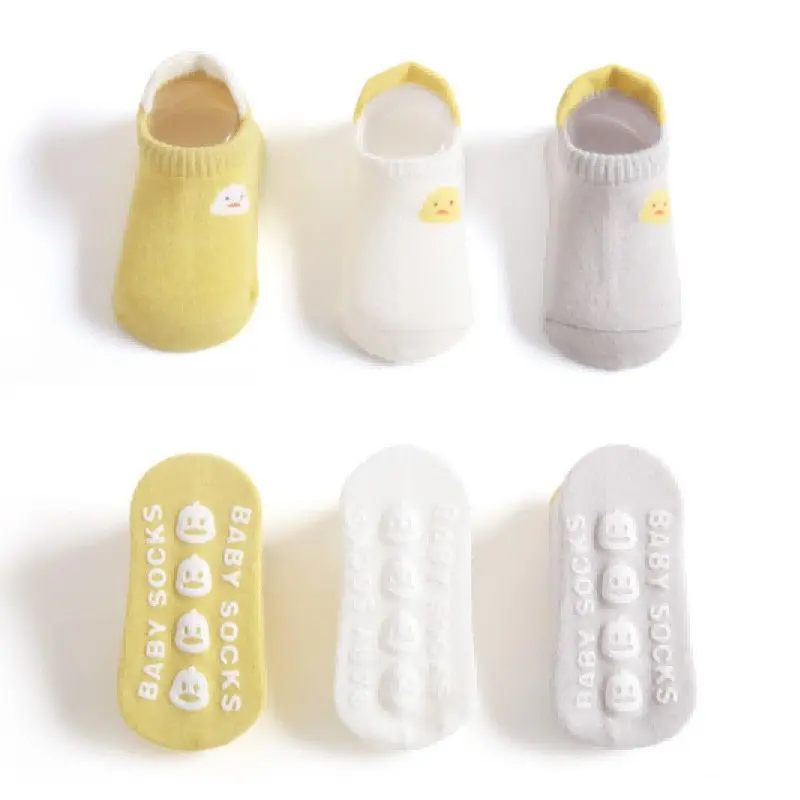 Non Slip Soft Ankle Baby Toddlers Socks
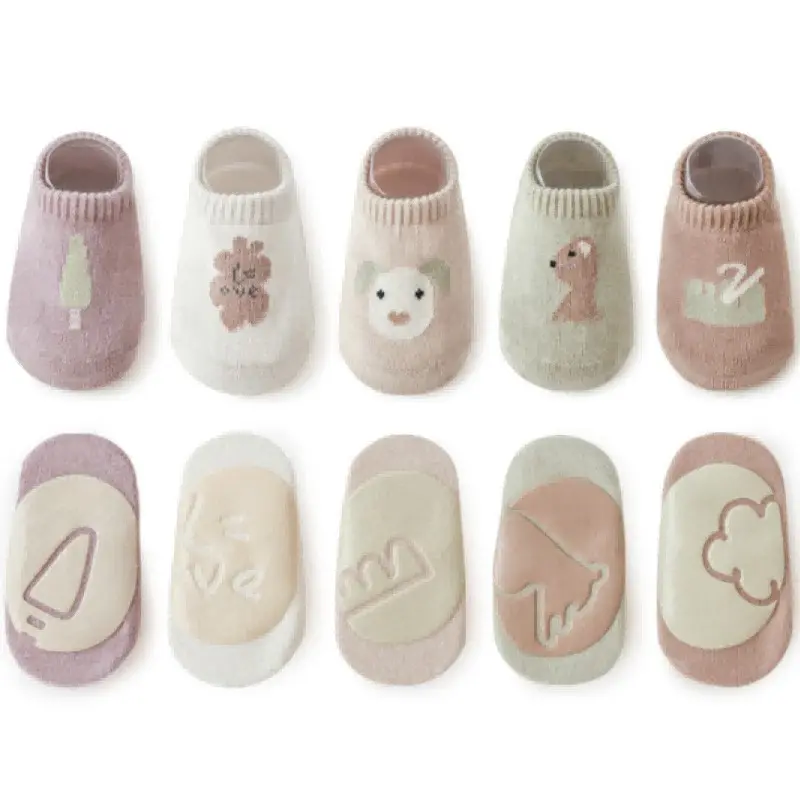 Cartoon Baby Socks With Grips Crew Walking Socks
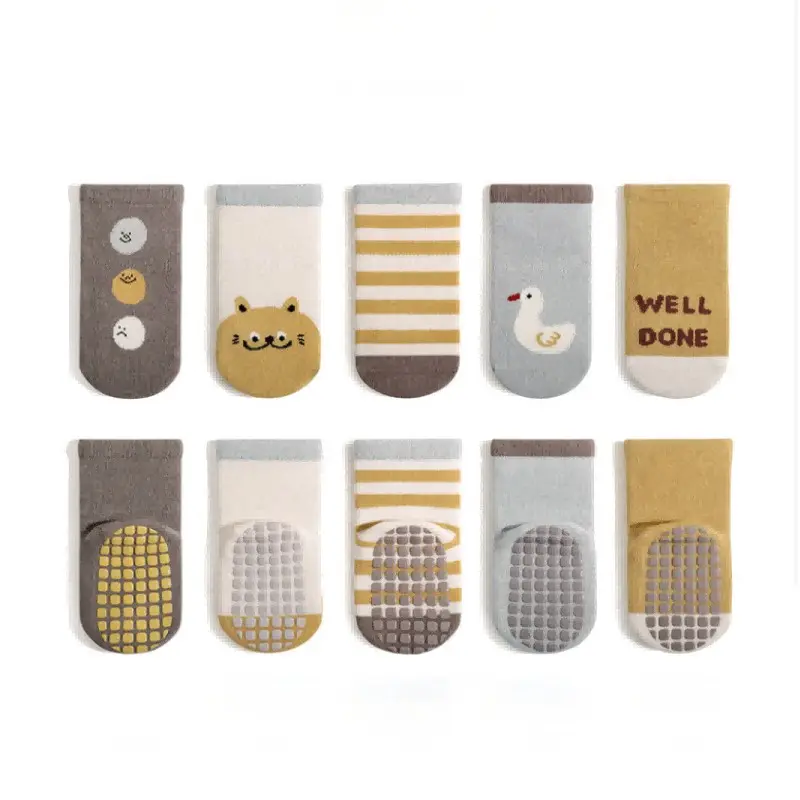 Baby Socks Floor Grip Mid-tube Socks with Cartoon