How to Source Cotton Socks Wholesale?
Sourcing Cotton Socks wholesale requires more than finding the lowest factory quotation. The right supplier must balance fiber quality, knitting skill, durability, comfort, and delivery reliability. Cotton type matters. Combed cotton usually feels smoother and sheds fewer short fibers. Ring-spun yarn can create a softer surface. However, these features may increase the unit cost. Textile researcher Dr. Eric Hequet has emphasized, “Fiber quality connects cotton production with textile performance.” This principle deserves attention during every supplier conversation.
Begin by defining the product precisely. Record the cotton percentage, yarn count, sock length, size range, color references, cushioning, toe construction, and target weight. A sample should be washed repeatedly before approval. Check shrinkage, pilling, elastic recovery, colorfastness, and seam comfort. Ask factories for production photos, testing records, business registration details, and relevant certifications. Independent inspection can verify carton quantities and workmanship before shipment. It is not glamorous, but small defects become expensive at scale.
Compare more than the quoted price. Include sampling fees, packaging, freight, duties, payment terms, and possible rework. Request a written production timeline, especially before seasonal sales. A factory may promise a low minimum order, yet struggle with consistent dye lots. That risk is easy to overlook. A spreadsheet cannot measure every supplier relationship. Direct communication, clear specifications, and honest correction of mistakes still matter. Cotton Socks buyers should begin with a controlled trial order, review customer feedback, and improve the specification before committing to larger volumes. The cheapest option may be the most expensive lesson.
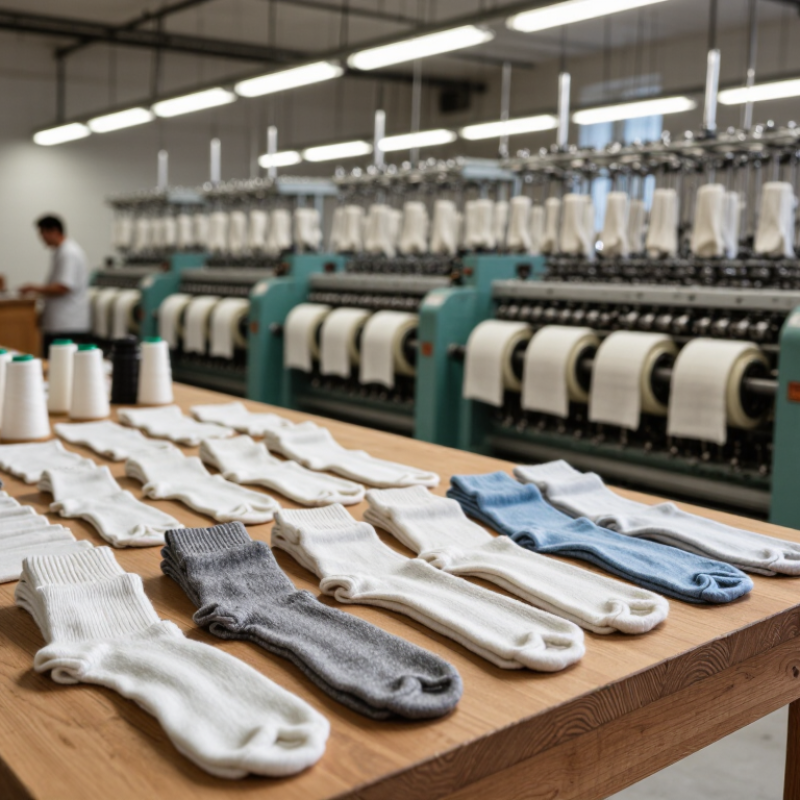
What Defines Quality Cotton Socks for Wholesale Purchase
How to Source Cotton Socks Wholesale?
Quality cotton socks begin with measurable fiber content, not a soft sales description. Textile Exchange’s Materials Market Report 2024 estimates global fiber production reached 124 million tonnes in 2023. Cotton represented about 22 percent of that volume. This scale makes traceability important. Ask suppliers for fiber composition records, yarn details, and recent test results.
“100% cotton” can still hide weak yarn, poor finishing, or blended elastic sections. I have found that a sock’s first impression often improves after washing, then fails after repeated wear.
For wholesale purchase, inspect four practical points: cotton grade, fabric density, recovery, and colorfastness. A balanced knit should feel smooth, but not unusually thin. The cuff must stretch without leaving deep marks. The heel and toe need reinforced knitting, especially for workwear orders.
Request dimensional-change testing under ISO 5077 and colorfastness testing under ISO 105. Fiber composition can be checked through ISO 1833 methods. These documents offer stronger evidence than product photographs. Still, laboratory reports have limits. Testing one sample cannot represent every carton.
Tips:
Order pre-production samples in several sizes. Wash them at least five times. Measure shrinkage, cuff recovery, toe seams, and pilling. Compare the result with the supplier’s report. Keep one unwashed sample for reference. Ask who performed each test and when.
A low price may reflect efficient production, but it may also signal shorter fibers or weaker finishing. That distinction deserves careful questioning.
How to Determine Your Wholesale Cotton Sock Requirements
Determining wholesale cotton sock requirements starts with sales evidence, not guesswork. Review the past six to twelve months of orders by size, color, length, and customer type. Separate everyday crew socks from athletic, ankle, and winter styles. A simple spreadsheet can reveal useful patterns. For example, if medium black socks sell 420 pairs monthly, plan around that baseline instead of ordering an attractive but untested quantity.
Allow for seasonal changes. School periods may increase plain white sock demand, while colder months can lift sales of thicker cotton styles. Check your storage space, cash flow, and planned selling period before confirming volume. I usually suggest calculating expected monthly sales, then adding a modest safety margin of 5% to 10%. Too much stock can quietly damage profits.
Material details also shape the requirement. Confirm the cotton percentage, yarn thickness, stretch recovery, cuff pressure, toe construction, and washing performance. Ask for production samples and inspect stitching after several washes. A sock may feel soft on day one, then lose shape quickly. That mistake is easy to make. Measure the sample against your size chart, especially around the foot length and cuff opening. Pack requirements need equal care: specify pairs per bag, carton quantity, labels, and delivery timing. Leave room for defects, delayed sales, or changing preferences. My own estimates have occasionally been too optimistic, so I now compare forecasts with actual sell-through every few weeks.
Where to Find Reliable Cotton Sock Wholesale Suppliers
Reliable cotton sock wholesale suppliers are easier to find when you verify production evidence, not attractive promises. Start with established B2B directories, trade exhibitions, and manufacturer websites with clear factory information. Ask whether they produce socks in-house or use outside workshops. Request business registration details, material specifications, and recent product photos. A dependable supplier should explain cotton content, yarn count, knitting method, and packaging options without hesitation. This is useful evidence.
Before placing a large order, buy samples from two or three suppliers. Check softness, stretch recovery, toe seams, cuff pressure, and color consistency after washing. Ask for a test report or fiber composition statement from an independent laboratory when claims seem unclear. Discuss minimum order quantities, production time, payment stages, defect handling, and inspection procedures in writing. I have found that vague answers often become costly delays. Still, no supplier is perfect; sample quality may not match bulk output unless the specification is signed and retained.
Tips:
Compare landed costs, not just unit prices. Confirm carton dimensions and shipping terms. Use video calls to inspect machinery and storage areas. Request a pre-shipment inspection for larger orders. Keep one sealed sample as a reference. A small trial order is wiser. It may feel slower, but it exposes weak communication before your budget is committed.
How to Place Orders and Manage Wholesale Sock Delivery
Wholesale cotton sock orders need precise product and delivery controls. Confirm fiber content, yarn count, gauge, size range, colors, packaging, and carton quantities before issuing a purchase order. Request a pre-production sample and an independent inspection report. Record the approved sample number on every order document. Keep it visible.
Set a realistic production window, then add time for inspection, port handling, customs, and inland transport. The 2023 CSCMP State of Logistics Report valued U.S. business logistics costs at $2.3 trillion in 2022. That figure shows why delivery planning cannot be treated as an afterthought. Use a shipment schedule with booking dates, carton counts, gross weights, and required arrival dates. Ask for packing lists and shipping documents before dispatch. A small data error can delay receiving.
I once underestimated the effect of mixed carton sizes on warehouse unloading. The order arrived, but counting took much longer than planned. Now, I request uniform carton markings, barcode files, and an advance shipping notice. Build a modest buffer for seasonal demand, especially before school or winter sales. Textile Exchange reported that global fiber production reached 124 million tonnes in 2023, indicating continued pressure across textile supply chains. Track confirmed quantity, inspected quantity, shipped quantity, and received quantity separately. If something changes, document the reason and revised date in writing. Perfect forecasts do not exist. Clear records still prevent expensive confusion.
How to Source Cotton Socks Wholesale?
Typical wholesale planning timeline for placing an order and managing cotton sock delivery, measured in business days.
Supplier confirmation and sample approval usually take less time than production and international transportation. Buyers should allow additional time for quality inspection, packaging, customs clearance, and possible seasonal delays.

 Trampoline Socks
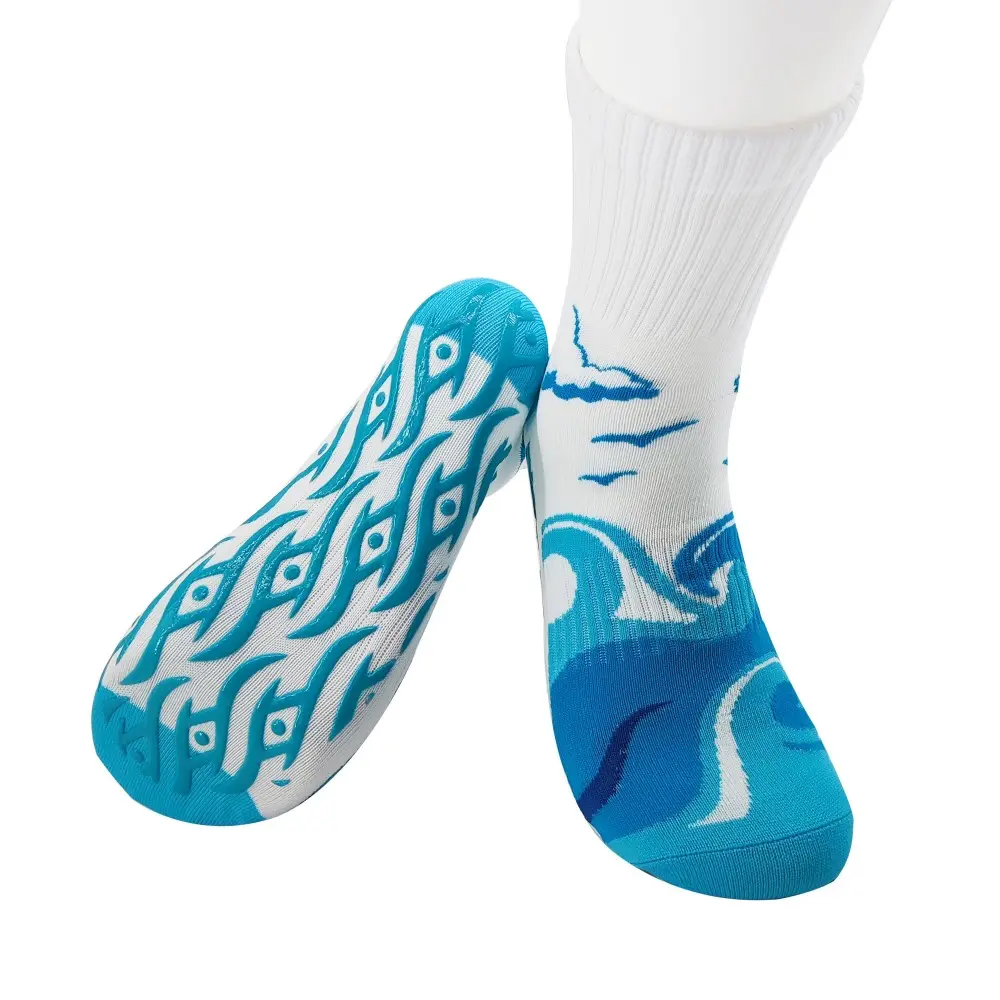 Aqua Park Socks
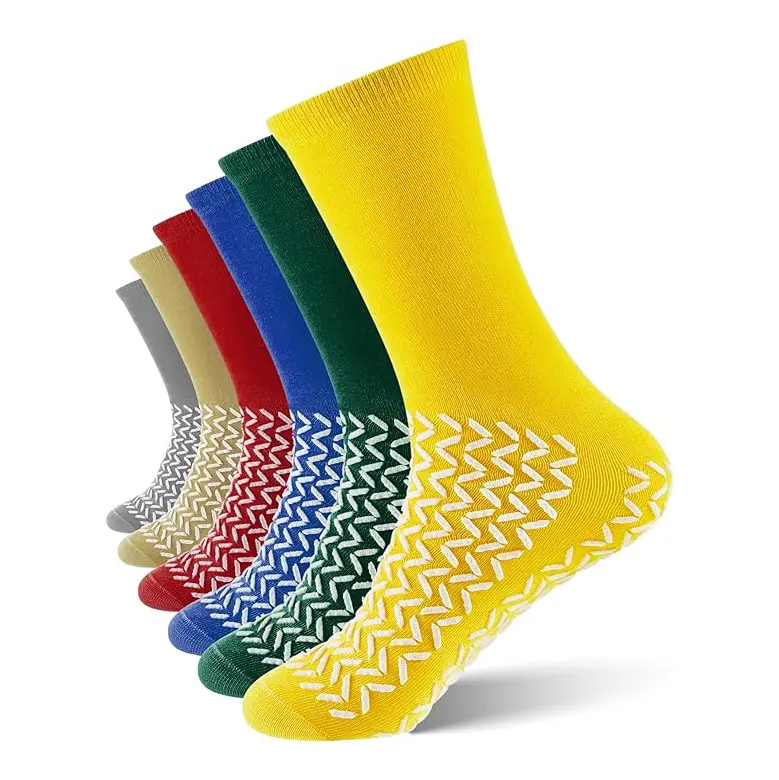 Hospital Slipper Socks
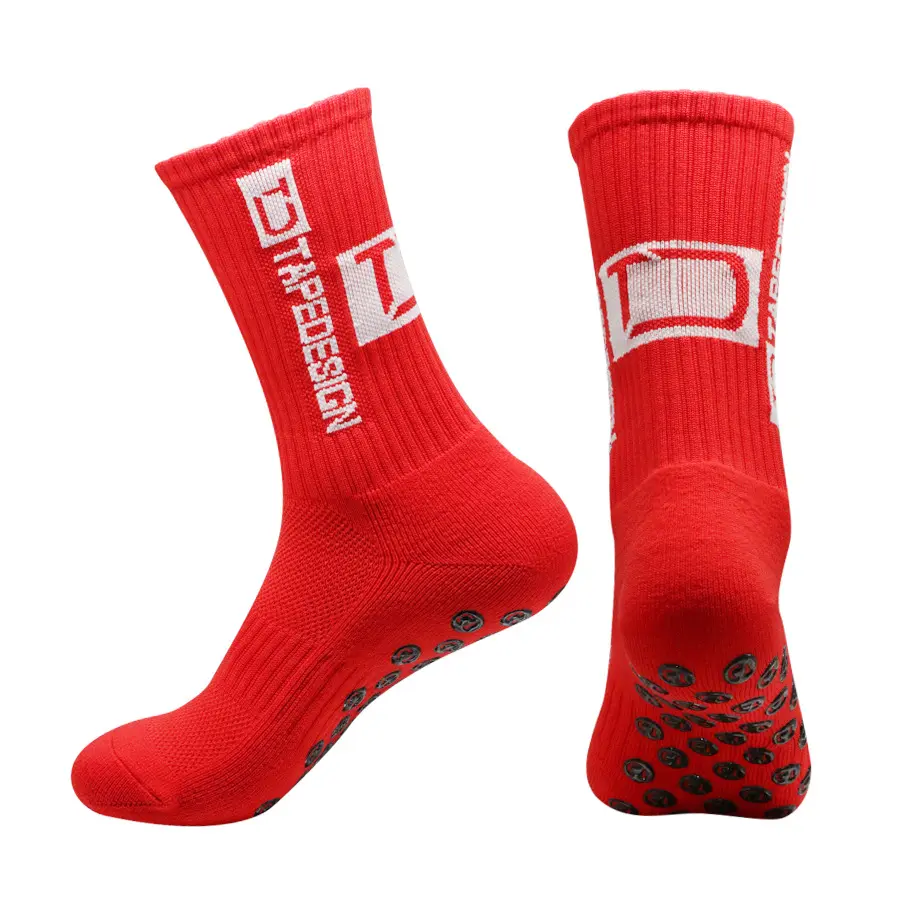 Grip Football Socks
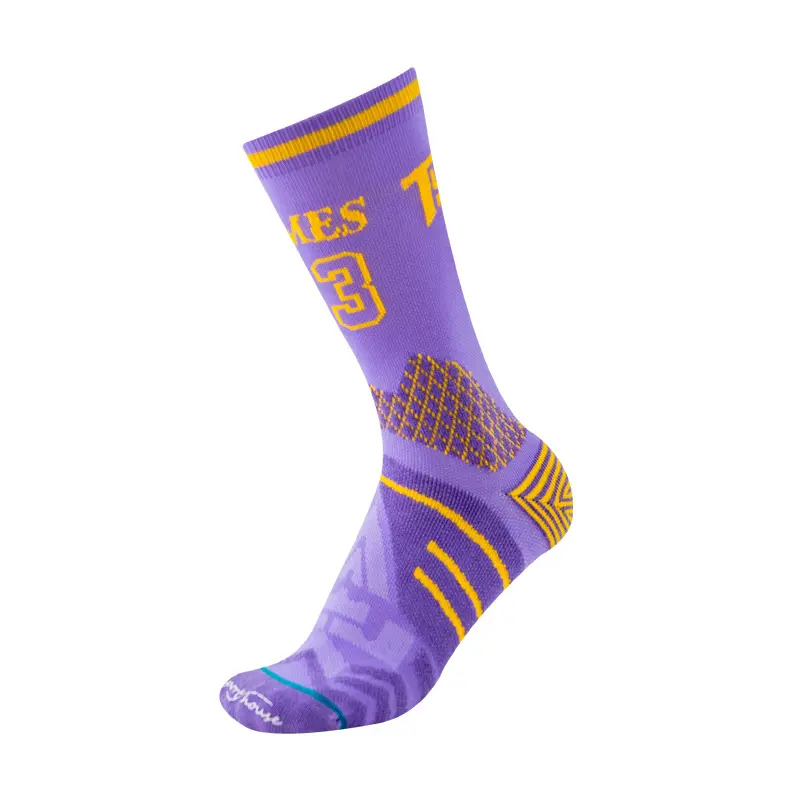 Basketball Socks
 Badminton Socks
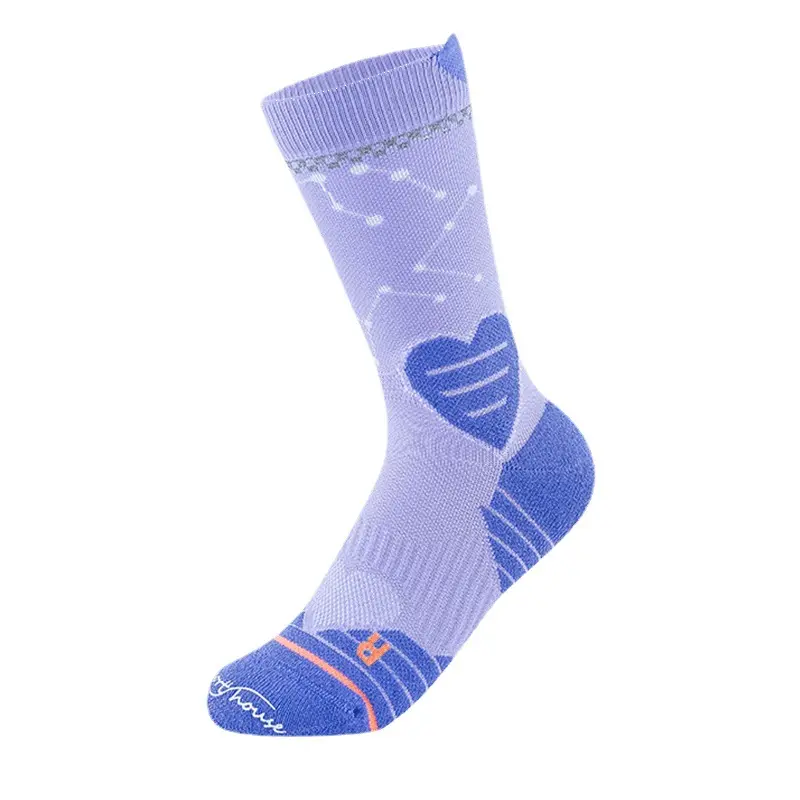 Cycling Socks
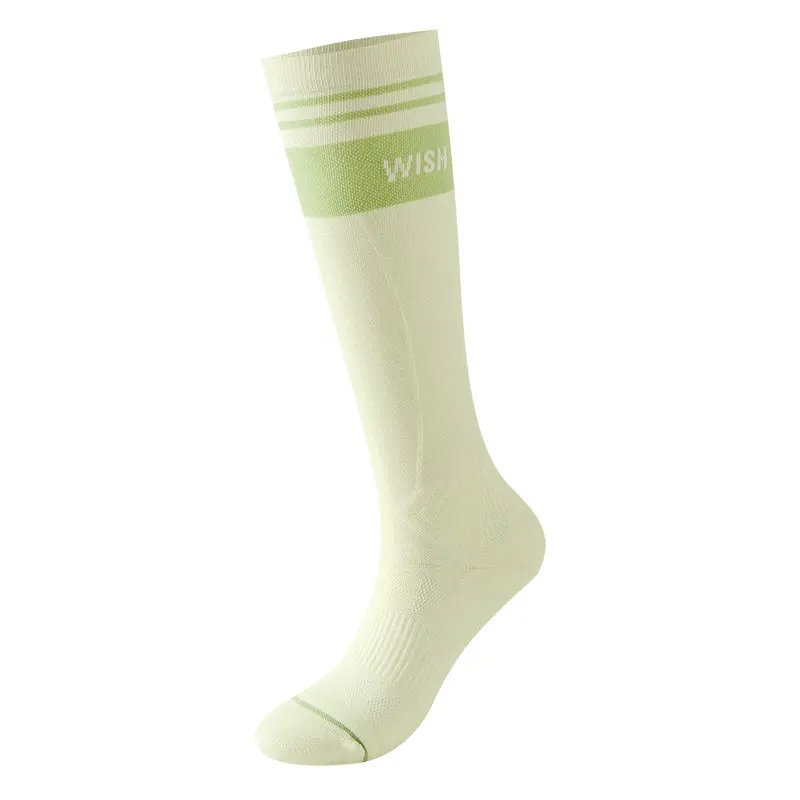 Running Socks
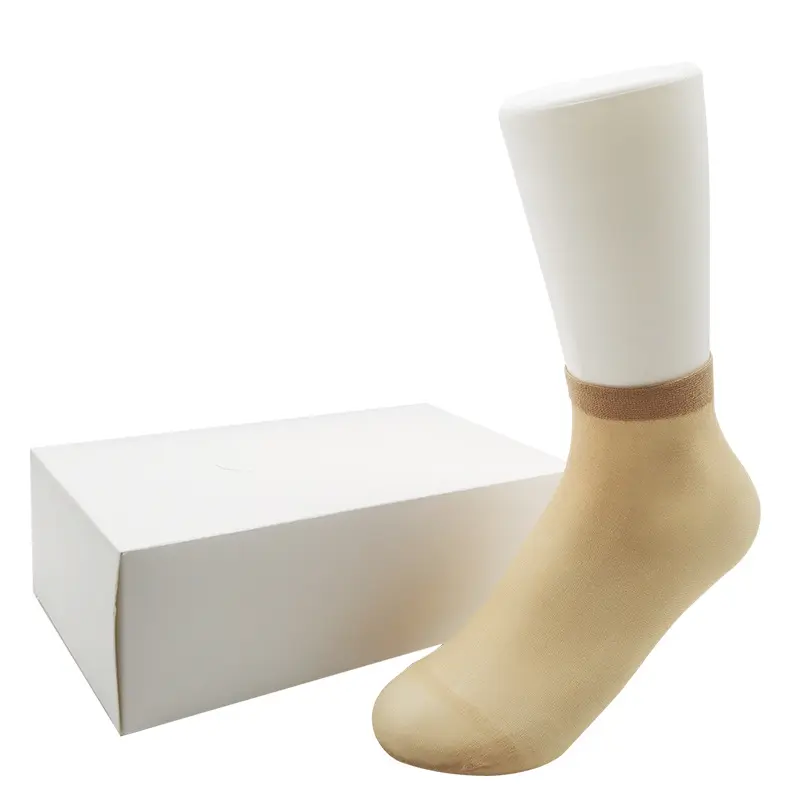 Disposable Socks Bowling Alley Socks
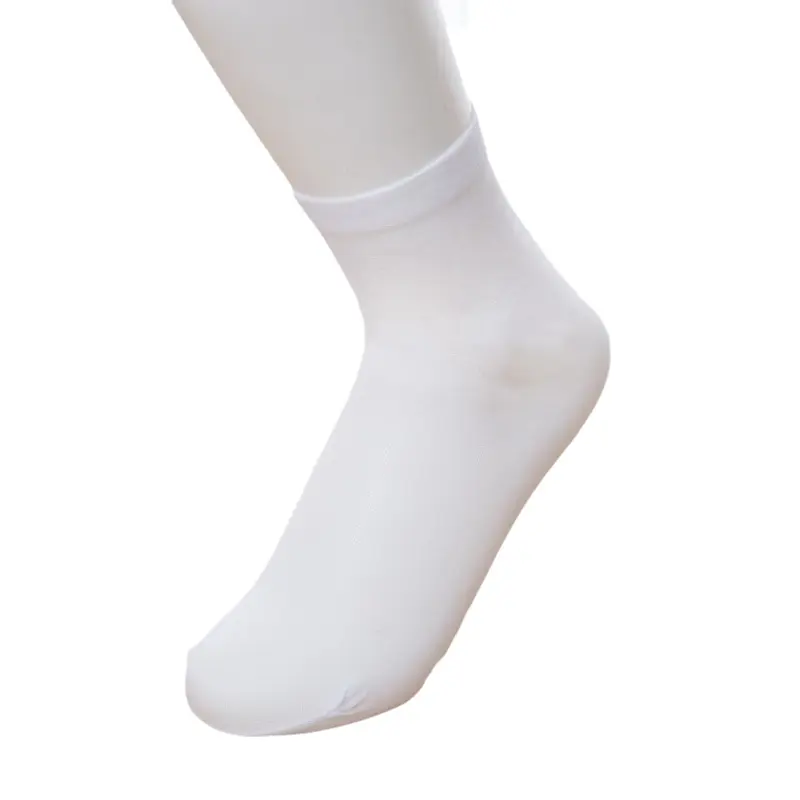 Disposable socks
 Warm Colorful Striped Crew Socks for Women
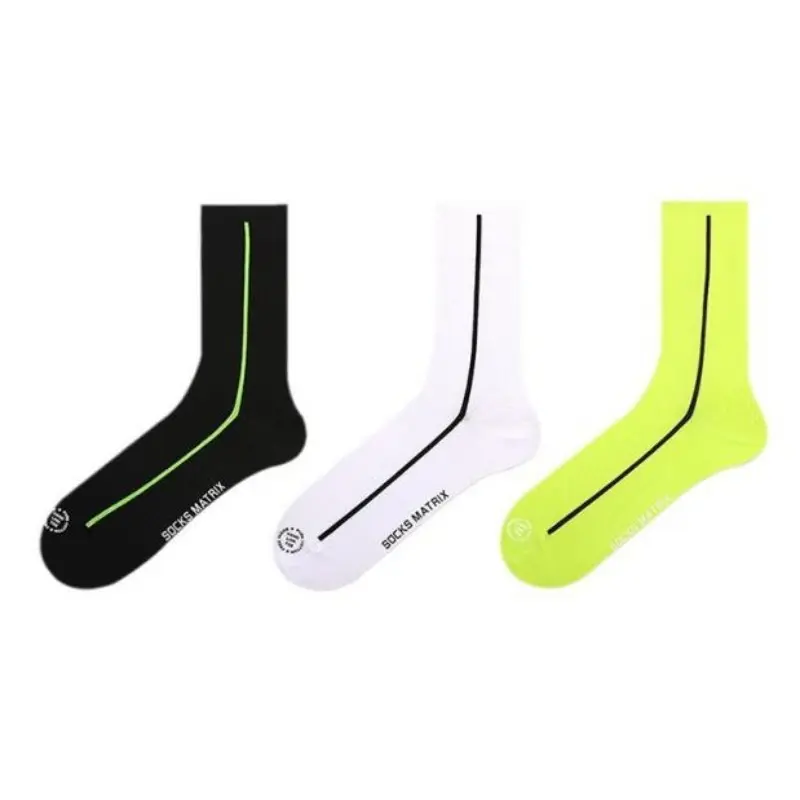 Custom Unisex Crew Socks Breathable Socks
 Digital Printing Vintage Crew Socks
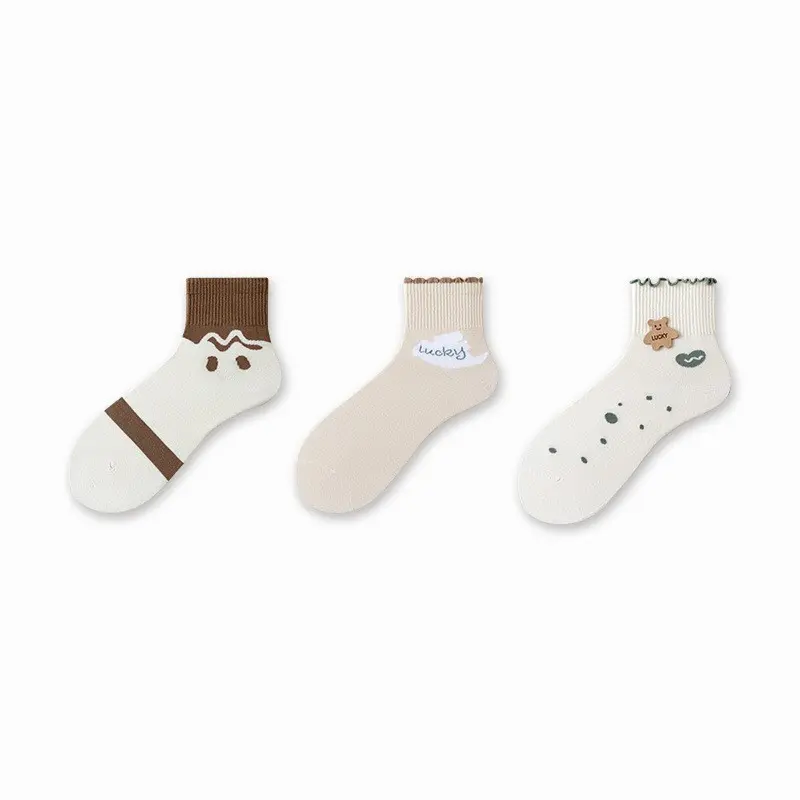 Animal Fuzzy Cartoon Crew Socks for Women
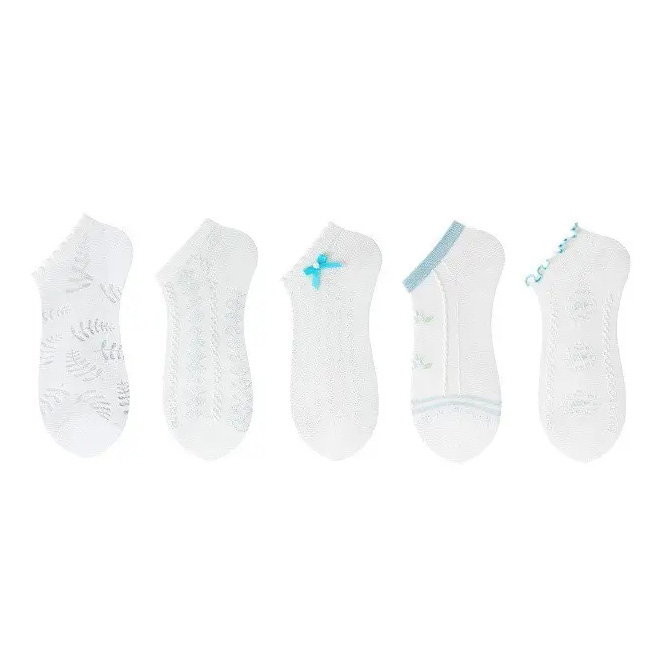 Cotton Flower Ankle Socks Low Cut Socks
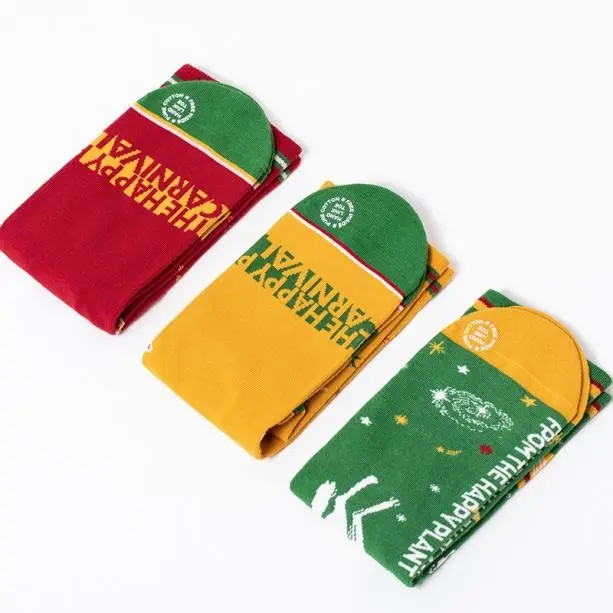 Thick Christmas Festival Crew Socks
 Cotton Cute Anti Slip Baby Ankle Socks with Cartoon
 Colorful Soft Baby Socks Anti-slip
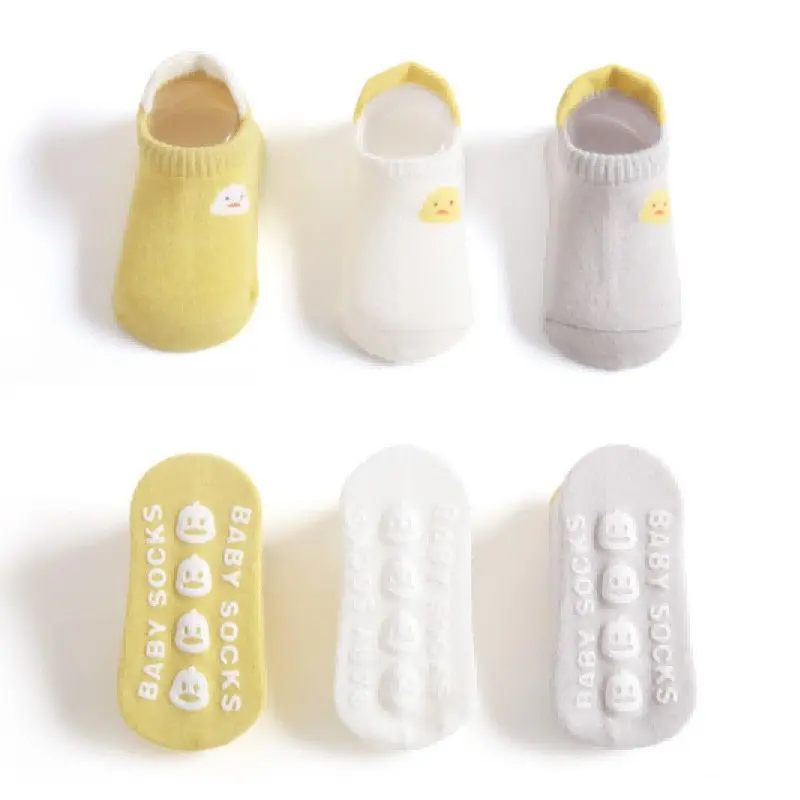 Non Slip Soft Ankle Baby Toddlers Socks
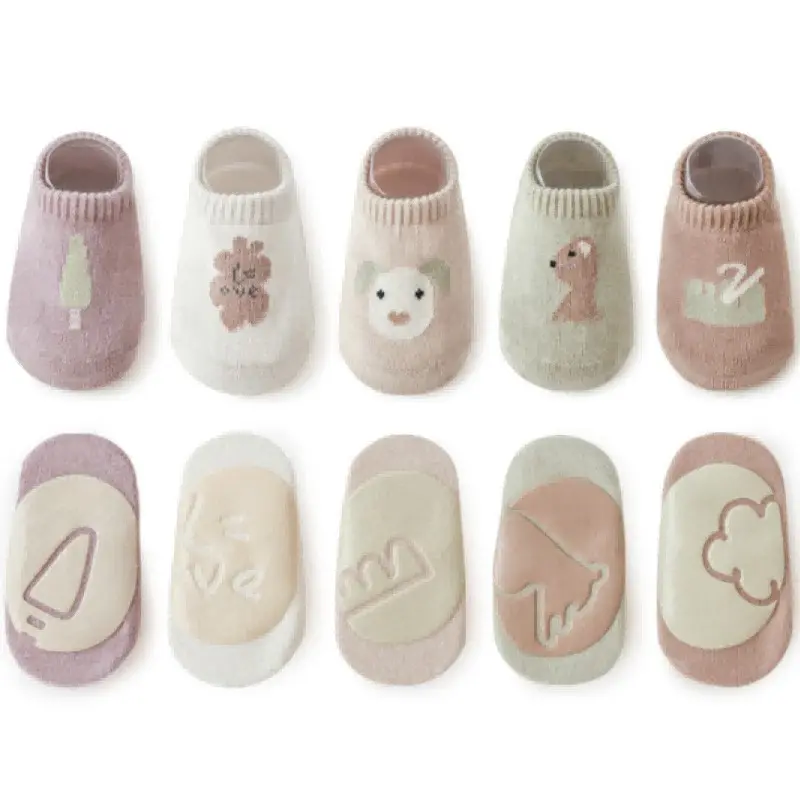 Cartoon Baby Socks With Grips Crew Walking Socks
 Baby Socks Floor Grip Mid-tube Socks with Cartoon