- Home
- Products
- Customization
- About Us
- Blogs
- Contact Us
 Trampoline Socks
 Aqua Park Socks
 Hospital Slipper Socks
 Grip Football Socks
 Basketball Socks
 Badminton Socks
 Cycling Socks
 Running Socks
 Disposable Socks Bowling Alley Socks
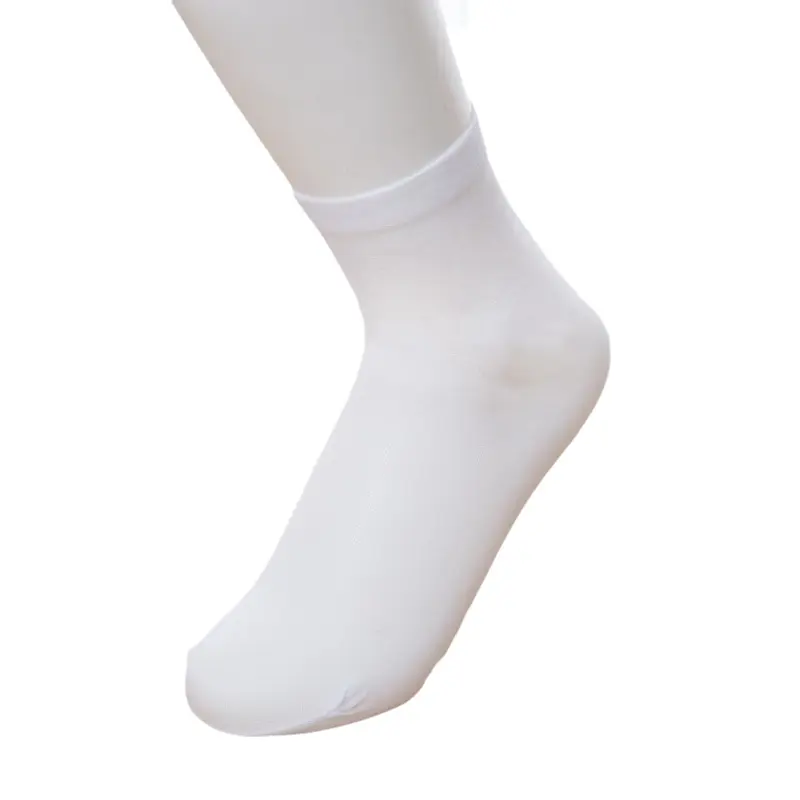 Disposable socks
 Warm Colorful Striped Crew Socks for Women
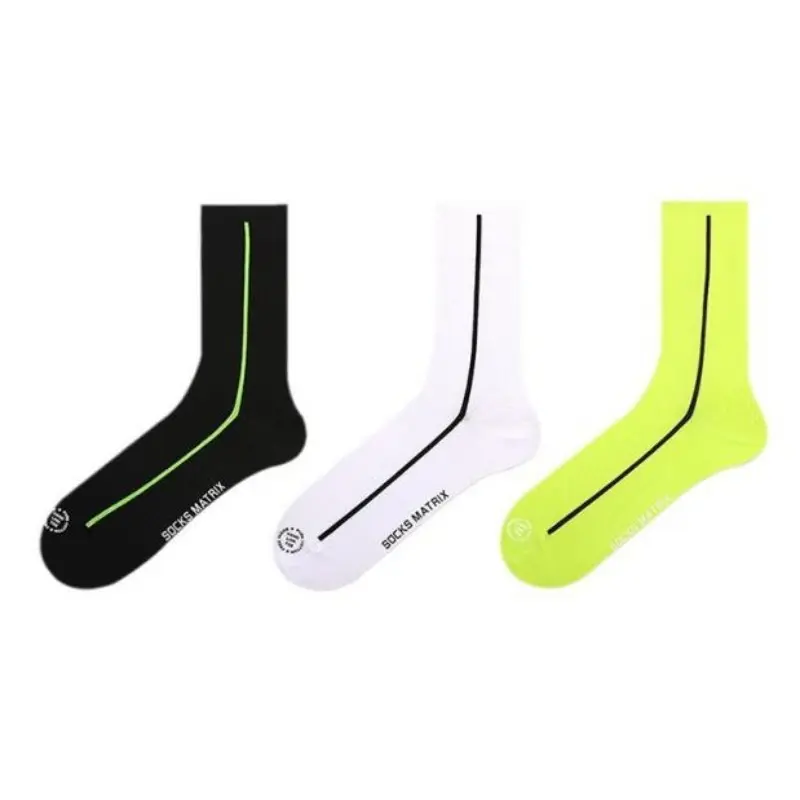 Custom Unisex Crew Socks Breathable Socks
 Digital Printing Vintage Crew Socks
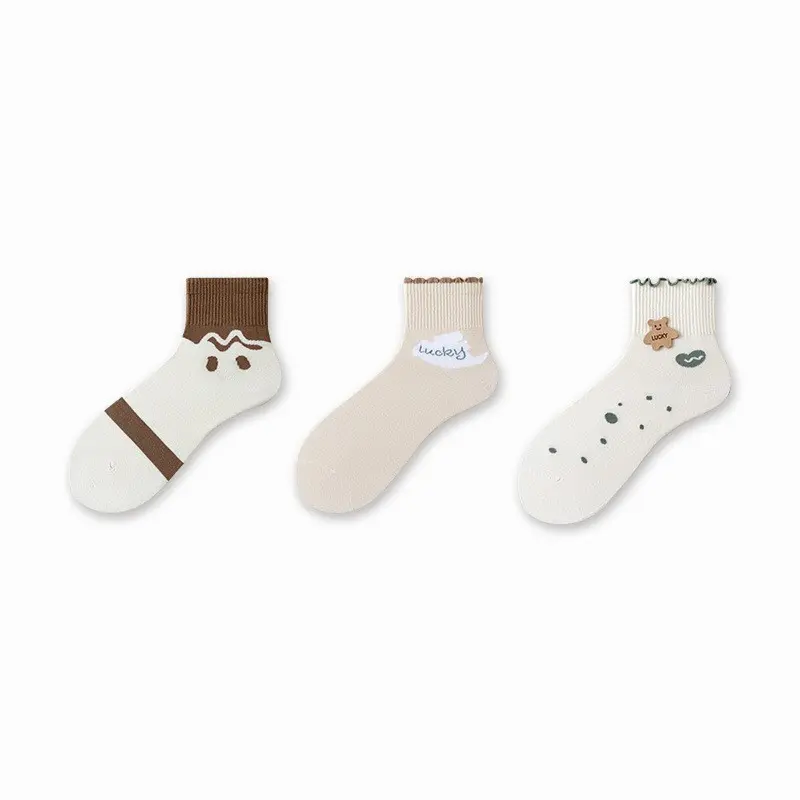 Animal Fuzzy Cartoon Crew Socks for Women
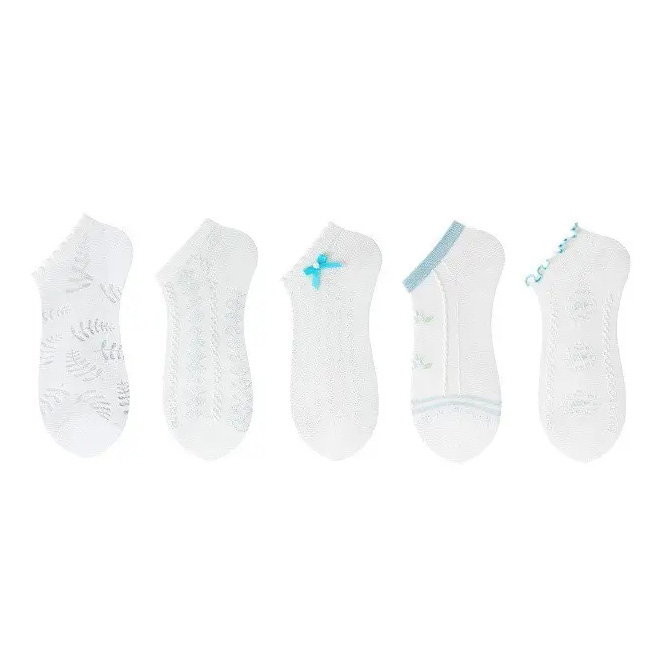 Cotton Flower Ankle Socks Low Cut Socks
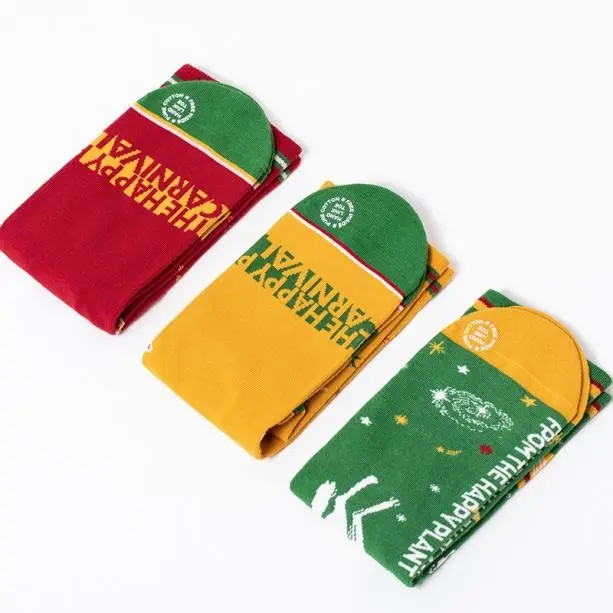 Thick Christmas Festival Crew Socks
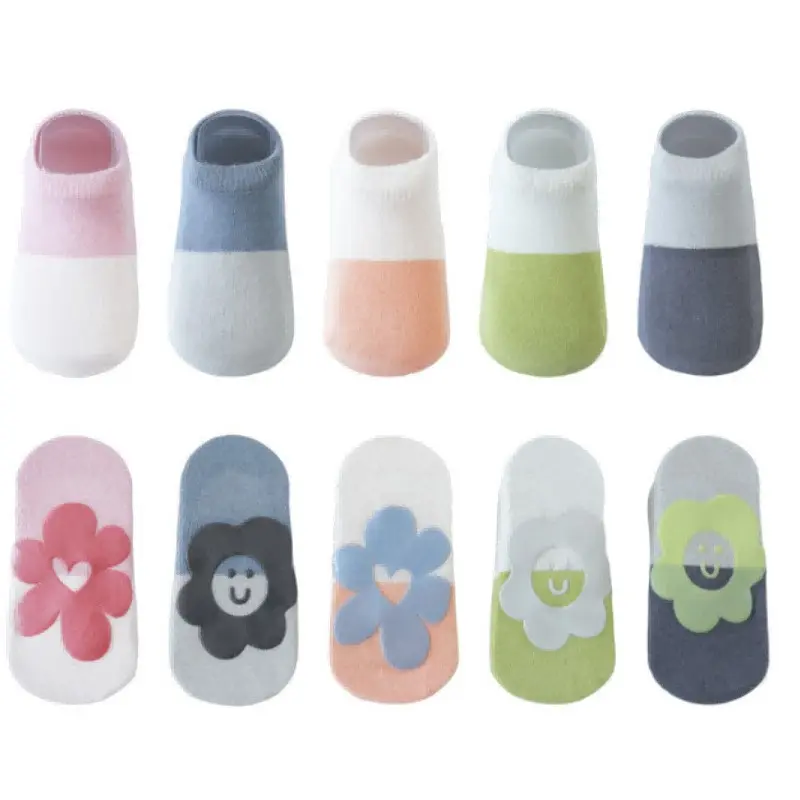 Cotton Cute Anti Slip Baby Ankle Socks with Cartoon
 Colorful Soft Baby Socks Anti-slip
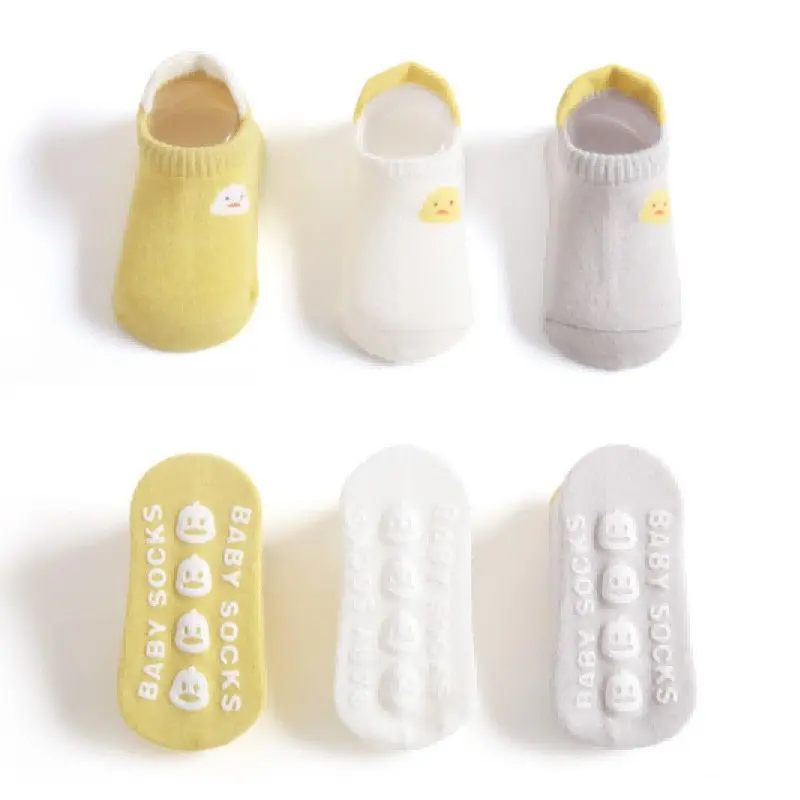 Non Slip Soft Ankle Baby Toddlers Socks
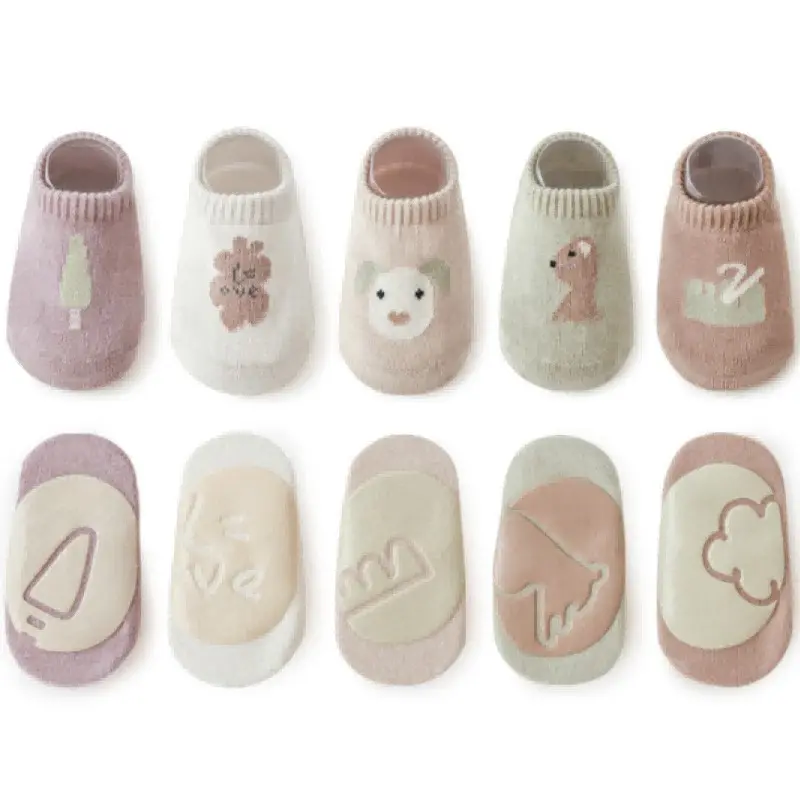 Cartoon Baby Socks With Grips Crew Walking Socks
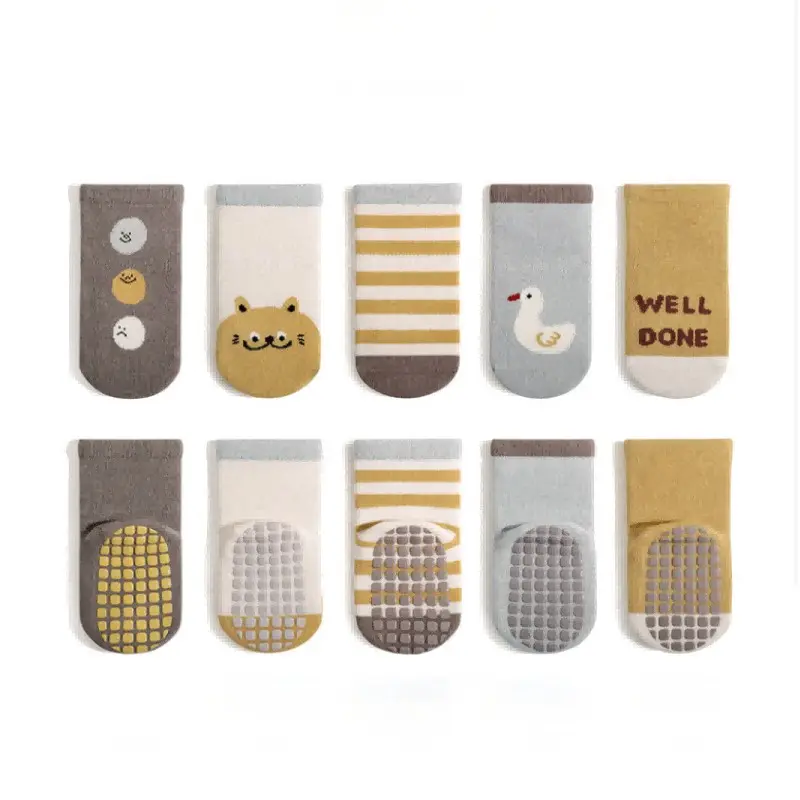 Baby Socks Floor Grip Mid-tube Socks with Cartoon
Leave Your Message
-
Phone
-
E-mail
-
Whatsapp
-
WeChat

Choosing reliable Cotton Socks manufacturers requires more than comparing prices, catalog photos, or production claims. Global buyers must examine fiber composition, knitting quality, dye consistency, sizing control, packaging, and delivery performance. A soft pair should remain comfortable after repeated washing. That result depends on yarn quality, loop density, finishing, and careful inspection.
Textile scientist Dr. Subhash K. Batra has observed, “Comfort is not a single fiber property; it is the result of fiber, fabric, and finishing working together.” This principle guides the manufacturers reviewed in this article. Their capabilities are considered through practical buyer concerns, including combed cotton options, organic cotton documentation, reinforced heels and toes, moisture management, private labeling, and scalable production. Certifications can support trust, but they should be verified through current documents and independent checks.
No ranking is perfect. A factory may show impressive samples yet struggle with bulk consistency. Another may offer modest packaging but deliver stronger quality control. Small details matter, such as loose threads inside the toe, uneven elastic pressure, or carton labels that fail during humid transport. These issues can affect returns and customer confidence.
The following list, “10 Best Cotton Socks Manufacturers for Global Buyers,” is designed as a practical starting point rather than a final decision. Buyers should request samples, confirm minimum order quantities, review test reports, and clarify production timelines before signing agreements. Experience helps. Careful verification matters more. Each manufacturer deserves a fair comparison based on measurable performance, communication, and dependable fulfillment.
10 Best Cotton Socks Manufacturers for Global Buyers
A suitable cotton socks manufacturer must deliver more than soft fabric and attractive colors. Global buyers need stable quality across repeated orders. Ask for cotton specifications, yarn composition, shrinkage data, and colorfastness test results. A professional manufacturer should explain these details clearly, not hide behind vague claims. Request physical samples from different production batches. One perfect sample proves very little.
Production capacity also matters. Confirm daily output, knitting machine types, inspection procedures, and lead times before signing an agreement. Reliable factories can discuss size grading, reinforced toes, elastic recovery, and packaging requirements with practical confidence. They should also support traceability and provide relevant compliance documents for your target markets. Communication is part of quality. Slow replies can become costly delays.
Tips: Compare at least three manufacturers. Check factory audit records, sample consistency, minimum order quantities, and shipment history. Ask how they handle defects. Their answer often reveals more than a sales presentation.
Experience teaches that even careful suppliers make mistakes. A label may be placed incorrectly, or a carton count may differ. For this reason, use written specifications, pre-shipment inspections, and approved samples. Do not depend only on promises. A suitable partner accepts reasonable questions, records changes, and improves after problems appear. That is not perfection. It is dependable cooperation.
Buyer-oriented evaluation matrix based on measurable manufacturing, compliance, quality, logistics, and sustainability requirements.
| No. | Evaluation Dimension | Recommended Benchmark | Why It Matters to Global Buyers | Evidence to Request | Priority |
|---|---|---|---|---|---|
| 1 | Fiber Composition Control | Accurate fiber percentages supported by incoming-material and finished-product testing. | Correct composition is essential for product performance, labeling accuracy, customs documentation, and consumer protection. | Fiber-content test report, technical specification sheet, and production batch records. | Critical |
| 2 | Relevant Quality Management System | Documented quality procedures covering raw materials, knitting, linking, washing, finishing, packing, and shipment release. | A controlled process reduces variation in size, color, stretch, seam quality, and packaging across repeat orders. | Quality manual, inspection checklist, corrective-action records, and audit reports. | Critical |
| 3 | Product Safety and Chemical Compliance | Testing aligned with the destination market, including applicable restricted-substance requirements. | Different markets may impose requirements on dyes, chemicals, labeling, flammability, and substances of concern. | Recent laboratory reports, restricted-substance declaration, and destination-market compliance documents. | Critical |
| 4 | Material Traceability | Lot-level traceability from yarn purchase through production and final shipment. | Traceability helps identify affected goods quickly when a quality issue, complaint, or recall occurs. | Yarn lot records, dye-lot records, production tickets, and shipment traceability samples. | High |
| 5 | Knitting and Construction Capability | Consistent control of gauge, size, heel, toe, cuff, and linking quality across approved samples. | Construction accuracy affects comfort, durability, fit, appearance, and the rate of returns. | Approved sample, measurement chart, tolerance table, and in-line inspection records. | Critical |
| 6 | Testing and Inspection Capacity | Pre-production, in-process, and final inspections using documented acceptance criteria. | Multiple inspection stages help detect defects before goods are packed or exported. | Inspection plan, defect classification, AQL procedure if used, and final inspection report. | Critical |
| 7 | Production Capacity and Lead-Time Control | Capacity backed by realistic schedules, with documented performance for sampling, bulk production, and replenishment. | Reliable lead times support seasonal launches, promotions, inventory planning, and continuity of supply. | Capacity plan, production calendar, lead-time records, and written escalation procedure. | High |
| 8 | Customization and Development Support | Technical support for yarn selection, color matching, patterns, size grading, packaging, and sampling. | Development capability allows buyers to create differentiated products while controlling fit and production feasibility. | Development workflow, sample timeline, color-approval process, and packaging specifications. | High |
| 9 | Ethical and Environmental Management | Verifiable workplace, wastewater, energy, and waste-management practices relevant to the facility and destination market. | Responsible sourcing reduces compliance, reputational, and supply-chain risks for international buyers. | Third-party social audit, environmental records, permits where applicable, and corrective-action plans. | High |
| 10 | Export Documentation and Logistics Support | Accurate commercial invoices, packing lists, certificates, labeling, carton marks, and shipping coordination. | Complete documentation helps prevent customs delays, misclassification, delivery errors, and additional handling costs. | Redacted export document samples, packaging specifications, Incoterms confirmation, and logistics workflow. | Critical |