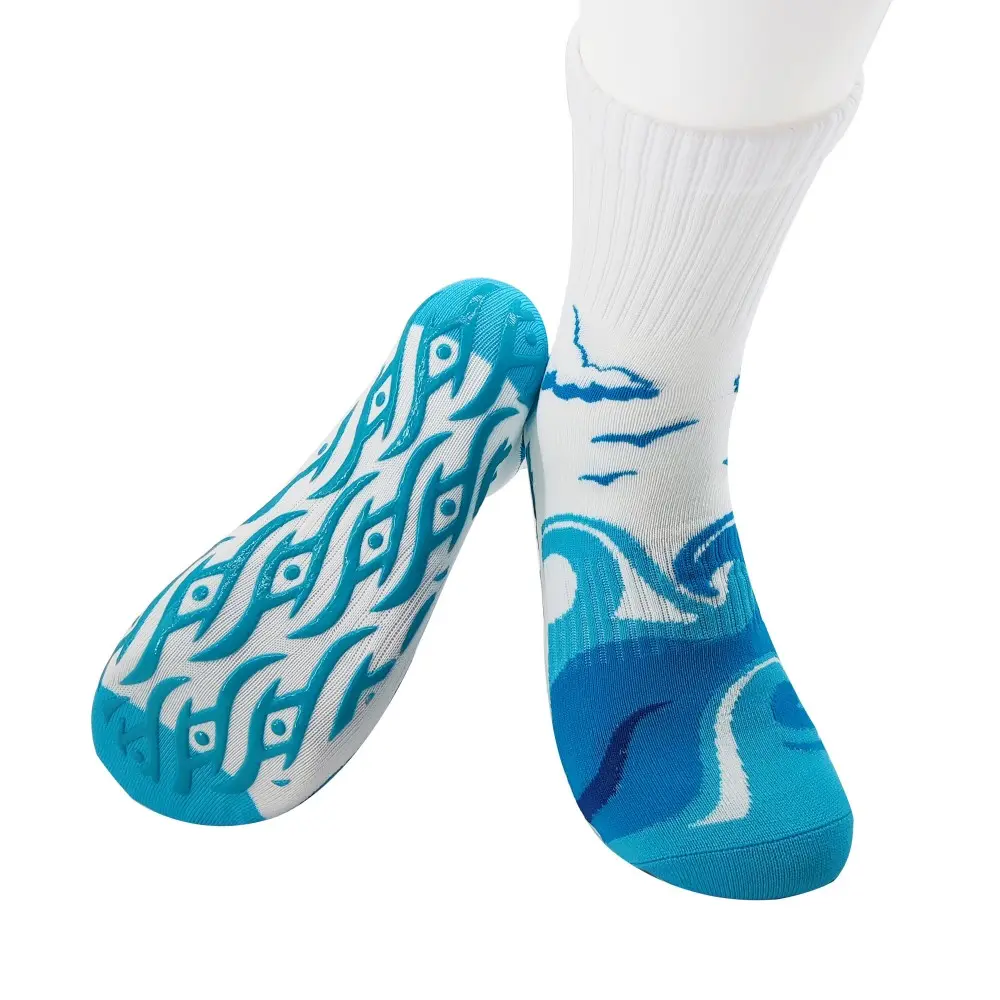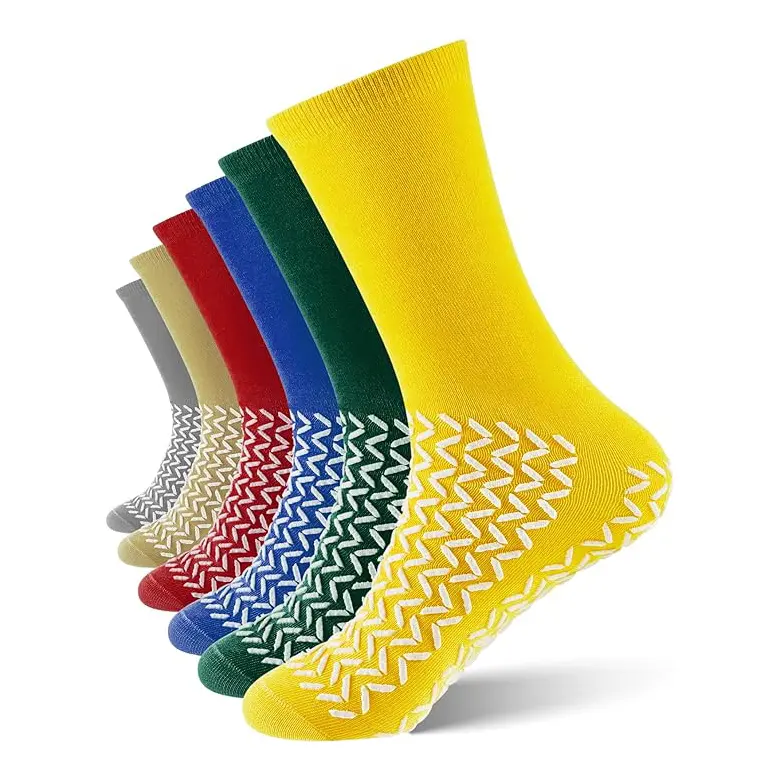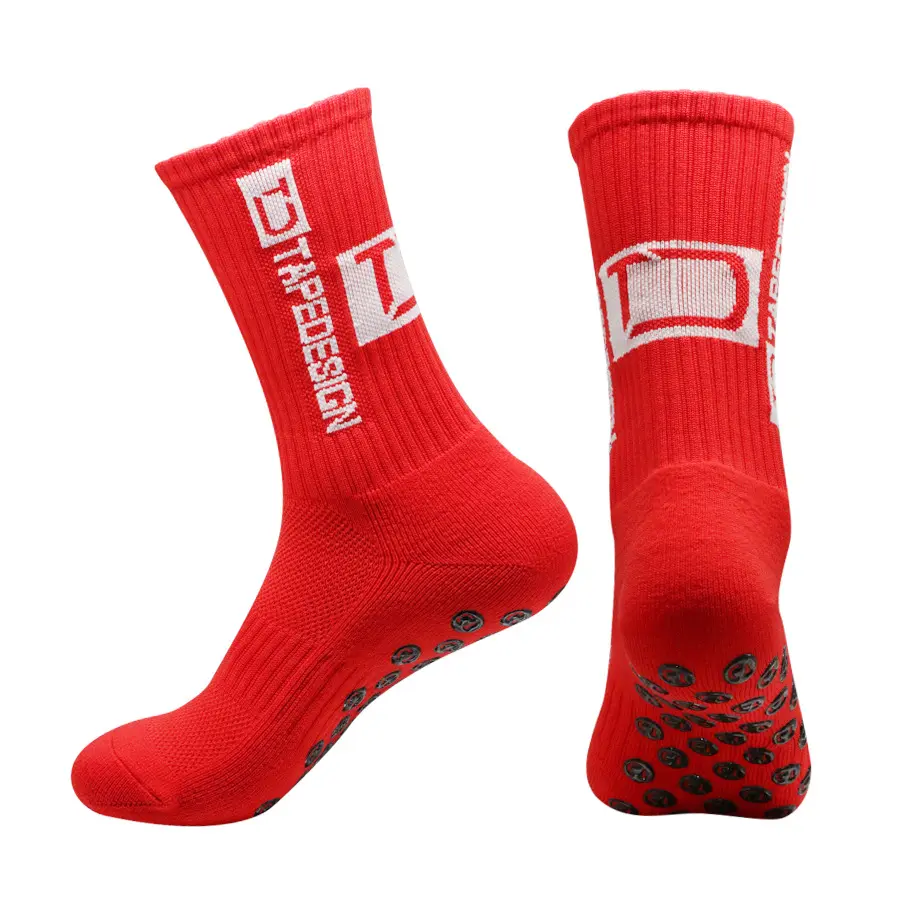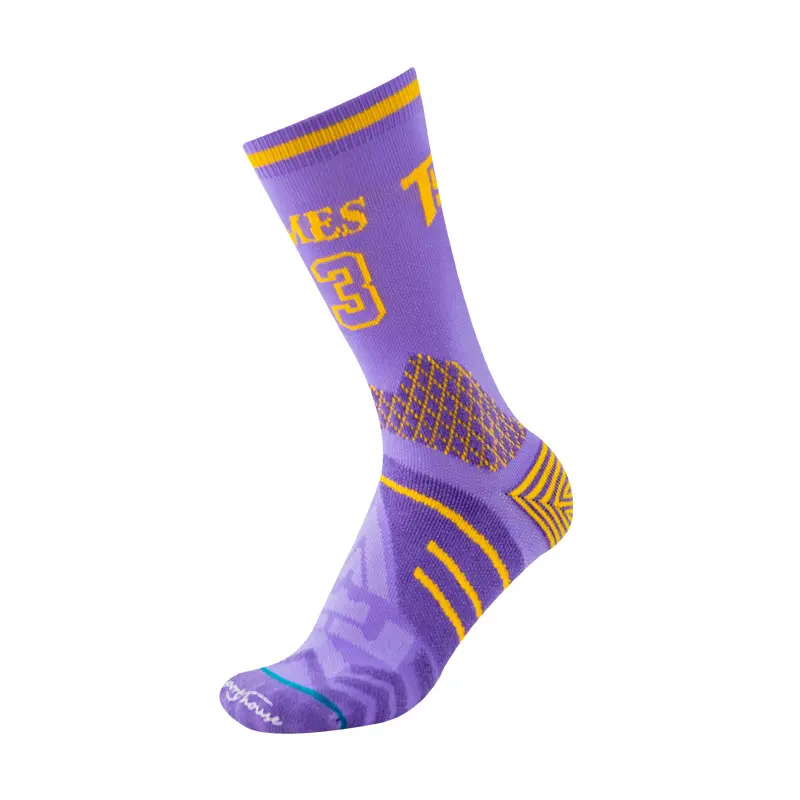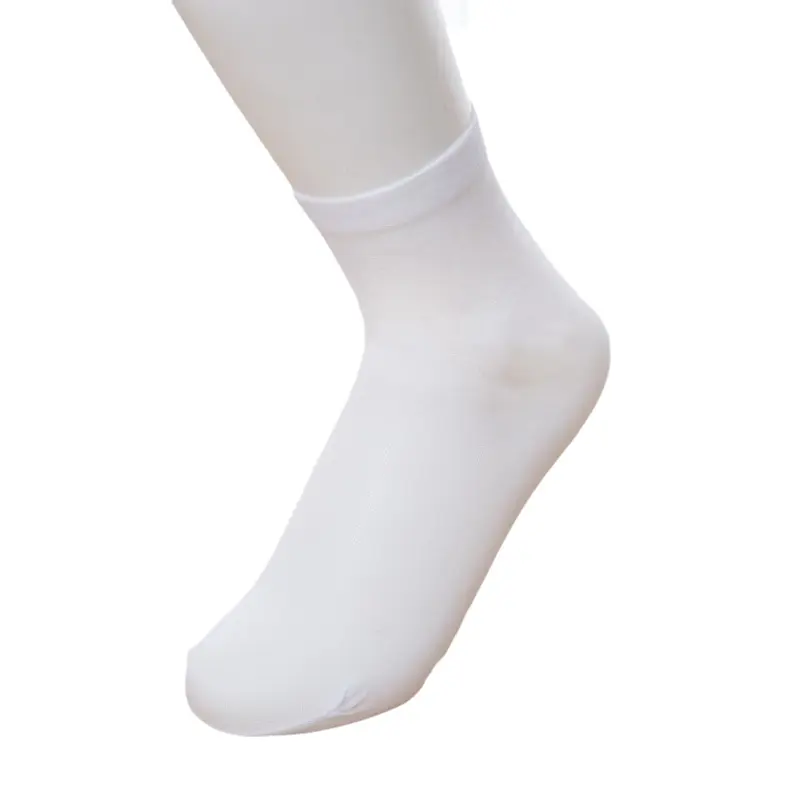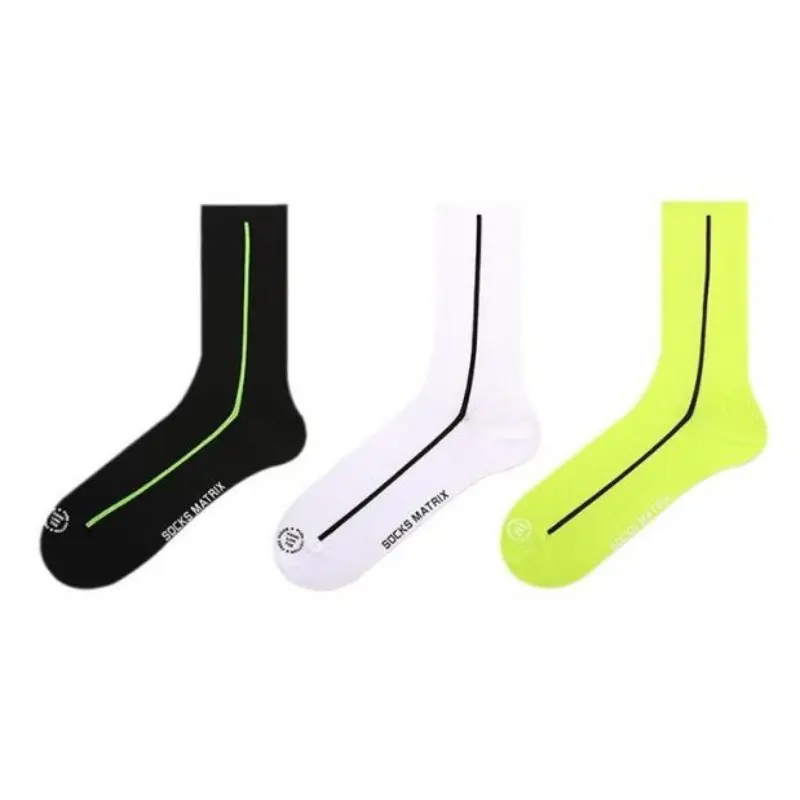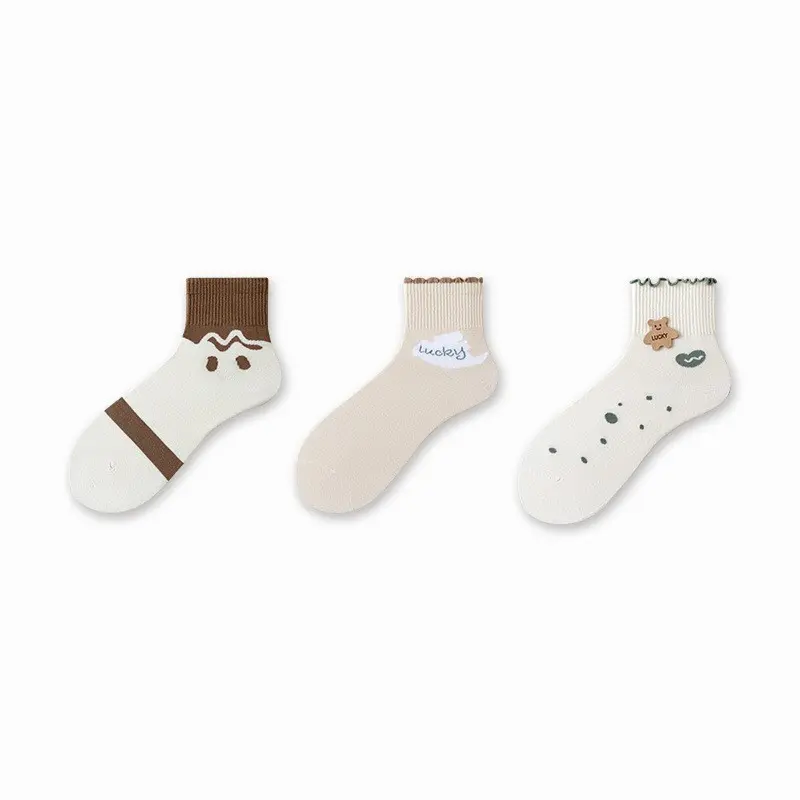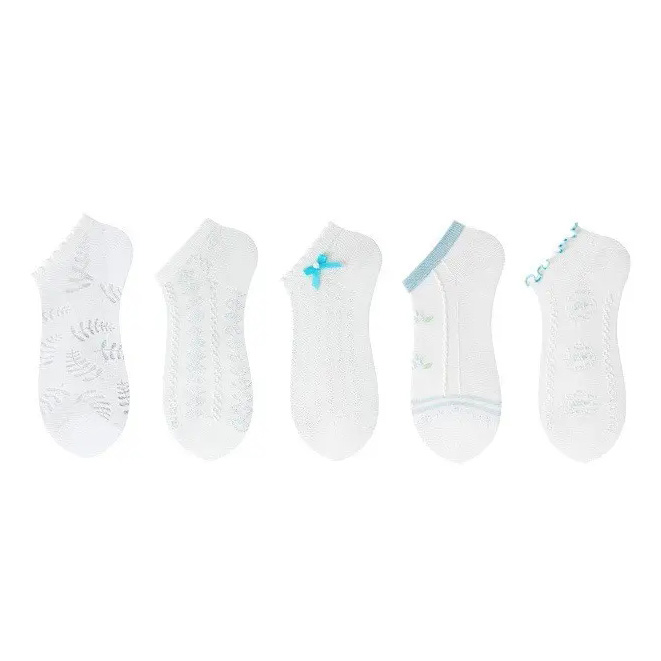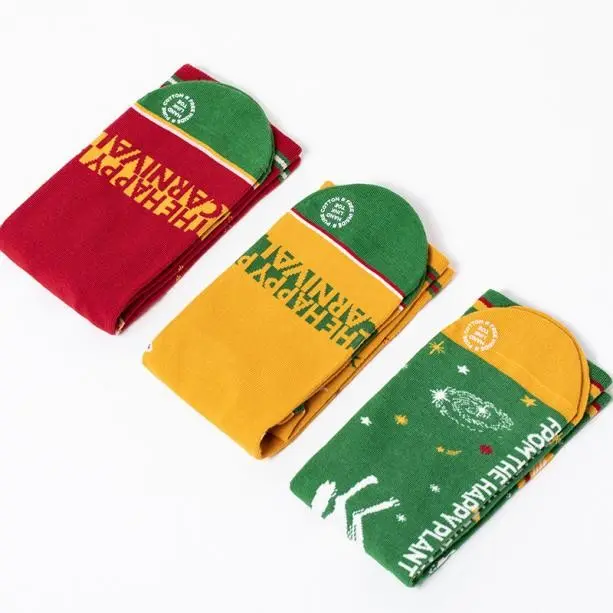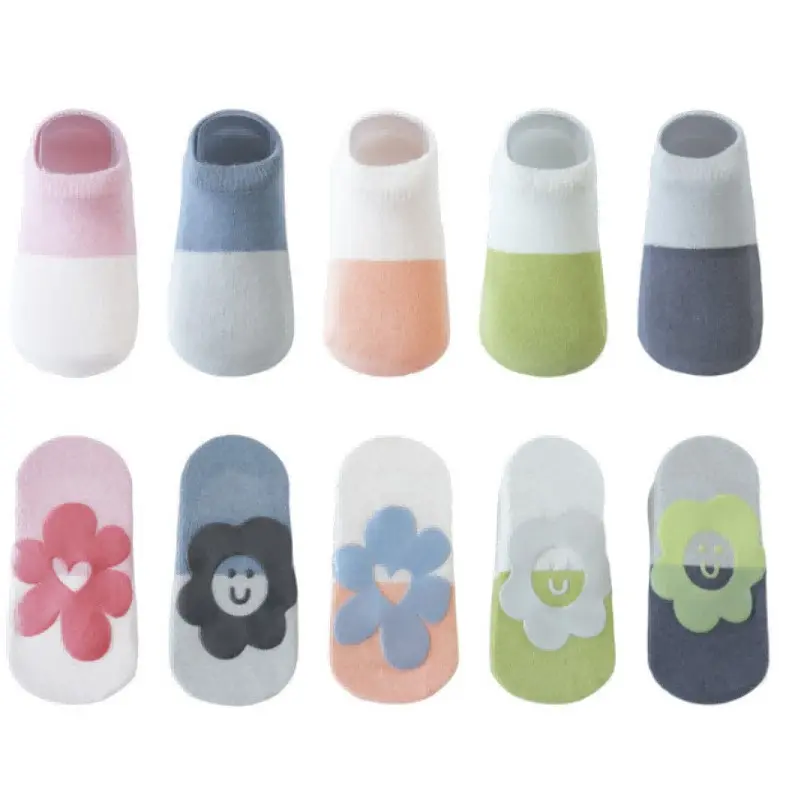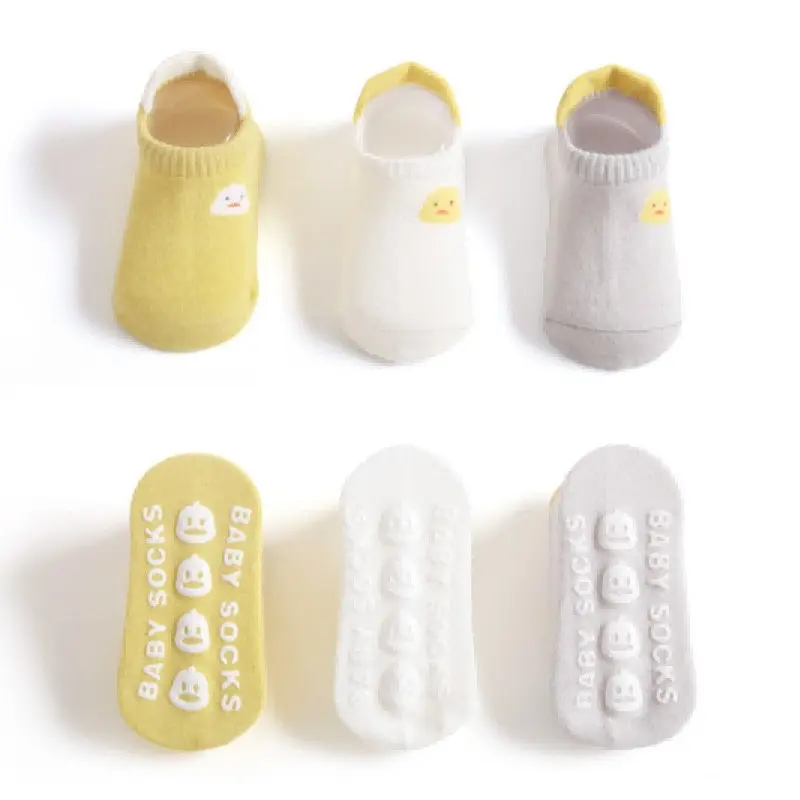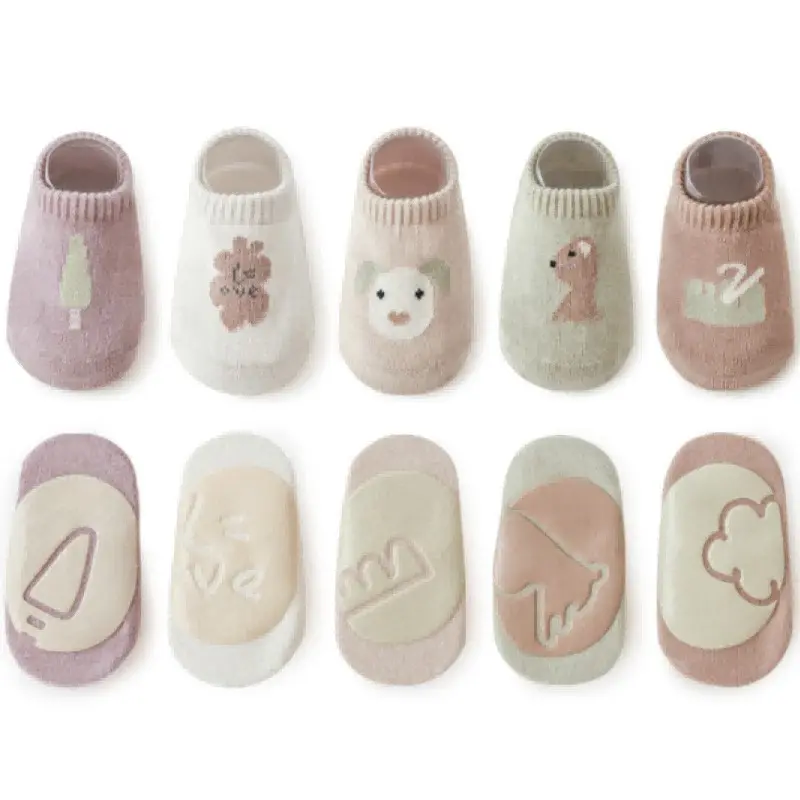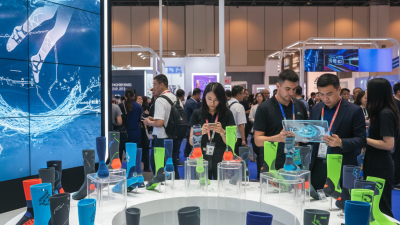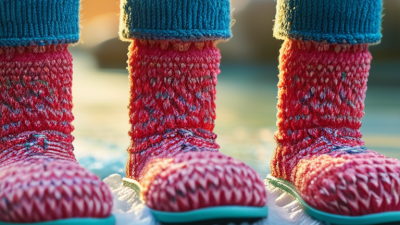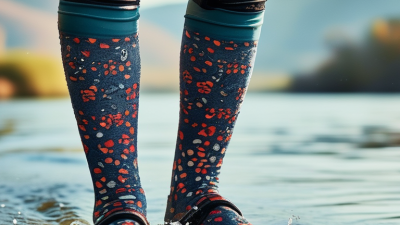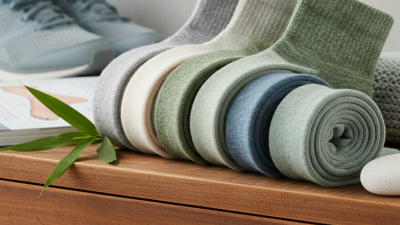
Cold water can turn an enjoyable swim into a painful test within minutes. Water Sports Socks help reduce heat loss, protect skin, and improve comfort across slippery surfaces. They can also limit blisters when fins rub the heel or ankle.
Rowan Ellis, a sports podiatrist and surf-gear consultant, says, “Warmth matters, but a secure fit matters first; loose neoprene quickly becomes cold, heavy, and distracting.” That advice shapes this guide. The best pair should feel snug without squeezing the toes. It should also stay in place while kicking, paddling, or stepping across rough sand.
Material makes a visible difference. Thin socks suit warm pools and summer snorkeling. Thicker neoprene works better in colder seas, especially when paired with a well-fitted wetsuit. Blind-stitched seams may reduce chafing, while reinforced soles can protect against shells, pebbles, and sharp board edges. Some designs also add textured grips for boat decks or wet rocks.
Still, no pair solves every problem. A warm sock may feel bulky inside a tight fin pocket. A lightweight model may dry faster but offer less insulation. I have found that small fit differences matter more than impressive product claims. This review compares seven Water Sports Socks for swimming and surfing, focusing on warmth, flexibility, grip, durability, and real-world comfort. The right choice depends on your water temperature, footwear, and tolerance for cold. Check the fit carefully. Your feet will notice.
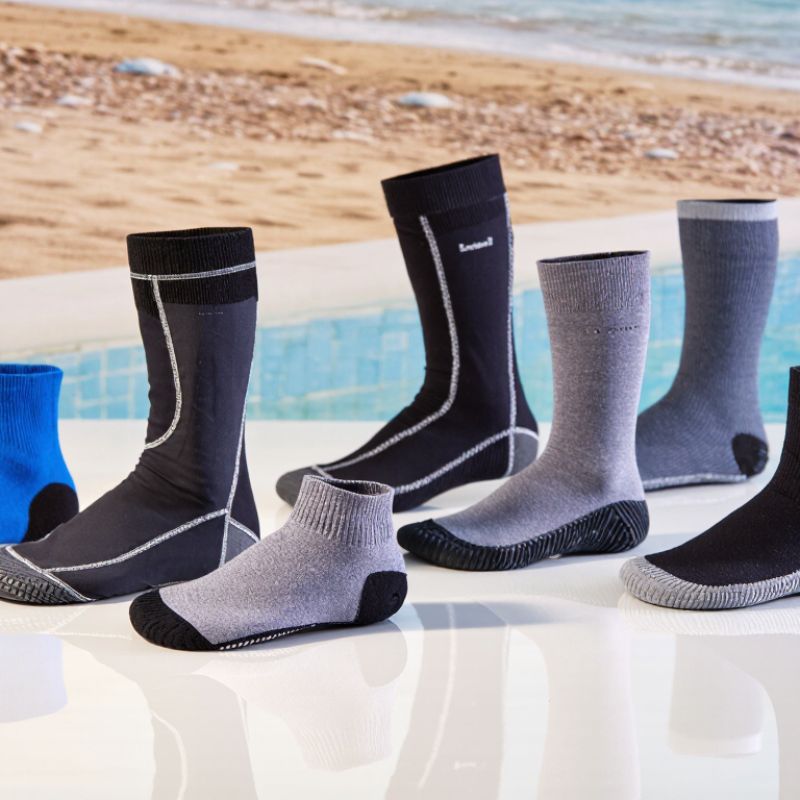
Water sports socks are thin protective layers for swimming, surfing, paddleboarding, and rocky shore entry. They usually combine quick-drying fabric, stretch, and grippy soles. The right pair reduces rubbing from fins, sand, and board surfaces. It can also soften contact with sharp stones or hot pavement.
On a rocky shoreline, that small barrier matters. I have found that wet fabric can bunch under the heel, creating more friction instead of less. Fit is therefore critical. Socks should hold the arch gently, dry without feeling heavy, and leave enough toe room. Bare feet still feel the environment. That is not a design failure; it is useful feedback.
The Outdoor Industry Association’s 2024 Participation Trends Report recorded 175.8 million U.S. outdoor participants in 2023. More people are entering varied water environments, often with limited experience. The World Health Organization’s 2024 drowning report estimates over 300,000 drowning deaths worldwide each year. Socks cannot prevent drowning. They are not flotation equipment. However, better traction may reduce slips during entry and exit, where awkward movement can quickly become dangerous. Choose soles suited to the surface, sealed seams for sensitive skin, and insulation matched to the water temperature. A thicker sock may feel safer, yet it can reduce board control. Test movement before committing to a long session.
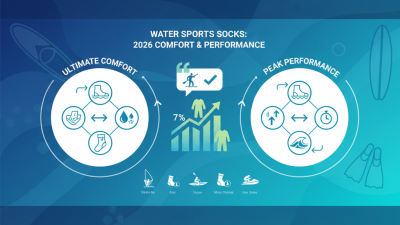
7 Best Water Sports Socks for Swimming and Surfing
Key Features to Compare in Water Sports Socks
Water sports socks should match the activity, water temperature, and ground surface. The Outdoor Foundation’s 2024 Outdoor Participation Trends Report recorded 175.8 million American participants in outdoor recreation during 2023. More participation means more varied footwear needs. A thin swim sock may suit a pool, but rocky shorelines demand stronger protection.
Compare fabric, thickness, grip, seams, and drainage. Neoprene improves warmth, while nylon and spandex usually provide stretch and a closer fit. Look for flat seams around the toes and heel. These details can reduce rubbing during repeated kicking. Rubberized soles should bend naturally, but they must still resist sharp stones. A loose ankle opening can trap sand. That feels minor at first. It becomes irritating quickly.
Tips: Check the size with wet hands, because water makes adjustment harder. Test the sock with your fins before surfing. Your toes should move slightly, not slide. Inspect the sole after every session. Small cuts can grow. The World Health Organization reports about 236,000 annual drowning deaths worldwide, so socks must never replace supervision, flotation equipment, or swimming skills. I also question very thick designs for warm water; they may feel protective but can reduce board sensitivity. My practical preference is simple: secure fit, fast drying, and enough sole protection for the route.
Seven Top Water Sports Socks for Swimming and Surfing should balance grip, warmth, drainage, and foot protection. The Outdoor Foundation’s 2024 Outdoor Participation Trends Report recorded 175.8 million U.S. outdoor participants in 2023. More people are entering rivers, beaches, and surf zones, where sharp shells, hot sand, and slippery rocks create practical risks. Fit matters. Cold changes everything.
For warm-water swimming, thin silicone-grip socks offer light protection and quick drying. Low-profile neoprene socks suit pool training and reduce rubbing inside fins. Two-millimeter neoprene works well for mild surf, while three-millimeter thermal socks support colder sessions. Split-toe socks can improve balance on a board, though some users dislike the tight separation. Reef socks provide firmer soles for rocky entries, but they may feel stiff during swimming. Fin socks are useful for repeated snorkeling because they reduce heel friction. UV-resistant beach socks protect against hot sand and may help during long shore sessions. The U.S. Consumer Product Safety Commission continues to identify drowning as a serious recreational hazard, so socks should never be treated as safety equipment. They improve comfort, not buoyancy. Check seams, toe space, and drainage after every session. I would also question impressive thickness claims; bulky socks can make fins fit poorly and restrict ankle movement.
The chart compares common water-sports sock designs by typical neoprene thickness. Thicker socks generally provide more warmth and cushioning, while thinner designs offer better flexibility and a closer barefoot feel. Actual performance depends on fit, seam construction, water temperature, and activity.
Choosing the right water sock depends on movement, temperature, and the surface underfoot.
For pool swimming, choose thin textile or silicone-grip socks that drain quickly. For surfing, 3–5 mm neoprene socks provide warmth and board contact. Reef socks suit snorkeling and rocky beaches, while lightweight aqua socks work for paddleboarding.
Cold-water kayaking needs thicker thermal neoprene. Canyoning calls for reinforced soles and ankle support. Beach training usually benefits from flexible, quick-drying fabric.
That gives seven practical options for different water activities.
The World Health Organization’s 2024 drowning fact sheet estimates 236,000 drowning deaths worldwide each year.
Socks cannot prevent drowning, but better fit can reduce slips, blisters, and cold-related discomfort. Measure your foot carefully, then check the manufacturer’s sizing chart.
A loose heel creates folds and friction. A tight toe box can restrict balance. Test the socks with your activity footwear, not barefoot.
I once favored thicker socks for warmth.
They felt secure on shore but reduced board sensitivity during turns. That trade-off matters. For surfing, grip and flexibility may matter more than maximum insulation.
For long swims, seam placement becomes important. Flat seams feel less irritating against wet skin.
Look for secure cuffs, fast drainage, and materials that remain flexible after repeated saltwater exposure. Replace socks when the sole becomes smooth or the fabric loses recovery.
Water sports socks work best when worn snugly, not tightly. A loose heel can fold inside a fin or rub against wet skin. A tight cuff may leave red marks after only twenty minutes. Choose a size that keeps the heel seated and the toes relaxed. Pull the sock over dry skin before entering the water. This reduces twisting and trapped sand. The Outdoor Industry Association’s 2024 participation report recorded 175.8 million American outdoor participants in 2023, showing how many people rely on gear across changing conditions. Yet participation does not guarantee proper care.
Rinse socks immediately with clean, cool water after swimming or surfing. Salt, chlorine, and fine sand can weaken fibers and irritate skin. Turn the socks inside out, then wash them gently according to the care label. Avoid bleach, fabric softener, and high heat. Heat can damage elastic threads and shrink some materials. Press out water with a towel instead of twisting the fabric. Air-dry them fully in a shaded, ventilated place. The World Health Organization reports about 236,000 drowning deaths each year, so socks should never replace flotation equipment, supervision, or basic water safety. That point is easy to forget.
Tips: Check the seams before every session. Remove sand from the sole with running water. Store socks completely dry, never in a sealed wet bag. Replace them when the fabric becomes thin, stretched, or slippery. I would also inspect the fit after washing; repeated drying can change it slightly, and that detail is often missed.
| Water Sports Sock Type | Best Use | Typical Construction | Main Benefits | How to Wear | Cleaning Method | Maintenance Tips |
|---|---|---|---|---|---|---|
| Neoprene Water Socks | Cold-water swimming, surfing, kayaking, and paddleboarding | Neoprene foam with a nylon or polyester lining; commonly available in different thicknesses | Insulation, abrasion protection, and improved comfort inside fins or water shoes | Put them on over dry feet, smooth out wrinkles, and place the wetsuit leg over the upper cuff | Rinse thoroughly with fresh water after every use; occasionally wash with mild soap | Air-dry in shade with the openings fully extended; keep away from direct heat and sharp surfaces |
| Split-Toe Neoprene Socks | Surfing, snorkeling, and activities requiring a secure stance | Flexible neoprene separated between the big toe and remaining toes | Better board control, reduced foot movement, and useful warmth in cool water | Align the toe divider carefully; avoid pulling hard on the individual toe section | Flush with clean water and hand-wash when needed; do not use bleach or fabric softener | Dry flat or hang from a wide opening; inspect the toe divider for stretching or seams coming loose |
| High-Cuff Swim Socks | Open-water swimming, triathlon training, and wetsuit use | Stretch fabric or thin neoprene extending above the ankle | Helps reduce rubbing at the ankle and creates a smoother overlap with a wetsuit | Position the cuff flat under or over the wetsuit leg according to the wetsuit design | Rinse after every session and gently squeeze out water without twisting the fabric | Do not roll the cuff tightly for storage; rolling can permanently stress the elastic fibers |
| Low-Cut Aquatic Socks | Warm-water swimming, pool workouts, and casual water activities | Lightweight stretch textile, usually with a close-fitting ankle opening | Light foot coverage, reduced rubbing, and quick drying compared with thicker neoprene socks | Pull evenly over the heel and check that the ankle opening does not fold inward | Rinse chlorine or salt from the fabric; use cool water and mild detergent for regular washing | Avoid tumble-drying unless the care label allows it; heat may weaken stretch fibers |
| Non-Slip Water Socks | Pool decks, paddleboards, water parks, and slippery boat surfaces | Stretch textile upper with rubberized or silicone grip elements on the sole | Improves traction on suitable wet surfaces and protects the soles from minor abrasion | Ensure the grip pattern sits flat under the foot; remove sand before putting them on | Rinse sand, salt, and chlorine away immediately; hand-wash to protect the sole coating | Do not use them as a substitute for certified safety footwear; check grip areas for peeling |
| Reef and Beach Protection Socks | Rocky beaches, reef walking, snorkeling, and shore entry | Durable synthetic upper with a reinforced or textured sole | Helps shield feet from rough surfaces, small stones, and minor scrapes | Wear them snugly without excess material around the toes; check for trapped grit | Rinse inside and outside with fresh water, then remove sand from seams and sole channels | Inspect for cuts after walking on rocks; replace them when the sole becomes thin or damaged |
| Fin Socks | Snorkeling, scuba diving, and swimming with open-heel fins | Thin stretch fabric or thin neoprene designed to fit inside fin foot pockets | Reduces blisters, improves comfort, and helps prevent direct contact with fin straps | Put socks on before adjusting fins; confirm that the fin pocket is snug but not restrictive | Rinse thoroughly after saltwater or pool use and hand-wash with mild detergent when necessary | Keep toenails trimmed, store dry, and avoid overstretching the heel while pulling them on |
Care note: Always follow the product care label. Fresh-water rinsing is important after exposure to saltwater or chlorine, and water sports socks should be dried completely before storage to help reduce odor, mildew, and material deterioration.