 Trampoline Socks
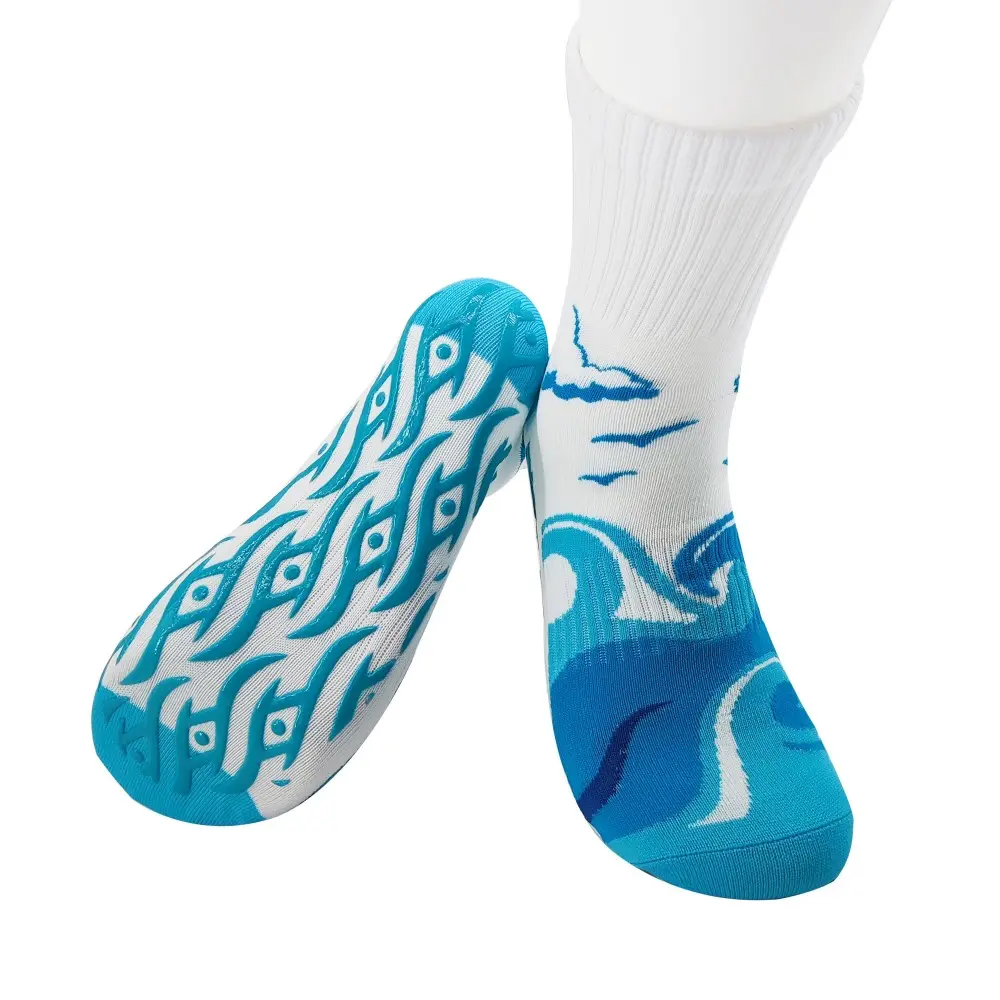 Aqua Park Socks
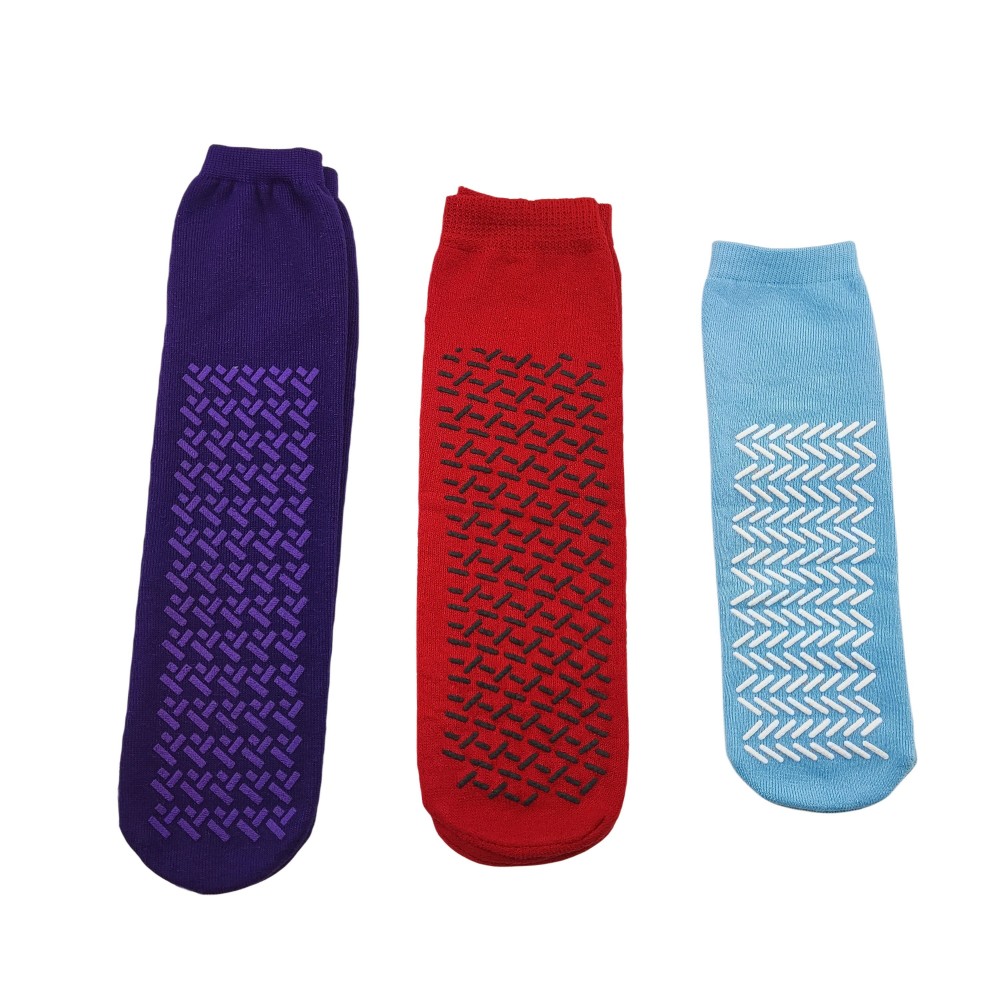
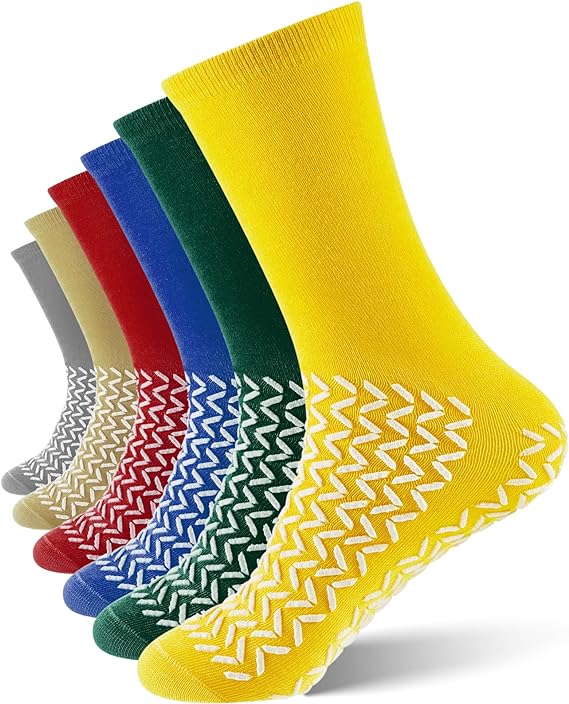
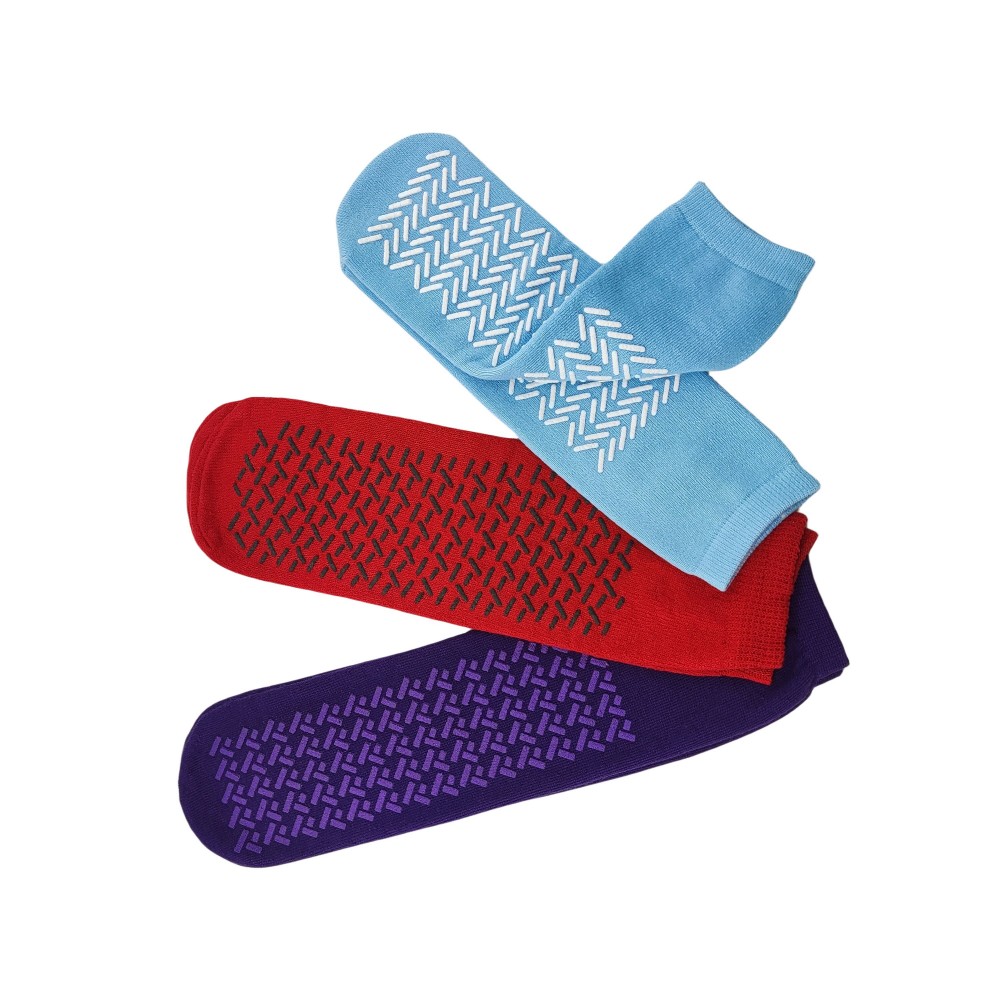
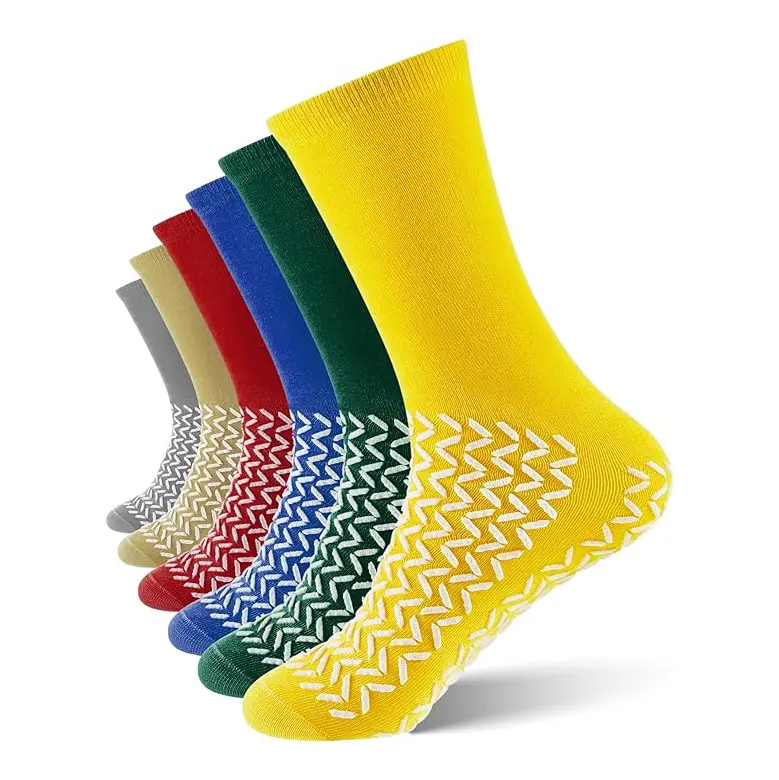 Hospital Slipper Socks
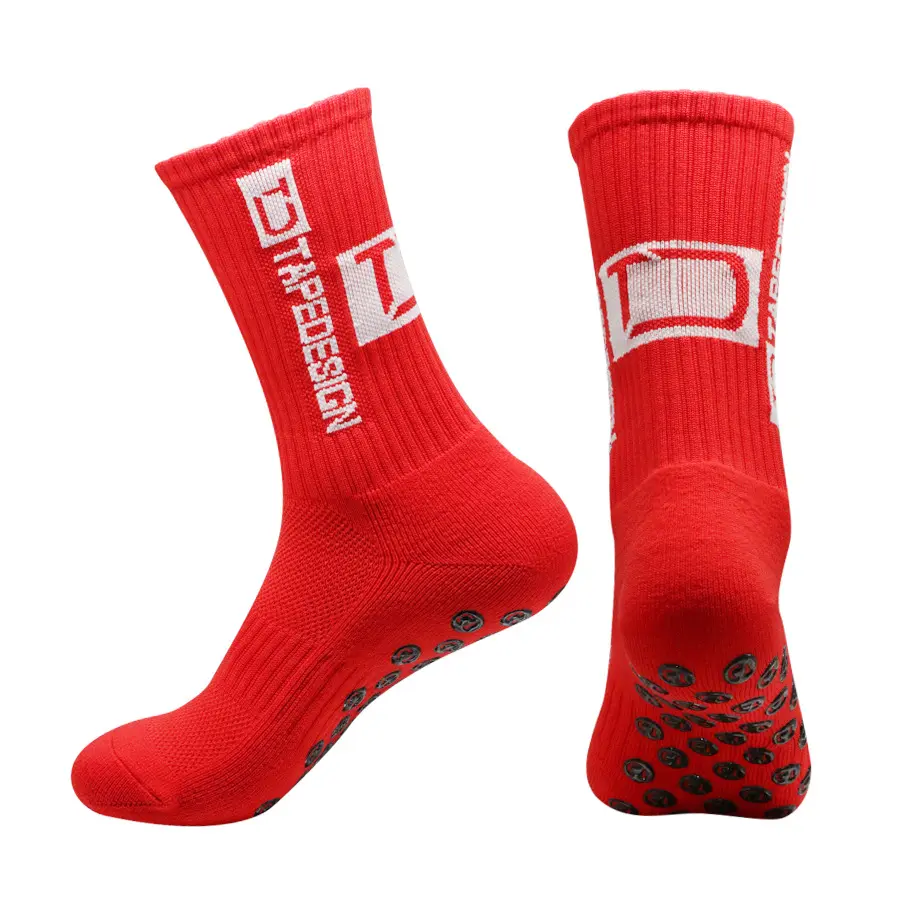 Grip Football Socks
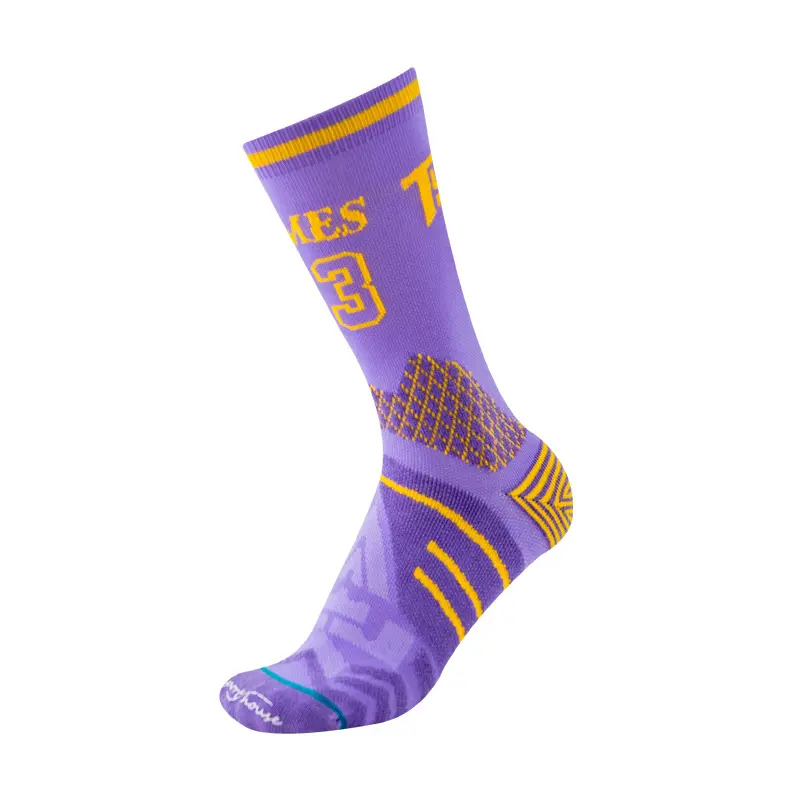 Basketball Socks
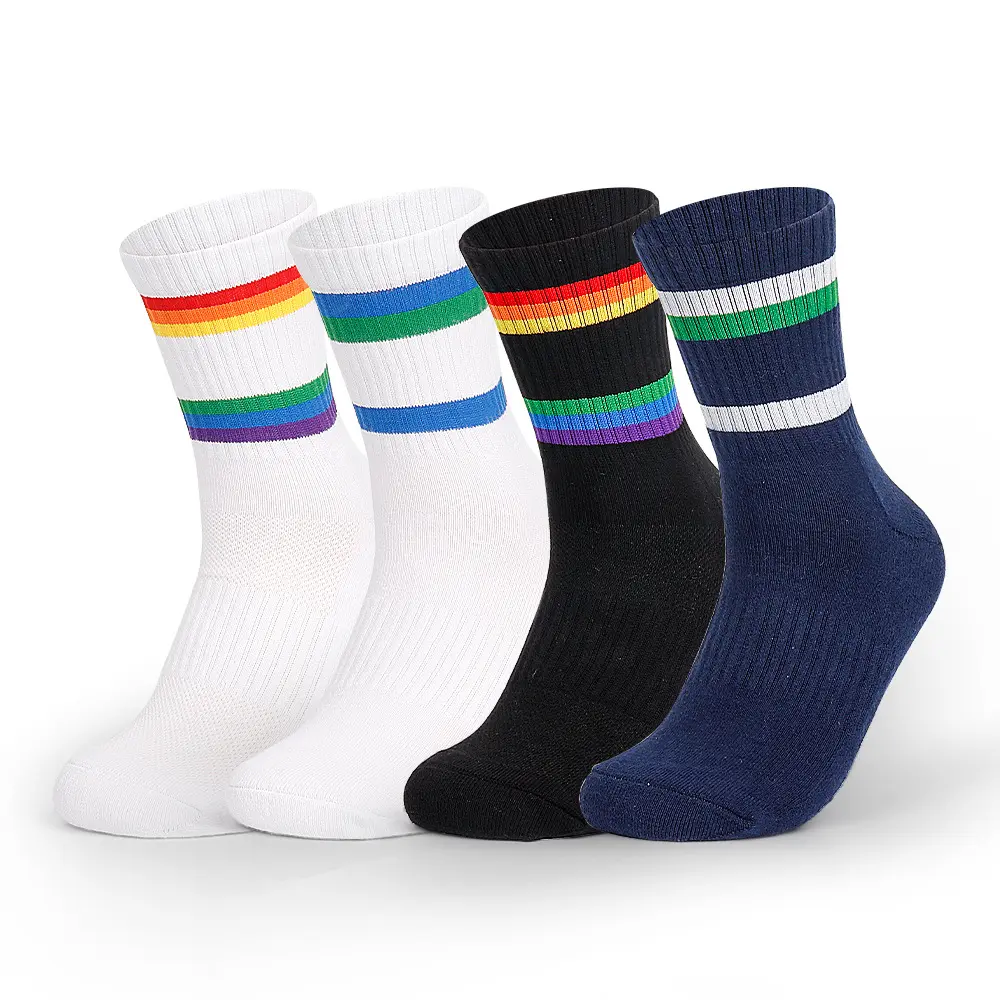 Badminton Socks
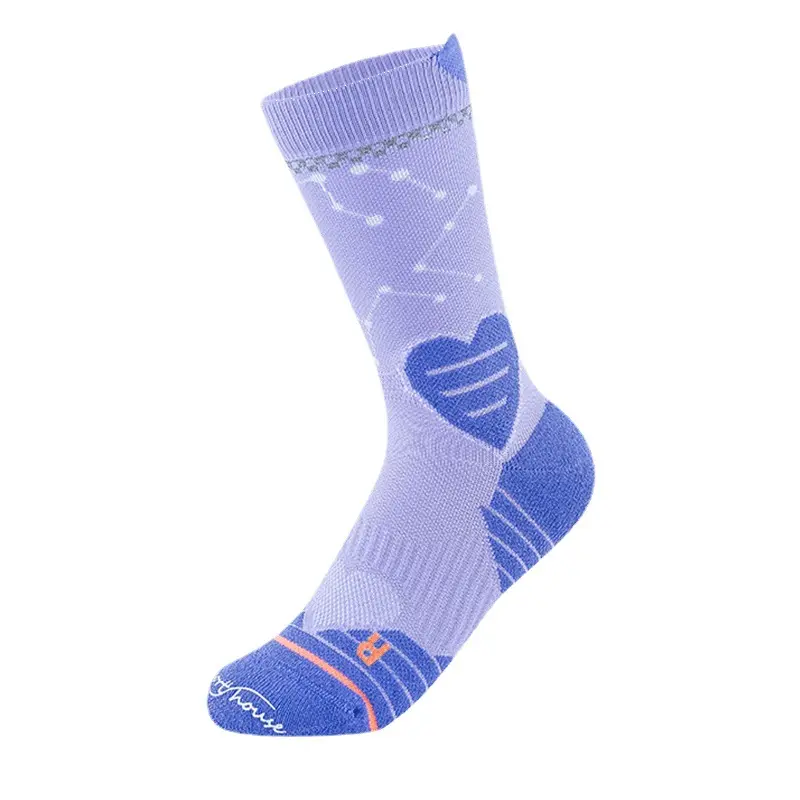 Cycling Socks
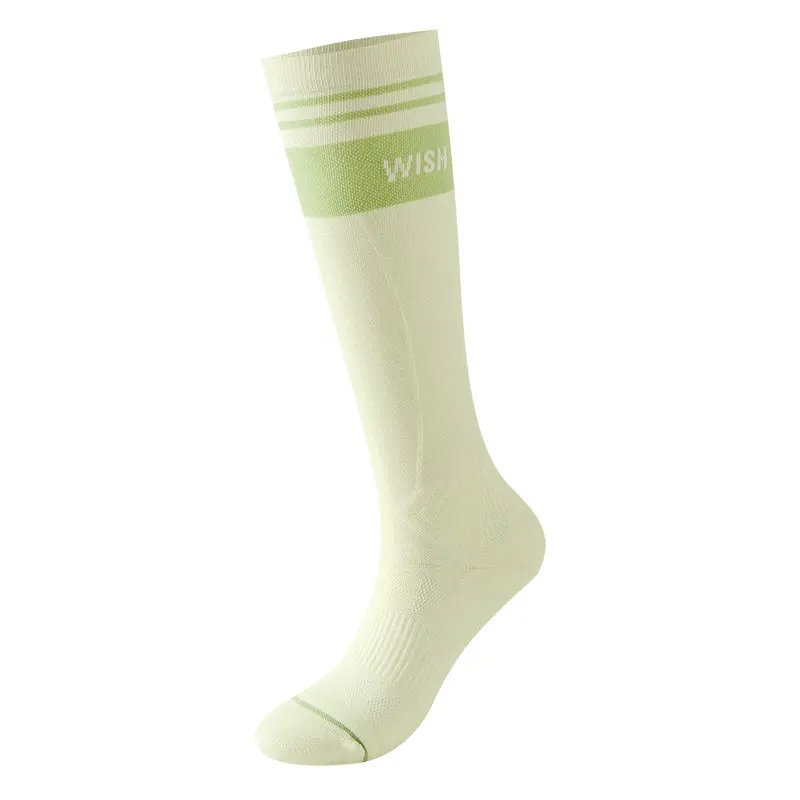 Running Socks
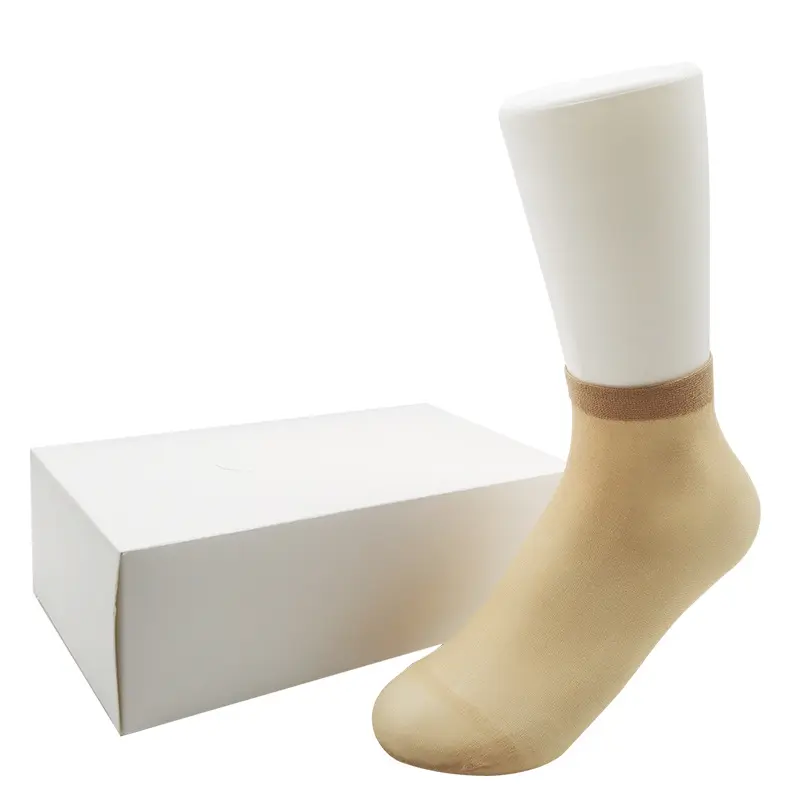 Disposable Socks Bowling Alley Socks
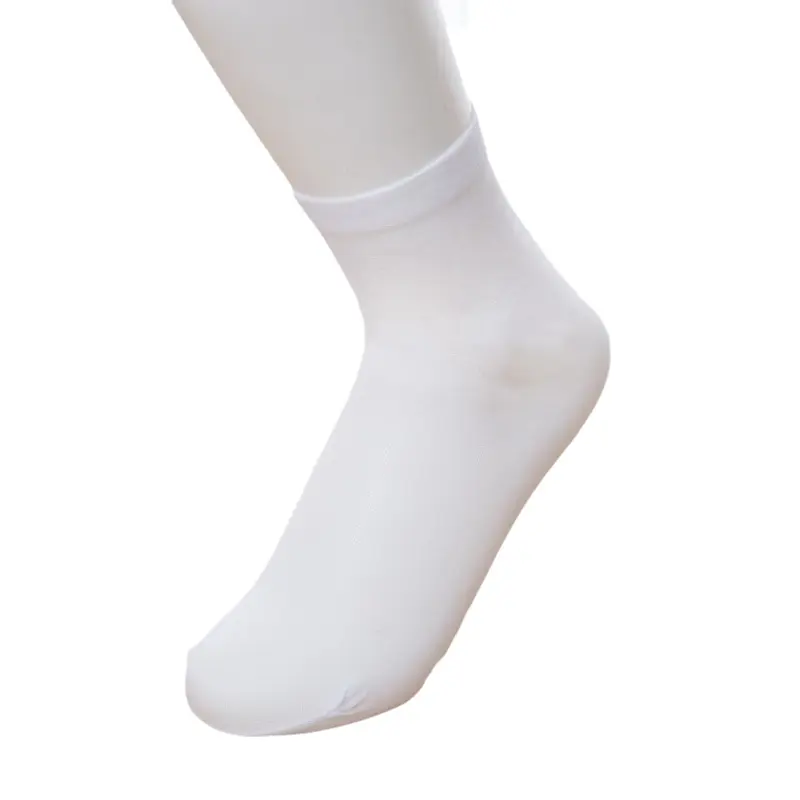 Disposable socks
 Warm Colorful Striped Crew Socks for Women
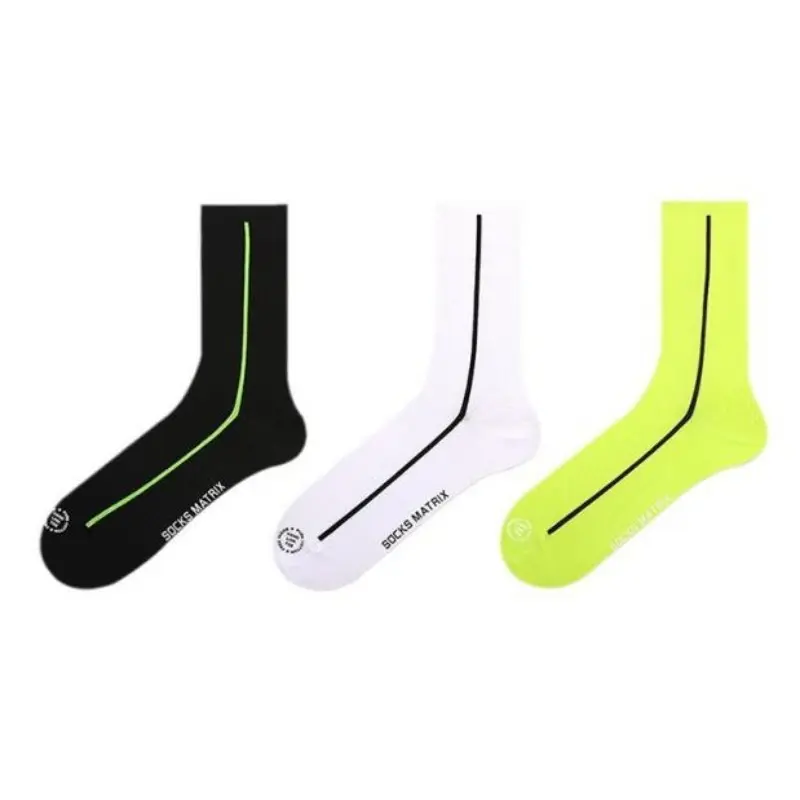 Custom Unisex Crew Socks Breathable Socks
 Digital Printing Vintage Crew Socks
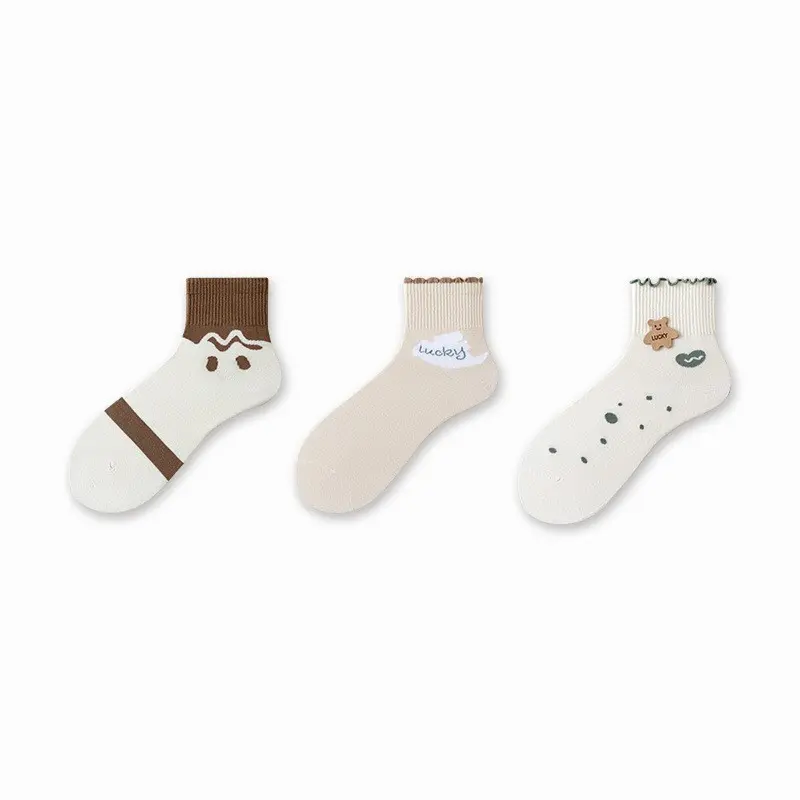 Animal Fuzzy Cartoon Crew Socks for Women
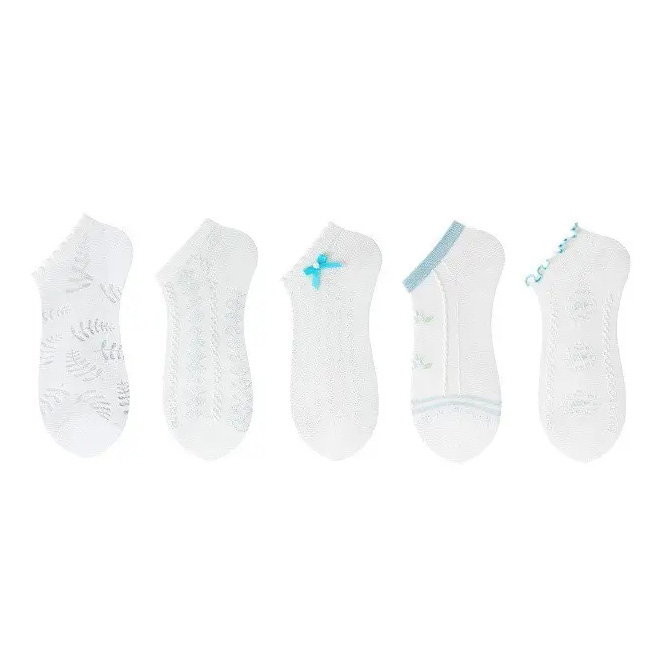 Cotton Flower Ankle Socks Low Cut Socks
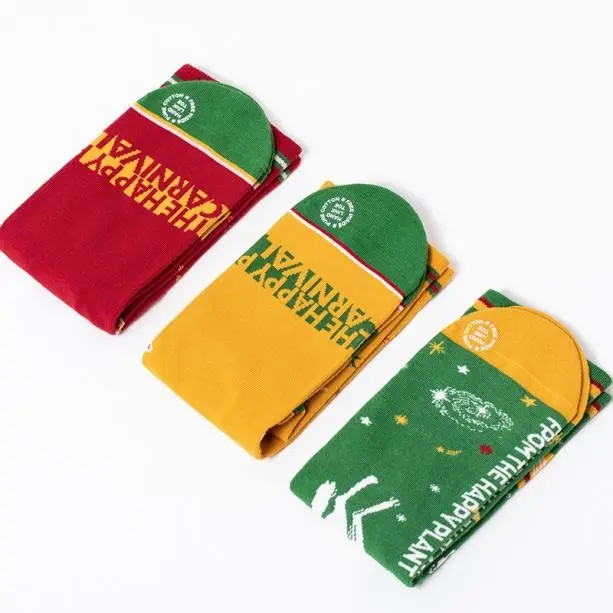 Thick Christmas Festival Crew Socks
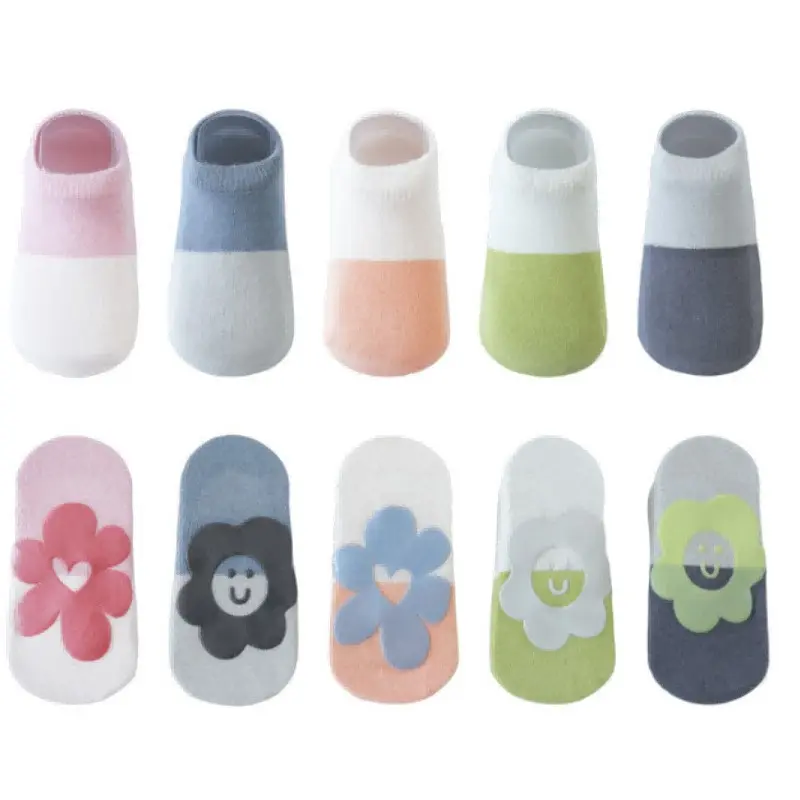 Cotton Cute Anti Slip Baby Ankle Socks with Cartoon
 Colorful Soft Baby Socks Anti-slip
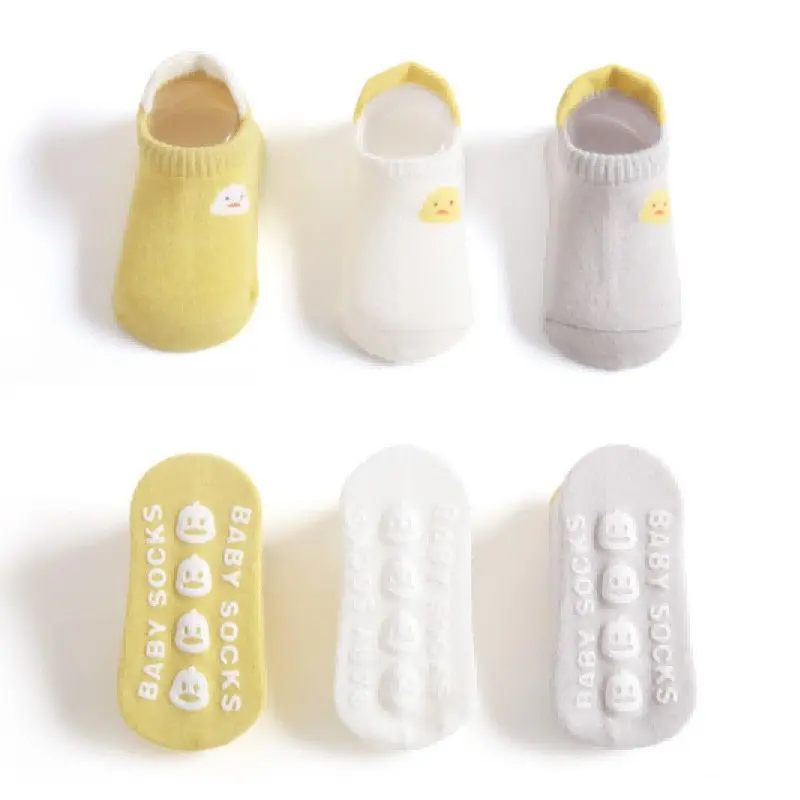 Non Slip Soft Ankle Baby Toddlers Socks
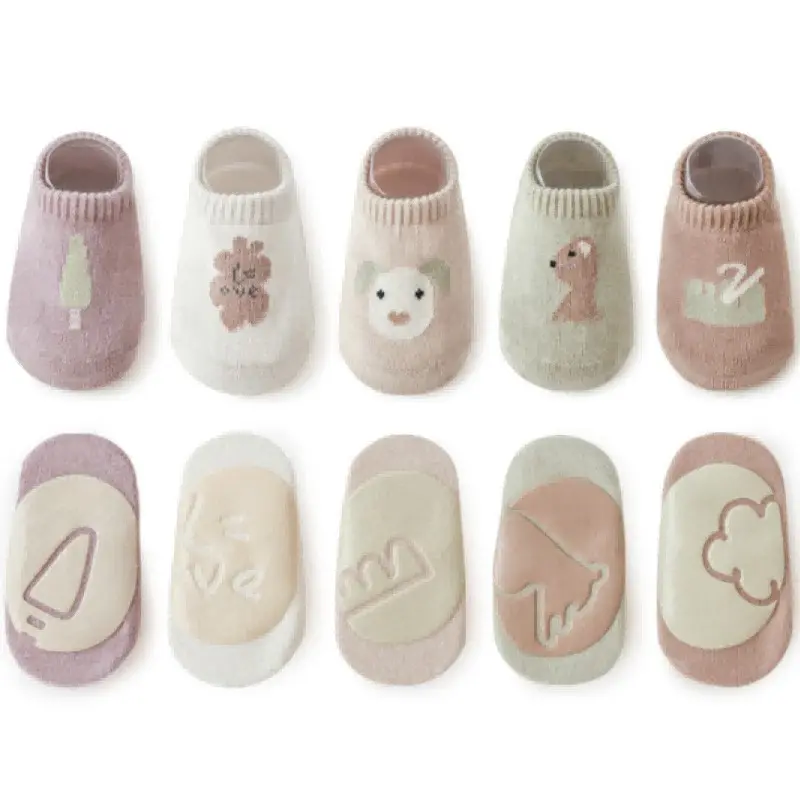 Cartoon Baby Socks With Grips Crew Walking Socks
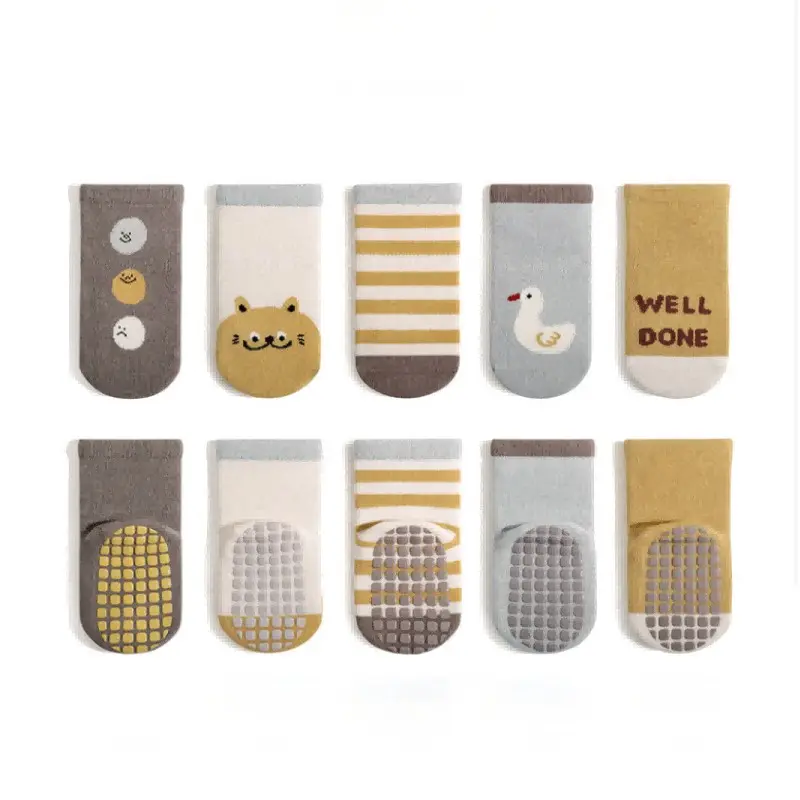 Baby Socks Floor Grip Mid-tube Socks with Cartoon


Necessity and popularity of medical anti-slip socks worldwide
I. The Global Necessity of Medical Anti-Slip Socks
The Core Value of Reducing Fall Risk
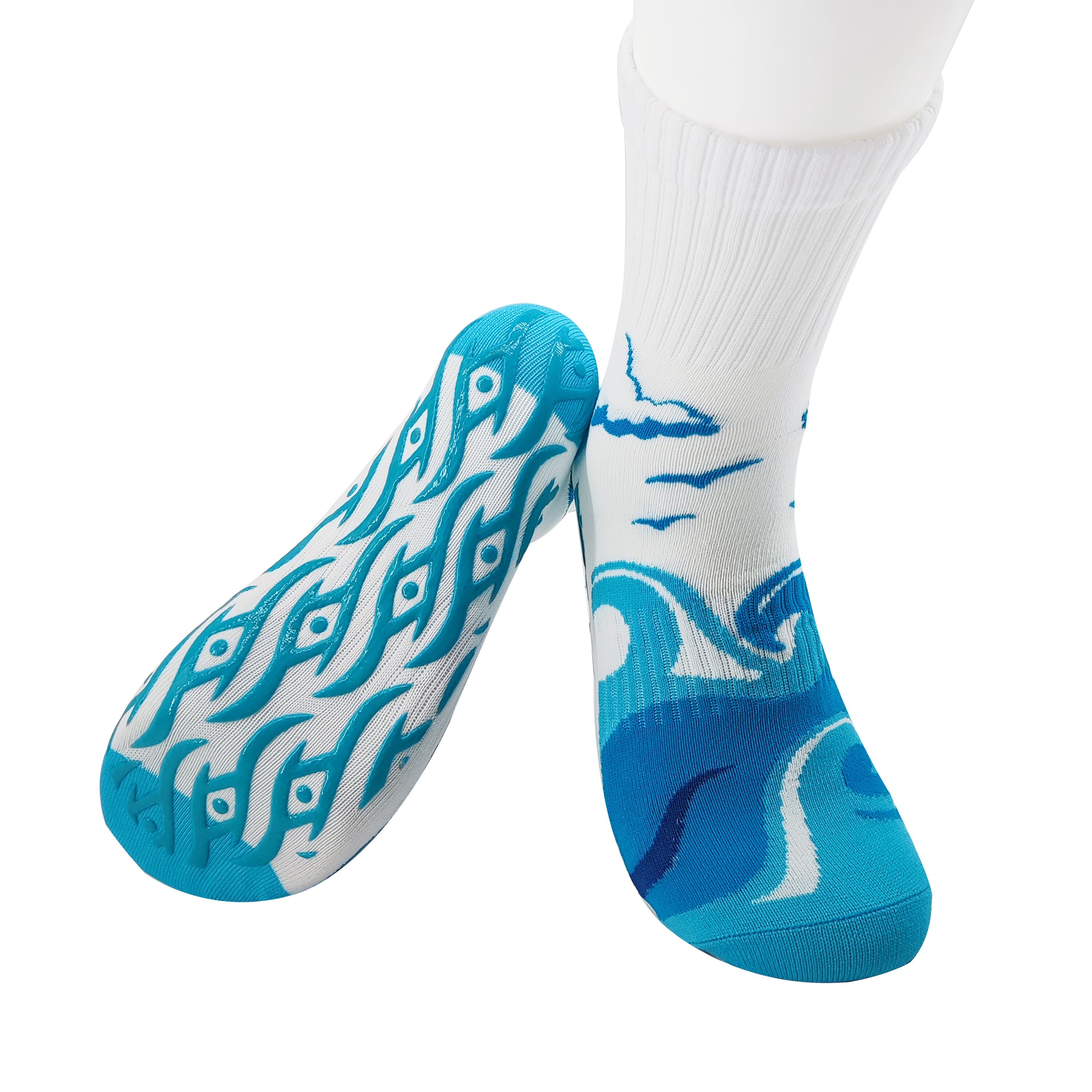
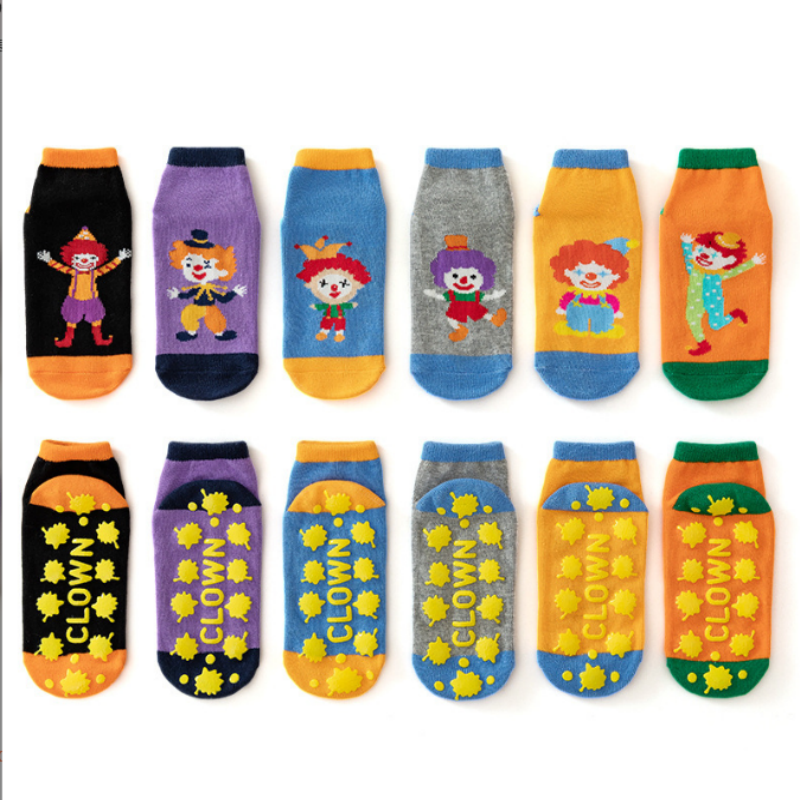
Medical environments (such as operating rooms, wards, and corridors) often contain residual liquids or slippery surfaces, placing medical staff, postoperative patients, and the elderly at high risk of falls. Anti-slip socks, with their special silicone/rubber particle lining, increase the coefficient of friction by over 30% (data source: ISO 20347 anti-slip test standard), significantly reducing slip accidents.
An Essential Tool for Patient Safety
The mortality rate from falls increases by 50% in elderly patients due to muscle weakness and medication effects (WHO statistics). Anti-slip socks provide safety for unassisted walking and reduce hospital liability. Postoperative patients require early mobilization during recovery, and their anti-slip function can prevent secondary injuries. The proportion of the population aged 65 and over will reach 16% by 2050 (UN forecast), leading to a surge in demand for anti-slip socks in nursing homes and home care settings.
II. Global Differences in the Global Penetration of Medical Anti-slip Socks
Global penetration rates show a "ladder-like" distribution, strongly correlated with economic levels and medical standards:
North America and Western Europe: Penetration rates in medical institutions exceed 80%, driven by stringent regulations (such as the US ANSI/ASTM F2913 anti-slip standard) and high medical litigation costs (median compensation for a single fall is $100,000). Penetration rates in home care settings reach 35%, making them standard equipment for the elderly.
In developed East Asia: Coverage rates in hospitals in Japan and South Korea are 60%-70%, while coverage in China's tertiary hospitals is approximately 45%. In developing countries: Penetration rates in public hospitals are less than 20%.
The global necessity of medical anti-slip socks stems from their irreplaceable safety value, becoming a crucial need, particularly in the context of an aging population and the standardization of medical care. The current penetration rate shows a stepped distribution of "developed regions > East Asia > developing regions", but intelligence and policy dividends will drive rapid penetration in emerging markets. It is estimated that the global medical institution coverage rate will exceed 70% in 2030.