Why Are Hygiene Socks Important for Global Buyers?
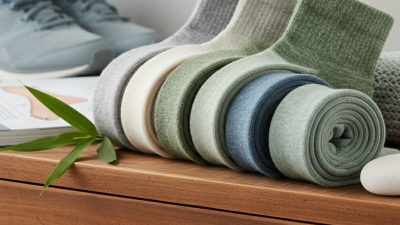
For global buyers, Hygiene Socks are more than a small clothing accessory. They support cleaner handling, greater comfort, and a more consistent customer experience. A fresh pair can matter in hotels, hospitals, airlines, gyms, workwear programs, and retail sampling. The details are visible. Individual wrapping, breathable fibers, reinforced toes, and clear care instructions can influence purchasing decisions.
Textile hygiene consultant Dr. Elena Marquez explains, “Hygiene Socks create trust when their materials, packaging, and care process are clearly documented.” This principle matters across international supply chains. Buyers need reliable specifications, stable sizing, traceable materials, and packaging that protects socks from dust and moisture. Cotton blends may feel familiar, while bamboo, recycled fibers, or technical yarns can offer different comfort and drying performance. Each choice requires testing.
Small details matter.
Still, Hygiene Socks are not automatically hygienic. Their performance depends on manufacturing controls, storage conditions, transport protection, and consumer care. A sealed package may look reassuring, but it cannot replace responsible production. That assumption deserves review. Buyers should request fiber information, product testing, factory quality procedures, and realistic washing guidance before placing large orders. Suppliers should also avoid exaggerated claims, especially when socks are marketed near healthcare settings.
The category is not perfect. Standards and buyer expectations can vary between markets. Yet transparent documentation, practical design, and consistent quality provide a stronger foundation. For global buyers, the real value of Hygiene Socks lies in dependable protection, comfortable use, and confidence that survives beyond the first inspection.
What Hygiene Socks Are and How They Differ from Ordinary Socks
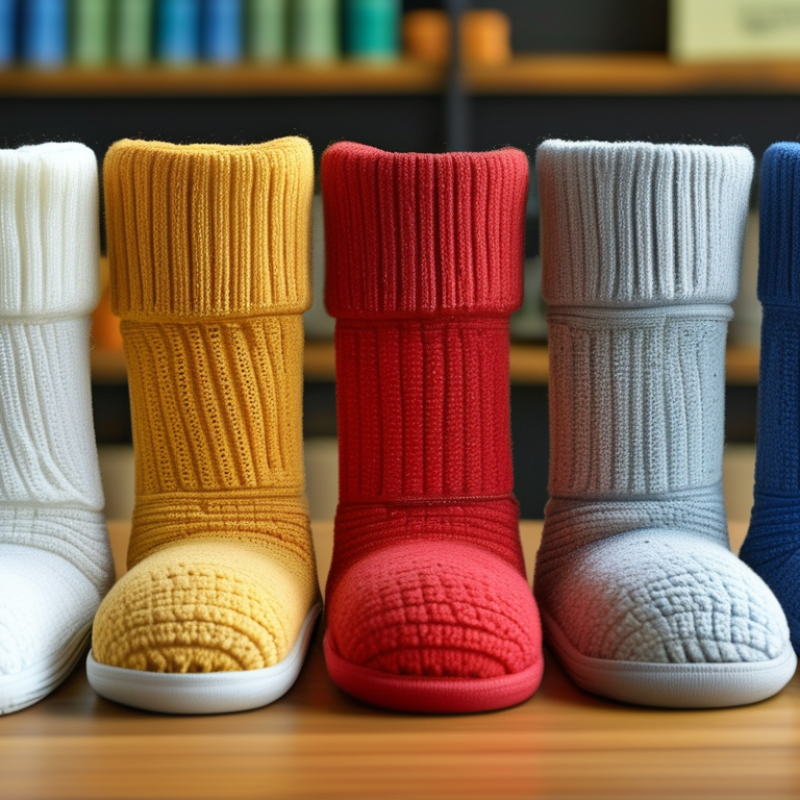
Hygiene socks are designed to provide a clean, controlled layer between feet and shared footwear. They are commonly supplied new, sealed, and ready for immediate use. Some styles use breathable cotton blends, while others use lightweight synthetic fibers that dry quickly. The exact material matters because warmth, moisture, and skin sensitivity vary by user. Packaging may include individual wrapping, batch details, and care information. These details help global buyers check consistency during purchasing.
Ordinary socks are usually personal, reusable garments. They depend on regular washing, complete drying, and proper storage. Hygiene socks focus more on controlled distribution and short-term cleanliness. However, “hygienic” does not mean sterile. This distinction is easy to miss. A sealed sock can still be mishandled after opening. Buyers should also examine seam quality, elastic pressure, odor, and fabric shedding. A practical sample test can reveal problems that a product sheet will not show. One sample is not enough.
Tips:
Ask suppliers about material composition, packaging conditions, size tolerance, and quality inspections. Request samples from different production batches when possible. Check whether labels remain readable after transport and storage. Keep moisture away from cartons during shipping. Buyers should avoid judging softness alone. A very soft sock may lack durability, while a firm sock may feel uncomfortable during extended wear. Requirements also differ between markets, so product claims should be checked against current local standards.
How Hygiene Socks Help Reduce Odor, Moisture, and Microbial Growth
For global buyers, hygiene socks are more than a comfort accessory.
Their value begins with controlling the conditions that create foot odor. Feet release sweat inside warm, enclosed footwear. If fabric holds that moisture, bacteria can multiply and produce unpleasant smells. Well-designed hygiene socks use breathable fibers, quick-drying yarns, and ventilation zones. These features help move sweat away from the skin. Drier skin usually means less odor and a cleaner daily wearing experience.
Small details matter.
Some socks also contain antimicrobial fibers or treatments. These can slow the growth of odor-related microbes on the fabric surface. They do not sterilize the feet, and their effect may decline after repeated washing. That limitation should be stated clearly. Buyers should request material details, test methods, wash-care instructions, and performance data from suppliers. Independent testing is more useful than vague claims.
A pleasant first impression is not enough. Consistent results matter.
In practical use, users should change socks after heavy activity and dry shoes fully. Washing socks thoroughly also remains essential. Hygiene design cannot replace basic foot care. Thicker socks may feel comfortable, yet they can retain moisture longer in humid climates. This trade-off is easy to overlook. Global buyers should assess climate, shoe type, drying conditions, and customer habits before selecting products.
No sock solves every odor problem. Better moisture management can still reduce the problem at its source.
Why Hygiene Socks Matter Across Different Global Markets
Hygiene socks matter differently across global markets because climate, customer habits, and product use can change widely. In humid regions, breathable fibers and moisture control help reduce discomfort during long wear. In colder markets, buyers may prefer thicker knitting and soft insulation. Small details matter.
From my experience reviewing textile products, individual packaging can protect socks during shipping, storage, and retail handling. Clean packaging also gives buyers visible confidence before opening the product. Hospitality businesses may need compact socks for guests, while clinics and wellness centers often value consistent sizing and easy distribution. Buyers should also check stitching, stretch recovery, and fiber labels. These details reveal more than attractive product photos.
Market expectations are not identical. Some customers prioritize recyclable packaging, while others focus on low cost or local sizing. Regional textile and labeling requirements must be checked carefully before purchasing. A reliable supplier should provide material information, size data, production records, and sample testing. Still, hygiene socks are not a perfect solution for every setting. Poor ventilation, unsuitable sizes, or weak packaging can reduce their value. Buyers may need to revise their assumptions after testing products in real conditions, such as a humid warehouse or a busy hotel laundry area.
Which Materials and Treatments Make Hygiene Socks More Effective
For global buyers, hygiene socks depend on both fiber selection and finishing treatment.
Textile Exchange’s 2024 Materials Market Report recorded 124 million tonnes of global fiber production in 2023.
Polyester represented about 57 percent.
Its strength and quick-drying performance suit long shifts, travel, and humid climates.
However, polyester alone does not control odor. Merino wool can absorb moisture vapor while regulating foot temperature.
Cotton feels soft, but it dries slowly after heavy sweating. Nylon adds abrasion resistance around the heel and toe.
Blended constructions often perform better than single-fiber designs.
A practical pair may use moisture-managing yarns, reinforced zones, and breathable mesh near the instep.
Treatments need careful verification.
Antimicrobial finishes can reduce bacterial growth, but performance varies after repeated washing.
AATCC TM100 provides quantitative antibacterial testing, while ISO 20743 evaluates antibacterial activity in textile products.
Buyers should request test conditions, wash-cycle results, and chemical safety documentation.
“Odor-free” is too broad without evidence.
Some silver-based treatments may work well, yet they can increase cost and raise disposal questions.
No treatment solves every problem.
We have seen socks pass laboratory tests but feel too warm during real warehouse use.
Field trials, skin-comfort checks, and clear care instructions still matter.
What Global Buyers Should Check Before Sourcing Hygiene Socks
Why Are Hygiene Socks Important for Global Buyers?
What Global Buyers Should Check Before Sourcing Hygiene Socks
Global buyers should define the product’s purpose before comparing prices. Hygiene socks may serve hotels, spas, travel kits, or controlled workplace areas. Each use requires different materials, thickness, sizing, and packaging. A soft cotton blend may suit guest comfort, while a lightweight nonwoven fabric may reduce bulk. The product should never be judged by appearance alone.
Request samples from the exact production line, not only showroom samples. Check stitching, elastic recovery, loose fibers, odor, and moisture resistance. Place one pair on a real foot and walk for several minutes. Small defects become obvious then. Also review material specifications, colorfastness results, and relevant safety documentation. Requirements can differ between destination markets, so buyers should confirm them with qualified local professionals.
Factory reliability matters as much as product quality. Ask for batch records, packaging controls, inspection procedures, and traceability information. Confirm whether each pair is individually sealed and whether cartons protect products during long shipping. Check minimum order quantities, lead times, replacement policies, and production capacity during peak seasons. A low quotation may hide weaker packaging or inconsistent sizing. That is easy to overlook. One practical mistake is approving a sample without testing a full size range. Larger and smaller sizes can reveal stretching problems that the middle size conceals. Clear purchase specifications, dated approvals, and independent inspections can reduce these risks.
Moisture regain indicates how much moisture a fiber absorbs under standard atmospheric conditions.
Before sourcing hygiene socks, global buyers should compare fiber performance, drying behavior,
skin-contact safety, colorfastness, dimensional stability, and test documentation. Higher moisture
regain can improve comfort, but it may also require careful drying and antimicrobial-control evaluation.

 Trampoline Socks
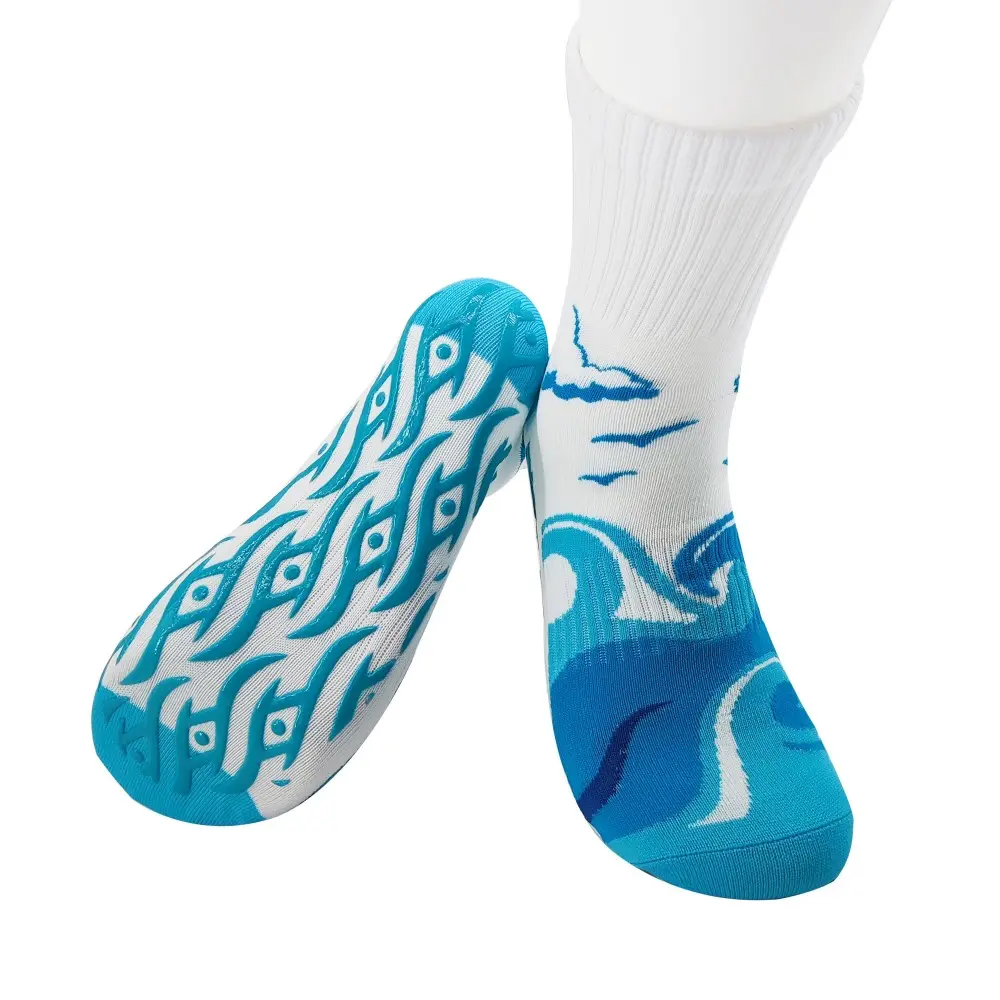 Aqua Park Socks
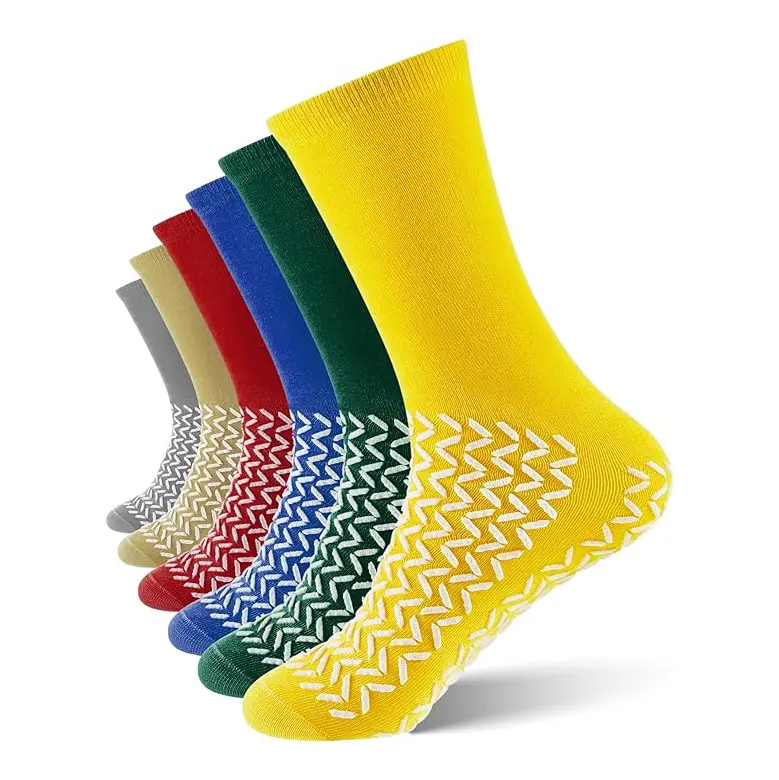 Hospital Slipper Socks
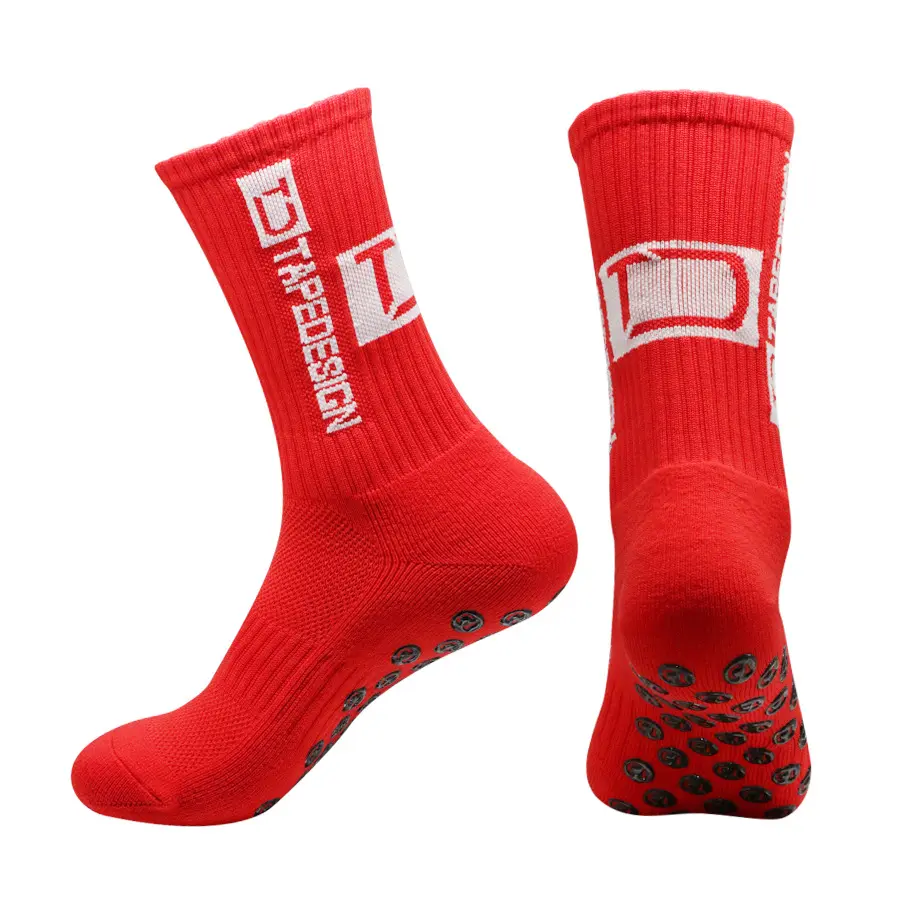 Grip Football Socks
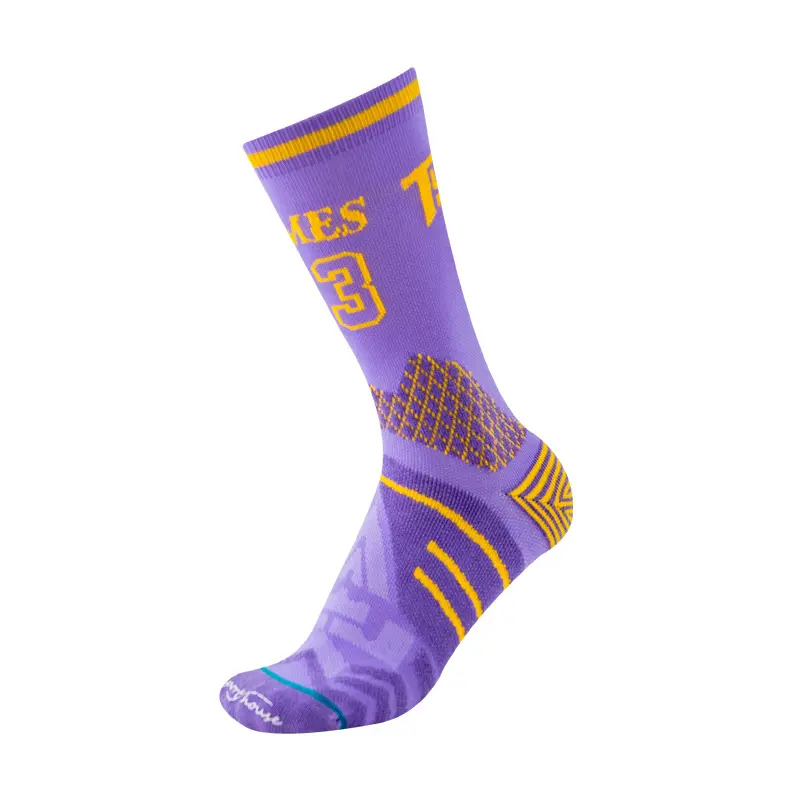 Basketball Socks
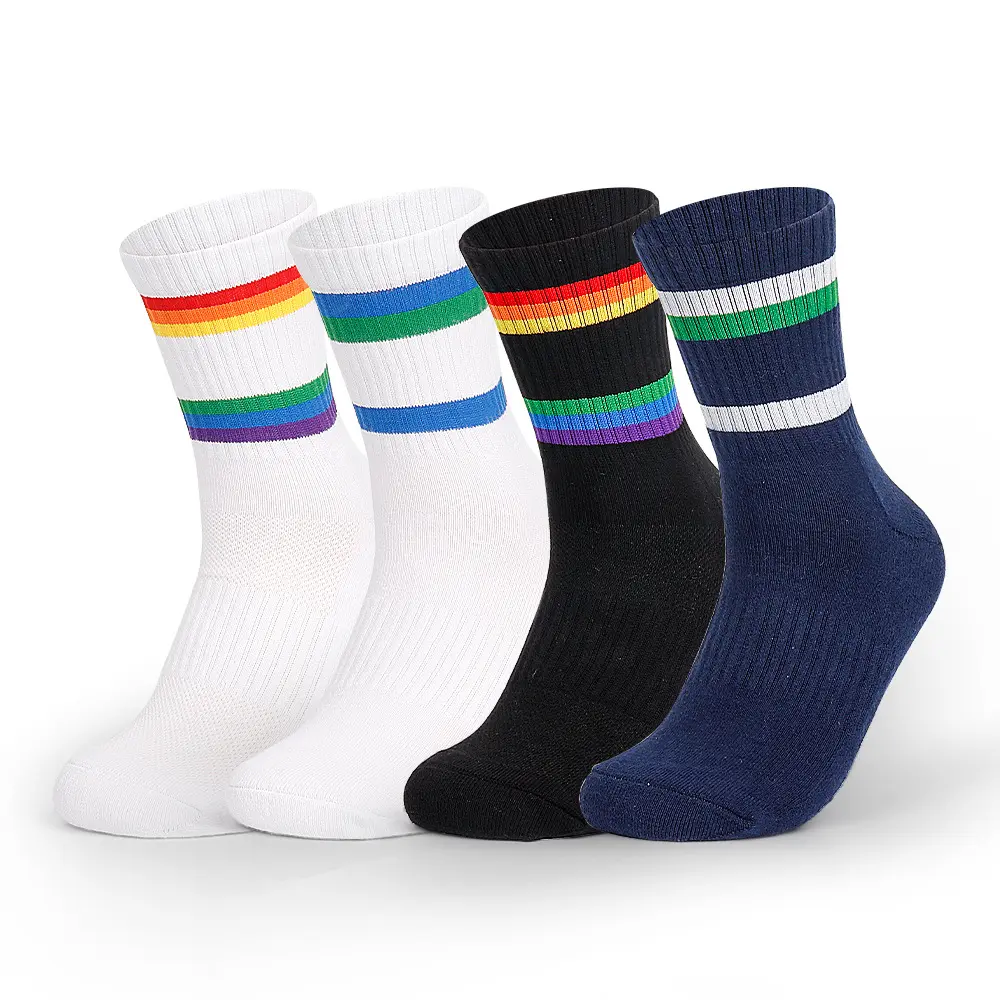 Badminton Socks
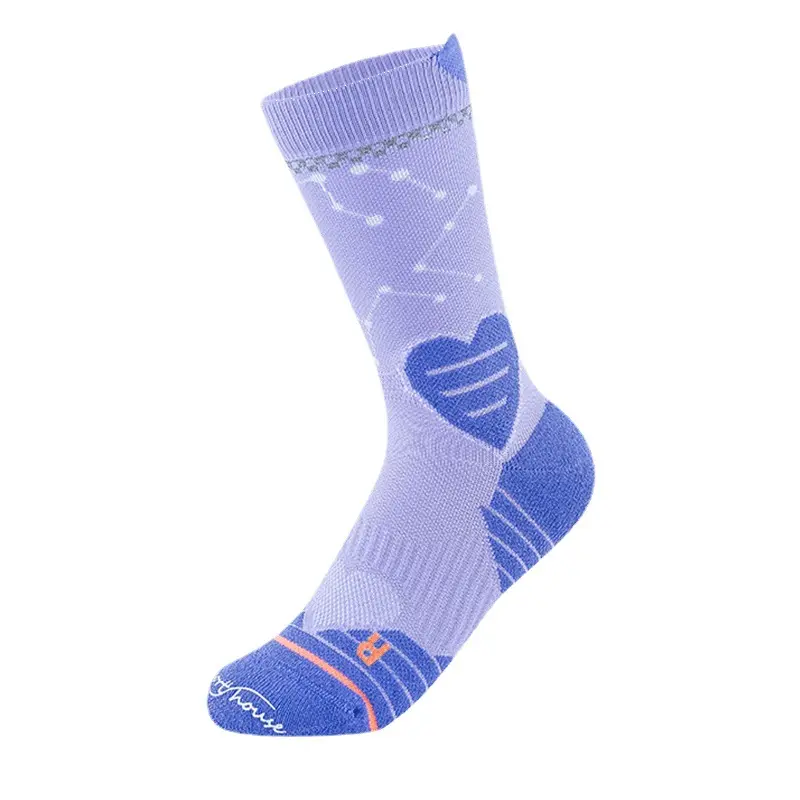 Cycling Socks
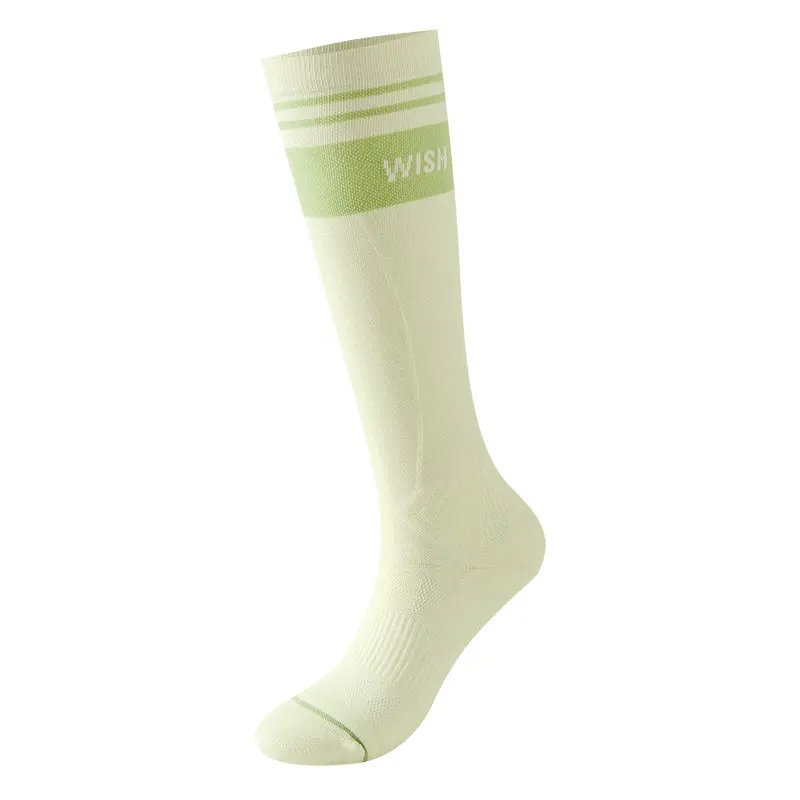 Running Socks
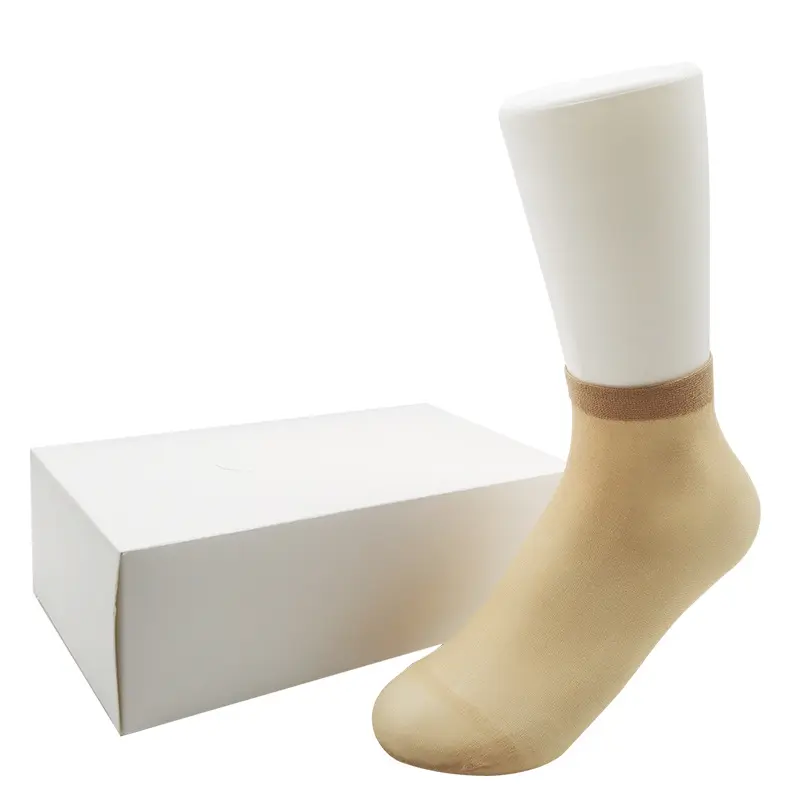 Disposable Socks Bowling Alley Socks
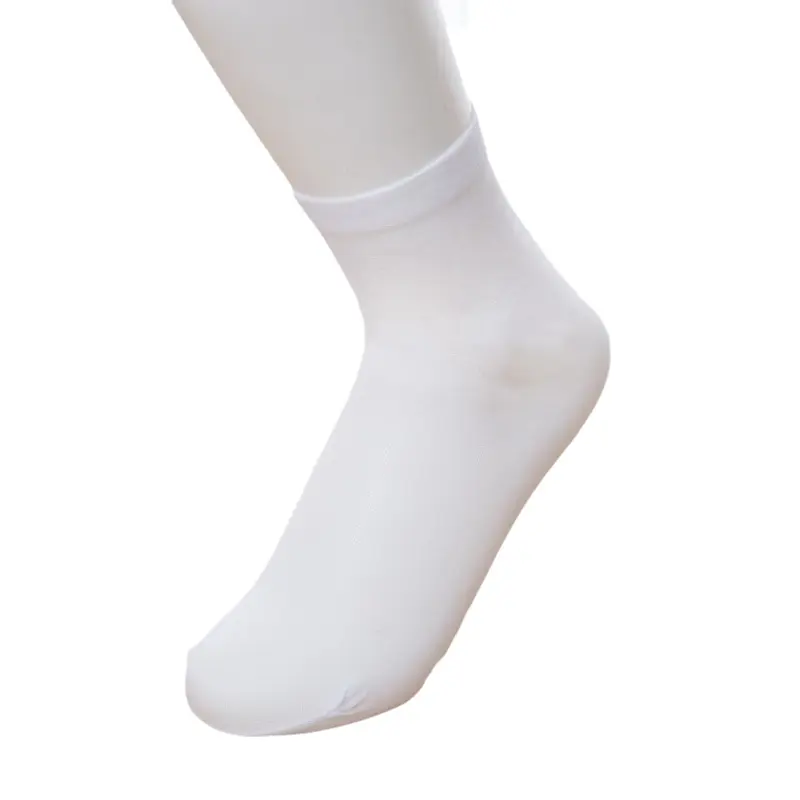 Disposable socks
 Warm Colorful Striped Crew Socks for Women
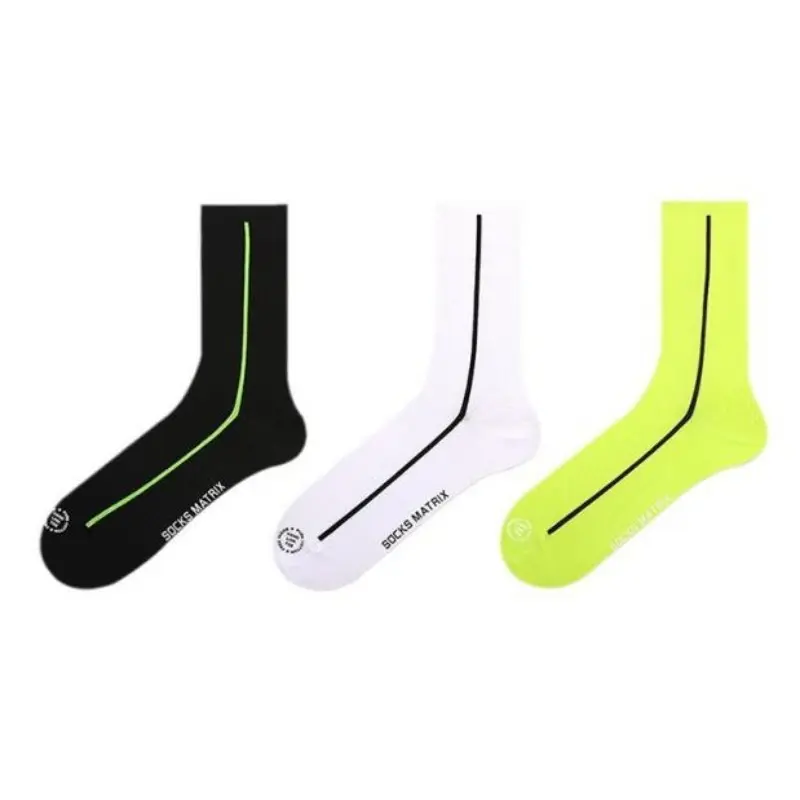 Custom Unisex Crew Socks Breathable Socks
 Digital Printing Vintage Crew Socks
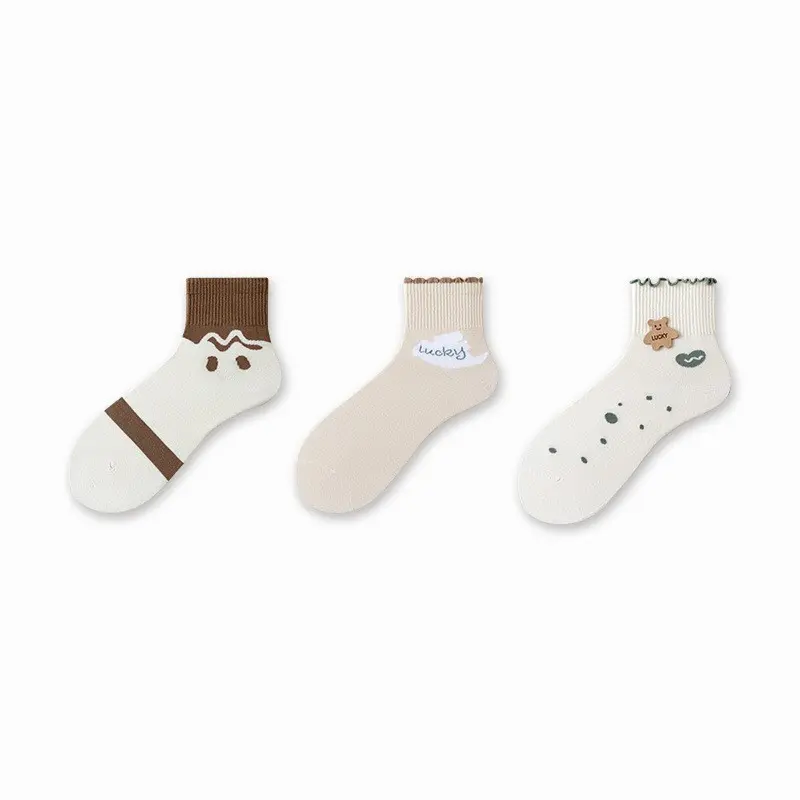 Animal Fuzzy Cartoon Crew Socks for Women
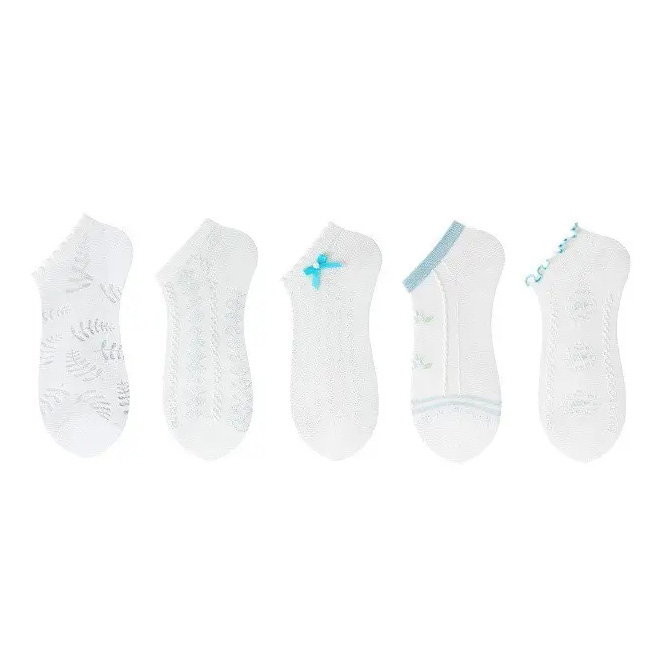 Cotton Flower Ankle Socks Low Cut Socks
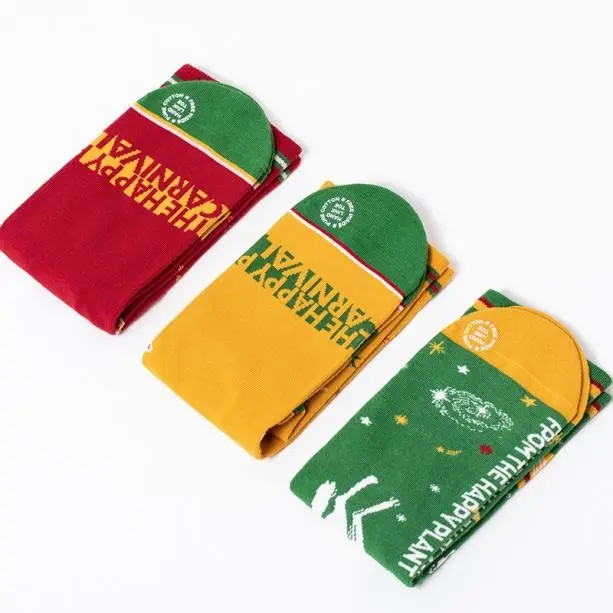 Thick Christmas Festival Crew Socks
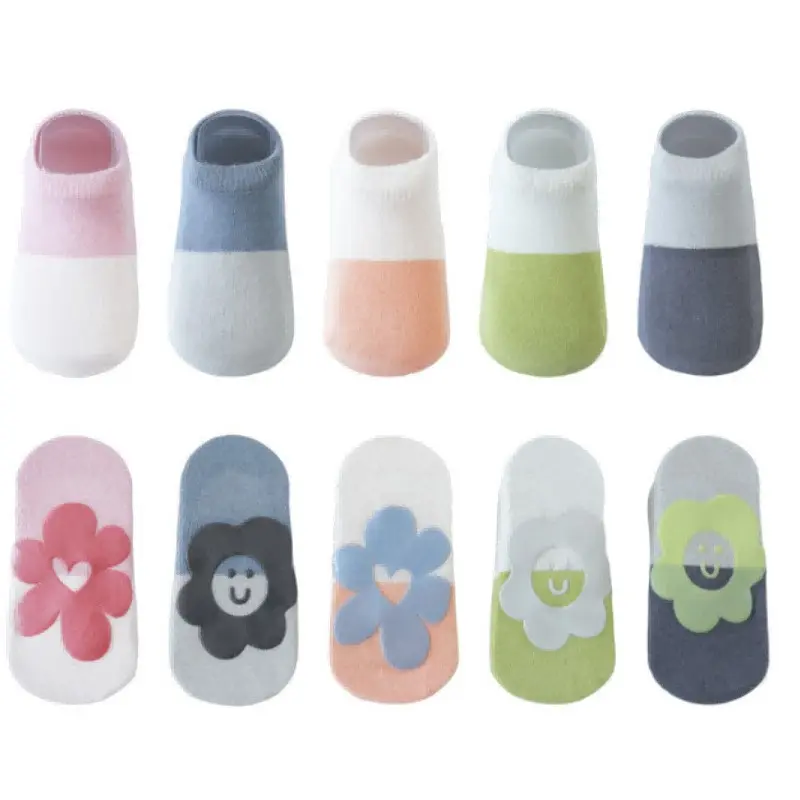 Cotton Cute Anti Slip Baby Ankle Socks with Cartoon
 Colorful Soft Baby Socks Anti-slip
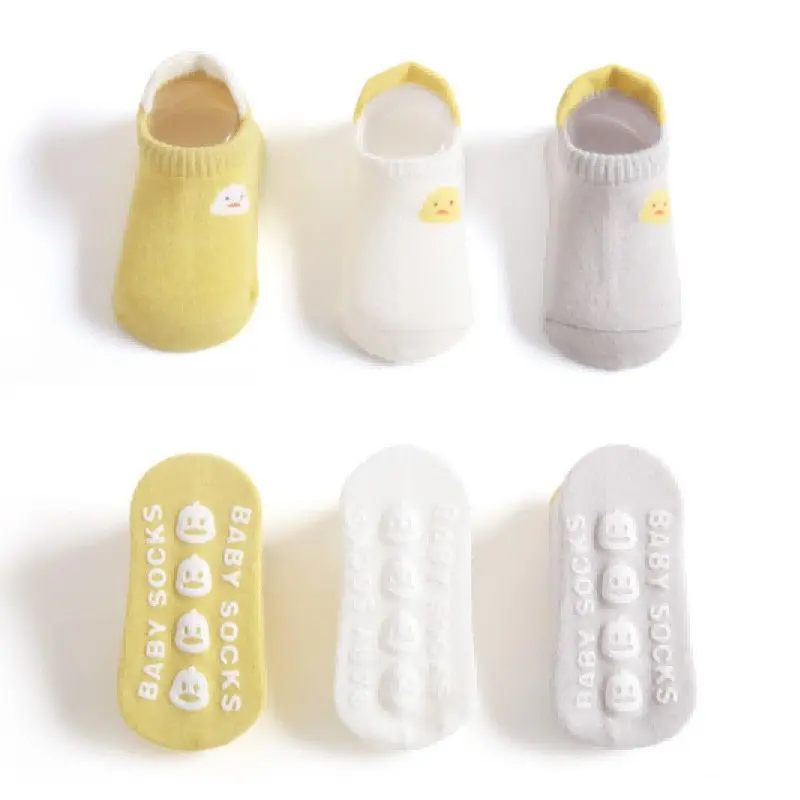 Non Slip Soft Ankle Baby Toddlers Socks
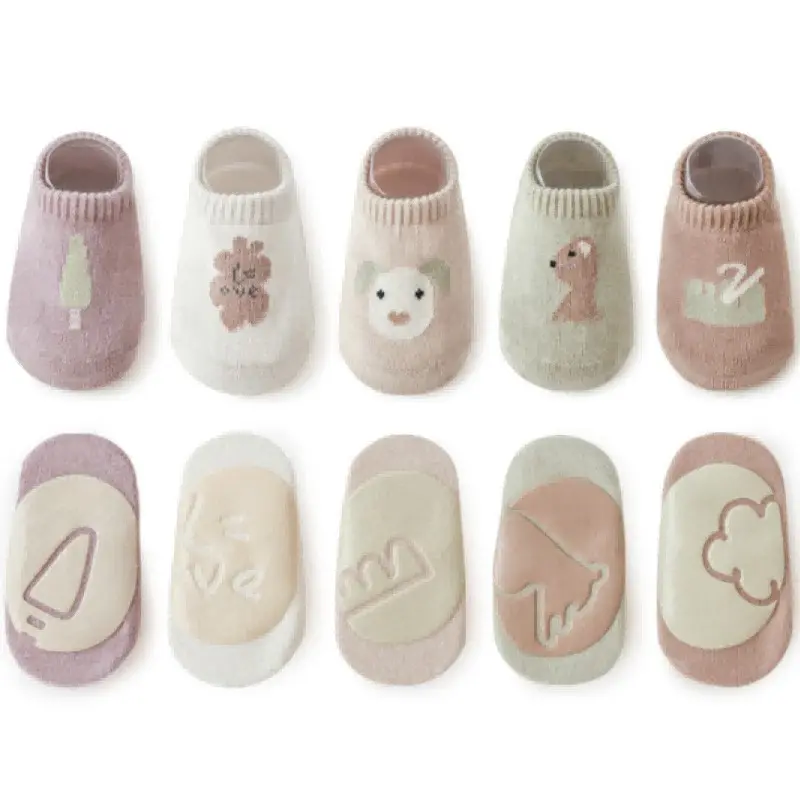 Cartoon Baby Socks With Grips Crew Walking Socks
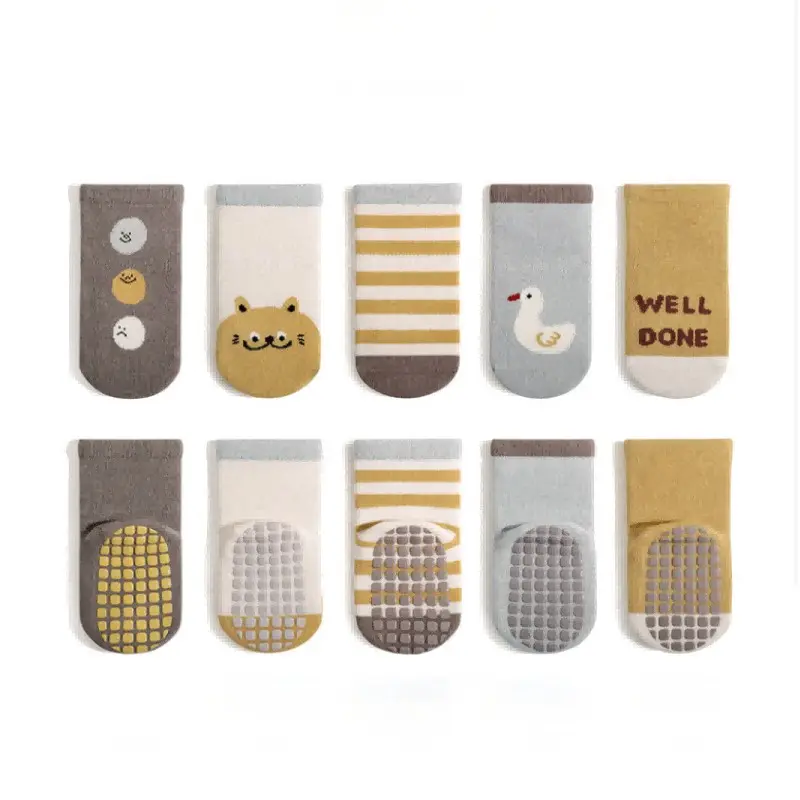 Baby Socks Floor Grip Mid-tube Socks with Cartoon