- Home
- Products
- Customization
- About Us
- Blogs
- Contact Us
 Trampoline Socks
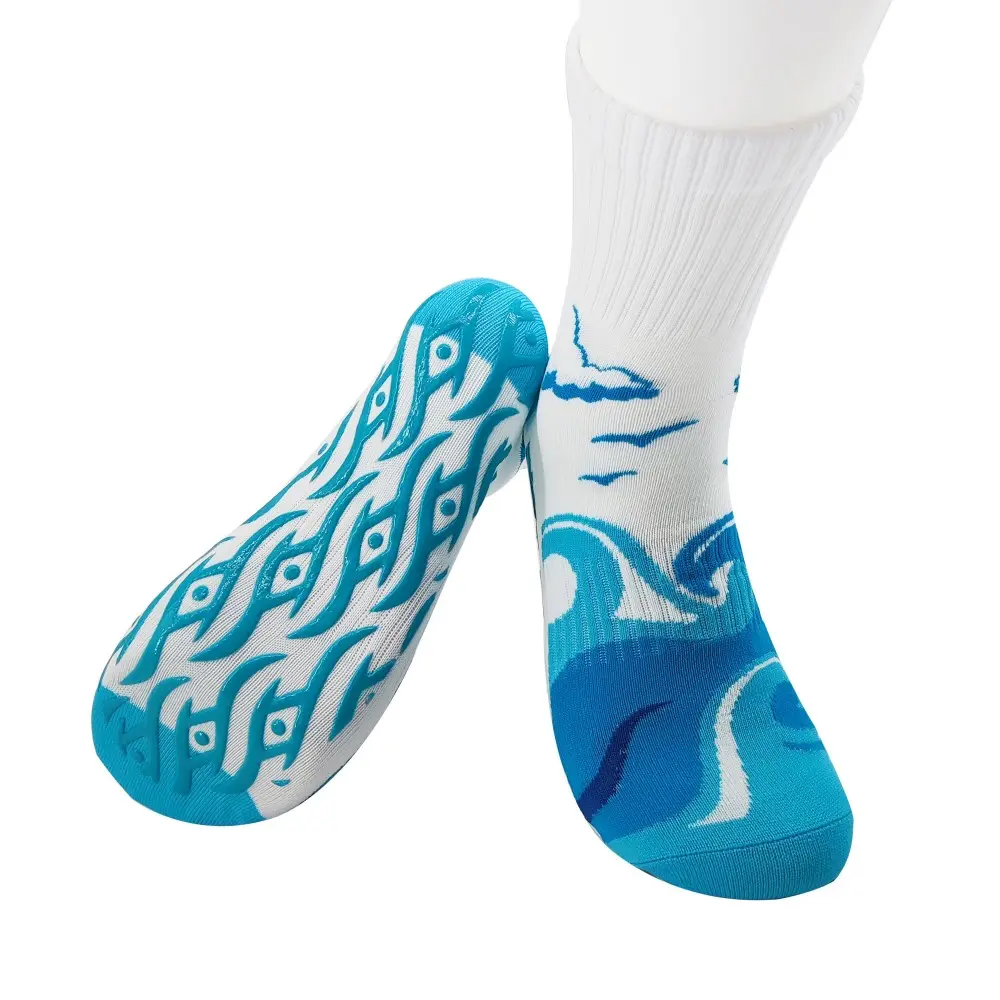 Aqua Park Socks
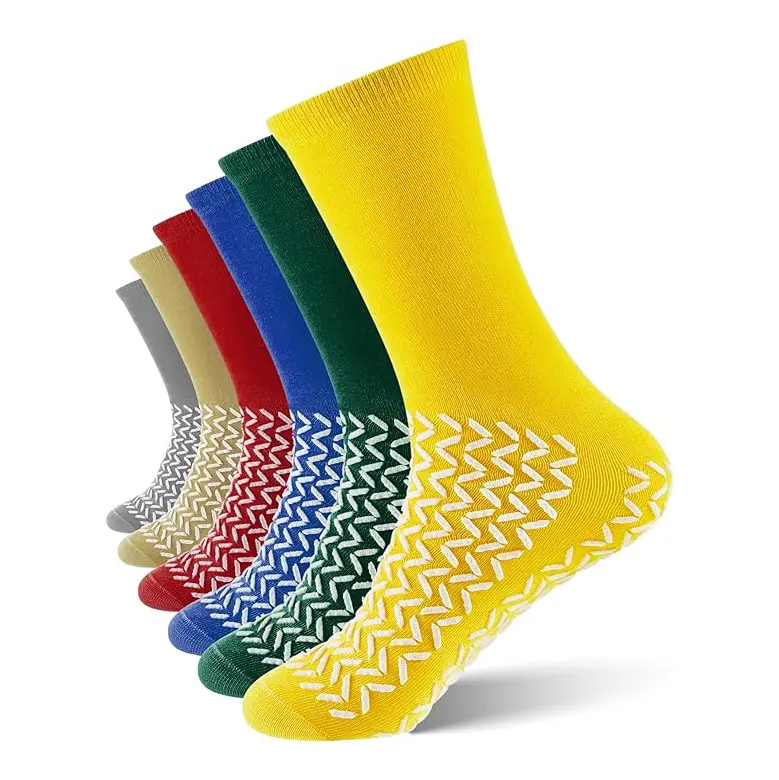 Hospital Slipper Socks
 Grip Football Socks
 Basketball Socks
 Badminton Socks
 Cycling Socks
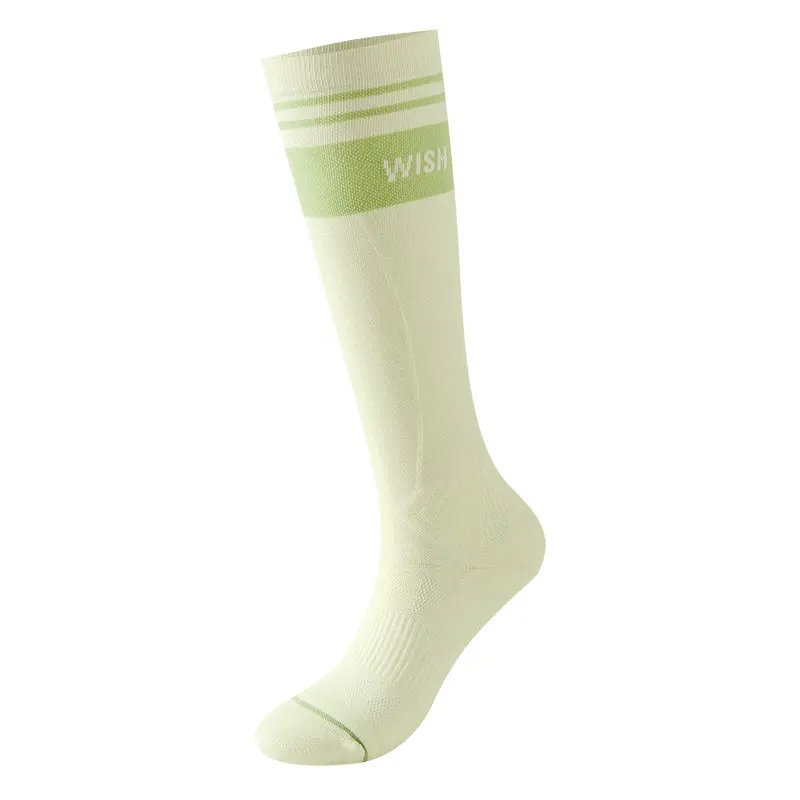 Running Socks
 Disposable Socks Bowling Alley Socks
 Disposable socks
 Warm Colorful Striped Crew Socks for Women
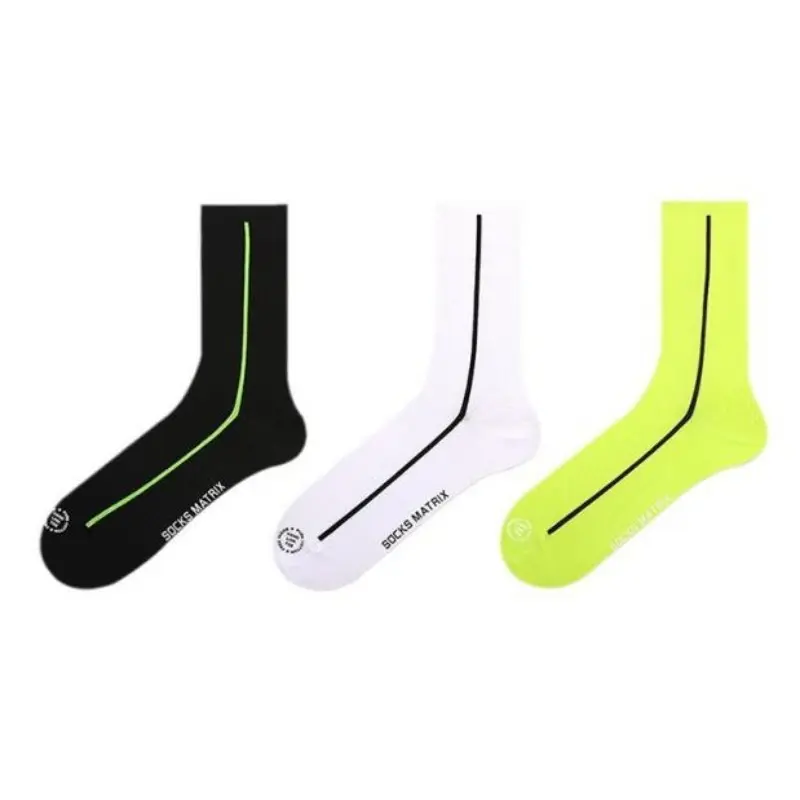 Custom Unisex Crew Socks Breathable Socks
 Digital Printing Vintage Crew Socks
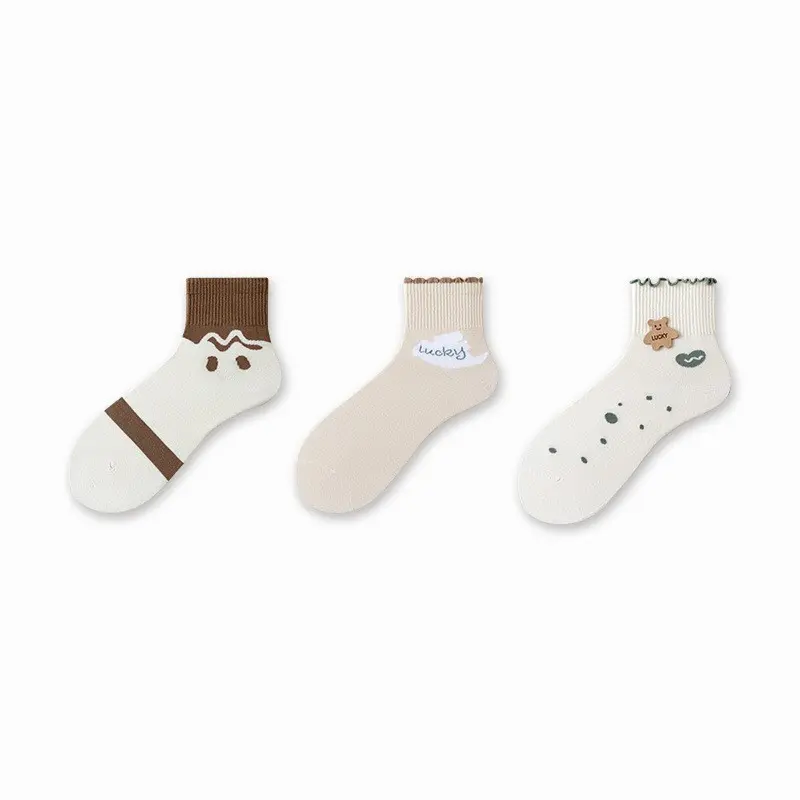 Animal Fuzzy Cartoon Crew Socks for Women
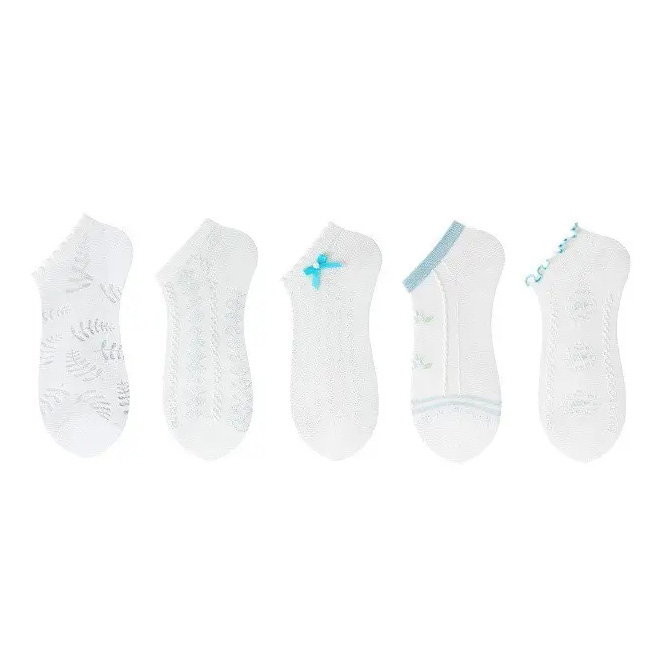 Cotton Flower Ankle Socks Low Cut Socks
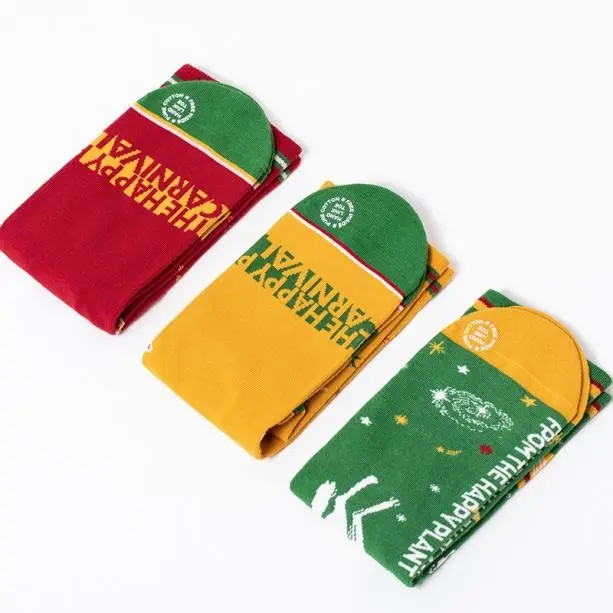 Thick Christmas Festival Crew Socks
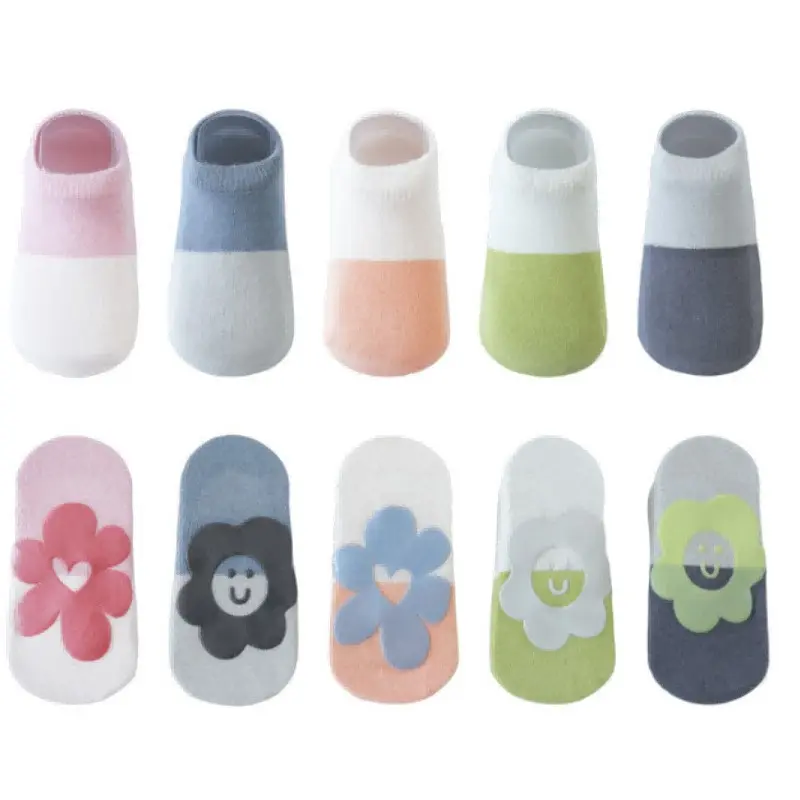 Cotton Cute Anti Slip Baby Ankle Socks with Cartoon
 Colorful Soft Baby Socks Anti-slip
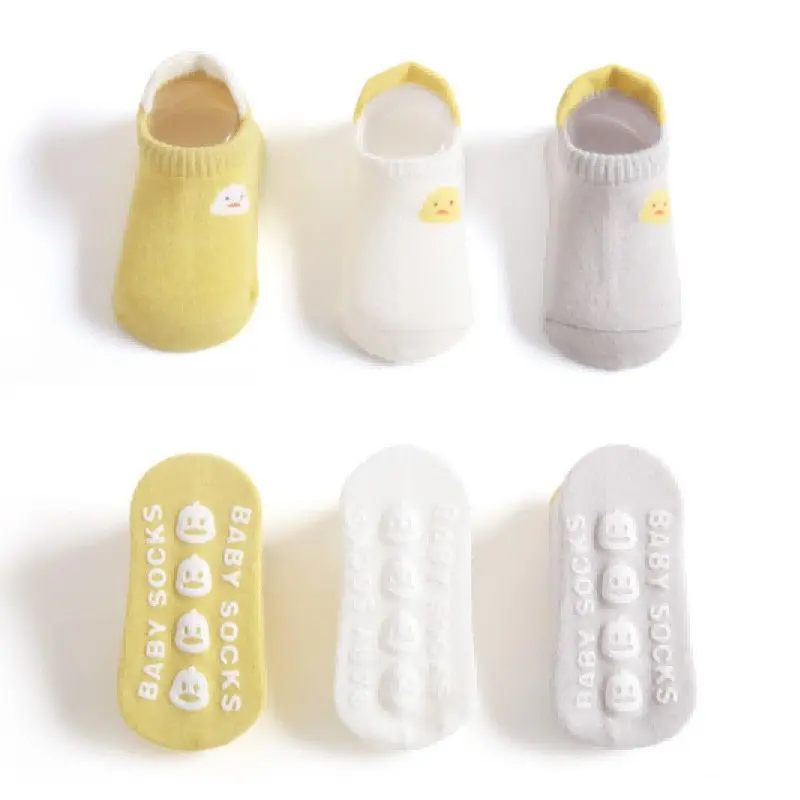 Non Slip Soft Ankle Baby Toddlers Socks
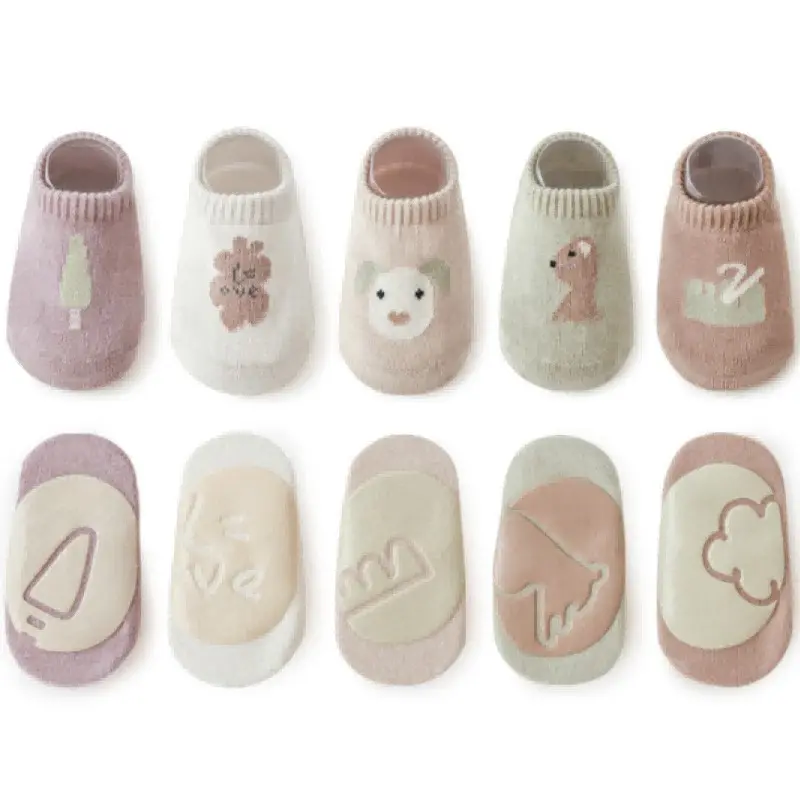 Cartoon Baby Socks With Grips Crew Walking Socks
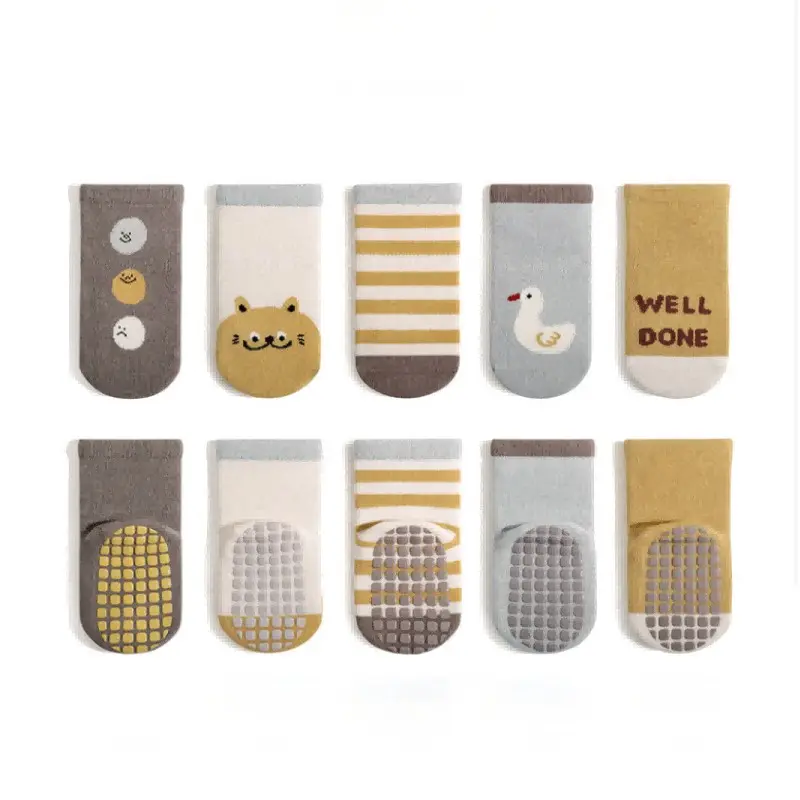 Baby Socks Floor Grip Mid-tube Socks with Cartoon
Leave Your Message
-
Phone
-
E-mail
-
Whatsapp
-
WeChat

Why Are Skating Rink Socks Required? The answer involves comfort, hygiene, and safer skate use. Skating Rink Socks create a clean layer between the foot and the rental skate. This matters when many visitors share the same equipment each day. A well-made pair can absorb sweat and reduce rubbing around the heel and ankle. It can also help skaters maintain a more secure fit inside the boot.
Experienced rink staff often recommend socks that reach above the ankle. Low-cut socks may slide downward during turns, leaving skin exposed to stiff skate edges. A smooth, breathable fabric can limit hot spots during a busy skating session. However, socks cannot correct a skate that is too large, too tight, or poorly adjusted. They are helpful, not magical.
The requirement also supports consistent hygiene procedures. Rinks can clean and disinfect rental skates, but visitors still need personal clothing barriers. Fresh socks reduce direct contact with shared liners and damp interior materials. Parents may notice fewer complaints when children wear dry, properly fitted socks. Adult beginners often underestimate this simple detail.
Still, the policy deserves some reflection. Not every thick sock improves comfort. Excess fabric can compress toes and create painful pressure points. The best choice depends on the skate, the person, and the length of use. Rink operators should explain the reason clearly, rather than treating the rule as an unexplained demand. When skaters understand the purpose, they are more likely to arrive prepared and enjoy a safer, cleaner experience.
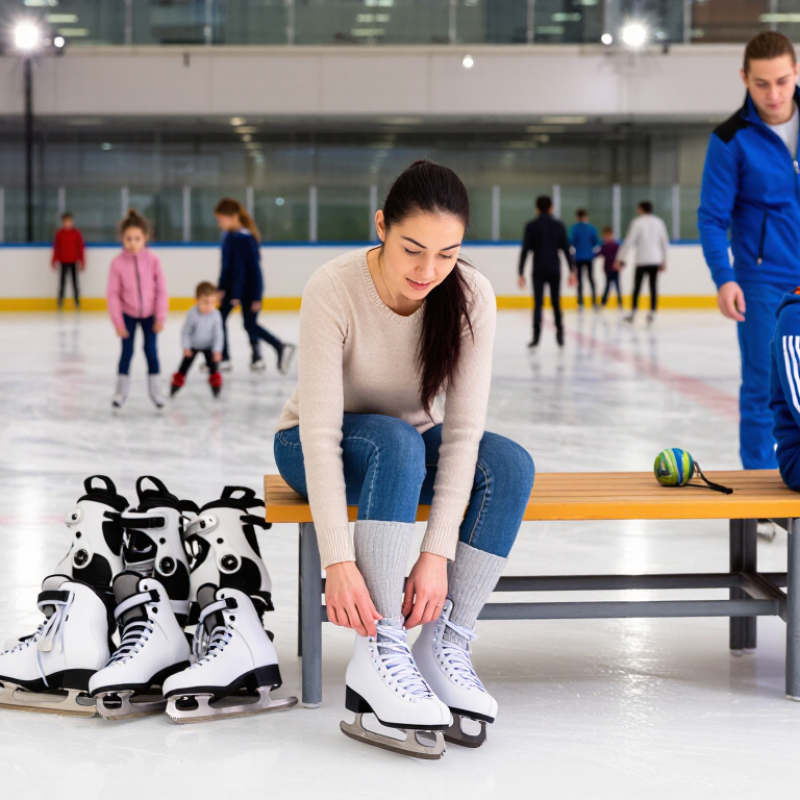
Skating rink socks
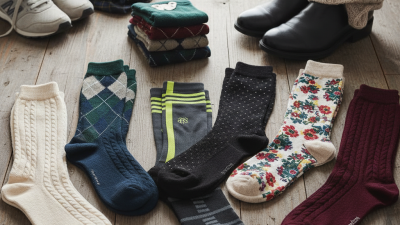
are tall, close-fitting socks worn inside rental or personal skates. They usually cover the ankle and calf, with smooth seams and moisture-managing fabric. Their purpose is practical, not decorative.
A bare foot can rub against a stiff skate liner, especially around the heel and Achilles tendon. That friction may cause blisters within one session. Socks also reduce direct contact between skin, sweat, and shared skate interiors.
The Centers for Disease Control and Prevention identifies warm, damp environments as favorable conditions for fungal growth. A 2022 review in the Journal of Fungi reported that athlete’s foot affects roughly 15% of people worldwide.
Socks cannot disinfect equipment, but they create a useful barrier.
Rinks require them because rental skates must fit many different feet. A thin, even sock helps the foot slide into the boot without bunching fabric. It also reduces moisture that can make the foot move inside the skate.
The Sports & Fitness Industry Association’s 2024 participation report recorded about 5.4 million U.S. ice-skating participants in 2023. That scale makes consistent hygiene procedures important.
In my rink experience, thick cotton socks often felt comfortable at first, then became damp and loose. That detail is easy to overlook. Very thin socks can also fail when the skate lining is rough.
The rule is sensible, though imperfect. Clean rental equipment and proper drying still matter more than socks alone.