Top 10 Hygienic Trial Socks Suppliers for Global Buyers
For global footwear buyers, Hygienic Trial Socks are small products with important practical responsibilities. They support clean fitting experiences in shoe stores, clinics, factories, and sample rooms. Their value depends on more than price. Material safety, consistent sizing, packaging quality, and delivery reliability can affect customer trust.
This guide introduces ten Hygienic Trial Socks suppliers for international purchasing teams. Each supplier should be assessed through documented product information, factory experience, quality controls, and export capability. Useful details include fiber composition, thickness, stretch recovery, individual wrapping, carton protection, and available private-label services. Buyers should also review production samples before placing large orders. A clear sample process often reveals loose threads, uneven seams, weak packaging, or uncomfortable elastic edges.
Details matter.
The comparison also considers communication speed, minimum order quantities, customization options, and support after shipment. These factors can become critical when buyers manage multiple stores or seasonal demand. However, no supplier ranking fits every market. A low-cost option may not provide the strongest inspection process. A premium manufacturer may require quantities that smaller retailers cannot accept. Online claims can also look convincing without enough independent evidence. For that reason, buyers should verify certificates, request recent samples, clarify inspection terms, and confirm delivery responsibilities in writing. This article offers a practical starting point, not a substitute for careful due diligence. Quality expectations may differ across regions, and some supplier information can change over time. The strongest decision usually combines supplier evidence, hands-on product checks, and realistic purchasing requirements.
What Hygienic Trial Socks Are and Why Global Buyers Need Them
Hygienic trial socks are single-use or professionally laundered socks worn while customers test footwear. They create a clean layer between bare feet and shared shoes. Typical features include sealed packaging, full toe coverage, breathable fabric, and traceable production details. A practical supplier should disclose fiber content, packing conditions, shelf-life guidance, and quality inspection methods. “Hygienic” is not a magic word.
Global buyers need them because shoe fitting involves repeated contact, especially in busy stores and sampling rooms. The World Footwear Yearbook 2024 reports approximately 23.9 billion pairs of footwear were produced worldwide in 2023. Even a small hygiene gap can affect millions of fitting experiences. The World Health Organization’s 2022 fungal disease report estimates that superficial fungal infections affect about 1.7 billion people globally. Trial socks cannot prevent every infection, but they can reduce direct contact and support better store procedures. They also help buyers standardize customer care across different countries, climates, and retail teams.
Good sourcing requires more than a low unit price.
Buyers should check tear resistance, odor control claims, moisture handling, packaging integrity, and batch consistency. ISO-based testing or independent laboratory records can strengthen supplier credibility. A very thin sock may reduce cost, yet it can tear at the heel during fitting. A thicker sock may feel safer, but it can distort shoe sizing. This trade-off deserves honest testing. Suppliers should provide samples, inspection records, and clear replacement procedures before large orders.
Key Hygiene, Material, and Packaging Standards for Trial Socks
Top 10 Hygienic Trial Socks Suppliers for Global Buyers
Trial socks must protect both the wearer and the supplier’s reputation. Hygiene begins with clean production rooms, controlled storage, and traceable handling records. Experienced suppliers should explain how workers prevent dust, moisture, and cross-contact during packing.
Material choice also matters. Soft cotton blends can improve comfort, while elastane supports shape recovery during fitting. For sensitive skin, buyers should request fabric composition, dye safety information, and testing records. Some samples feel pleasant but lose elasticity after washing. That detail is easy to miss. A reliable supplier should provide consistent sizing, odor control, and clear care instructions. Still, no material suits every market, so testing remains necessary.
Tips:
Ask for sealed individual packaging, batch numbers, and production dates. Check whether cartons resist humidity during sea freight. Inspect several samples, not only one. Confirm that packaging materials are clean, recyclable where practical, and free from loose fibers. A small opening or weak seal can expose socks to handling contamination. It may seem minor, yet customer trust can disappear quickly. Suppliers should also accept reasonable factory audits and share corrective actions when defects appear. No system is perfect, and honest reporting is more useful than polished promises.
How to Evaluate and Compare the Top 10 Global Suppliers
To compare the top 10 hygienic trial socks suppliers, global buyers need more than a low quotation. Check fiber composition, production location, minimum order quantity, lead time, and sample consistency. Ask for recent laboratory reports covering colorfastness, pH, and restricted substances. ISO 2859-1 sampling can support fair quality checks, while ISO 20743 testing may assess antibacterial activity. However, antibacterial results do not automatically prove product hygiene.
Traceability matters. The Textile Exchange Materials Market Report 2024 estimated that recycled fibers represented about 12% of global fiber production in 2023. Ask suppliers to verify recycled content through recognized chain-of-custody documents. For packaging, compare sealed units, batch codes, and storage conditions. A clean factory image is useful, but it is weak evidence alone. Request audit dates, corrective-action records, and production photos showing gloves, covered cartons, and separated inspection areas. Some suppliers provide impressive certificates but cannot explain test sampling. That is a warning sign.
Tips: Build a scorecard with quality, hygiene controls, delivery reliability, documentation, and total landed cost. Give each category a clear weight. Test three batches, not one. Compare odor, lint, elastic recovery, and package sealing after transport. The World Bank’s Logistics Performance Index 2023 shows major differences in customs and shipment reliability across markets, so freight estimates should include border delays. I would also record small failures. A missing batch label may seem minor, yet it can expose weak internal control. Avoid choosing the cheapest offer before checking replacement terms and complaint response times.
Top 10 Hygienic Trial Socks Supplier Evaluation Dimensions
A 100-point procurement framework for comparing suppliers serving global buyers
The weighting prioritizes hygiene control, product safety, quality consistency, and supply-chain reliability.
Buyers can apply the same framework to shortlisted suppliers and adjust the weights according to market,
regulatory, and order-volume requirements.
Supplier Profiles: Products, Certifications, Capacity, and Service
Top 10 Hygienic Trial Socks Suppliers for Global Buyers
Supplier profiles should begin with products, not polished claims. Strong suppliers usually offer cotton, bamboo, recycled polyester, and blended trial socks for different testing needs. Buyers should check yarn composition, fabric weight, cuff pressure, seam finishing, and moisture control. A useful sample may arrive in a sealed bag, with size labels and batch details attached. Small details matter.
Certifications need careful review. Suppliers may provide OEKO-TEX, ISO 9001, or factory audit documents, but buyers should confirm validity, scope, and issuing bodies. Hygiene claims should be supported by material tests, washing reports, and documented handling procedures. Some factories separate sampling areas from bulk production. Others do not. That difference deserves direct questions.
Capacity profiles should show realistic output, minimum order quantities, and sample lead times. A capable supplier might produce 10,000 to 50,000 pairs monthly, while handling smaller trial orders separately. Service quality appears in response speed, measurement accuracy, packaging control, and complaint handling. Ask for a pre-production sample and inspect it after washing. The elastic may loosen. The toe seam may feel rough. These findings are easy to miss during a video call. No supplier looks perfect on paper. A careful buyer records weaknesses before approving larger production.
How to Select, Verify, and Order from the Right Supplier
Choosing among hygienic trial socks suppliers requires more than comparing prices. Ask for material composition, production capacity, hygiene procedures, and recent quality records. A reliable supplier should provide clear sample details, including fiber content, size tolerance, colorfastness, and packaging methods. Request trial pairs from the same production line planned for bulk orders. Small differences matter.
Verify the supplier before discussing large quantities. Check business registration, factory photographs, inspection reports, and customer references where available. Ask how workers handle socks after knitting, washing, drying, and packing. Individually sealed packaging can reduce dust exposure during transport, but it does not prove sterility. Confirm testing through an independent laboratory when skin-contact performance is important. Review minimum order quantities, lead times, payment terms, shipping documents, and responsibilities for defective goods. My own checklist would still be imperfect; factory conditions can change after approval.
Tips: Compare at least three suppliers using the same questions. Record sample measurements in a simple table. Open several packages and inspect seams, loose threads, odor, labels, and moisture. Ask for a replacement process in writing. Be careful with unusually low prices. They may reflect weaker packaging or inconsistent inspection. Keep one approved sample as a reference during production, and photograph any defects immediately after delivery.

 Trampoline Socks
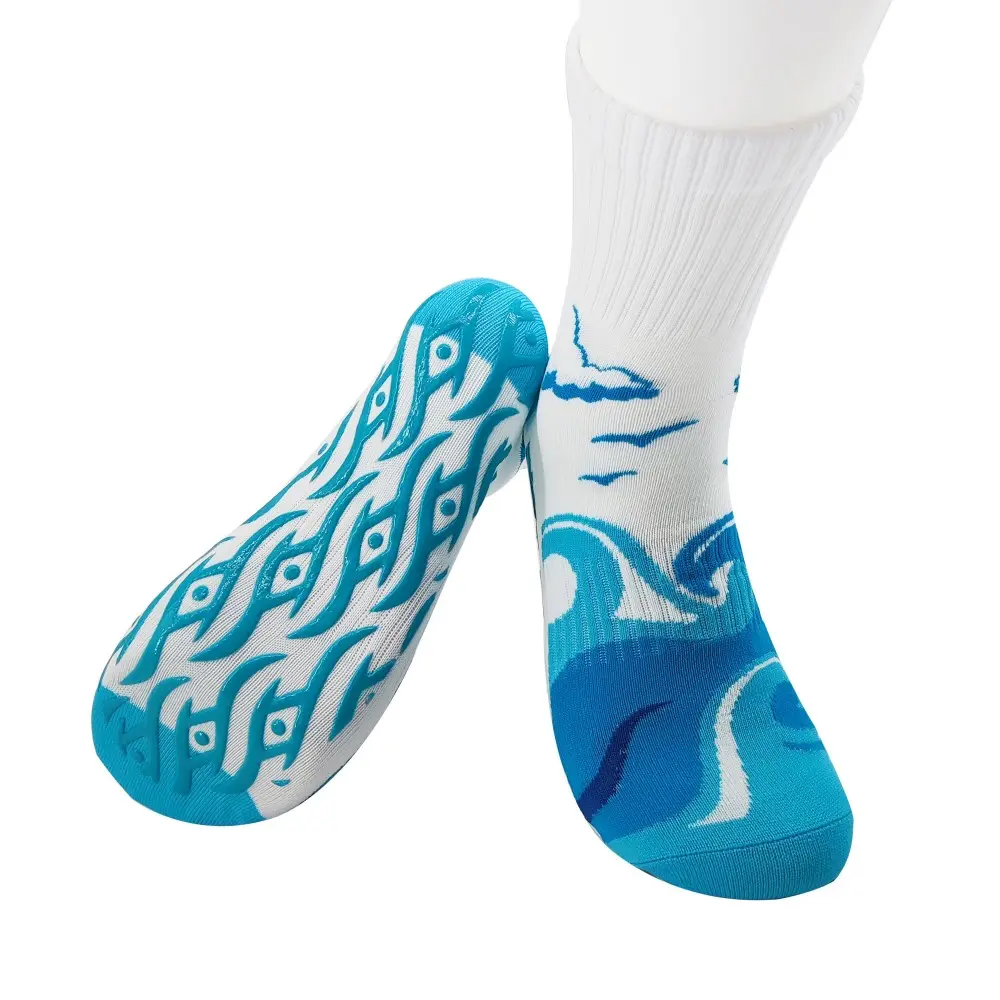 Aqua Park Socks
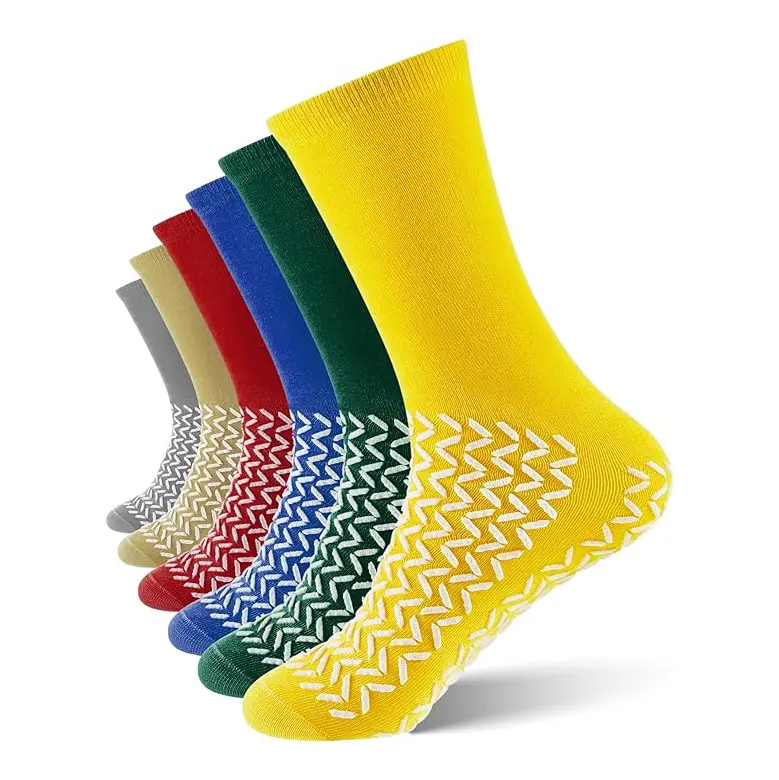 Hospital Slipper Socks
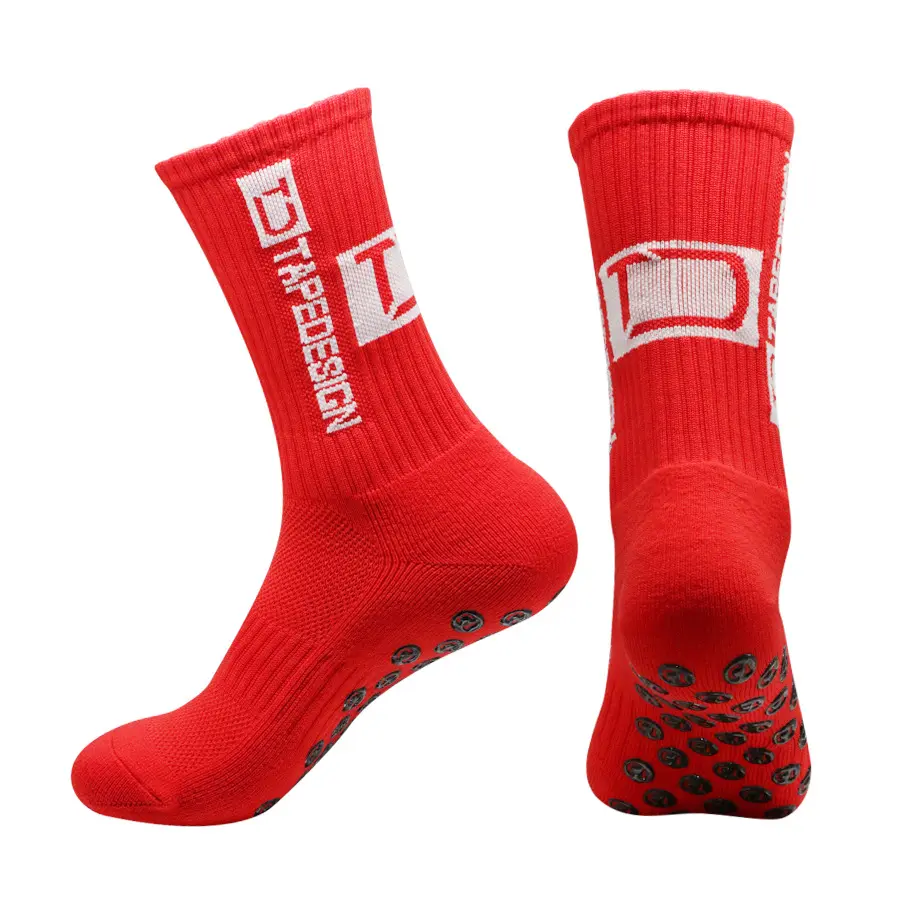 Grip Football Socks
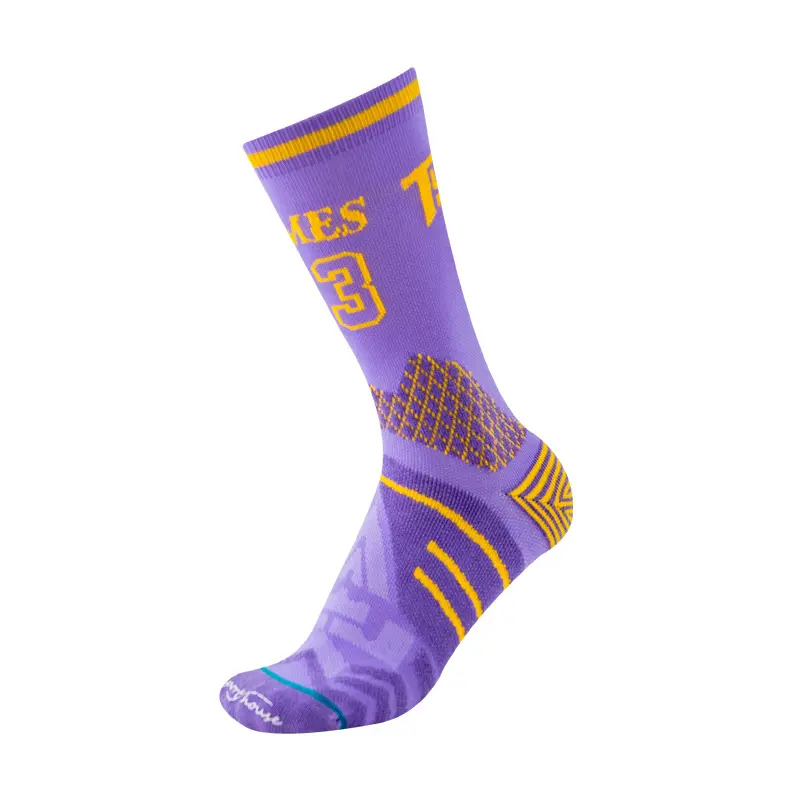 Basketball Socks
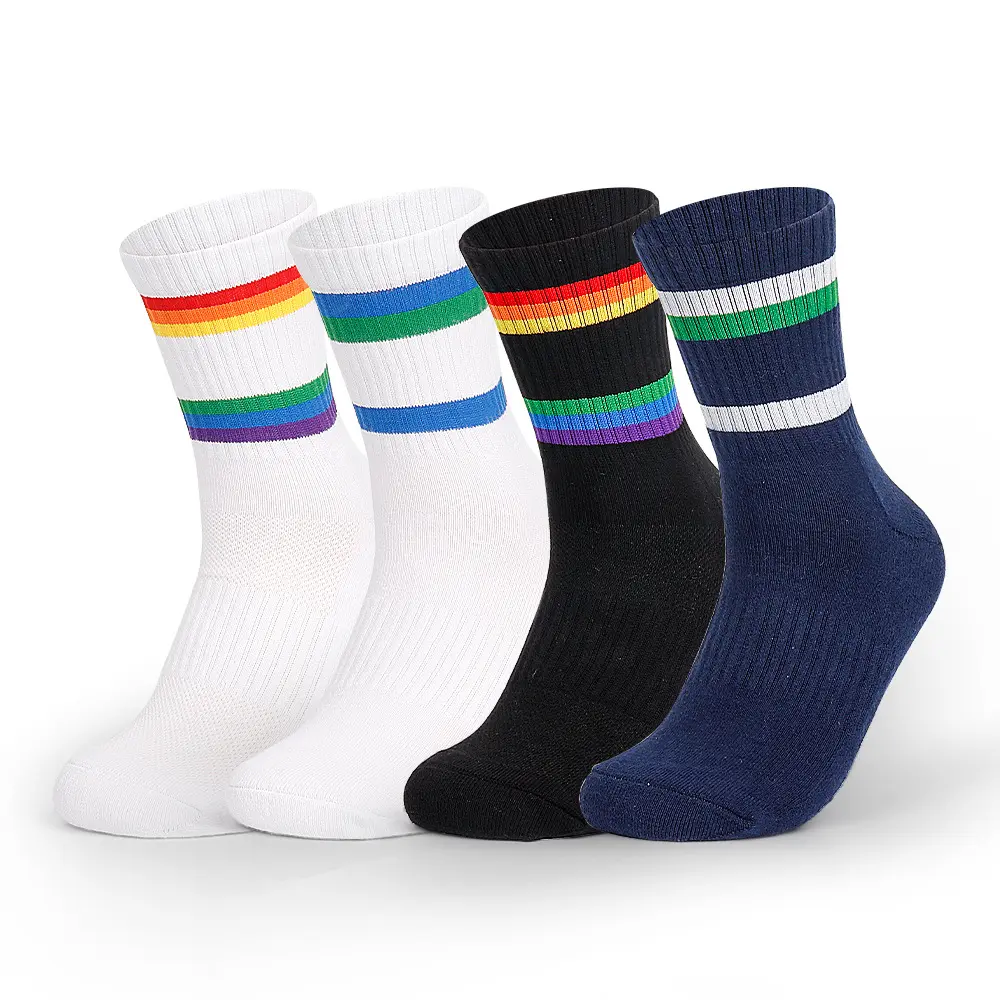 Badminton Socks
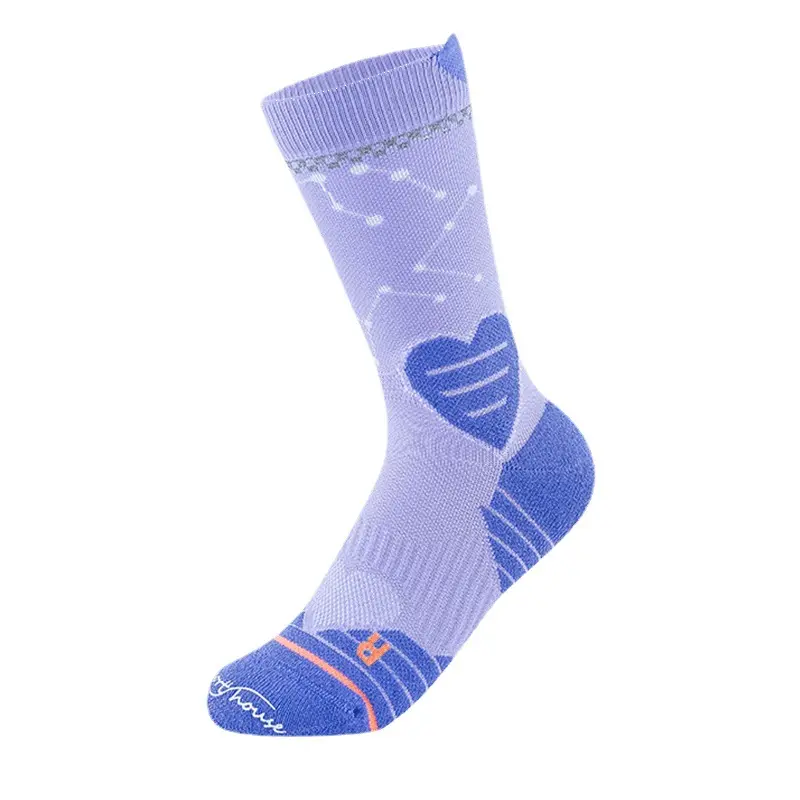 Cycling Socks
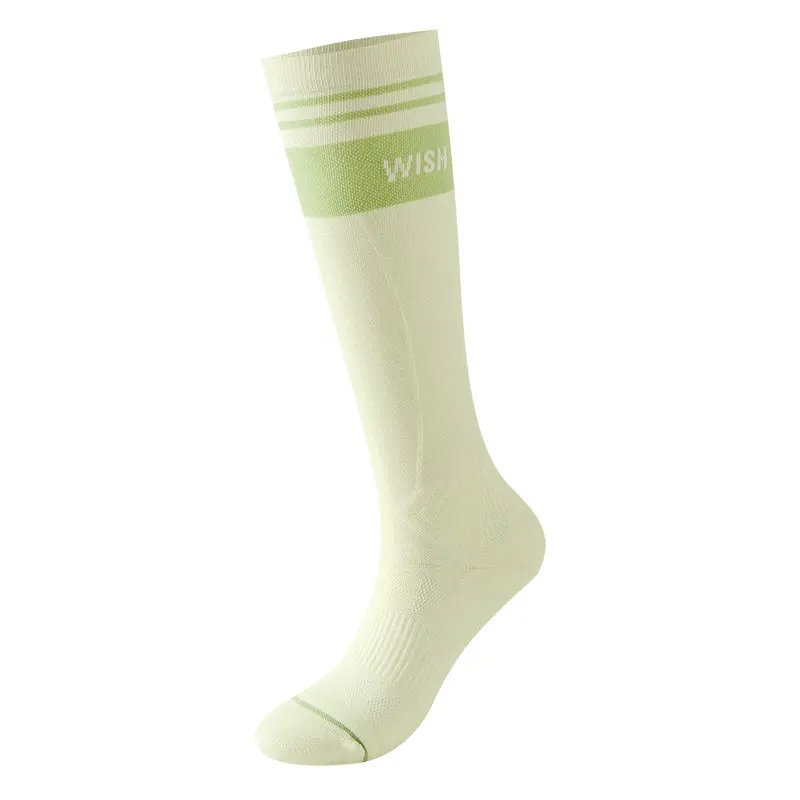 Running Socks
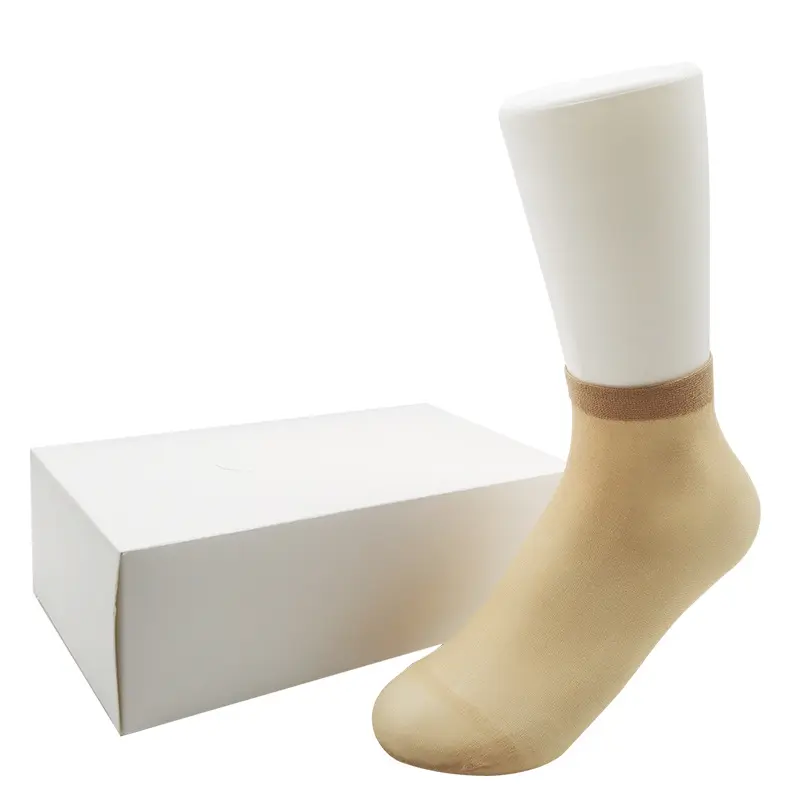 Disposable Socks Bowling Alley Socks
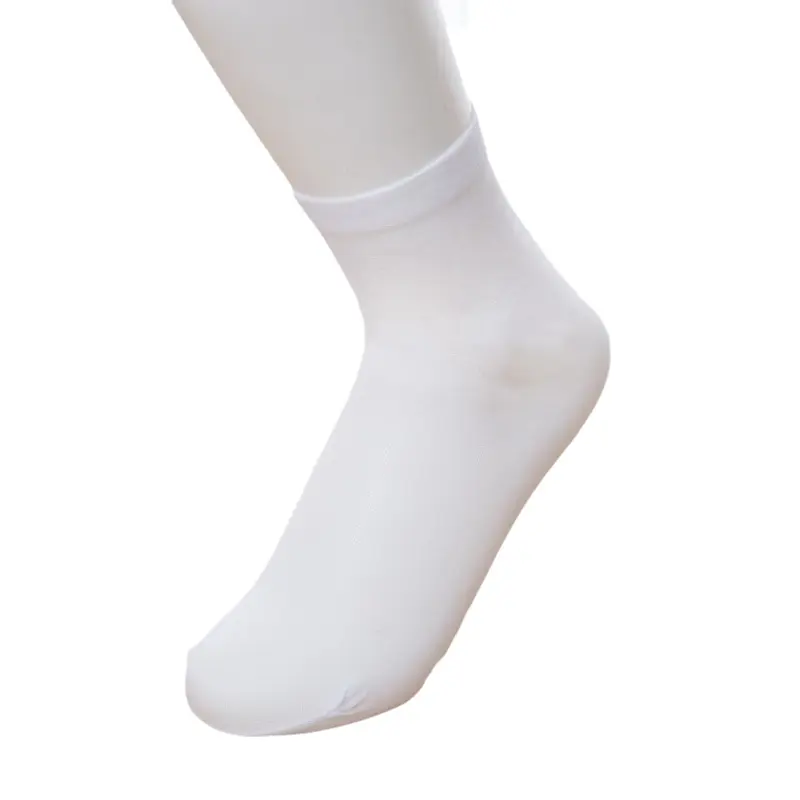 Disposable socks
 Warm Colorful Striped Crew Socks for Women
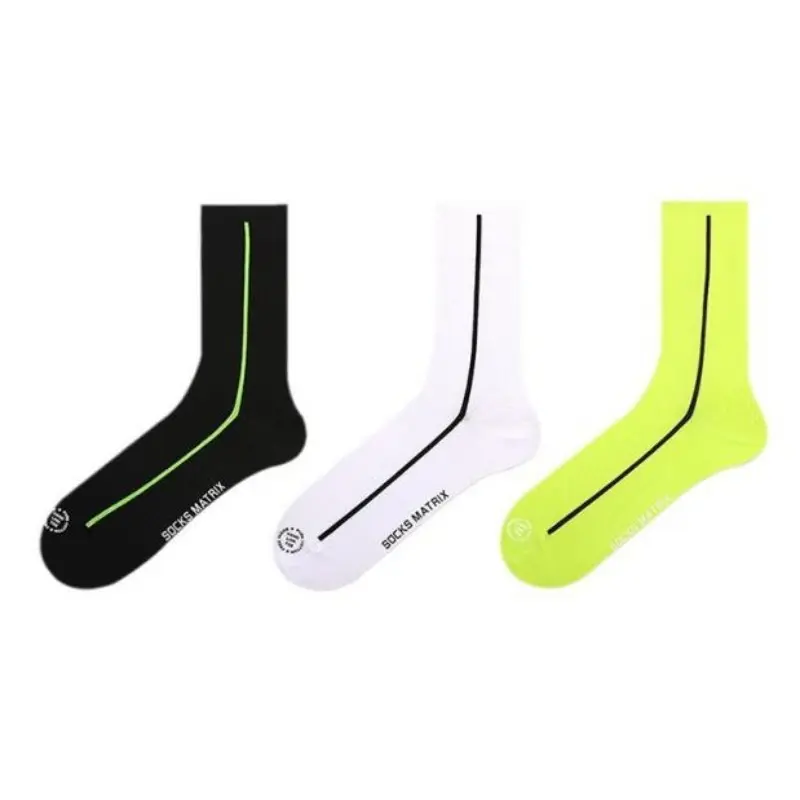 Custom Unisex Crew Socks Breathable Socks
 Digital Printing Vintage Crew Socks
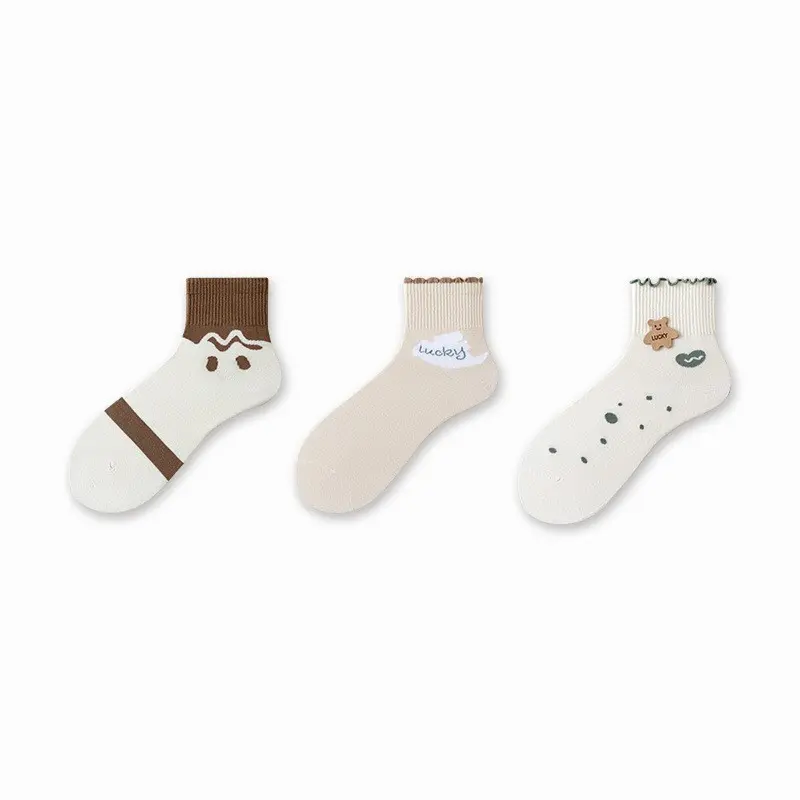 Animal Fuzzy Cartoon Crew Socks for Women
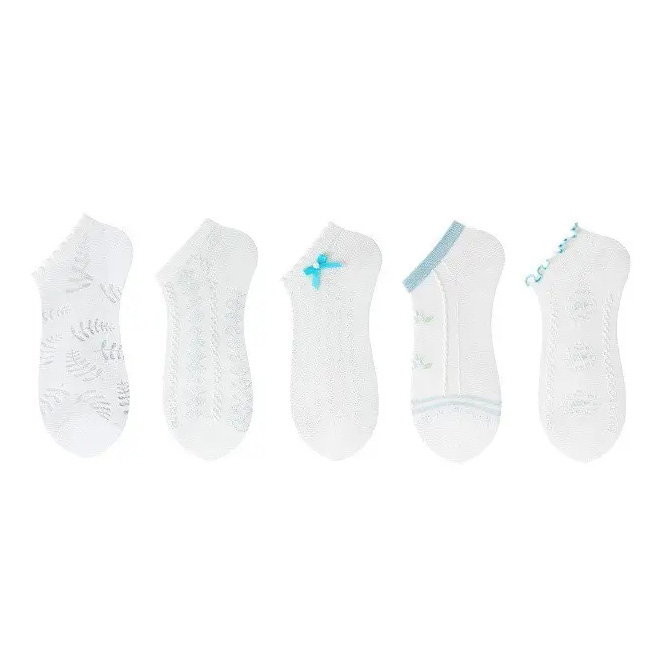 Cotton Flower Ankle Socks Low Cut Socks
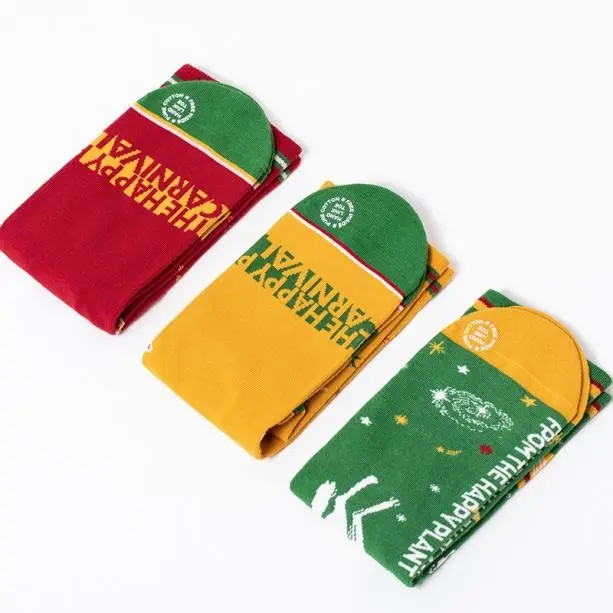 Thick Christmas Festival Crew Socks
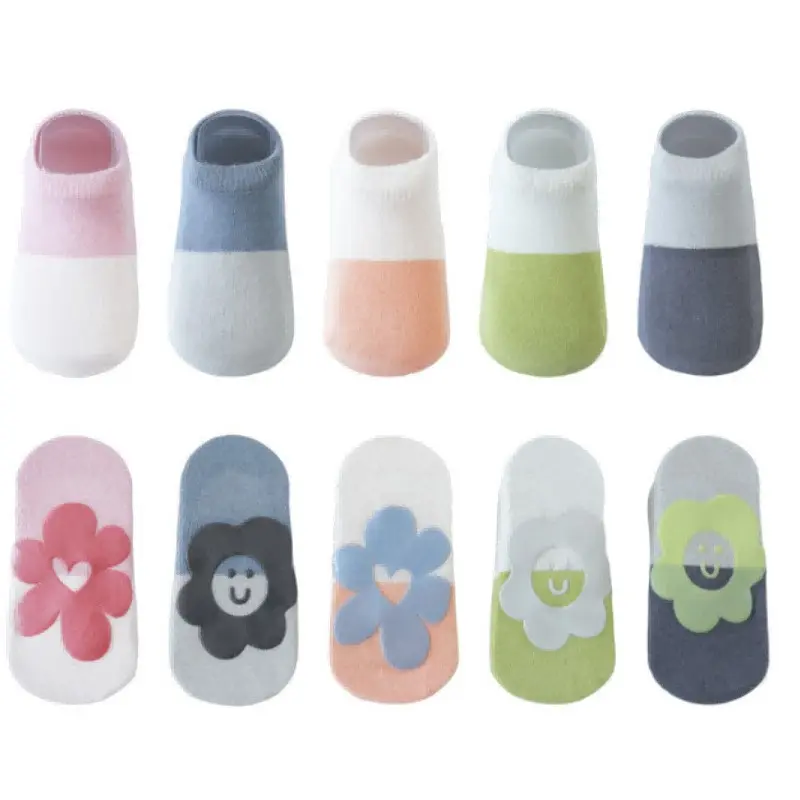 Cotton Cute Anti Slip Baby Ankle Socks with Cartoon
 Colorful Soft Baby Socks Anti-slip
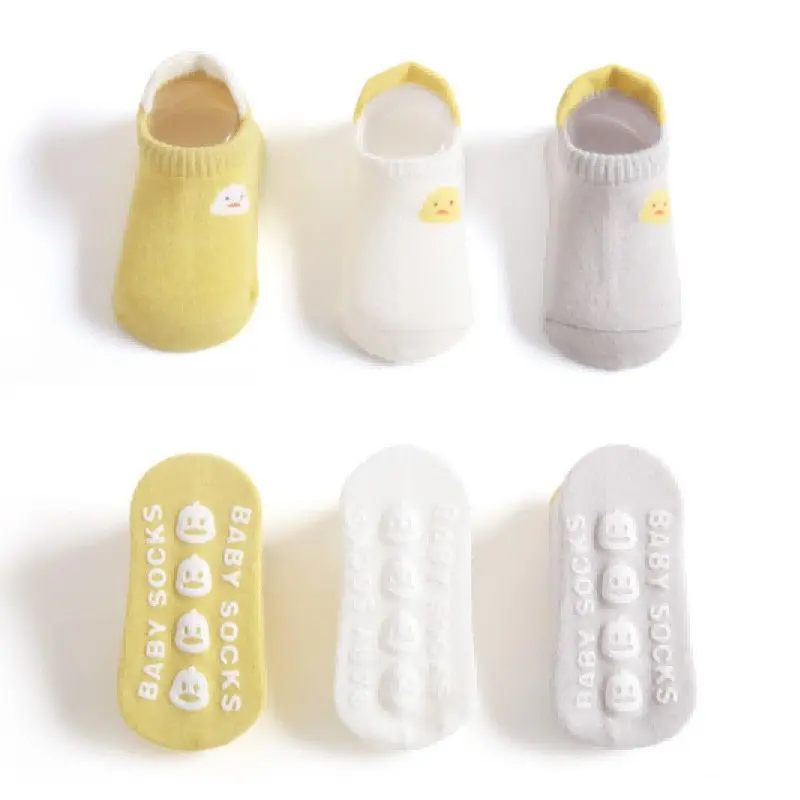 Non Slip Soft Ankle Baby Toddlers Socks
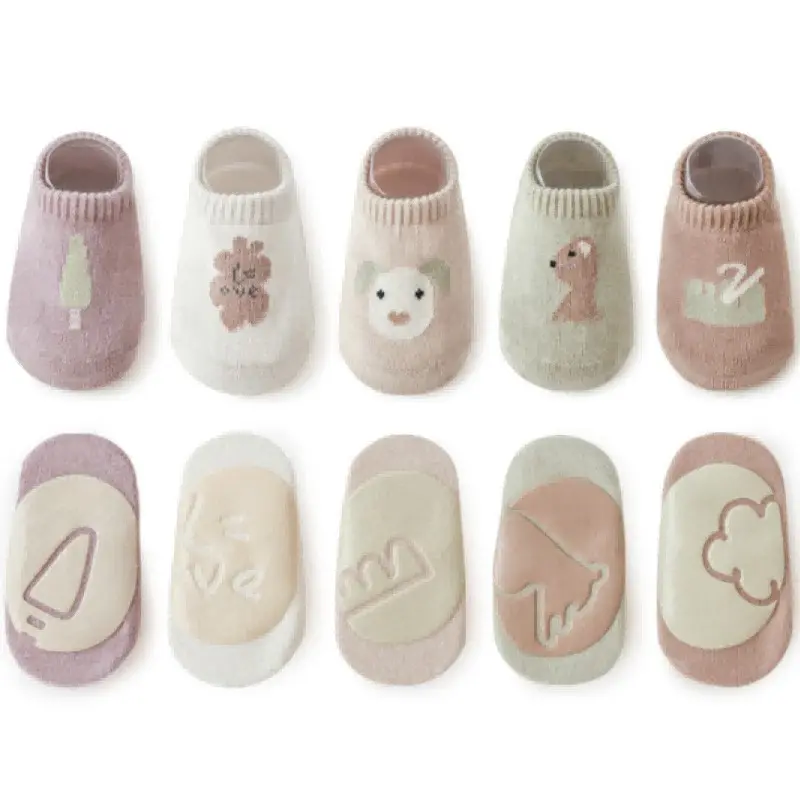 Cartoon Baby Socks With Grips Crew Walking Socks
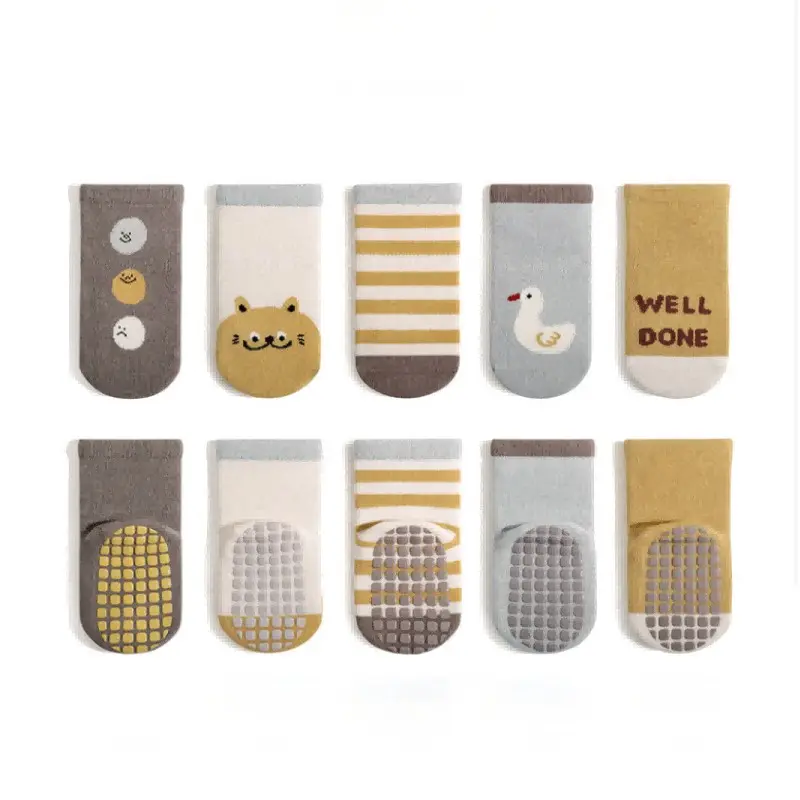 Baby Socks Floor Grip Mid-tube Socks with Cartoon