- Home
- Products
- Customization
- About Us
- Blogs
- Contact Us
 Trampoline Socks
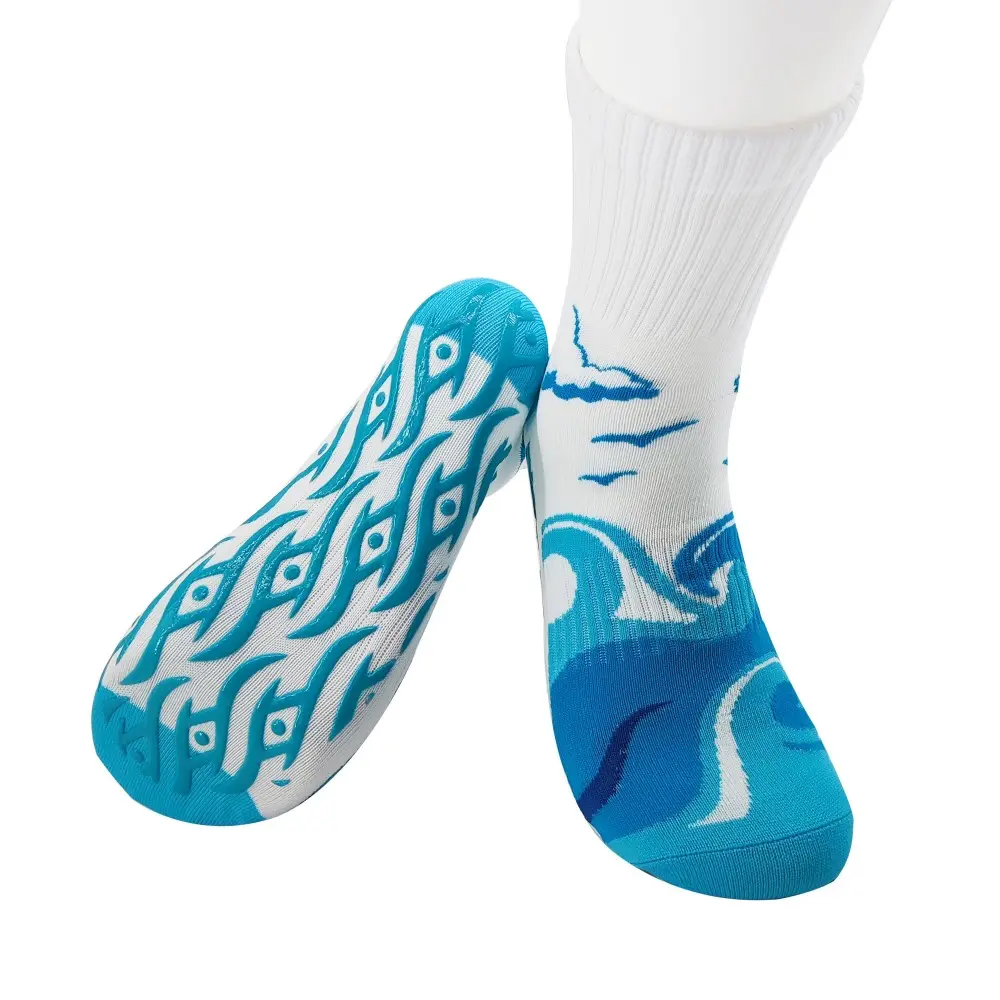 Aqua Park Socks
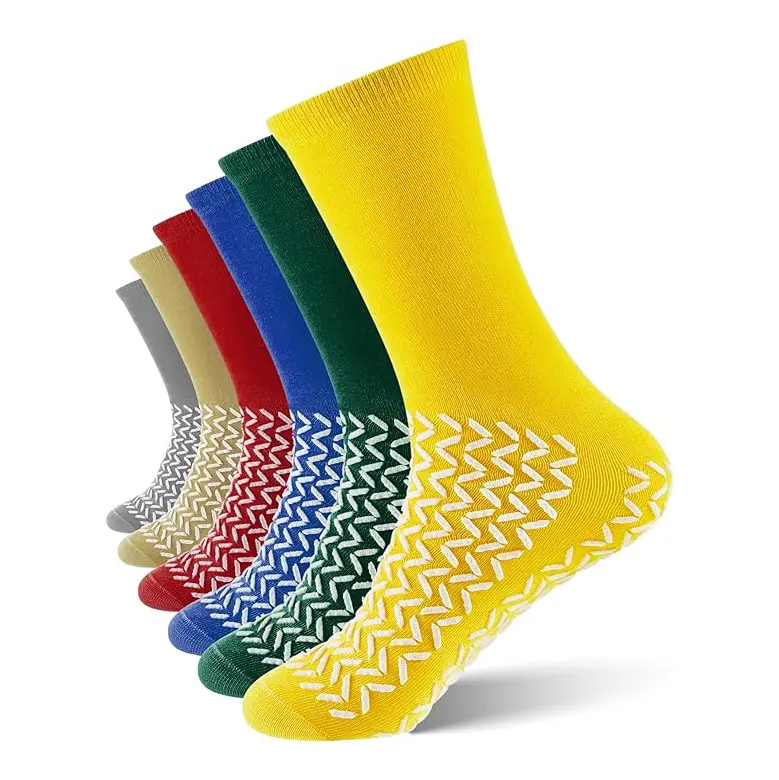 Hospital Slipper Socks
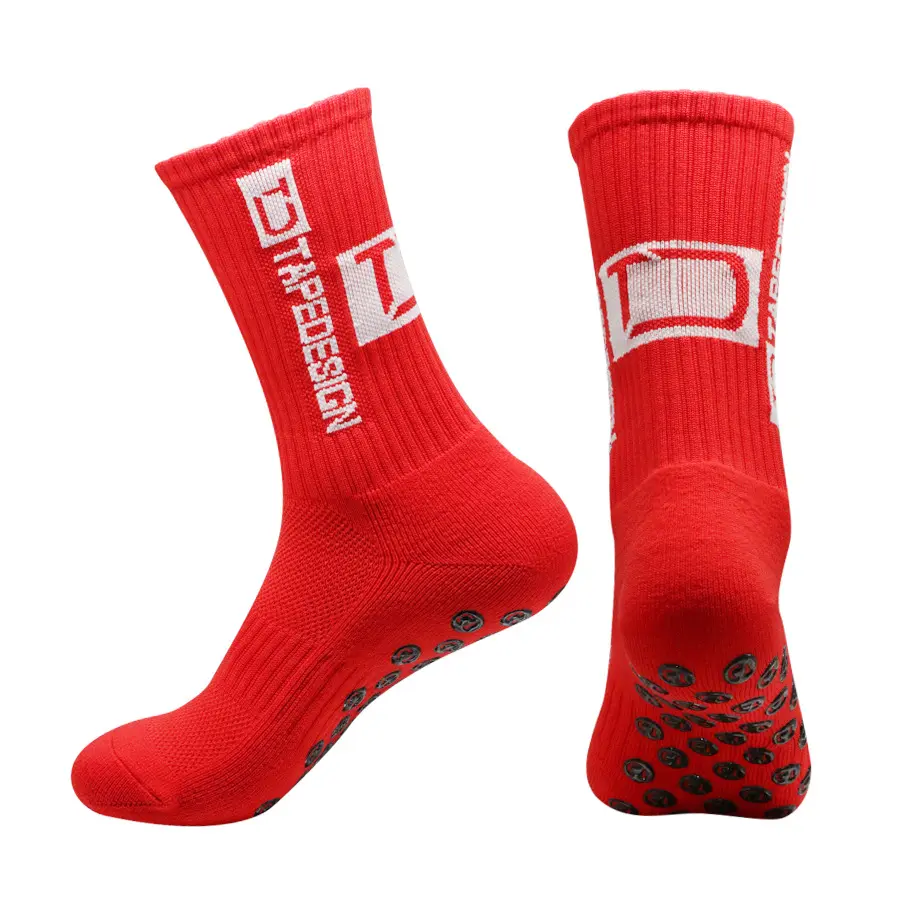 Grip Football Socks
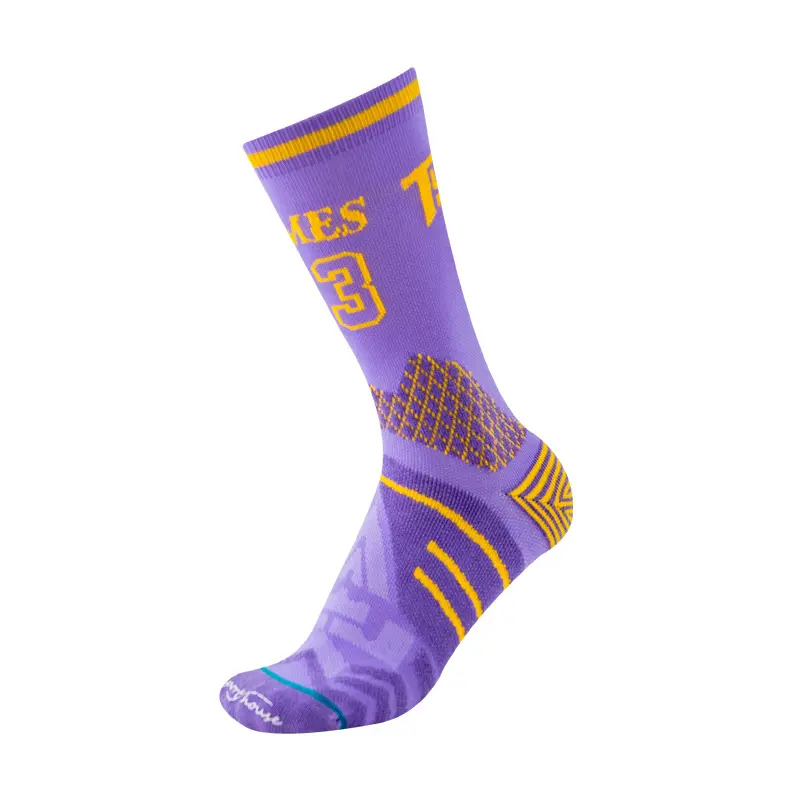 Basketball Socks
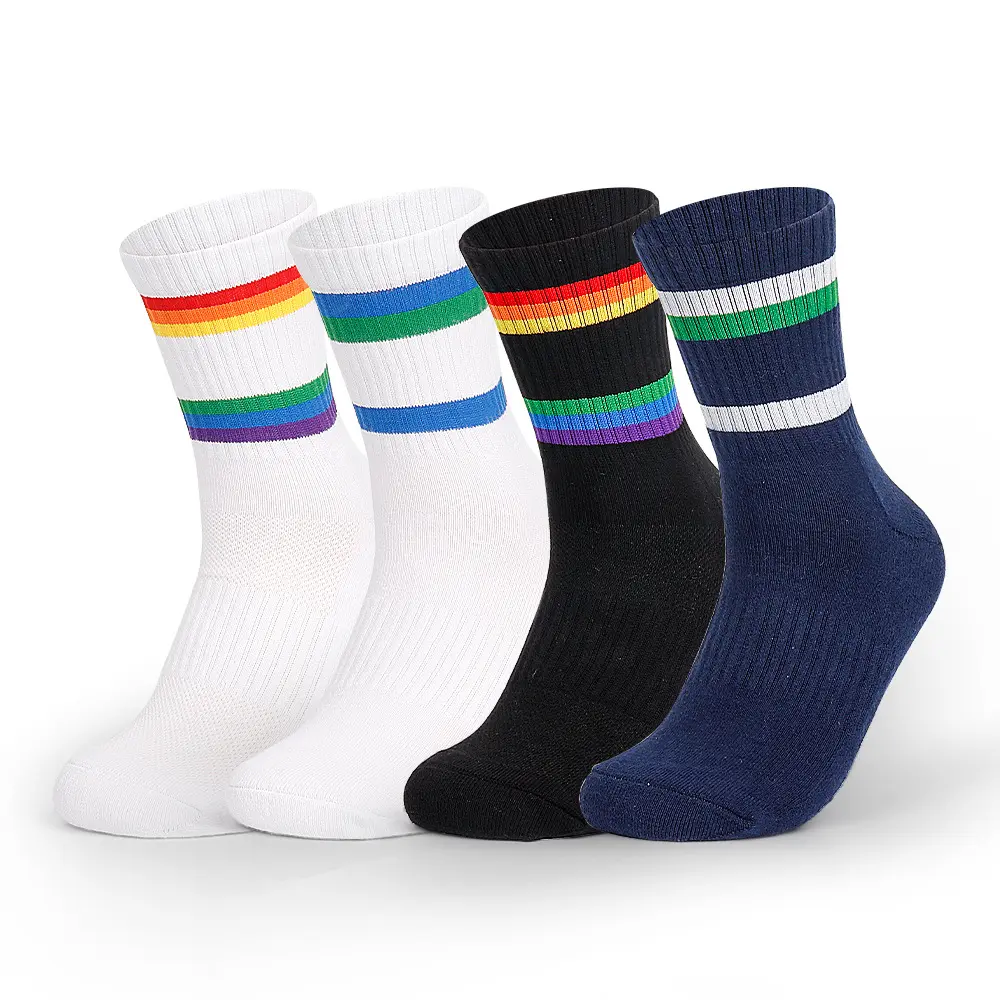 Badminton Socks
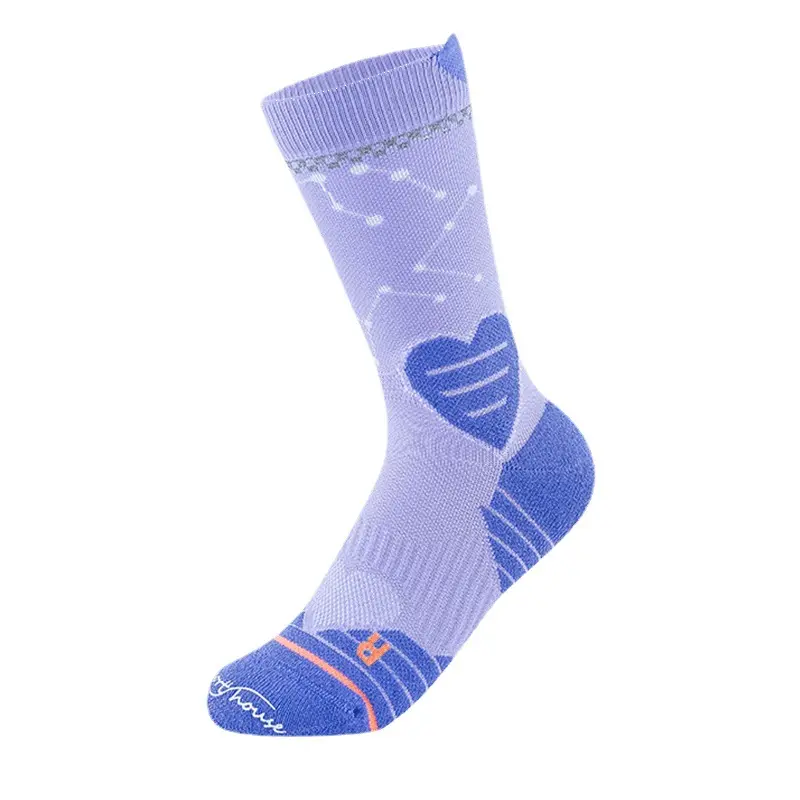 Cycling Socks
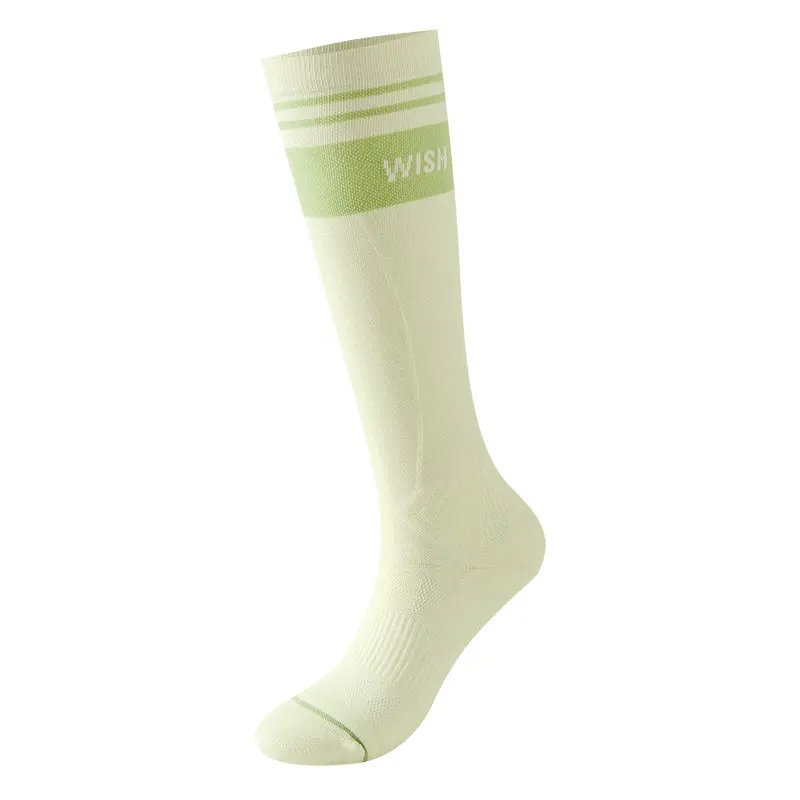 Running Socks
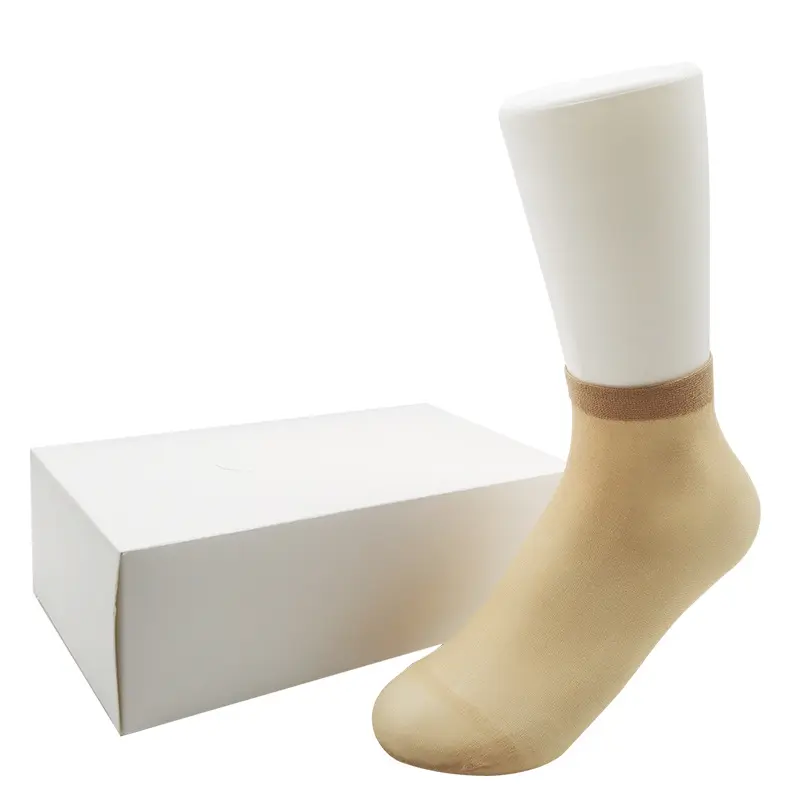 Disposable Socks Bowling Alley Socks
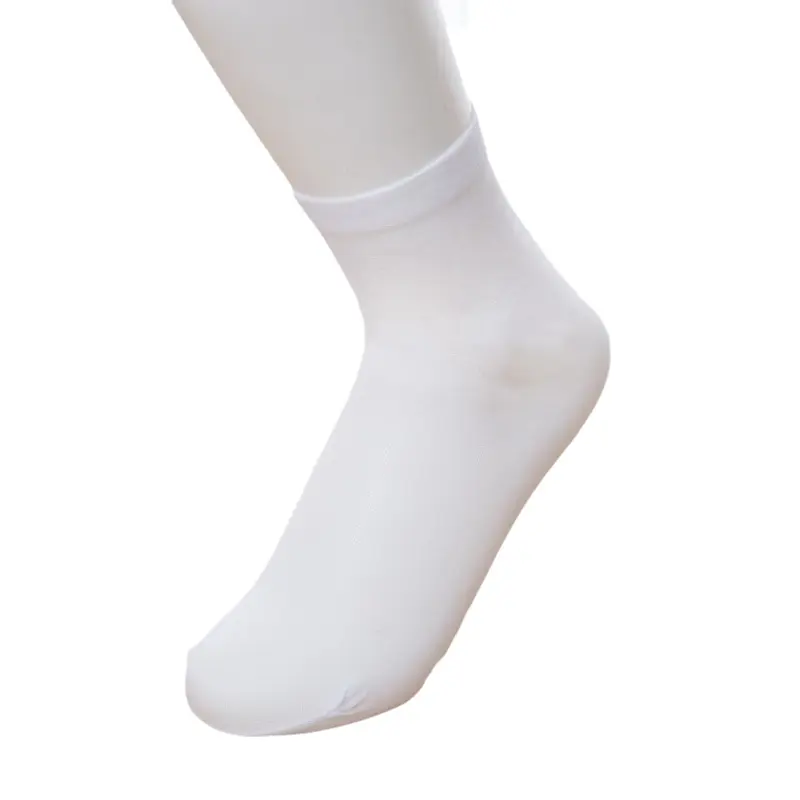 Disposable socks
 Warm Colorful Striped Crew Socks for Women
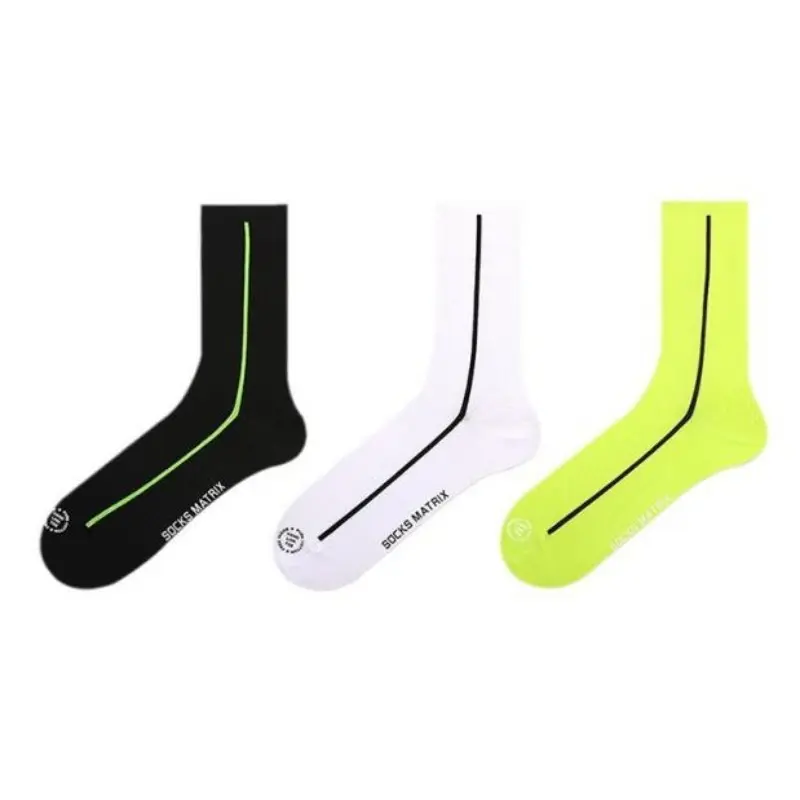 Custom Unisex Crew Socks Breathable Socks
 Digital Printing Vintage Crew Socks
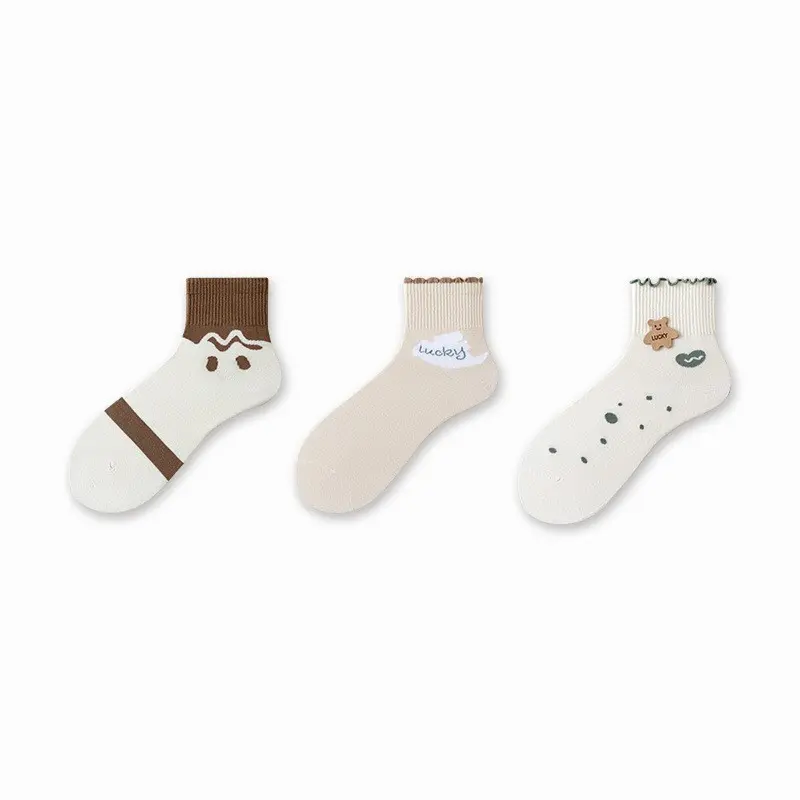 Animal Fuzzy Cartoon Crew Socks for Women
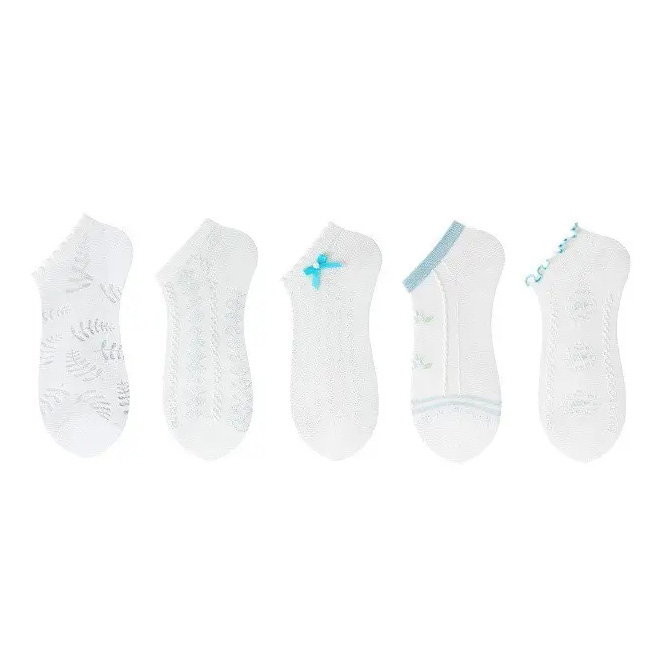 Cotton Flower Ankle Socks Low Cut Socks
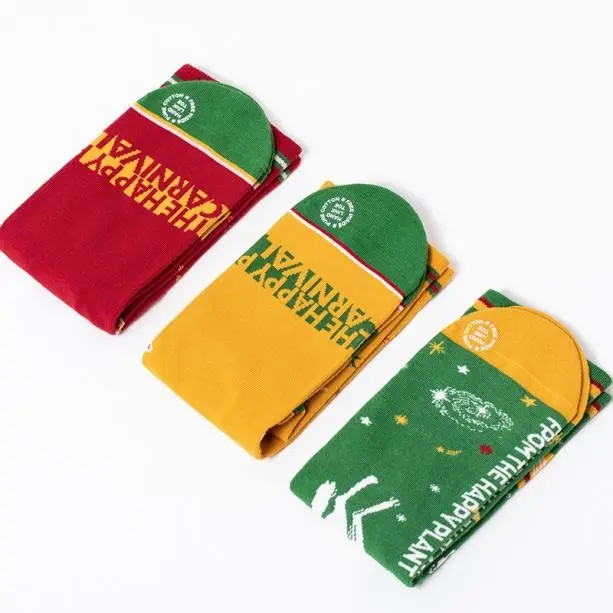 Thick Christmas Festival Crew Socks
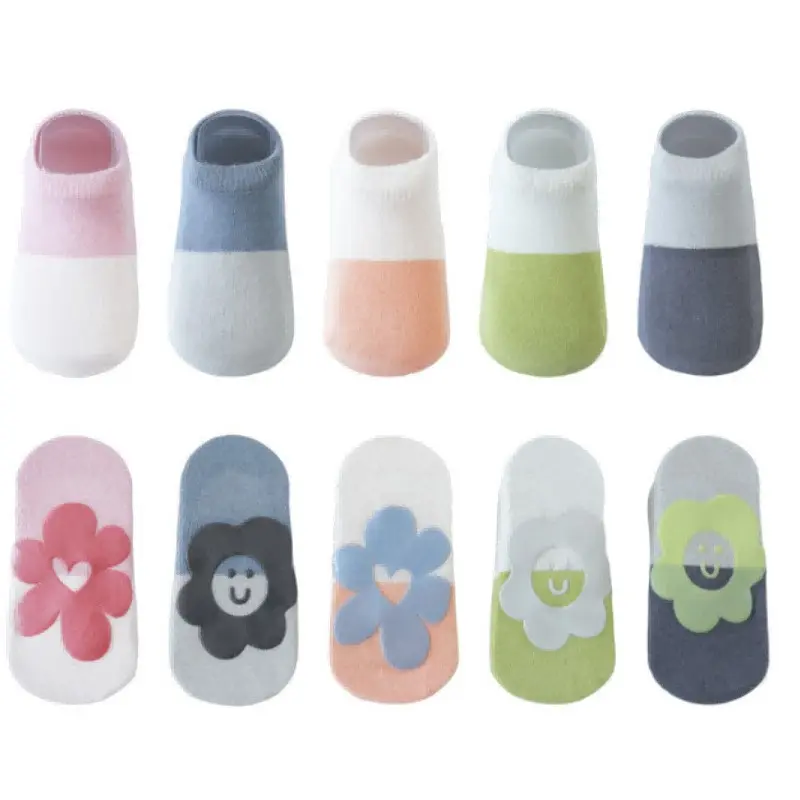 Cotton Cute Anti Slip Baby Ankle Socks with Cartoon
 Colorful Soft Baby Socks Anti-slip
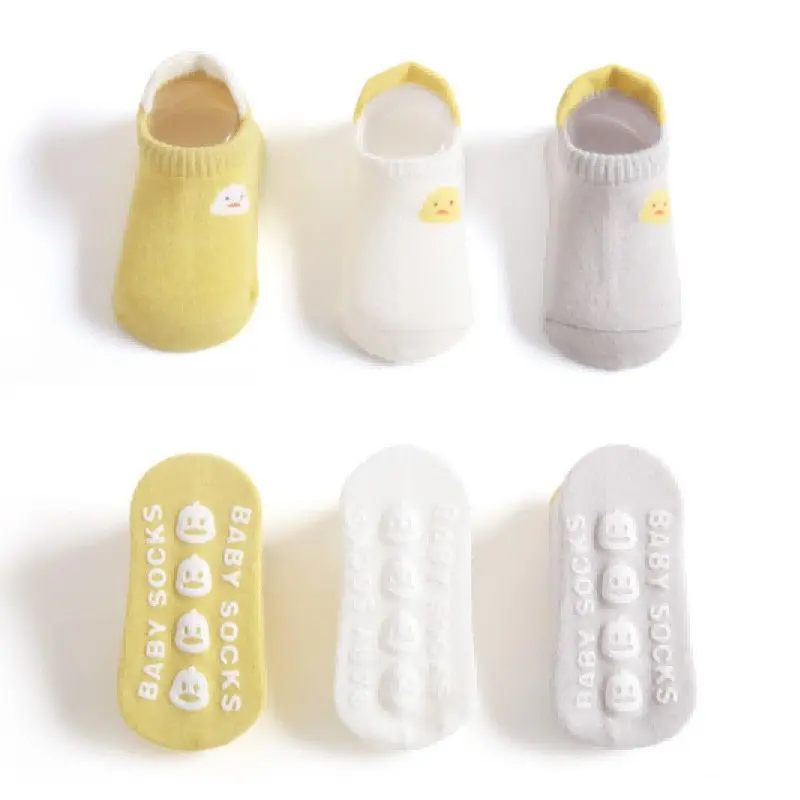 Non Slip Soft Ankle Baby Toddlers Socks
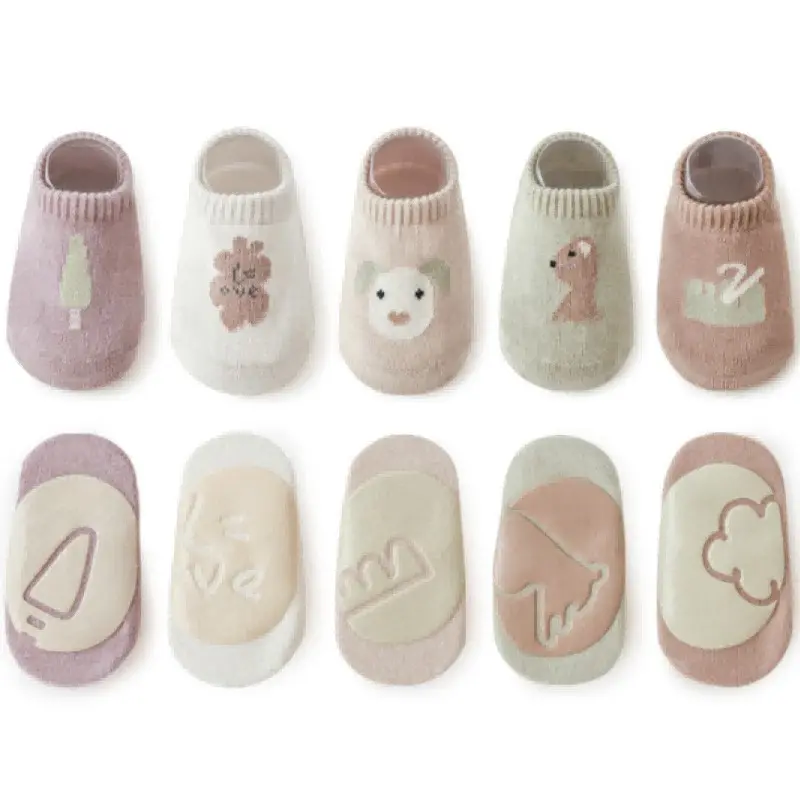 Cartoon Baby Socks With Grips Crew Walking Socks
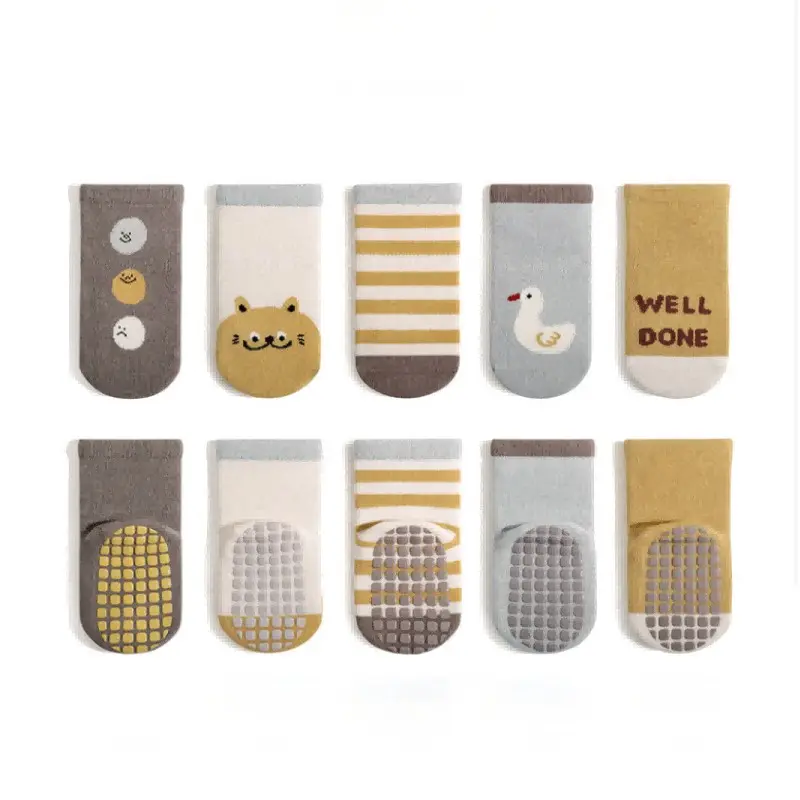 Baby Socks Floor Grip Mid-tube Socks with Cartoon
Leave Your Message
-
Phone
-
E-mail
-
Whatsapp
-
WeChat

Choosing the right Shoe Fitting Socks can influence comfort, stability, and the accuracy of a footwear fitting. Socks are not passive layers. Their thickness, stretch, seams, and moisture control change how a shoe feels around the heel and forefoot.
The American Podiatric Medical Association reported that 77% of surveyed Americans had experienced foot pain. That finding appeared in its 2014 “Foot Health” survey. More recent consumer footwear research from Circana also continues to identify comfort as a major purchase consideration. These figures support a practical concern: a shoe may appear suitable until the sock adds pressure across the toes. A thick cotton pair can make a correctly sized shoe feel too small. A loose pair can create folds under the arch.
Small details matter.
This guide examines fiber blends, cushioning zones, ankle height, compression, and seam placement. It also considers walking conditions, because a fitting sock for office shoes may fail during a long retail shift. A reliable fitting process should compare the shoe with the socks the wearer will actually use. Checking toe movement, heel security, and pressure marks is more useful than trusting size labels alone.
Still, no sizing chart predicts every foot. Foot shape, swelling, temperature, and personal tolerance vary. I would not treat one material as universally superior. Even the best Shoe Fitting Socks can feel wrong when the shoe last does not match the wearer’s anatomy. Careful testing remains essential.
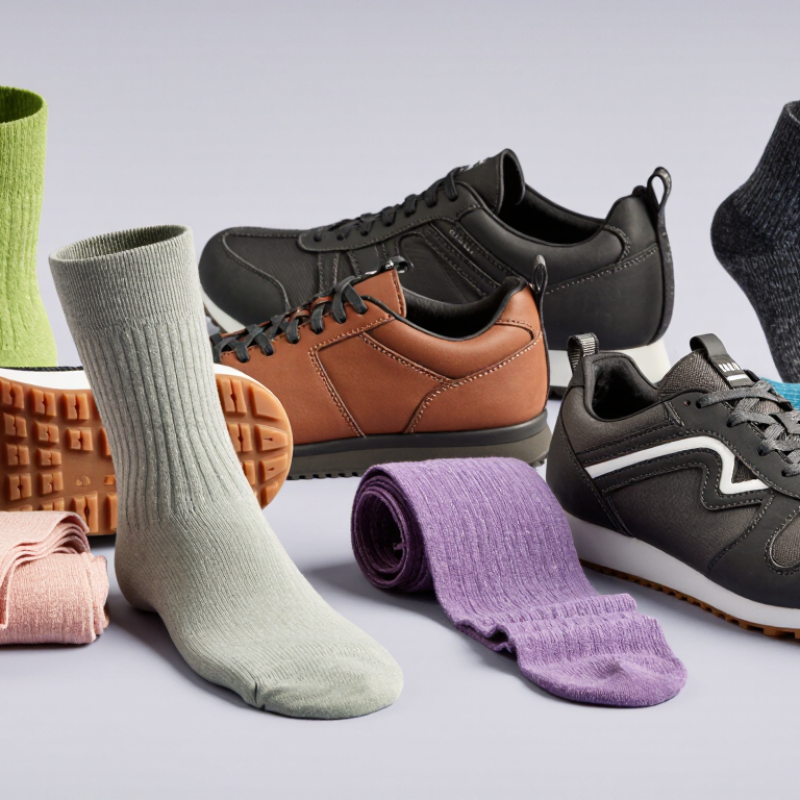
How to Choose the Best Shoe Fitting Socks?
What Shoe Fitting Socks Are and Why They Matter
Shoe fitting socks are the socks worn during a footwear trial. They should resemble your real daily socks, not thick promotional pairs. Their fabric, seams, and cushioning change the space inside a shoe. A thin, close-fitting design reveals pressure around the toes, heel, and instep. It also reduces misleading looseness during fitting.
The American Podiatric Medical Association reported that 77% of surveyed Americans had experienced foot pain. That figure comes from its 2014 foot health survey. A 2021 review in the Journal of Foot and Ankle Research also linked poor footwear fit with discomfort and pressure-related foot problems. Socks cannot correct a badly shaped shoe. They can expose the problem earlier.
Try shoes late in the day, when feet are slightly larger. Wear the socks you normally use for work, walking, or sport. Check whether the heel stays flat without bunching. Feel for toe pressure after several steps. Smooth seams matter, especially around sensitive toes. Moisture-wicking fibers may help, but they are not magic. I once treated “thicker” as “safer.” That was wrong. Extra padding can steal valuable toe room. A fitting sock should reflect real use, not create an idealized fitting moment.
| Fitting Sock Type | Typical Thickness | Best Use | Fit and Sizing Characteristics | Moisture and Comfort Performance | Potential Limitation | Overall Fitting Value |
|---|---|---|---|---|---|---|
| Lightweight liner socks | Approximately 1–2 mm | Dress shoes, lightweight sneakers, and shoes with limited internal space | Creates minimal volume and helps assess whether the shoe feels tight across the toes or instep | Low bulk with quick-drying potential when made with synthetic performance fibers | Provides limited cushioning and may not represent the volume needed for thick hiking socks | High for low-volume shoes |
| Medium-cushion crew socks | Approximately 3–5 mm | Everyday walking, work shoes, running shoes, and general footwear fitting | Offers a practical balance between foot coverage, cushioning, and available toe-box space | Usually provides moderate moisture control and impact protection | May feel too thick in narrow or tightly fitted shoes | High for general fitting |
| Thick-cushion outdoor socks | Approximately 5–8 mm | Hiking boots, winter footwear, and shoes designed for colder conditions | Accurately tests the extra volume required by cushioned outdoor socks; heel hold should remain secure | High cushioning and warmth; moisture performance depends on fiber blend and drying conditions | Can make footwear feel too short or tight if the shoe was sized for thin socks | High for outdoor footwear |
| Compression or supportive socks | Approximately 2–4 mm, depending on construction | Travel, prolonged standing, exercise, or users seeking a closer, supportive feel | Should fit smoothly without wrinkles; pressure should be even and should not cause numbness or discomfort | Close contact can reduce bunching and friction when the size is correct | More difficult to put on and may feel restrictive for some users | Moderate to high for supportive fit |
| Seamless toe socks | Approximately 1–3 mm | Wide toe boxes, sensitive toes, and footwear where toe friction is a concern | Individual toe sleeves may help separate toes and reveal pressure points inside the toe box | Can improve toe comfort when properly sized; fabric choice determines moisture control | Toe pockets may feel unusual and can add localized volume | High for toe-space evaluation |
| Merino-blend socks | Approximately 2–6 mm | Hiking, travel, cool-weather walking, and variable outdoor conditions | Natural elasticity and cushioning vary by knit structure and fiber blend; test with the intended footwear | Wool fibers can help manage moisture and temperature, while blends improve durability and drying time | Often costs more and may dry more slowly than lightweight synthetic socks | High for outdoor comfort |
| Synthetic performance socks | Approximately 1–5 mm | Running, fitness training, warm-weather use, and activities requiring faster drying | Typically offers consistent stretch and a close fit; heel and arch zones should stay in place during movement | Usually dries quickly and can reduce retained moisture when properly ventilated | May retain odor more readily than some natural-fiber blends | High for active footwear |
| Cotton-rich casual socks | Approximately 2–5 mm | Light daily use and casual shoes in relatively dry conditions | Comfortable initial feel, but fit may change slightly if the fabric absorbs moisture or shrinks after washing | Soft hand feel with moderate breathability; moisture retention can increase during prolonged activity | May become damp and create friction during exercise or hot weather | Moderate for casual fitting |
Practical fitting rule: Try shoes with the same sock thickness and construction you expect to wear. Check toe movement, heel security, instep pressure, and whether the sock stays smooth without folds. Feet can swell during the day, so afternoon fitting often gives a more realistic fit.