2026 How to Choose the Best Seamless Socks for Ultimate Comfort?
When it comes to comfort, Seamless Socks are a game changer. These socks provide a smooth fit, reducing friction and irritation. For many, blisters can ruin a day.
Choosing the right ones requires attention to various factors. Material is crucial; cotton and bamboo are soft options. Fit is also important. Socks that are too tight or loose can lead to discomfort. Look for different styles that complement your lifestyle.
Some may overlook the benefits of seamless designs. Consider how these socks can change your daily routine. Think about those moments when irritation distracts you. Investing time in choosing the right Seamless Socks may yield big rewards in comfort.
Understanding Seamless Socks: What Makes Them Different?
Seamless socks offer a different experience compared to traditional options. Their unique design eliminates annoying seams that can cause friction. A study by The Sock Industry Association shows that over 30% of adults suffer from foot discomfort due to seams. This indicates a significant market need for seamless technology.
The materials used in seamless socks also contribute to their comfort. High-quality blends, such as moisture-wicking fibers, help keep feet dry. Data from Footwear News reveals that moisture control is essential for foot health. Even slight dampness can lead to issues like blisters or fungal infections. Seamless construction, combined with effective materials, creates an environment for healthier feet.
However, not all seamless socks are perfect. Some users think they lack durability. Others find them less cushioned compared to traditional socks. These drawbacks can influence the decision-making process. Exploring various options is crucial to ensure the best fit and performance. Reading reviews can help assess both comfort and longevity. Ultimately, understanding the nuances of seamless socks is key to making an informed choice.
2026 How to Choose the Best Seamless Socks for Ultimate Comfort? - Understanding Seamless Socks: What Makes Them Different?
| Feature |
Description |
Benefits |
| Material |
Typically made from blends of cotton, polyester, and spandex. |
Provides breathability and moisture-wicking properties. |
| Seamless Design |
Constructed without traditional seams to reduce irritation. |
Minimizes friction and enhances comfort. |
| Fit |
Snug fit that contours to the foot. |
Provides support and reduces slippage. |
| Cushioning |
Often includes targeted cushioning zones. |
Enhances comfort during extended wear or physical activity. |
| Durability |
Crafted with high-quality materials for longevity. |
Resists wear and tear, maintaining performance over time. |
| Compression |
Some styles offer graduated compression support. |
Improves circulation and reduces fatigue. |
| Washing Care |
Usually machine washable and quick drying. |
Easy to maintain for consistent use. |
Key Features to Look for in Comfortable Seamless Socks
When choosing seamless socks for ultimate comfort, several key features are essential. Look for materials that provide moisture-wicking properties. These materials help keep feet dry. Breathable fabrics can enhance airflow, reducing the risk of odor. Softness and flexibility in the fabric also contribute to a more comfortable fit.
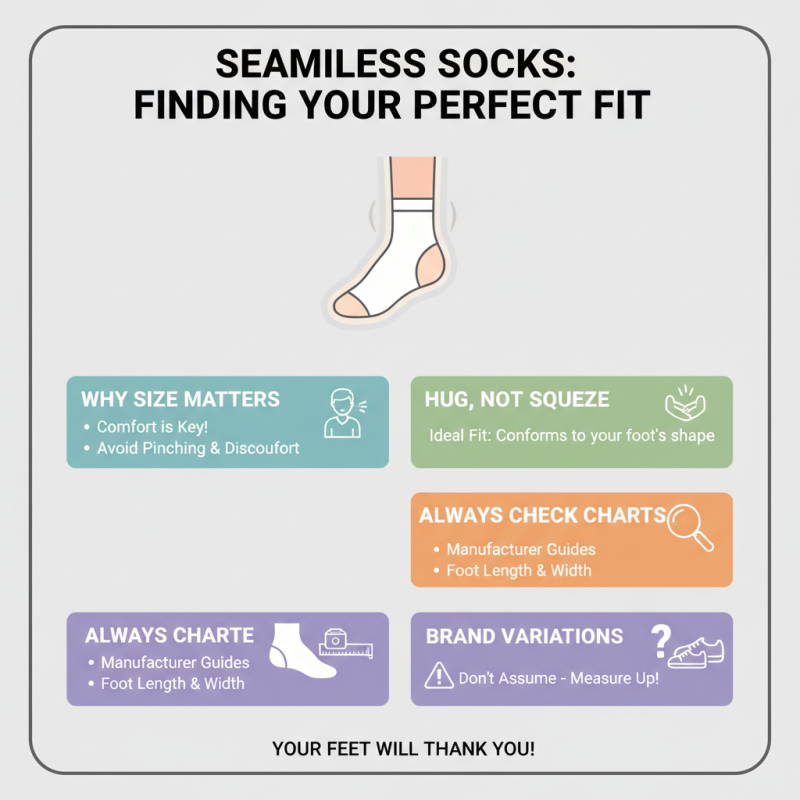
Consider the sock’s cushioning as well. Extra padding in key areas can reduce friction and provide support. The overall fit matters too. They should hug your feet without being too tight. Check for any tags or seams that might irritate your skin. Seamless designs aim to eliminate discomfort, but not all fulfill this promise.
Lastly, think about the sock height. Ankle, crew, or knee-high options each offer different levels of support and protection. Ankle socks might slip down during activity, while knee-highs could feel restrictive. Comfort is often subjective, so trying different styles is crucial. Not all seamless socks guarantee satisfaction, and finding the perfect pair may take time. Reflect on your needs and preferences regularly.
Selecting the Right Material for Maximum Comfort in Seamless Socks
Choosing the right material is essential for maximum comfort in seamless socks. Different fabrics offer various benefits. Cotton is soft and breathable, which helps keep your feet dry. However, it may not provide enough support during rigorous activities. Wool, on the other hand, warms your feet and wicks away moisture. This can be a great option for colder climates or outdoor adventures.
Synthetic blends often combine the best features of different materials. They can be stretchy, lightweight, and quick-drying. However, some synthetic fabrics might feel less breathable, leading to discomfort over time. You may also encounter socks that feel great at first but lack durability. It’s vital to consider how the material behaves after multiple washes or wear.
Another aspect to reflect on is the sock's weight. Lightweight socks can feel like a second skin. But, they might not provide adequate cushioning for certain activities. Heavier options may offer more padding but can feel restrictive. Finding the right balance between comfort and functionality is key to enjoying seamless socks. Each material offers distinct advantages and drawbacks. Think carefully about your needs to discover the perfect pair.
Caring for Your Seamless Socks to Maintain Comfort and Longevity
Caring for seamless socks is crucial for comfort and longevity. Proper washing and drying techniques can greatly extend their lifespan. According to industry studies, well-maintained socks can last up to 50% longer than those not cared for properly. The right methods can keep the fabric soft and the fit snug.
Tips: Always use a gentle detergent and wash in cold water. Avoid fabric softeners as they can break down fibers. Air dry your socks instead of using a dryer. Excess heat can lead to shrinking and wear.
Additionally, inspect your socks regularly. Look for signs of wear, such as thinning areas or loose threads. A small hole can lead to bigger problems down the line. Remember, comfort can diminish significantly when socks are not in good condition.
Tips: Store socks in a cool, dry place. Avoid damp areas, as moisture can promote mold. Rotate your socks to give each pair a break. It’s not just about buying quality; it’s also about how you treat them. Revamping your care routine can be a game changer.
2026 How to Choose the Best Seamless Socks for Ultimate Comfort
This chart illustrates the comfort levels of various seamless sock materials, helping you make an informed choice for ultimate comfort.

 Trampoline Socks
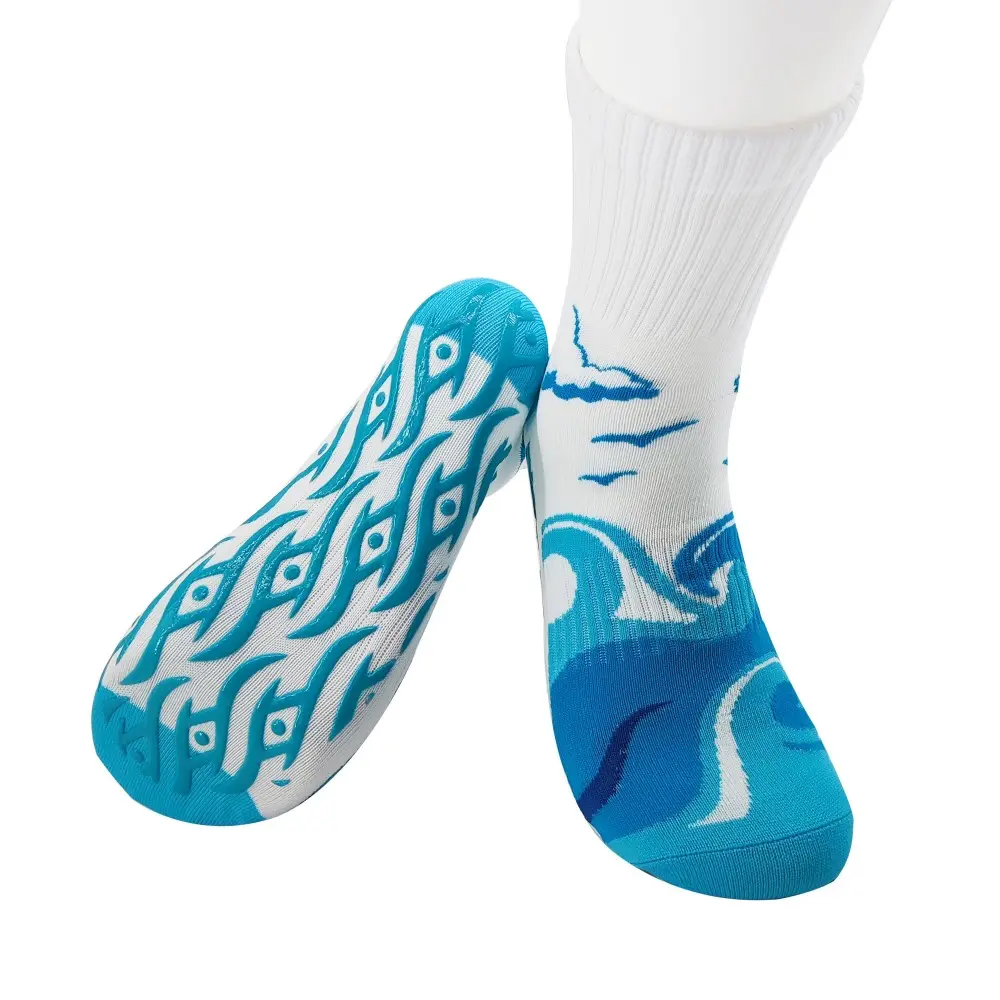 Aqua Park Socks
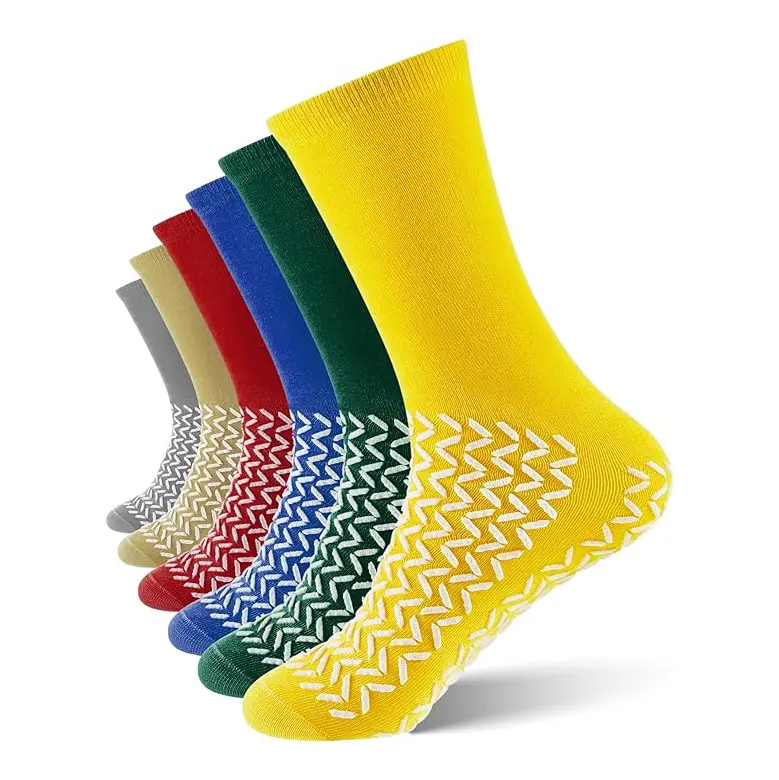 Hospital Slipper Socks
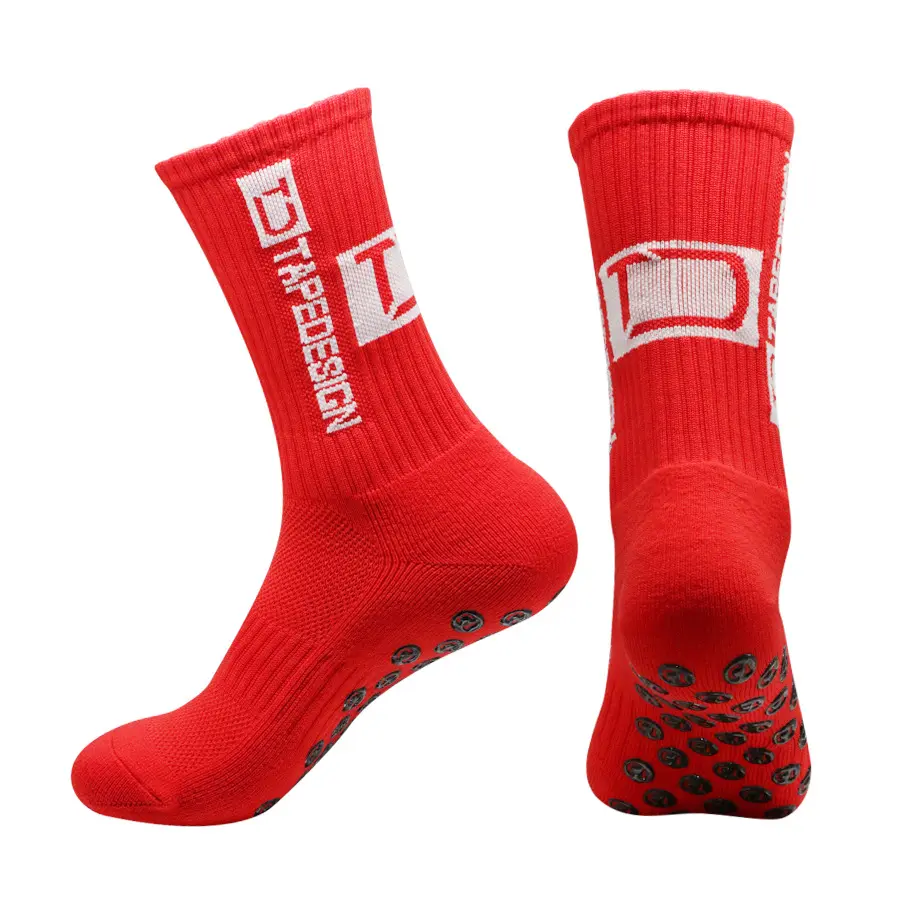 Grip Football Socks
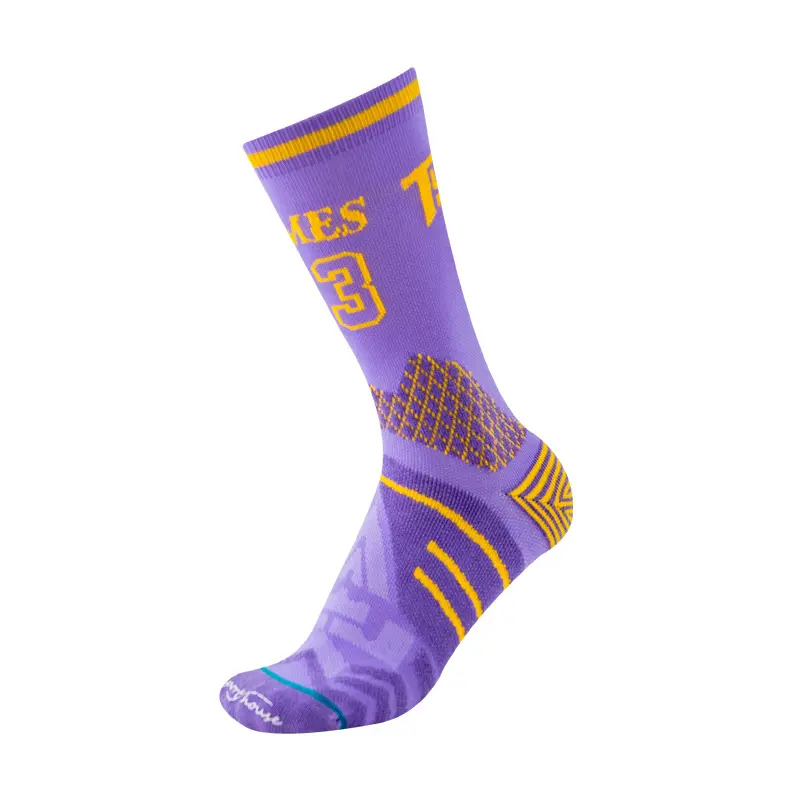 Basketball Socks
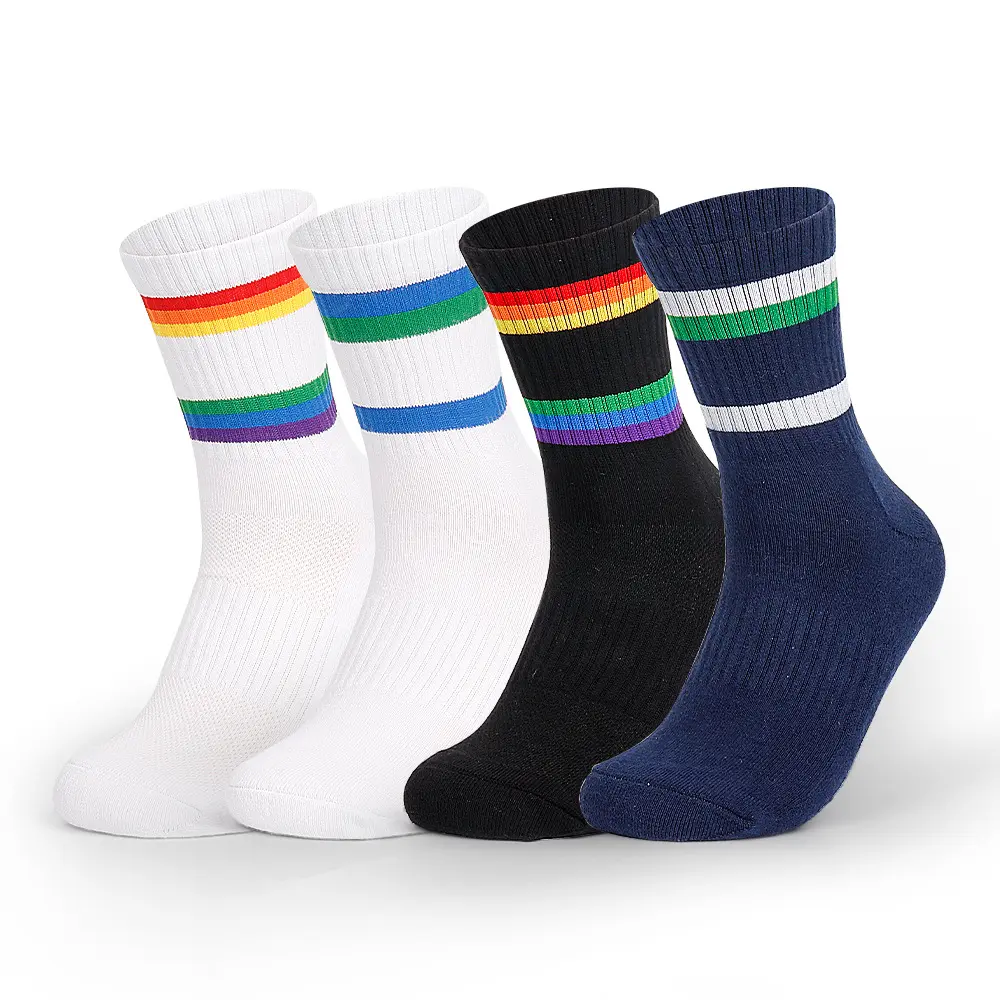 Badminton Socks
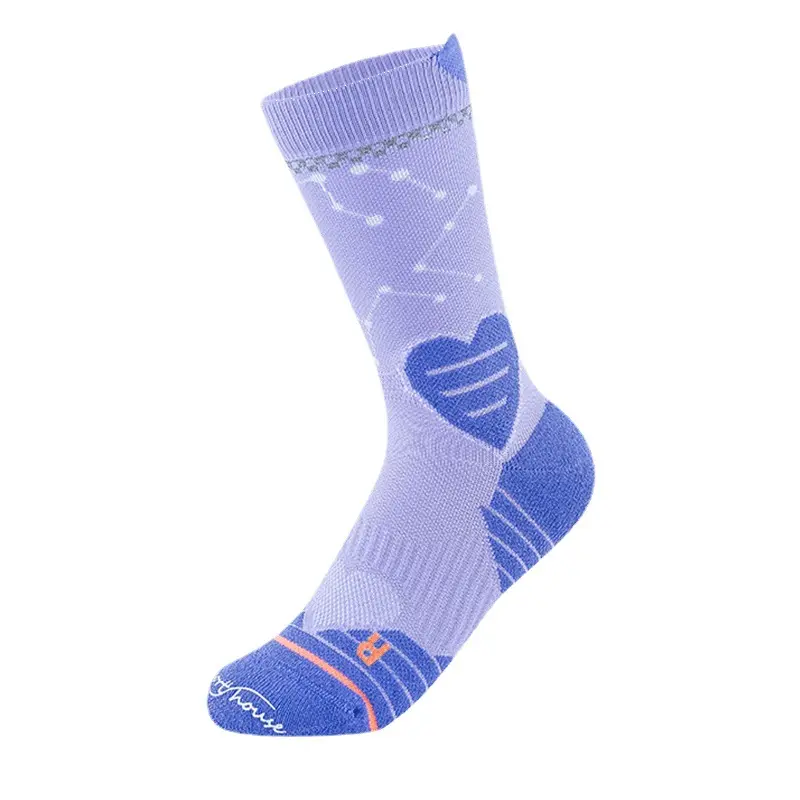 Cycling Socks
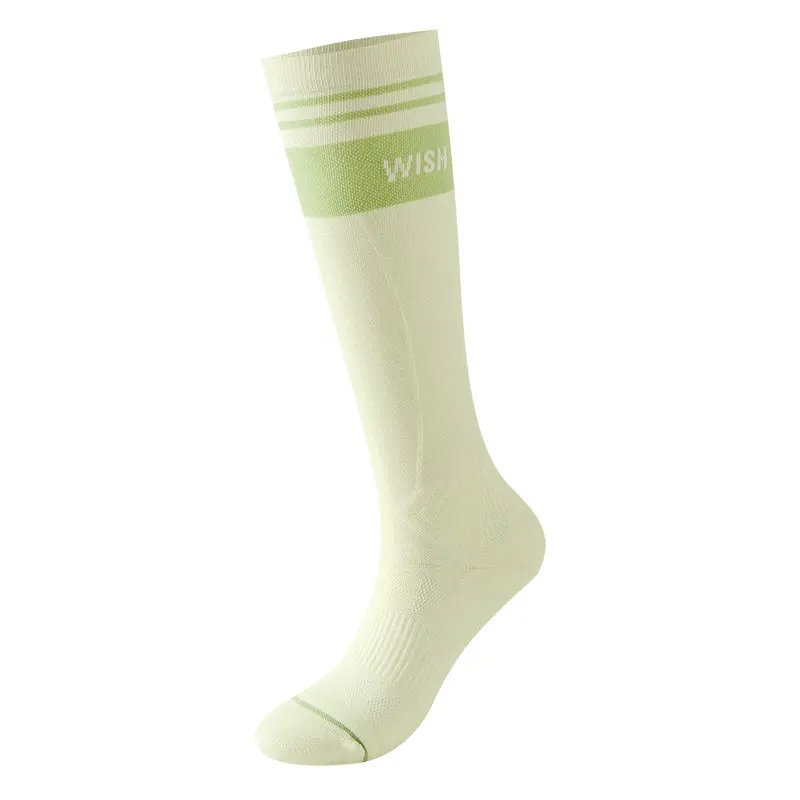 Running Socks
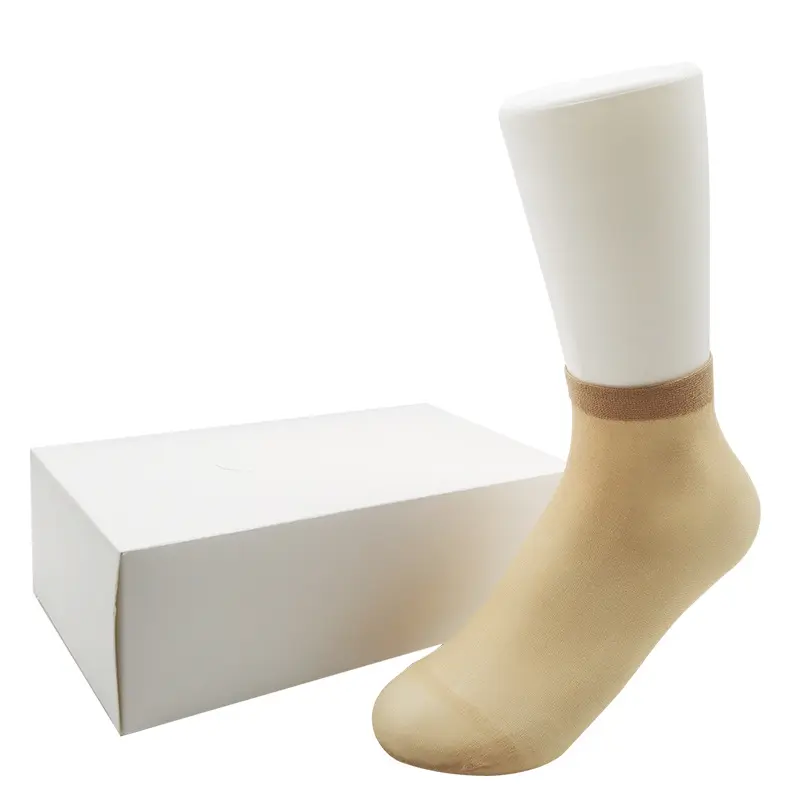 Disposable Socks Bowling Alley Socks
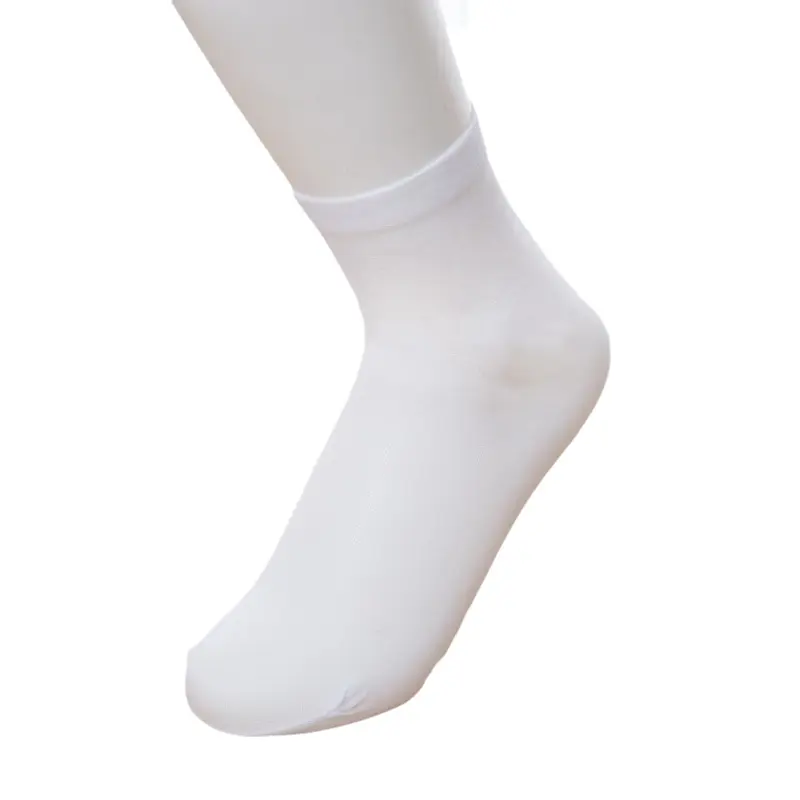 Disposable socks
 Warm Colorful Striped Crew Socks for Women
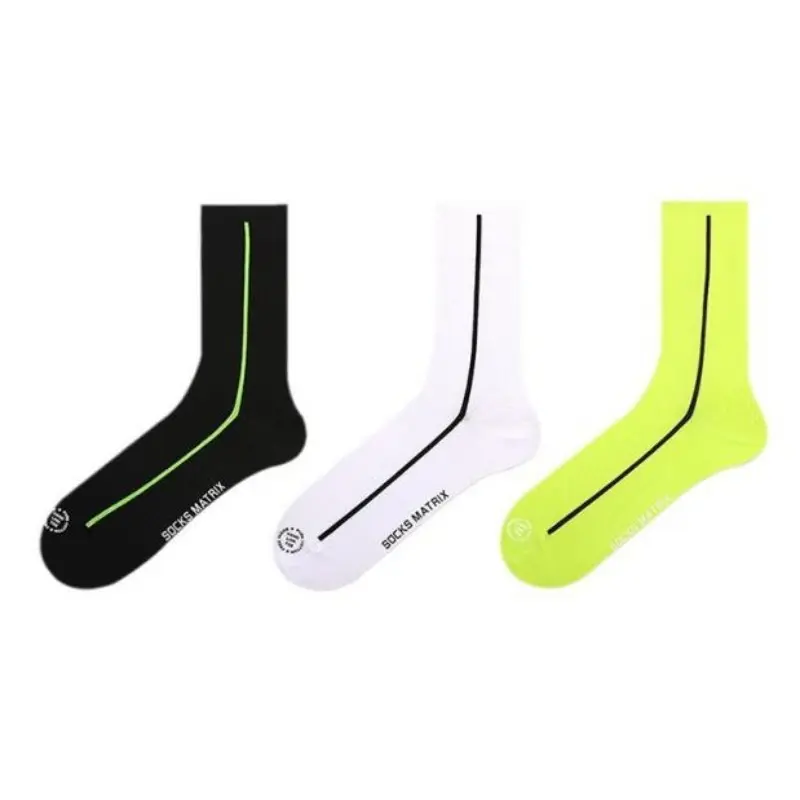 Custom Unisex Crew Socks Breathable Socks
 Digital Printing Vintage Crew Socks
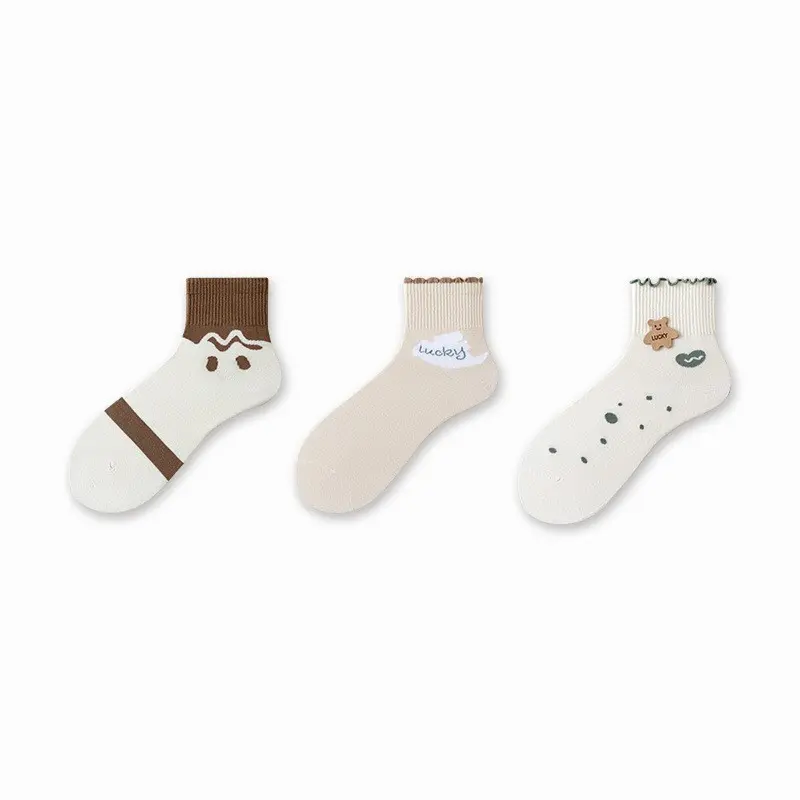 Animal Fuzzy Cartoon Crew Socks for Women
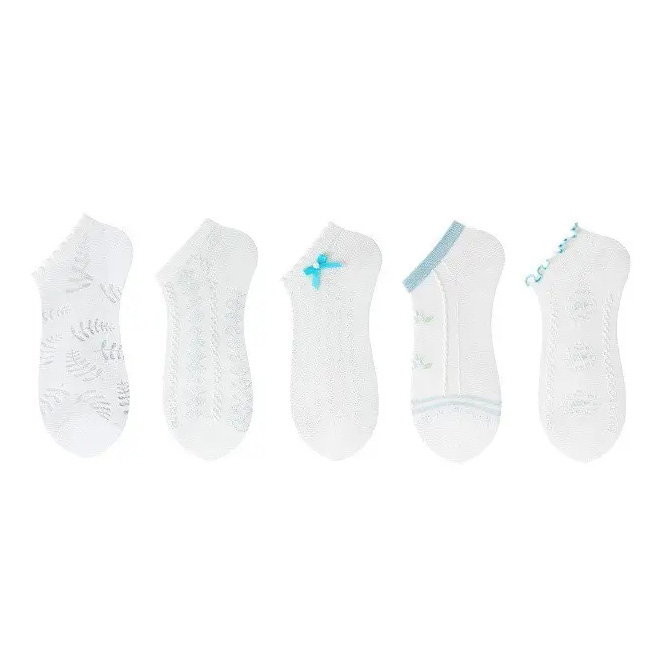 Cotton Flower Ankle Socks Low Cut Socks
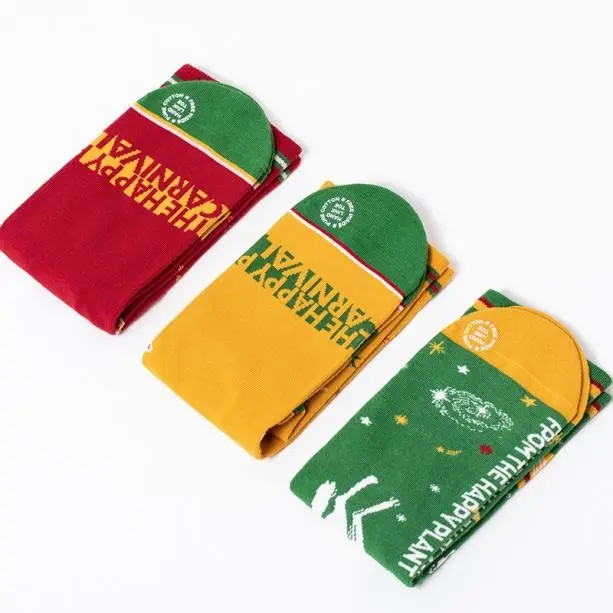 Thick Christmas Festival Crew Socks
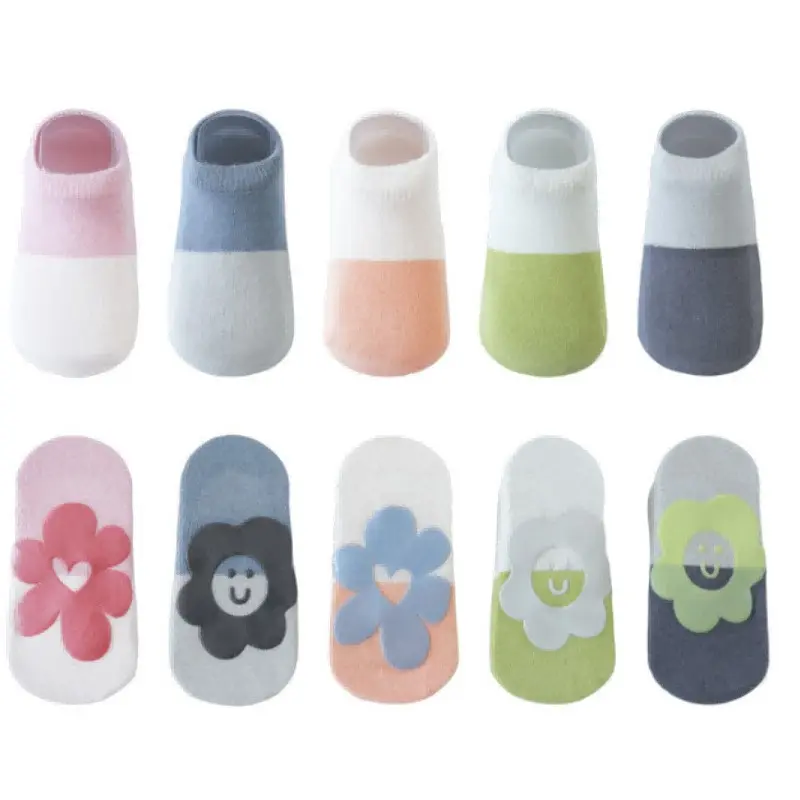 Cotton Cute Anti Slip Baby Ankle Socks with Cartoon
 Colorful Soft Baby Socks Anti-slip
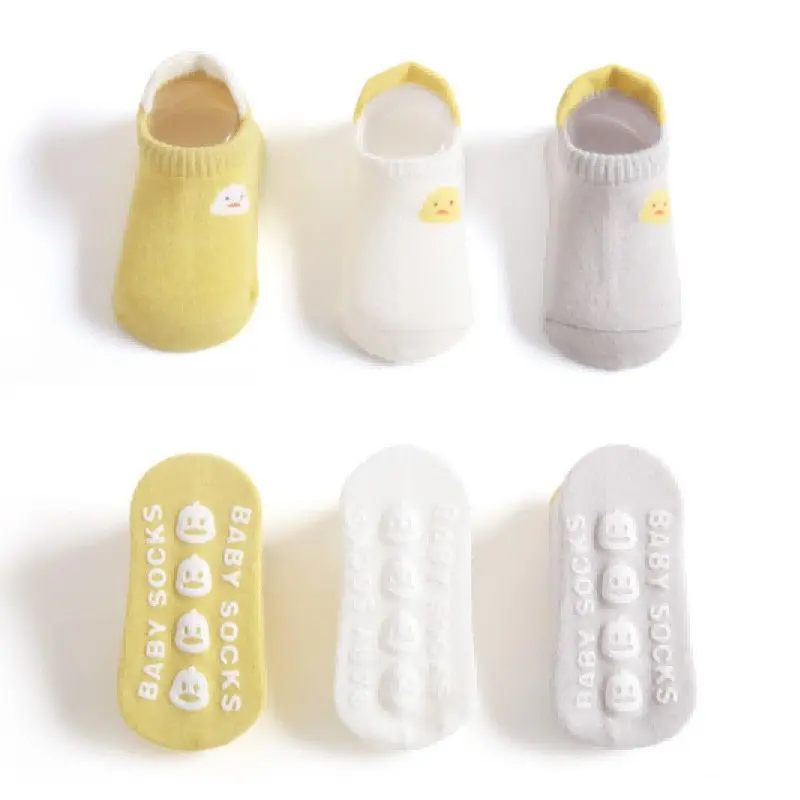 Non Slip Soft Ankle Baby Toddlers Socks
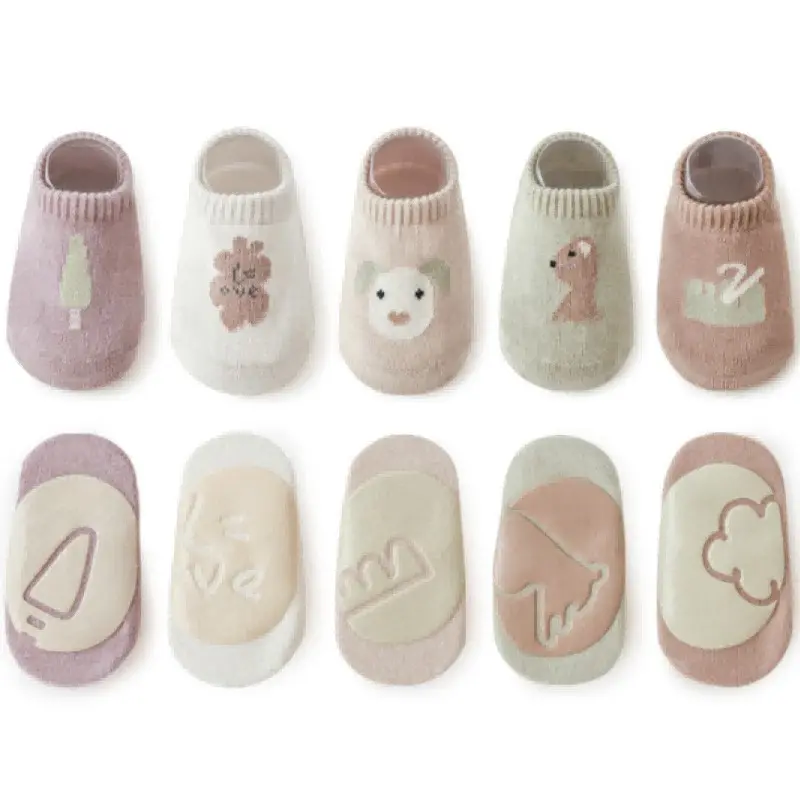 Cartoon Baby Socks With Grips Crew Walking Socks
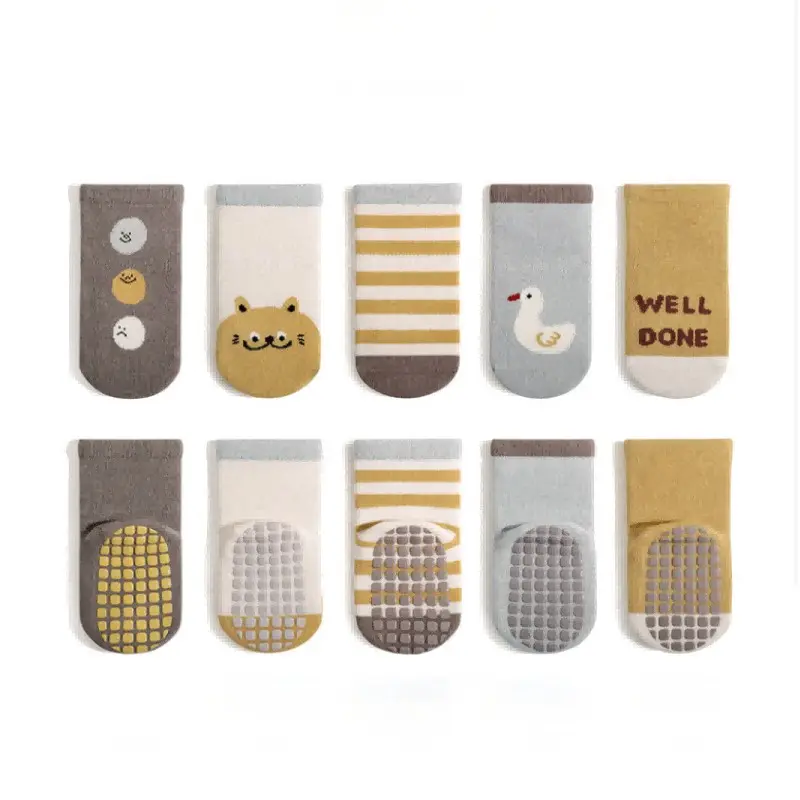 Baby Socks Floor Grip Mid-tube Socks with Cartoon