| North America |
Outdoor workers, travelers, healthcare users, and everyday consumers |
Daily wear, work footwear, travel, and light outdoor use |
Seasonal variation; frequent use of enclosed footwear |
Mid-calf crew sock with reinforced heel and toe; optional cushioned sole |
Moisture management, odor control, smooth toe seam, durable fit, and low skin irritation |
Moisture-wicking synthetic or cotton-rich blend; elastane for recovery; mesh ventilation zones |
Fiber-composition labeling, colorfastness, dimensional stability, seam strength, and restricted-substance testing |
High |
Retail-ready pairs, size-coded packaging, barcode area, and mixed-size cartons for seasonal replenishment |
| Western Europe |
Eco-conscious consumers, commuters, workers, and sensitive-skin users |
Daily wear, commuting, workwear, and sustainable apparel programs |
Moderate temperatures with wet seasons; repeated washing |
Breathable crew or ankle sock with stable cuff and low-bulk toe construction |
Skin comfort, breathability, wash durability, transparent material information, and responsible chemical management |
Certified recycled or responsibly sourced fibers where applicable; reinforced high-abrasion zones; elastane for shape retention |
Applicable textile labeling, REACH-related substance controls, colorfastness, pilling, shrinkage, and care-label accuracy |
High |
Paper-based or recyclable packaging, multilingual care information, size harmonization, and traceable production batches |
| East Asia |
Office workers, students, commuters, and consumers wearing compact footwear |
Business wear, school uniforms, commuting, and indoor-outdoor daily use |
Humid summers, variable winters, and extended periods in enclosed shoes |
Fine-gauge ankle, crew, or dress sock with a smooth finish and non-bulky toe |
Quick drying, odor reduction, comfortable cuff pressure, lightweight feel, and neat appearance |
Fine polyester, nylon, viscose, or blended yarns; breathable knit zones; controlled elastane content |
Color migration, pilling, odor-treatment substantiation, seam inspection, size tolerance, and wash testing |
High |
Compact individual packaging, accurate size labeling, small color assortments, and frequent replenishment capability |
| South Asia |
Industrial workers, school users, commuters, and mass-market consumers |
Workwear, schoolwear, daily commuting, and value-focused retail |
Hot and humid conditions; high perspiration and frequent daily wear |
Breathable crew sock with reinforced sole, heel, and toe; optional lightweight cushioning |
Fast moisture release, odor management, abrasion resistance, color retention, and affordable durability |
Cotton-rich or synthetic blend with mesh ventilation; reinforced knitting in high-wear areas |
Colorfastness to washing and perspiration, seam durability, abrasion resistance, fiber labeling, and batch consistency |
High |
Cost-efficient polybags or recyclable alternatives, standardized size runs, carton optimization, and repeatable bulk production |
| Southeast Asia |
Service workers, students, travelers, athletes, and urban consumers |
Daily wear, uniforms, travel, fitness, and humid-weather footwear |
Hot, humid, and rainy conditions; high moisture exposure |
Low-cut, ankle, or crew sock with ventilation panels and quick-dry construction |
Breathability, quick drying, odor control, anti-slip fit, and resistance to repeated washing |
Moisture-wicking polyester or nylon blend; mesh instep; elastic arch support; reinforced sole |
Drying performance, colorfastness to perspiration, pilling, shrinkage, odor-treatment durability, and fit testing |
High |
Moisture-resistant outer cartons, compact packs, multilingual labels, and flexible order quantities for multiple channels |
| Middle East |
Outdoor workers, uniformed employees, travelers, and consumers in formal footwear |
Work uniforms, formal wear, driving, travel, and indoor air-conditioned environments |
High outdoor heat with substantial indoor temperature changes |
Lightweight crew or dress sock with breathable zones and reinforced heel and toe |
Heat release, sweat management, odor reduction, non-irritating fibers, and secure cuff fit |
Lightweight synthetic blend or cotton blend; breathable knit; moderate cushioning; durable elastic cuff |
Colorfastness, fiber content, seam integrity, odor-treatment safety documentation, and regional labeling requirements |
High |
Heat-protective logistics planning, clear size conversion, private-label-ready packaging, and stable replenishment inventory |
| Sub-Saharan Africa |
Workers, school users, healthcare staff, travelers, and value-conscious households |
Uniforms, schoolwear, workwear, daily wear, and basic healthcare use |
Warm conditions, variable humidity, hand washing, and demanding wear cycles |
Durable crew sock with reinforced stress areas and easy-care construction |
Durability, odor control, color retention, easy washing, secure fit, and consistent sizing |
Cotton-polyester or durable synthetic blend; reinforced heel and toe; moderate elastane content |
Wash durability, abrasion resistance, colorfastness, seam strength, dimensional stability, and carton moisture protection |
High |
Strong export cartons, moisture protection, simplified size assortment, clear pictorial care instructions, and dependable lead times |
| Latin America |
Retail consumers, students, service workers, athletes, and commuters |
Daily wear, schoolwear, uniforms, fitness, and casual footwear |
Mixed climates from tropical humidity to cooler highland conditions |
Multi-purpose ankle or crew sock with optional cushioning and arch support |
Comfort, moisture management, fit retention, odor reduction, and resistance to frequent laundering |
Cotton-rich blend for comfort or synthetic blend for faster drying; reinforced sole and toe |
Colorfastness, pilling, shrinkage, fiber labeling, seam quality, and size consistency across colorways |
Medium |
Seasonal color planning, Spanish or Portuguese care information, flexible pack sizes, and regional size conversion charts |
| Healthcare and Care Facilities |
Nurses, caregivers, patients, and long-stay residents |
Clinical work, rehabilitation, assisted living, and extended indoor wear |
Long wearing periods, repeated laundering, and sensitivity to pressure or friction |
Non-binding crew or quarter sock with smooth seams and optional cushioned footbed |
Low pressure, soft hand feel, moisture management, reduced friction, secure fit, and easy laundering |
Soft cotton blend or moisture-wicking synthetic blend; covered elastane; smooth toe seam |
Pressure and stretch assessment, seam inspection, wash-cycle durability, colorfastness, fiber safety, and skin-contact material review |
High |
Hygienic sealed pairs, lot traceability, wash-care instructions, institutional pack sizes, and documented inspection records |
| Sports and Fitness |
Runners, gym users, cyclists, hikers, and recreational athletes |
Training, running, hiking, indoor fitness, and sports events |
High perspiration, repetitive friction, and frequent washing |
Quarter, crew, or no-show performance sock with arch support and targeted cushioning |
Moisture transfer, blister-risk reduction, ventilation, secure fit, abrasion resistance, and recovery after washing |
Technical polyester or nylon blend; mesh zones; terry cushioning; elastane arch band; flat toe seam |
Moisture-management testing, abrasion, pilling, dimensional stability, colorfastness, seam strength, and fit trials |
High |
Pair-level size and activity labeling, ventilated packaging, color assortment control, and performance-focused product documentation |
| Industrial and Safety Workwear |
Construction workers, warehouse staff, logistics teams, and machine operators |
Safety footwear, boots, factory floors, warehouses, and outdoor labor |
Long shifts, high friction, perspiration, dust, and repeated laundering |
Boot-length or crew sock with reinforced cushioning and stable leg fit |
Abrasion resistance, moisture control, anti-bunching fit, cushioning, odor reduction, and long service life |
Durable synthetic or cotton-polyester blend; reinforced heel, toe, and sole; arch support; cushioned footbed |
Abrasion, seam strength, pilling, shrinkage, colorfastness, fiber content, and compatibility with required protective footwear |
High |
Bulk institutional packaging, size and shift allocation, moisture-resistant cartons, pre-shipment inspection, and repeat-order controls |
| Sensitive Skin and Elderly Users |
Older adults, people with circulation concerns, and users prone to skin irritation |
Home use, mobility support, medical recovery, and extended daily wear |
Long wear duration, lower activity levels, and increased sensitivity to pressure or seams |
Loose-top or non-binding sock with soft cuff and seamless or smooth toe area |
Low compression, softness, breathability, low friction, easy donning, and stable but gentle fit |
Soft cotton, modal, bamboo-derived cellulosic fiber, or carefully specified synthetic blend; covered elastane |
Cuff stretch and recovery, pressure assessment, seam smoothness, skin-contact material review, wash durability, and size accuracy |
High |
Easy-open packaging, high-contrast size marking, clear care instructions, individual hygiene sealing, and traceable production lots |
| Travel and Hospitality |
Travelers, hotel guests, airline passengers, and hospitality staff |
Long-distance travel, hotel amenities, spa services, and guest-room use |
Extended sitting, enclosed footwear, variable cabin temperatures, and repeated packing |
Lightweight ankle or crew sock with compact construction and comfortable stretch |
Fresh hand feel, odor control, compact packing, moisture management, and dependable fit |
Lightweight cotton blend or quick-dry synthetic blend; smooth toe; moderate elastane; optional antimicrobial treatment only with evidence |
Wash testing, odor-treatment documentation, colorfastness, lint shedding, seam inspection, and packaging hygiene checks |
Medium |
Individually sealed pairs, compact hotel or travel packs, easy size identification, and efficient carton cube utilization |

 Trampoline Socks
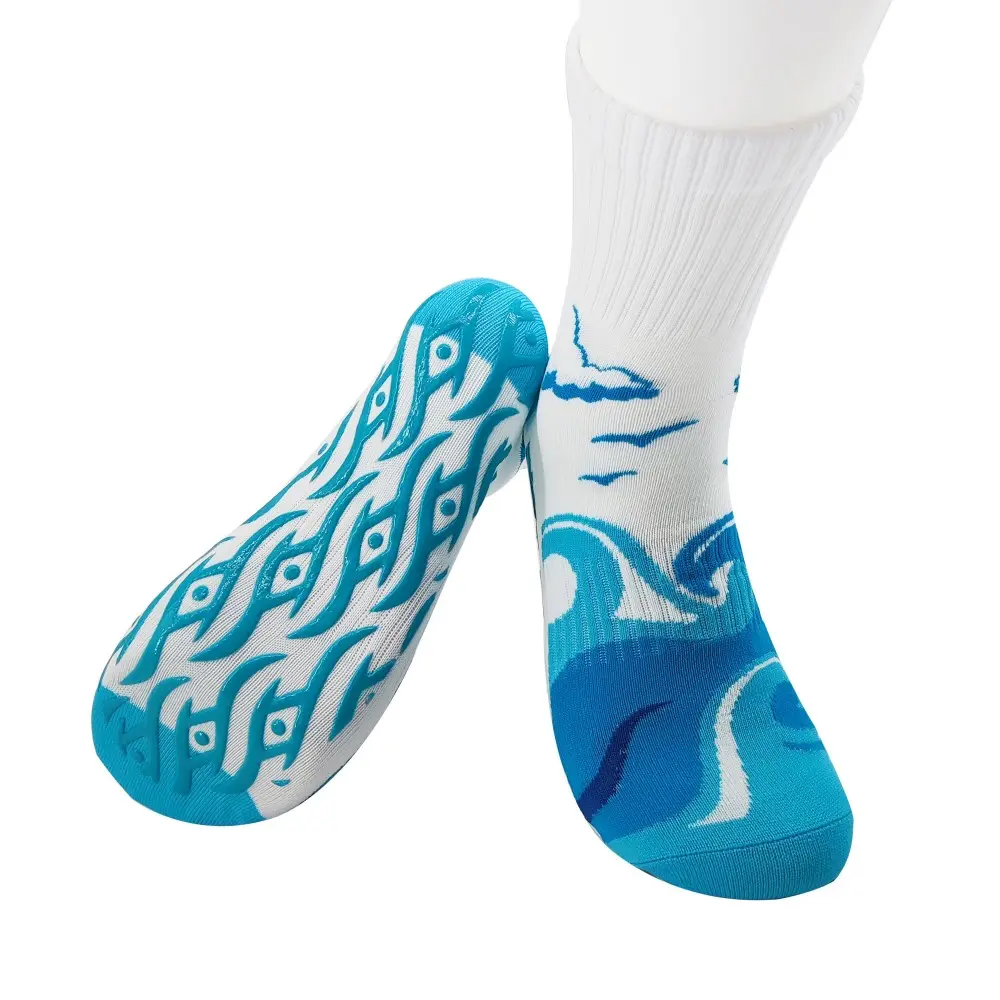 Aqua Park Socks
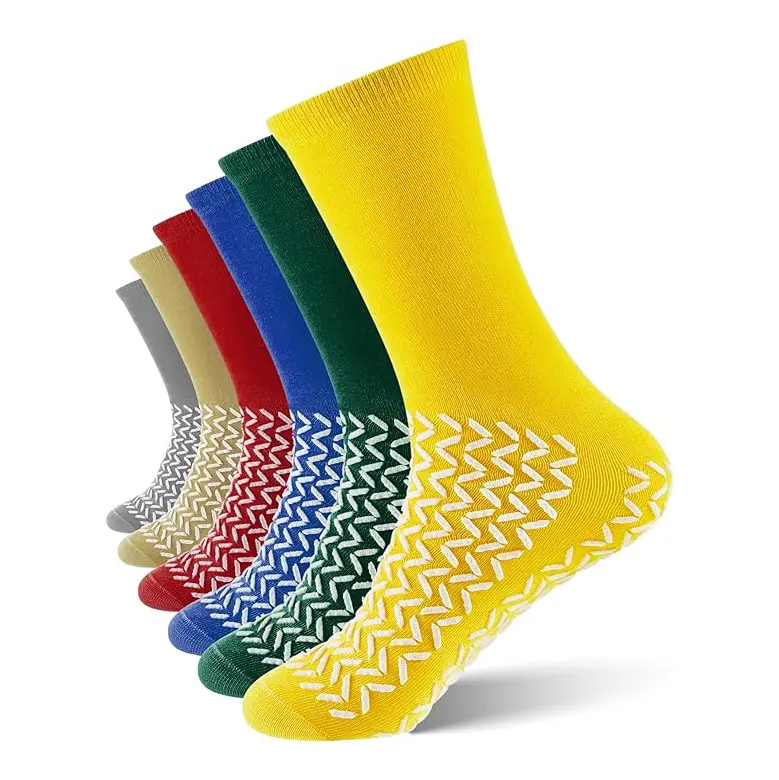 Hospital Slipper Socks
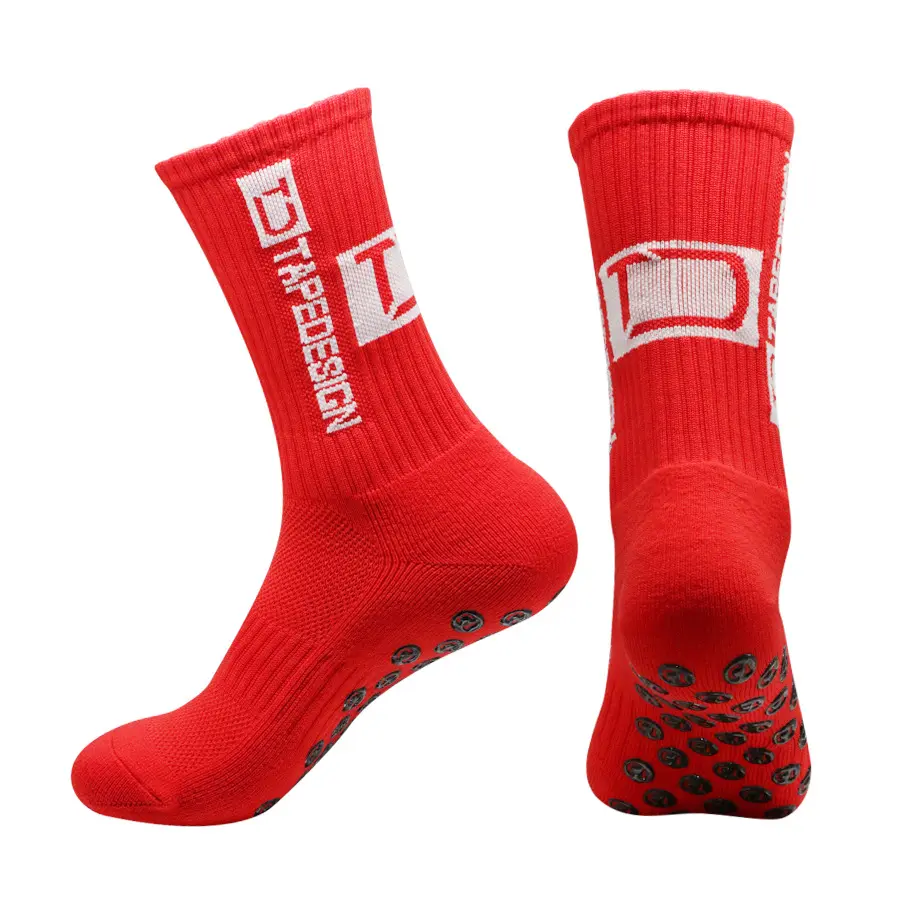 Grip Football Socks
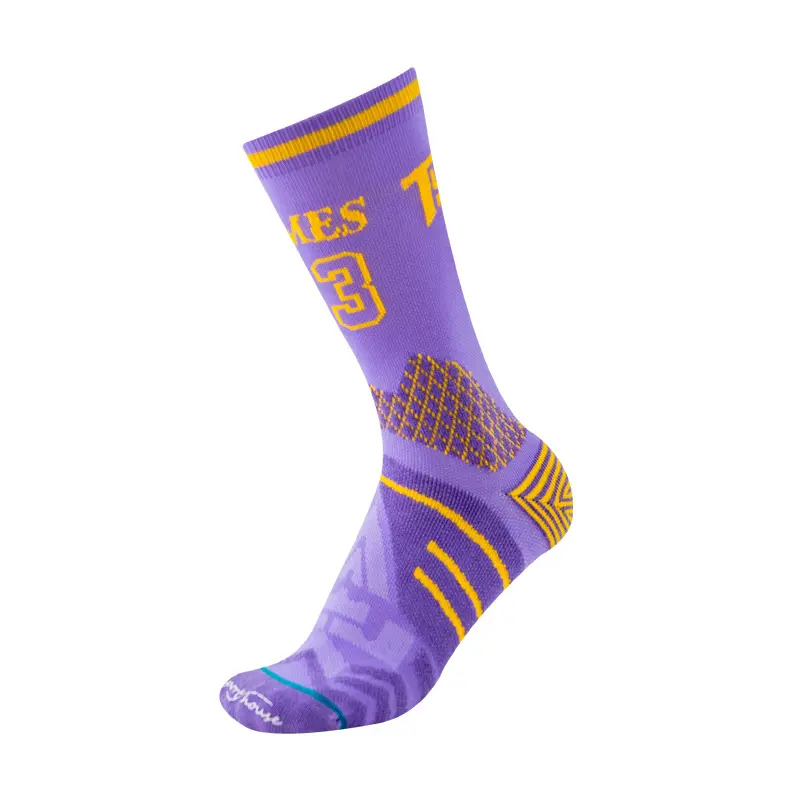 Basketball Socks
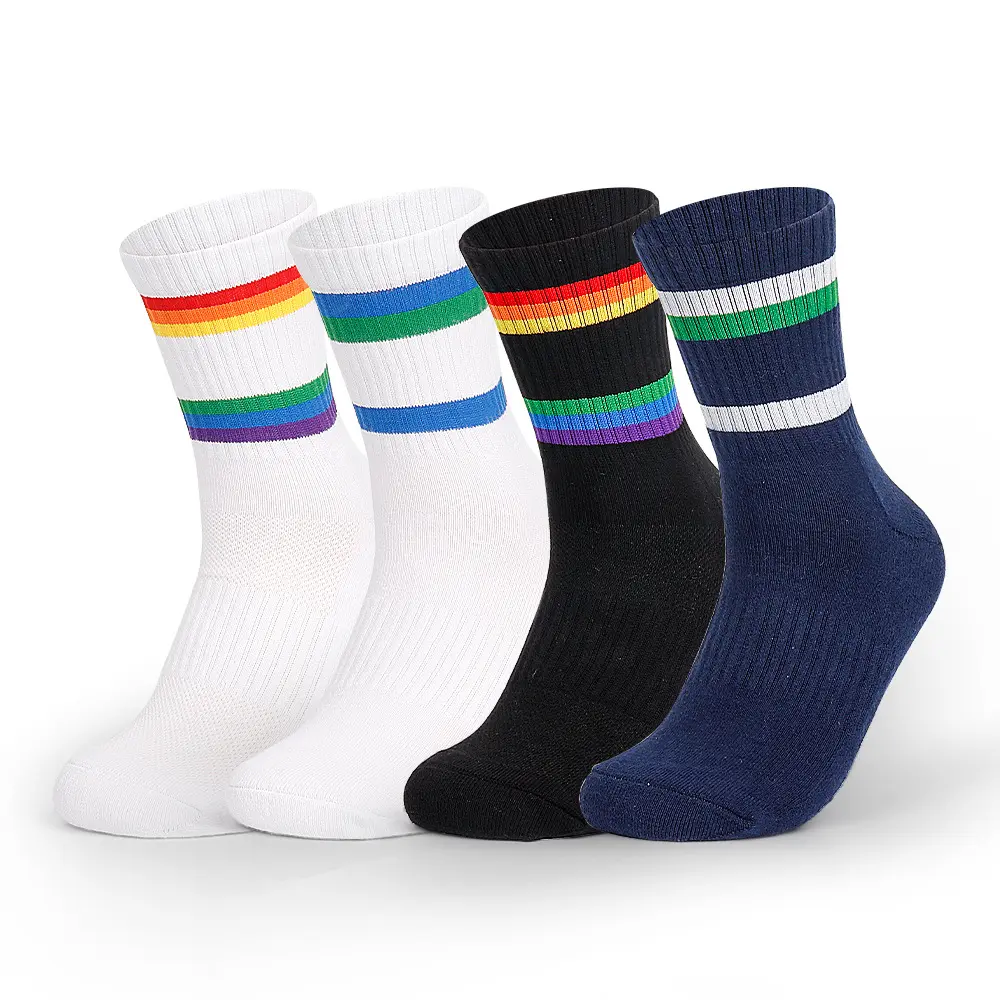 Badminton Socks
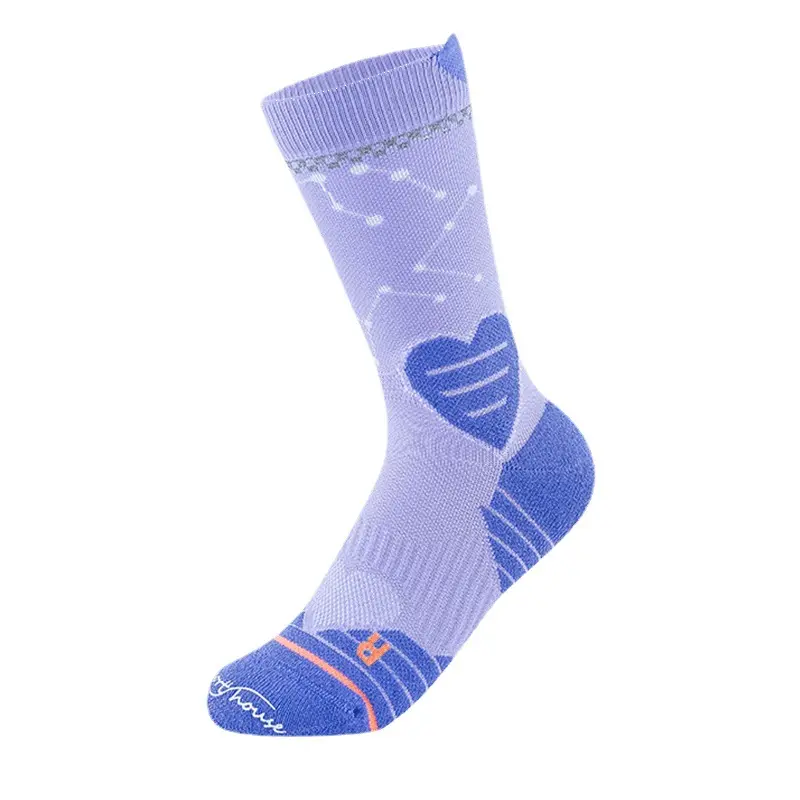 Cycling Socks
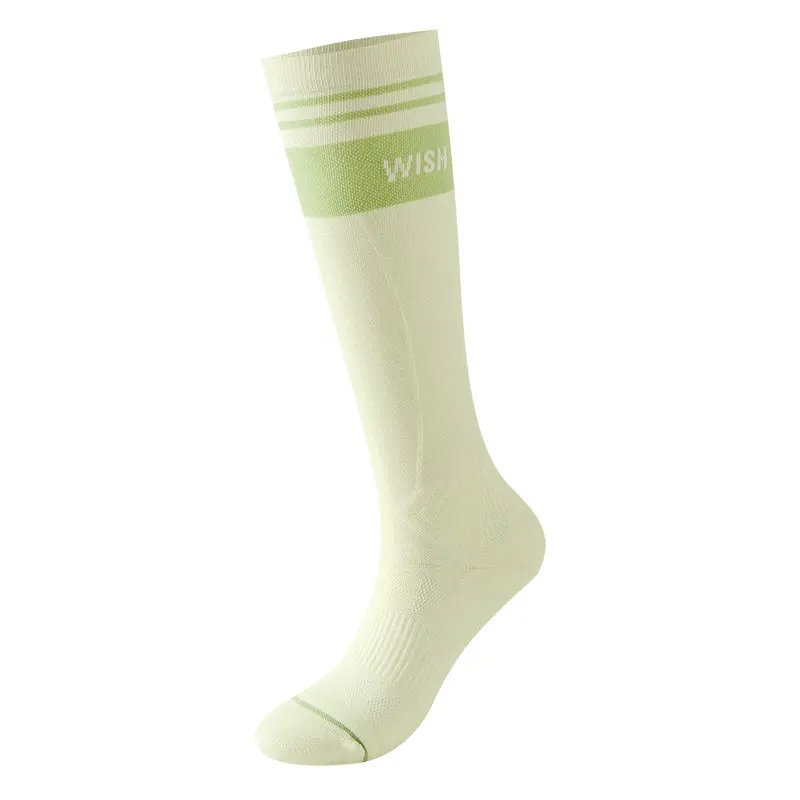 Running Socks
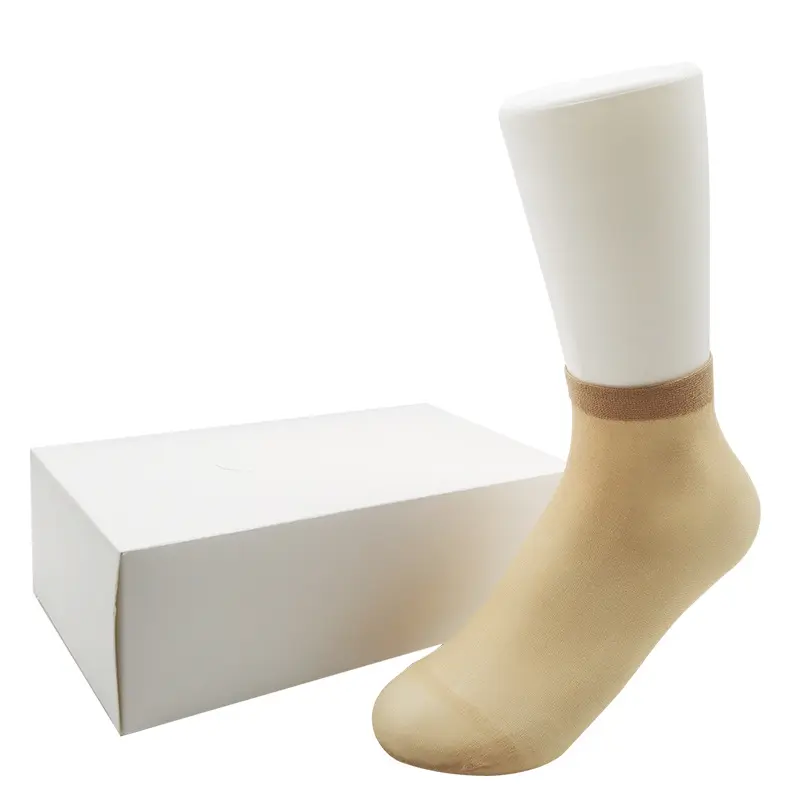 Disposable Socks Bowling Alley Socks
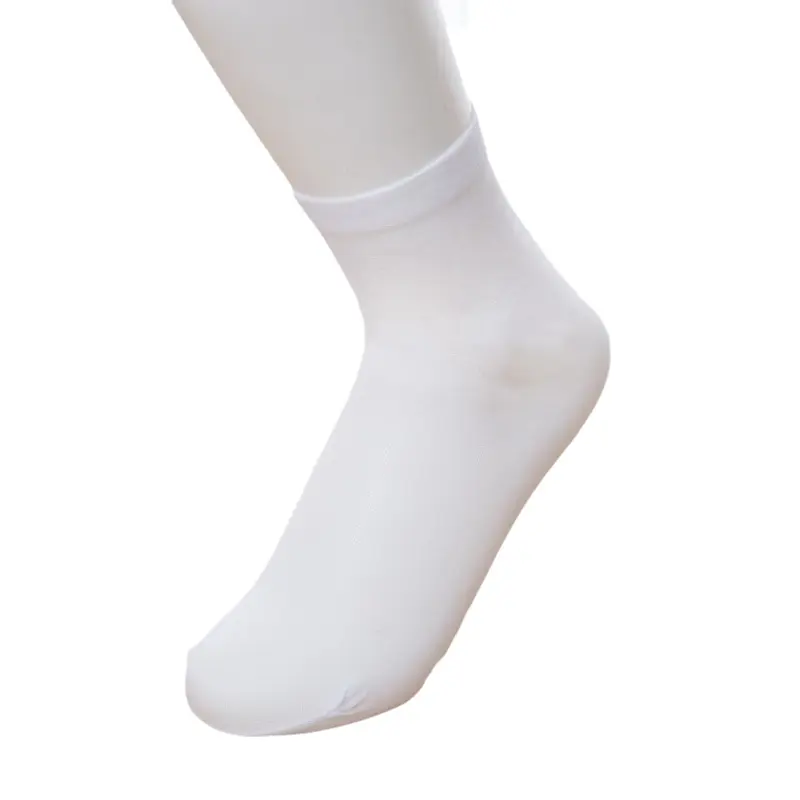 Disposable socks
 Warm Colorful Striped Crew Socks for Women
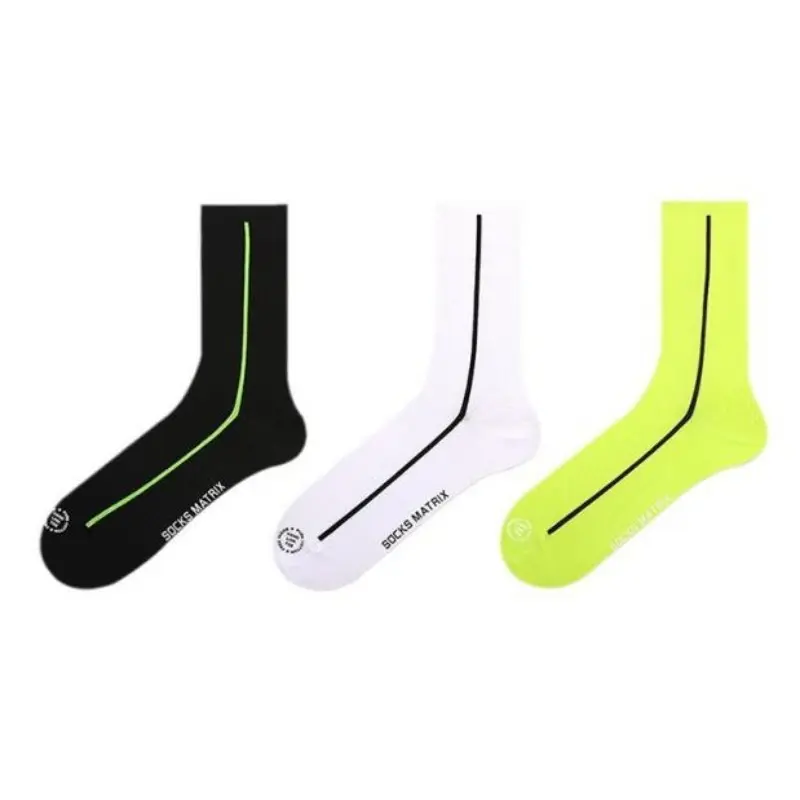 Custom Unisex Crew Socks Breathable Socks
 Digital Printing Vintage Crew Socks
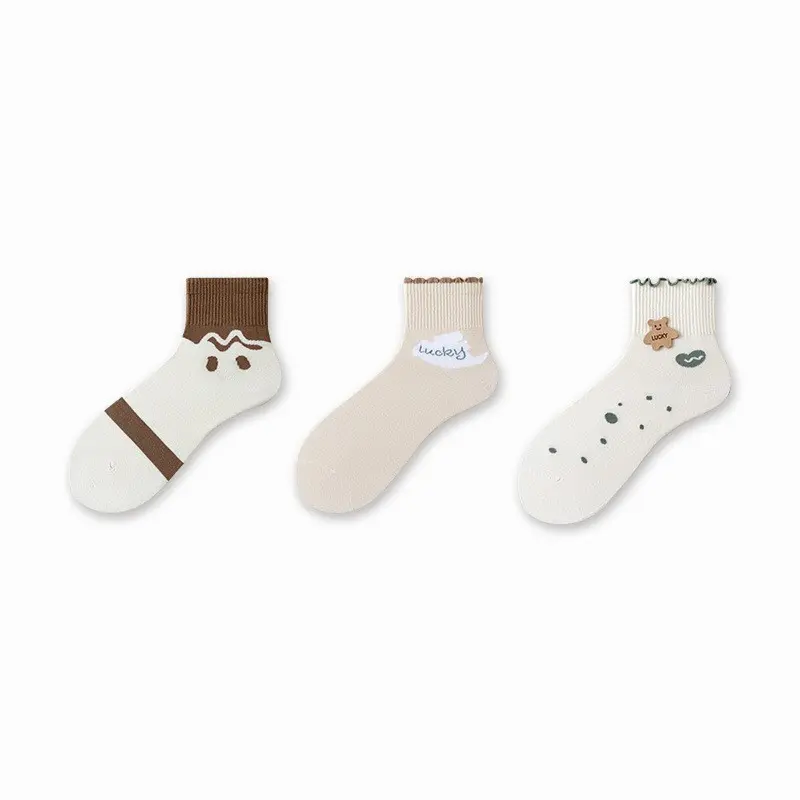 Animal Fuzzy Cartoon Crew Socks for Women
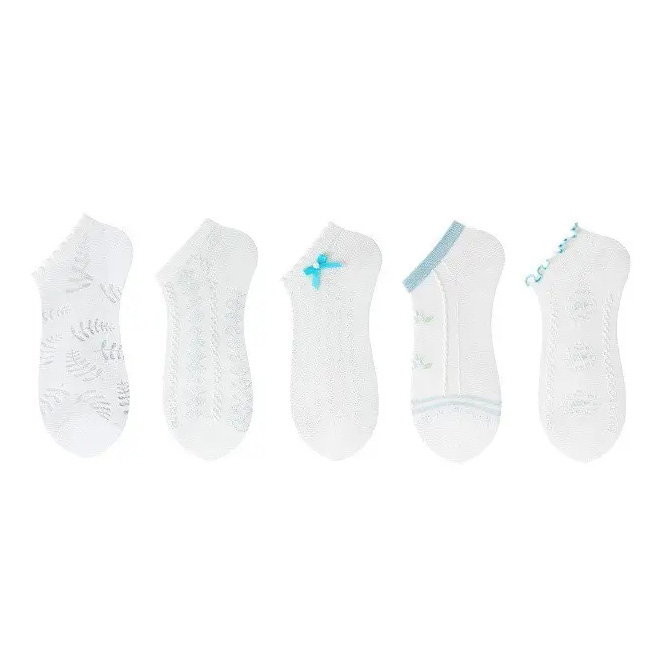 Cotton Flower Ankle Socks Low Cut Socks
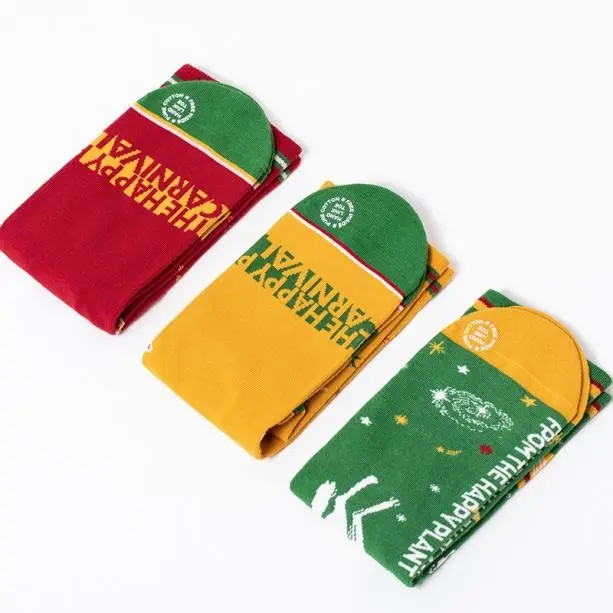 Thick Christmas Festival Crew Socks
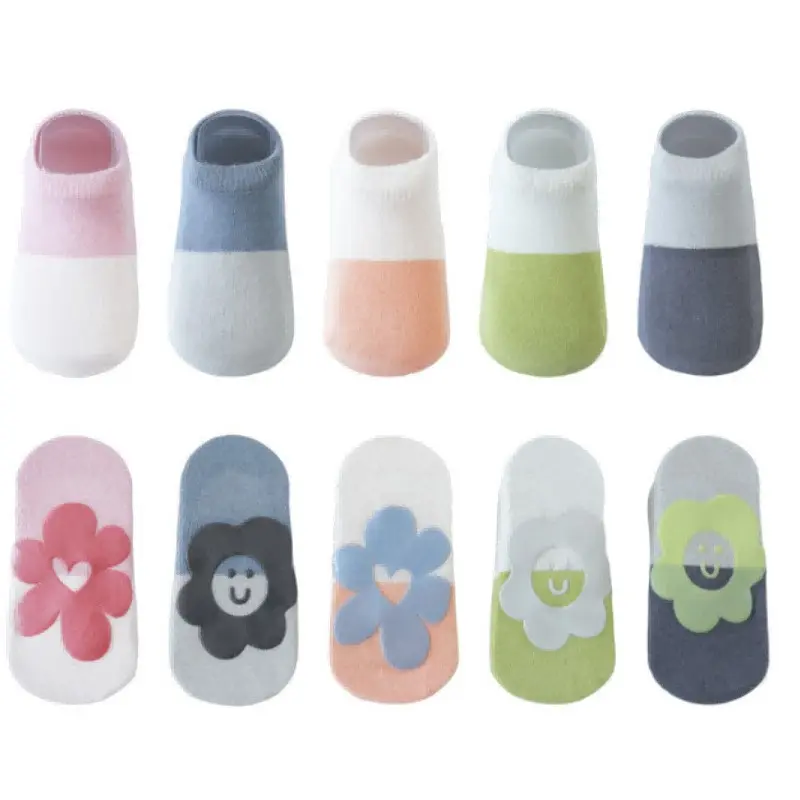 Cotton Cute Anti Slip Baby Ankle Socks with Cartoon
 Colorful Soft Baby Socks Anti-slip
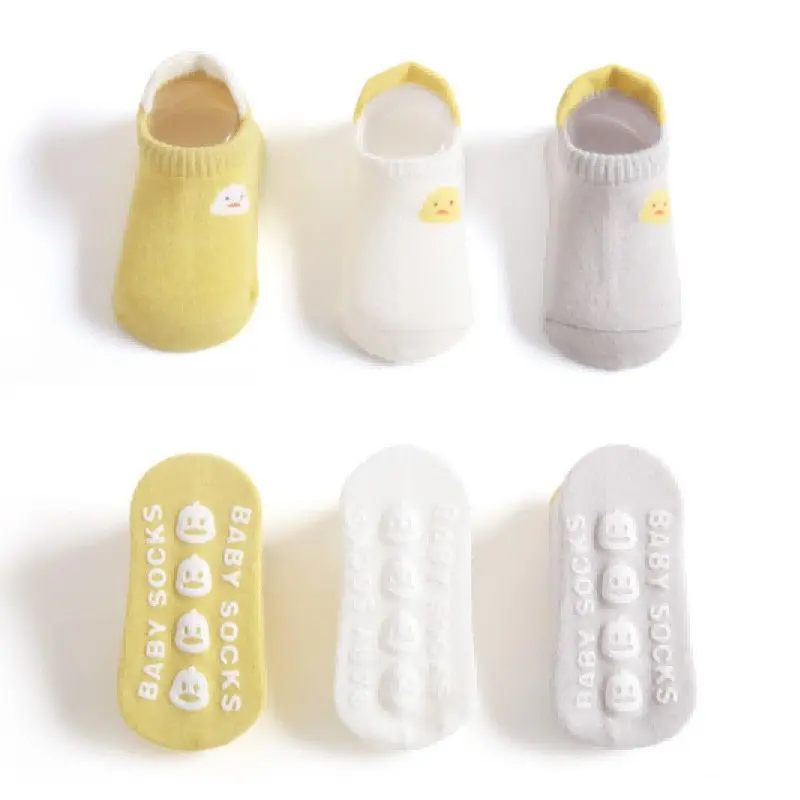 Non Slip Soft Ankle Baby Toddlers Socks
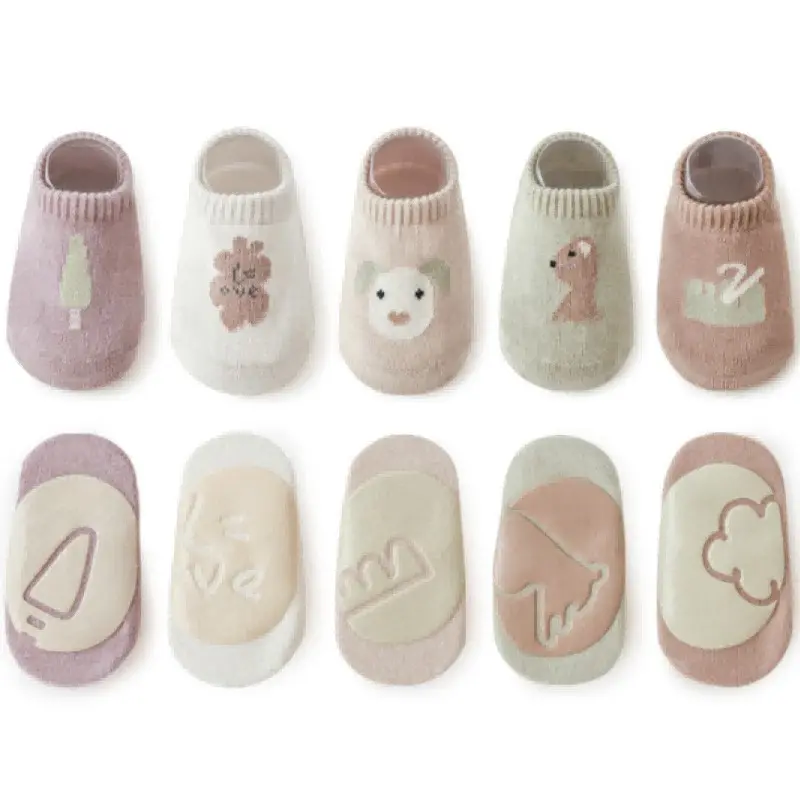 Cartoon Baby Socks With Grips Crew Walking Socks
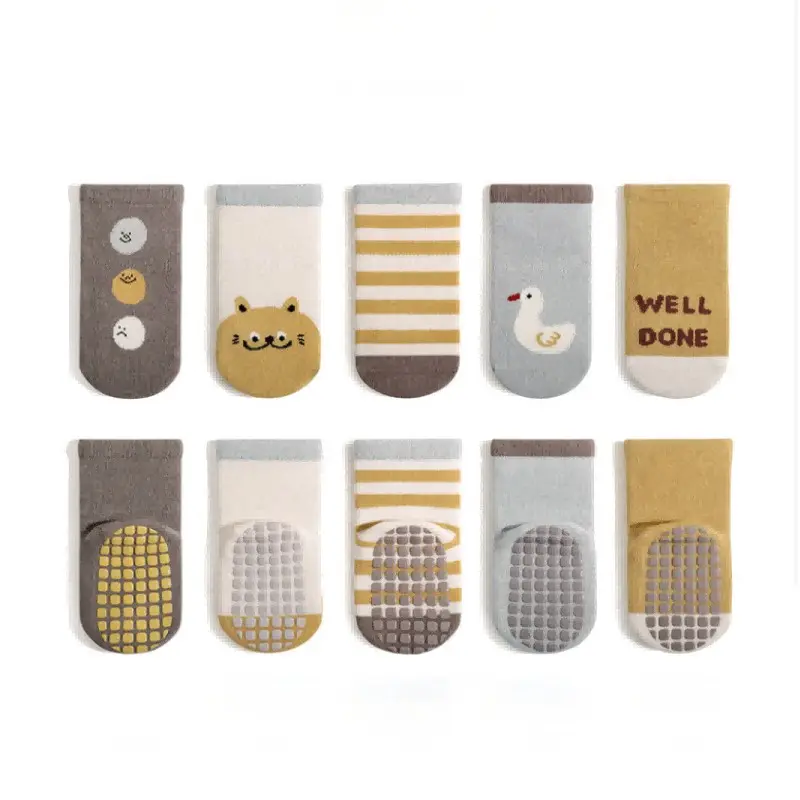 Baby Socks Floor Grip Mid-tube Socks with Cartoon