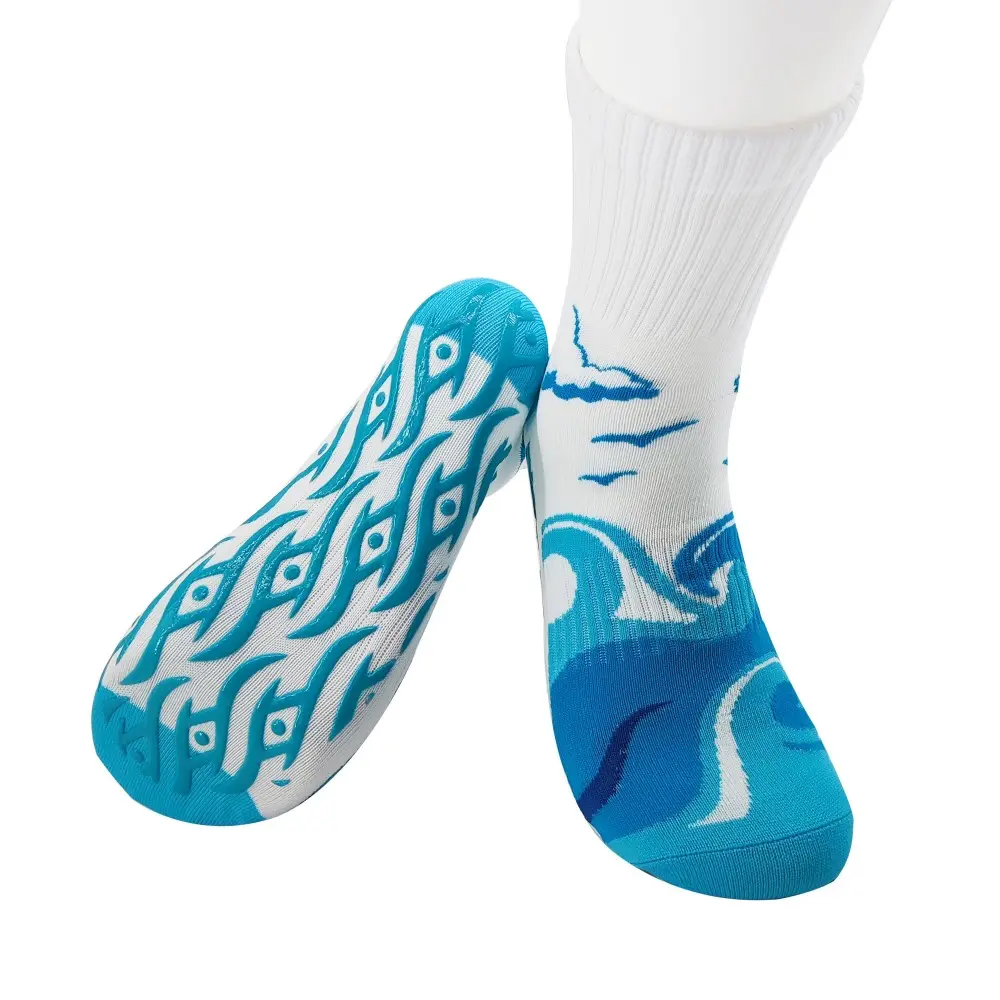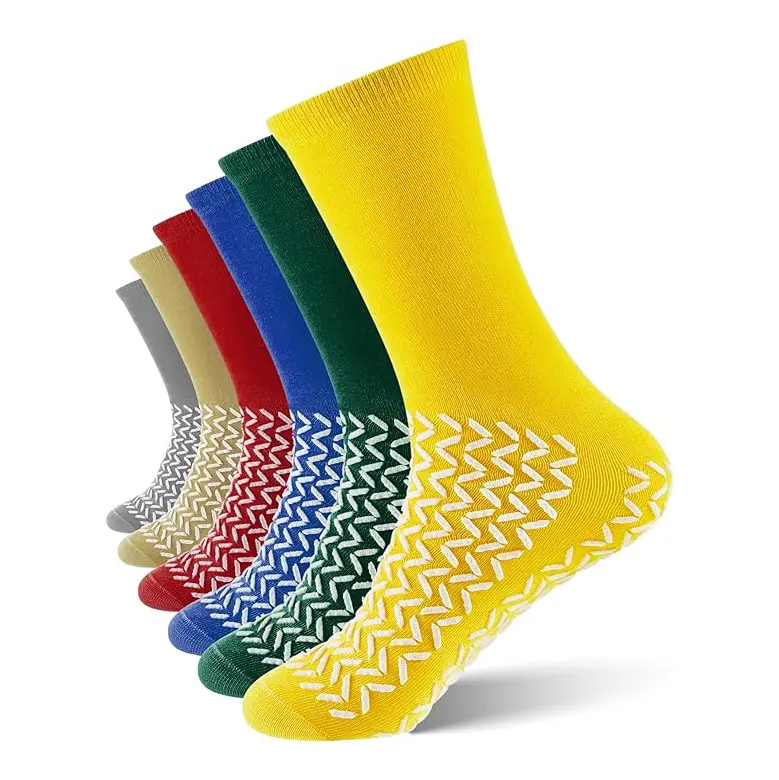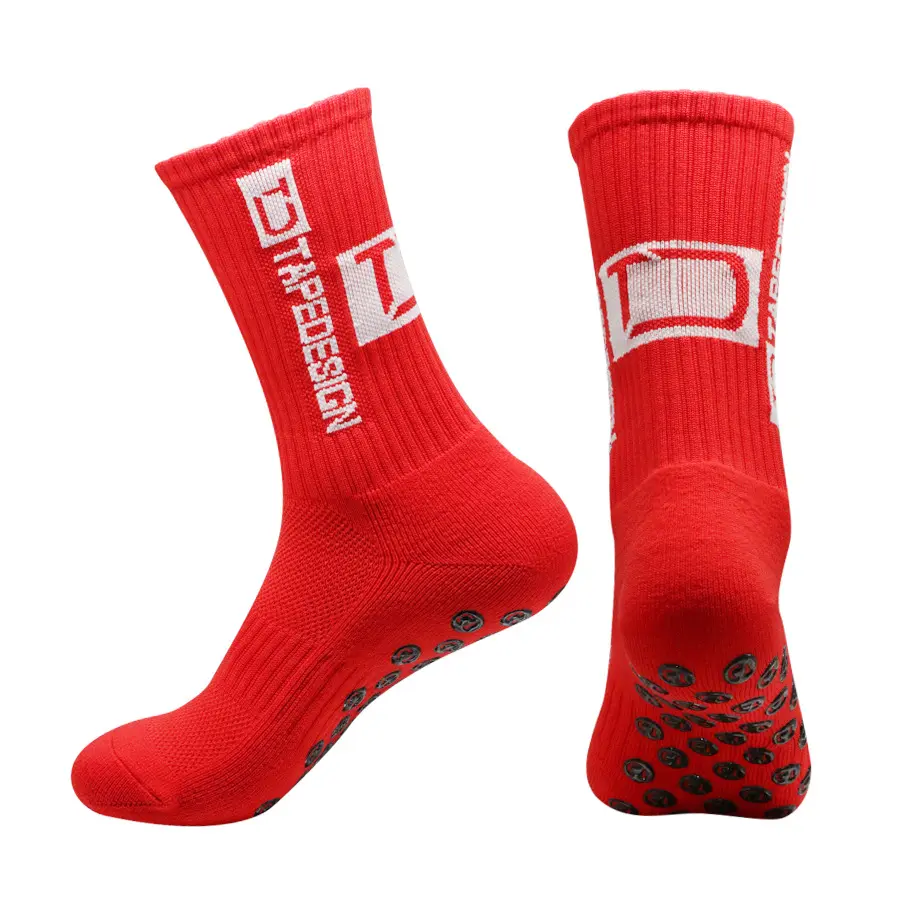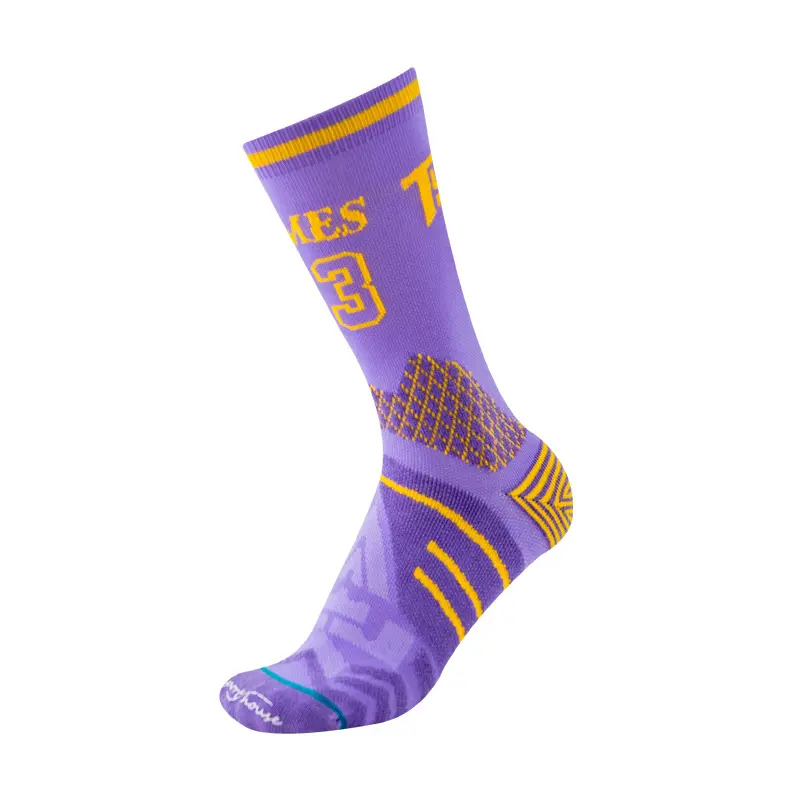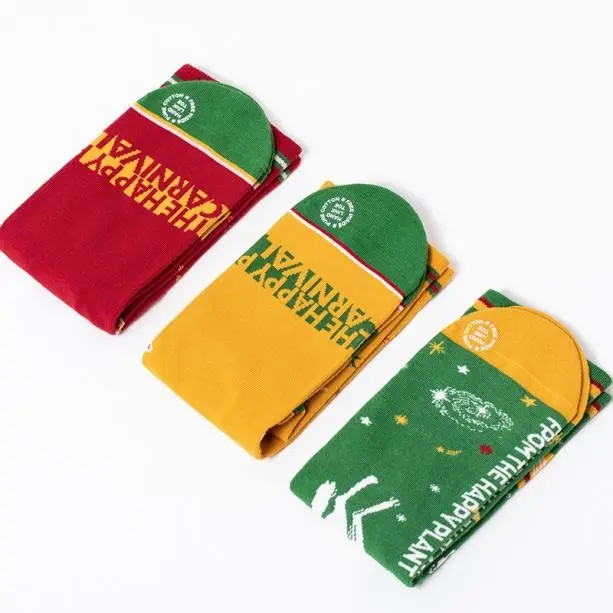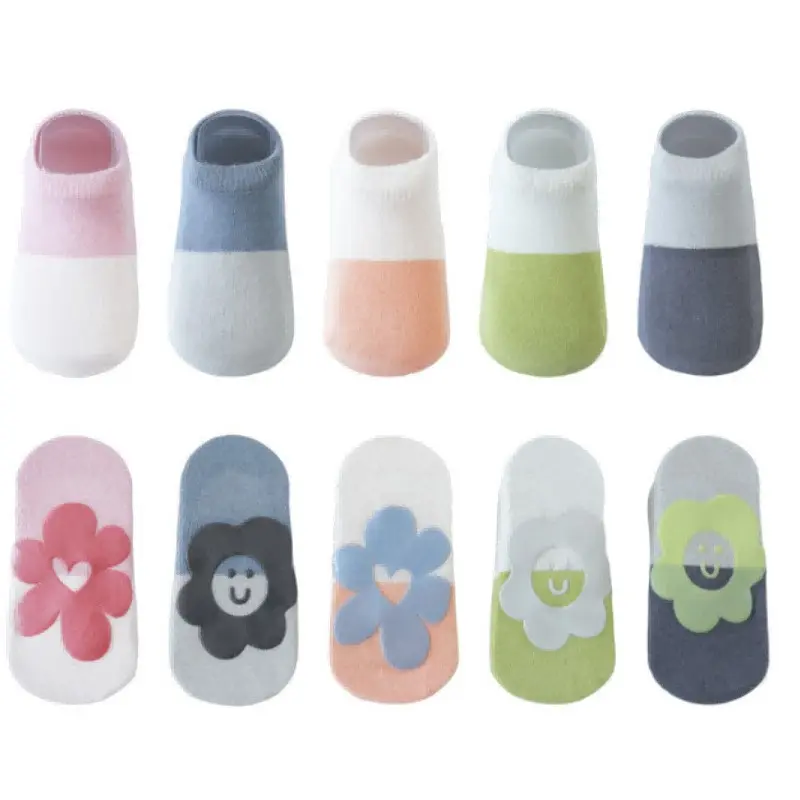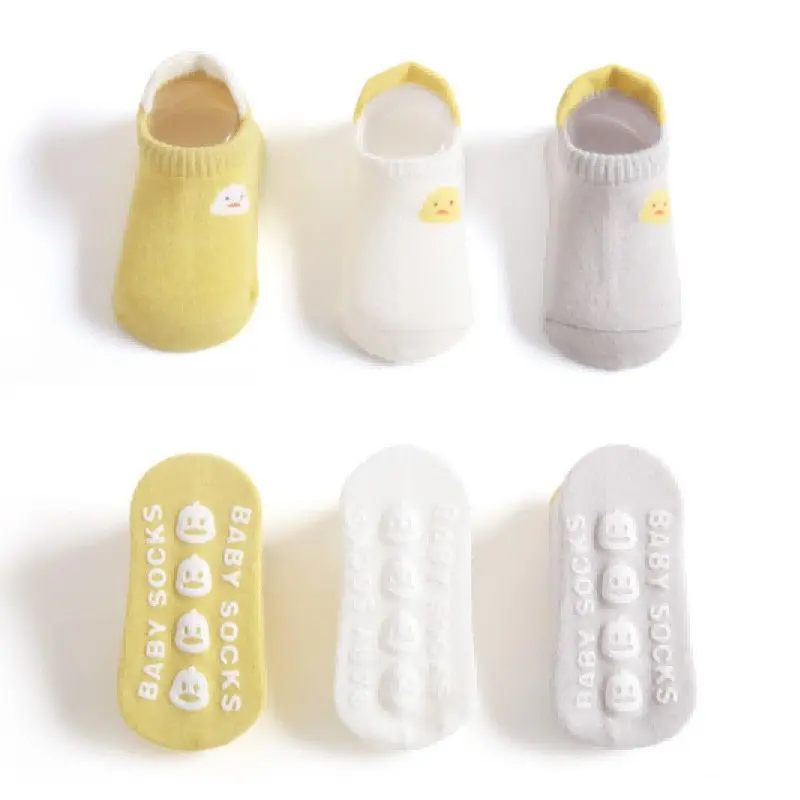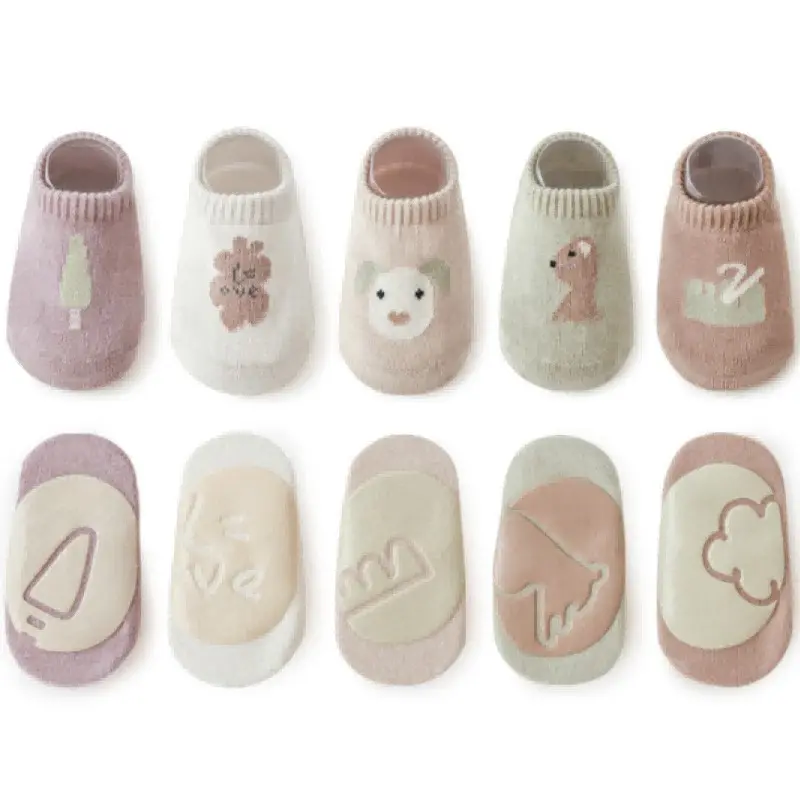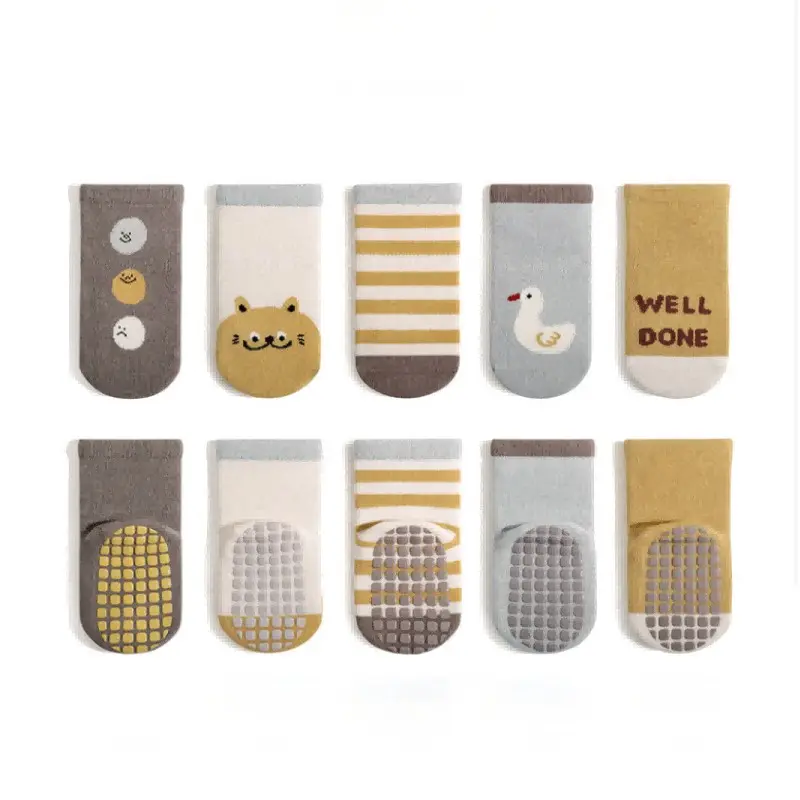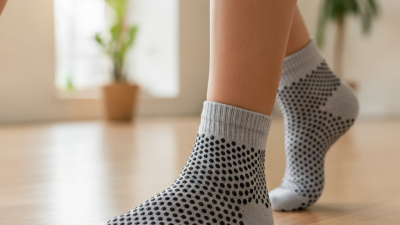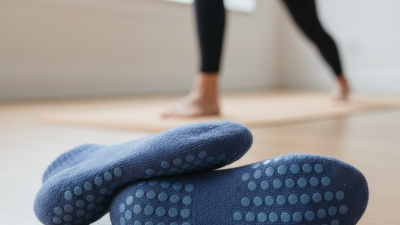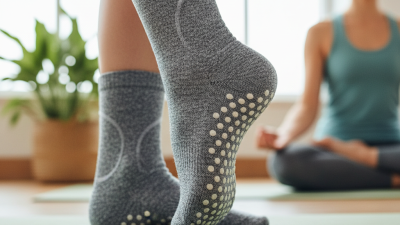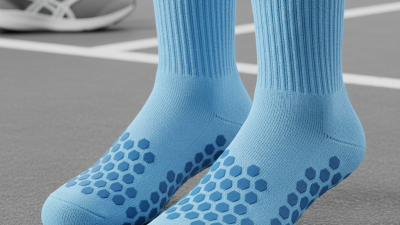
Choosing the best anti-slip yoga socks begins with the surface beneath your feet. A polished studio floor needs different traction from a textured home mat. The right pair should support balance, hygiene, comfort, and natural movement. This guide examines Yoga Socks Anti Slip designs through practical, evidence-informed criteria rather than attractive colors alone.
Look closely at the grip pattern. Silicone or rubberized dots should cover high-pressure areas, especially the ball and heel. The material should feel secure without making your toes curl. Check the fabric, too. Cotton can feel soft, while moisture-wicking blends may dry faster during heated sessions. Neither option suits everyone. Fit matters more than branding. A tight cuff can distract you, while loose fabric may bunch beneath the arch.
Reliable selection also requires careful product details. Look for clear size charts, washing instructions, fiber information, and honest performance claims. If possible, test the socks during lunges, downward dog, and slow transitions. Notice slipping, twisting, heat, or pressure. Small discomforts become obvious after thirty minutes. They should not.
No checklist is flawless. Grip can weaken with washing, and flooring changes results. Read verified reviews, compare return policies, and follow care instructions. This approach may take longer, but it reduces guesswork. The best pair is not necessarily the most expensive. It is the pair that stays stable, breathable, and unobtrusive throughout your practice.
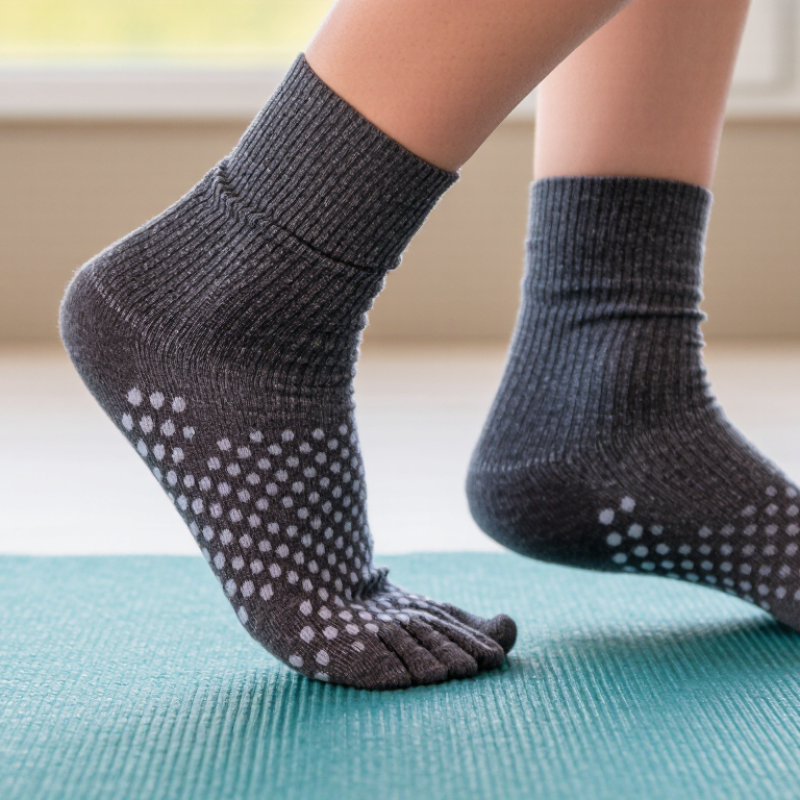
Anti-slip yoga socks are lightweight socks designed to improve grip during yoga, Pilates, barre, and stretching. Their soles usually contain silicone dots, rubber patterns, or textured panels. These materials create friction between your feet and the floor or mat. They help reduce sliding during poses such as Downward-Facing Dog, lunges, and standing balances.
The socks also separate your feet from cold floors and shared studio surfaces. A close fit is important because loose fabric can bunch under your toes. Look for breathable materials, flexible arches, and reinforced heel areas.
In my experience, grip quality matters more than thick cushioning. Too much padding can weaken your connection with the floor. I once chose a very soft pair, but it shifted during balance work. That small problem affected my confidence.
Tips: Check the sole after washing. Grip patterns can wear down faster with hot water or machine drying. Choose socks that stretch without squeezing your toes. Your heel should stay in place during movement. Test them on both a smooth floor and a yoga mat. No sock works perfectly on every surface. If the grip feels weak, barefoot practice may still be safer for certain poses.
Choosing the best anti-slip yoga socks starts with material, not decoration. Cotton feels soft against the skin, but it absorbs sweat and dries slowly. Polyester and nylon move moisture faster and usually resist repeated washing. Textile Exchange’s Materials Market Report 2024 states that polyester represented about 57% of global fiber production in 2023. That scale supports its availability, but not automatic comfort. A blend with elastane can improve stretch, while merino wool may feel warmer and manage temperature better. It can also feel too warm during heated sessions.
Design changes the experience. Look for a smooth toe seam, a shaped heel pocket, and a gentle arch band. These details reduce bunching when moving from Downward Dog to standing poses. Mesh panels can release heat around the instep. Silicone or rubber-like grips should cover the ball and heel without creating hard pressure points. More grip is not always better. Dense patterns may feel awkward on a wooden floor. A 2023 footwear-testing review in the International Journal of Industrial Ergonomics emphasizes that slip performance depends on surface, moisture, and contact pressure. Yoga socks face the same problem.
Check care instructions carefully. I once preferred a very soft pair, but its grips weakened after several washes. That was disappointing. ISO 13287:2012 provides standardized footwear slip-resistance methods, yet it does not certify every yoga sock design. Treat laboratory claims as guidance. Test the socks on your own studio surface, especially when the floor is slightly damp.
Choosing anti-slip yoga socks starts with an accurate foot measurement, not your usual shoe number. Measure both feet while standing, preferably later in the day. Feet can swell slightly after hours of walking. Place your heel against a wall and measure to your longest toe. Use the larger measurement when comparing the size chart. Labels vary between manufacturers.
Fit matters. The heel pocket should sit directly beneath your heel without sliding upward. The fabric should hug your arch without leaving deep pressure marks. During downward dog, your toes need enough room to spread naturally. Silicone or rubber grips should touch the mat evenly, without folding under your toes. Too loose is risky. Walk, squat, and hold a lunge for several minutes while wearing them. If the sock twists, bunches, or leaves your heel exposed, try another size.
Check the toe seam carefully. It should not press against your toenails or rub between your toes. People with wide feet may need a stretchier design, even when the length seems correct. Wash the socks according to their care instructions, since some cotton-rich fabrics tighten slightly. I have sometimes chosen a very snug fit for better control, then regretted it when my feet became warm and swollen. A little extra room can feel better, but excessive fabric may reduce grip. Replace socks when the grips flatten, crack, or stop contacting the mat consistently.
How to Choose the Best Anti Slip Yoga Socks?
Different yoga styles demand different sock features. In vinyasa or power yoga, a thin, close-fitting sock helps preserve floor feedback during lunges and transitions. Look for silicone grip zones under the toes and heel, not a complete rubber coating. Too much grip can restrict natural foot movement. My own trial was imperfect: a heavily coated pair felt secure in Warrior II but dragged during quick flows. A breathable nylon or merino blend may suit heated classes, while moisture-wicking fabric helps reduce slipping caused by sweat. The 2023 Grand View Research report valued the global yoga clothing market at approximately 21.67 billion dollars in 2022, showing strong demand for performance-focused apparel.
Restorative yoga and longer seated practices need different priorities. Soft fabric, flat seams, and gentle ankle compression can prevent irritation during extended poses. For Pilates-style yoga, five-toe designs may improve toe awareness and balance, although some users find them awkward at first. The Yoga Alliance and Yoga Journal Yoga in America Study reported about 36 million American practitioners in 2016, reflecting the wide range of bodies, skill levels, and practice environments. That variety makes universal recommendations unreliable. Check whether the grip remains flexible after washing, and test the heel position before class. Socks that twist under the arch are a warning sign. Fit matters more than appearance.
| Yoga Style or Practice Need | Recommended Grip Design | Toe Construction | Fabric and Breathability | Cushioning | Cuff and Fit | Main Selection Priority |
|---|---|---|---|---|---|---|
| Hatha or gentle yoga | Moderate silicone or rubberized grip arranged under the heel and forefoot | Full-toe design for warmth and everyday comfort | Cotton blend or moisture-managing synthetic blend with a breathable upper | Light cushioning is usually sufficient | Soft, non-binding cuff that stays in place without tight compression | Comfort, warmth, and easy movement during slower poses |
| Vinyasa or flow yoga | Distributed full-sole grip to support transitions between standing, plank, and seated positions | Five-toe or close-fitting full-toe construction to reduce fabric movement | Moisture-wicking polyester, nylon, or blended yarn with mesh ventilation | Thin to medium cushioning for better ground feedback | Secure elastic cuff with a close, flexible fit | Grip consistency, low bulk, and resistance to slipping inside the sock |
| Hot yoga or heated studio practice | High-coverage grip with closely spaced traction zones across the forefoot and heel | Low-profile full-toe or five-toe design to limit excess material | Quick-drying synthetic fibers with mesh panels; avoid heavy, slow-drying fabrics | Minimal cushioning to reduce heat and improve contact with the mat | Low-cut or lightweight cuff that does not trap unnecessary heat | Moisture control, drying speed, and stable traction in sweaty conditions |
| Power yoga or stronger flows | Durable, high-friction grip covering the heel, ball of the foot, and toe area | Reinforced full-toe or five-toe construction with a smooth seam | Abrasion-resistant nylon or polyester blend with moisture management | Thin cushioning with reinforced heel and forefoot zones | Anatomical fit and supportive arch band to reduce bunching | Durability, traction during quick transitions, and secure foot placement |
| Balance-focused practice | Small, flexible grip dots or lines that preserve direct contact with the floor | Five-toe design can help separate the toes and support natural toe placement | Lightweight, close-fitting fabric with minimal stretch at the toe area | Very light or no cushioning for maximum sensory feedback | Flexible cuff with a snug arch fit and no loose fabric | Ground feel, toe freedom, and minimal interference with balance |
| Pilates or studio exercises | Full-sole grip with extra coverage under the heel and forefoot | Full-toe design is suitable for warmth and repeated floor contact | Breathable cotton-synthetic blend or moisture-wicking performance fabric | Light cushioning for comfort during mat-based movements | Non-slip heel construction and a cuff that remains secure during leg work | Stable contact with the studio floor and comfort during extended sessions |
| Travel, home, or shared studio use | Medium-coverage grip suitable for both yoga mats and smooth indoor floors | Full-toe design for versatility and protection from cool floors | Easy-care, quick-drying blend that can be washed frequently | Light cushioning for all-day versatility | Comfortable everyday fit without excessive compression | Versatility, packability, washable construction, and reliable grip |
| Sensitive skin or seam sensitivity | Smoothly molded grip with rounded edges and no rough raised areas | Seamless toe or flat-seam construction to reduce rubbing | Soft, breathable yarn with moisture management; check the fiber content for personal sensitivities | Light cushioning may reduce friction without making the sock bulky | Soft, wide cuff that does not leave deep pressure marks | Seam comfort, soft materials, and a fit that avoids pressure points |
Choosing anti-slip yoga socks begins with the floor, not the packaging. I compare grip pattern, yarn blend, cuff pressure, and toe separation. Silicone or rubber dots should feel flexible, not sharp. On wood, dense dots can help. On textured mats, excessive grip may twist the foot. The 2024 Textile Exchange Materials Market Report states that polyester represented about 59% of global fiber production in 2023. This matters because polyester dries quickly, while cotton usually feels softer but holds more moisture. Numbers do not replace a fitting test.
For cleaning, check the washing temperature, drying instructions, and grip durability. AATCC TM61 uses accelerated laundering, with one cycle approximating five home washes under its test conditions. It is not a promise of real-life performance. I wash socks inside out in cool water, using mild detergent without bleach. Air-drying protects elastic and grip. Never assume “machine washable” means “dryer safe.” I have made that mistake.
Before each class, inspect flattened dots, loose threads, and stretched cuffs. A sock that slides inside the heel can affect balance during a lunge. Rotate pairs after sweaty sessions, and let them dry completely before storage. Odor often signals trapped moisture, not poor quality alone. Replace socks when the grip remains smooth after washing. My comparison becomes less objective here: comfort can make worn socks feel trustworthy. For independent checking, compare the care label with ISO 6330 washing procedures, then record changes after ten washes.