How to Choose Cooling Socks for Global Buyers in 2026?
Choosing Cooling Socks in 2026 requires more than selecting the brightest package or the lowest price. Global buyers face different climates, shipping conditions, foot shapes, and customer expectations. A sock that feels refreshing in a dry office may feel damp and uncomfortable in Singapore’s humidity. That difference matters.
Podiatrist and foot-health educator Dr. Emily Splichal offers a practical reminder: “Foot comfort begins with moisture control, not marketing claims.” Her point is useful for importers, retailers, and private-label brands. Look closely at fiber composition, ventilation zones, moisture-wicking performance, elasticity, and seam construction. Bamboo blends may feel soft, while technical polyester can dry faster. Mesh panels may improve airflow, but weak knitting can reduce durability. Small details become visible after eight hours of walking.
Reliable buyers should request laboratory data, wash-cycle results, size charts, and material disclosures. They should also test samples with real users in realistic conditions, including warm warehouses, long flights, and daily commuting. Check whether cooling yarn creates a temporary sensation or supports lasting comfort. These are not identical benefits. Certification claims deserve verification from recognized testing bodies, especially when products touch sensitive skin.
There is room for honest doubt. “Cooling” does not guarantee a lower foot temperature in every environment. Fit, footwear, activity, and humidity can change the result. A careful sourcing decision balances measurable performance, wearer experience, supplier transparency, and landed cost. For global buyers, the best Cooling Socks are not simply the coldest. They are dependable, washable, comfortable, and suitable for the people who will actually wear them.
What Cooling Socks Are and How They Work
How to Choose Cooling Socks for Global Buyers in 2026?
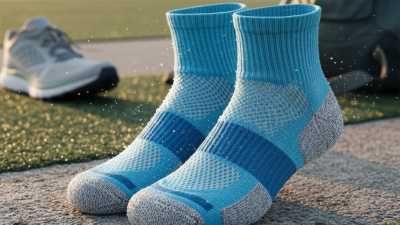
Cooling socks are lightweight socks designed to reduce heat and moisture around the feet. They do not create cold air or use electronic cooling systems. Most rely on breathable fibers, moisture movement, and faster evaporation. When sweat reaches the outer surface, it can evaporate and remove some heat from the skin. The effect feels strongest in warm, dry conditions. It becomes weaker in humid weather. No fabric stays cool forever.
For global buyers, fiber composition deserves careful attention. Blended yarns can balance softness, drying speed, stretch, and durability. Mesh zones near the toes and instep may improve airflow during walking. A dense cushion can feel comfortable, but excessive thickness may trap heat inside tight shoes. Check the cuff, toe seam, size range, and washing instructions. Poor fit can cancel the cooling effect. It can also cause rubbing.
Ask suppliers for moisture-management results, shrinkage data, and wash-cycle testing. Product claims should explain test conditions clearly. A sock tested in a dry laboratory may perform differently in a tropical city. I have found that simple wear trials reveal problems quickly. Walk for one hour. Check dampness, pressure marks, and odor retention. The first sample may look excellent but fail after repeated washing. Buyers should question both impressive claims and their own assumptions.
Which Cooling Sock Materials Suit Different Climates
How to Choose Cooling Socks for Global Buyers in 2026?
Climate should guide the material choice, not fashion alone. In hot, humid regions, lightweight nylon or polyester can move sweat quickly and dry faster than cotton. Textile Exchange’s Materials Market Report 2024 estimates that polyester represented about 59% of global fibre production in 2023. Its performance is useful, but it may feel clammy when the knit lacks ventilation. Mesh zones matter.
For dry, hot climates, cotton blends can feel softer against dusty skin, while bamboo viscose may provide a smooth, absorbent surface. However, absorbency alone does not guarantee cooling. In cooler summer regions, merino wool can regulate temperature and reduce odour during long walks. It can also retain warmth when wet. That is helpful sometimes, but uncomfortable in tropical humidity. There is no universal “cooling” fibre.
Test the finished sock, not only the yarn. ISO 11092 evaluates thermal and water-vapour resistance, while laboratory moisture-management tests can compare drying speed and spreading. WMO’s State of the Global Climate 2023 reported record global heat, making regional testing more relevant for 2026 purchasing decisions. Check heel padding, toe seams, elastic pressure, and wash durability. Thin socks often dry quickly. They also wear out quickly. That trade-off deserves review. Layered constructions may perform better than a single premium fibre, though suppliers do not always publish enough test detail.
How to Evaluate Cooling Performance, Fit, and Comfort
How to Choose Cooling Socks for Global Buyers in 2026?
How to Evaluate Cooling Performance, Fit, and Comfort
Cooling socks should be tested beyond the first cold sensation. A smooth fabric may feel cool briefly, yet trap heat after hours of walking. Check moisture control, air permeability, and drying speed. Place a damp sock in a 25°C room and record its drying time. This simple comparison is more useful than vague “ice-cool” claims. Ask suppliers for test methods, fiber content, and wash-cycle results.
Fit matters just as much as fabric. Measure foot length, arch width, and calf circumference before selecting sizes. The heel pocket should stay flat during movement. Seams must not press against toes or sensitive areas. Try the socks with the shoes customers usually wear. Too much compression can create discomfort. Too little structure may cause slipping.
Comfort changes across climates. A thin sock may suit humid cities, but feel inadequate in cooler regions. Consider mesh zones, cushioning, and elastic recovery after repeated washing. My early mistake was judging comfort after ten minutes. The same pair felt tight near the calf after a full workday. That test was too short. Global buyers should compare samples after walking, washing, and drying them several times. Ask for independent laboratory evidence when available, while treating marketing language with caution.
How to Compare Suppliers, Costs, and Shipping Terms
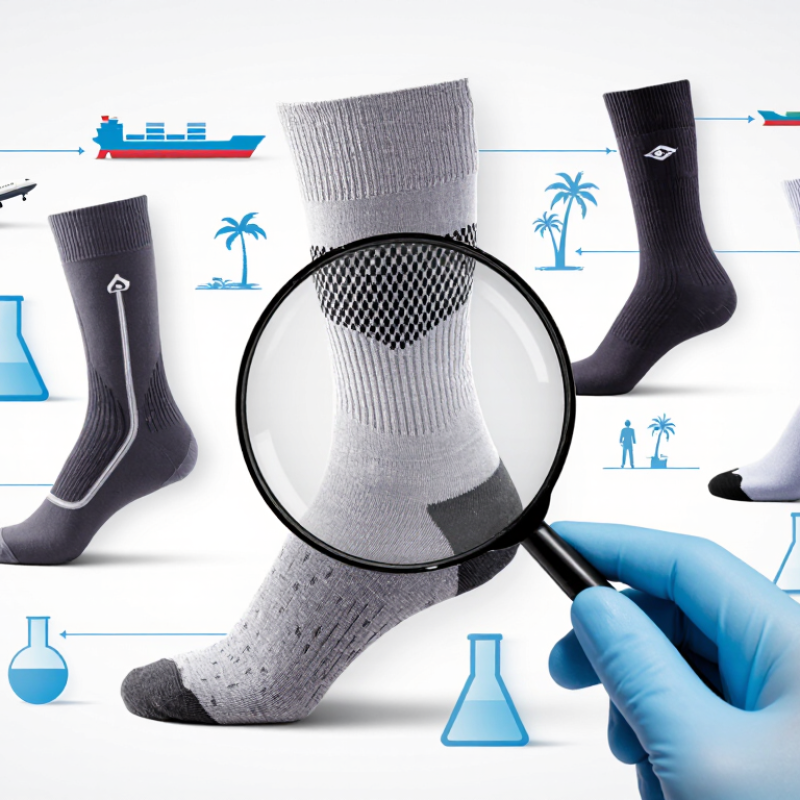
Choosing cooling socks for global buyers starts with supplier evidence, not attractive catalog photos. Ask each supplier for fiber composition, cooling technology details, size tolerances, colorfastness results, and washing instructions. Request samples from the same production line used for bulk orders. A sample may feel excellent, yet production can differ. That uncomfortable gap deserves attention.
Compare costs using the landed price, not only the factory quotation. Include unit cost, packaging, inspection fees, freight, import duties, taxes, and payment charges. Ask whether the quote is based on EXW, FOB, CIF, or DDP terms. Each option shifts risk differently. DDP looks simple, but confirm who handles customs and delivery exceptions. Clarify minimum order quantities, production time, replacement rules, and currency validity. A low price can hide weak packaging or expensive shipping.
Tips: Build a supplier scorecard. Record response speed, sample accuracy, test documents, order flexibility, and shipping clarity. Compare at least three written quotations with identical specifications. Measure one sock after washing. Small details matter. I once underestimated carton volume, and freight erased the expected savings. Recheck dimensions before payment. Also, avoid cooling claims that lack measurable test conditions, such as fabric temperature, testing time, or humidity. Reliable suppliers should answer specific questions without pressure or vague promises.

 Trampoline Socks
 Aqua Park Socks
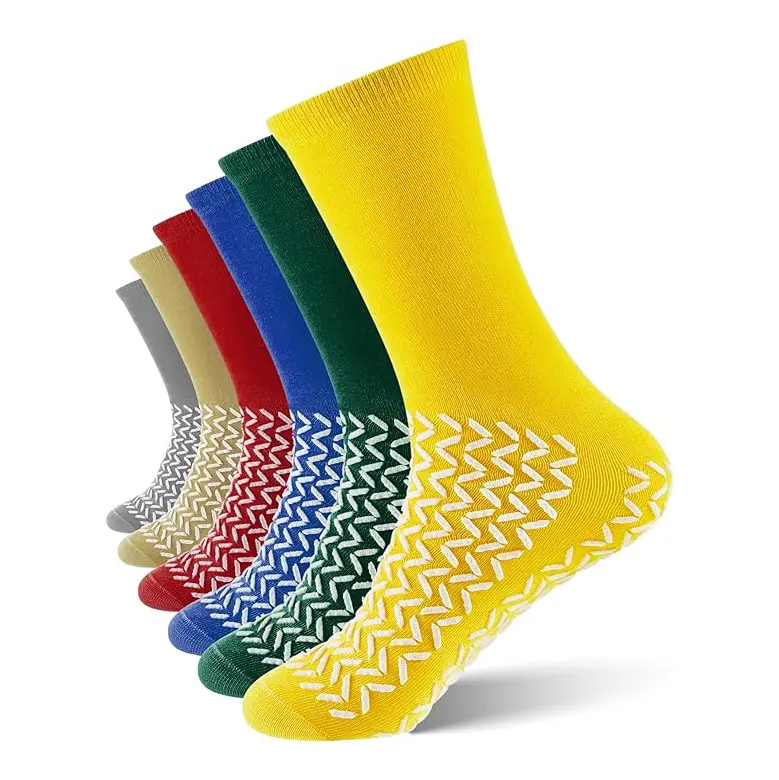 Hospital Slipper Socks
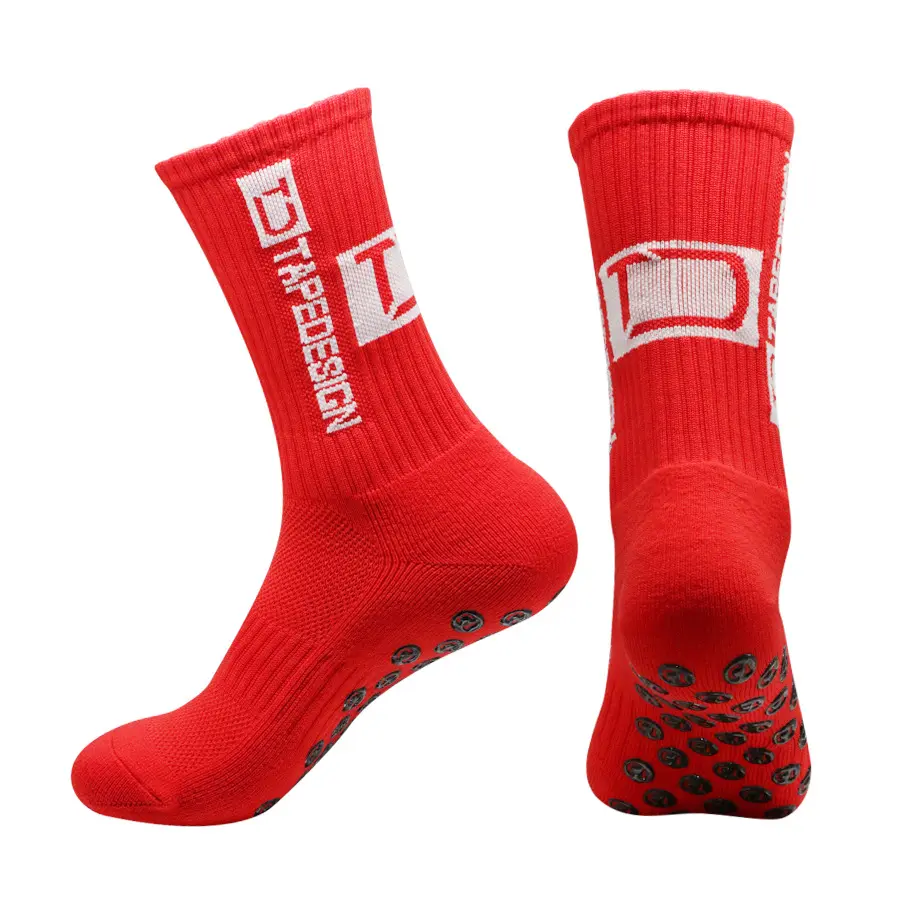 Grip Football Socks
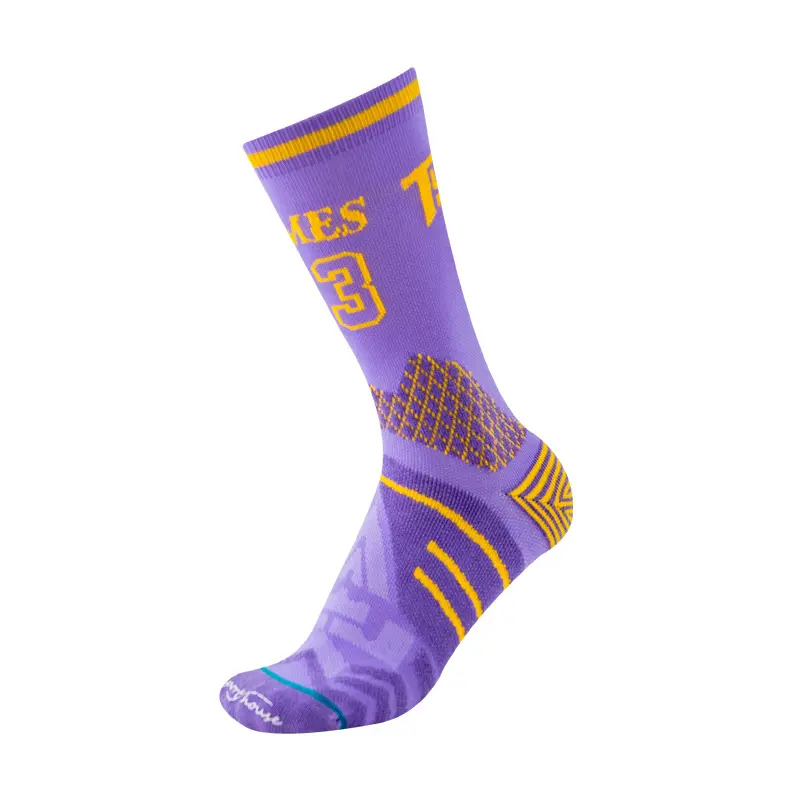 Basketball Socks
 Badminton Socks
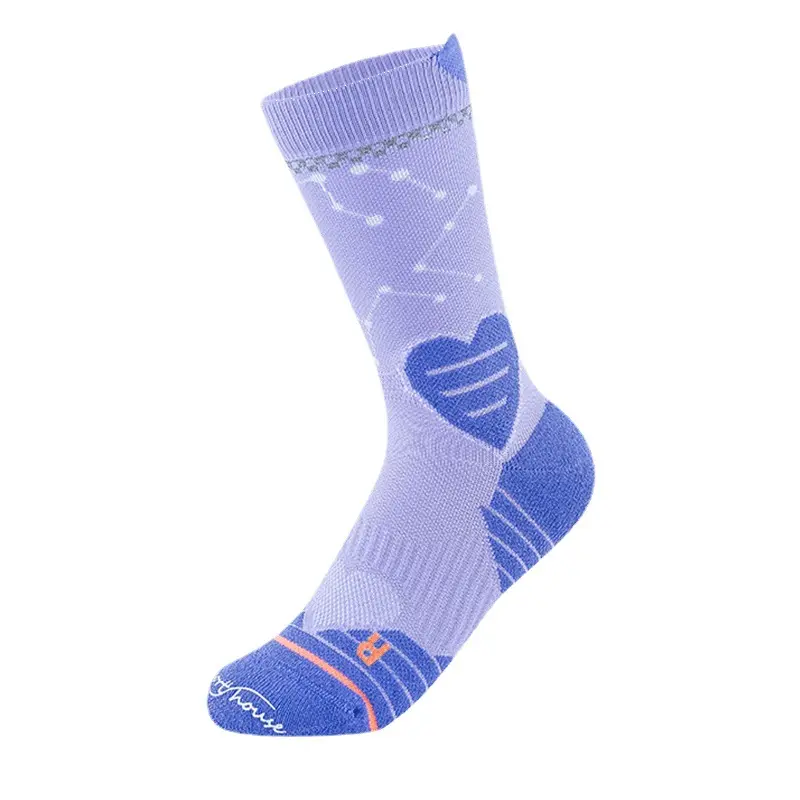 Cycling Socks
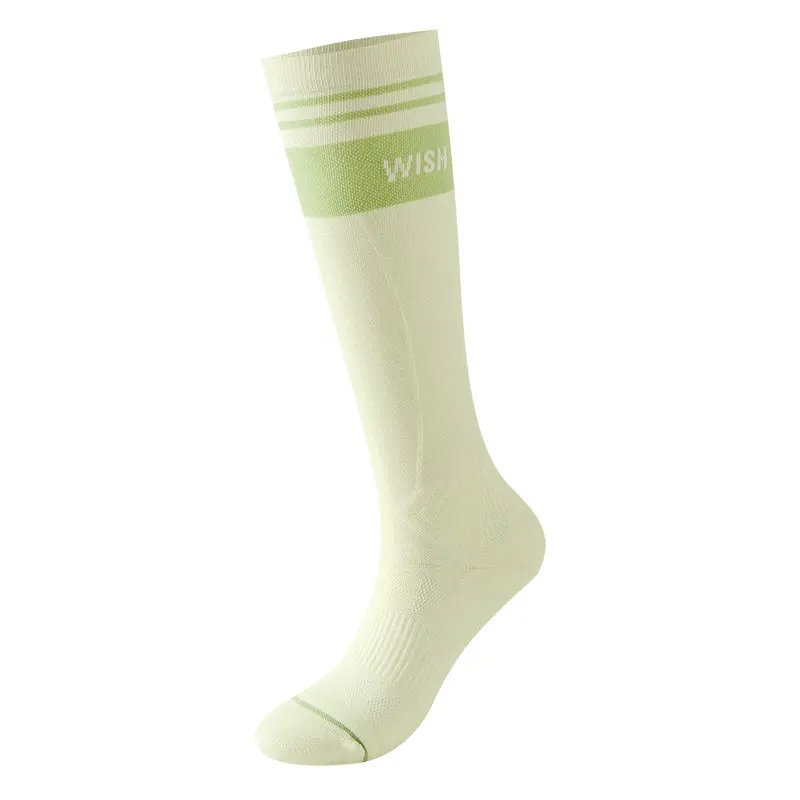 Running Socks
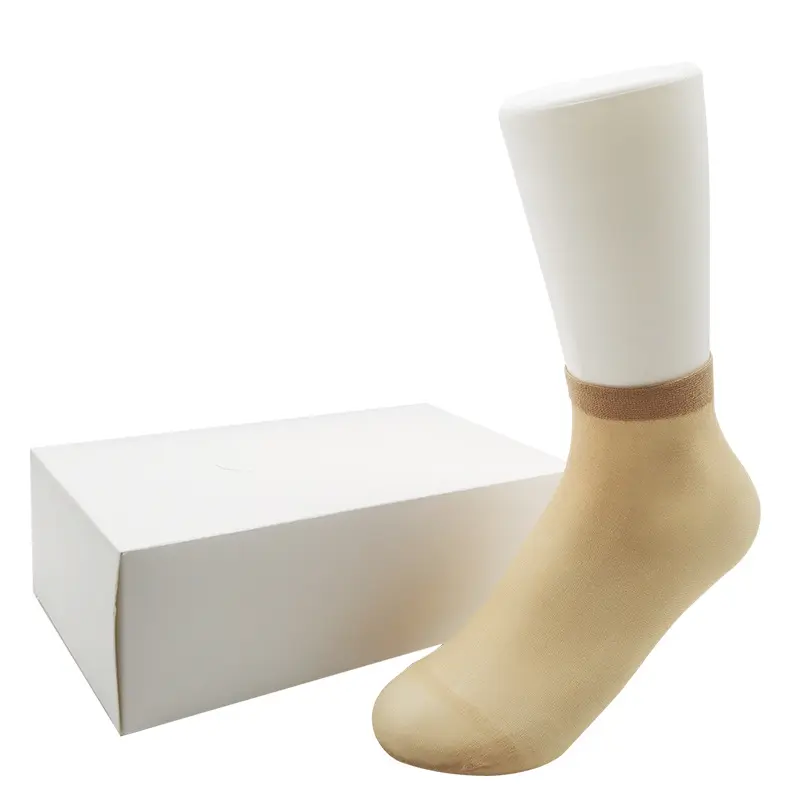 Disposable Socks Bowling Alley Socks
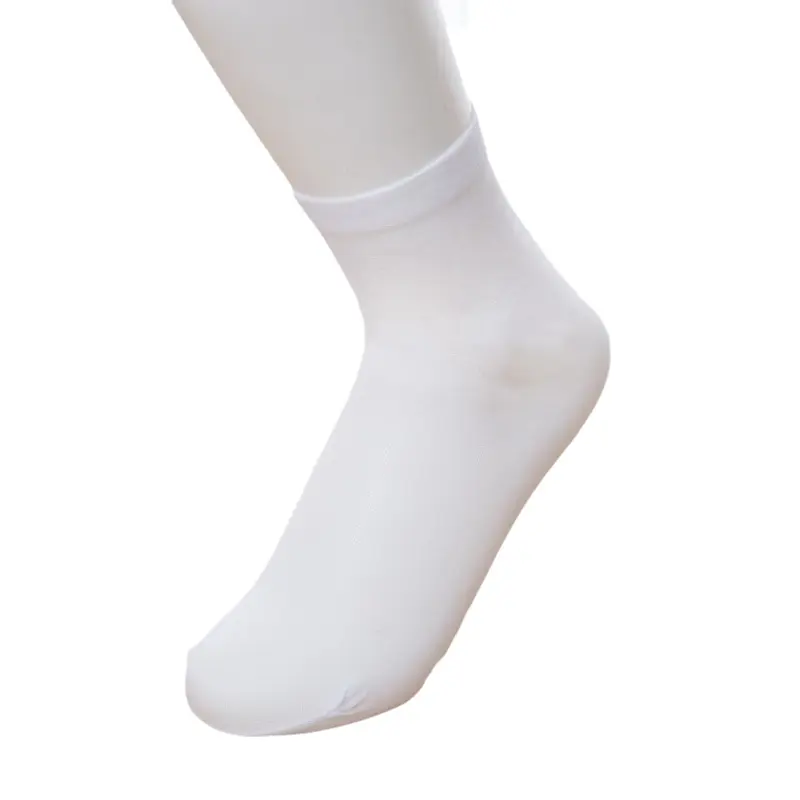 Disposable socks
 Warm Colorful Striped Crew Socks for Women
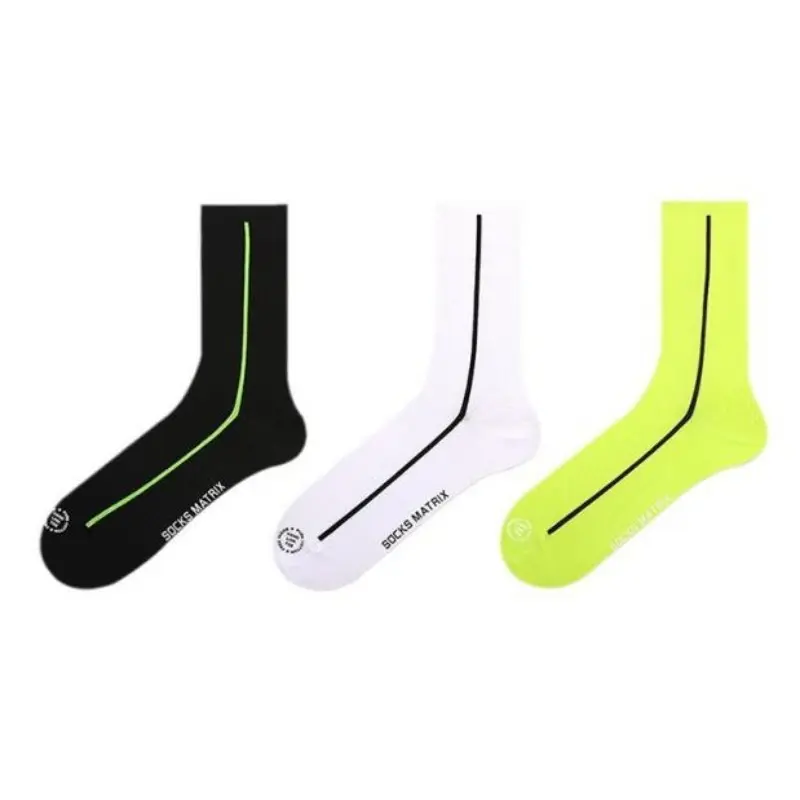 Custom Unisex Crew Socks Breathable Socks
 Digital Printing Vintage Crew Socks
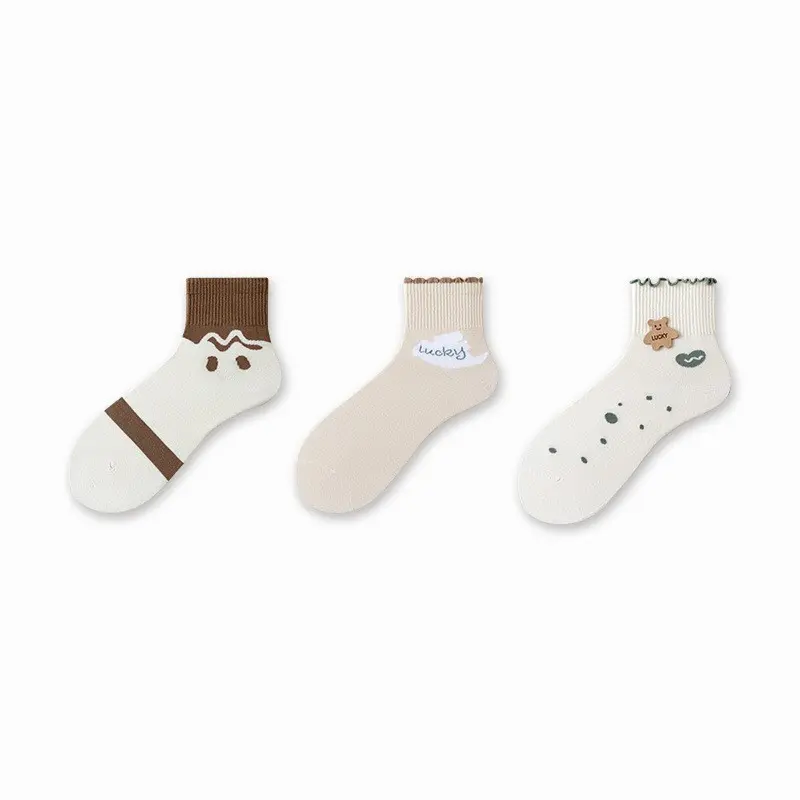 Animal Fuzzy Cartoon Crew Socks for Women
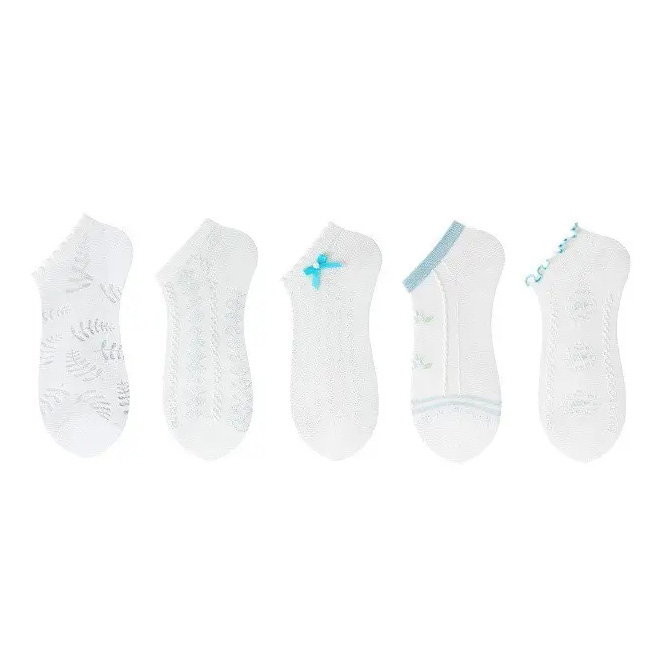 Cotton Flower Ankle Socks Low Cut Socks
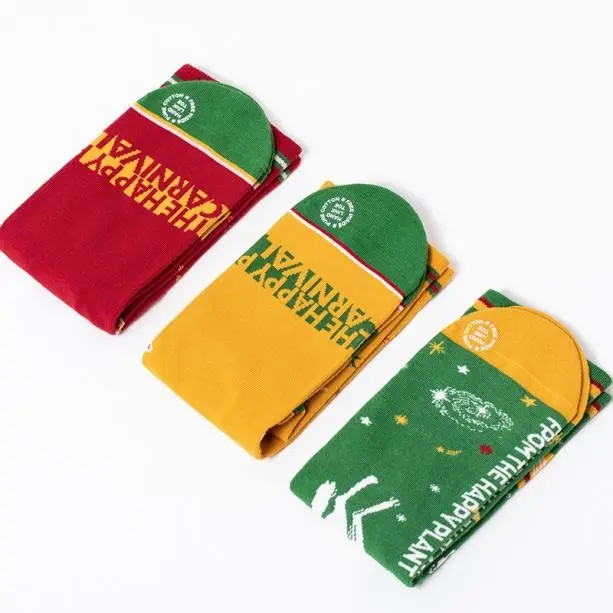 Thick Christmas Festival Crew Socks
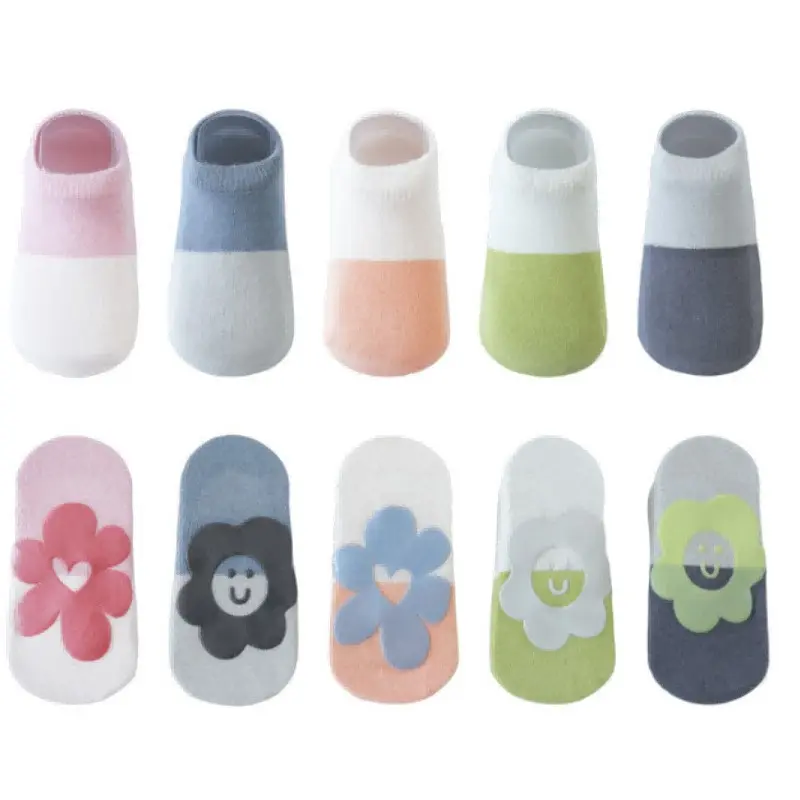 Cotton Cute Anti Slip Baby Ankle Socks with Cartoon
 Colorful Soft Baby Socks Anti-slip
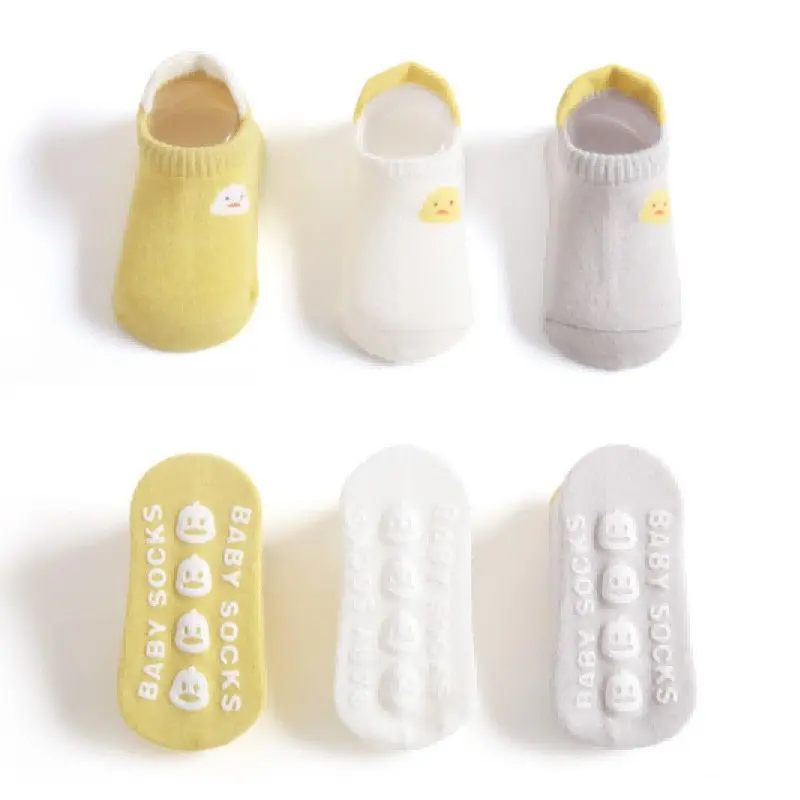 Non Slip Soft Ankle Baby Toddlers Socks
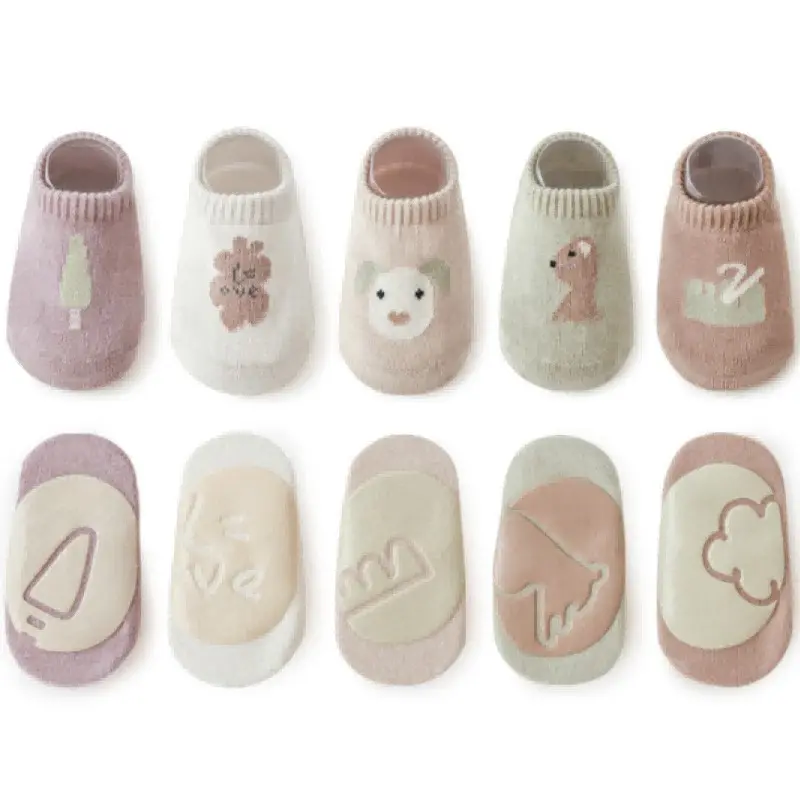 Cartoon Baby Socks With Grips Crew Walking Socks
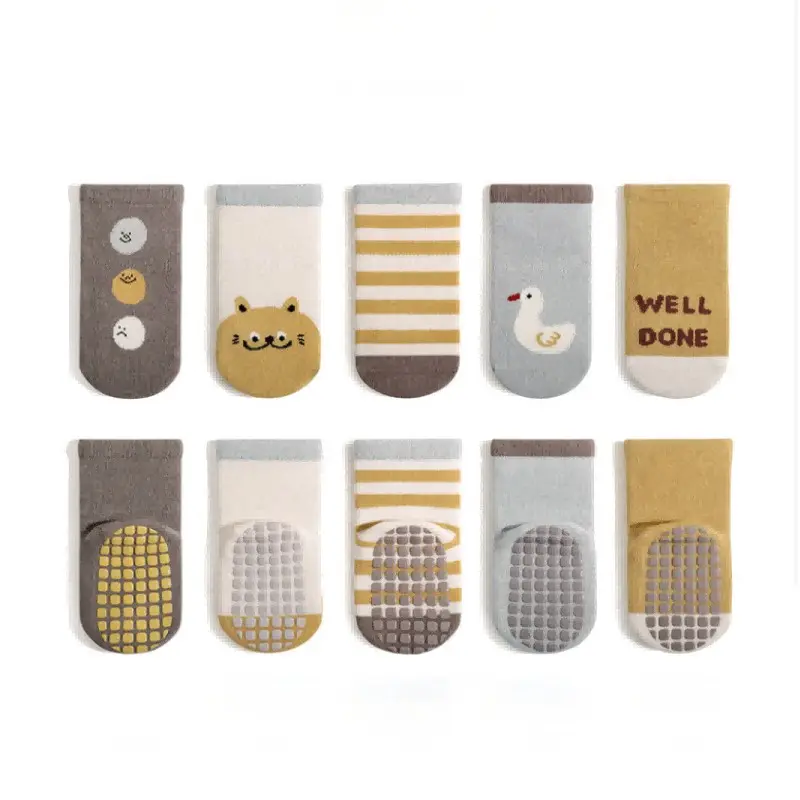 Baby Socks Floor Grip Mid-tube Socks with Cartoon