How to Choose the Best Water Sports Socks for Your Next Adventure?
When planning an exciting water sports adventure, selecting the right gear is crucial. Among the essentials are Water Sports Socks. These socks are designed for various activities, including kayaking, paddleboarding, and surfing. According to a recent industry report, 70% of water sports enthusiasts prioritize comfort and protection during their experiences.
Water Sports Socks provide insulation and help prevent blisters. They are also key for maintaining grip and stability on wet surfaces. With diverse options available, it's easy to feel overwhelmed. Not all socks are created equal. Some lack durability, while others may not offer sufficient warmth. Industry standards recommend materials that are both breathable and waterproof.
Choosing the best Water Sports Socks can be a trial-and-error process. Many users report dissatisfaction due to poor fit or lack of features. A good pair should enhance your experience, not hinder it. As you venture out, reflect on what works for you and what doesn't. Comfort should never be compromised when enjoying the thrill of water activities.
Understanding the Importance of Water Sports Socks for Comfort and Safety
Water sports socks are more than just an accessory; they play a vital role in your overall comfort and safety on the water. These socks offer cushioning, warmth, and grip, essential for activities like kayaking, paddleboarding, or surfing. Without proper socks, your feet can suffer from blisters or cold exposure. Some may think any sock will do, but that's a misconception. The right fit matters immensely.
Choosing socks made from quick-drying materials can enhance your experience. Avoid cotton, which holds water and gets heavy. Instead, look for synthetic or wool blends. Additionally, socks with a snug fit can prevent them from slipping inside your shoes. However, it's essential to strike a balance. Too tight can restrict blood flow, leading to discomfort. Consider the sock length as well; crew or ankle options can affect protection and warmth depending on your activity.
Remember to evaluate your water sports environment. If you're venturing into rocky areas, extra padding is a must. A clear understanding of your needs will guide your choice. Many people overlook simple details. But these little choices make a significant difference. Small adjustments lead to a more enjoyable adventure, keeping your feet protected and comfortable throughout your experience.
How to Choose the Best Water Sports Socks for Your Next Adventure? - Understanding the Importance of Water Sports Socks for Comfort and Safety
| Feature |
Importance |
Material Types |
Best Use Case |
| Comfort |
Prevents blisters and discomfort |
Neoprene, Lycra |
Kayaking, Paddleboarding |
| Thermal Insulation |
Keeps feet warm in cold water |
Thick Neoprene |
Surfing, Winter Activities |
| Traction |
Prevents slipping on wet surfaces |
Rubber soles |
Stand Up Paddleboarding, Sailing |
| Breathability |
Wicks away moisture, keeps feet dry |
Mesh, Quick-dry materials |
Swimming, Water Aerobics |
| Fit |
Ensures no sand or debris enters |
Elastic materials |
Beach Activities, Snorkeling |
Key Features to Look for in Quality Water Sports Socks
When selecting water sports socks, focus on key features that enhance your experience. One important aspect is material. Look for socks made from quick-drying, breathable fabrics. Neoprene is a popular choice. It provides warmth and flexibility. However, some may find it bulky. Lightweight options made from synthetic blends also exist. These can offer better agility during activities.
Another consideration is the fit. A snug fit is vital to prevent slipping. Socks that are too loose can cause blisters. Some designs feature elastic bands for added security. Thicker soles provide better grip, especially on slippery surfaces. But thicker socks can reduce sensitivity. It’s a balance between comfort and performance.
Pay attention to insulation. If you’re venturing into colder waters, insulated socks are key. They trap heat, keeping your feet warm. However, they might not be suitable for warmer climates. Ultimately, make choices based on your specific needs. Test different types to see what feels best. Don’t forget to consider the terrain and conditions you’ll face. Your adventure awaits!
Materials and Fabrics: Choosing the Right Option for Your Activity
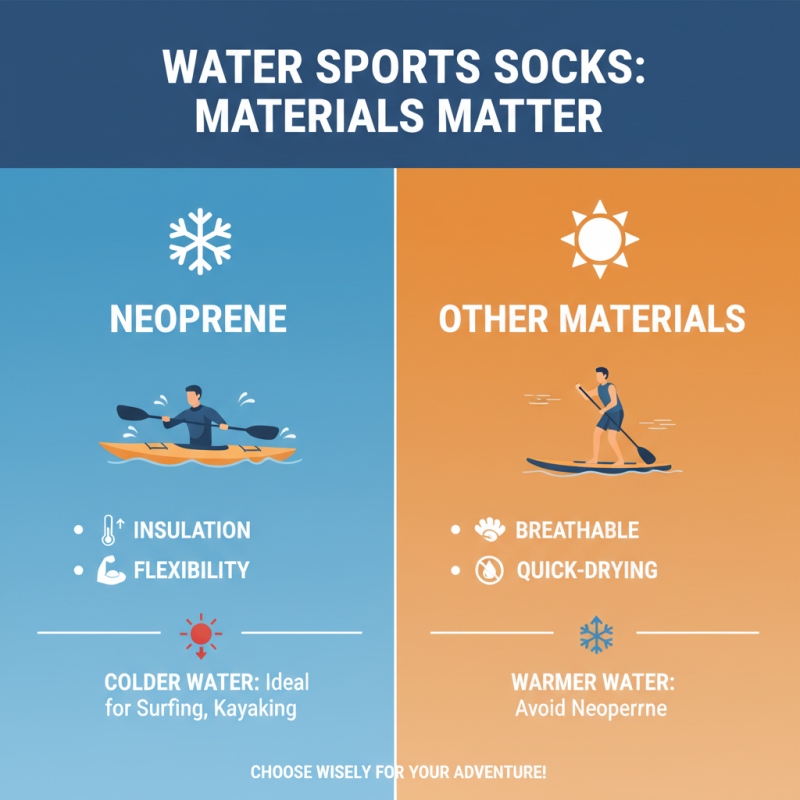
When it comes to choosing water sports socks, the materials matter significantly. Neoprene is one of the popular options. It offers good insulation while maintaining flexibility. This makes it ideal for colder water activities like kayaking or surfing. However, neoprene can retain heat, causing discomfort in warmer conditions.
Another option is a synthetic blend. These materials often include nylon or polyester. They provide durability and quick drying capabilities. This is perfect for activities like paddleboarding. Yet, they may not offer the same cushioning as thicker materials. Your feet might feel fatigue after long hours.
Consider also socks made from merino wool. This natural fiber regulates temperature well. It keeps your feet warm in the cold and cool in the heat. Yet, wool can be bulkier and less streamlined. If you’re looking for snug fits, this might not be ideal. Each material presents its pros and cons. Make sure to assess your specific needs before making a choice.
Sizing and Fit: Ensuring Optimal Performance and Protection
When selecting water sports socks, sizing and fit are crucial factors that ensure optimal performance and protection. According to a recent industry report, 70% of water sports enthusiasts experience discomfort due to improper sock sizing. A snug fit can prevent blisters and enhance grip while paddling or surfing. Water socks should hug the foot without being too tight, allowing for adequate blood circulation.
It's vital to measure your feet properly. Use a tape measure to assess foot length and width. Many socks feature sizing charts that provide guidance based on these measurements. Yet, it’s common for users to choose sizes based on previous purchases, which can lead to ill-fitting socks. In fact, 40% of consumers reported returning socks due to sizing issues. Always check the size guide and consider potential foot swelling after extended water activities.
Material also plays a significant role in performance. Breathable, moisture-wicking fabrics keep feet dry and comfortable. A study noted that socks made from synthetic blends were 30% more effective in moisture management compared to cotton. Despite these guidelines, individuals often overlook the importance of fabric choice. Many will opt for cheaper options that may compromise both fit and protection, leading to less than ideal adventures.
Water Sports Socks: Sizing and Fit for Optimal Performance
Care and Maintenance Tips for Long-Lasting Water Sports Socks
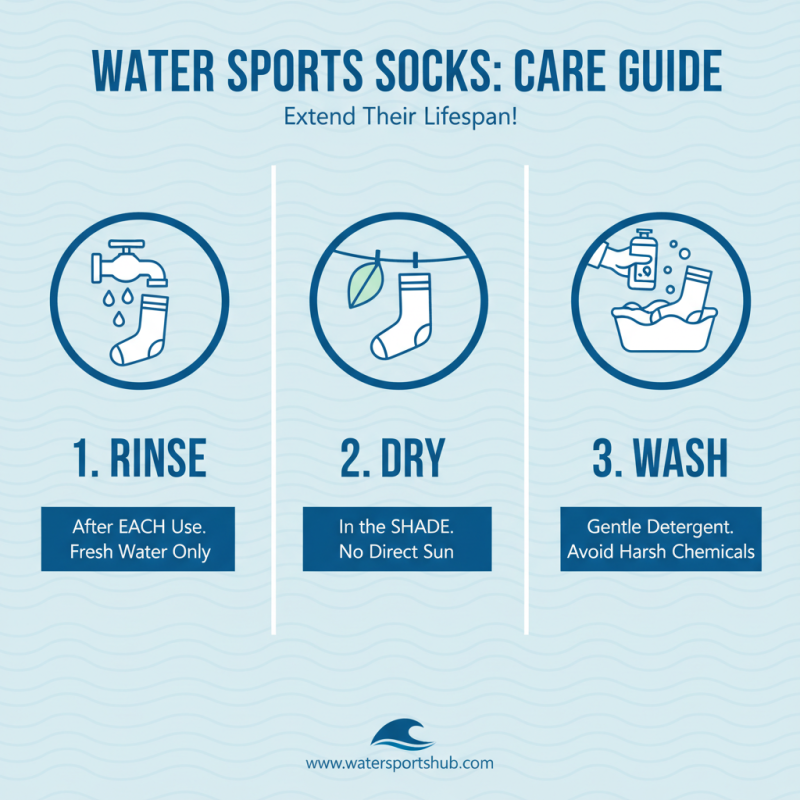
To ensure your water sports socks last long, proper care and maintenance are key. After each use, rinse them thoroughly in fresh water. This removes salt, sand, and other debris that can cause wear. Hang them to dry in the shade. Avoid direct sunlight; it can degrade the material. For washing, use a gentle detergent. Harsh chemicals can weaken the fibers over time.
Inspect your socks regularly for signs of damage. Look for small tears or worn-out areas. Don’t ignore these issues. They can lead to larger problems when you hit the water next time. Store your socks in a cool, dry place. Avoid folding them tightly, as this can create creases. Instead, lay them flat. Remember, even small details matter in maintaining your gear. Taking these steps can extend the life of your socks, making your next adventure much more enjoyable.

 Trampoline Socks
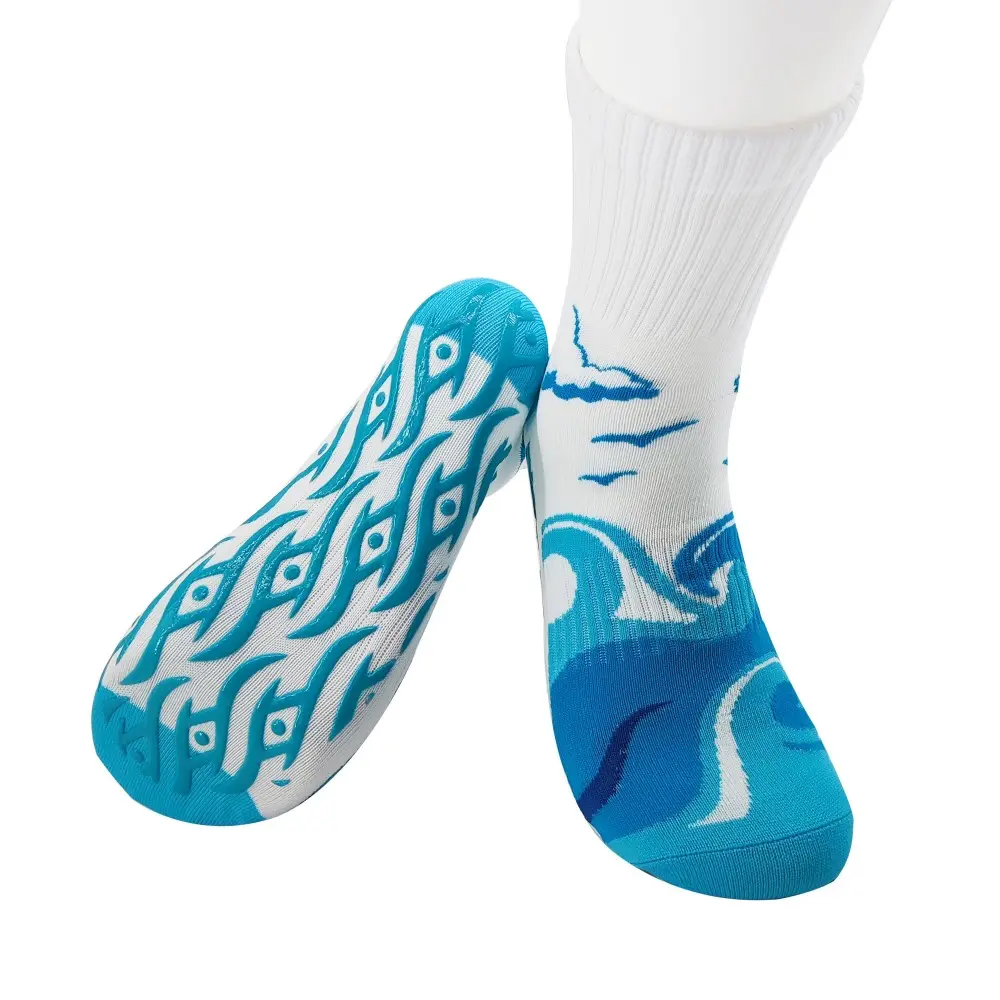 Aqua Park Socks
 Hospital Slipper Socks
 Grip Football Socks
 Basketball Socks
 Badminton Socks
 Cycling Socks
 Running Socks
 Disposable Socks Bowling Alley Socks
 Disposable socks
 Warm Colorful Striped Crew Socks for Women
 Custom Unisex Crew Socks Breathable Socks
 Digital Printing Vintage Crew Socks
 Animal Fuzzy Cartoon Crew Socks for Women
 Cotton Flower Ankle Socks Low Cut Socks
 Thick Christmas Festival Crew Socks
 Cotton Cute Anti Slip Baby Ankle Socks with Cartoon
 Colorful Soft Baby Socks Anti-slip
 Non Slip Soft Ankle Baby Toddlers Socks
 Cartoon Baby Socks With Grips Crew Walking Socks
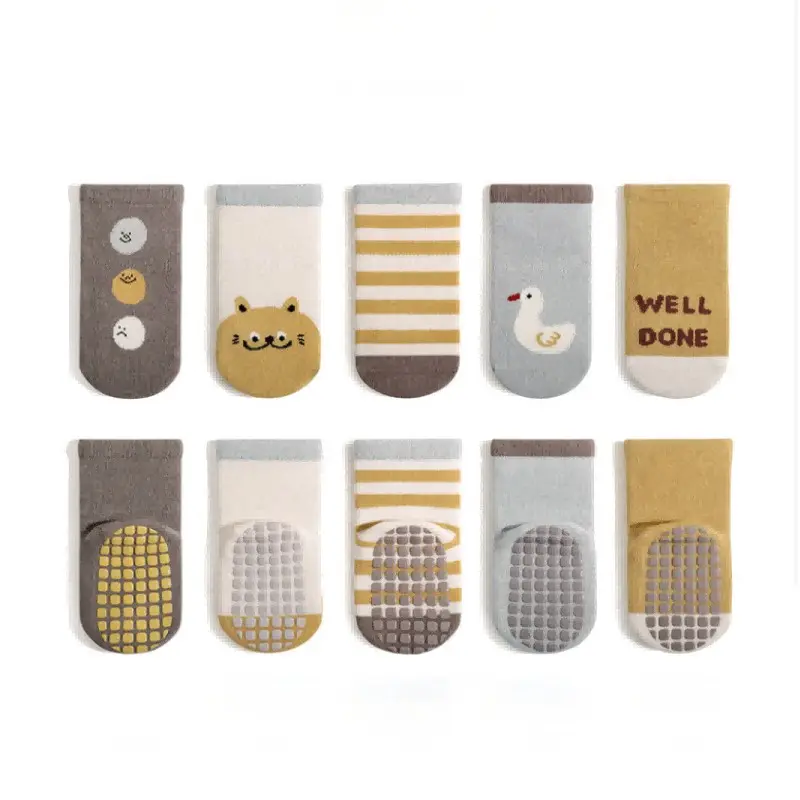 Baby Socks Floor Grip Mid-tube Socks with Cartoon