How to Choose the Best Baby Anti-Slip Socks for Your Little One?
Choosing the best baby anti-slip socks for your little one is crucial for their safety and comfort. According to the American Podiatric Medical Association, infants and toddlers are particularly prone to slips and falls as they learn to walk. This highlights the importance of proper footwear, especially baby anti-slip socks, which can enhance stability and confidence. Industry reports show that sales of non-slip socks have increased by over 25% in recent years, indicating a growing awareness among parents about the benefits of these products.
When selecting baby anti-slip socks, several factors must be considered. The material is essential; breathable cotton or bamboo options are often preferred. They provide comfort and moisture control, which is vital for active babies. Additionally, the design plays a significant role. Socks should fit snugly without being too tight, as this can restrict movement. However, not all products on the market meet these standards, so careful evaluation is necessary.
While many brands advertise their baby anti-slip socks, it's important to scrutinize reviews and safety certifications. Some socks may not perform well, leading to potential risks. Parents should seek products that are tested for durability and grip. Trusting well-known brands can provide peace of mind, but even reputable products can have flaws. Choosing the right pair involves judgment and attention to detail, and it's okay to question what seems best for your little one.
Understanding the Importance of Baby Anti-Slip Socks
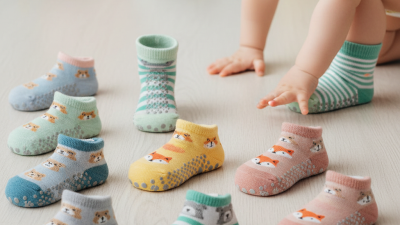
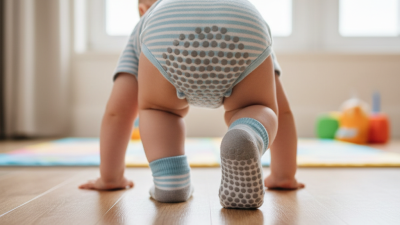
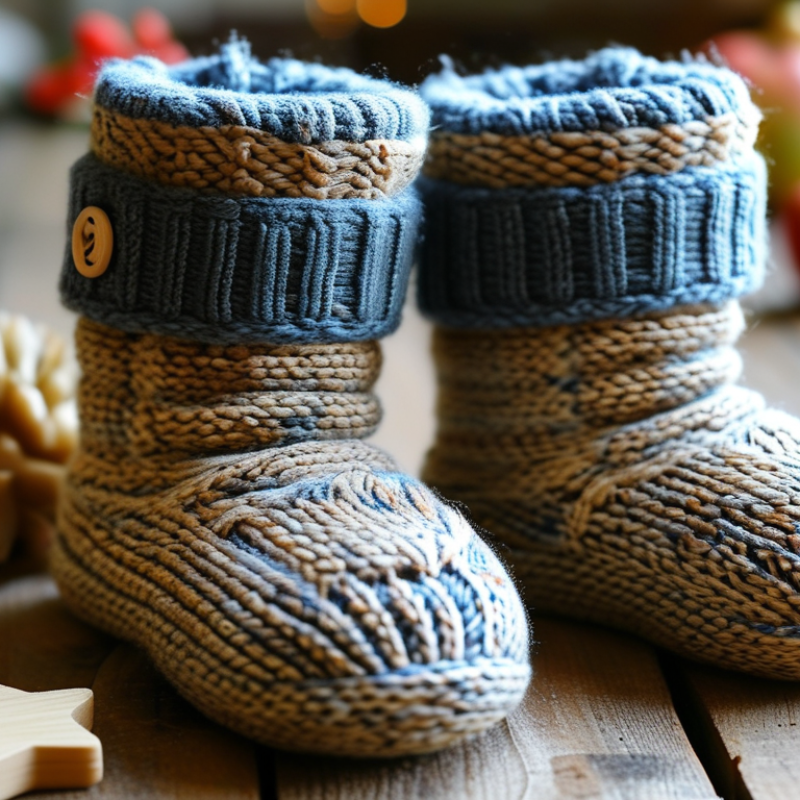
Baby anti-slip socks play a crucial role in keeping your child safe and comfortable as they learn to walk. These socks are designed with textured soles that provide grip, preventing slips on smooth surfaces. As toddlers explore their environment, stabilization becomes vital. The right pair can reduce the risk of falls, which are common during the early stages of walking.
When selecting anti-slip socks, consider the fit. The socks should not be too tight or too loose. A snug fit prevents slipping off while being comfortable enough for daily wear. Look for breathable materials that keep little feet dry and cozy. Check the quality of the grips on the soles. They should be made from durable materials that withstand wear and tear, especially for active children.
Tips for parents: Always inspect the socks for any signs of damage before use. Worn-out grips can diminish the effectiveness of anti-slip features. You might also want to have multiple pairs available, as toddlers can be messy and may need frequent changes. Remember, safety is key; finding the perfect socks is an investment in your child’s well-being.
Key Features to Look for in Baby Anti-Slip Socks
When choosing baby anti-slip socks, consider the material. Look for
soft, breathable fabrics that won't irritate delicate skin.
Cotton and bamboo blends are great choices. They can help keep little feet comfortable all day long. Additionally,
check the sizing. Socks that fit well will stay on
better and prevent slips.
Design is also essential. Anti-slip socks usually feature
rubber grips on the soles. These grips help provide traction on slippery surfaces. Make sure the design allows
for flexibility. Stiff socks can limit movement and affect
your baby's crawling or walking. Bright colors and fun patterns can engage your child, making sock time enjoyable.
Lastly, consider ease of cleaning. Baby socks can get dirty
quickly. Choose socks that can withstand frequent washing without losing their grip.
Reflecting on these points can help. A thoughtful choice can enhance
your child's safety and comfort as they explore their world.
Different Materials Used in Baby Anti-Slip Socks and Their Benefits
When choosing baby anti-slip socks, material plays a vital role. Cotton is a popular choice for its softness and breathability. It keeps little feet comfortable and prevents overheating. A study by the American Academy of Pediatrics reveals that breathable materials can reduce the risk of skin irritations. However, pure cotton may lack grip on slippery surfaces.
Another common material is spandex. It provides excellent elasticity, ensuring a snug fit on tiny feet. This helps prevent the socks from slipping off, which can be a concern for active toddlers. Research shows that the right fit can enhance mobility, encouraging babies to explore their environment safely. Mixing spandex with cotton can balance comfort and grip.
Finally, consider the use of rubberized grips. These grips can significantly enhance traction, reducing falls on smooth surfaces. A 2022 report from the Journal of Pediatric Safety highlighted that socks with adequate grip can lower slip-related injuries by 30%. However, not all rubberized materials are created equal. Some can deteriorate after washes.
Parents should be mindful of these factors. The perfect sock for one child might not suit another. Variety in materials can impact comfort, fit, and safety. It's essential to test and observe which types work best for individual preferences and activity levels.
How to Choose the Best Baby Anti-Slip Socks for Your Little One?
The following chart illustrates the different materials used in baby anti-slip socks and their respective benefits. These insights can help parents select the best option for their child's comfort and safety.
Sizing and Fit Considerations for Baby Anti-Slip Socks
When choosing baby anti-slip socks, sizing and fit are crucial. A study by the American Academy of Pediatrics indicates that properly fitted socks can reduce slip and fall incidents by up to 40%. This highlights the importance of measuring your baby's foot accurately. Using a standard foot measuring tool or tracing the foot on paper can ensure the right size.
Most brands provide sizing charts based on age or shoe size. However, every baby’s foot is unique. It’s essential to check for width as well as length. Socks that are too tight may restrict circulation, while those that are too loose can easily slip off. Aim for a snug fit that allows for some wiggle room.
Consider the material as well. Cotton blends offer comfort, while synthetic fibers provide grip. Look for cushioning and elasticized bands to support the arch and prevent slippage. Regularly assess the fit as babies grow quickly. What appears perfect today may be too small tomorrow. This continual adjustment process can be frustrating but is vital for safety. Prioritizing these factors can greatly enhance your baby's comfort and security while exploring their environment.
How to Choose the Best Baby Anti-Slip Socks for Your Little One? - Sizing and Fit Considerations for Baby Anti-Slip Socks
| Sock Size |
Recommended Age |
Shoe Size |
Material |
Grip Type |
Wash Care |
| Newborn |
0-3 months |
0-2 |
Cotton Blend |
Silicone Dots |
Machine Washable |
| Small |
3-12 months |
2-4 |
Bamboo Fiber |
Rubber Grips |
Hand Wash Recommended |
| Medium |
12-24 months |
4-6 |
Organic Cotton |
Velvet Grips |
Machine Washable |
| Large |
2-3 years |
6-8 |
Polyester Blend |
Textured Grips |
Machine Washable |
Care Instructions for Maintaining Baby Anti-Slip Socks
Maintaining baby anti-slip socks is crucial for their longevity and effectiveness. Proper care can enhance the sock's grip and comfort. According to a survey by the Consumer Product Safety Commission, 75% of parents reported that well-maintained socks significantly reduce slipping accidents. Therefore, following care instructions is essential.
Always wash baby anti-slip socks in cold water. Hot water can damage the fibers and grip. Use a gentle detergent without harsh chemicals to protect the delicate fabric. Avoid fabric softeners, as they can affect the slip-resistant properties. According to recent laundry studies, socks that are line-dried keep their shape and grip better than those tumbled dried.
Be mindful of how often you replace socks. Baby feet grow quickly. Experts recommend checking for wear every few months. Socks that lose elasticity or grip can lead to accidents, impacting your baby's safety. A study found that 30% of toddlers experience slips while walking in worn-out footwear. Taking a moment to inspect your child's socks not only ensures safety but also encourages a habit of regular checking.

 Trampoline Socks
 Aqua Park Socks
 Hospital Slipper Socks
 Grip Football Socks
 Basketball Socks
 Badminton Socks
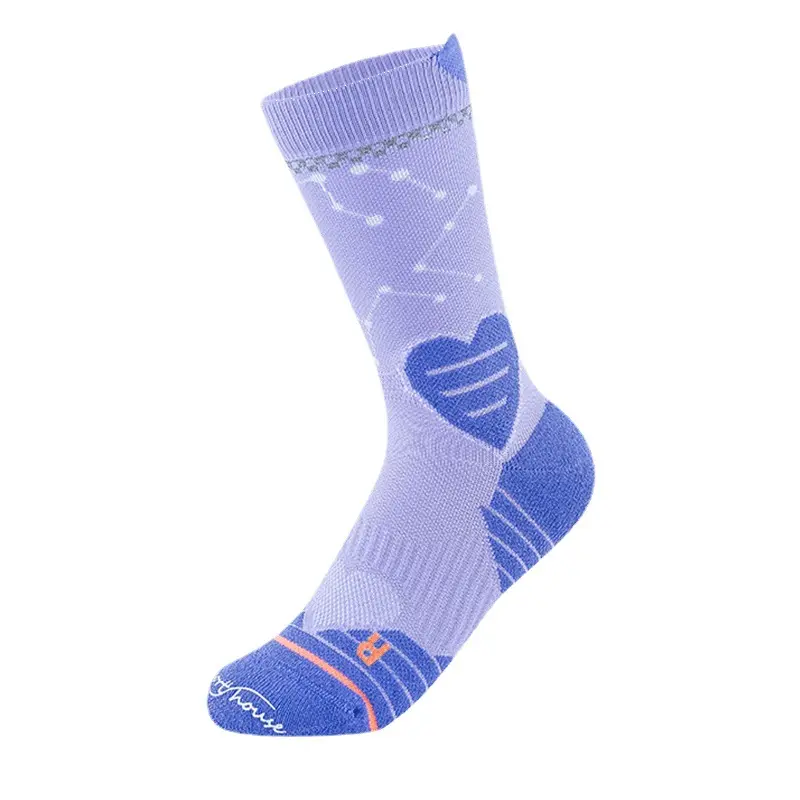 Cycling Socks
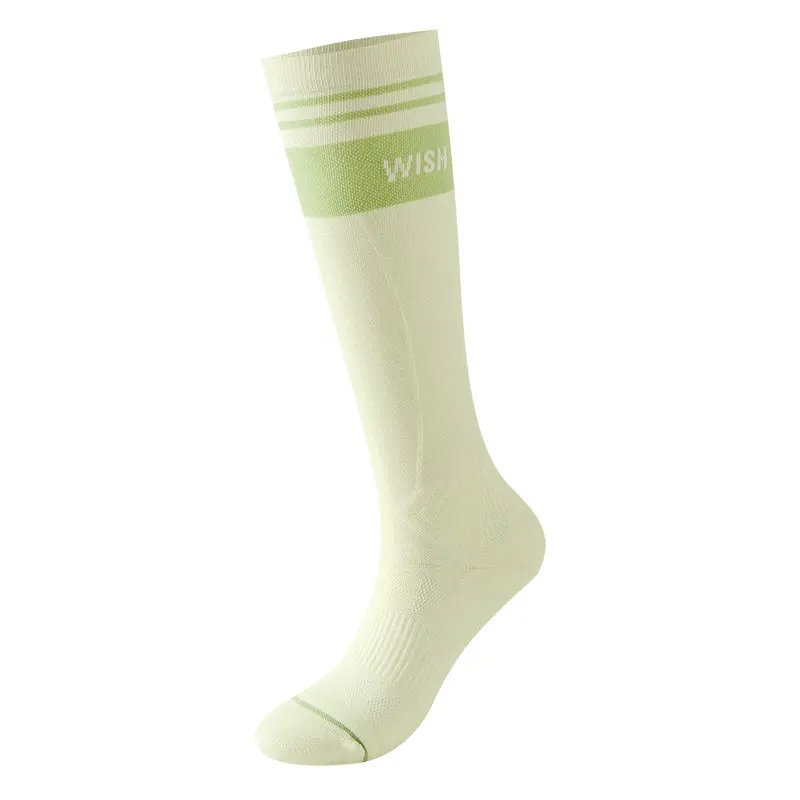 Running Socks
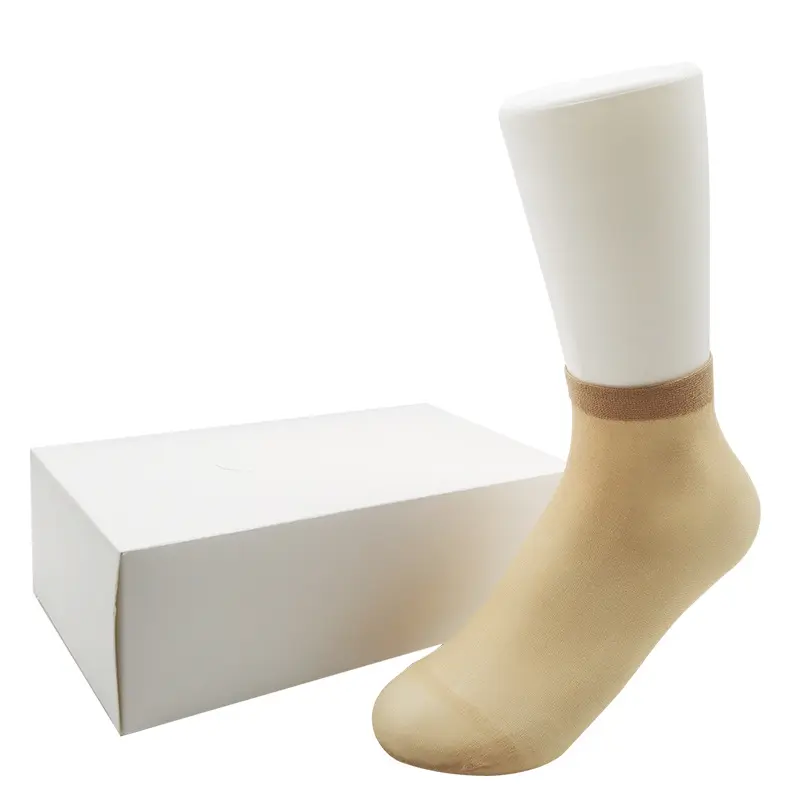 Disposable Socks Bowling Alley Socks
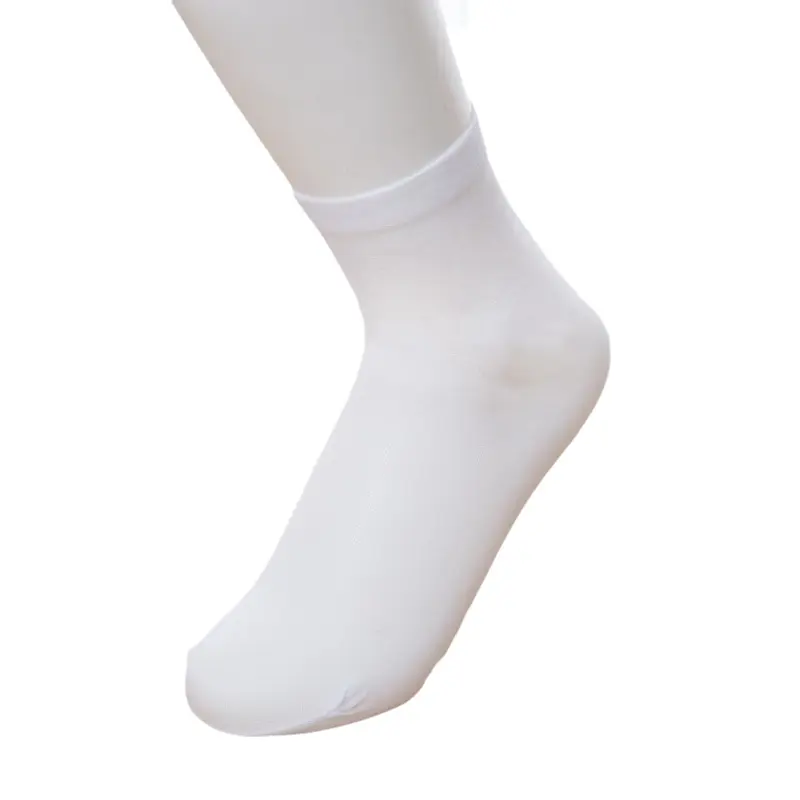 Disposable socks
 Warm Colorful Striped Crew Socks for Women
 Custom Unisex Crew Socks Breathable Socks
 Digital Printing Vintage Crew Socks
 Animal Fuzzy Cartoon Crew Socks for Women
 Cotton Flower Ankle Socks Low Cut Socks
 Thick Christmas Festival Crew Socks
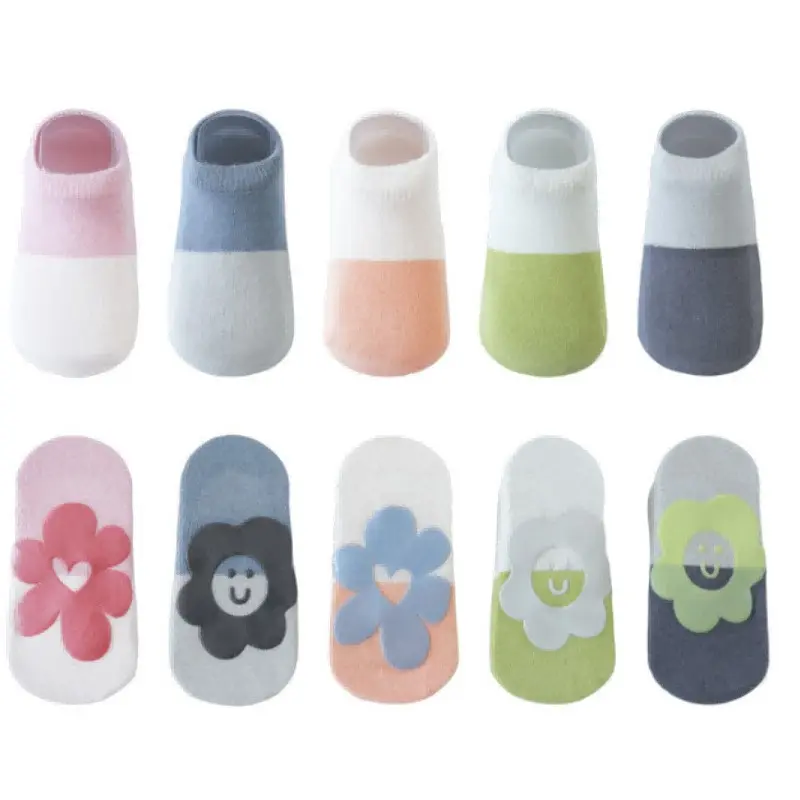 Cotton Cute Anti Slip Baby Ankle Socks with Cartoon
 Colorful Soft Baby Socks Anti-slip
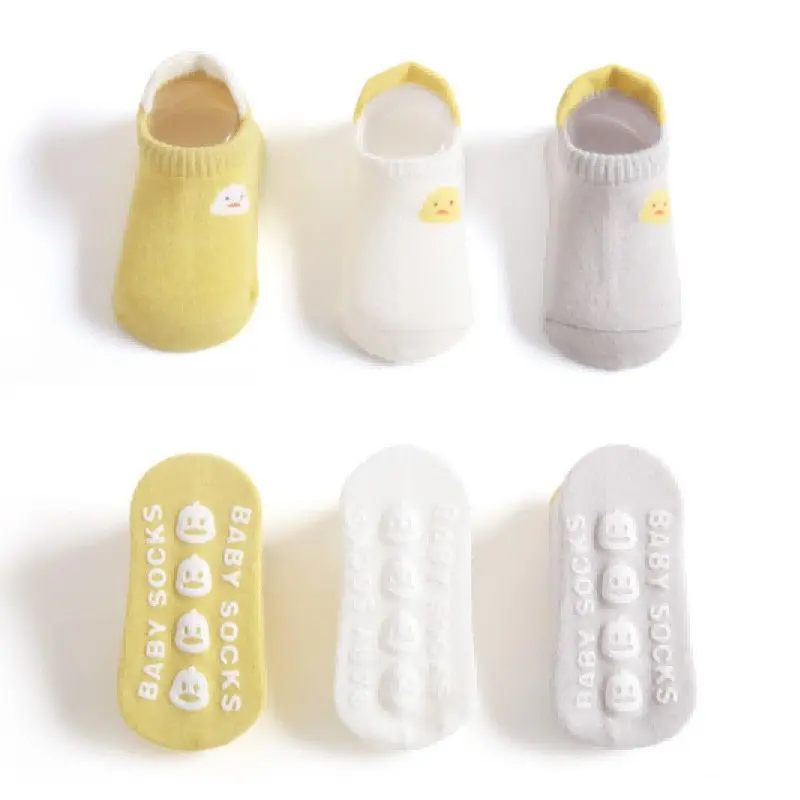 Non Slip Soft Ankle Baby Toddlers Socks
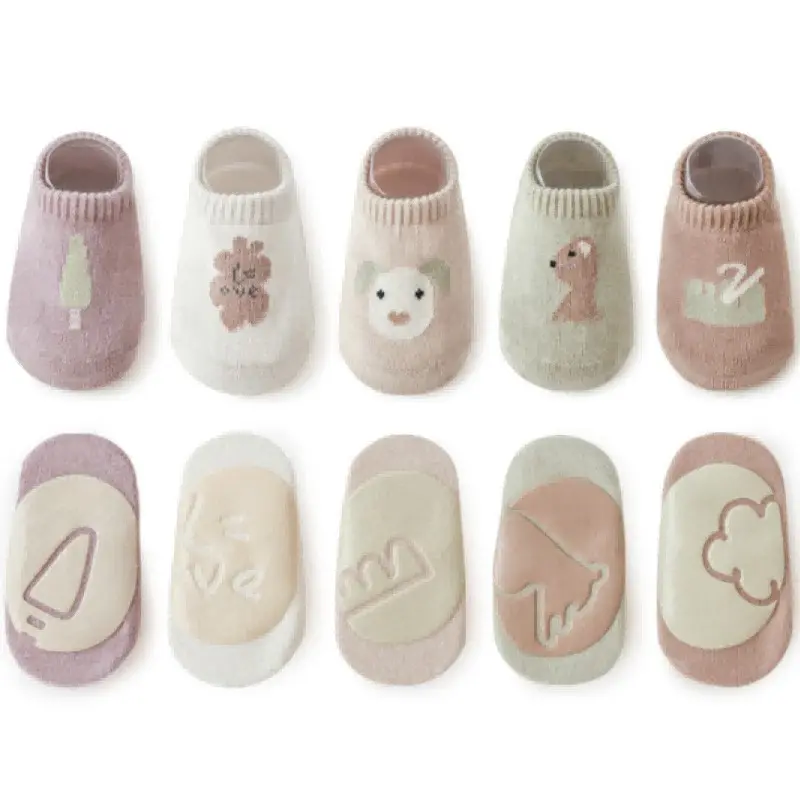 Cartoon Baby Socks With Grips Crew Walking Socks
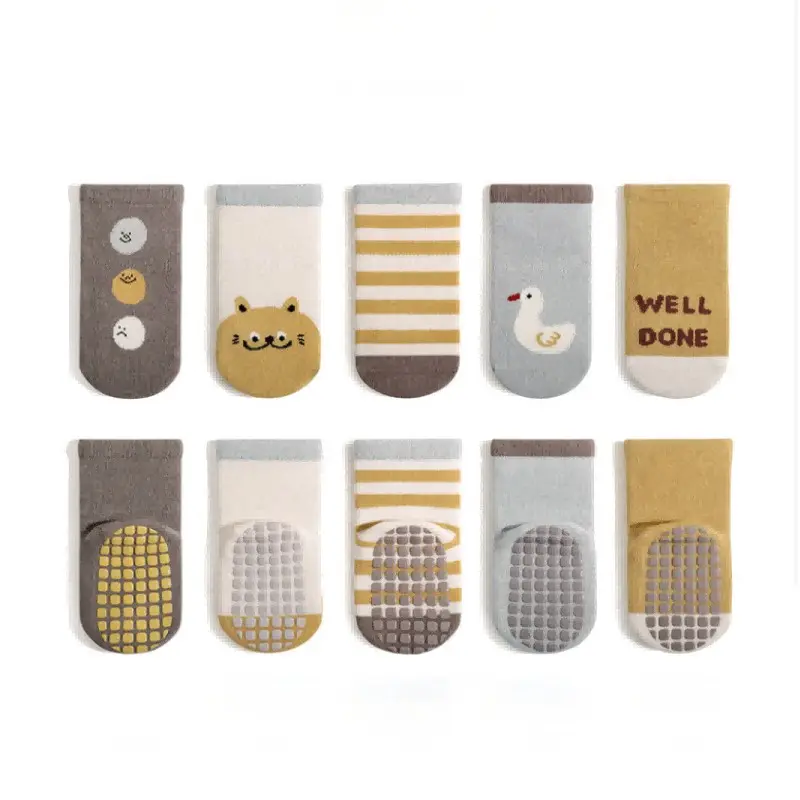 Baby Socks Floor Grip Mid-tube Socks with Cartoon