How to Choose the Best Aquatic Footwear for Your Water Adventures?
Choosing the right aquatic footwear can enhance your water adventures significantly. Whether you are kayaking, snorkeling, or simply strolling on the beach, the right shoes make a difference. Aquatic footwear comes in various styles, materials, and designs tailored for different activities.
Consider the environments you will encounter. Will you be walking on hot sand or rocky surfaces? Are you planning to swim in rivers or saltwater? Each situation requires specific features. For instance, drainage holes help water escape quickly. Good grip is crucial on slippery surfaces, too. Some footwear might look stylish but lack functionality.
Reflect on your past experiences. Have you ever had blisters or slips? Think about what went wrong. Are you drawn to colorful designs but overlook comfort? These are important factors. Take your time in making a choice. Your aquatic footwear should offer both safety and enjoyment on every adventure.
Factors to Consider When Choosing Aquatic Footwear for Activities
Choosing the right aquatic footwear can make or break your water adventures. Comfort is key. Look for shoes that fit snugly without being too tight. Breathable materials enhance comfort and reduce discomfort. It’s essential to consider the type of water activity you are engaging in. Different activities require different support levels and features.
Grip and traction are vital. Wet surfaces can be slippery. Shoes with rubber soles often provide better grip. Think about where you’ll be using them. Are you wading in streams or hiking along rocky beaches? If you’re exploring rocky shores, extra toe protection is crucial. This detail can save you from painful stubbed toes. Waterproof designs are a must for activities involving a lot of water contact. But don’t forget about drainage. Proper drainage can prevent that squishy feeling when water seeps in.
Fit is another important aspect. It’s worthwhile to try shoes on with the right socks, if applicable. Each person’s foot shape is different, and not every style will work for you. Shoes might look great but can feel uncomfortable after a while. Dealing with blisters is not fun. It’s wise to reflect on your choices and think about comfort during long periods of wear. Are you willing to compromise on style for functionality?
Types of Aquatic Footwear and Their Suitable Activities
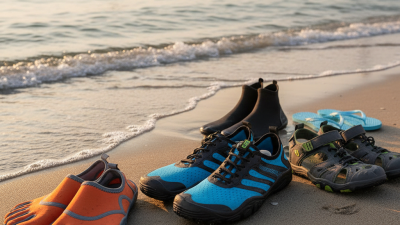
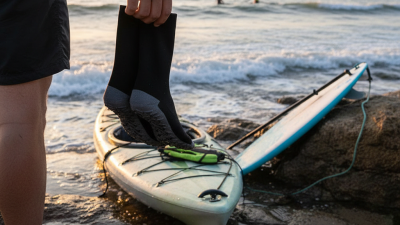
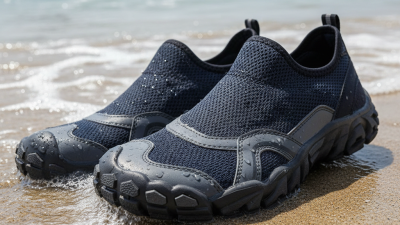
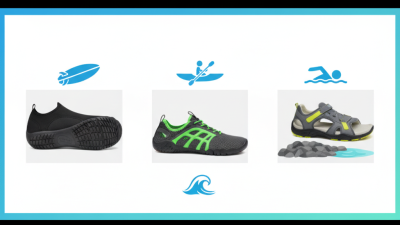
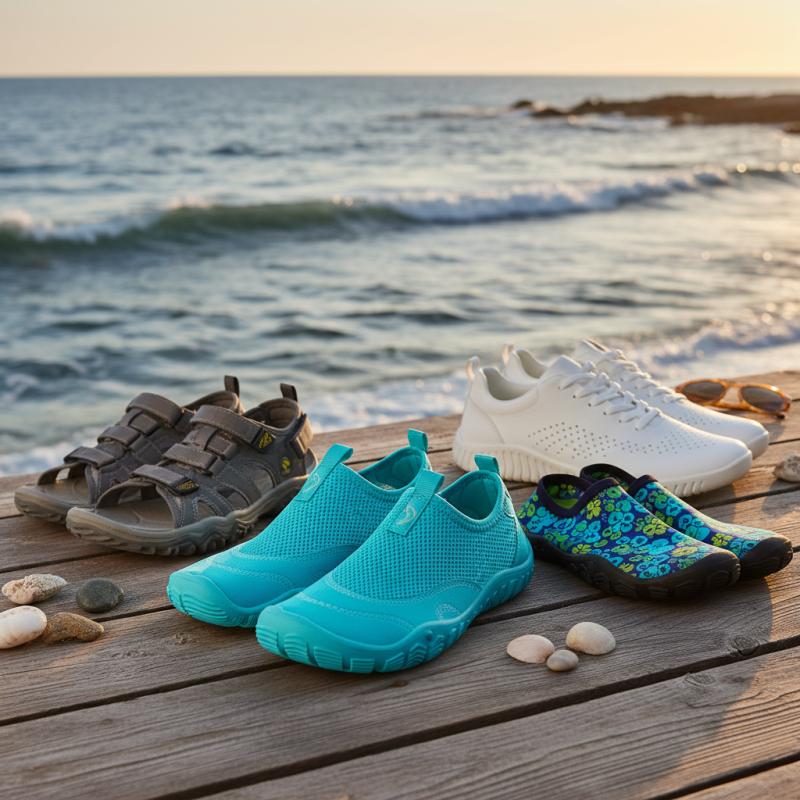
Choosing the right aquatic footwear is essential for a great experience on the water. Various types suit different activities. For instance, water shoes are lightweight and perfect for kayaking or paddleboarding. They dry quickly and offer a decent grip on wet surfaces.
Sandals are another popular option. They can be worn comfortably on the beach. However, they may not provide enough protection for rocky terrain. If you’re hiking a coastal trail, opt for more durable water shoes instead.
**Tip:** Consider the material. Breathable fabrics are best for hot days. Aqua socks are great for swimming but may wear out quickly. They are not ideal for rigorous activities.
Ultimately, choose footwear that fits well and meets your needs. It’s better to be safe than sorry. Your adventures will be more enjoyable with the right gear! Consider testing footwear before a big trip. A small mistake could lead to discomfort or injury. Your feet deserve the best care while you explore the water!
How to Choose the Best Aquatic Footwear for Your Water Adventures? - Types of Aquatic Footwear and Their Suitable Activities
| Type of Aquatic Footwear |
Description |
Suitable Activities |
Material |
| Water Shoes |
Lightweight shoes designed to provide traction and protect the feet in water environments. |
Kayaking, Beach Walking, Swimming |
Neoprene, Mesh |
| Flip Flops |
Casual sandals that are easy to slip on and off, providing minimal foot coverage. |
Beach Relaxation, Poolside |
Rubber, EVA |
| Aqua Socks |
Snug-fitting socks made for wet terrains, providing flexibility and comfort. |
Snorkeling, Paddleboarding |
Neoprene, Stretchy Fabric |
| Water Sandals |
Durable sandals designed to provide foot protection and grip in wet conditions. |
Hiking, River Crossing |
Rubber, Synthetic Upper |
| Wetsuit Boots |
Insulated boots that keep feet warm in cold water and provide grip. |
Surfing, Diving |
Neoprene |
Material Choices for Durability and Comfort in Water Shoes
Choosing the right material for aquatic footwear can greatly enhance your water adventures. Comfort and durability should be top priorities. According to a report by the Outdoor Industry Association, nearly 70% of outdoor enthusiasts prioritize durability in their water shoes. Common materials include neoprene, rubber, and mesh.
Neoprene offers flexibility and insulation but can trap heat. Rubber provides excellent traction but might be too rigid for some. Mesh allows for breathability, yet its durability can vary significantly.
When considering your options, think about the activities you'll engage in. A study published in the Journal of Sports Sciences showed that lightweight shoes perform better in activities like kayaking and paddleboarding. A heavier shoe may weigh you down and affect your performance.
Reflect on what feels good during wear. Water shoes should snugly fit without causing discomfort. Comfort is subjective, and what works for one may not suit another. Consider trying multiple materials to find the best balance between comfort and durability. Your feet deserve the best support possible during those aquatic adventures.
Fit and Sizing: Ensuring Optimal Comfort for Water Adventures
When choosing aquatic footwear, size and fit are paramount. A snug fit prevents slipping. Loose shoes can lead to accidents. Water activities often involve wet surfaces. Your footwear should hug your foot securely. Heel and toe areas must offer ample protection while allowing movement.
Consider the shape of your foot. Some styles may not align well with your arches. This can cause discomfort or blisters after a short time. Always try shoes on before purchasing. Stand, walk, and flex in them. Pay attention to any tight spots or pinching.
Remember, everyone's feet are different. What works for one might not work for another. Explore options without rushing. Take your time to find the right balance between comfort and functionality. Reflect on past experiences, and don’t overlook the importance of fit.
Maintenance Tips for Prolonging the Life of Your Aquatic Footwear
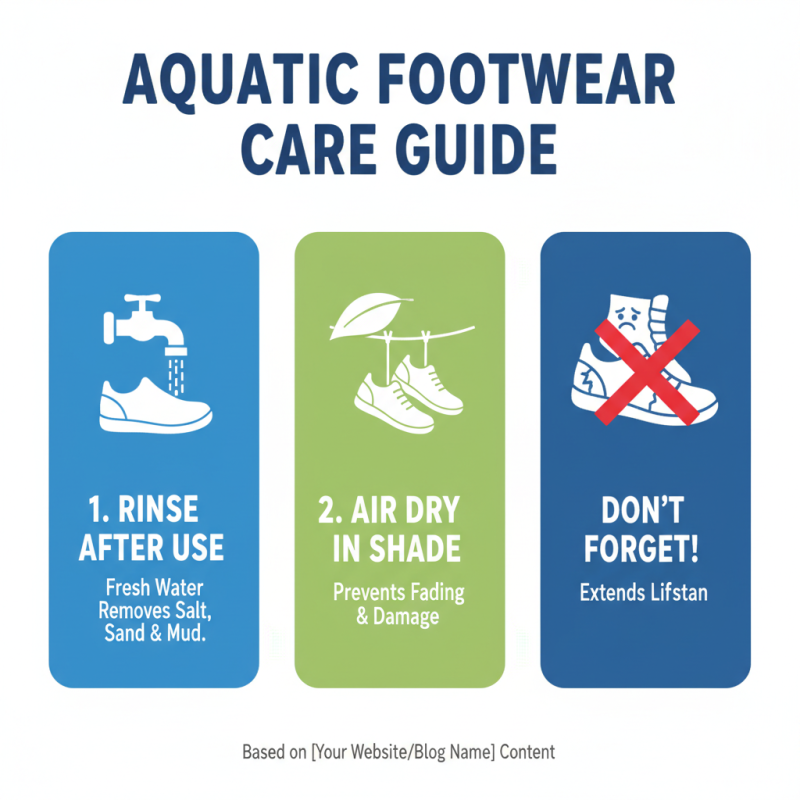
Maintaining your aquatic footwear is essential for extending its lifespan. After every use, rinse the footwear thoroughly with fresh water. This helps remove salt, sand, and mud. Dry them in a shaded, well-ventilated area. Direct sunlight can cause fading and damage. Sometimes, I forget this step and regret it later.
Storing your footwear properly is vital. Keep them in a cool, dry place. Avoid folding or cramming them into tight spaces. This can warp their shape. Occasionally, inspect for any signs of wear and tear. Small fractures can grow into bigger issues if left unattended. I’ve noticed this firsthand after neglecting small cracks.
Consider occasional cleaning with mild soap. This helps prevent odors and buildup. It’s a small effort for a big gain. If they get stained, try using a soft brush. Abrasive materials can ruin the texture. Reflecting on my experiences, I wish I had been more diligent about these maintenance tips. Taking care of my footwear always pays off in the long run.

 Trampoline Socks
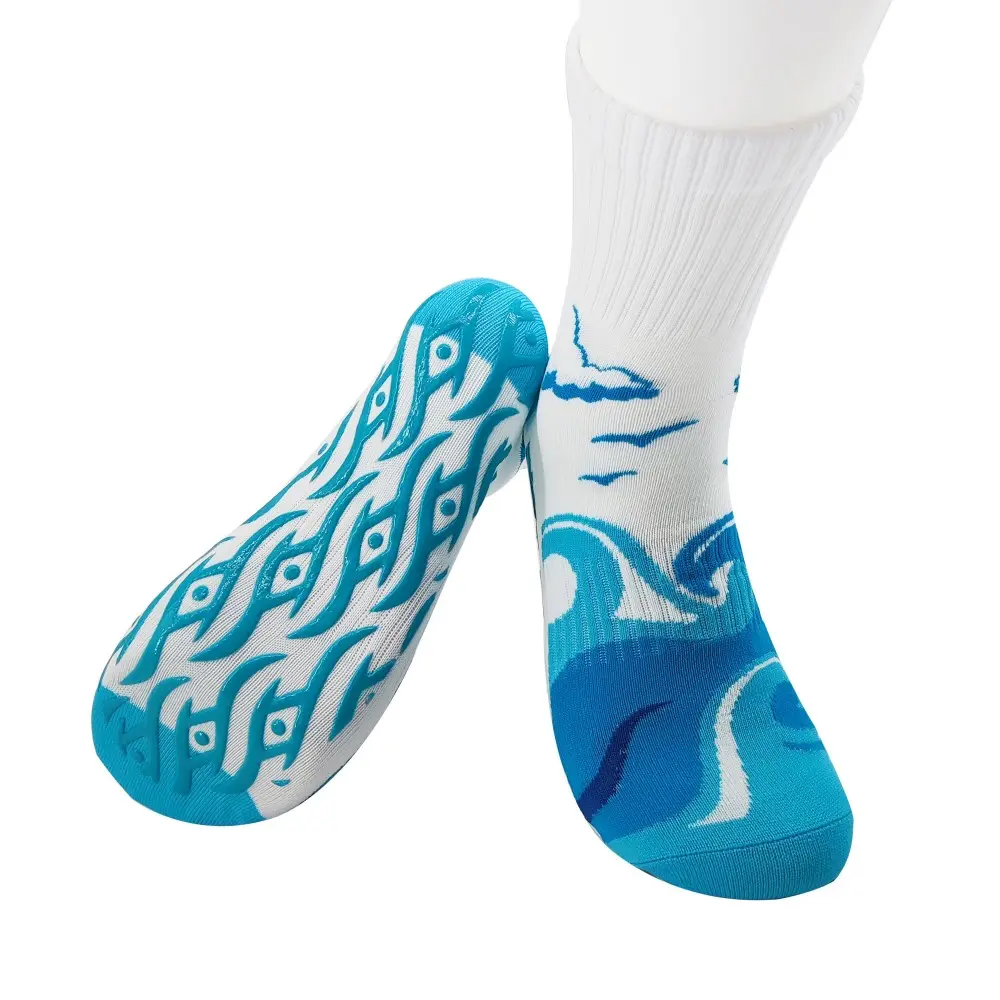 Aqua Park Socks
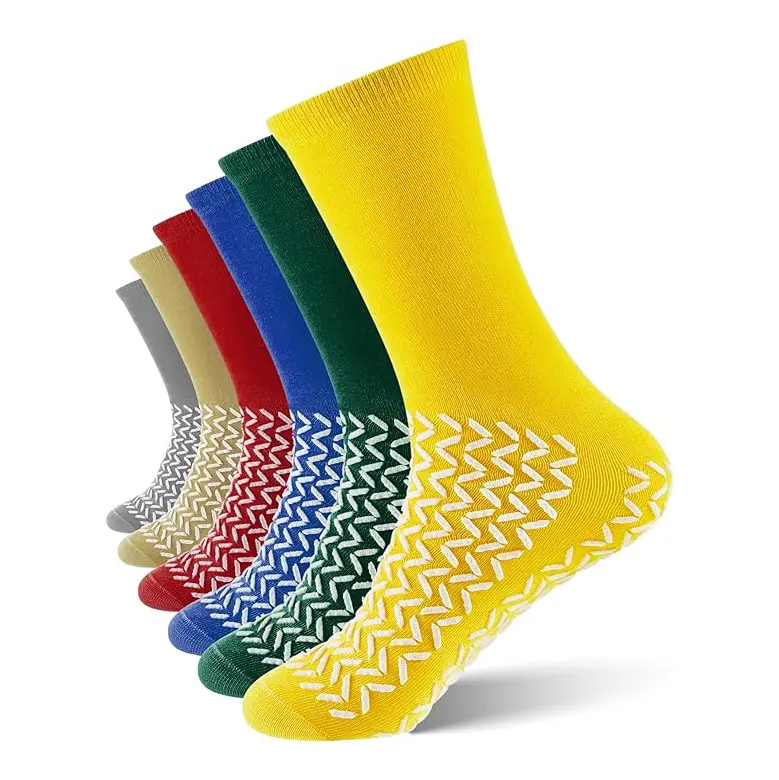 Hospital Slipper Socks
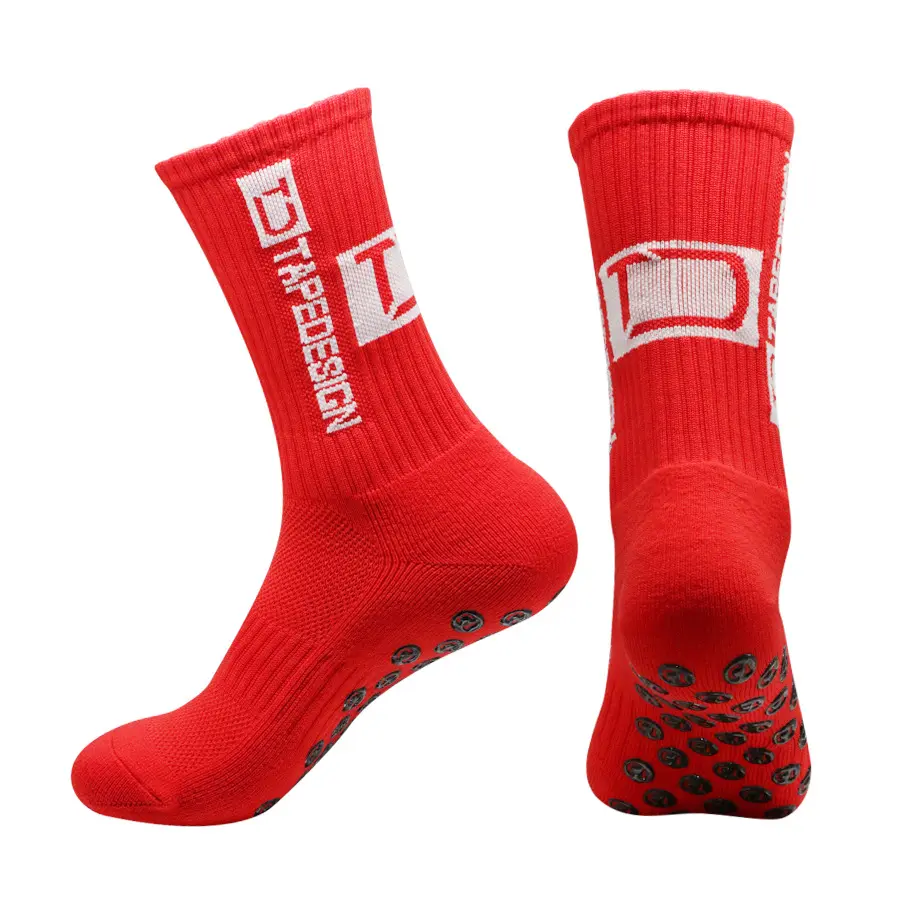 Grip Football Socks
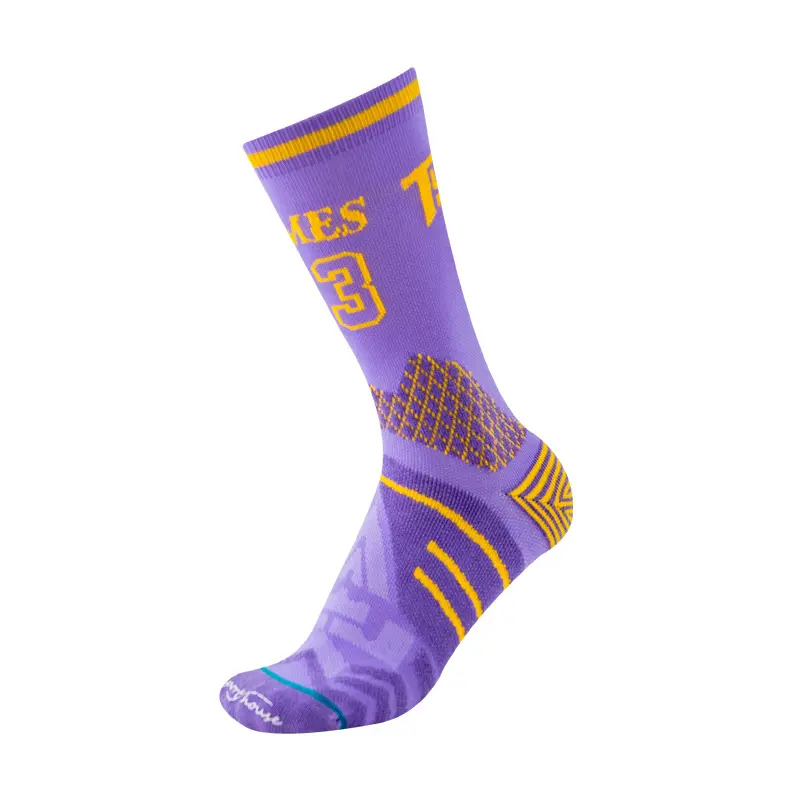 Basketball Socks
 Badminton Socks
 Cycling Socks
 Running Socks
 Disposable Socks Bowling Alley Socks
 Disposable socks
 Warm Colorful Striped Crew Socks for Women
 Custom Unisex Crew Socks Breathable Socks
 Digital Printing Vintage Crew Socks
 Animal Fuzzy Cartoon Crew Socks for Women
 Cotton Flower Ankle Socks Low Cut Socks
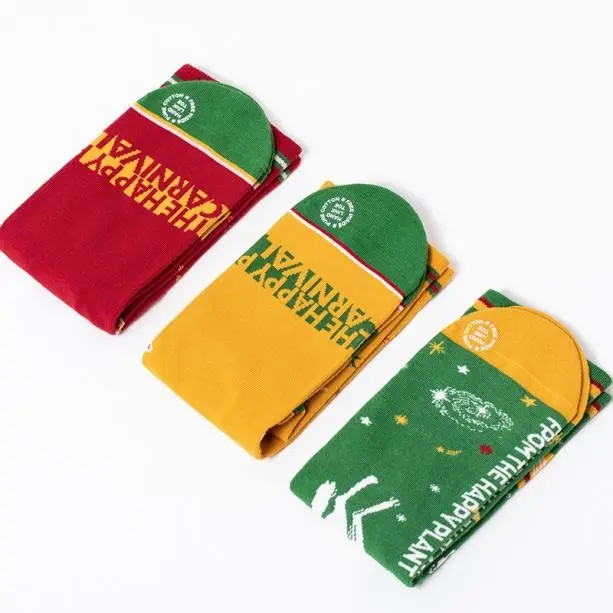 Thick Christmas Festival Crew Socks
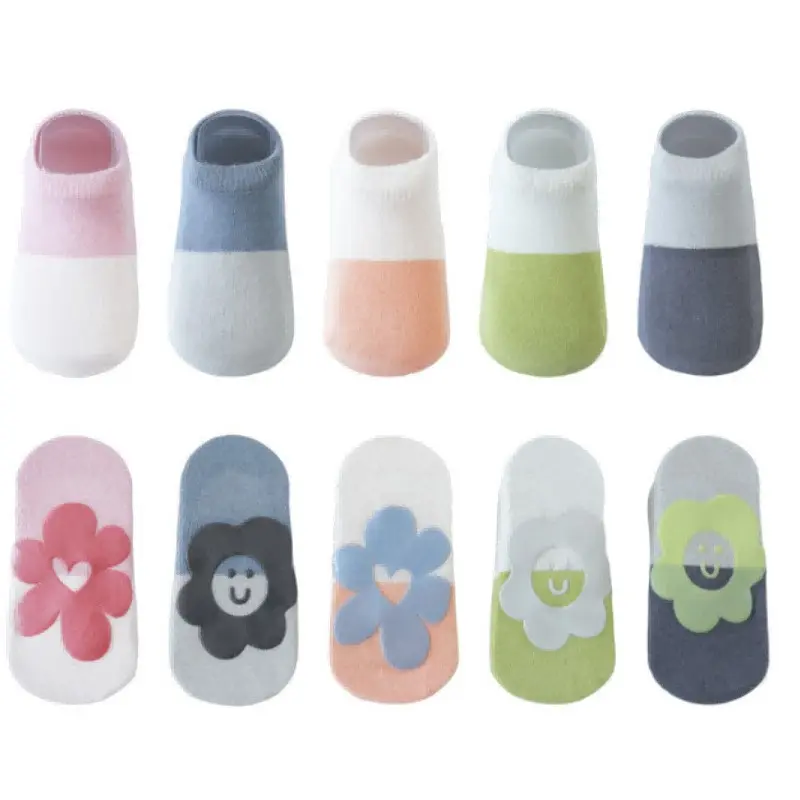 Cotton Cute Anti Slip Baby Ankle Socks with Cartoon
 Colorful Soft Baby Socks Anti-slip
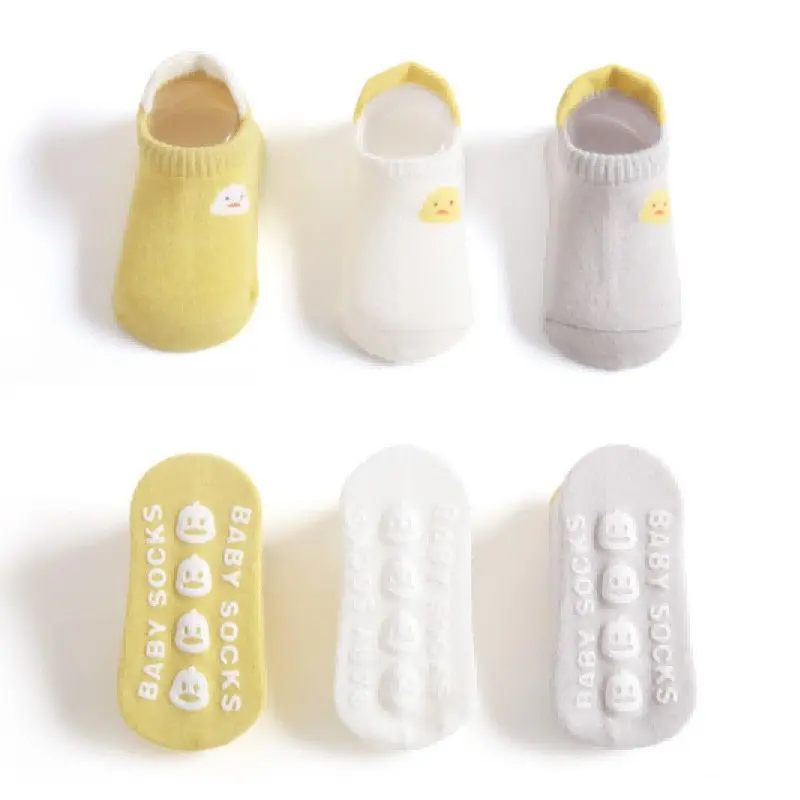 Non Slip Soft Ankle Baby Toddlers Socks
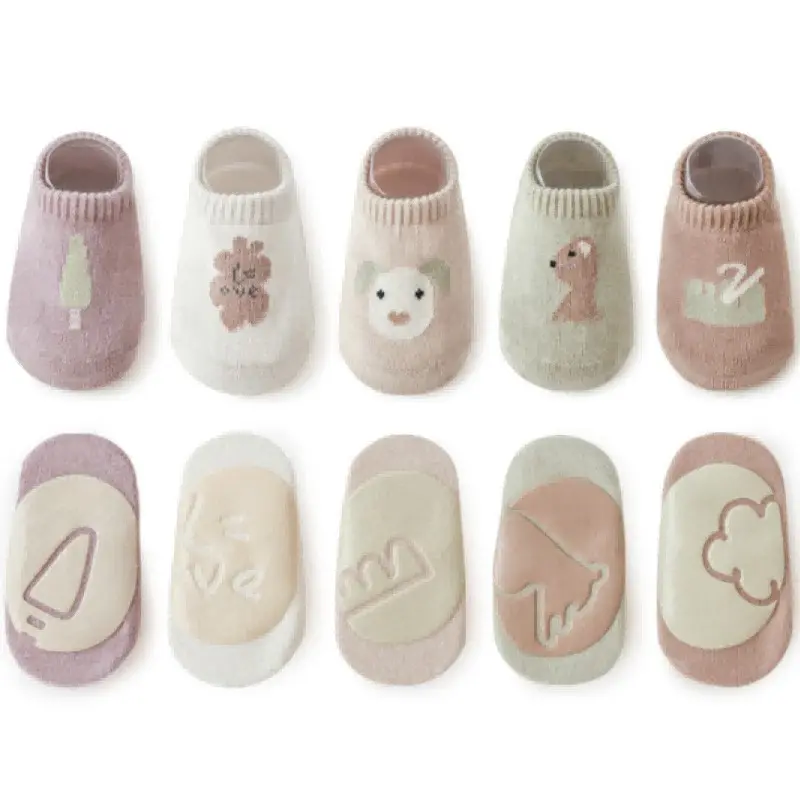 Cartoon Baby Socks With Grips Crew Walking Socks
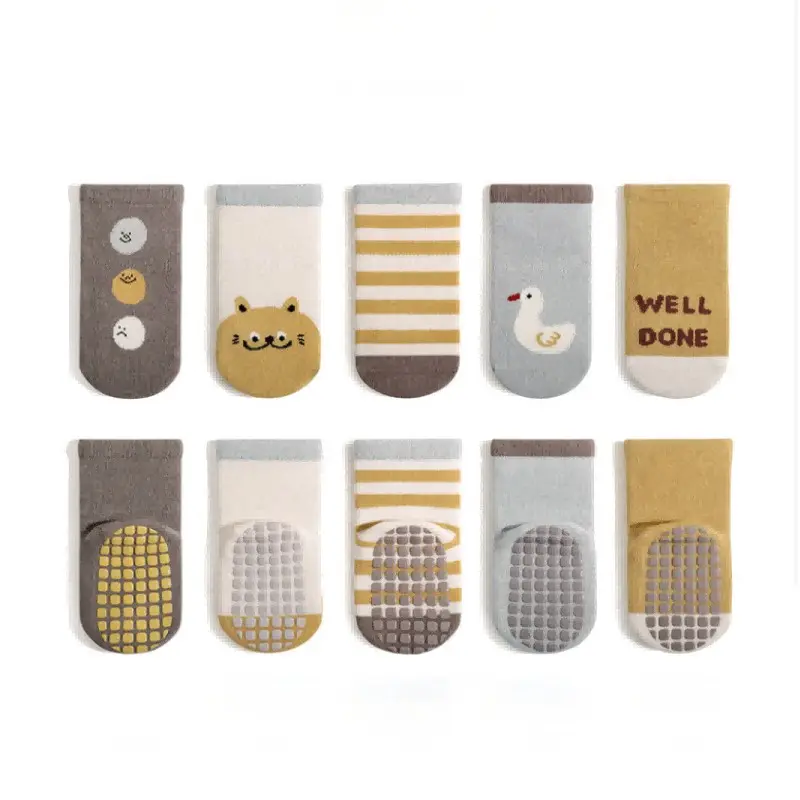 Baby Socks Floor Grip Mid-tube Socks with Cartoon