How to Choose the Best Yoga Socks Anti Slip for Your Practice?
Choosing the right "Yoga Socks Anti Slip" can enhance your practice significantly. The perfect pair provides safety and comfort. Slipping on your mat can disrupt your flow and focus. Quality yoga socks should have a reliable grip to prevent accidents.
When selecting yoga socks, consider the material. Breathable fabrics keep your feet dry and comfortable. Look for features like arch support or padded soles for added comfort. Each detail matters in your practice.
Not all anti-slip socks are created equal. Some may wear out quickly. Researching different brands can lead you to a pair that truly meets your needs. Reflect on your experience to choose wisely. In yoga, the right equipment can make a difference.
Factors to Consider When Choosing Yoga Socks
When selecting yoga socks, several factors can enhance your practice. Grip is crucial. Anti-slip features can greatly reduce the likelihood of slipping during poses. According to a recent study by the Journal of Sports Sciences, users report improved stability with textured soles. The right grip can enhance your balance and promote better alignment.
Material choice matters too. Breathable fabrics like cotton or bamboo can wick moisture and keep feet dry. High-quality materials promote comfort, which is essential for a focused practice. A survey by Yoga Alliance found that 70% of yogis prioritize sock comfort. Ill-fitting or non-breathable socks can distract you and take away from your experience.
Consider the thickness of the socks. Some prefer thin material for a better feel on the mat. Others like some cushioning for added comfort. Testing different styles may help you find what works best. Remember to reflect on your practices. Are you comfortable enough to focus? Evaluate your choice based on usability for your specific practice needs.
How to Choose the Best Yoga Socks Anti Slip for Your Practice? - Factors to Consider When Choosing Yoga Socks
| Factor |
Description |
Importance |
| Material |
Choose breathable and moisture-wicking materials to keep feet dry and comfortable. |
High |
| Grip |
Anti-slip features like silicone dots on the soles provide better stability and safety during poses. |
Essential |
| Fit |
Ensure a snug fit to prevent slipping off during practice but not too tight to restrict movement. |
Important |
| Design |
Consider styles that complement your aesthetic and allow for free movement of toes. |
Moderate |
| Durability |
Look for high-quality stitching and materials that can withstand frequent washing and wear. |
High |
| Price |
Find a balance between quality and affordability; cheap socks may not last long. |
Moderate |
Types of Anti-Slip Features in Yoga Socks
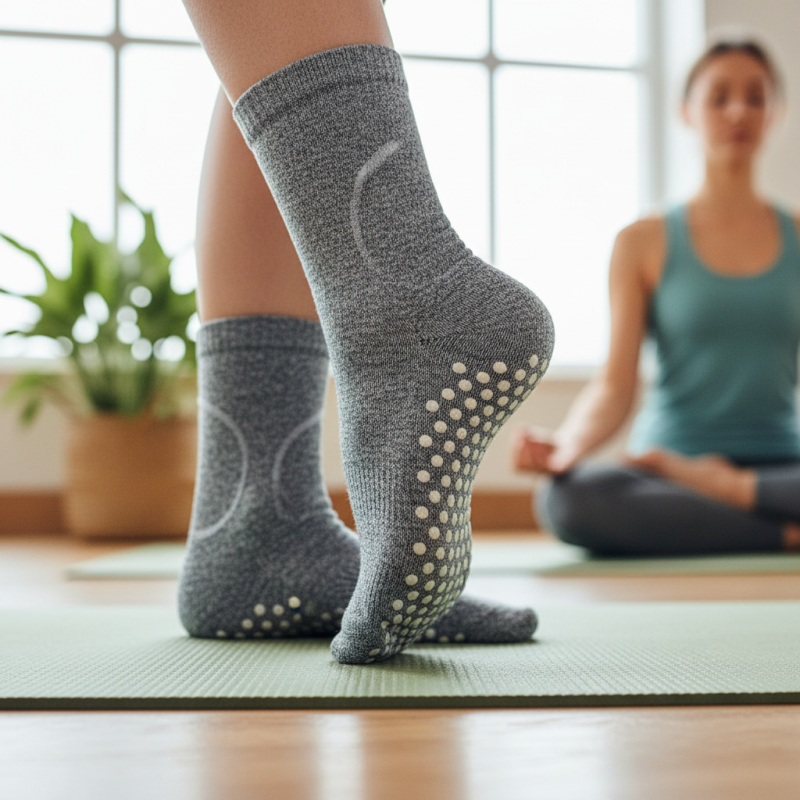
When selecting yoga socks with anti-slip features, it's crucial to understand the different types available. Many socks come with silicone grips on the sole. These provide excellent traction on slippery surfaces. They help maintain balance during challenging poses. The grip is essential for safety and confidence in your practice.
Another popular option is textured materials. Some socks utilize a woven fabric with a raised pattern. This design enhances grip without compromising comfort. Many yogis find that these textiles offer a natural feel. However, the effectiveness may vary based on the surface you practice on.
Consider also the construction of the sock itself. Some designs include a higher ankle to keep the sock in place. Others may have a more open toe design, allowing for better freedom of movement. Each style has its pros and cons, affecting overall performance. Finding the right balance between comfort and functionality requires careful thought. Your practice is unique, and so should be your choice of yoga socks.
Material and Comfort: Finding the Right Fit
When selecting yoga socks, material and comfort play key roles. High-quality materials enhance grip and flexibility. Silicone, for example, is popular for its anti-slip properties. A recent industry report suggested that yoga practitioners notice a 30% increase in stability when wearing socks made from specially designed materials. Breathable fabrics, like cotton and polyester blends, help wick away moisture, keeping feet dry. This is crucial during intense sessions.
Fit is another crucial aspect of comfort. Ill-fitting socks can lead to discomfort and distraction. Yogis should opt for socks that hug the foot without being too tight. An ill-fitting design can limit movement and lead to injuries over time. Thus, trying on different styles can help find the perfect balance. Additionally, be mindful of the sock's thickness. Thicker socks provide warmth, while thinner options allow for greater tactile feedback during practice.
Choosing the right yoga socks is about more than just aesthetics. Comfort and performance should be prioritized. However, not all designs work for every individual. Experimenting with various options can reveal what truly enhances your practice. Don't hesitate to make adjustments; the perfect sock may take time to find.
Material and Comfort Ratings of Yoga Socks
This chart illustrates the comfort ratings of various materials used in yoga socks. The ratings are based on user feedback, focusing on how different materials enhance the overall comfort during yoga practice.
Sizing and Design: Ensuring Proper Functionality
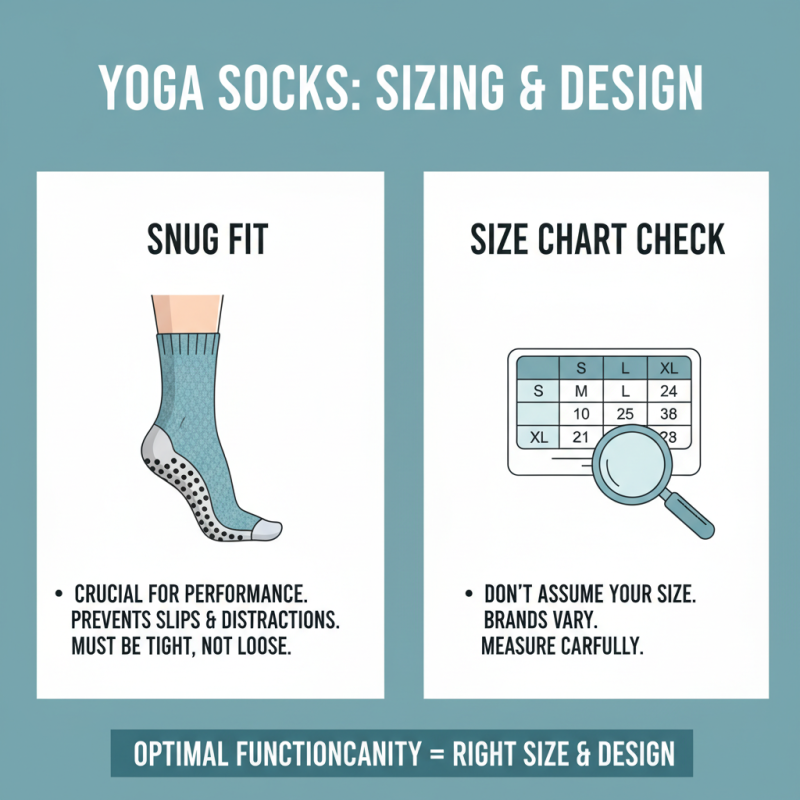
When selecting yoga socks, sizing and design are crucial for optimal performance. A snug fit is essential, as loose socks can lead to slips or distractions during practice. Check the size chart carefully. Remember, sizing may vary between brands, so don’t assume you always wear the same size. Some might need a smaller or larger option than expected.
The design of yoga socks also impacts functionality. Look for options with gripping patterns on the sole. These enhance traction on various surfaces, providing stability in challenging poses. Consider the sock height as well. Ankle-length socks offer more breathability, while crew-length options might provide additional warmth and support. Striking a balance between padding and flexibility is important, too. Too much cushioning can hinder your connection to the mat.
Reflecting on personal preferences can guide your choices. Some prefer socks with individual toe compartments, while others stick to traditional styles. Each design has its merits and drawbacks. Testing different types might reveal what truly works for you. Engage in mindful shopping to ensure your selection aligns with both comfort and practice needs. Making a thoughtful choice will enhance your yoga experience, ultimately supporting your journey.
Maintenance and Care for Yoga Socks to Extend Lifespan
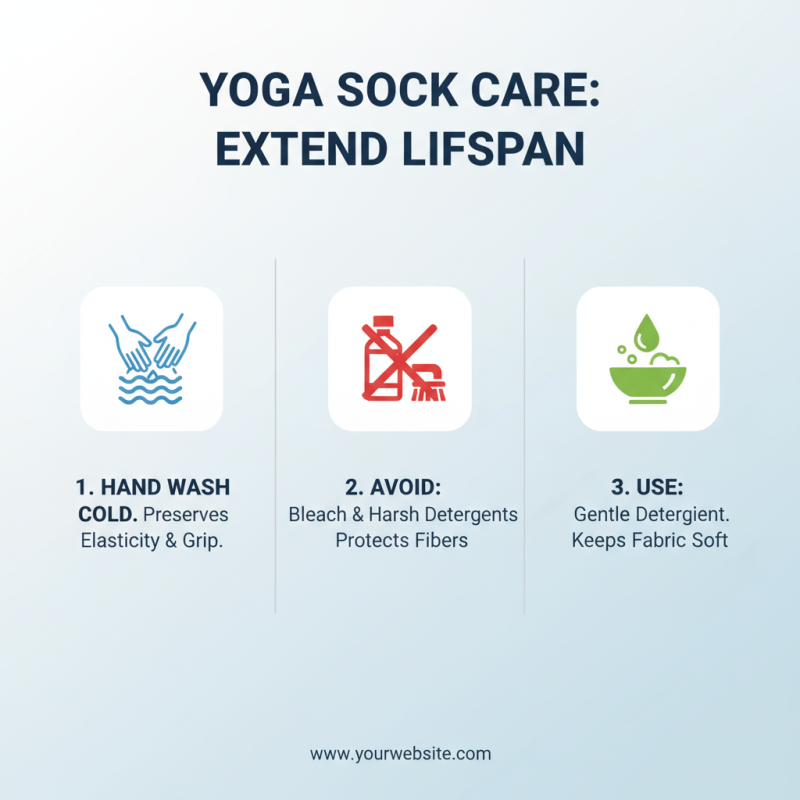
When it comes to maintaining yoga socks, proper care is essential to extend their lifespan. Always hand wash your socks in cold water. This method helps preserve the elasticity and grip of the material. Avoid using bleach or harsh detergents, as these can break down the fibers. Instead, opt for a gentle detergent to keep the fabric soft and functional.
After washing, air dry your yoga socks. High heat from dryers can warp the shape and reduce grip. Lay them flat on a towel to prevent mismatching. Store your socks in a cool, dry place to avoid mold or mildew. Remember that even the best socks will wear out over time. Pay attention to any signs of wear, like thinning material or loss of grip.
Reflecting on your workout routine also helps. If you practice regularly, consider rotating multiple pairs of socks. This allows each pair to rest between uses, which can prolong their life. It's important to recognize when your socks need replacing. Deteriorated socks can lead to slips, making your practice less effective. Taking these simple steps can significantly enhance your experience on the mat.

 Trampoline Socks
 Aqua Park Socks
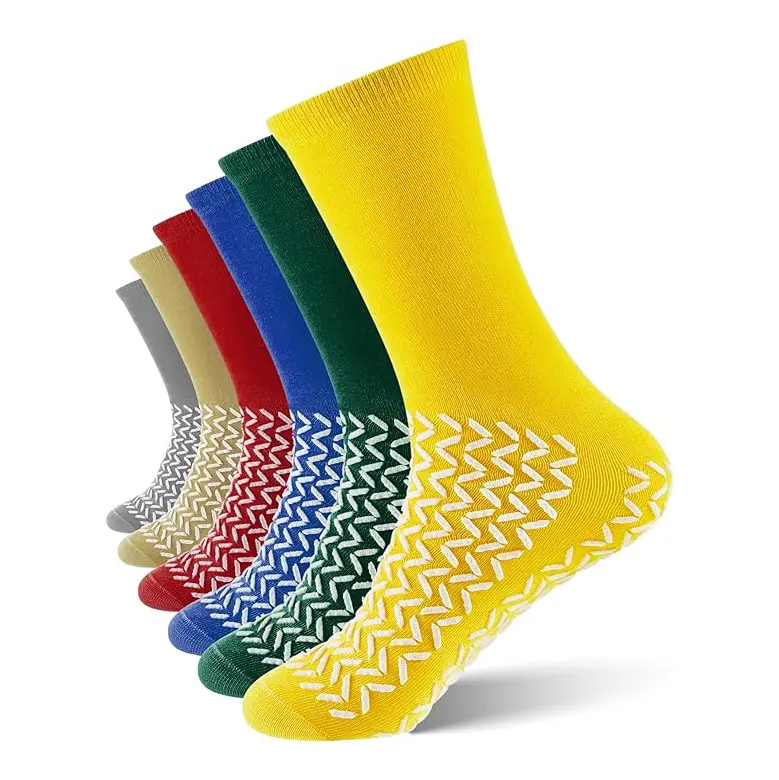 Hospital Slipper Socks
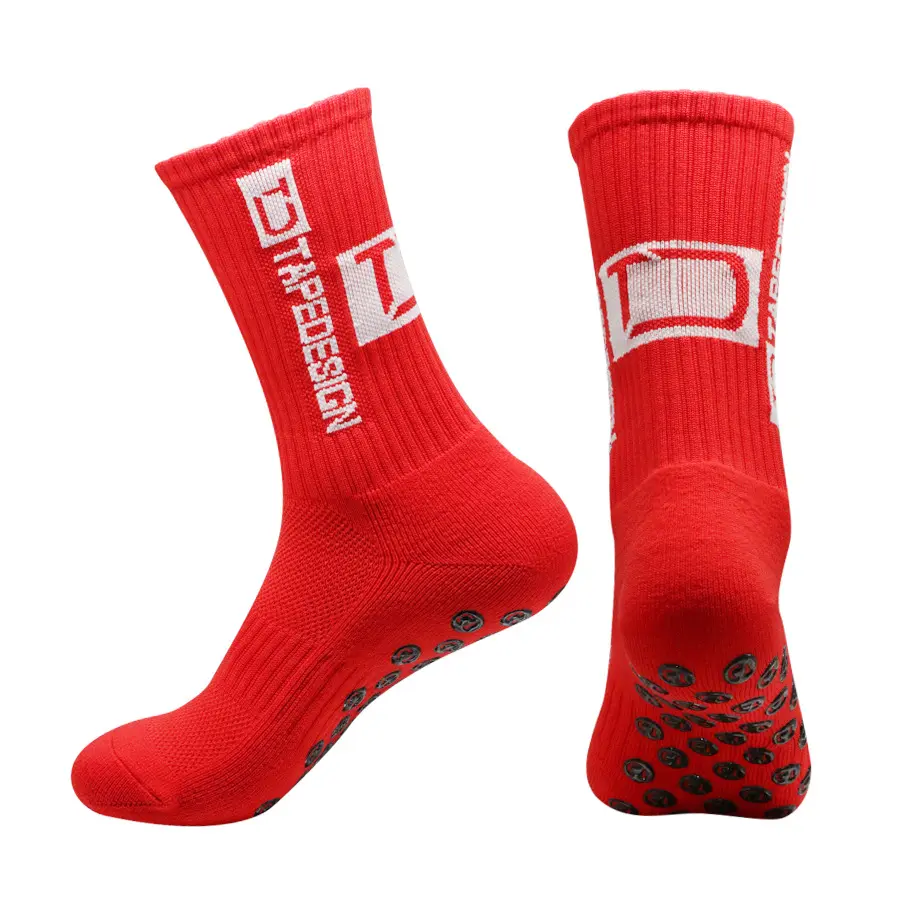 Grip Football Socks
 Basketball Socks
 Badminton Socks
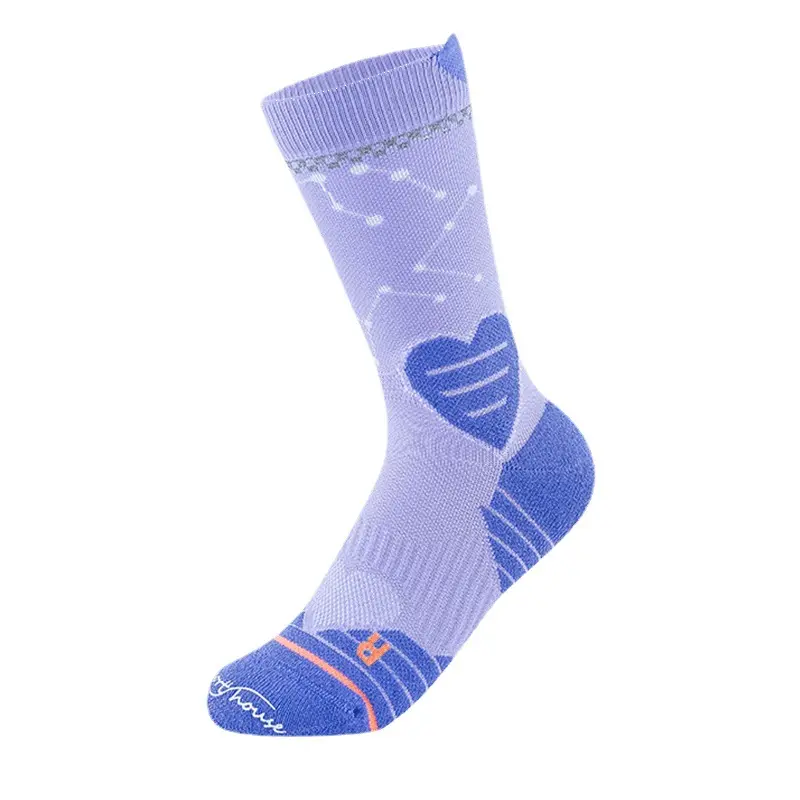 Cycling Socks
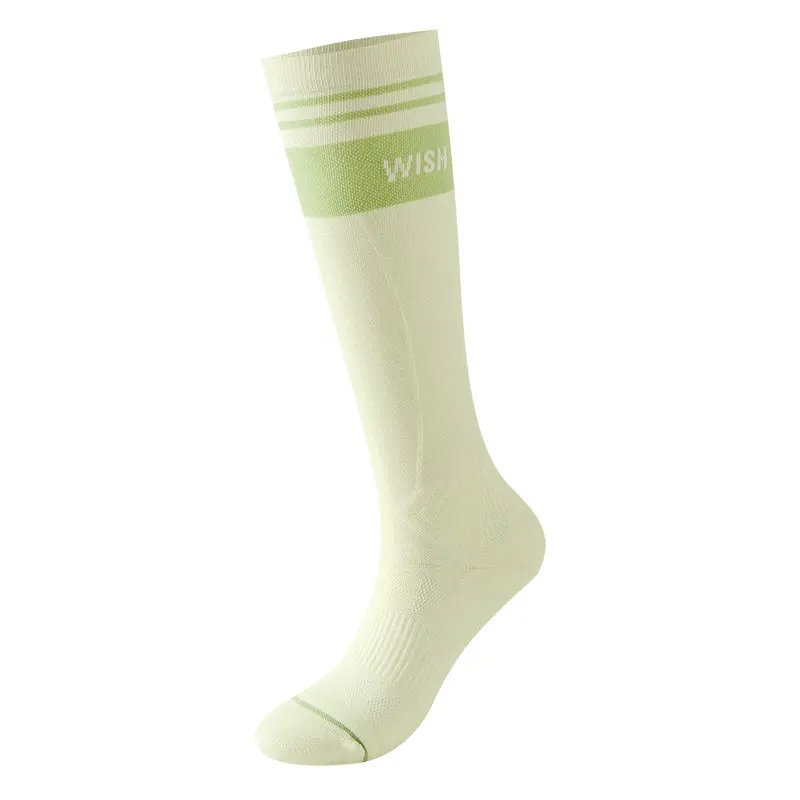 Running Socks
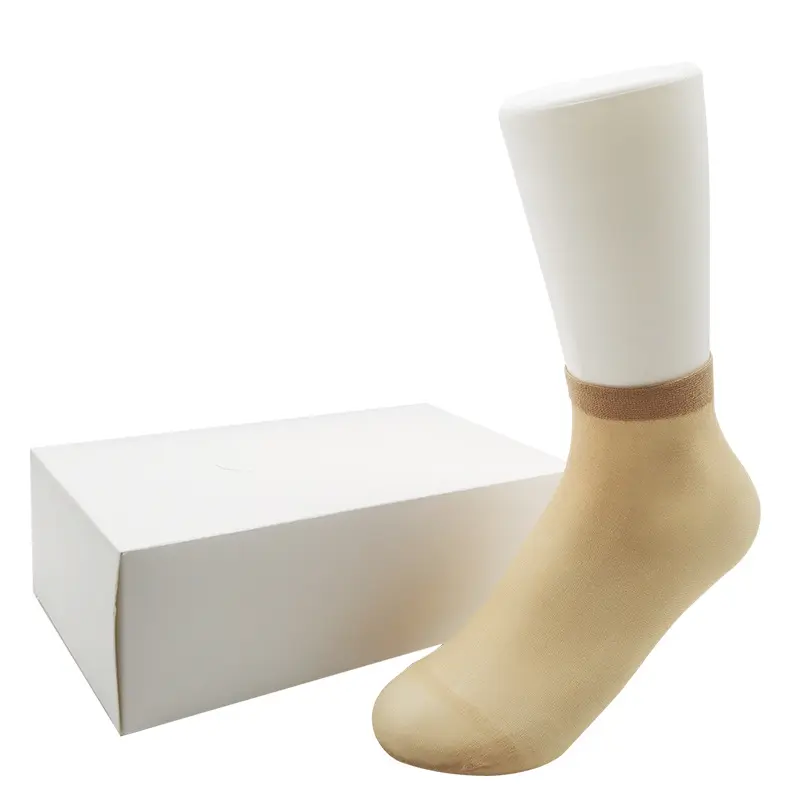 Disposable Socks Bowling Alley Socks
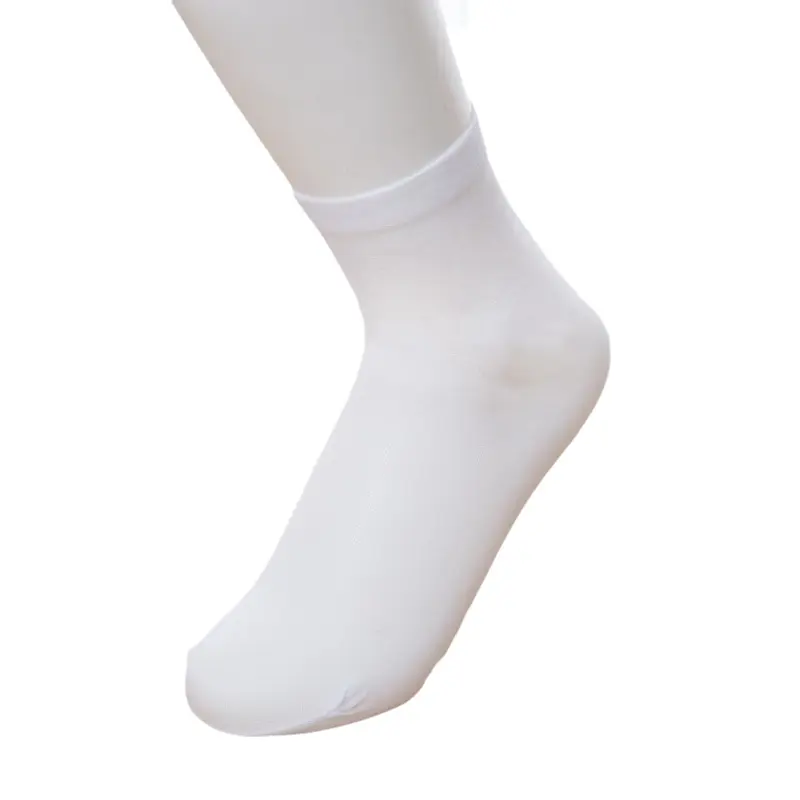 Disposable socks
 Warm Colorful Striped Crew Socks for Women
 Custom Unisex Crew Socks Breathable Socks
 Digital Printing Vintage Crew Socks
 Animal Fuzzy Cartoon Crew Socks for Women
 Cotton Flower Ankle Socks Low Cut Socks
 Thick Christmas Festival Crew Socks
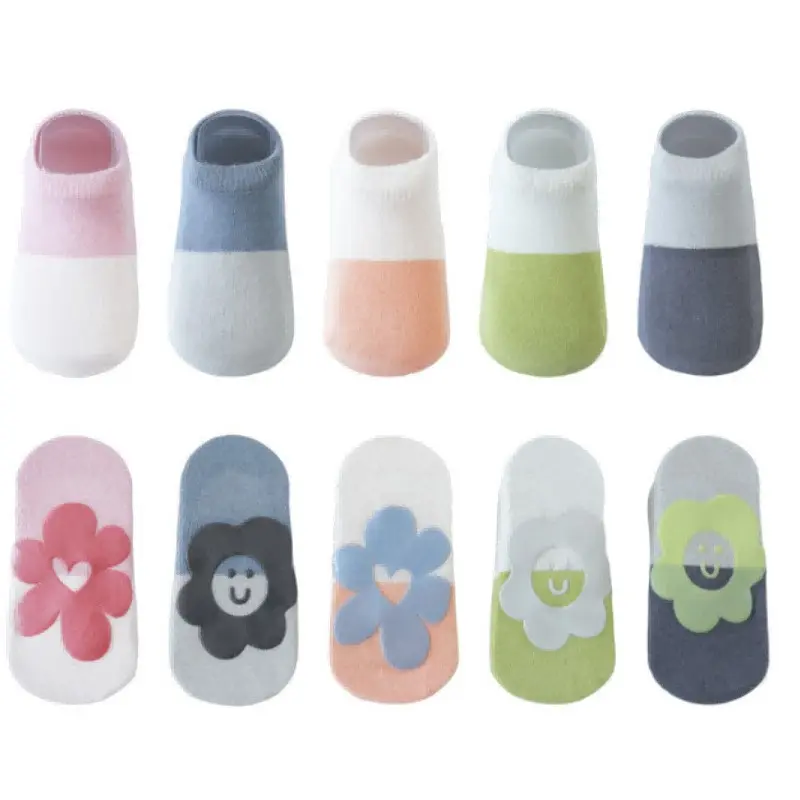 Cotton Cute Anti Slip Baby Ankle Socks with Cartoon
 Colorful Soft Baby Socks Anti-slip
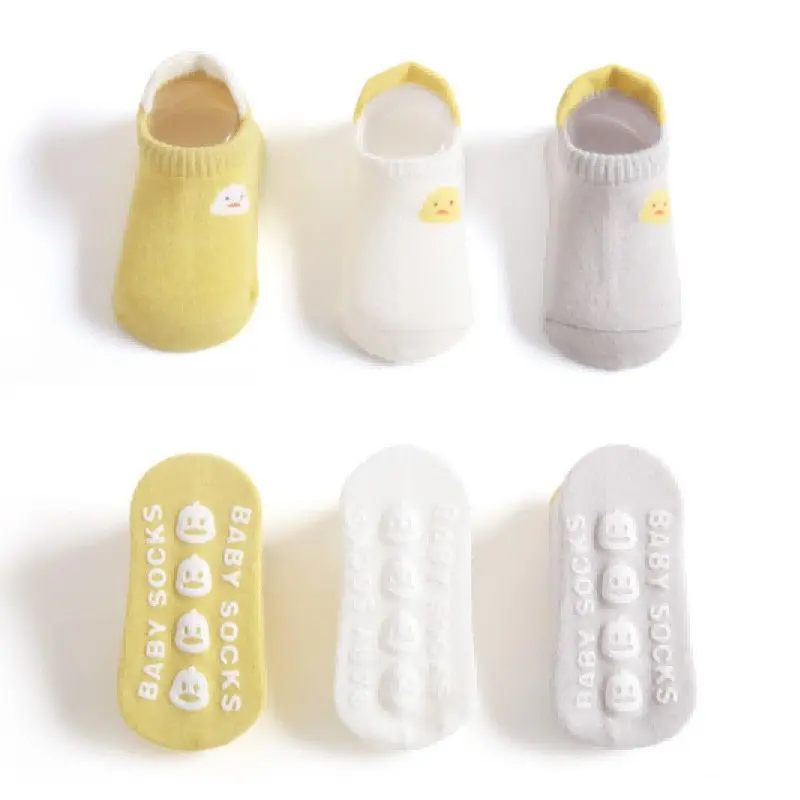 Non Slip Soft Ankle Baby Toddlers Socks
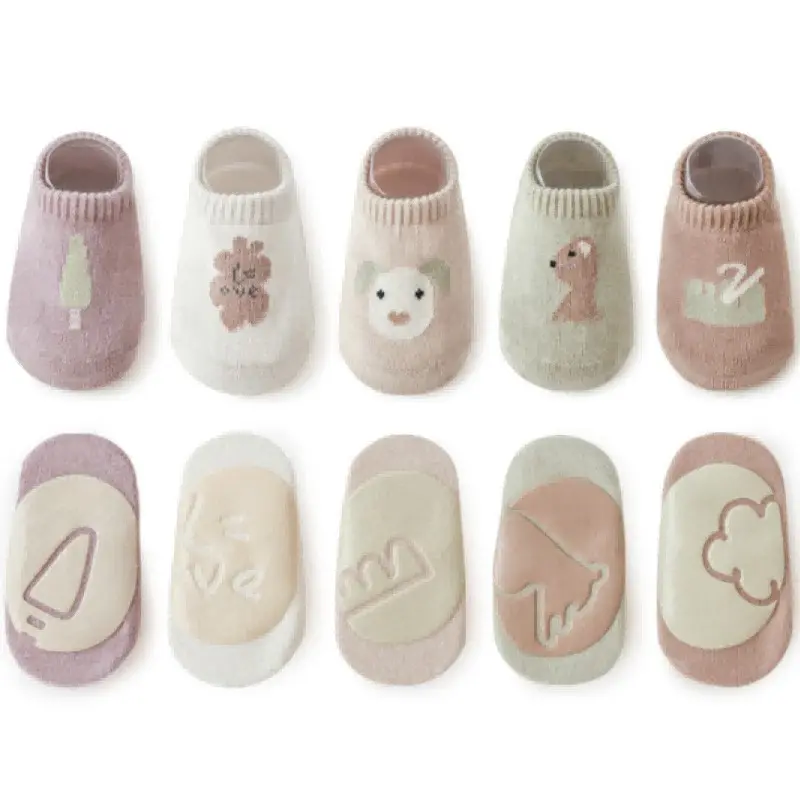 Cartoon Baby Socks With Grips Crew Walking Socks
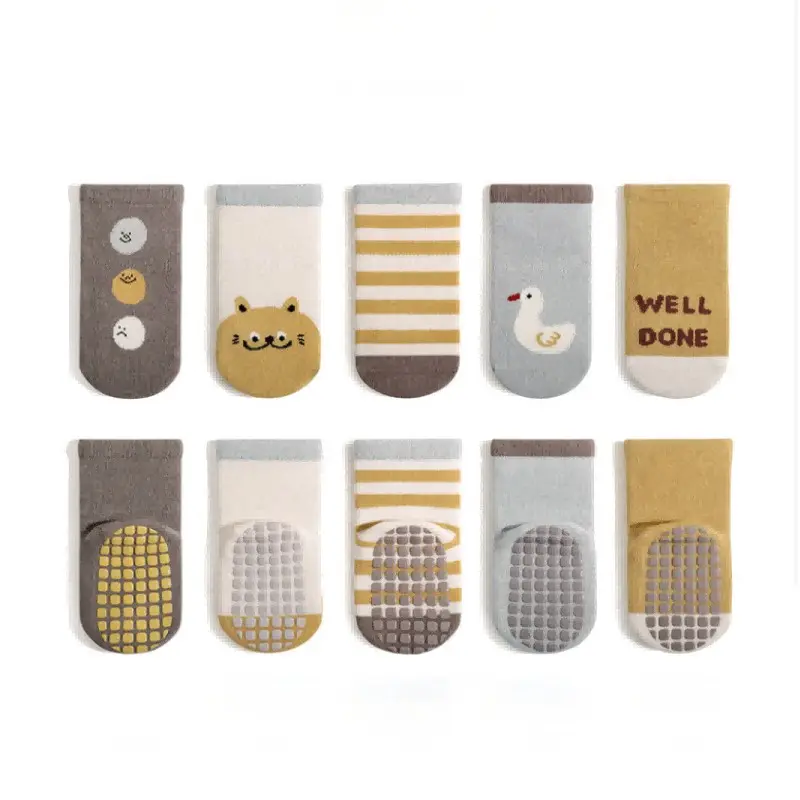 Baby Socks Floor Grip Mid-tube Socks with Cartoon