- Home
- Products
- Customization
- About Us
- Blogs
- Contact Us
 Trampoline Socks
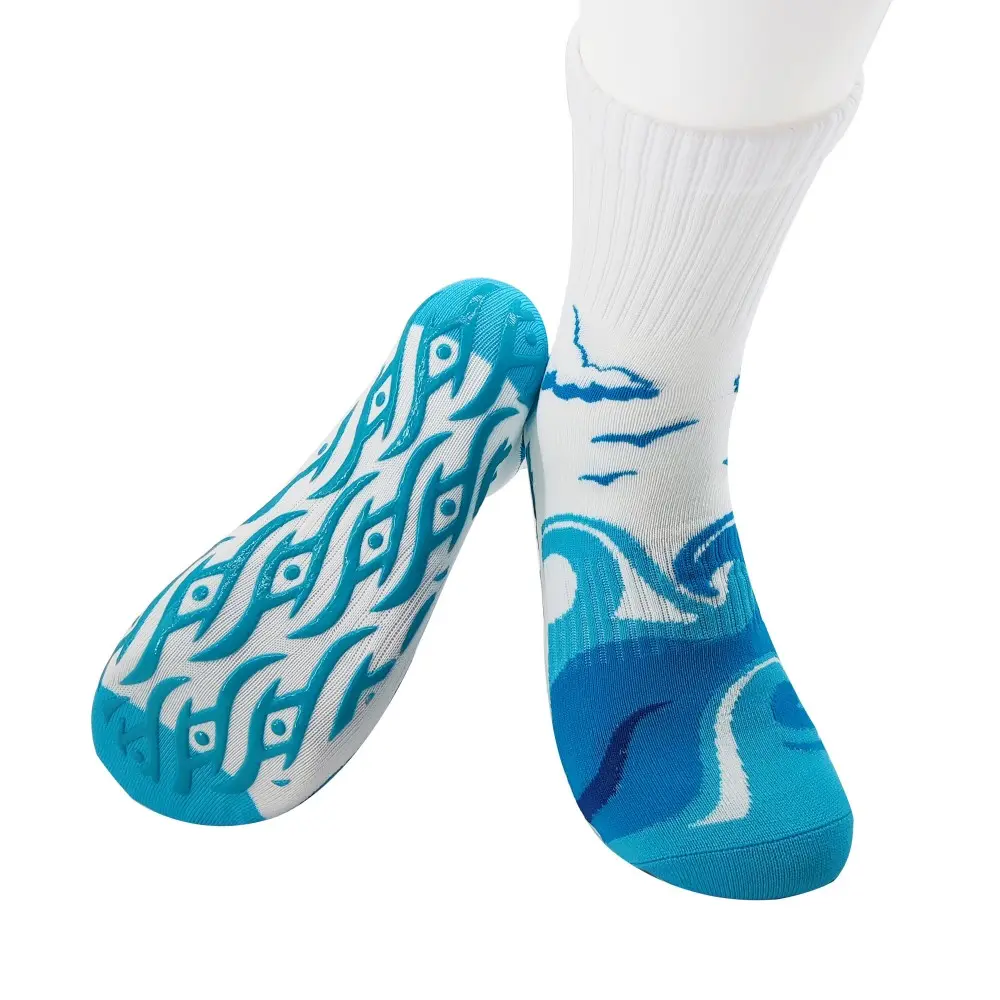 Aqua Park Socks
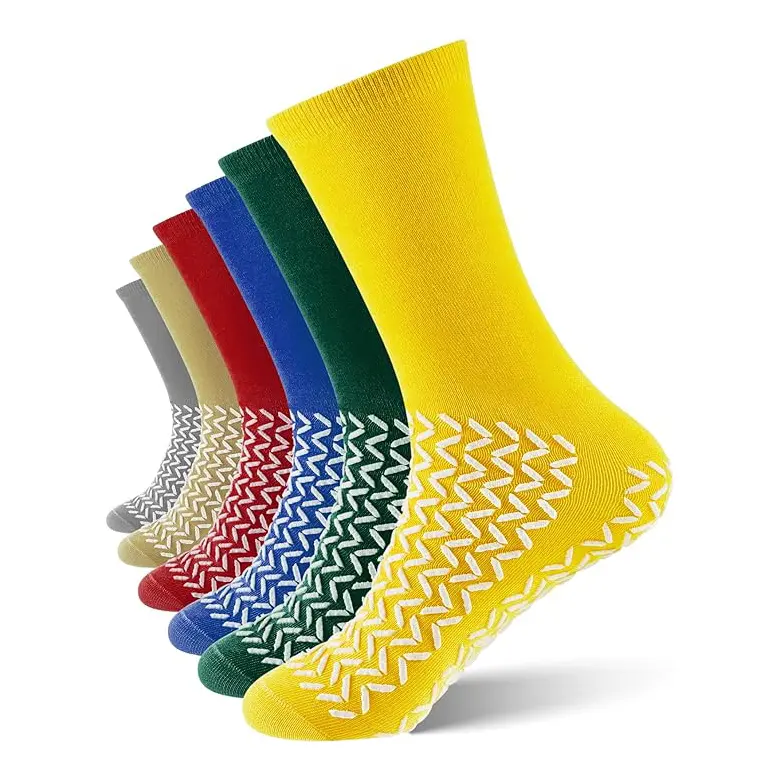 Hospital Slipper Socks
 Grip Football Socks
 Basketball Socks
 Badminton Socks
 Cycling Socks
 Running Socks
 Disposable Socks Bowling Alley Socks
 Disposable socks
 Warm Colorful Striped Crew Socks for Women
 Custom Unisex Crew Socks Breathable Socks
 Digital Printing Vintage Crew Socks
 Animal Fuzzy Cartoon Crew Socks for Women
 Cotton Flower Ankle Socks Low Cut Socks
 Thick Christmas Festival Crew Socks
 Cotton Cute Anti Slip Baby Ankle Socks with Cartoon
 Colorful Soft Baby Socks Anti-slip
 Non Slip Soft Ankle Baby Toddlers Socks
 Cartoon Baby Socks With Grips Crew Walking Socks
 Baby Socks Floor Grip Mid-tube Socks with Cartoon
Leave Your Message
-
Phone
-
E-mail
-
Whatsapp
-
WeChat

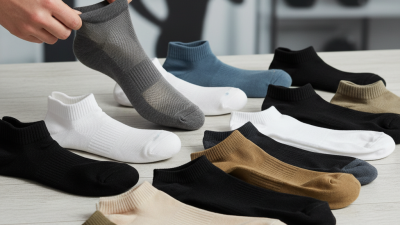
Global buyers evaluating the 10 Best Nylon Socks Manufacturers need more than a polished product catalog. They need suppliers who can explain yarn specifications, production capacity, sampling, and quality checks with clarity. Small details matter. A reinforced toe, a smooth seam, or a consistent shade can shape how a sock feels after repeated wear. Nylon Socks also vary in stretch, weight, and finish, so buyers should compare samples against their actual use and performance requirements.
For this introduction, hosiery sourcing specialist Sophie Lin offers this original editorial principle: “A reliable supplier makes the details visible before they become problems.” Treat it as a practical reminder, not a substitute for independent verification. Ask manufacturers about denier, knitting gauge, size tolerances, color consistency, minimum order quantities, and lead times. Request a sample and inspect its fit, recovery, and finishing. Then confirm which quality records and product documents the supplier can provide.
A shortlist should reflect your market, order size, and preferred communication style. Factory photos can help, but they cannot prove production capability on their own. Verify claims through detailed questions, sample reviews, and clear written specifications. Not every buyer needs the same factory. A modest first order may reveal gaps that a catalog hides. This guide introduces manufacturers for comparison, while leaving room for a necessary truth: the best choice depends on how each supplier performs against your own requirements.
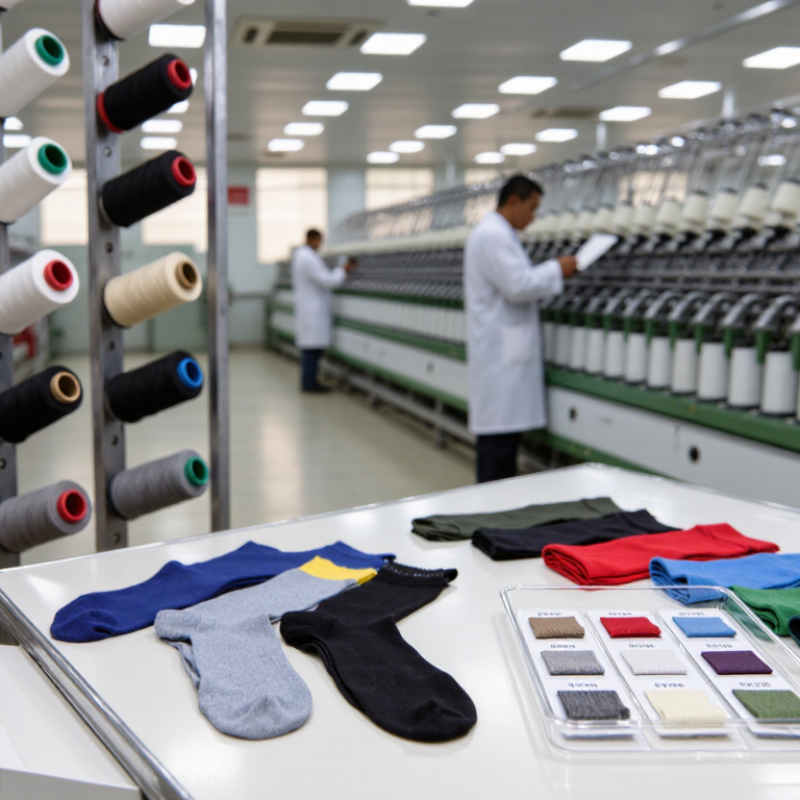
Nylon socks combine fine synthetic filaments with knit structures that can feel smooth, dry quickly, and resist abrasion. The result depends on more than fiber content. Yarn thickness, stitch density, and elastane placement affect fit, ventilation, and durability. A thin nylon blend may suit dress socks, while reinforced heels and toes help withstand daily friction. Small construction choices matter.
The global market is larger than socks alone. Textile Exchange’s Materials Market Report 2024 estimates that worldwide fiber production reached about 124 million tonnes in 2023; nylon accounted for roughly 5%. Grand View Research valued the broader nylon market at about US$31.8 billion in 2023, but this includes uses beyond textiles. These figures indicate scale, not sock demand. That distinction is easy to miss. For global buyers, supplier evaluation should therefore look beyond market forecasts: request yarn specifications, sample wash tests, and clear information on recycled content. I would treat any single durability claim cautiously. Actual wear varies with knitting, laundering, and use, and public market reports rarely isolate nylon socks as a category.
| Manufacturing Market | General Industry Context | Relevant Nylon Sock Capabilities | Potential Sourcing Considerations |
|---|---|---|---|
| China | A large, diversified textile and apparel manufacturing base with extensive supplier networks. | Broad access to circular knitting, yarn sourcing, dyeing, finishing, and private-label production for different sock categories. | Confirm factory-level traceability, material specifications, testing arrangements, minimum order quantities, and shipment terms. |
| Türkiye | A significant textile and apparel producer with established trade links to European markets. | Hosiery production can cover everyday, fashion, and blended-fiber socks, including nylon styles. | Compare lead times and logistics with the destination market; verify the exact fiber content and applicable labeling rules. |
| Italy | Known for textile expertise and established hosiery manufacturing, particularly in fashion-oriented segments. | Potential strengths include fine-gauge knitting, fashion hosiery, finishing, and product development. | Request clear construction details and confirm whether production is performed in-house or subcontracted. |
| Portugal | An established European textile and clothing producer with a developed knitwear supply chain. | Some suppliers offer hosiery and knitted accessories, including products made with nylon blends. | Check the supplier’s specific sock-making capacity, production volume, and certification scope rather than relying on country-level reputation. |
| India | A major textile and apparel market with well-known knitwear and hosiery production centers, including Tiruppur and Ludhiana. | Capabilities may include basic and fashion socks, cotton-nylon blends, and elasticated constructions. | Specify yarn type, elastane content, size tolerances, colorfastness requirements, and inspection criteria in the purchase order. |
| Pakistan | A textile-exporting country with established knitting and hosiery production. | Suppliers may produce everyday socks and blended-fiber styles; available machinery and product specialization vary by factory. | Assess sample consistency, dyeing controls, production capacity, and shipment documentation before placing a bulk order. |
| Bangladesh | A major apparel and knitwear sourcing market with a broad export-oriented manufacturing base. | Some manufacturers produce socks and knitted accessories, including nylon-containing blends. | Confirm that the shortlisted facility has dedicated sock-knitting equipment and experience with the required product construction. |
| Vietnam | An important apparel and footwear supply-chain hub with export-focused manufacturing. | Supplier offerings can include basic and performance-oriented socks; nylon is often used in blends where durability or a smooth feel is desired. | Check factory capacity, subcontracting arrangements, material sourcing, and the delivery schedule for the specific order. |
| South Korea | A developed textile market with capabilities in synthetic fibers, fabrics, and technical textile products. | Potential sourcing options include functional or specialty socks using synthetic yarns and engineered constructions. | Ask for product-specific performance test reports; general textile expertise does not by itself establish sock-manufacturing capability. |
| Taiwan | A technically advanced textile and synthetic-fiber supply base with experience in functional materials. | Possible strengths include nylon-blend development and performance-focused knitted products, depending on the supplier. | Verify whether the supplier makes finished socks or supplies yarn and materials, and clarify the location of each production stage. |
Market note: These are general regional sourcing profiles, not a ranking or claims about any specific manufacturer. Capabilities vary by factory. Nylon socks may use polyamide yarns such as nylon 6 or nylon 6,6, often blended with elastane or other fibers. Buyers should verify fiber composition, construction, testing, and country-of-origin documentation directly with each supplier.