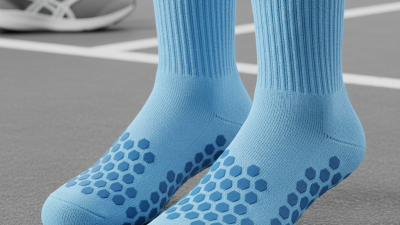
Best Cooling Socks Tips for Hot Weather Comfort and Performance?
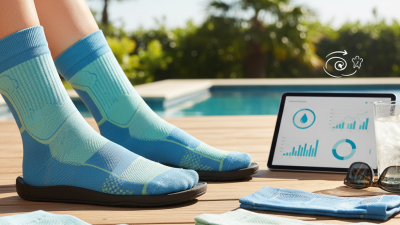
When temperatures rise, proper sock selection becomes crucial. Cooling socks are engineered to enhance foot comfort during hot weather. According to a study by the American Podiatric Medical Association, foot temperature impacts overall body heat regulation. Inadequate ventilation can lead to discomfort and decreased performance.
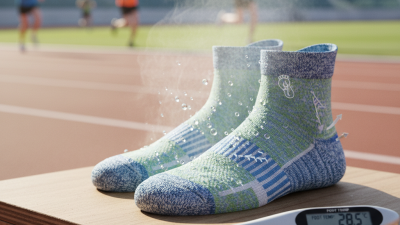
Cooling socks utilize moisture-wicking materials. These fibers draw sweat away from the skin, allowing for better breathability. Research indicates that breathable fabrics can lower foot temperatures by up to 5°F compared to standard cotton socks. This can make a significant difference in hot conditions.
Choosing the right cooling socks involves understanding materials and fit. Brands often tout innovative designs, but not all meet high performance standards. Overlooking these aspects may lead to foot fatigue and blisters. It's essential to invest in quality options that truly deliver comfort and support.
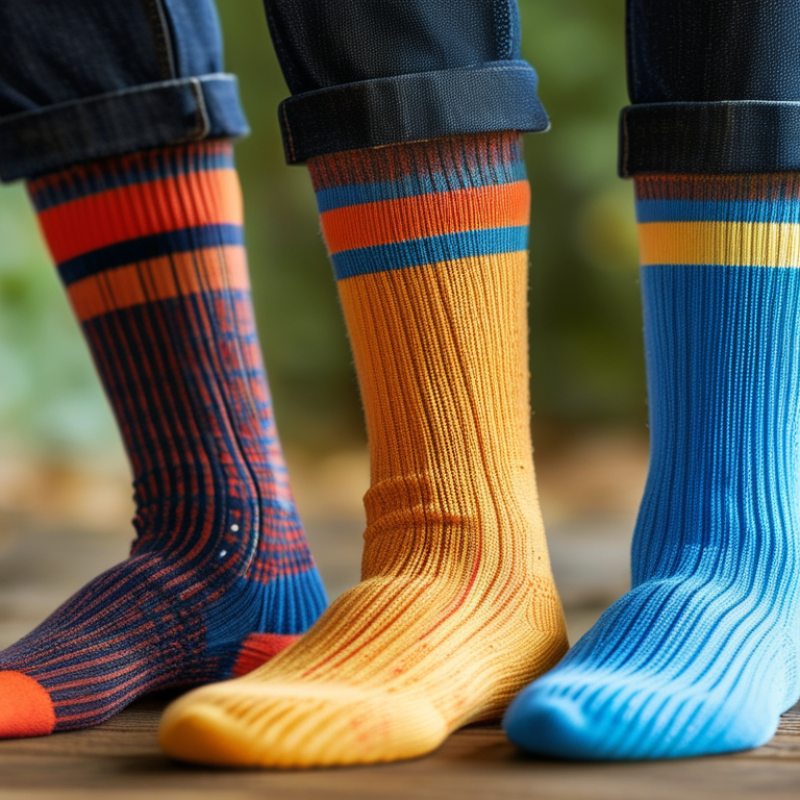
Understanding the Importance of Cooling Socks in Hot Weather
Cooling socks play a crucial role in maintaining comfort during hot weather. They are engineered to wick moisture and promote airflow, helping regulate temperature. Studies show that feet can reach high temperatures during exercise, potentially affecting overall performance. Proper moisture management can reduce this temperature, resulting in better endurance and comfort.
To maximize their benefits, here are a few tips. Look for socks made from breathable materials like merino wool or specialized synthetic fibers. These fabrics offer excellent moisture-wicking properties. Ensure a snug fit to prevent blisters, which can be detrimental in high temperatures. Regularly rotate your socks to maintain freshness and overall hygiene.
Understanding how your body reacts to heat is vital. People often overlook the impact of footwear. Inadequate ventilation can trap heat. Opt for shoes designed for breathability as well. This combination of cooling socks and proper footwear can significantly enhance your comfort level in sweltering conditions. Remember, not all socks provide the same level of cooling. Testing different options may lead to discovering what works best for you.
Materials That Enhance Breathability and Moisture Management
When temperatures rise, choosing the right materials for cooling socks can make a significant difference in comfort and performance. Research shows that socks made from natural fibers like merino wool or bamboo offer excellent breathability. These materials help wick moisture away from the skin. A study published in the Journal of Sports Sciences reports that moisture-wicking fabrics can reduce the risk of blisters by 30%.
Consider breathable blends that incorporate synthetic fibers. These blends can enhance moisture management and ventilation. Fabrics such as CoolMax and polypropylene dry quickly and provide comfort in hot weather. A personal observation suggests that socks designed with mesh zones increase airflow considerably. This can help regulate foot temperature, allowing for better performance during physical activities.
Here are a few tips to enhance comfort during warm weather:
- Choose socks with a higher percentage of moisture-wicking fibers.
- Look for features like arch support and cushioning for added comfort.
- Opt for lighter colors, which reflect sunlight and keep feet cooler.
These choices can transform your experience during sweltering days. However, individual preferences vary. Not every sock will work for every person. Experimenting will help find the best fit for your needs.
Key Features to Look for in High-Performance Cooling Socks
When choosing high-performance cooling socks, several key features stand out. Look for moisture-wicking materials that draw sweat away from the skin. This helps regulate temperature and keeps your feet dry. Breathable fabrics contribute to airflow, allowing heat to escape. Lightweight construction is also essential, reducing bulkiness and providing comfort during prolonged use.
In addition to material, consider fit and compression. A snug fit prevents bunching and blisters, enhancing your performance. Compression features can improve circulation, reducing fatigue during hot weather. However, beware of overly tight socks that may restrict blood flow. They can lead to discomfort and affect your enjoyment. Also, check for cushioning. Some socks offer targeted padding for specific areas, which can enhance support.
Lastly, colors and styles might matter more than you think. Bright colors can reflect heat away, while darker shades may absorb it. Picking the right color can add functionality to your choice. It’s beneficial to experiment with various styles to find what feels best for you. Always remember, the ideal cooling sock for you might differ, so testing is key to your comfort.
Tips for Choosing the Right Size and Fit for Optimal Comfort
When it comes to choosing the best cooling socks, size and fit are crucial. Ill-fitting socks can lead to blisters, discomfort, and sweaty feet. To avoid these issues, measure your foot accurately. Measure both length and width. Take into account the sock type you choose, as some may require a tighter fit. A snug fit keeps the sock in place, preventing bunching during activity.
Consider the material of the socks as well. Breathable fabrics help wick moisture away from your feet. Look for socks made from synthetic blends or merino wool. However, be mindful. Some people may find certain materials irritating. It's important to try different types to see what works best for you.
Lastly, test the socks in various conditions. Wear them during workouts and throughout the day. Reflect on how they feel and adjust your choices accordingly. Remember, personal preferences play a role in comfort. Finding the right sock may take time and experimentation. Prioritize your comfort to enhance your performance in hot weather.
Best Cooling Socks for Hot Weather: Performance vs Temperature
This chart illustrates the comfort level of cooling socks across various temperature ranges, highlighting the importance of choosing the right socks for optimal performance in hot weather.
Care and Maintenance for Longevity of Cooling Socks
When it comes to keeping cooling socks in peak condition, proper care is essential. Regular washing is crucial; however, the method matters. Always check the care label before cleaning. Many of these socks require gentle cycles and cool water to retain their cooling properties. Avoid harsh detergents that can break down the fabric, leading to reduced performance.
Drying cooling socks can be tricky. High heat from dryers can warp the fibers and diminish their effectiveness. Instead, opt for air drying. Lay them flat to avoid stretching and maintain their shape. Some individuals wonder about the lifespan of cooling socks. With the right maintenance, they can last quite a while, but signs of wear are important to notice. If the fabric begins to thin or loses elasticity, it may be time to replace them.
Using a mesh laundry bag can protect your socks from snagging. This simple trick goes a long way in preserving their performance. It's worth reflecting on your habits; sometimes, we overlook small details that lead to premature wear. Remember, taking a few extra minutes for care can dramatically extend the life of your cooling socks.

 Trampoline Socks
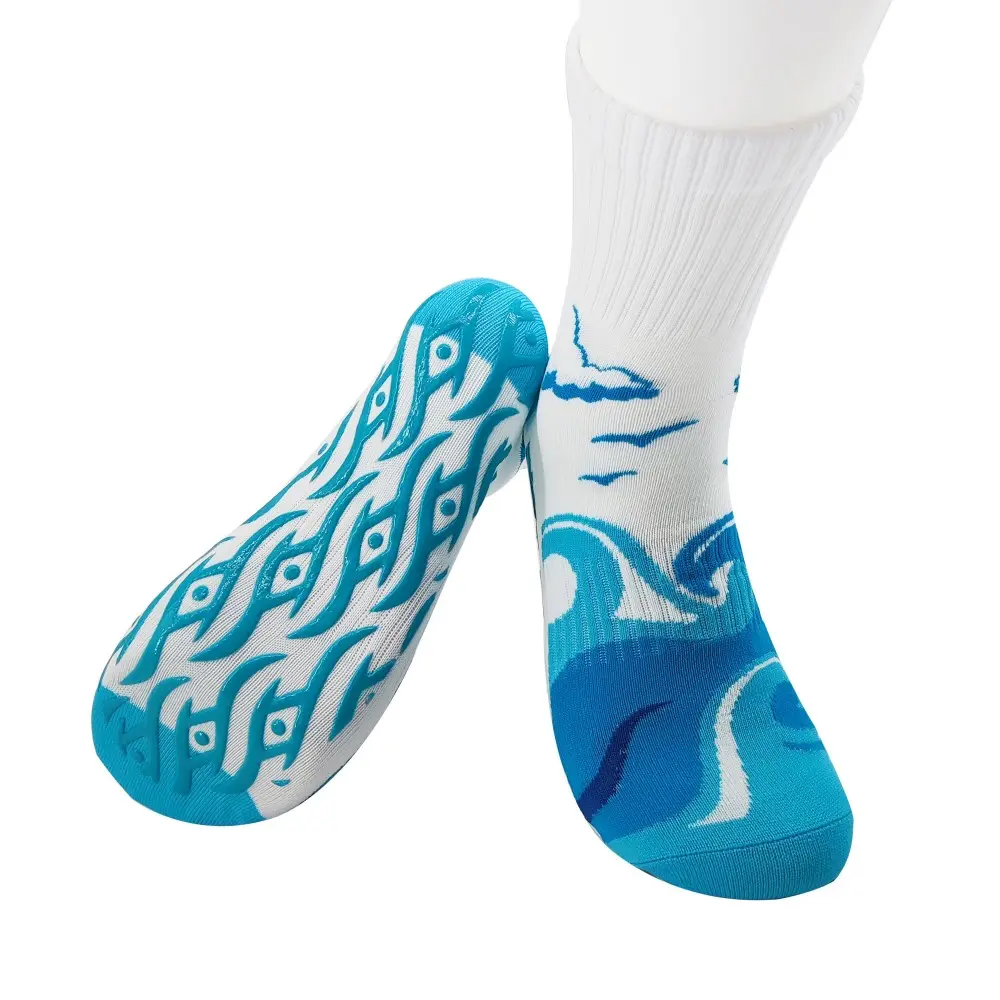 Aqua Park Socks
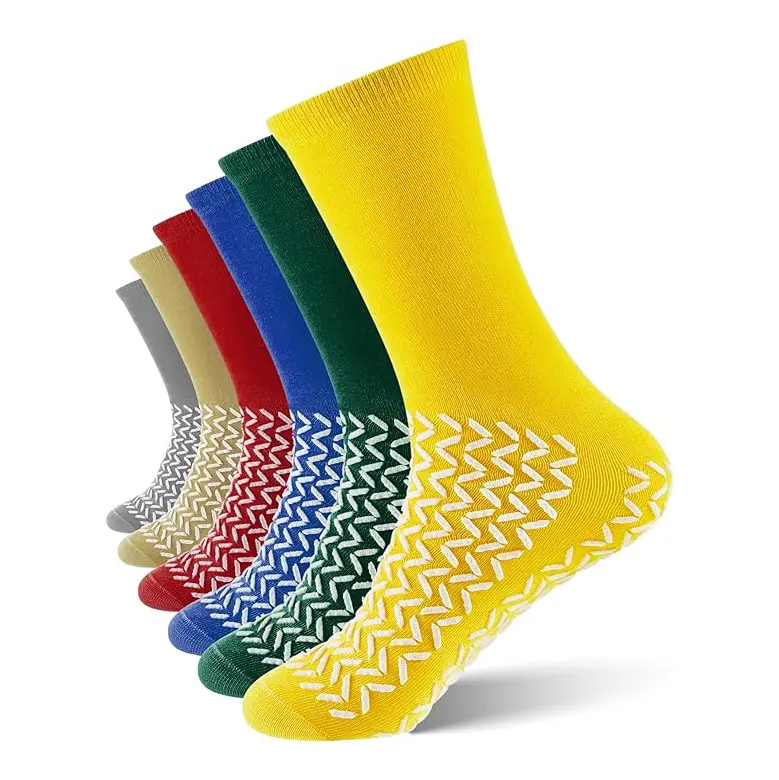 Hospital Slipper Socks
 Grip Football Socks
 Basketball Socks
 Badminton Socks
 Cycling Socks
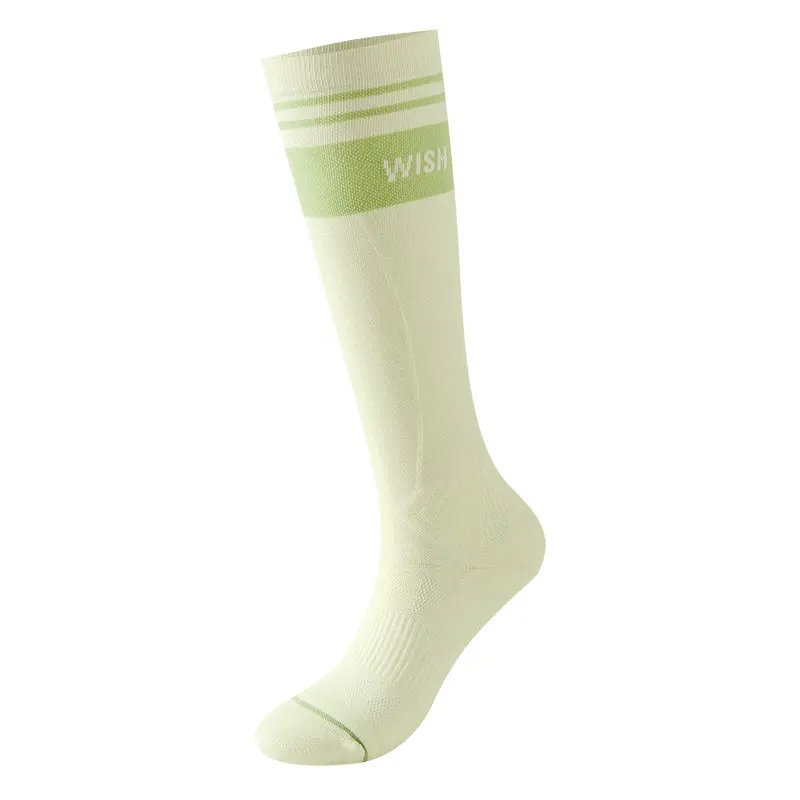 Running Socks
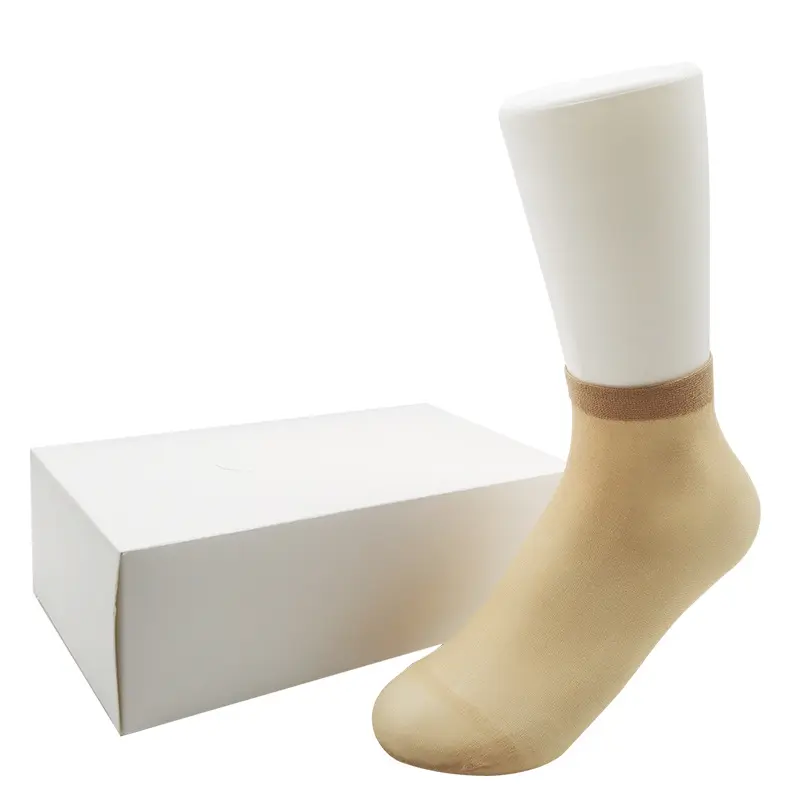 Disposable Socks Bowling Alley Socks
 Disposable socks
 Warm Colorful Striped Crew Socks for Women
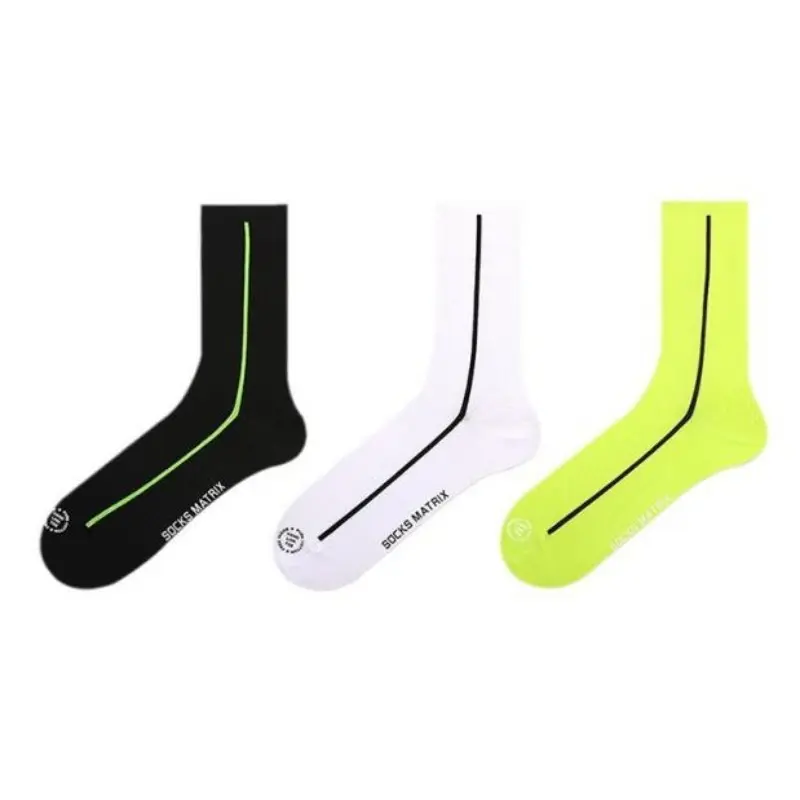 Custom Unisex Crew Socks Breathable Socks
 Digital Printing Vintage Crew Socks
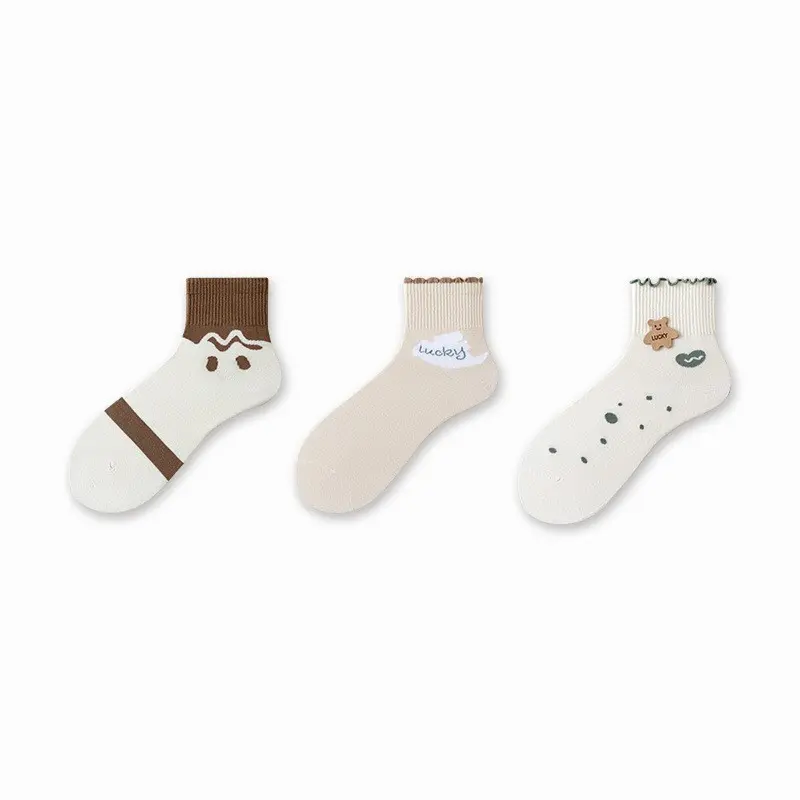 Animal Fuzzy Cartoon Crew Socks for Women
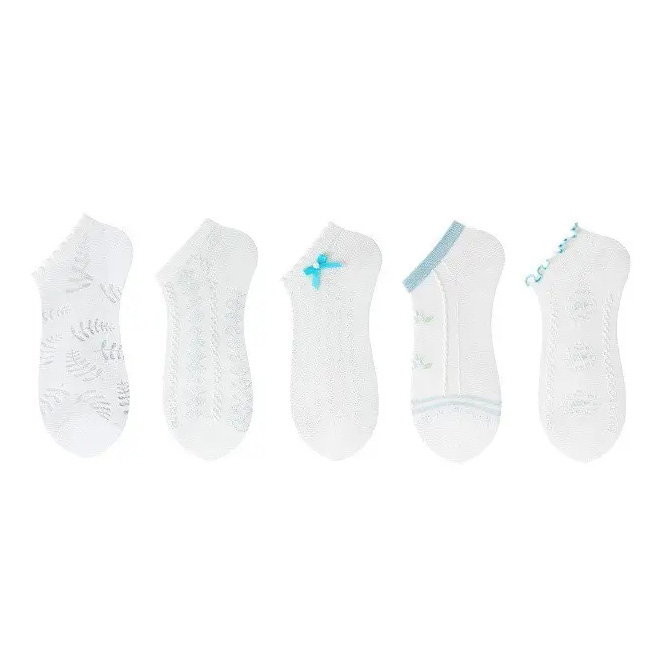 Cotton Flower Ankle Socks Low Cut Socks
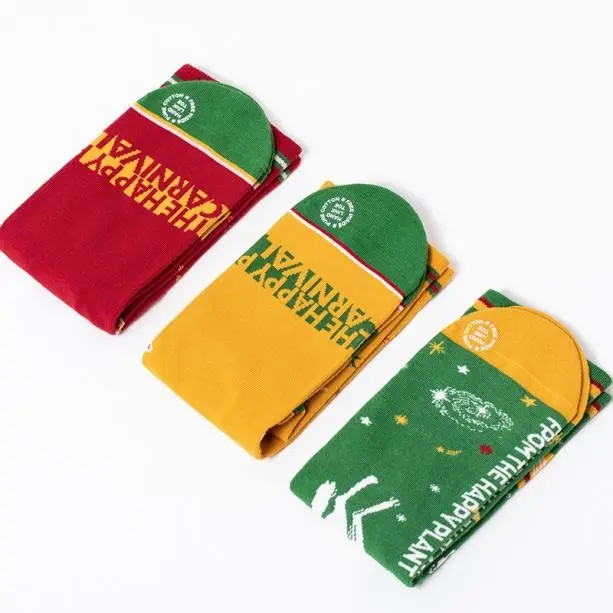 Thick Christmas Festival Crew Socks
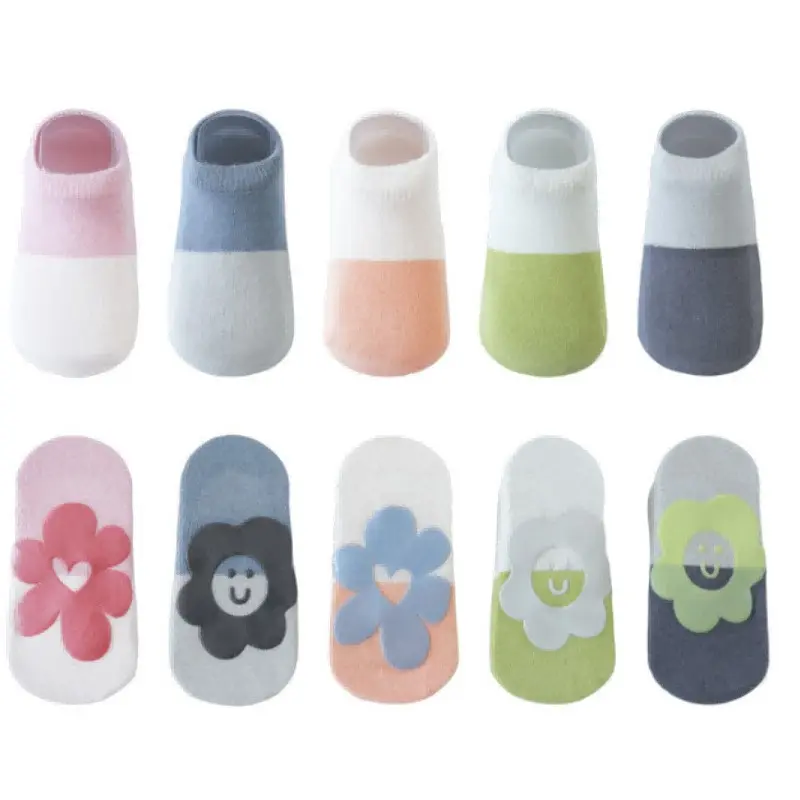 Cotton Cute Anti Slip Baby Ankle Socks with Cartoon
 Colorful Soft Baby Socks Anti-slip
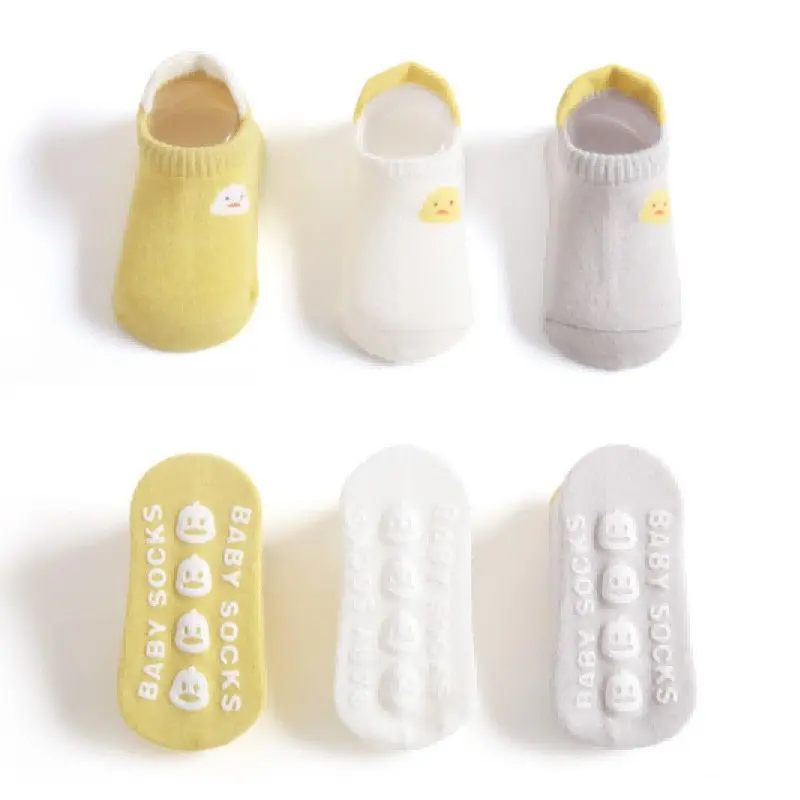 Non Slip Soft Ankle Baby Toddlers Socks
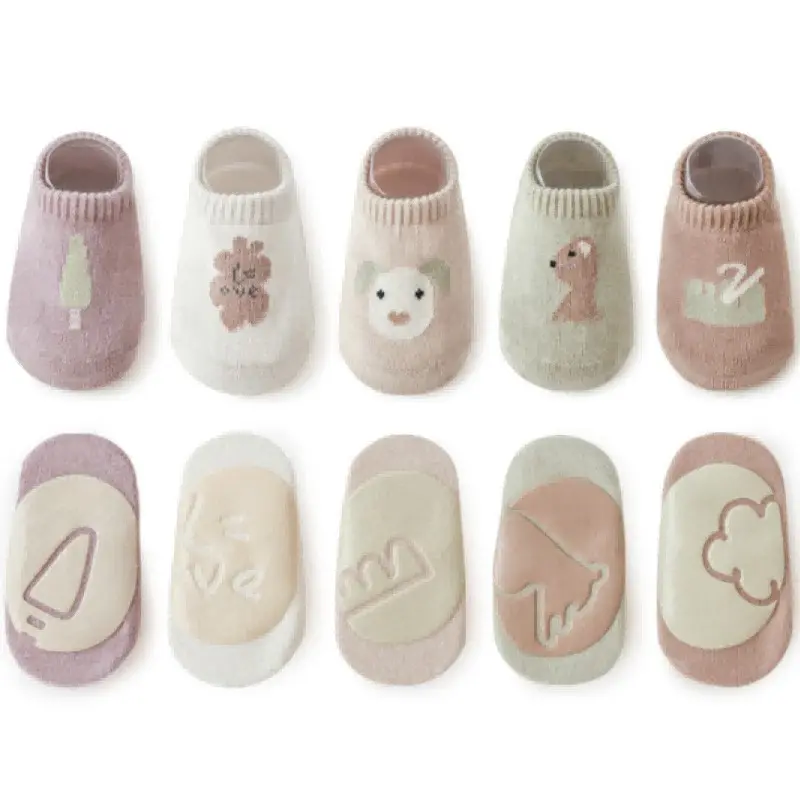 Cartoon Baby Socks With Grips Crew Walking Socks
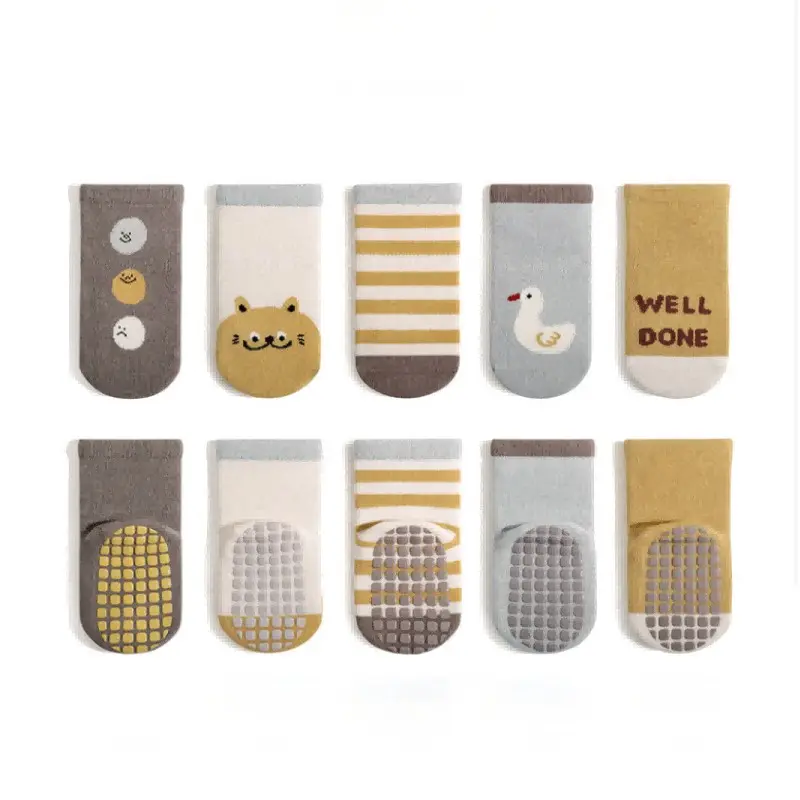 Baby Socks Floor Grip Mid-tube Socks with Cartoon