Leave Your Message
Design Drawing File Upload X

2026 Best Baby Anti-Slip Socks for Wholesale Buyers

For wholesale buyers, choosing Baby Anti-Slip Socks is a small decision with visible consequences. A carton may look uniform, yet one loose cuff or uneven silicone pattern can change how a pair feels on a child’s foot. Buyers need more than attractive colors and a low unit price. They need consistent sizing, soft seams, dependable grip placement, and materials that hold up after repeated washing.

Lena Ortiz is a composite product-development expert created for this introduction, not a sourced industry authority. Her guiding line is: “Grip matters only when the sock fits well and stays comfortable.” It is a useful principle, but not proof of performance. A buyer should ask suppliers for size measurements, material details, wash-care guidance, and samples from the actual production run. Then inspect the stitching, stretch the cuff gently, and compare the grip pattern across several pairs. Small differences matter.

This 2026 guide explores those checks alongside design, packaging, supplier communication, and wholesale value. A bold grip claim deserves a closer look. So does a bargain that seems unusually good. No single test can answer everything, and a sample may not represent every future shipment. That uncertainty is worth admitting. Careful buyers can still make stronger choices by documenting sample results, agreeing on specifications, and checking quality before larger orders.
2026 Best Baby Anti-Slip Socks for Wholesale Buyers

What Baby Anti-Slip Socks Are and How They Support Early Movement

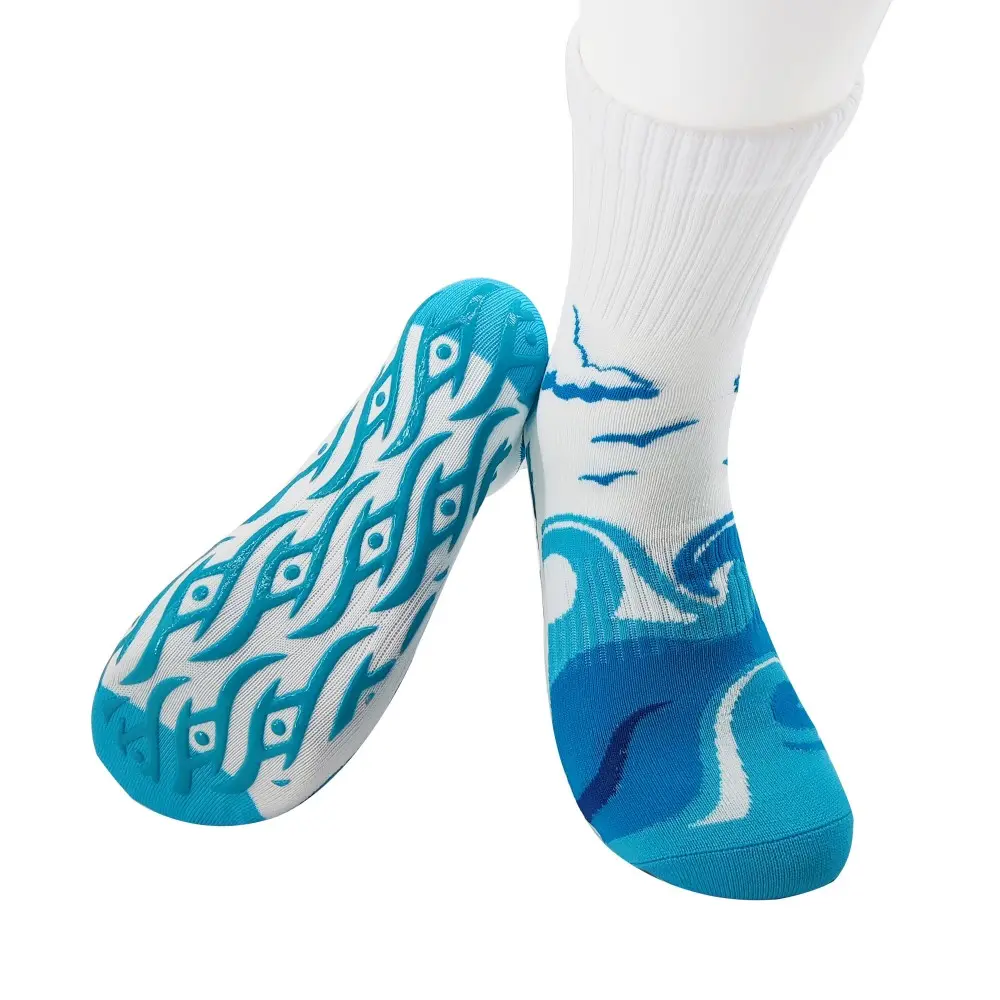
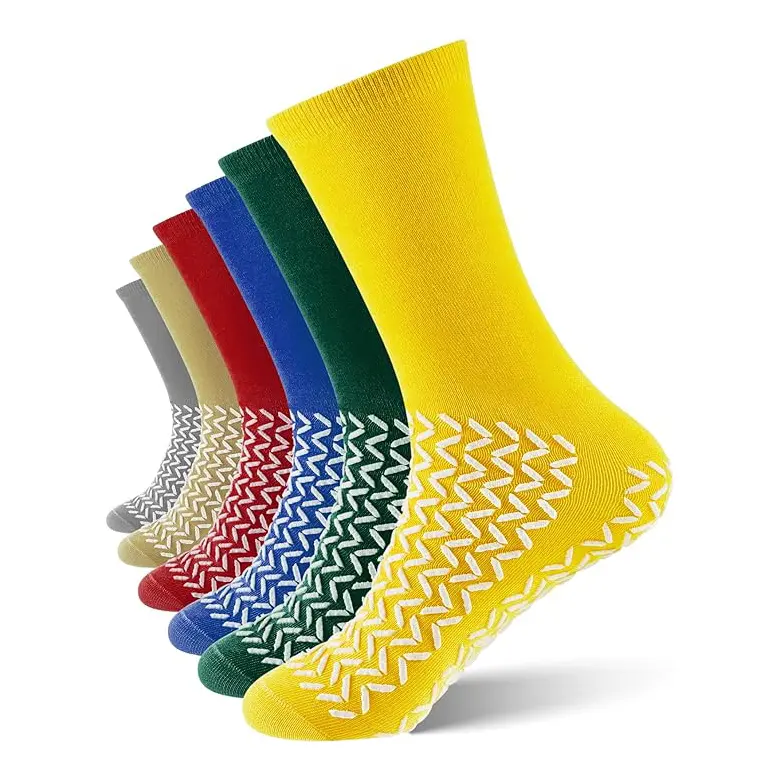
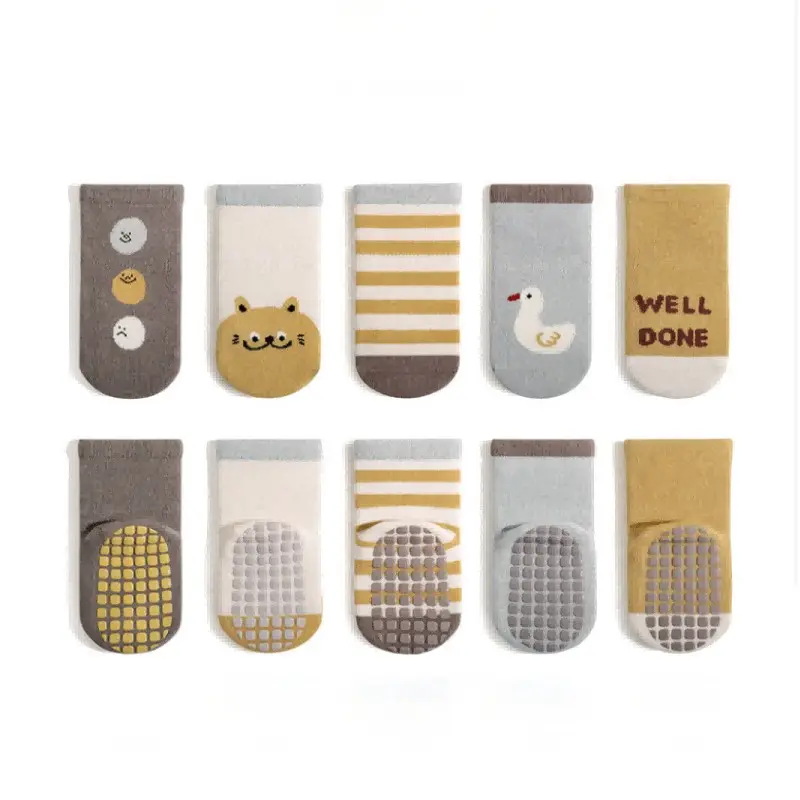
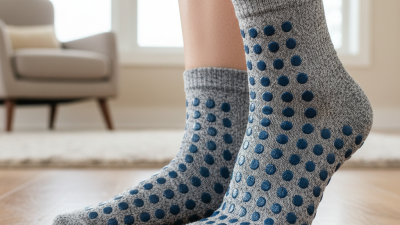
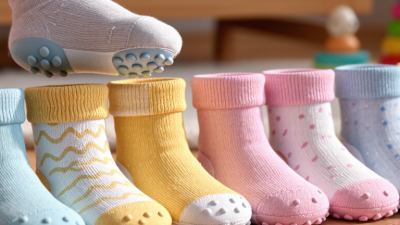
Baby anti-slip socks are soft socks with textured grips, often placed across the sole or around the forefoot. The raised dots or lines add friction on smooth indoor floors. They are not shoes, and they do not guarantee a baby will avoid slipping. That distinction matters.

As babies begin crawling, pulling up, and taking uncertain steps, their feet need room to move and feel the floor. A flexible sock can keep toes warm while allowing natural movement. Grips may help when a child shifts weight on clean, dry surfaces. Watch closely. Wet floors, loose rugs, and socks that bunch under the heel can still create hazards. Bare feet may also be suitable indoors, depending on the setting and temperature.

For wholesale buyers, useful checks include a close fit, soft seams, breathable fabric, and grip patterns that stay attached after repeated washing. Try the socks on different foot shapes; a pair that looks snug on a sample can feel tight at the toes. Grip coverage matters, but so does comfort. No single design suits every baby. That is easy to overlook. Caregivers should inspect socks regularly and stop using pairs with stretched cuffs, loose threads, or worn grips.
Materials, Fit, and Construction Features

2026 Best Baby Anti-Slip Socks for Wholesale Buyers

Materials, Fit, and Construction Features

For wholesale buyers, a grippy sole is only one part of a dependable baby sock. Look for a soft cotton-rich body, a small amount of elastane for recovery, and grip dots that stay flexible after washing. Textile Exchange’s 2024 Materials Market Report estimated global fiber production at 124 million tonnes in 2023, with polyester accounting for 57%. That scale offers sourcing options, but it does not prove a fabric is comfortable or durable. Check fiber composition and wash-test samples yourself.

Fit needs close attention. A sock that slips off can expose toes; one that is too tight may leave marks around the ankle. Check the heel position, toe space, and cuff stretch across several sample sizes. Flat, smooth seams help reduce rubbing, while grip coverage should suit the child’s likely contact points. Grip matters. Still, no coating lasts forever, and aggressive grip patterns may feel stiff. That trade-off deserves a real wear test, not just a catalogue photo.

Tips: Wash samples repeatedly using the care instructions, then inspect grip adhesion, shrinkage, and seam shape. Compare pairs after drying. Record sizing feedback from caregivers before placing a large order. A simple checklist helps, though it cannot replace hands-on testing.

Grip Patterns, Sizes, and Age-Related Design

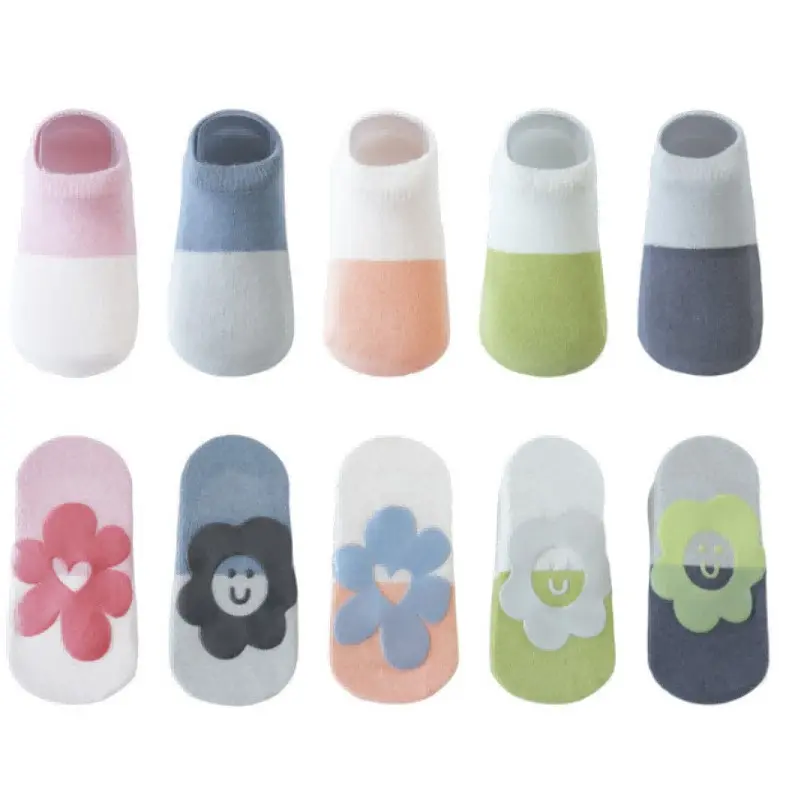
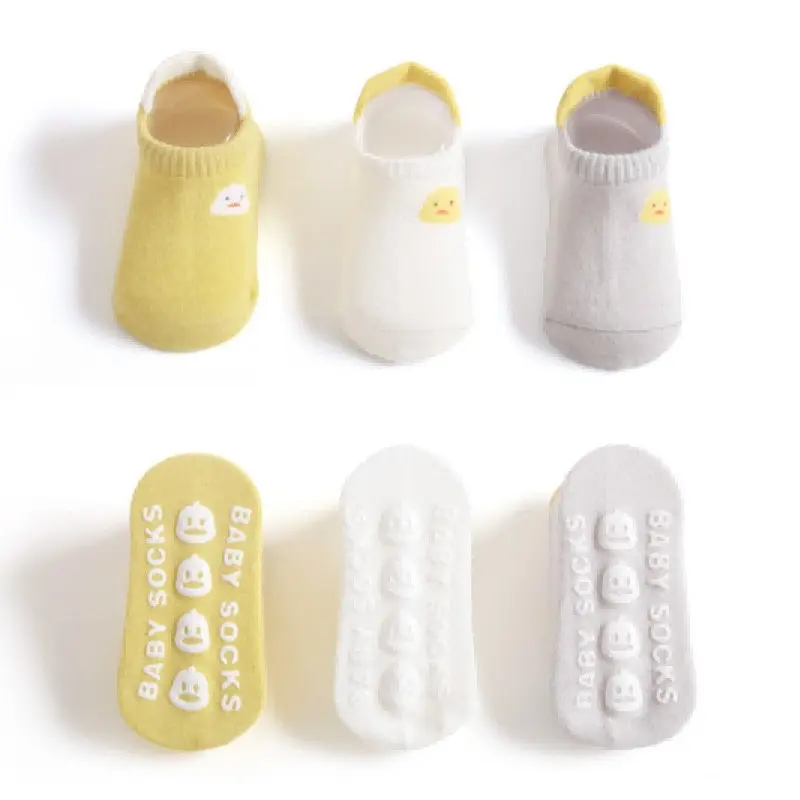
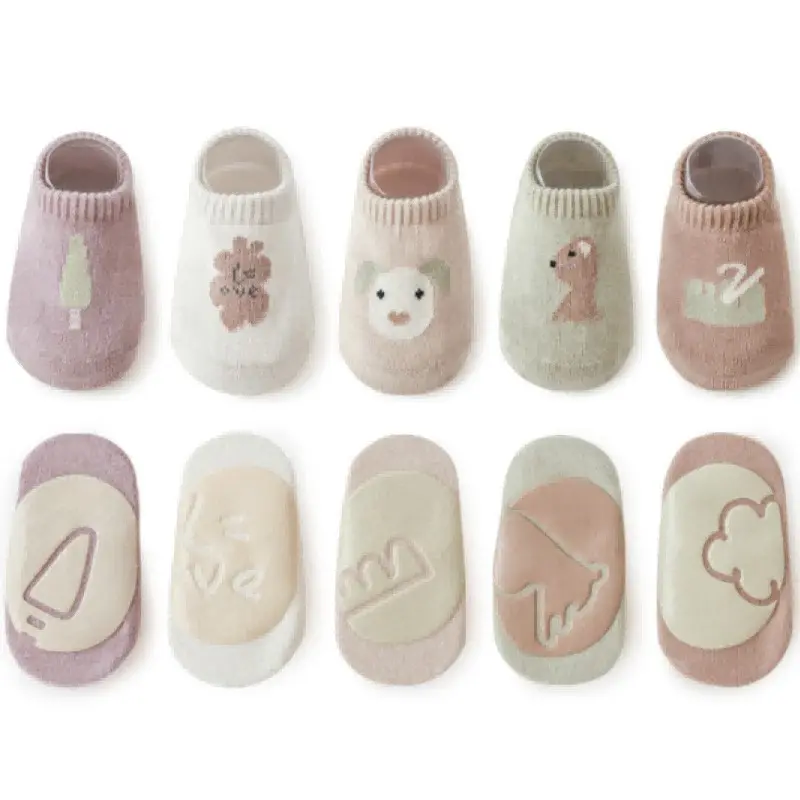
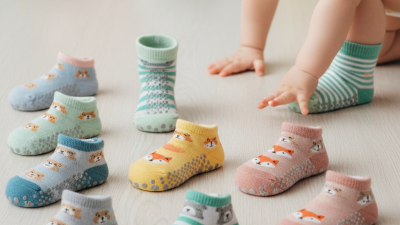
For wholesale buyers, grip patterns should match the surfaces babies actually meet: smooth tile, sealed wood, or play mats. Small silicone dots can offer flexible coverage, while wider bands may leave slippery gaps between them. Look for grip across the forefoot and heel, and inspect whether it remains attached after repeated washing. A test matters. ASTM F2913 describes laboratory methods for measuring footwear slip performance, but it is not a baby-sock certification. Ask suppliers for test conditions and results specific to the sock-and-floor combination.

Sizing needs more than age labels. WHO Child Growth Standards report median lengths of 49.9 cm for newborn boys and 75.7 cm for boys at 12 months; girls’ medians are 49.1 cm and 74.0 cm. These figures describe body length, not foot length, but they show how quickly fit changes during infancy. Request foot-length ranges alongside age bands, then check toe-room, heel placement, and cuff pressure on samples. A loose heel can twist. A tight cuff can leave marks.

Design should shift with mobility. Newborns need soft, low-bulk socks; crawling babies benefit from broader sole coverage; early walkers need grips that stay flat rather than bunching underfoot. There is no perfect age cutoff. Babies develop at different rates, and sock fit can change after one growth spurt. Wash-test samples, measure shrinkage, and review the grip again when damp. That last check is easy to overlook.

2026 Best Baby Anti-Slip Socks for Wholesale Buyers - Grip Patterns, Sizes, and Age-Related Design
Typical Age Range Approximate Foot Length Suggested Size Label Grip Pattern and Placement Age-Related Design Priorities Suitable Use
0–6 months About 8–10 cm (3.1–3.9 in) Newborn / Infant Small Small silicone dots or short bars across the sole; keep grip low-profile and flexible. Soft, non-restrictive cuffs; smooth toe seams; lightweight knit. Avoid tight elastic and loose decorative parts. Indoor wear and supervised pre-crawling activity.
6–12 months About 10–12 cm (3.9–4.7 in) Infant Medium Dots, small stars, or compact geometric shapes distributed from heel to forefoot. Secure but gentle fit for kicking and early crawling; breathable fabric and a heel shape that helps reduce slipping off. Crawling and early supported standing on smooth indoor floors.
12–18 months About 12–13 cm (4.7–5.1 in) Toddler Small Closely spaced dots or short, flexible lines covering the main weight-bearing areas. More durable sole printing for frequent movement; stretchy construction to accommodate active feet. Indoor cruising and first independent steps.
18–24 months About 13–14 cm (5.1–5.5 in) Toddler Medium Wavy lines, linked dots, or small repeated shapes across the sole. Prioritize a stable fit, reinforced heel and toe areas, and grip that remains flexible rather than forming a rigid sole. Everyday indoor walking and play.
2–3 years About 14–16 cm (5.5–6.3 in) Toddler Large Broader geometric motifs or spaced grip bars, with coverage extending across heel and forefoot. Allow room for growth without excess fabric at the toe; consider stronger heel and toe reinforcement for active wear. Indoor play, preschool settings, and travel.
Wholesale sizing note: Age and foot-length ranges are approximate guides, not a universal sizing standard. Actual fit varies by child and manufacturer, so buyers should check the supplier’s measurement chart and sample fit before placing bulk orders. Anti-slip socks are not a substitute for supervision, and grip performance depends on the floor surface and sock condition.

Safety, Quality, and Compliance Considerations

Wholesale buyers choosing baby anti-slip socks should assess safety, construction, and documentation together. Grip patterns need to stay attached after repeated washing, while seams should feel smooth against delicate skin. Check for loose threads, rough edges, and small parts that could detach. Small details matter. Test socks on the floor types families commonly use, but remember that grip cannot prevent every slip. One weak point: a sample may not reflect the bulk order, so inspect production batches too.

Tips: Request material and testing records for the destination market. Check each batch. Keep records. Ask suppliers how they test grip durability and colorfastness after washing. Clear answers are useful; vague claims deserve follow-up.

Quality checks should include consistent sizing, elastic that holds without leaving deep marks, and packaging labels that match the actual product. Confirm applicable chemical-safety requirements and labeling rules with qualified compliance professionals, since requirements vary by market and can change. Avoid relying on a generic certificate alone. Ask what products, materials, and test methods it covers. A sock can look secure on a showroom tile and behave differently on a smooth home floor. That gap deserves attention.

How Wholesale Buyers Compare and Select Products in 2026

In 2026, wholesale buyers should compare baby anti-slip socks by more than price and appearance. Start with the intended age range, size chart, fiber composition, and care instructions. A soft cuff should stay in place without leaving deep marks on a baby’s skin. Check stitching around the toe, where rough seams can cause discomfort. Small details matter.

Grip design deserves a close look. Compare the shape, spacing, and coverage of the sole pattern, then request samples in several sizes. Test them on common indoor surfaces, such as smooth tile and finished wood. Test them wet, too, if that reflects how caregivers may use them. A grippy pattern is not a guarantee against slipping, so avoid unsupported safety claims. Results can vary by floor and fit.

For supplier comparisons, ask about production capacity, minimum order quantities, lead times, color consistency, and inspection procedures. Request material specifications and relevant test documentation for the markets where the socks will be sold. A sample may feel excellent, yet bulk production can differ; confirm how the supplier controls that gap. Packaging also matters: clear size labels help warehouse teams and retailers sort stock quickly. One imperfect point in many buying plans is the assumption that the lowest quote means the best value. Compare total landed cost, defect handling, and reorder reliability before committing.