What is Baby Anti-Slip Socks and Why Are They Essential for Infants?
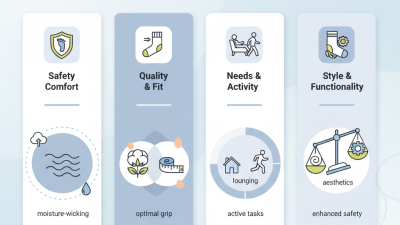
Baby Anti-Slip Socks are an essential accessory for infants, providing both safety and comfort as they explore their surroundings. According to a 2021 report by the American Podiatric Medical Association, falls are a leading cause of injury among infants. The right socks can reduce the risk of slipping on hardwood or tile floors. Their textured soles offer grip, helping babies gain confidence in their first steps.
Research shows that 80% of parents prioritize safety in their children's clothing. Baby Anti-Slip Socks are designed specifically for this purpose. They combine functionality with aesthetic appeal, making them popular among families. However, choosing the right pair can be challenging. Not all brands deliver the same level of safety or comfort. Parents must consider materials, sizing, and durability.
While Baby Anti-Slip Socks can greatly enhance safety, some parents overlook them. This oversight can lead to unnecessary falls. It is essential for caregivers to reflect on their choices and prioritize products that support their child's developmental journey. Opting for high-quality baby socks can make a significant difference in both safety and confidence.
What Are Baby Anti-Slip Socks?
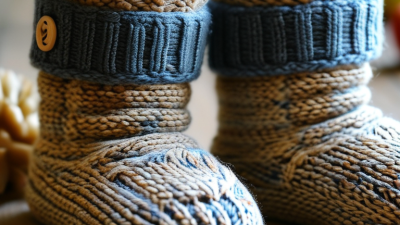
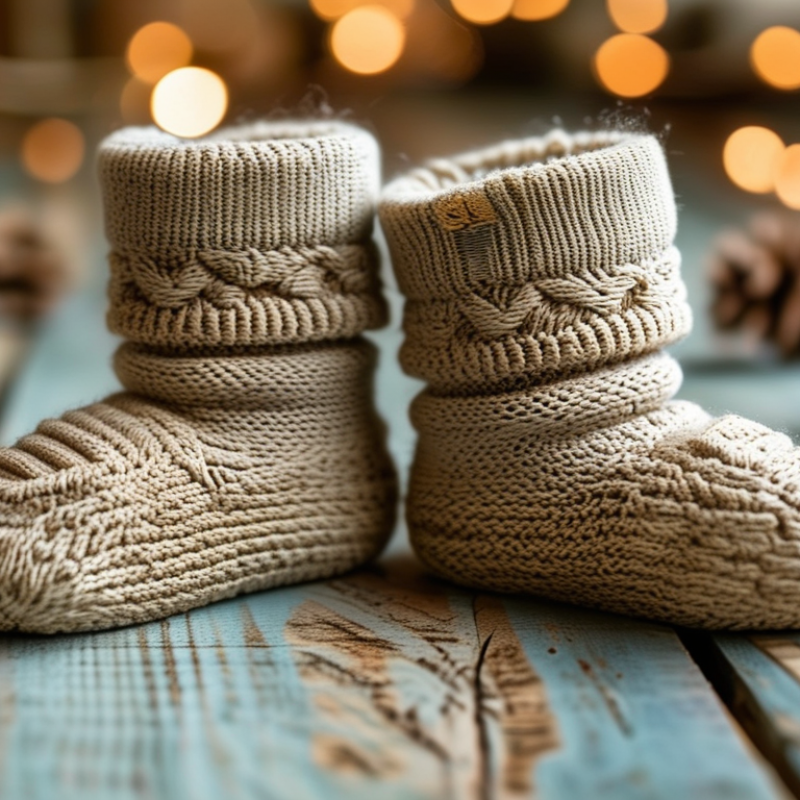
Baby anti-slip socks are specially designed footwear aimed at providing safety and comfort for infants. These socks come with a unique non-slip sole that helps prevent slips and falls on smooth surfaces. Infants are naturally curious and love to explore their environments, often causing anxious moments for parents. With anti-slip socks, caregivers can feel more at ease while their little ones take those first wobbly steps.
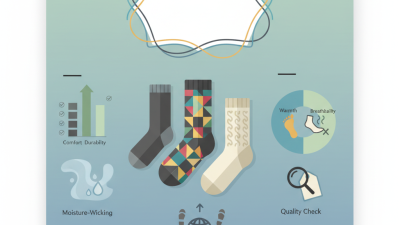
When selecting baby anti-slip socks, pay attention to fit and material. The socks should sit snugly, ensuring no slipping off during playtime. Look for soft, breathable fabrics to keep little feet comfortable. Some socks have fun designs, making them appealing to children. However, remember that not all designs may offer the best grip. It's essential to maximize safety for your child.
Tips: Choose socks with silicone grips for better traction. Always monitor your baby during play, even when they wear anti-slip footwear. Regularly check for wear and tear. Over time, grips can lose their effectiveness, and it’s crucial to keep an eye on them. Reflect on where your baby spends most of their time and choose socks that suit those surfaces. Parent experiences vary, so trust your instincts and observations when it comes to your baby's needs.
Baby Anti-Slip Socks Benefits
Key Features of Baby Anti-Slip Socks
Baby anti-slip socks are designed specifically for infants who are just starting to explore their world. These socks provide essential safety features that help prevent slips and falls. According to a report by the American Academy of Pediatrics, about 40% of injuries in children under five are due to falls. This statistic highlights the need for precautionary measures like anti-slip socks.
Key features of baby anti-slip socks include textured soles and snug fittings. The textured soles are made from rubber or silicone. They create traction on smooth surfaces, reducing the risk of slipping. A study from the Consumer Product Safety Commission found that products with anti-slip features can reduce the incidence of accidents by nearly 30%. Additionally, a well-fitted sock prevents the sock from slipping off, providing comfort and security.
It's essential to choose the right size and material. Socks that are too loose may pose a tripping hazard. Parents should look for breathable fabrics to enhance comfort. Despite their benefits, some parents may overlook these socks, thinking regular socks are adequate. However, the unique design of anti-slip socks makes them more effective. Ignoring this choice may expose infants to unnecessary risks during their exploratory phase.
What is Baby Anti-Slip Socks and Why Are They Essential for Infants? - Key Features of Baby Anti-Slip Socks
| Feature |
Description |
Benefits |
| Anti-Slip Grips |
Rubber or silicone grips on the soles to prevent slipping. |
Enhances safety and stability during crawling and walking. |
| Soft Fabric |
Made from breathable materials like cotton or bamboo. |
Provides comfort and reduces irritation on sensitive skin. |
| Stretchable Design |
Elastic fabric that accommodates different foot sizes. |
Ensures a snug fit and prevents slipping off during activities. |
| Variety of Designs |
Available in various colors, patterns, and styles. |
Makes them appealing to both parents and children. |
| Durability |
Designed to withstand wear and tear from daily use. |
Provides long-lasting value and reduces the need for frequent replacements. |
Benefits of Using Anti-Slip Socks for Infants
Anti-slip socks for infants have become increasingly popular due to their numerous benefits. These specially designed socks focus on safety and comfort for babies who are starting to walk or crawl. According to the American Academy of Pediatrics, infants are at a higher risk of slipping and falling, particularly on hardwood or tile floors. Anti-slip socks provide traction, helping babies gain stability and confidence in their movements.
Research highlights the importance of proper footwear for developing infants. A study published in the Journal of Pediatric Health Care notes that socks with non-slip grips can reduce accidents by up to 30%. These socks feature textured soles that grip the surface, significantly decreasing the chance of falls. Furthermore, the supportive design ensures that infants' small feet are protected while allowing for flexibility and natural movement.
While many parents appreciate the practicality of anti-slip socks, some may overlook the need for regular checks to ensure the socks remain effective. Wear and tear can compromise their grip, making them less reliable. Keeping an eye on the condition of these socks and replacing them as needed is essential. Ultimately, choosing quality anti-slip socks not only enhances mobility but significantly boosts the overall safety of infants during their exciting journey of exploration.
Choosing the Right Size and Material for Baby Socks
Choosing the right size and material for baby socks is crucial for comfort and safety. Babies' feet grow rapidly, so proper sizing is essential. Sock sizes can vary, but they usually align with a baby's age and foot length. A snug fit ensures the socks stay on without causing discomfort. Too tight can restrict circulation, while too loose can lead to slipping.
Consider the materials used when selecting baby socks. Cotton blends are soft and breathable, keeping little feet comfortable. Wool can provide warmth in colder months, but ensure it's not itchy. Some babies may have sensitive skin, requiring hypoallergenic options. Look for socks with a bit of stretch, allowing for movement without restriction.
It's worth noting that some parents overlook these details, choosing merely based on color or design. This can lead to discomfort for the child. Not all socks will stay put during playtime, which can be frustrating. Reflect on how your choices impact your baby's comfort. Finding the right pair might take a little trial and error, but it’s essential for their well-being.
How to Care for Baby Anti-Slip Socks
Caring for baby anti-slip socks is essential for both safety and longevity. These socks provide traction for infants learning to walk. According to pediatric reports, approximately 90% of infants experience slips and falls as they gain mobility. Proper care ensures these socks remain effective. Regular washing is necessary, but it’s vital to follow label instructions. Using gentle detergent and avoiding bleach helps maintain the sock's grip.
Inspecting socks before each use is equally important. Look for any signs of wear or damage. Small holes can reduce effectiveness. Additionally, it’s best to air dry them instead of using a dryer. Heat can weaken the fabric and diminish grip. Many parents overlook this, leading to safety concerns. Ensuring they fit properly is another crucial aspect. Socks that are too loose can fall off, while those that are too tight can restrict circulation.
Storing these socks in a cool, dry place also matters. Excessive moisture can promote mold growth. Awareness and attention to these details can enhance the safety and functionality of baby anti-slip socks. Prioritizing this care routine supports the infant’s development during those crucial months of learning to walk.

 Trampoline Socks
 Aqua Park Socks
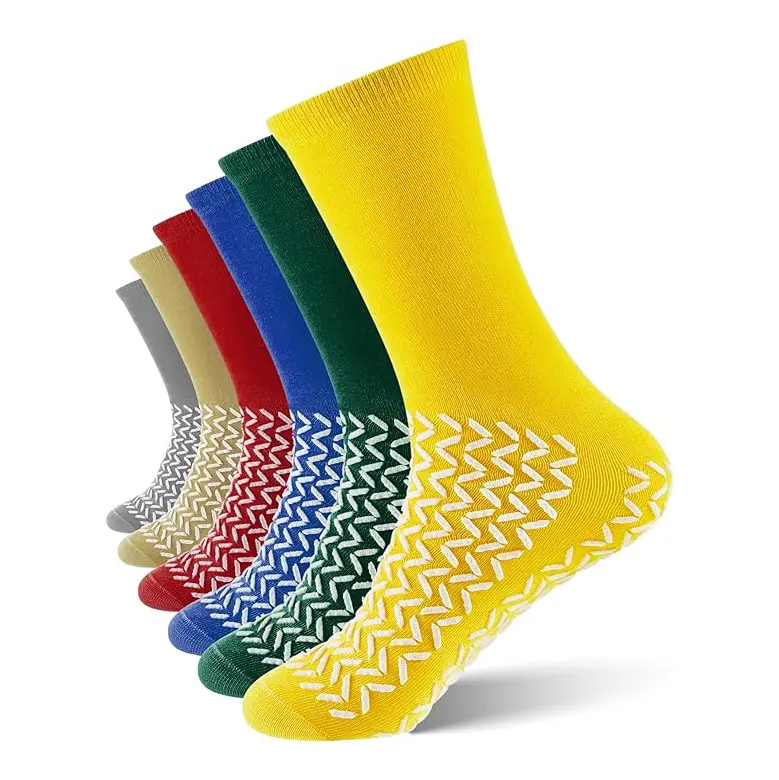 Hospital Slipper Socks
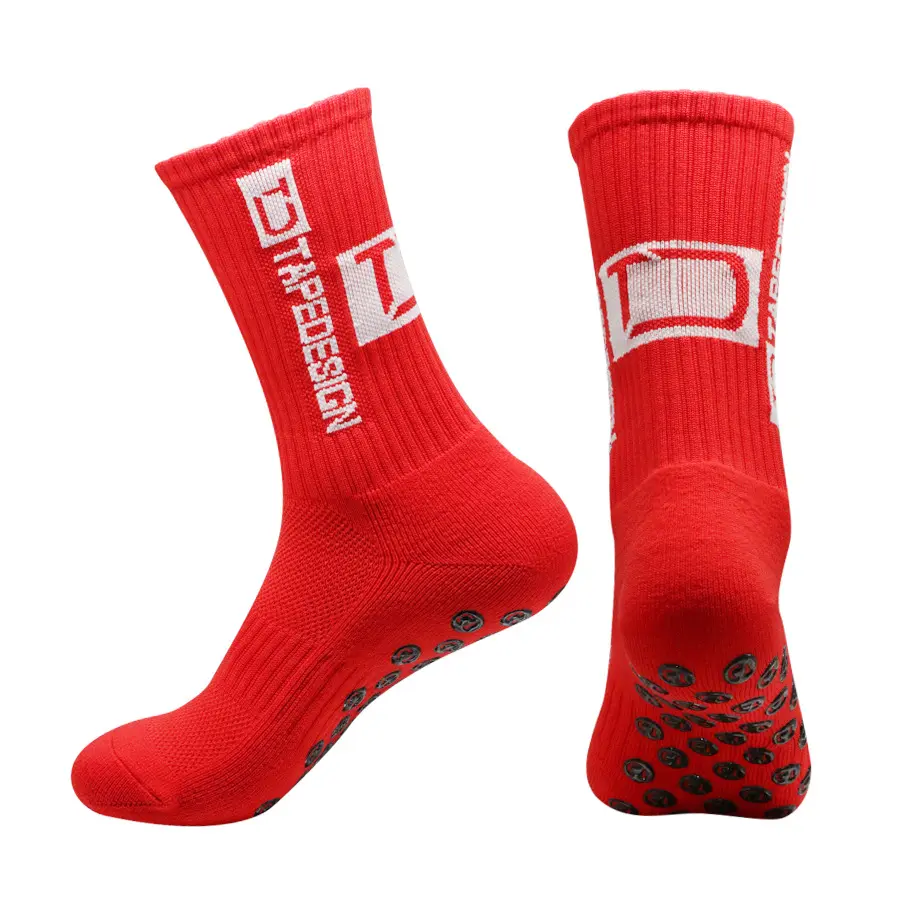 Grip Football Socks
 Basketball Socks
 Badminton Socks
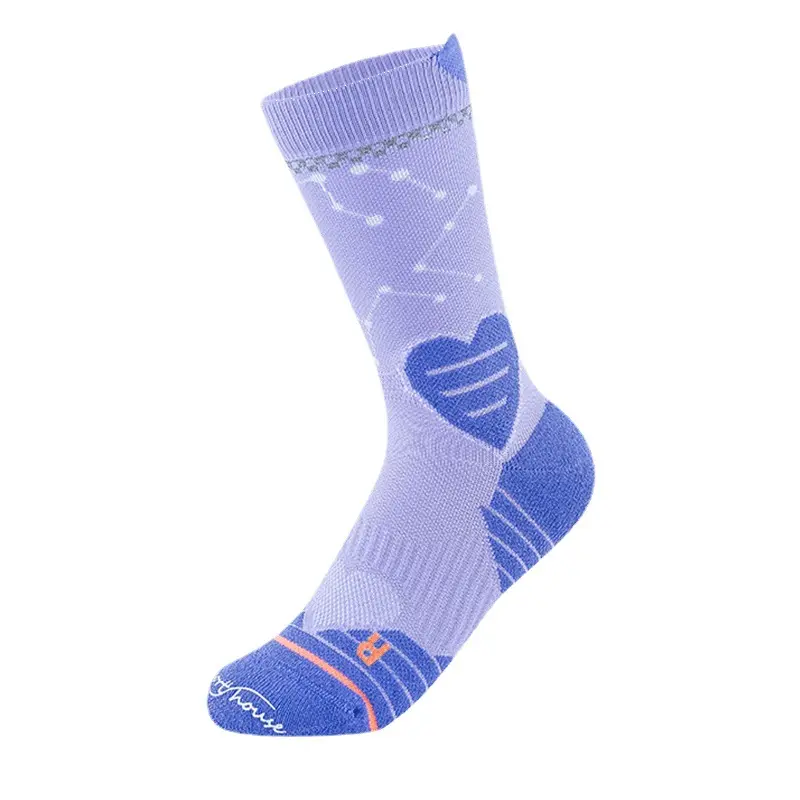 Cycling Socks
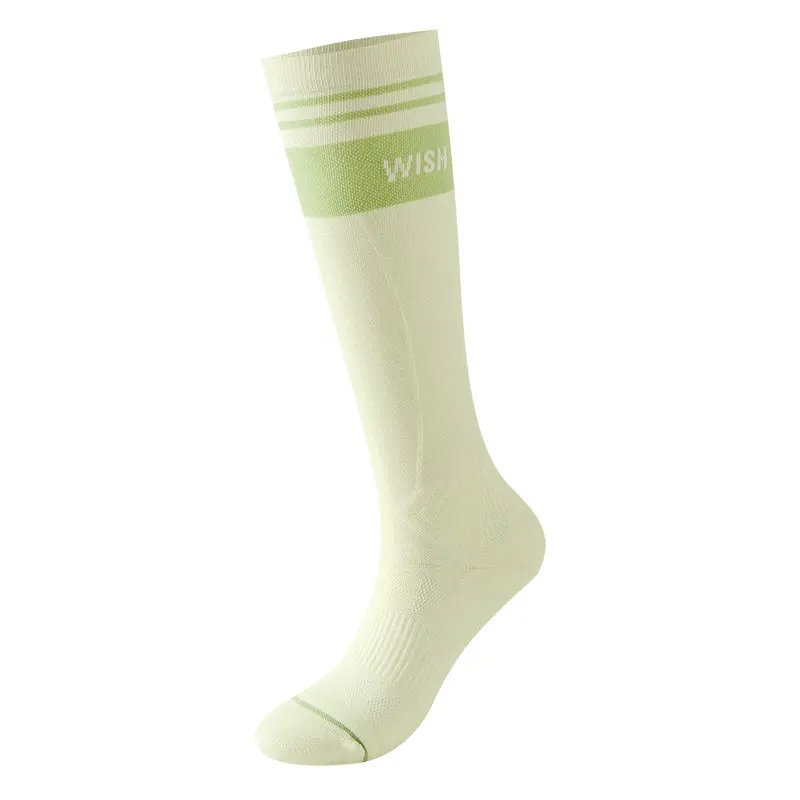 Running Socks
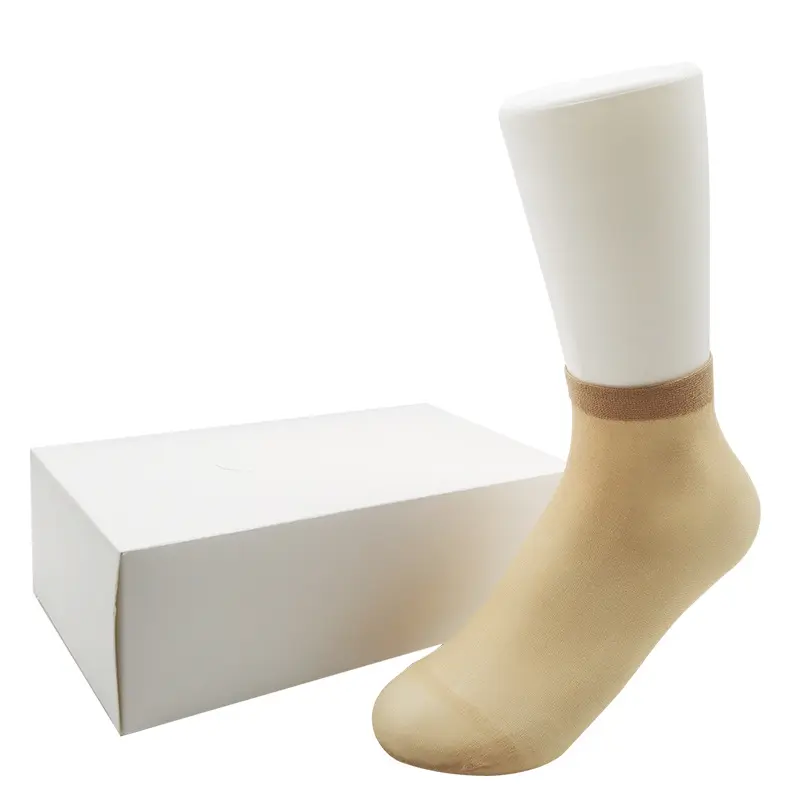 Disposable Socks Bowling Alley Socks
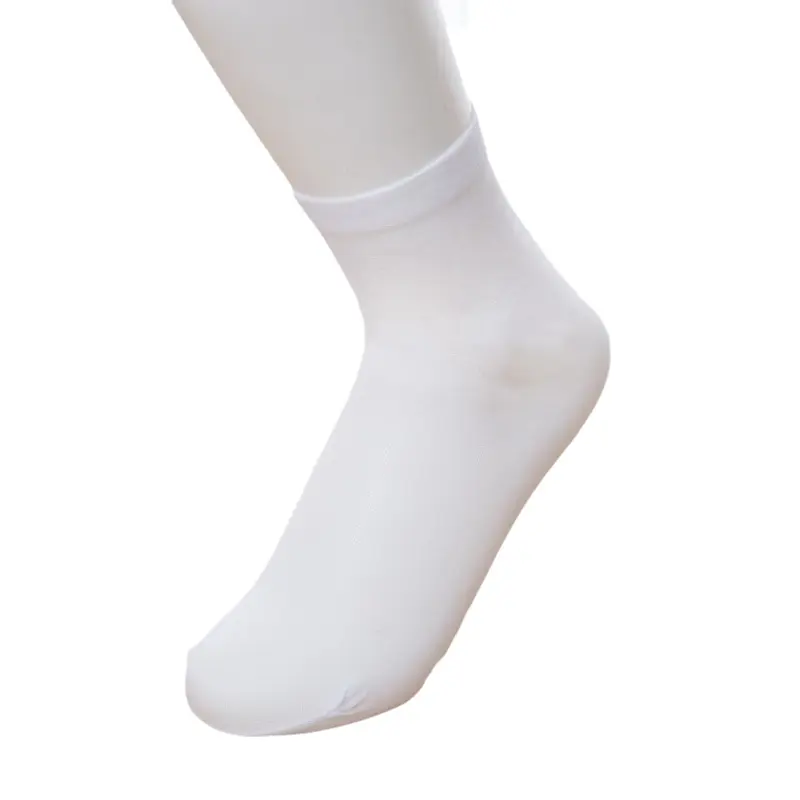 Disposable socks
 Warm Colorful Striped Crew Socks for Women
 Custom Unisex Crew Socks Breathable Socks
 Digital Printing Vintage Crew Socks
 Animal Fuzzy Cartoon Crew Socks for Women
 Cotton Flower Ankle Socks Low Cut Socks
 Thick Christmas Festival Crew Socks
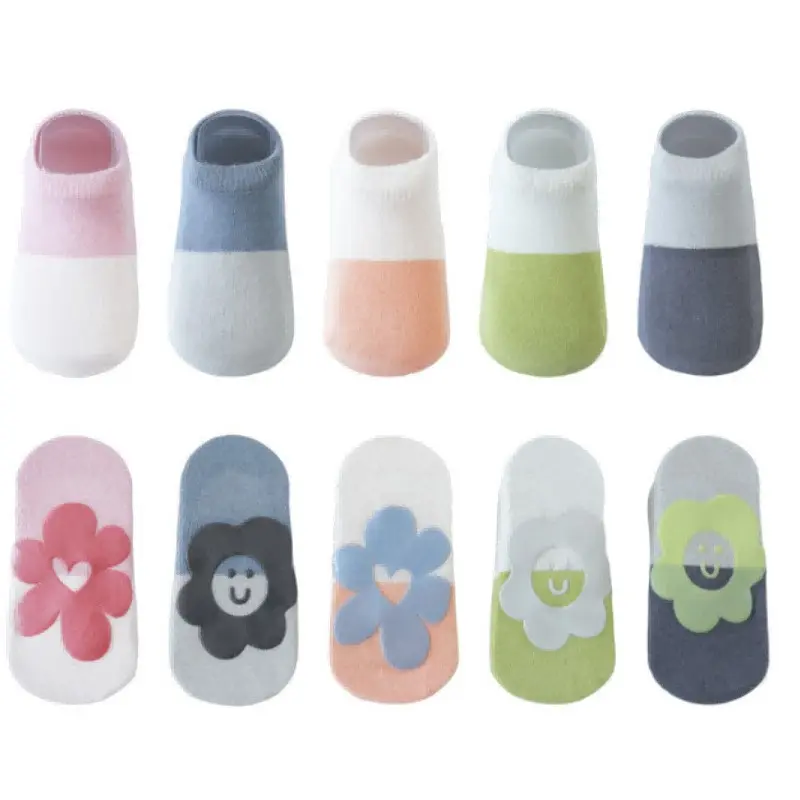 Cotton Cute Anti Slip Baby Ankle Socks with Cartoon
 Colorful Soft Baby Socks Anti-slip
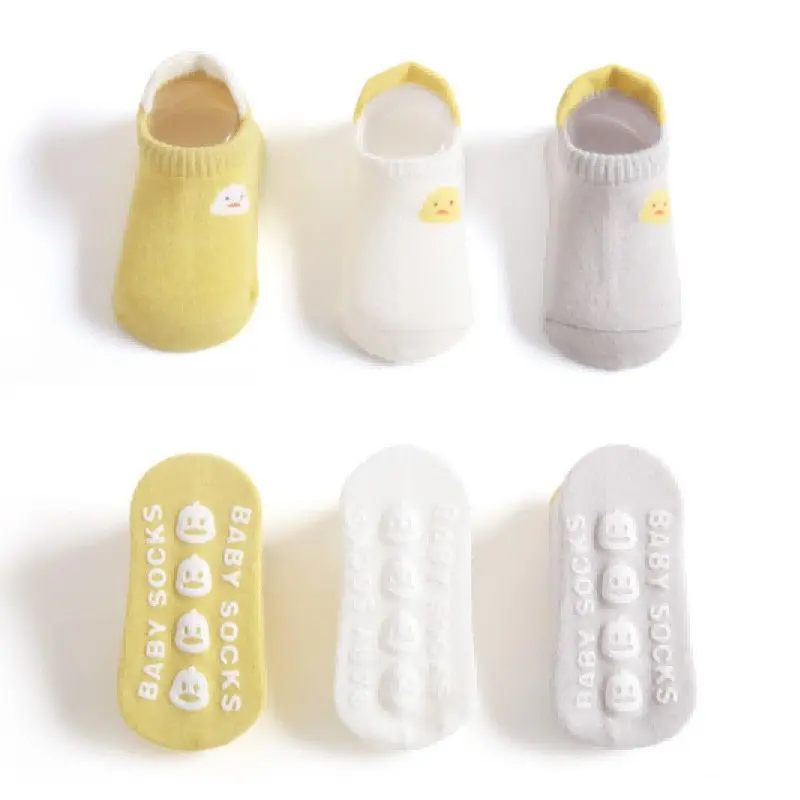 Non Slip Soft Ankle Baby Toddlers Socks
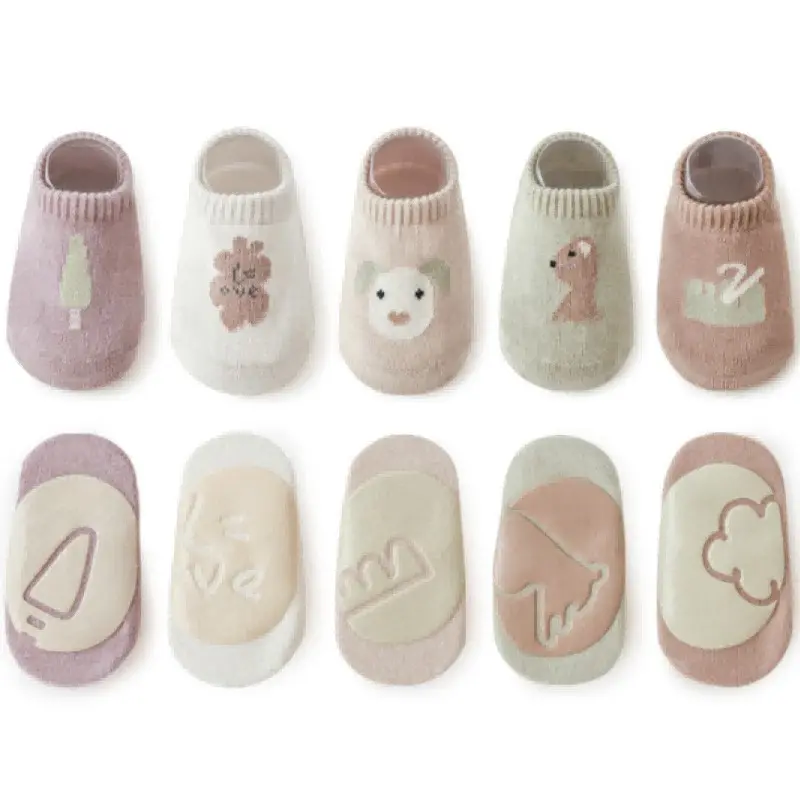 Cartoon Baby Socks With Grips Crew Walking Socks
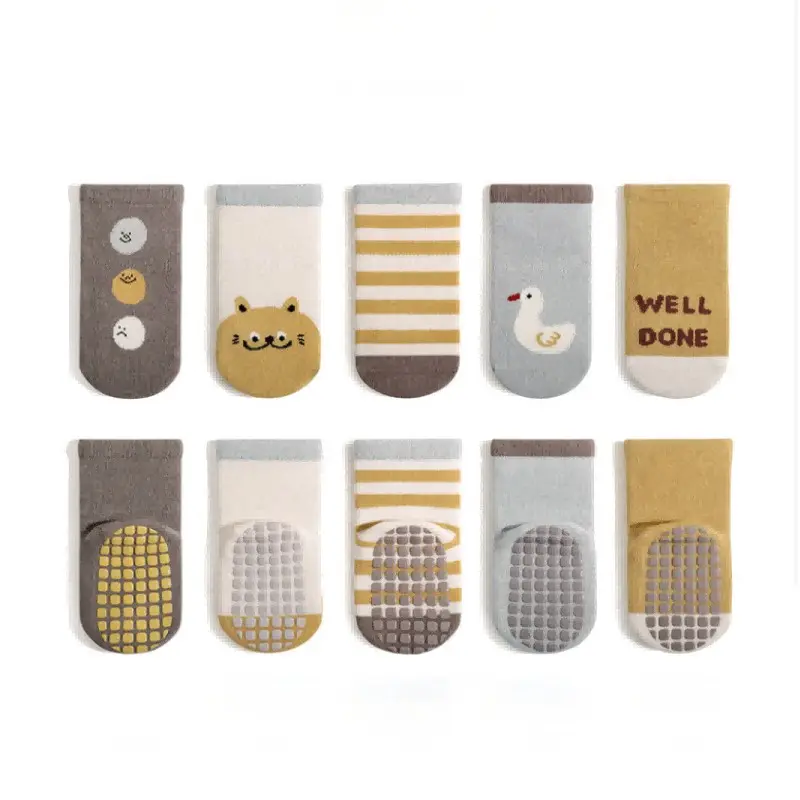 Baby Socks Floor Grip Mid-tube Socks with Cartoon