Leave Your Message
Design Drawing File Upload X

What Are Anti Slip Socks and How Do They Work?

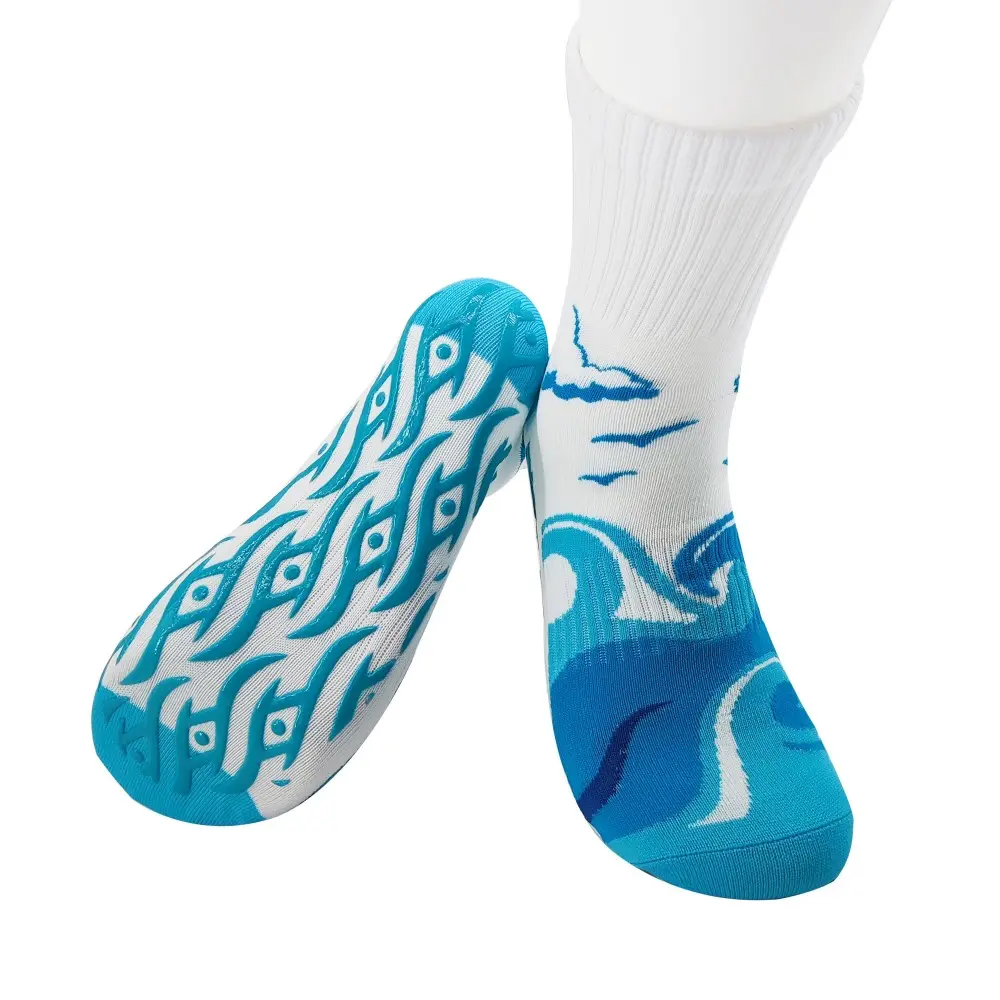
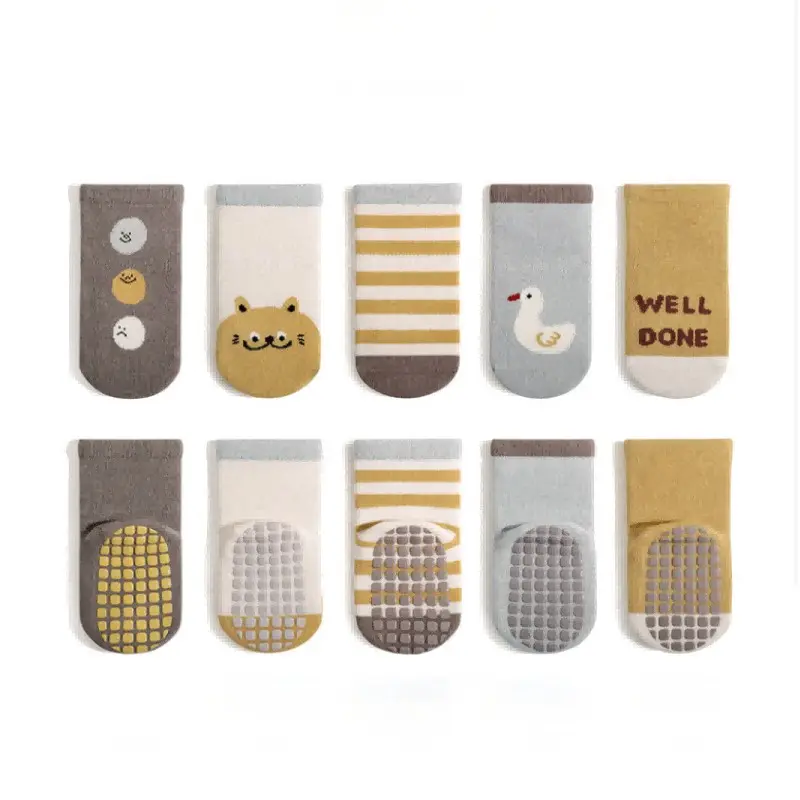
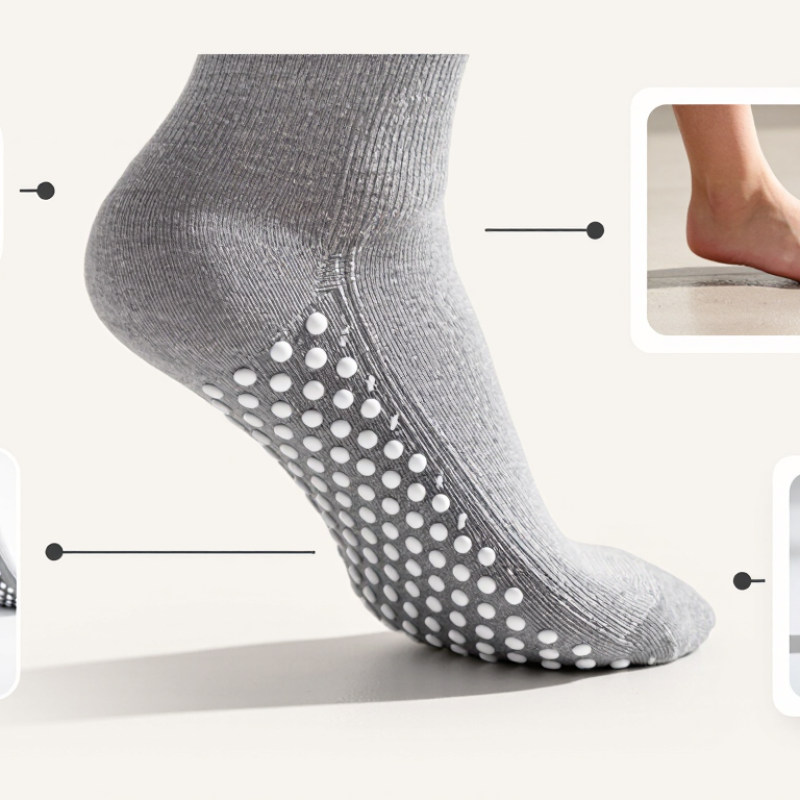
Anti-slip socks are designed to provide extra grip on smooth indoor floors. They usually have small rubber or silicone patterns on the soles. These raised dots or lines press against the floor as you walk. The idea is simple: more contact can help reduce sliding. Socks Anti Slip may be useful at home, in care settings, or during light indoor exercise. They are not shoes, though. A thin grip pattern cannot protect the foot like a supportive sole.

The details matter. On a clean, dry floor, the grips may feel steady underfoot. Dust, moisture, worn patterns, or loose-fitting socks can change how they perform. Check that the sock fits snugly and that its grips still feel textured, not smooth. A quick test near a stable surface can help you judge the fit. Take care on stairs and around spills. No sock can prevent every slip. That is worth remembering.

Materials also affect comfort. Cotton blends can feel soft, while stretchy fibers help keep socks in place. Some styles cover the whole sole; others use separated grip zones. Neither design is automatically best for everyone. The right choice depends on your floor, activity, and fit. Even a well-made pair has limits, and that can be easy to forget when the grip feels reassuring. A practical view is better: treat these socks as one small aid, not a substitute for careful movement or suitable footwear.
What Are Anti Slip Socks and How Do They Work?

What Are Anti-Slip Socks?

What Are Anti-Slip Socks and How Do They Work?

What Are Anti-Slip Socks?

Anti-slip socks are everyday socks designed to improve grip between your feet and the floor. They usually have rubber, silicone, or polymer patterns beneath the sole. These patterns press against smooth surfaces, such as tile, wood, and polished concrete. The added texture can reduce sliding during walking, stretching, or standing.

The design is simple. Fabric manages comfort and moisture, while the sole pattern creates contact points. A secure fit also matters. Loose socks may twist, reducing the grip area. In my experience, socks with dense, evenly spaced grips feel steadier during slow indoor movement. However, they are not magic. Wet floors, loose rugs, and poor lighting can still create serious risks.

The World Health Organization’s Global Report on Falls Prevention estimates about 684,000 fatal falls occur worldwide each year. Adults over 60 face the highest risk. The U.S. Centers for Disease Control and Prevention also reports that more than one in four older adults falls annually. These figures explain why small safety features deserve attention, although socks cannot replace proper footwear or home modifications.

Performance varies between products. Some grips flatten after repeated washing. Others feel uncomfortable on hard floors. Checking the washing instructions, sole coverage, fabric stretch, and fit is essential. A useful test is practical: walk slowly on a clean, dry floor and notice whether your foot stays stable. Stop using them if the grips peel, crack, or lose traction.
How Anti-Slip Socks Are Designed

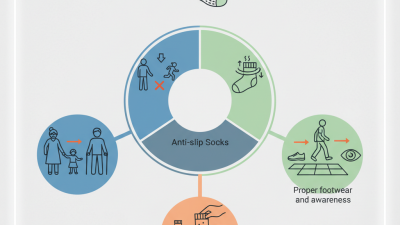
Anti-slip socks are designed around friction, fit, and controlled movement. Their soles usually contain silicone or rubberized grips. These grips press against floors, reducing sliding during walking, stretching, or standing. Grip shapes vary. Dots suit light indoor movement, while wider patterns can improve contact across the forefoot and heel.

The textile also matters. Cotton blends absorb moisture, while synthetic fibers help the sock keep its shape. A close, comfortable fit prevents bunching under the foot. However, tight cuffs may restrict circulation. No design is perfect. Dust, wet tiles, worn grips, and loose sizing can reduce performance. The World Health Organization’s Global Report on Falls Prevention reports about 684,000 fatal falls worldwide each year, with older adults facing the highest risk. This does not make grip socks protective equipment, but it shows why stable footing deserves attention.

Tips: Choose a size that follows your foot shape, not just your shoe size. Check that grips cover the heel and ball of the foot. Replace socks when patterns feel smooth. Test them on a clean, dry surface first.

Independent wear testing should examine grip after washing, stretching, and repeated floor contact. A useful design keeps traction without making the sole rigid. That balance is difficult. Softer grips feel natural, but they may wear faster. Some manufacturers also use arch support, flat seams, and reinforced heels to reduce pressure points. These features improve comfort, yet personal fit remains the deciding factor.

How the Grip Mechanism Prevents Slipping

Anti-slip socks use a simple grip mechanism: extra friction beneath the foot. Manufacturers usually add silicone, rubber, or textured polymer patterns to the sole. These zones press against the floor and deform slightly, filling tiny surface irregularities. That contact helps reduce sliding during walking, standing, or stepping out of bed.

The effect is easiest to notice on smooth wood or tile. A sock without grips may glide when the heel lands. A gripped sock creates more resistance at that moment. It also helps stabilize the forefoot during push-off. The pattern matters. Small dots can improve traction, while broader strips may support heavier contact areas. However, grips are not magic. Moisture, dust, worn materials, or a loose fit can reduce performance. Socks can bunch too.

The World Health Organization reports about 684,000 fatal falls worldwide each year. The CDC also estimates that more than 3 million older adults receive emergency care for fall-related injuries annually in the United States. These figures explain why small traction improvements deserve attention, especially around beds, bathrooms, and polished floors. Still, anti-slip socks should support safer movement, not replace handrails, lighting, or careful footwear choices. A practical check is simple: walk slowly across a clean, dry surface and inspect whether the sole stays flat. Even effective grip patterns may fail on wet flooring. That limitation is easy to overlook.

Common Types and Uses of Anti-Slip Socks

What Are Anti Slip Socks and How Do They Work?

Common Types and Uses of Anti-Slip Socks

Anti-slip socks have textured areas on their soles. These areas increase friction between the foot and the floor. Most use silicone dots, rubber patterns, or flexible grip strips. The material compresses when you step down. It helps reduce sliding on smooth surfaces, such as wood, tile, and polished floors. They do not create perfect traction. Wet floors remain dangerous.

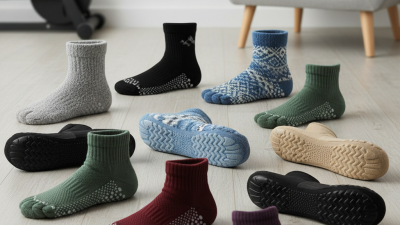
Common designs serve different needs. Grip-bottom socks cover the entire sole with raised patterns. They suit home use, light exercise, and recovery routines. Toe-grip socks separate the toes and may support balance during yoga or stretching. Some styles have open heels, which improve airflow during studio workouts. Warm versions combine thick fabric with grip panels. They work well in cold bedrooms or care facilities.

Use depends on movement, surface, and fit. Older adults may wear them indoors when regular socks feel unstable. Athletes often use lighter designs for warm-ups and floor exercises. Hospital visitors may prefer non-slip pairs over smooth-soled socks. In practice, a close fit matters more than heavy fabric. Loose socks can twist and weaken contact with the floor. Check the grip after repeated washing. It may fade sooner than expected. I have found that bright patterns look useful, but texture and sizing matter more. Bare feet may still offer better control during certain movements.

What Are Anti-Slip Socks and How Do They Work? — Common Types and Uses of Anti-Slip Socks
Anti-Slip Sock Type How It Works Typical Materials Common Uses Main Advantages Important Considerations
Grip-Sole Socks Rubber, silicone, or thermoplastic grip patterns on the sole increase friction between the sock and the floor. Cotton, polyester, nylon, elastane, silicone, or rubber-based grip material Indoor walking, bedrooms, tiled floors, hardwood floors, and home use Simple design, lightweight feel, and improved traction on many smooth indoor surfaces Grip performance may decrease when the sole or floor is wet, dusty, or oily.
Toe-Grip Socks Separate toe sections improve toe movement and help the foot maintain contact with the floor or footwear. Cotton blends, merino wool blends, polyester, nylon, and elastane Yoga, Pilates, stretching, balance exercises, and indoor training Supports natural toe separation and may improve foot awareness during movement They can feel unusual at first and may not fit comfortably inside narrow shoes.
Yoga and Pilates Socks Grip zones on the sole and sometimes the top of the foot help reduce sliding during controlled movements. Breathable cotton or synthetic blends with silicone or rubberized grip areas Yoga studios, Pilates classes, barre exercises, and home workouts Provides traction while leaving the foot more flexible than many athletic shoes They are not a complete substitute for proper footwear during outdoor or high-impact activities.
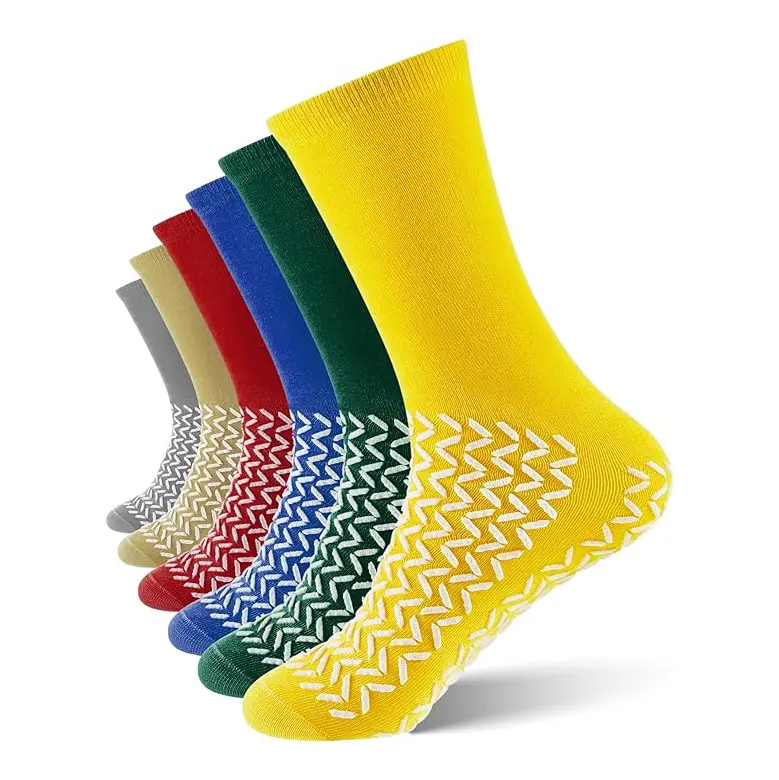
Hospital and Care Socks Full-sole or partial-sole tread patterns help create friction during short indoor movements. Soft cotton or synthetic knit fabrics with latex-free or rubberized tread options Hospitals, rehabilitation centers, assisted living, and recovery at home Can support safer movement around beds, corridors, and smooth floors They should complement, not replace, mobility assessments, walking aids, or staff assistance.
Compression Grip Socks Graduated compression applies the strongest pressure near the ankle and gradually less pressure higher up the leg; grip sections add floor traction. Nylon, polyester, elastane, and silicone or rubber grip elements Travel, prolonged standing, exercise recovery, and selected medical applications Combines a close fit, support, and anti-slip features Compression level and suitability vary; people with circulation problems should seek professional advice.
Water and Pool Socks Textured soles improve contact with wet surfaces, while the close-fitting construction helps reduce movement inside the sock. Neoprene, polyester, nylon, elastane, and rubberized sole materials Swimming pools, water parks, beaches, locker rooms, and water aerobics Offers traction, warmth, and some protection from rough or hot surfaces They reduce, but do not eliminate, the risk of slipping. Walking carefully remains essential.
Indoor Slipper Socks Thicker knitted fabric provides warmth, while a patterned sole adds friction against indoor flooring. Wool, acrylic, polyester, cotton, elastane, and rubber or silicone tread Cold bedrooms, living areas, dormitories, and indoor lounging Combines warmth and comfort with more traction than ordinary socks They may be too warm for active exercise and can wear down faster on rough surfaces.
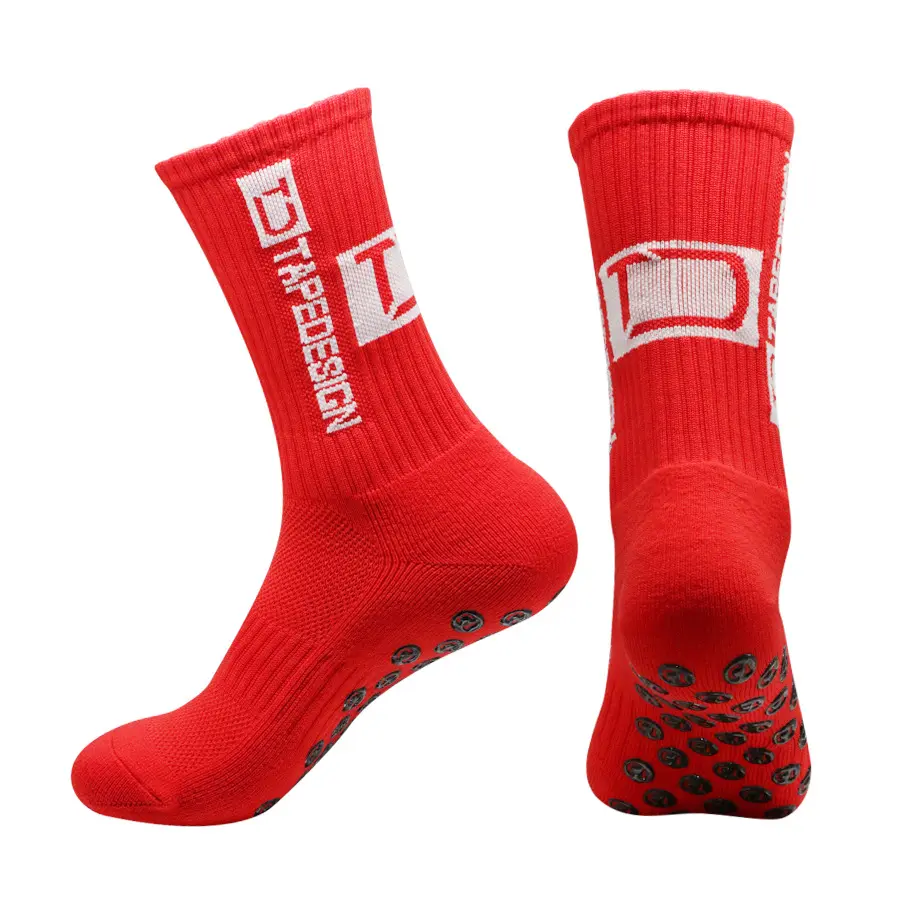
Athletic Grip Socks Engineered grip zones help limit foot movement inside the sock or shoe during rapid changes in direction. Moisture-wicking polyester, nylon, elastane, mesh panels, and silicone grip elements Indoor sports, fitness training, court activities, and strength workouts Can improve fit stability, moisture management, and comfort during exercise Grip socks do not replace sport-specific shoes where impact protection and ankle support are required.
Low-Slip Everyday Socks Small grip dots or lines under the forefoot and heel provide additional friction for routine indoor walking. Cotton, polyester, viscose, nylon, and elastane with silicone or rubber print Daily home use, childcare settings, dormitories, and office environments with smooth floors Usually lightweight, discreet, and easy to wear with loose indoor footwear Smaller grip areas may provide less traction than full-sole designs.
Thermal Anti-Slip Socks Insulating fibers retain warmth, while tread sections help reduce sliding on cold indoor floors. Merino wool, wool blends, acrylic, polyester, elastane, and silicone or rubber tread Winter indoor use, cold homes, cabins, and low-temperature work areas Provides warmth, cushioning, and improved traction in cold environments Thicker construction may require roomier footwear and can reduce breathability for some users.

How to Choose and Care for Anti-Slip Socks

Anti-slip socks use small silicone or rubber grips beneath the foot. These grips increase friction against smooth floors, reducing unwanted sliding. They are useful for yoga, home workouts, hospital recovery, and walking on polished surfaces. However, they are not a complete substitute for shoes on wet floors.

Choosing the right pair starts with fit. The heel should sit firmly without pulling the fabric forward. A loose sock can fold under the toes and create pressure points. Look for breathable cotton blends or moisture-wicking fibers if your feet sweat easily. Grip patterns also matter. Small, closely spaced grips may suit indoor walking, while wider patterns can feel steadier during stretching. Check the stitching around the toes. Rough seams often become irritating after several hours.

Care affects performance. Turn the socks inside out before washing them with mild detergent. Avoid bleach, fabric softener, and high heat, which can weaken the grip material. Air-drying is safer, even if it takes longer. Inspect the soles after each wash. I once ignored a peeling grip and noticed less control during a simple balance exercise. That was a small mistake, but it changed how I check socks now. Replace them when the grips become smooth, cracked, or detached. Clean floors still matter, because dust can reduce traction quickly.

What Are Anti-Slip Socks and How Do They Work?

Anti-slip socks use rubber or silicone grip elements on the sole to increase traction between the foot and the floor. A secure fit, breathable fabric, and suitable grip coverage also help improve comfort and stability. Choose socks with flexible, evenly distributed grips, wash them according to the care label, avoid bleach, and air-dry them when possible to help preserve grip performance.