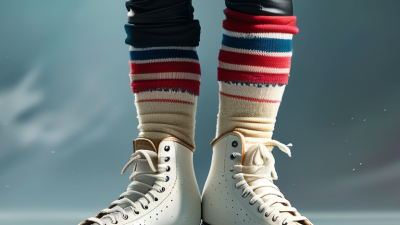
2026 Top Aqua Park Socks Types for Global Buyers
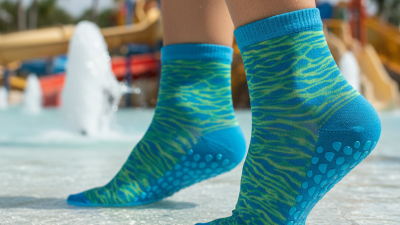
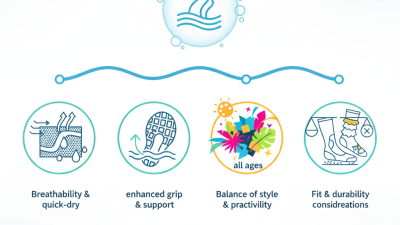
In 2026, global buyers are looking beyond bright colors and low prices when selecting Aqua Park Socks. The right pair must handle wet tiles, rough pool surfaces, sudden temperature changes, and repeated washing. Buyers now compare grip patterns, quick-drying fabrics, drainage speed, seam comfort, and size stability after use. Thin polyester blends suit warm indoor parks. Neoprene styles offer more warmth for outdoor facilities and cooler climates. Some designs include silicone dots beneath the foot. Others use textured rubber panels for stronger traction.
Jeff Henry, a waterpark operations specialist, explains, “Good water footwear should protect movement, not compete with it.” That principle matters during long shifts, family visits, and crowded slides. A sock that twists inside the shoe can create discomfort within minutes. A sole that feels secure on dry ground may still fail beside a splash zone. Small details matter.
This guide introduces the top Aqua Park Socks types for global buyers in 2026. It considers material performance, drainage, grip, comfort, packaging, and private-label potential. Regional needs also differ. European buyers may prioritize certified materials and precise sizing. Tropical markets may prefer ultralight fabrics and faster drying. Children’s products require careful elasticity and secure construction. No single type wins everywhere. That is the difficult part.
Some supplier claims still need closer testing. “Non-slip” is not a complete performance standard. Buyers should request samples, wash-test results, and surface-grip evaluations before placing large orders. A practical decision combines laboratory data with real poolside use. Forecasts can guide purchasing. Actual wet feet tell the fuller story.
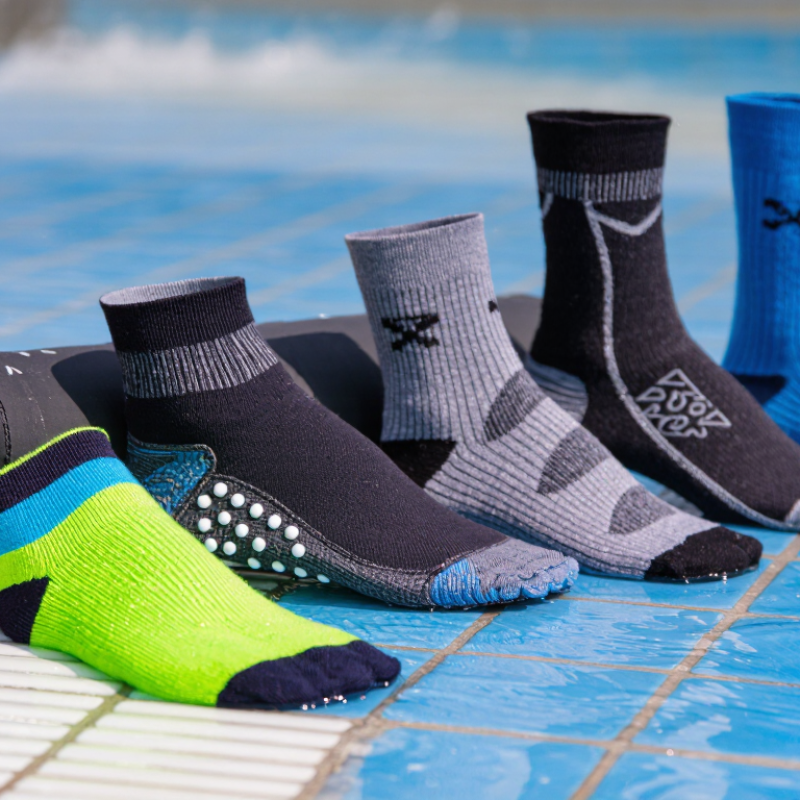
Aqua Park Socks: Definition, Purpose, and Main Components
Aqua park socks are lightweight protective footwear designed for wet recreational areas. They cover the foot while allowing users to walk through pools, splash zones, and changing areas. Their main purpose is to improve grip, reduce surface abrasions, and limit direct contact with shared floors. They may also provide mild warmth in cooler water. Safety comes first.
Most aqua park socks contain a flexible upper made from polyester, nylon, spandex, or thin neoprene. The upper should stretch around the foot without feeling loose. A rubberized or silicone-coated sole creates traction on wet surfaces. Small drainage openings can help release water, although excessive openings may reduce warmth. Flat-stitched seams reduce rubbing, while a close-fitting cuff helps prevent sand and small debris from entering.
Different users may need different constructions. Quick-dry fabric suits warm parks and frequent changing. Neoprene works better for cooler water and longer exposure. Anti-slip soles are useful on smooth tiles, but tread patterns must remain flexible for climbing play structures. I have found that thick socks often feel safer at first, yet they can trap water and become heavy. Size charts also deserve careful checking, because foot shape varies more than measurements suggest. A secure fit matters more than extra padding. Don’t ignore comfort.
Key Types of Aqua Park Socks for Different Water Activities
2026 Top Aqua Park Socks Types for Global Buyers
Aqua park socks should match the activity, not just the water temperature.
Lightweight mesh socks suit splash zones, shallow pools, and walking between attractions. They drain quickly and reduce sand, grit, and surface heat. However, thin fabric may wear faster on rough concrete.
Neoprene socks provide more warmth for wave pools, rafting areas, and longer sessions.
Their close fit also helps prevent blisters, but thick neoprene can feel uncomfortable in humid climates.
Grip socks with rubberized soles work well on wet decks, children’s play areas, and slow-moving water rides.
Look for flexible tread, secure heel support, and openings that do not trap water.
For snorkeling or rocky shore access, hybrid aqua shoes offer stronger toe protection.
They are heavier than ordinary socks, though. According to Grand View Research, the global swimwear market was valued at about USD 13.25 billion in 2022, showing broad demand for water-related apparel. This figure does not measure aqua park socks directly, so buyers should avoid treating it as a product-specific forecast.
The World Health Organization reports approximately 236,000 annual drowning deaths worldwide.
Socks cannot replace supervision, flotation equipment, or venue safety rules. They mainly improve comfort, footing, and surface protection.
Chlorine resistance, flat seams, and washable materials matter for frequent commercial use. A practical mistake is choosing maximum grip without checking slide policies. Some parks restrict footwear on enclosed slides. Fit remains the overlooked issue: loose socks fold under the heel, while tight ones cause pressure points.
How to Choose Aqua Park Socks for Climate and Pool Conditions
2026 Top Aqua Park Socks Types for Global Buyers
How to Choose Aqua Park Socks for Climate and Pool Conditions
Global buyers should match aqua park socks to water temperature, flooring, and local weather. In warm, humid climates, quick-drying polyester blends help reduce dampness around the toes. For cooler outdoor parks, thicker neoprene can add warmth during longer sessions. However, thick fabric may feel heavy after repeated water exposure. That trade-off deserves testing.
Pool surfaces also change the selection. Smooth tiles need textured, flexible soles for dependable grip. Rough concrete requires durable coverage, while soft splash zones favor lightweight socks with gentle seams. Chlorinated or saltwater pools also demand colorfast materials and corrosion-resistant stitching. Choose snug cuffs that stay in place without leaving deep marks. Loose fabric can trap sand and create blisters.
Tips: Ask suppliers for samples from the target climate. Test them on wet tile, shallow water, and after drying. Check odor retention after three uses. Inspect drainage holes, stitching, and sole flexibility. Photographs cannot prove comfort or grip. Avoid one universal design; climates often vary within the same country.
Global Buyer Guide to Sizing, Standards, and Supplier Evaluation
2026 Top Aqua Park Socks Types for Global Buyers
Global Buyer Guide to Sizing, Standards, and Supplier Evaluation
Aqua park socks should fit firmly without compressing the toes. Use foot length in millimeters, not only US or EU labels. ISO 9407 Mondopoint provides a clearer international sizing reference. Measure both feet at the end of the day, then check the supplier’s actual size chart. A neat chart can still mislead. In practical sampling, heel lift and toe pressure often reveal more than printed measurements.
Request samples in every proposed size range. Check seam placement, elastic recovery, drainage speed, and outsole flexibility after repeated wet use. Suppliers may reference ASTM F2913 for footwear slip-resistance testing, but results depend on the tested surface and water condition. There is no universal grip score for every aqua park floor. Ask for the laboratory method, surface material, water depth, and test temperature. EN ISO 20344 methods can support selected footwear performance checks, but aqua socks should not be presented as protective safety footwear without proper certification.
Material claims also need evidence. Textile Exchange’s Materials Market Report 2024 estimates global fiber production reached about 124 million tonnes in 2023, with further growth projected by 2030. Buyers should request fiber composition records and recycled-content verification, rather than trusting marketing language. Confirm colorfastness, odor control, and restricted-substance testing through independent reports. ISO 9001 certification can indicate controlled processes, but it does not guarantee comfort or durability. Compare pre-production samples with bulk goods. Small differences matter.
2026 Top Aqua Park Socks Types for Global Buyers
Global Buyer Guide to Sizing, Standards, and Supplier Evaluation
Grip-sole Aqua Socks
Best for water parks, splash zones, and pool decks. Check outsole grip pattern, chlorine resistance, seam strength, and colorfastness.
Neoprene Water Socks
Better suited to cooler water and outdoor activities. Confirm neoprene thickness, stretch recovery, bonding quality, and drying time.
Lightweight Swim Socks
Designed for warm-water use and compact packing. Evaluate fabric composition, UPF claims where applicable, odor control, and wash durability.
The chart shows typical buyer reference bands based on commonly used EU size groupings and approximate foot-length ranges. Size charts are not globally uniform, so buyers should request a supplier’s measured insole length, foot-length chart, tolerance range, and sample approval before bulk production.
For supplier evaluation, request evidence relevant to the product claim, such as fiber composition testing under ISO 1833, colorfastness testing under ISO 105 methods, dimensional-change testing after laundering under ISO 6330, and UPF testing under EN 13758-1 when sun-protection claims are made.

 Trampoline Socks
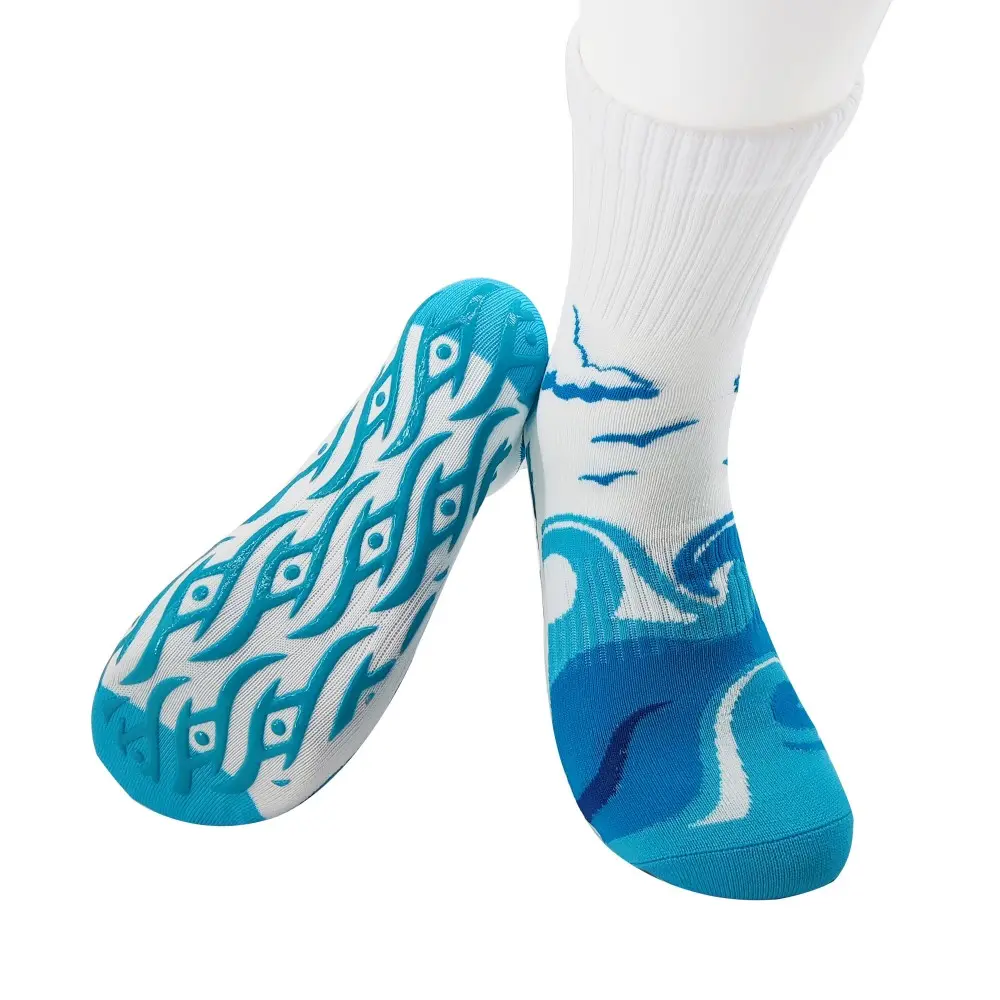 Aqua Park Socks
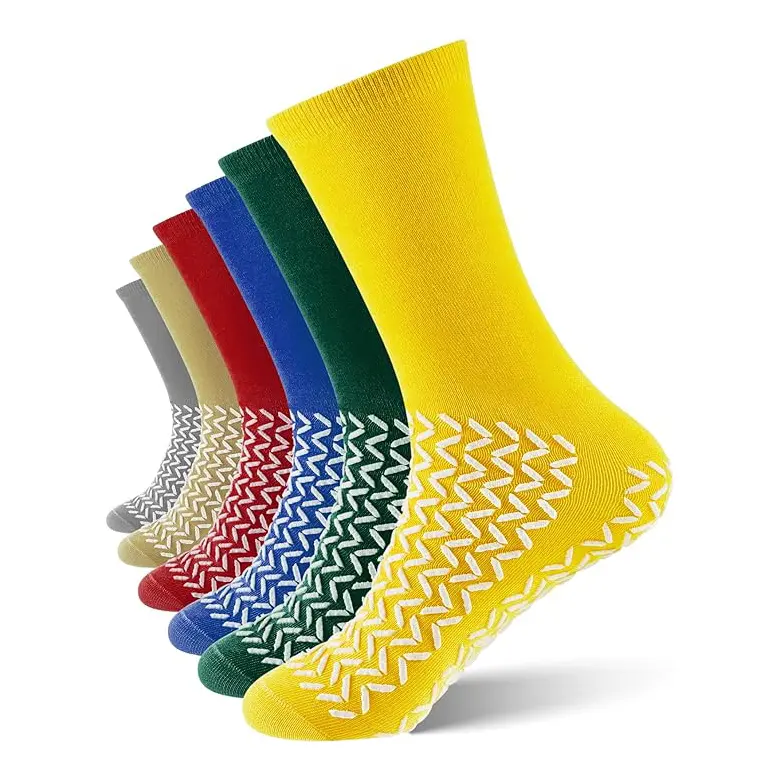 Hospital Slipper Socks
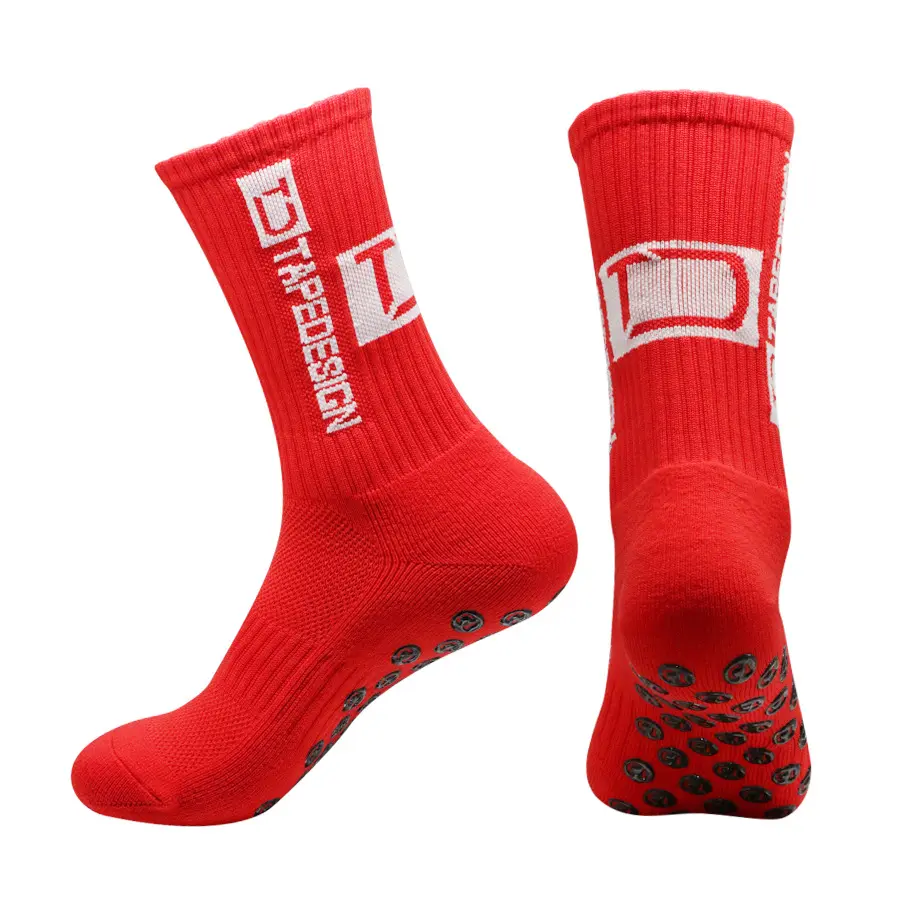 Grip Football Socks
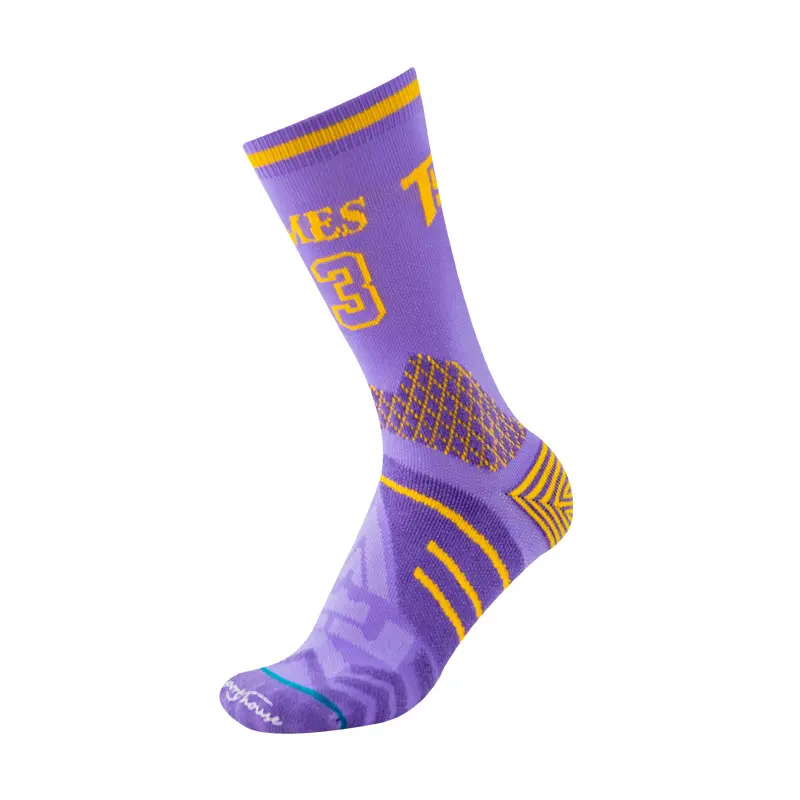 Basketball Socks
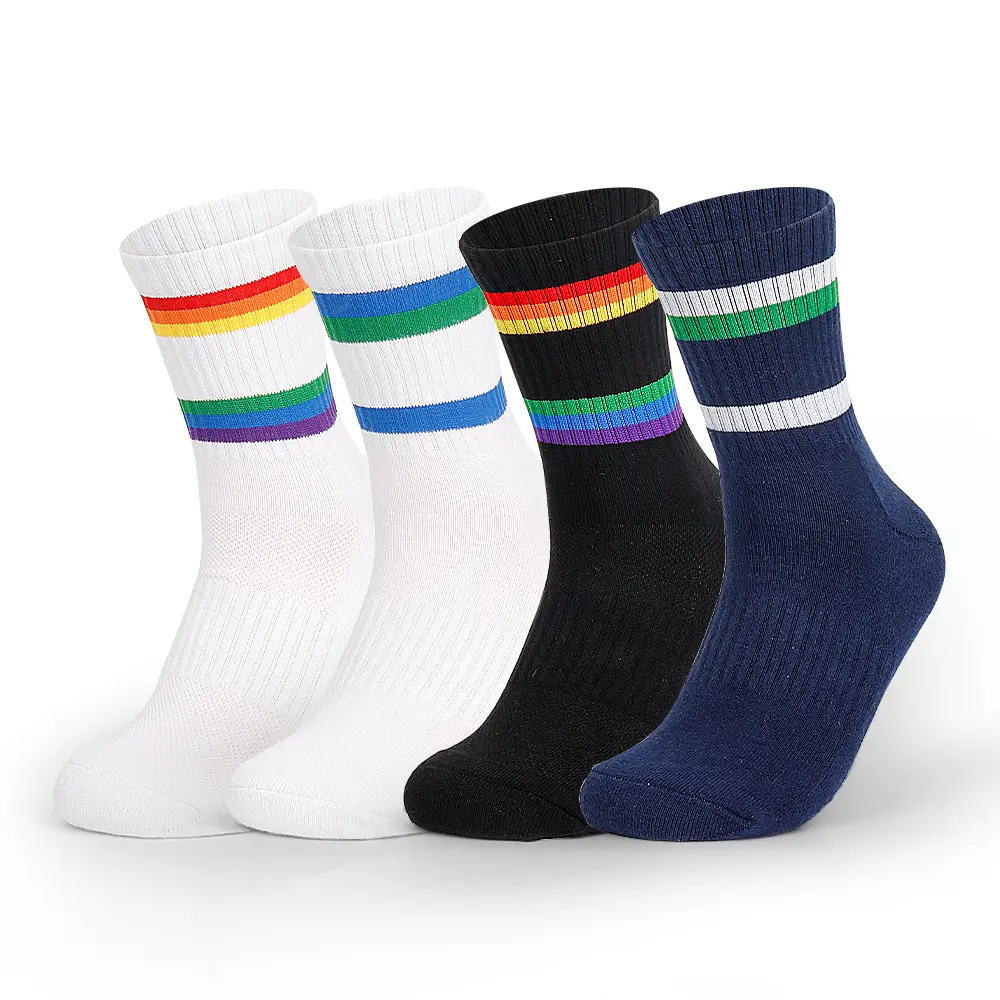 Badminton Socks
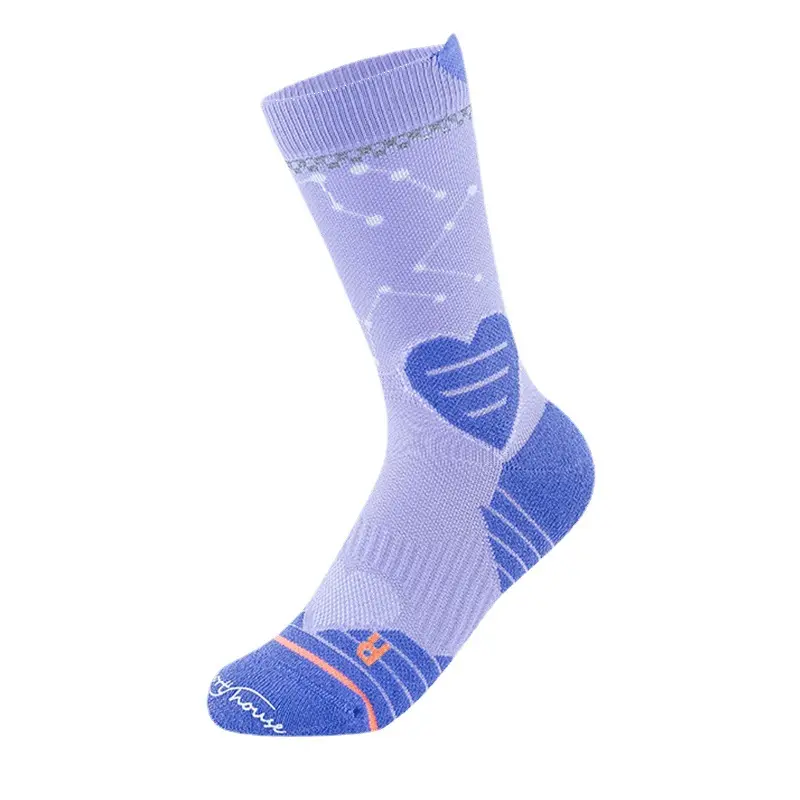 Cycling Socks
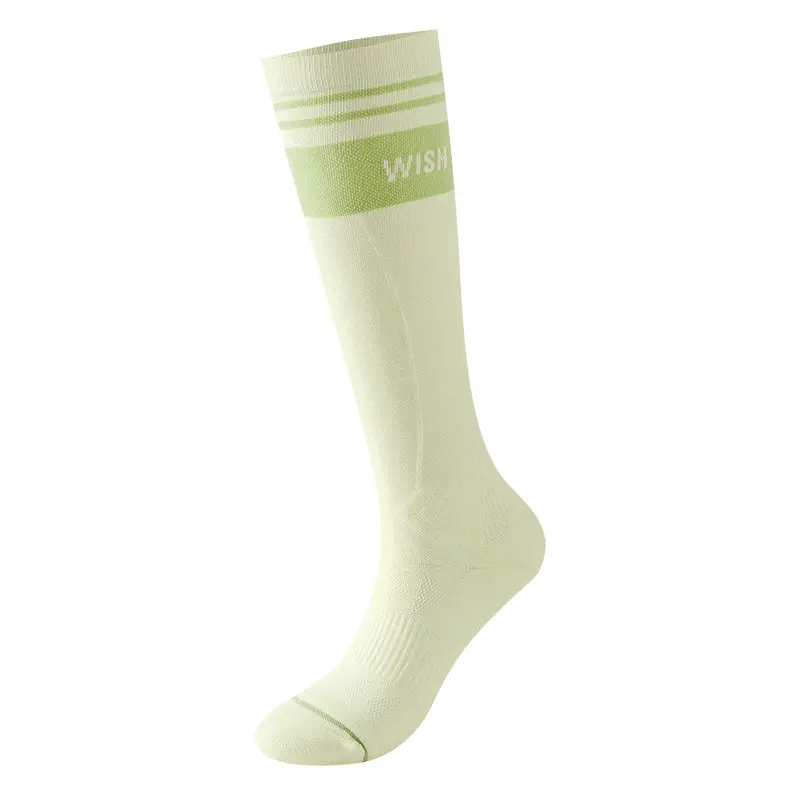 Running Socks
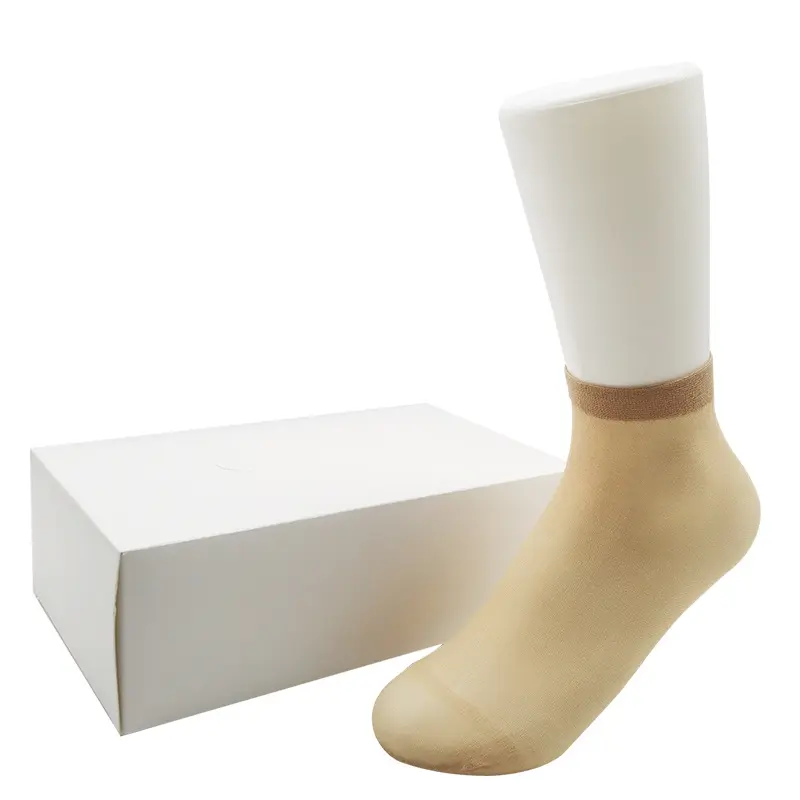 Disposable Socks Bowling Alley Socks
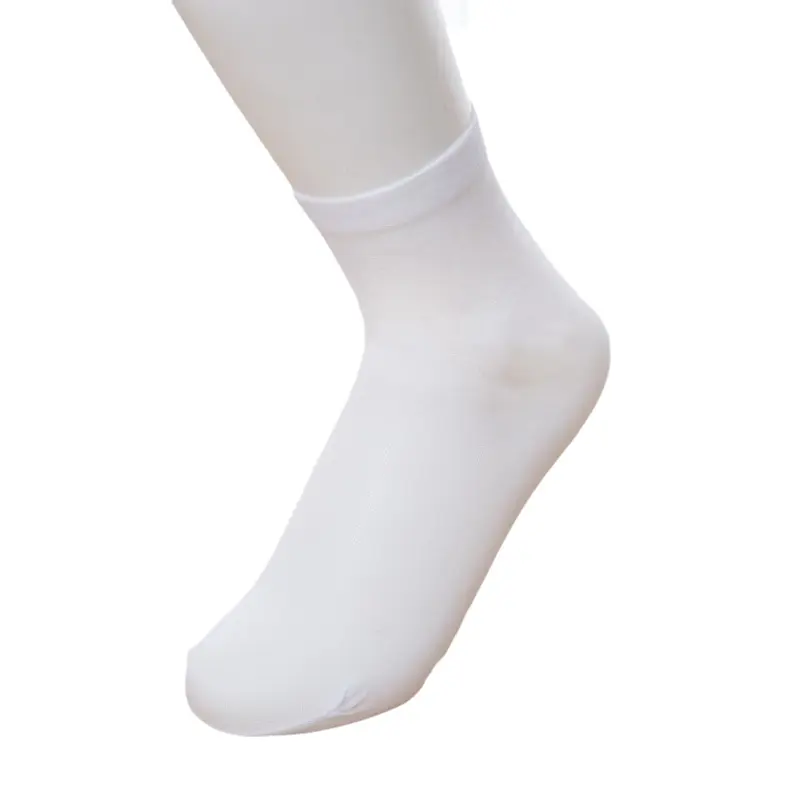 Disposable socks
 Warm Colorful Striped Crew Socks for Women
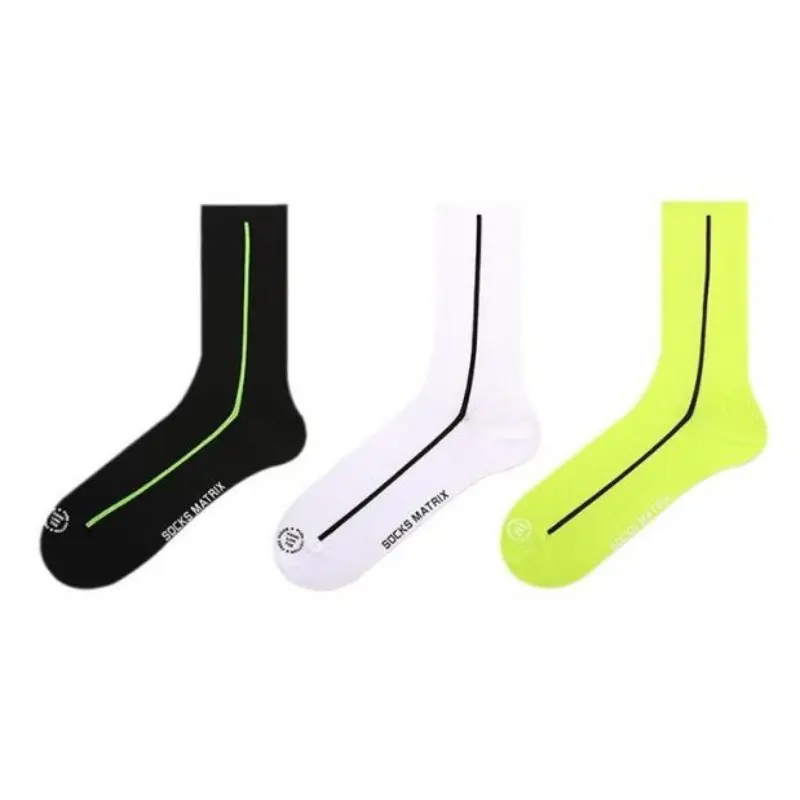 Custom Unisex Crew Socks Breathable Socks
 Digital Printing Vintage Crew Socks
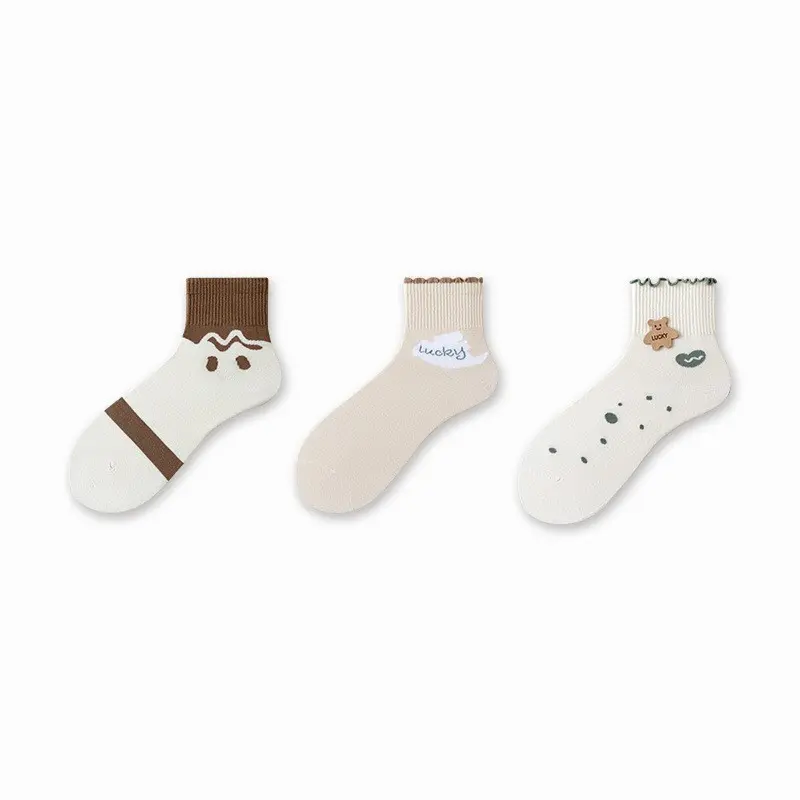 Animal Fuzzy Cartoon Crew Socks for Women
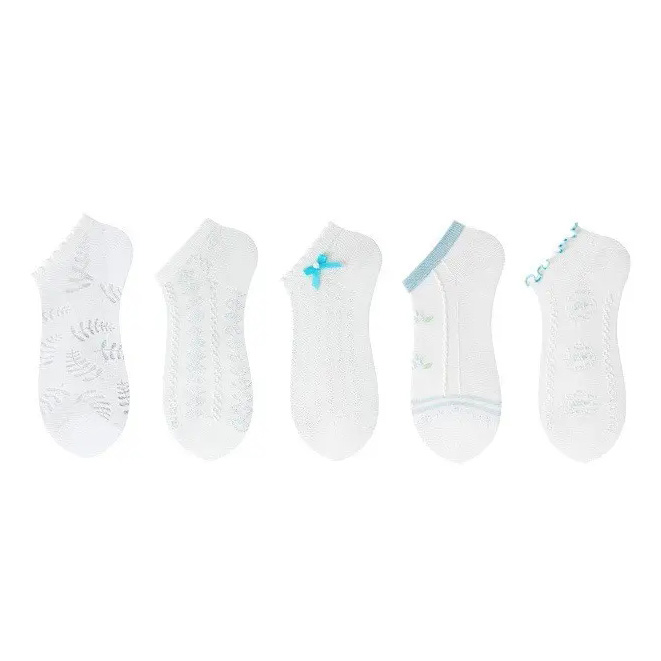 Cotton Flower Ankle Socks Low Cut Socks
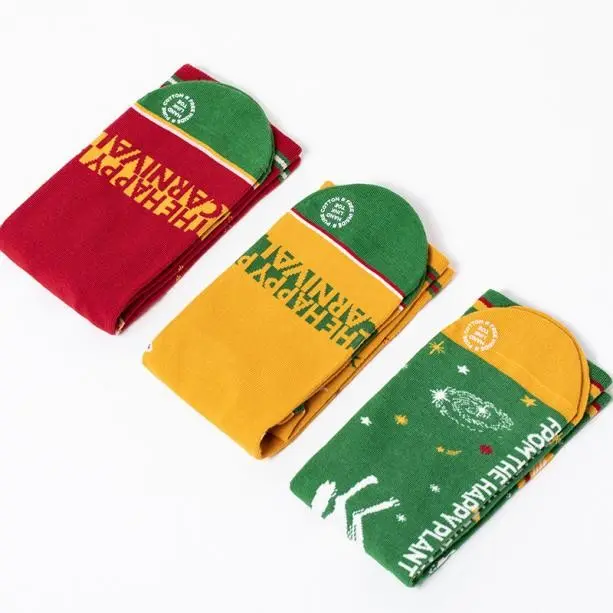 Thick Christmas Festival Crew Socks
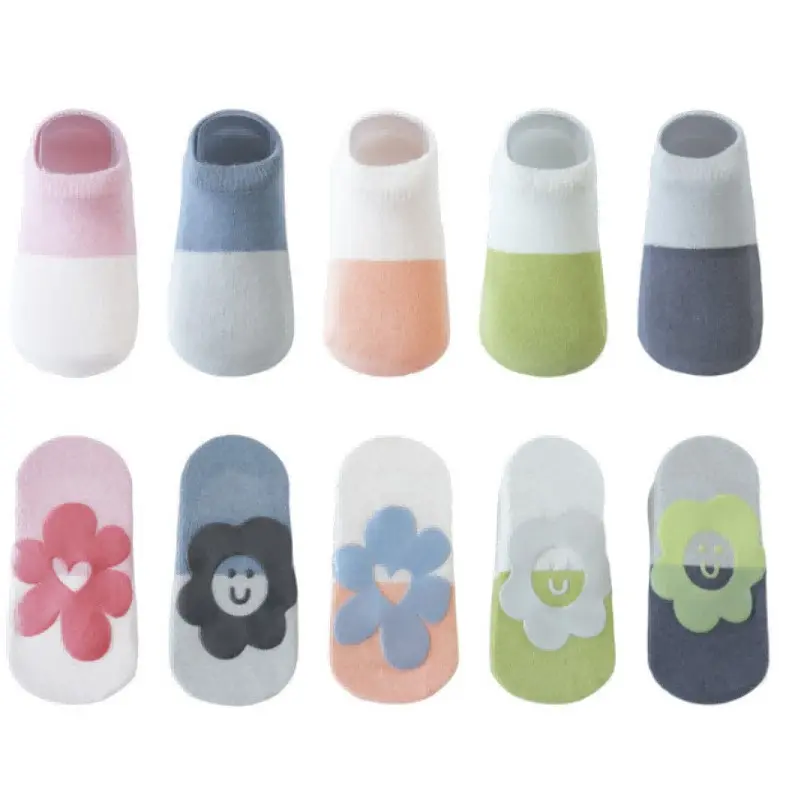 Cotton Cute Anti Slip Baby Ankle Socks with Cartoon
 Colorful Soft Baby Socks Anti-slip
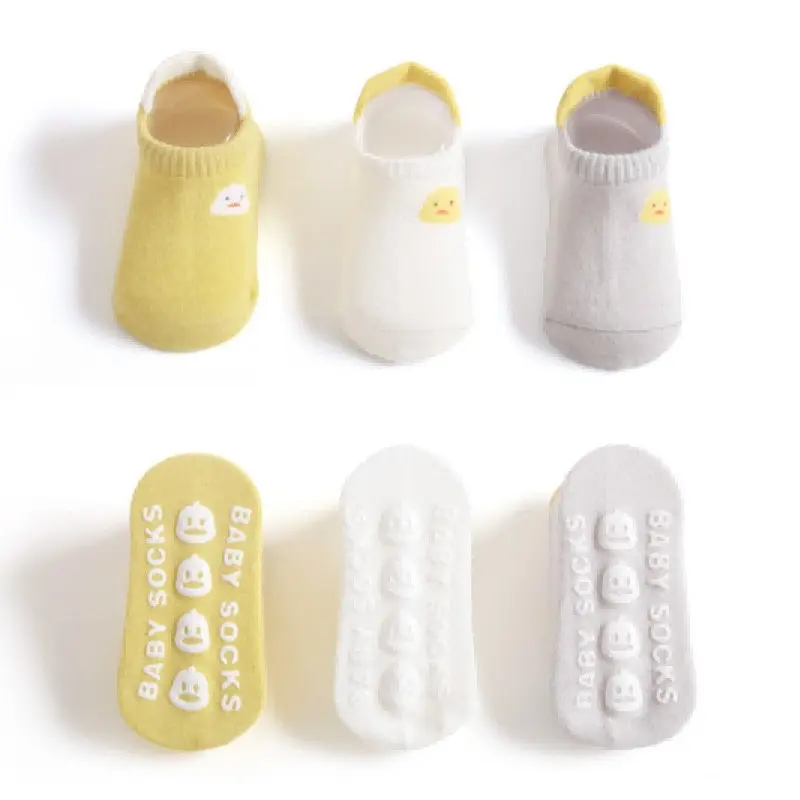 Non Slip Soft Ankle Baby Toddlers Socks
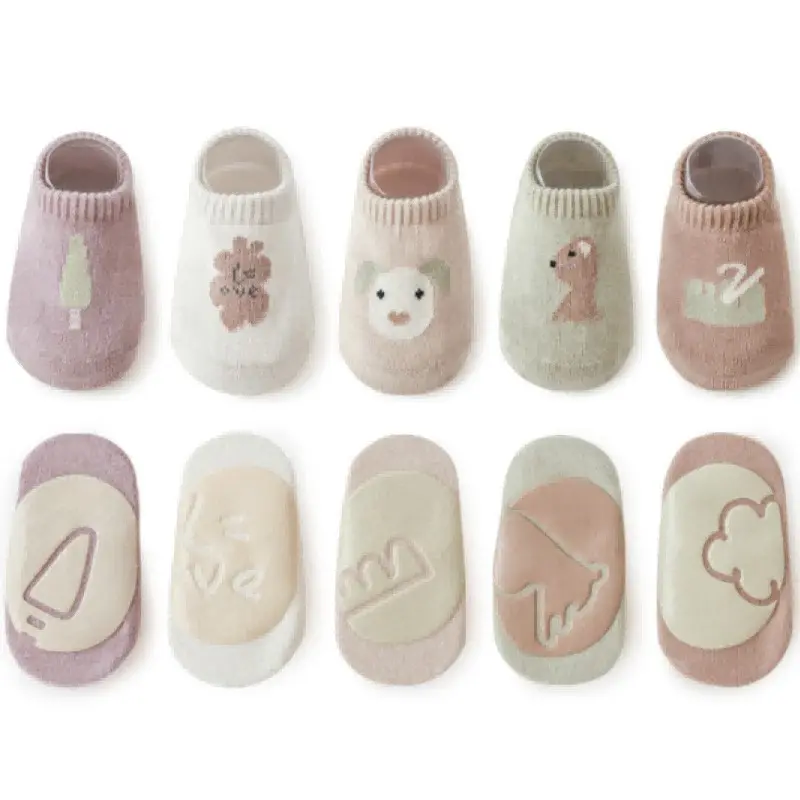 Cartoon Baby Socks With Grips Crew Walking Socks
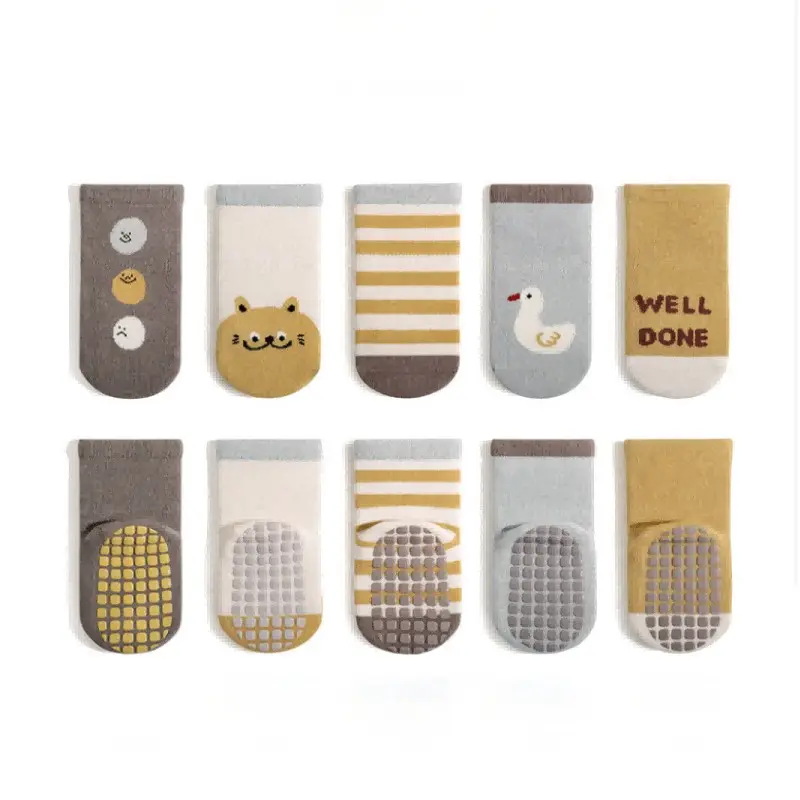 Baby Socks Floor Grip Mid-tube Socks with Cartoon