- Home
- Products
- Customization
- About Us
- Blogs
- Contact Us
 Trampoline Socks
 Aqua Park Socks
 Hospital Slipper Socks
 Grip Football Socks
 Basketball Socks
 Badminton Socks
 Cycling Socks
 Running Socks
 Disposable Socks Bowling Alley Socks
 Disposable socks
 Warm Colorful Striped Crew Socks for Women
 Custom Unisex Crew Socks Breathable Socks
 Digital Printing Vintage Crew Socks
 Animal Fuzzy Cartoon Crew Socks for Women
 Cotton Flower Ankle Socks Low Cut Socks
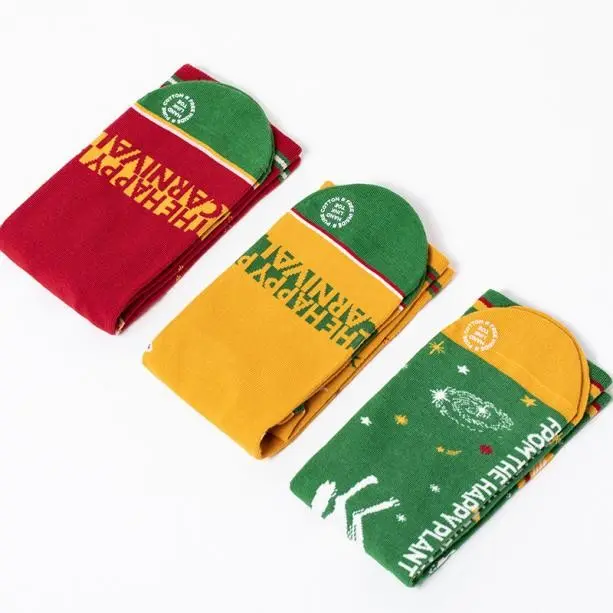 Thick Christmas Festival Crew Socks
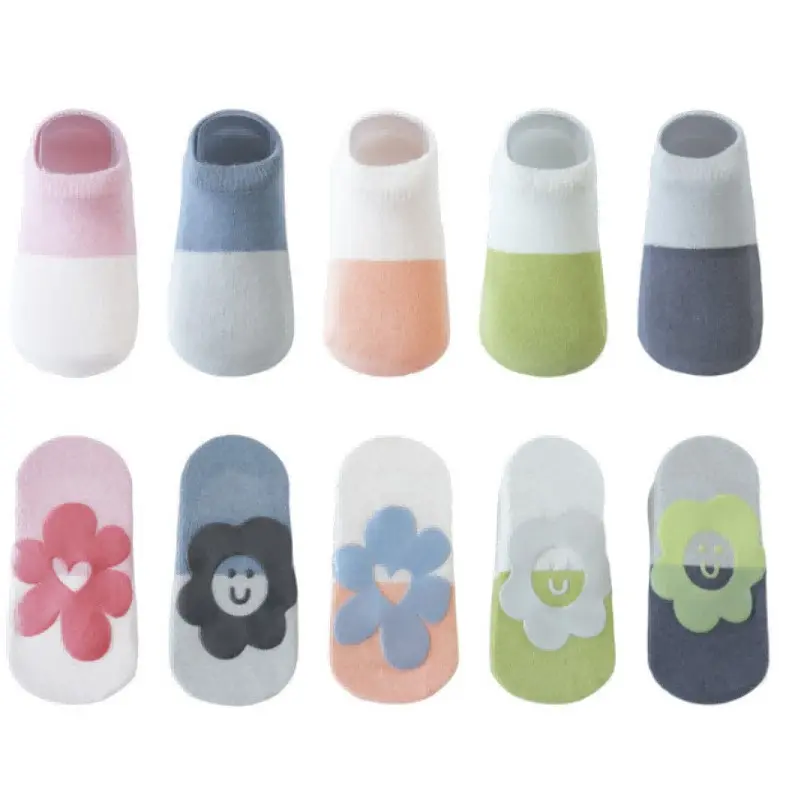 Cotton Cute Anti Slip Baby Ankle Socks with Cartoon
 Colorful Soft Baby Socks Anti-slip
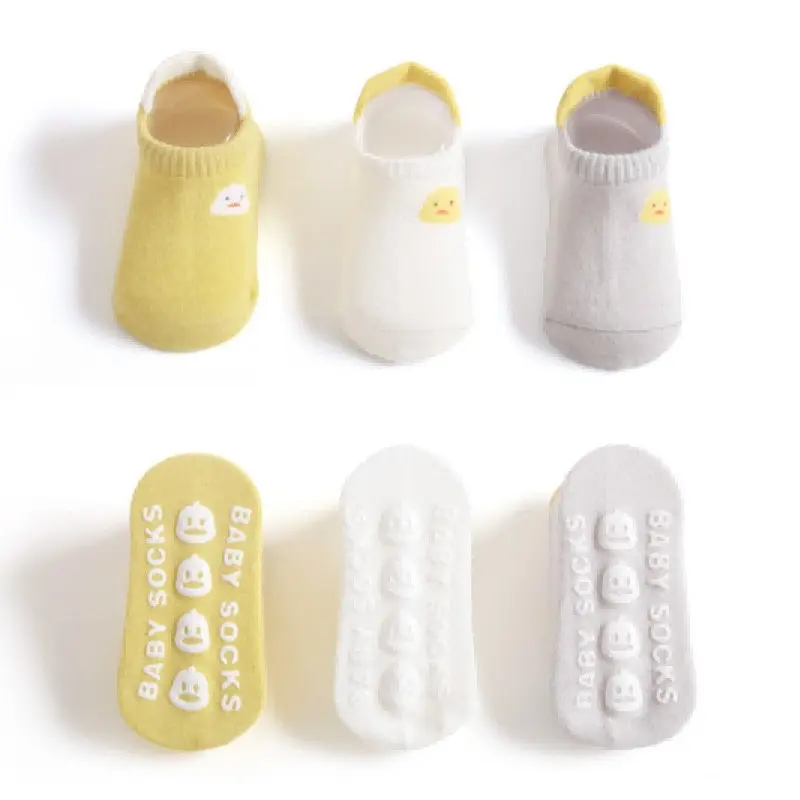 Non Slip Soft Ankle Baby Toddlers Socks
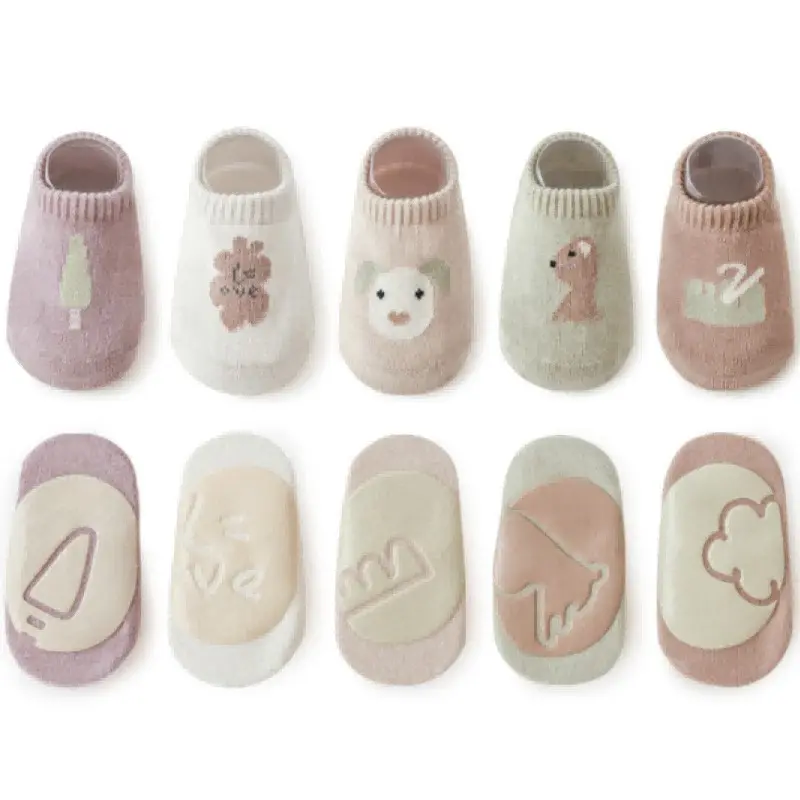 Cartoon Baby Socks With Grips Crew Walking Socks
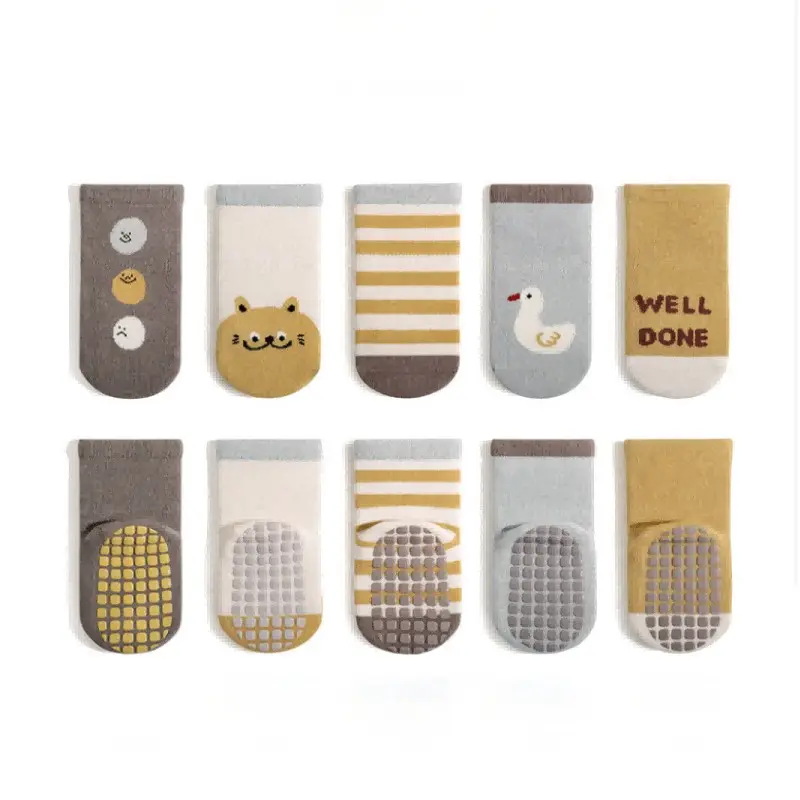 Baby Socks Floor Grip Mid-tube Socks with Cartoon
Leave Your Message
-
Phone
-
E-mail
-
Whatsapp
-
WeChat

Knee High Socks look simple on a product page. In production, small choices matter: the yarn blend, cuff tension, heel shaping, and wash durability. For global buyers, choosing a manufacturer means checking more than price. Reliable sampling, clear specifications, consistent sizing, and realistic lead times all deserve attention. So does communication when a sample misses the mark.
Textile sustainability researcher Dr. Subramanian Senthilkannan Muthu offers a useful lens on material decisions. An editorial takeaway, not a verbatim quotation, is: “Assess a textile by its materials, manufacturing process, and performance across its life cycle.” That perspective can help buyers ask sharper questions about fiber content, dyeing, packaging, and product lifespan. It does not replace factory audits or independent testing. Details still need verification.
This guide to the 2026 Top Knee High Socks Manufacturers for Global Buyers compares suppliers through practical sourcing factors, including product range, customization, quality controls, and export experience. Look for evidence: specification sheets, sample evaluations, test reports, and clear production terms. Ask how factories manage stretch recovery and cuff comfort after repeated washing. A polished catalog is not enough. No shortlist is perfect; supplier capabilities change, and public claims can be incomplete. Treat rankings as a starting point, then confirm fit with your own samples and requirements.
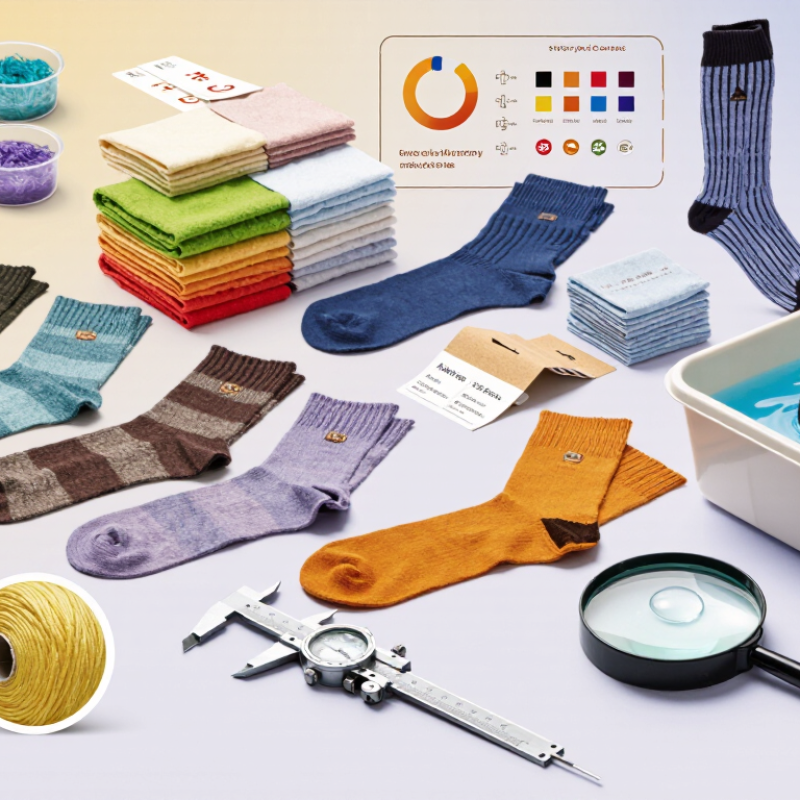
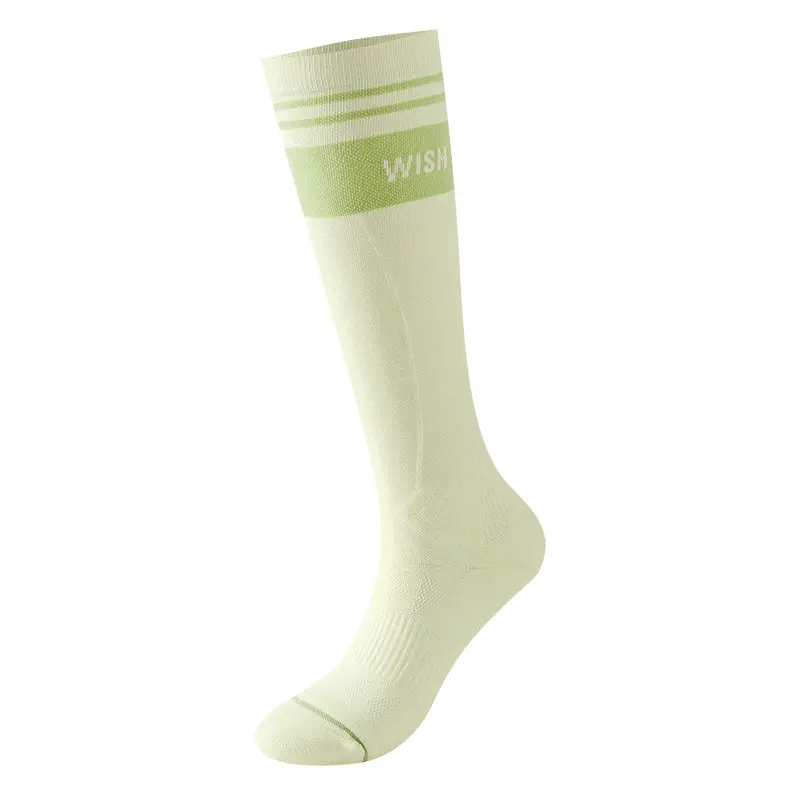
Knee-high socks cover the foot and lower leg, ending just below the knee. Their height helps protect skin from footwear and adds warmth without a full-length leg layer. People wear them with work uniforms, school clothing, travel outfits, sports gear, and everyday styles. The right construction depends on activity, climate, and local preferences. Warm-weather buyers may prefer lightweight, breathable knits; colder regions often need denser yarns. They are not one product type. Some designs add cushioning, while dress socks use finer yarns and a slimmer profile.
For global orders, manufacturers need clear product specifications. Buyers should identify the intended use, fiber blend, sock length, colors, and size range. Calf circumference matters as much as foot length, especially when socks must stay up through a full workday. Small details matter. A cuff that is too tight can feel uncomfortable, while a loose one may slide down. Fiber content also affects warmth, stretch, drying time, and care needs. One point deserves caution: size charts can vary between suppliers, so measurements alone may not predict fit. Testing samples across several sizes can reveal problems before production, though results may differ after washing. Practical checks beat assumptions.
| Dimension | Product Facts and Common Options | Relevance to Global Buyers |
|---|---|---|
| Product definition | Knee-high socks cover the foot and lower leg, with the leg portion reaching to just below the knee. Exact length and fit vary by wearer, pattern, and sizing system. | Buyers should specify foot size, leg length, calf circumference, and intended fit rather than relying on the product name alone. |
| Knitting construction | Common constructions include circular-knit socks, ribbed legs, patterned knits, and terry or cushioned foot zones. Toe seams may be closed using different finishing methods. | Construction choices affect stretch, thickness, appearance, comfort, and suitability for different footwear and activities. |
| Fiber choices | Common materials include cotton, wool, polyester, polyamide (nylon), and elastane. Socks may use a blend of fibers to combine properties such as softness, durability, warmth, and stretch. | Buyers should review the declared fiber composition and assess it against the target climate, use case, price point, and labeling rules in each destination market. |
| Fit and sizing | Sizing may be based on shoe size, foot length, or a combined size range. Leg stretch and calf fit depend on the knit structure, elastic content, and sock dimensions. | Request a size chart with measured foot and leg dimensions. Test samples on the intended wearer range, especially for wide-calf or uniform programs. |
| Warmth and cushioning | Lightweight knits suit lower-bulk wear; thicker yarns, wool blends, and terry-loop zones can provide more insulation or cushioning. Performance depends on the complete fabric and garment construction. | Season, footwear clearance, and activity level help determine suitable thickness. Buyers can specify cushioning zones rather than choosing thickness alone. |
| Common end uses | Knee-high socks are used for everyday wear, school and work uniforms, fashion, outdoor activities, and some sports. Material and construction requirements differ by use. | For uniforms, consistency and repeat-order matching matter; for outdoor or sports use, buyers may prioritize moisture management, cushioning, and a secure fit. |
| Compression products | Some knee-high socks are designed to provide graduated compression. Compression performance is specified by pressure range and measurement method; ordinary knee-high socks are not automatically compression products. | For medical or therapeutic claims, buyers should verify applicable product classification, testing, labeling, and regulatory requirements in each sales market. |
| Quality checks | Typical inspections can cover dimensions, weight, fiber composition, color consistency, seam quality, elastic recovery, appearance, and performance after care testing. | Agree on measurable tolerances, test methods, sampling plans, and acceptance criteria before production to support consistent shipments. |
| Care and durability | Care instructions depend on the fiber blend, dyes, and construction. Washing and drying conditions can affect shrinkage, color, elasticity, and garment life. | Validate care instructions through product testing and ensure the final label matches the product and the requirements of the destination market. |
| Customization and sourcing | Custom options can include color, pattern, leg height, cushioning zones, packaging, and size range. Minimum order quantities and production lead times vary by supplier and specification. | Provide a written specification and confirm sample approval, production capacity, packaging details, and delivery schedule before placing a bulk order. |